Story sequencing Worksheets for Ages 3-6
24 filtered results
-
From - To
Explore our engaging story sequencing worksheets designed specifically for children ages 3-6. These hands-on activities help young learners develop critical thinking and narrative skills as they put events in order and understand story flow. With colorful illustrations and age-appropriate themes, children will enjoy enhancing their comprehension while boosting their creativity. Perfect for home or classroom use, our worksheets encourage storytelling and spark imagination. Ideal for aspiring readers and writers, these resources support key developmental milestones in early literacy. Start your child on a fun journey of learning with our story sequencing worksheets today!
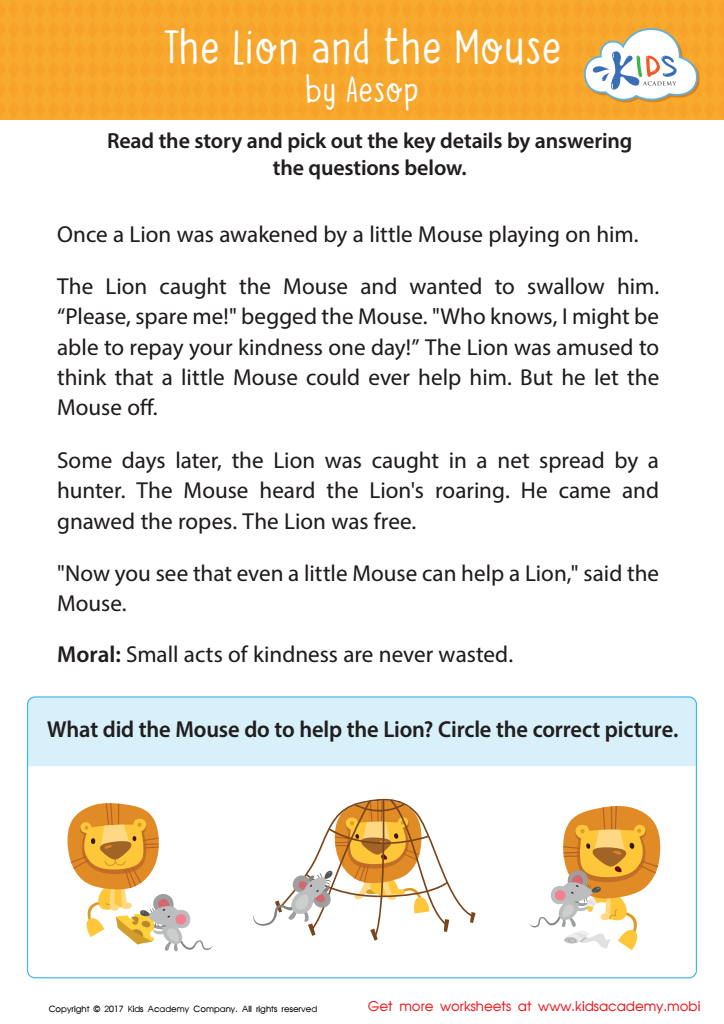
The Lion and The Mouse Sequencing Worksheet
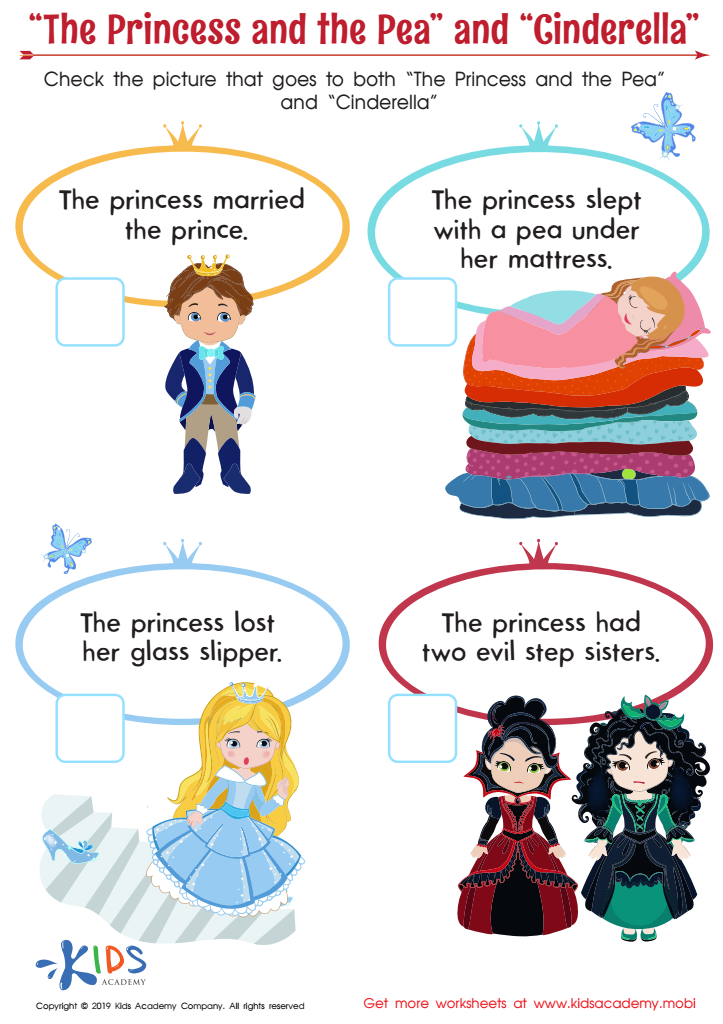
“The Princess and the Pea” and “Cinderella” Worksheet
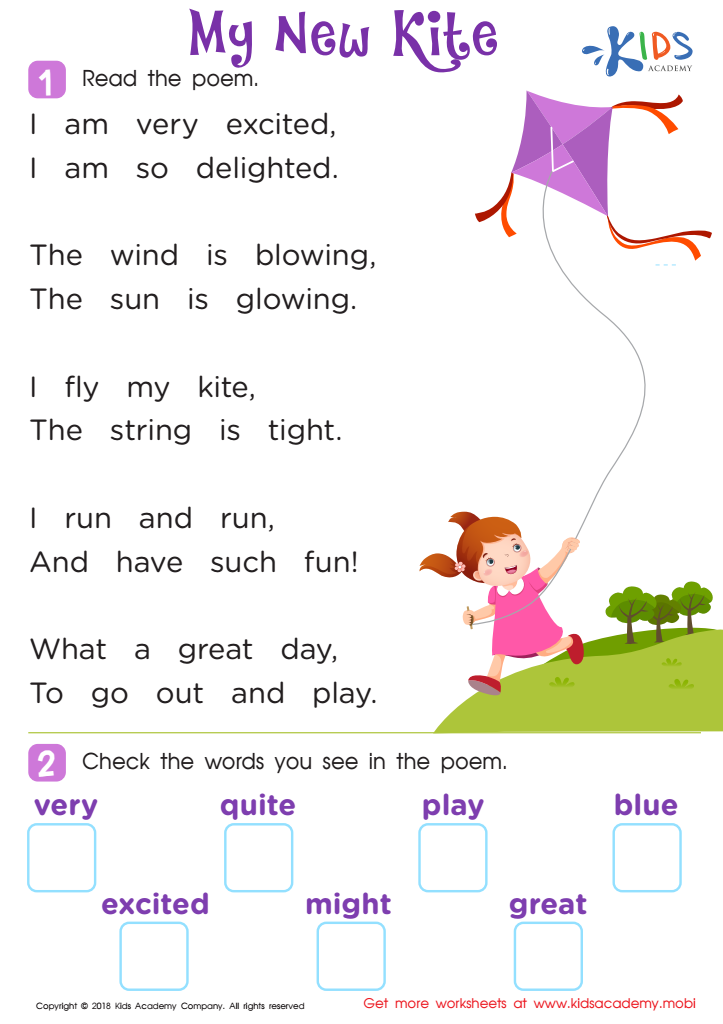
Poem: My New Kite Worksheet
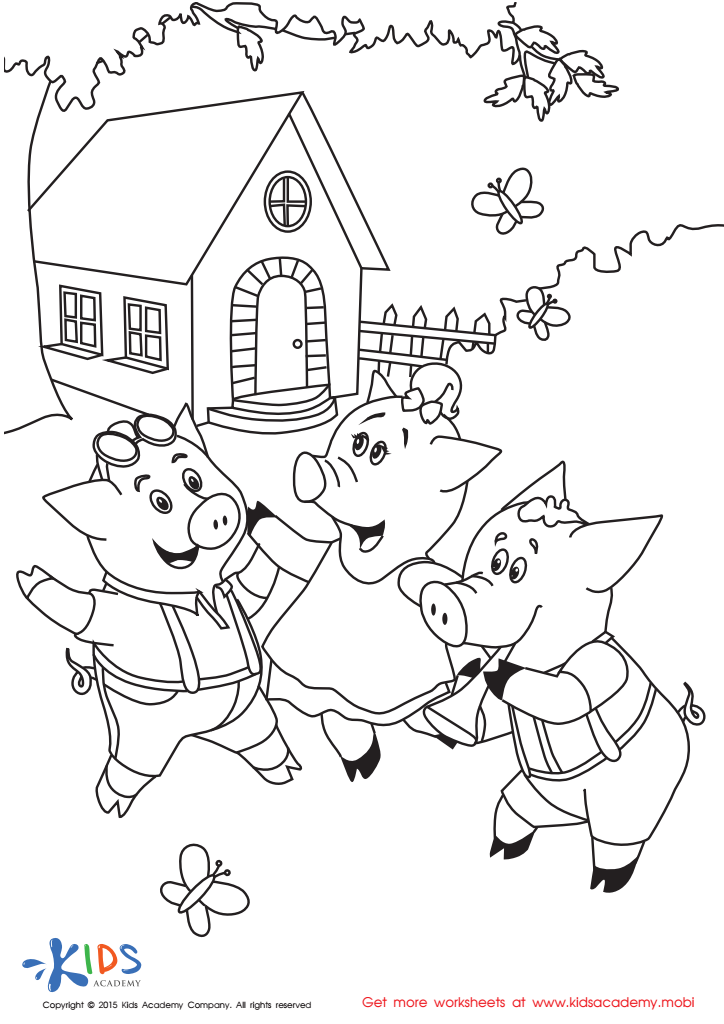
Folktales Printable PDF Worksheet: The 3 Little Pigs
 Assign to My Students
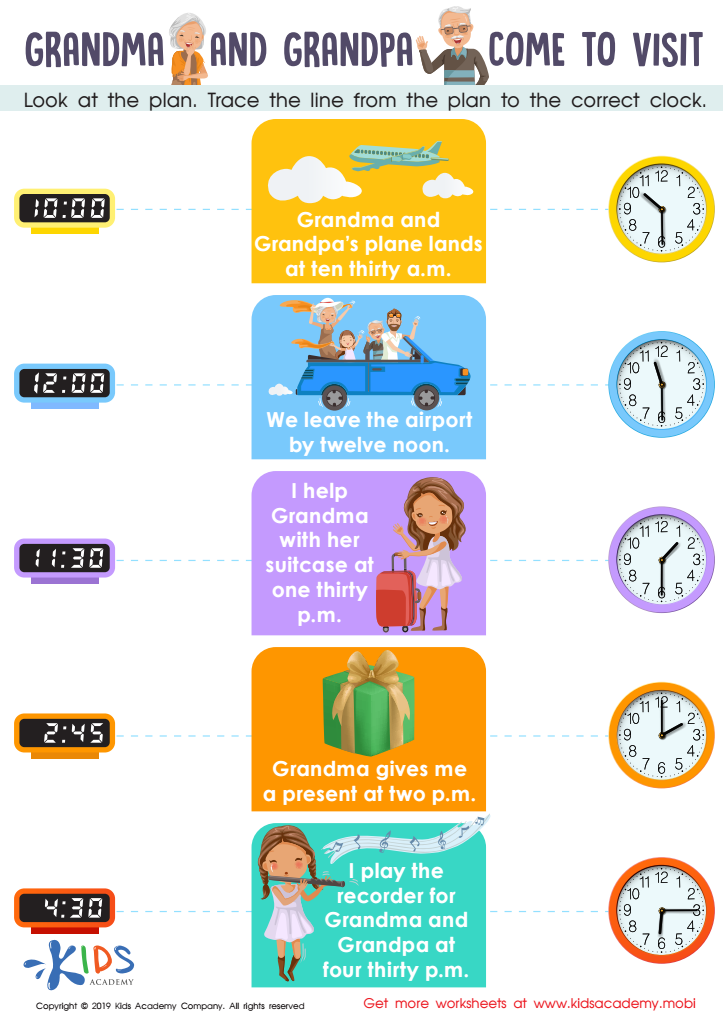
Grandpa and Grandma Come to Visit Worksheet
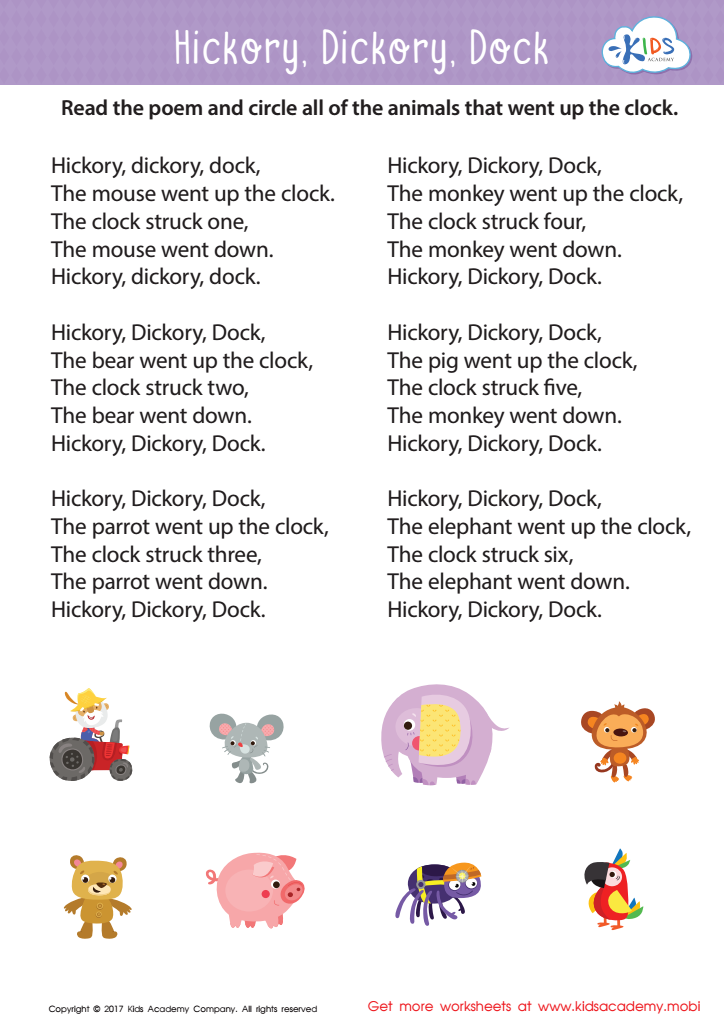
Hickory Dickory Dock Sequencing Worksheet
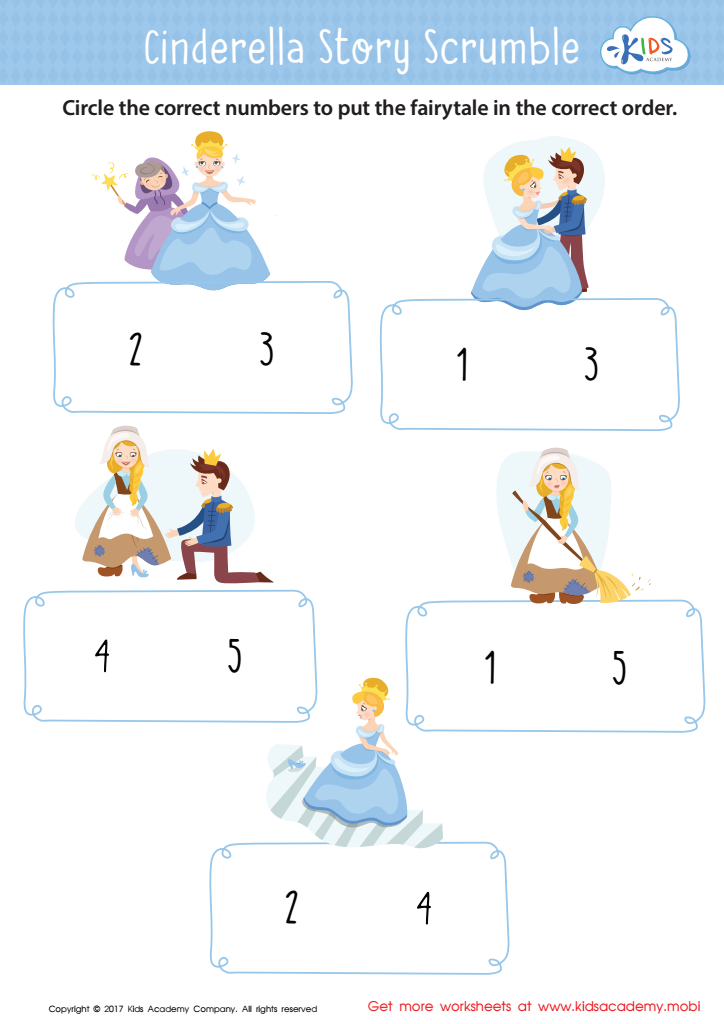
Cinderella Story Sequencing Worksheet
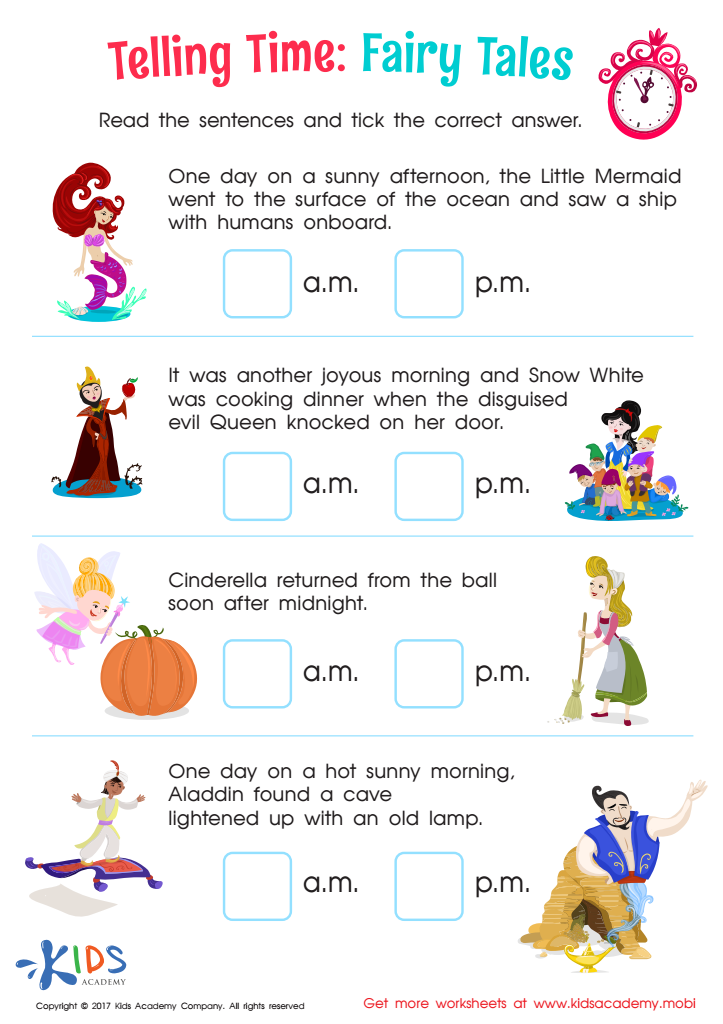
Telling Time: Fairy Tales Worksheet
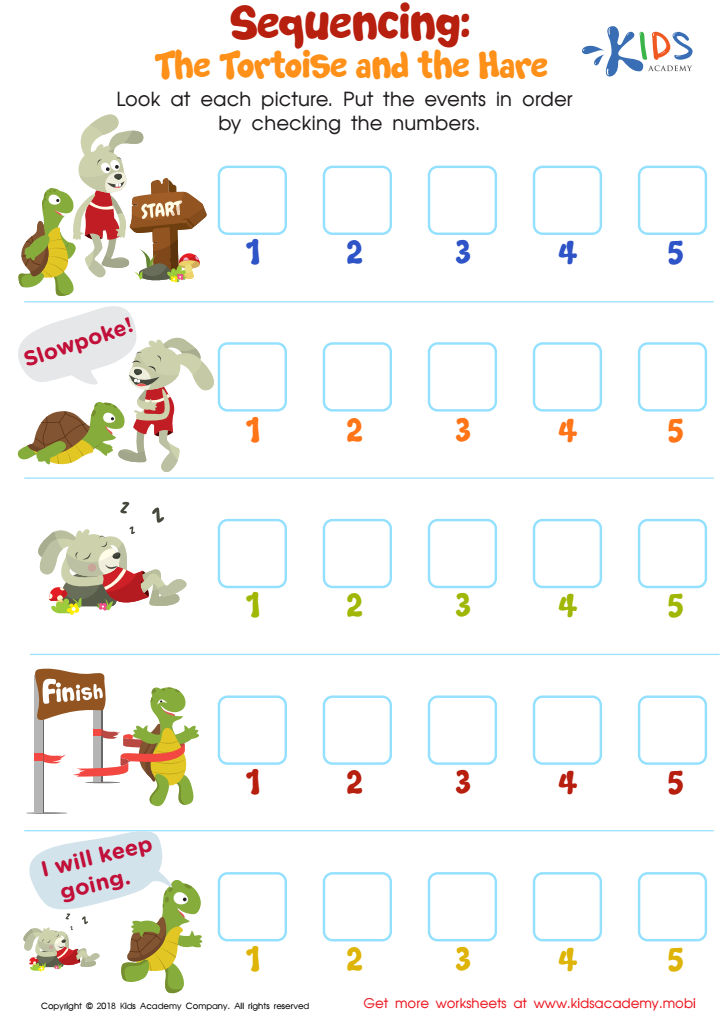
Sequencing: The Tortoise and the Hare Worksheet
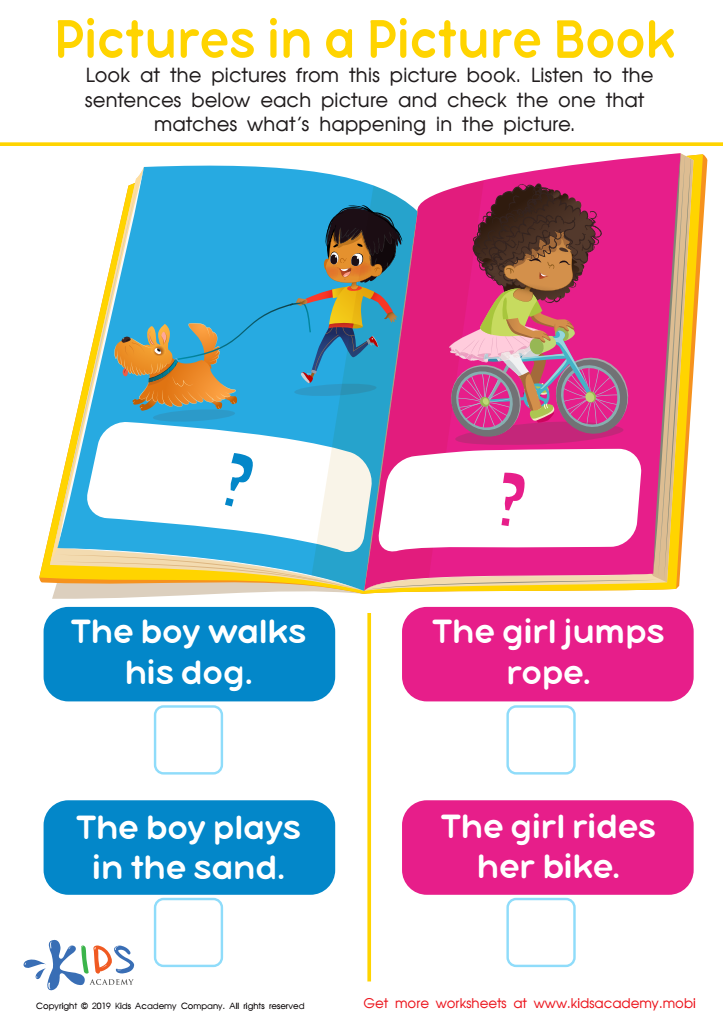
Picture in Books Worksheet
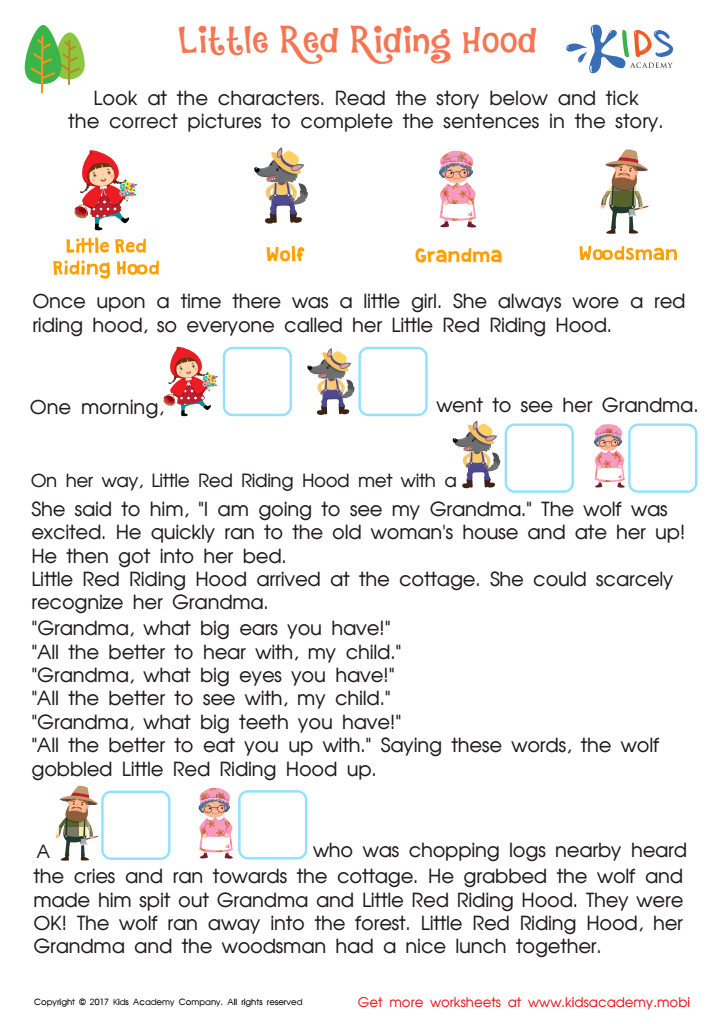
Little Red Riding Hood Printable
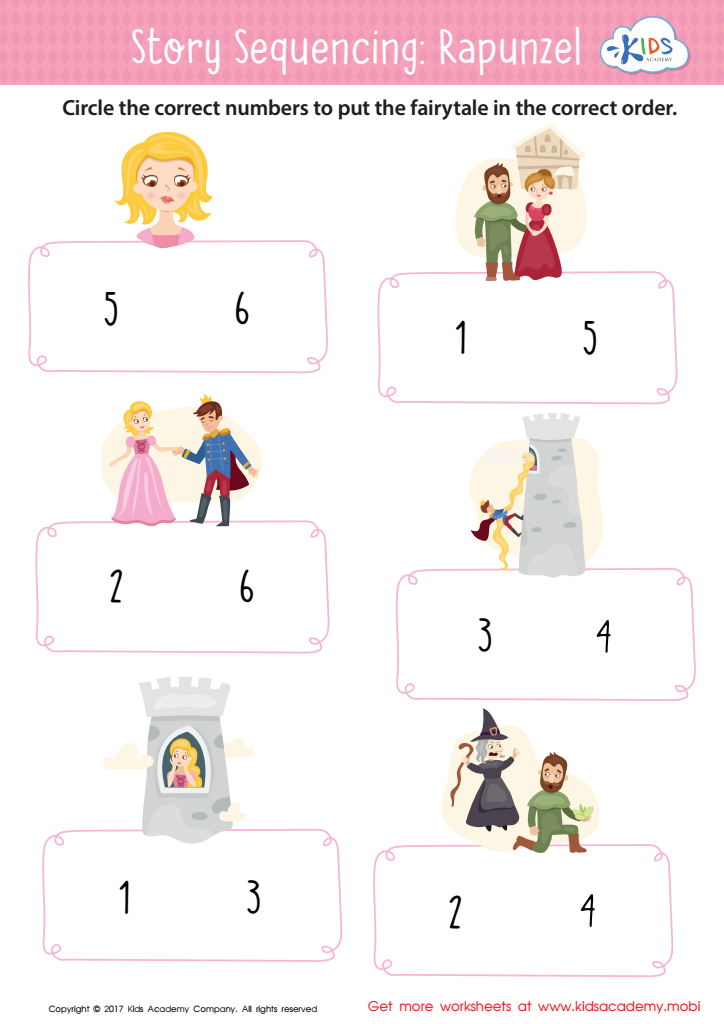
Rapunzel Story Sequencing Worksheet
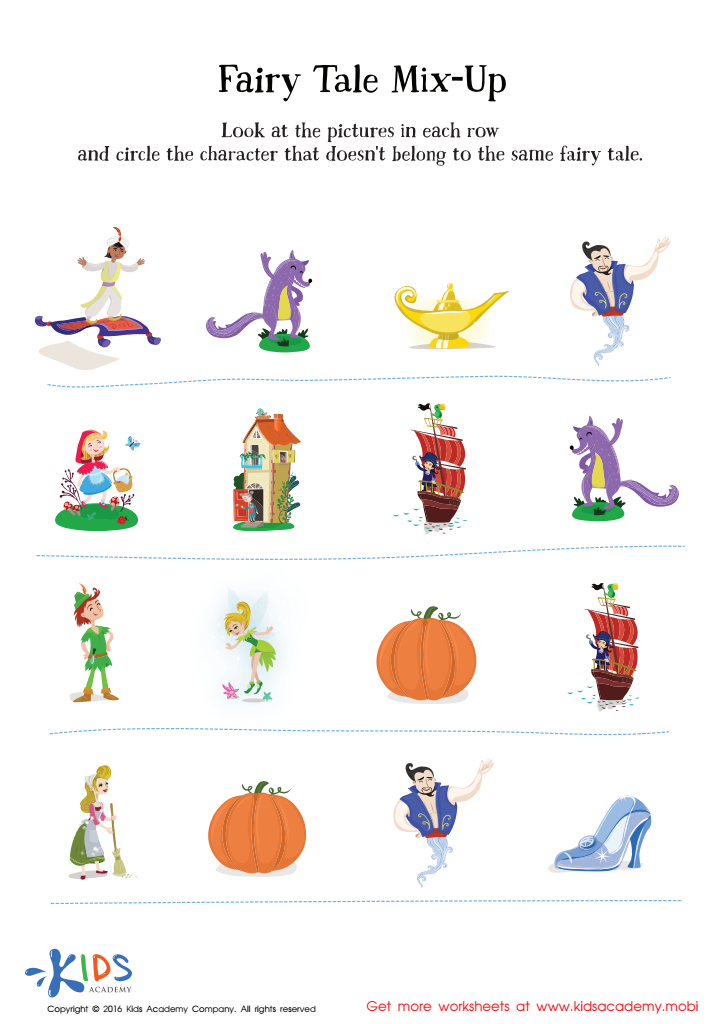
Fairy Tale Worksheet: Story Mix Up
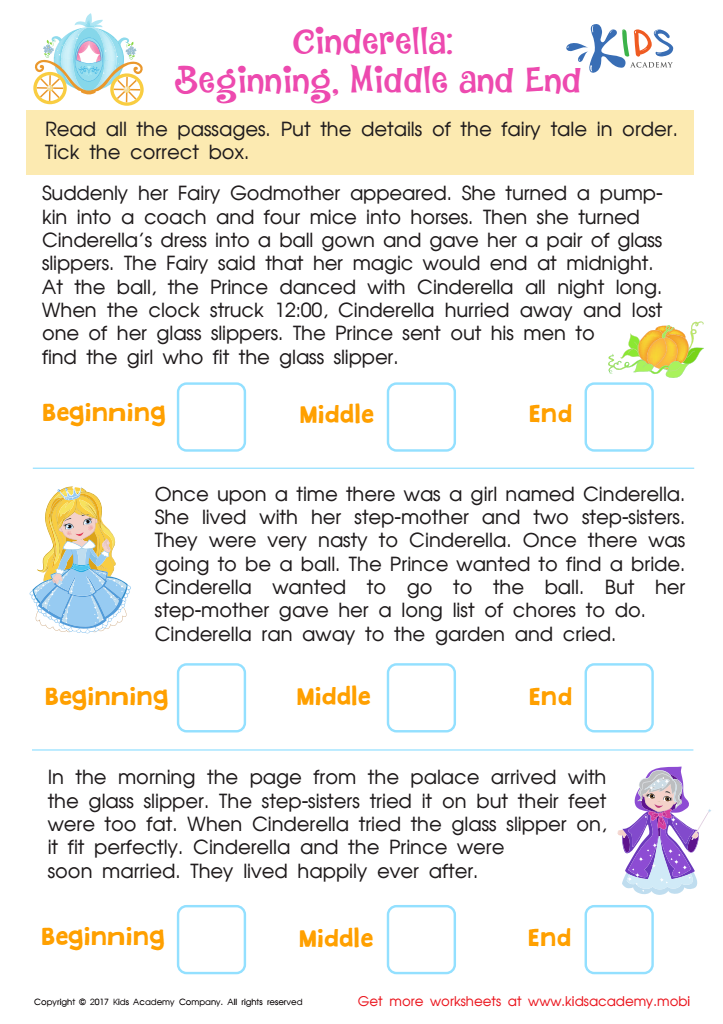
Cinderella: Beginning, Middle and End Worksheet
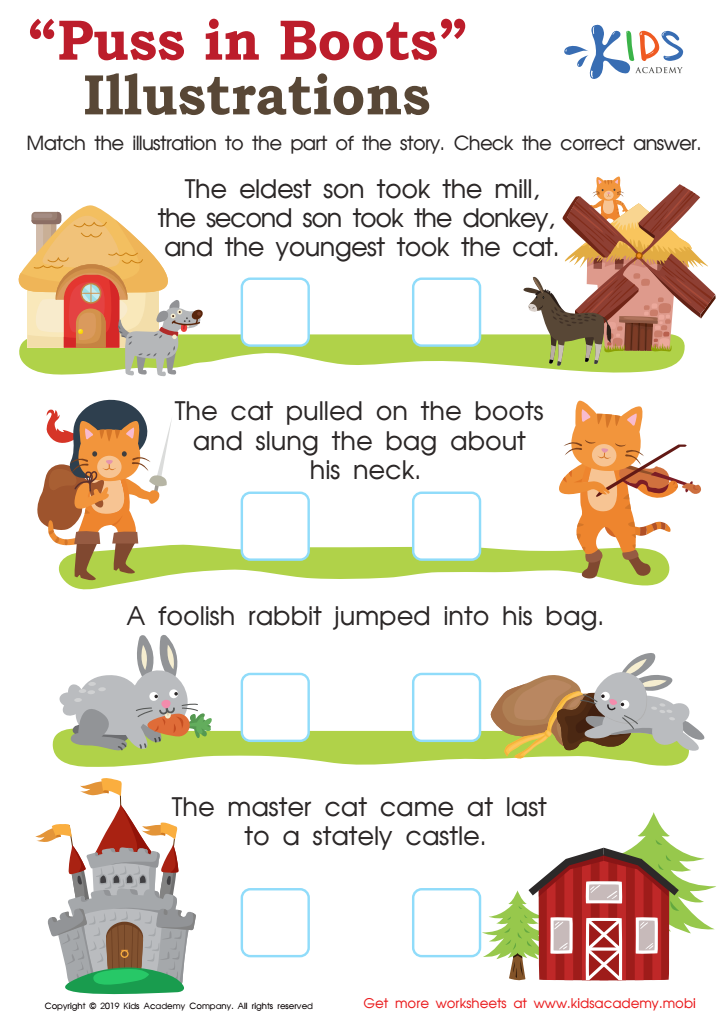
Puss in Boots Illustrations Worksheet
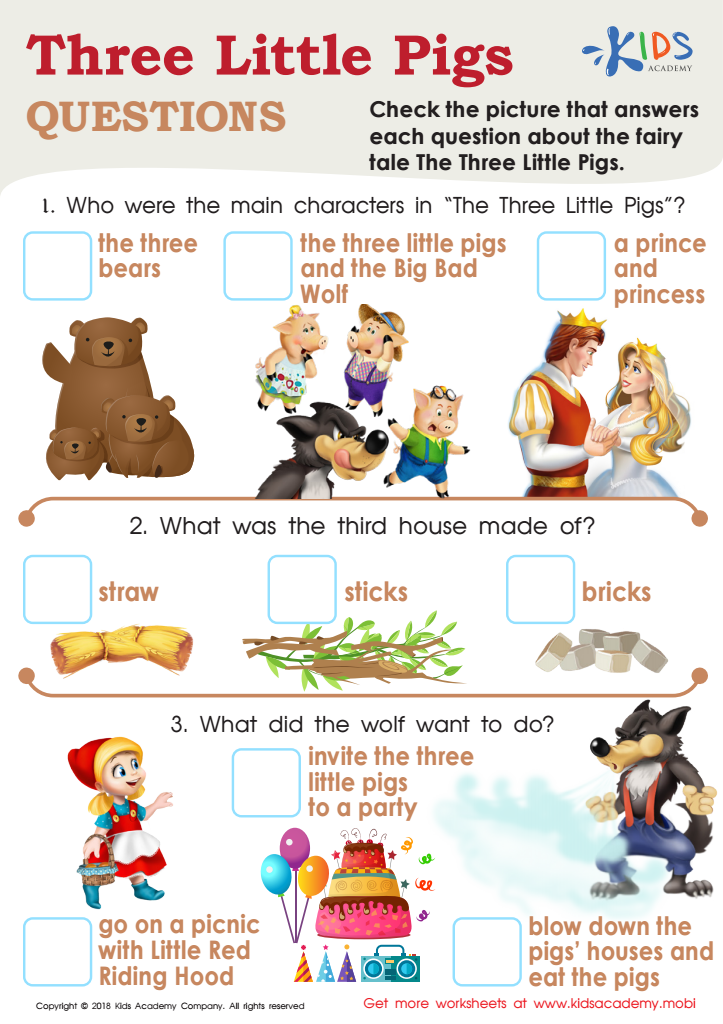
Three Little Pigs Questions Worksheet
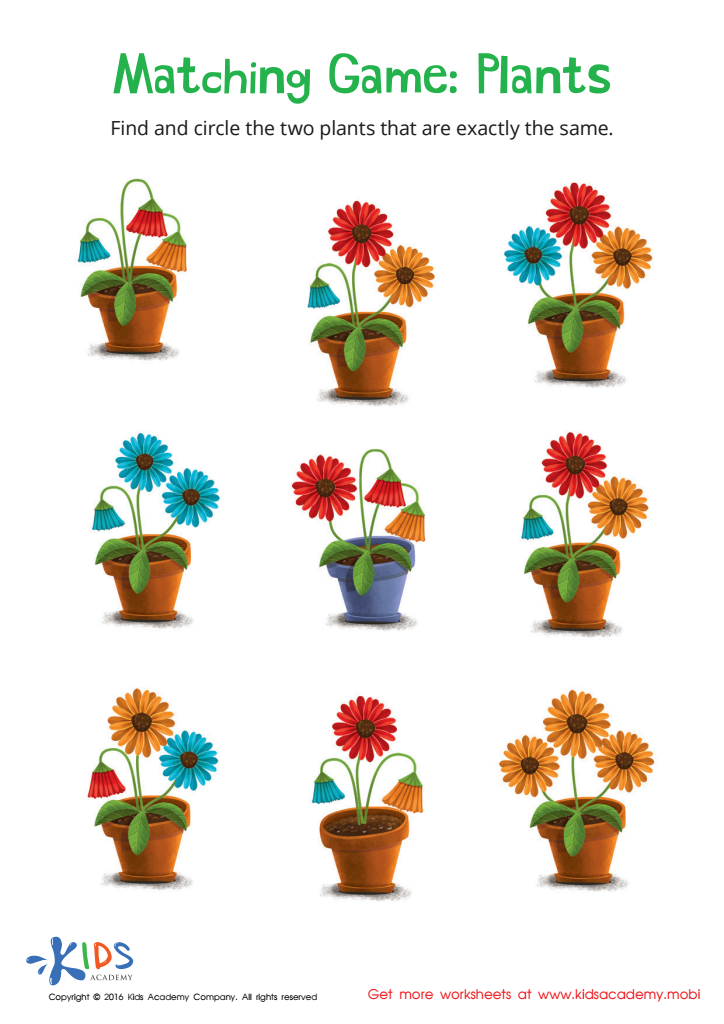
Matching: Plants Worksheet
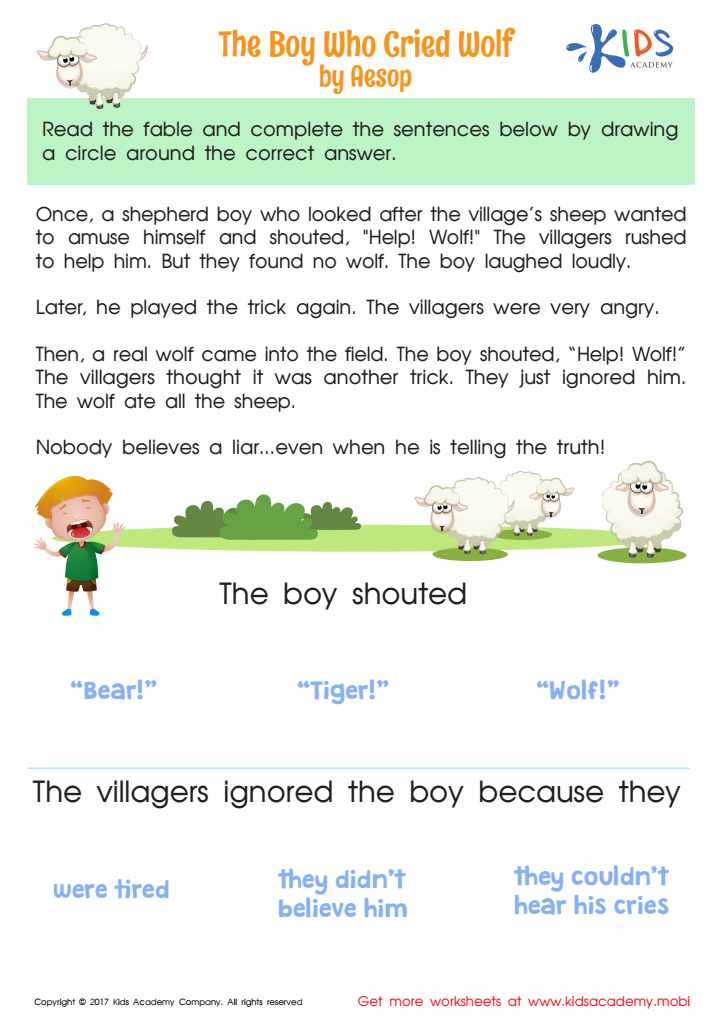
The Boy Who Cried Wolf Worksheet
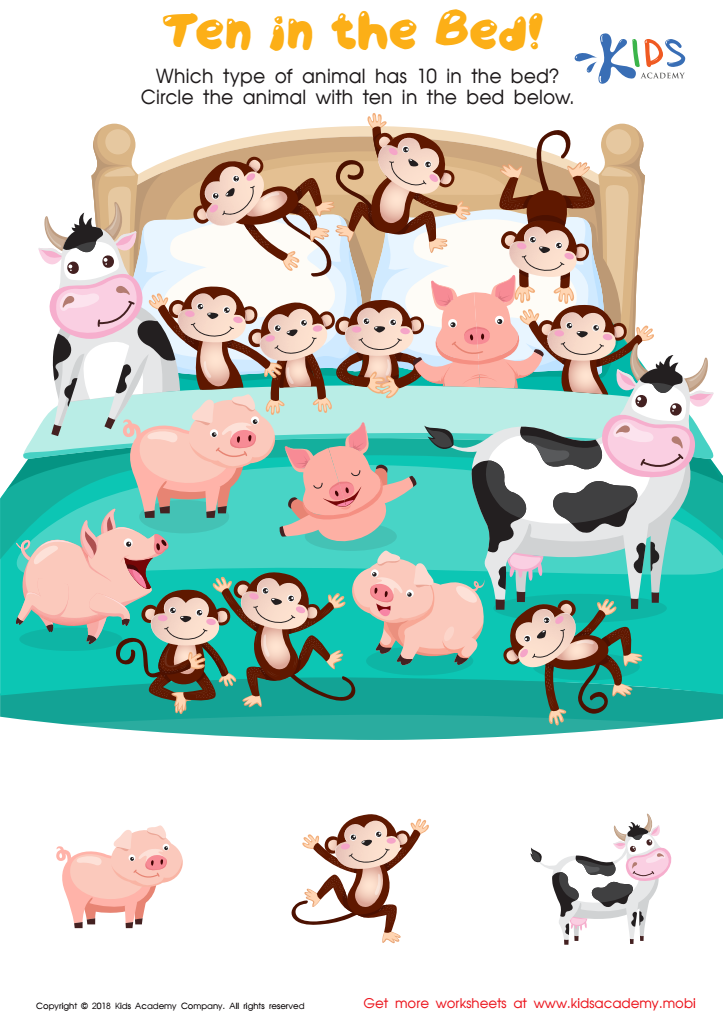
Ten in the Bed Worksheet
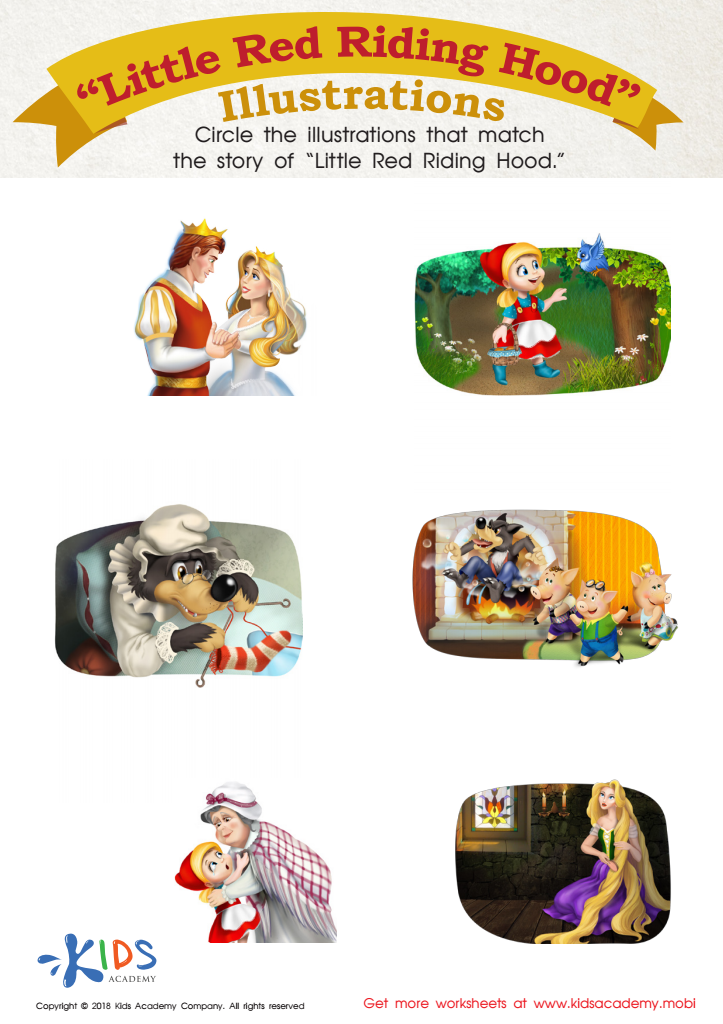
Little Red Riding Hood: Illustrations Worksheet
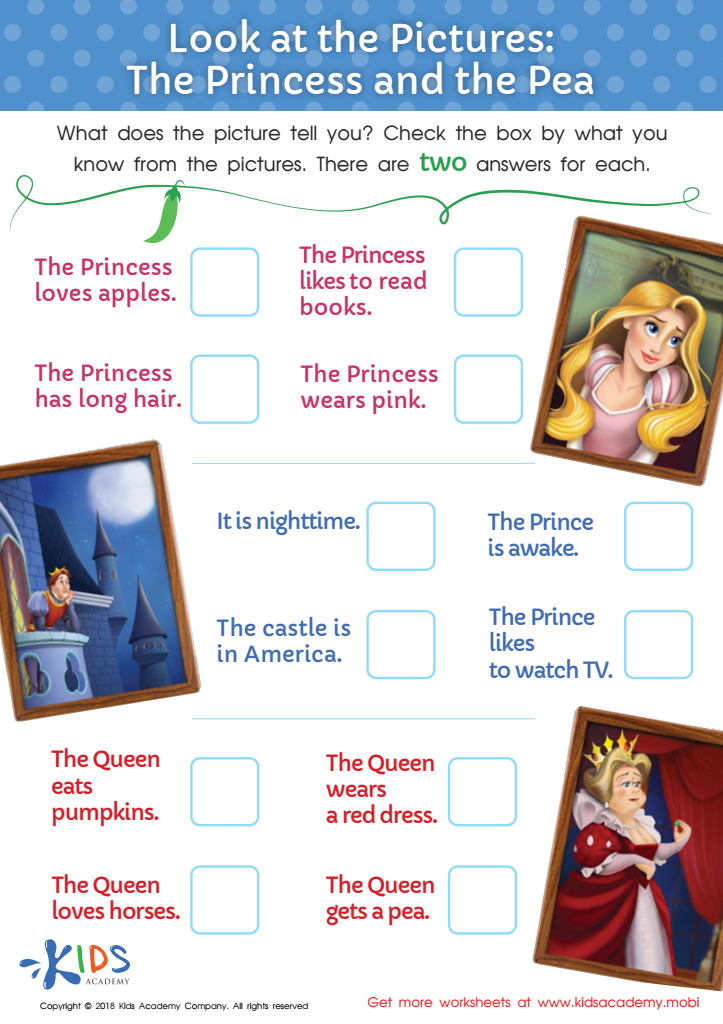
Look at the Pictures: The Princess and the Pea Worksheet
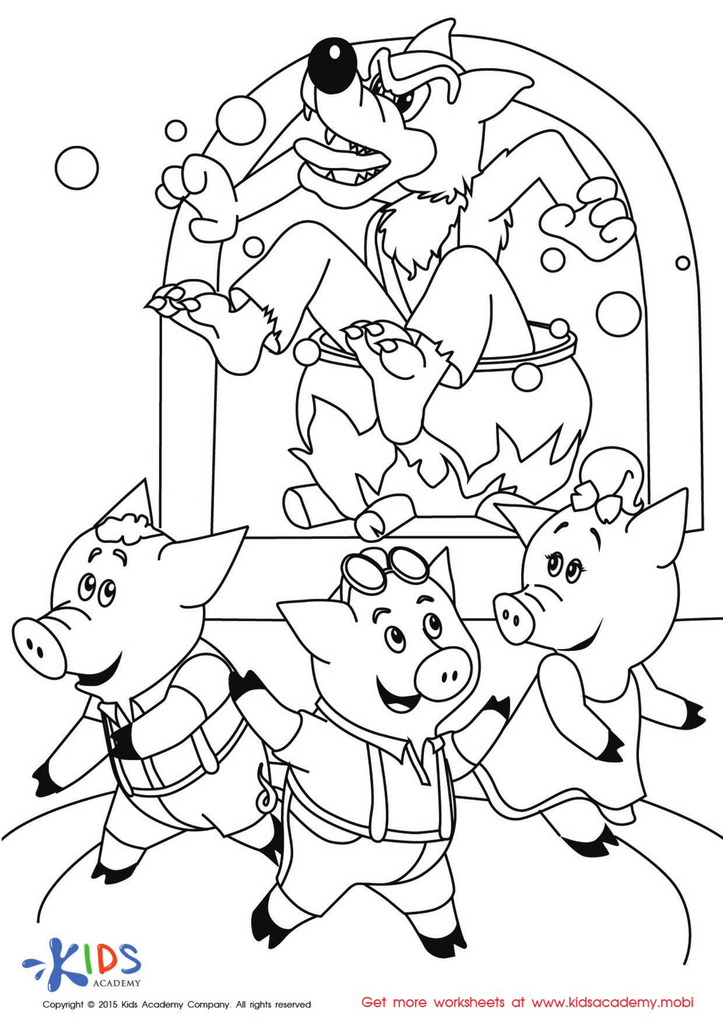
The Three Little Pigs and The Big Bad Wolf Printable
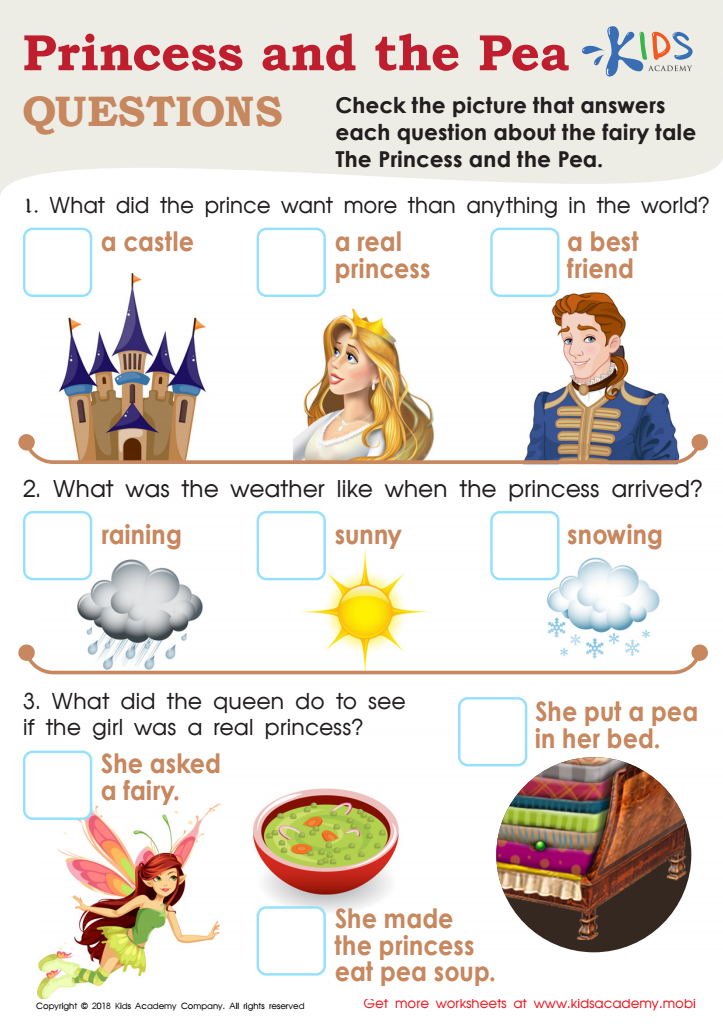
Princess and the Pea Questions Worksheet
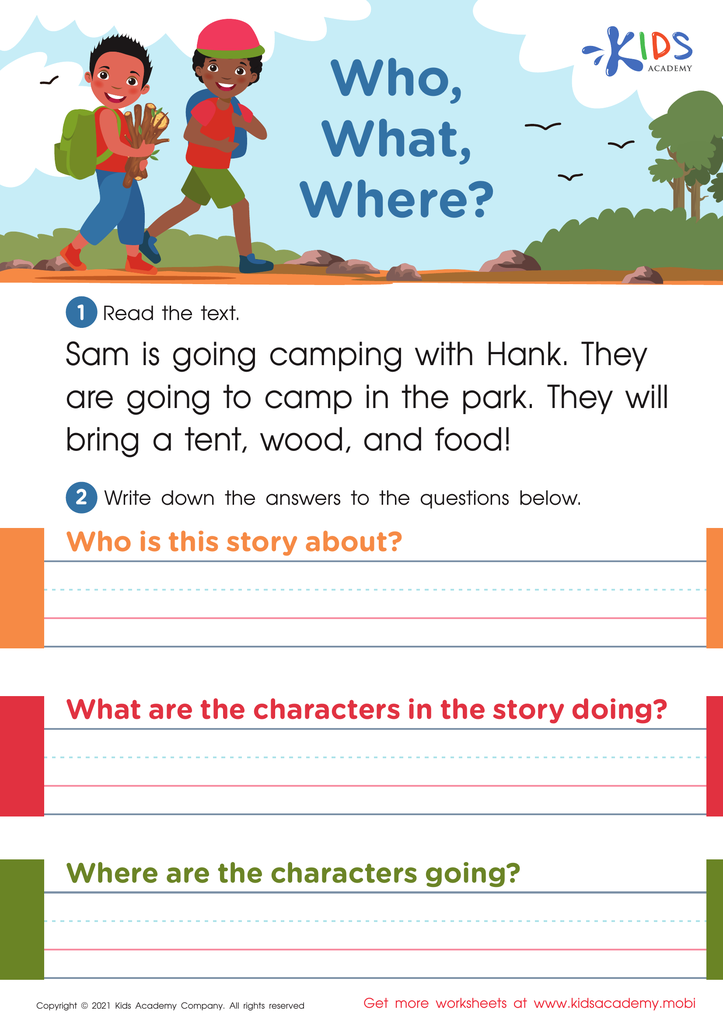
Who, What, Where? Worksheet


.jpg)




Story sequencing is an essential skill for children aged 3-6, as it lays the groundwork for critical thinking, comprehension, and communication. During these formative years, children are actively developing their cognitive abilities, and understanding the order of events in a story fosters narrative skills. When parents and teachers prioritize story sequencing, they help children learn to identify key elements of a story, such as beginning, middle, and end. This understanding enhances their ability to anticipate outcomes, make predictions, and recognize cause-and-effect relationships.
Furthermore, sequencing encourages language development. As children articulate the sequence of events, they expand their vocabulary and improve their grammar, fostering more effective communication skills. Engaging in story sequencing activities—whether through storytelling, picture cards, or interactive reading—also stimulates creativity and imagination, inviting children to explore various scenarios and perspectives.
Story sequencing isn't just about recognizing what happens next; it teaches children logic, structure, and the ability to organize their thoughts. This foundational skill not only primes them for future academic success across subjects like reading and writing but also enhances their social skills by promoting understanding and empathy through shared narratives. As such, parents and teachers should actively engage children in sequencing activities to support their holistic development.








