Story sequencing Reading Worksheets for Ages 3-6
19 filtered results
-
From - To
Our Story Sequencing Reading Worksheets for ages 3-6 help young learners develop essential comprehension skills by arranging events in logical order. These engaging printables feature age-appropriate stories and colorful images, encouraging children to practice recognizing patterns and sequences. Perfect for both classroom and home use, these worksheets promote critical thinking and storytelling abilities through fun, hands-on activities. By using our story sequencing tools, kids will enhance their reading proficiency, build cognitive skills, and enjoy learning with each new adventure. Empower your child’s reading journey today with our educational and entertaining resources.
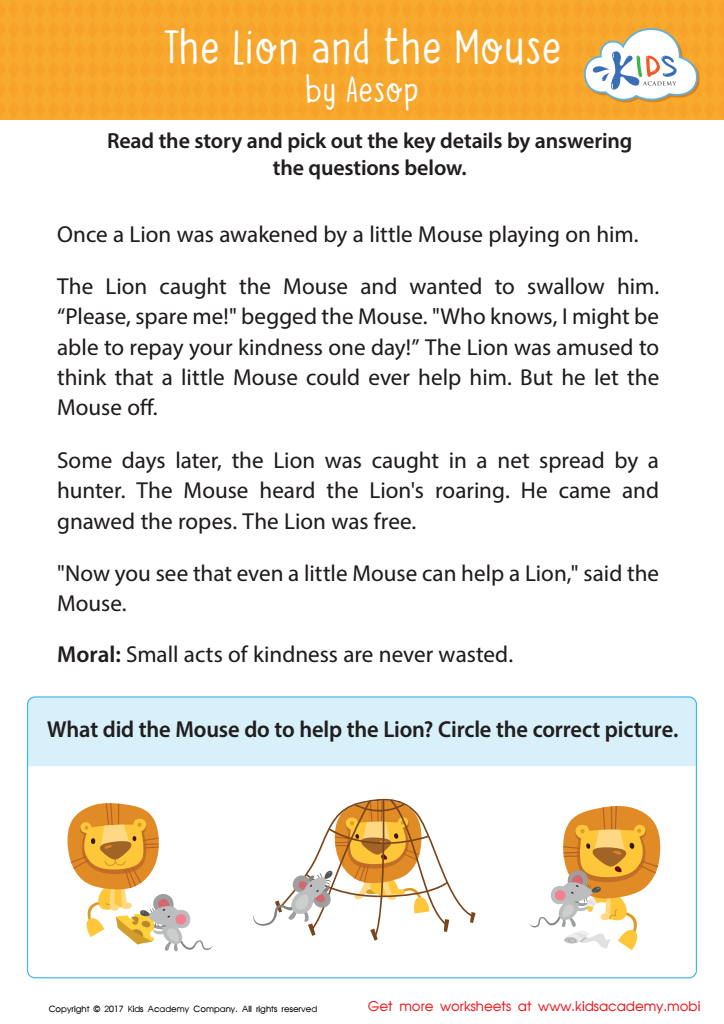
The Lion and The Mouse Sequencing Worksheet
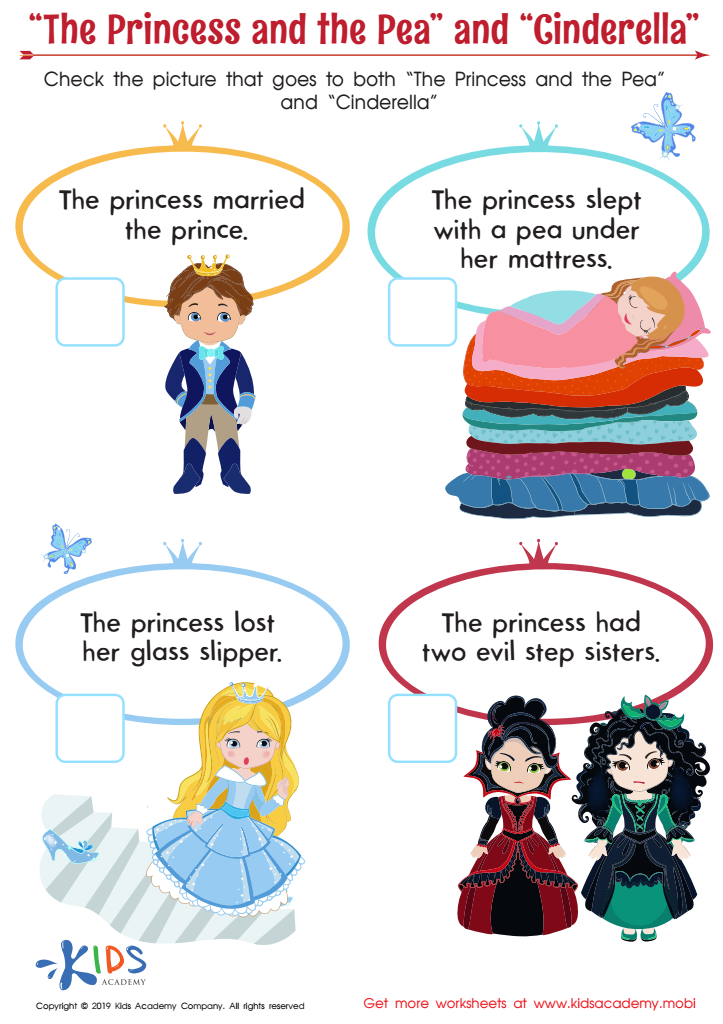
“The Princess and the Pea” and “Cinderella” Worksheet
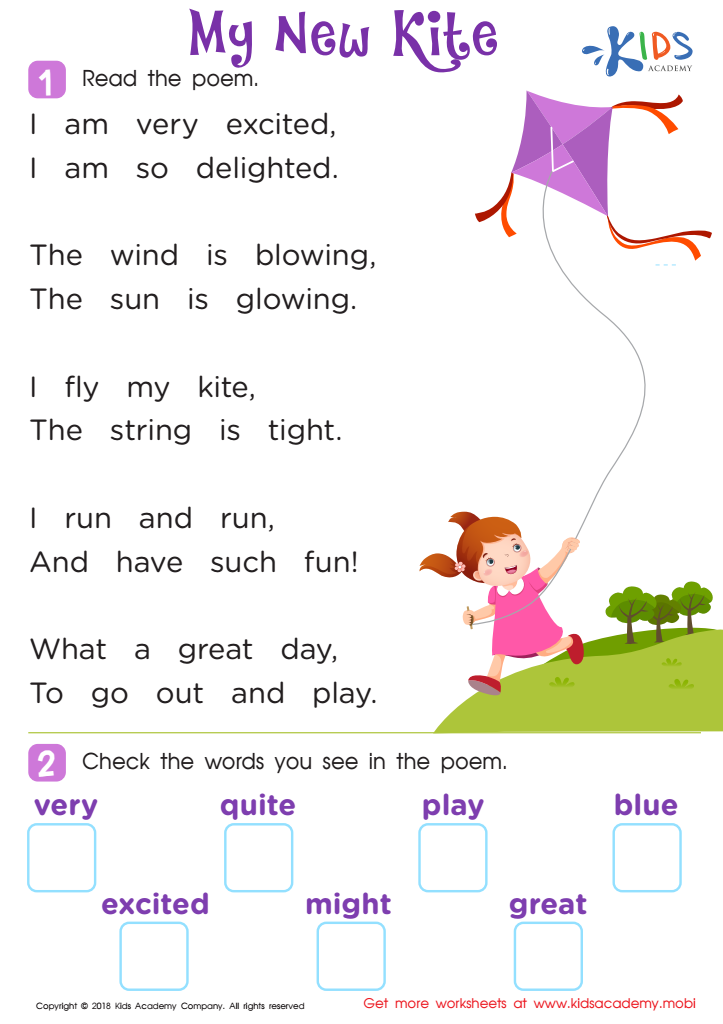
Poem: My New Kite Worksheet
Folktales Printable PDF Worksheet: The 3 Little Pigs
 Assign to My Students
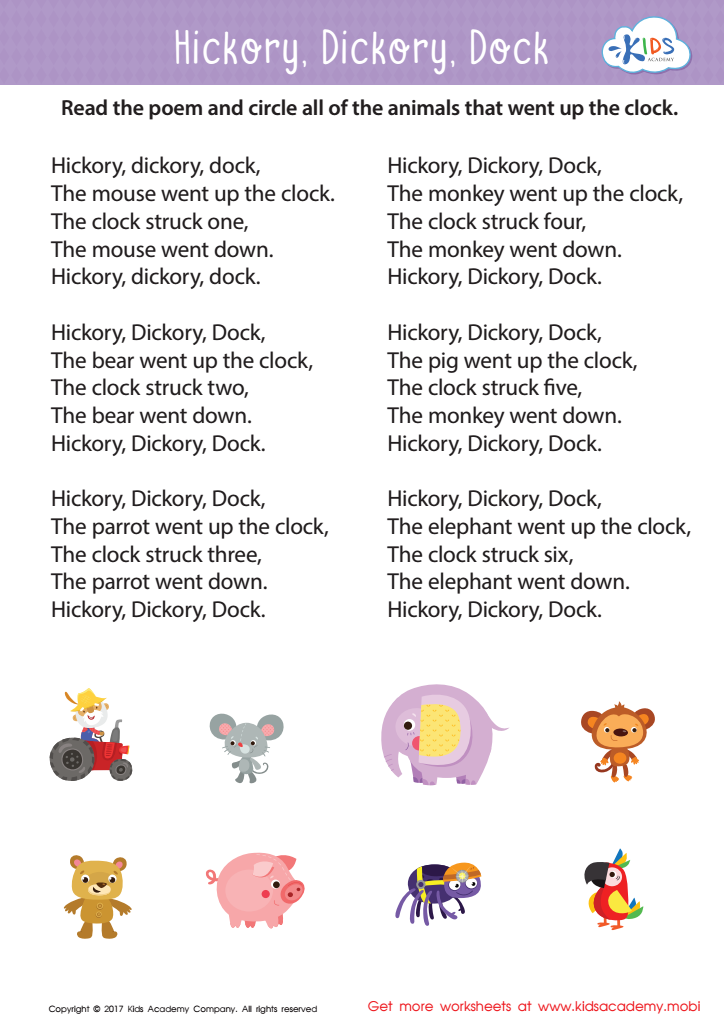
Hickory Dickory Dock Sequencing Worksheet
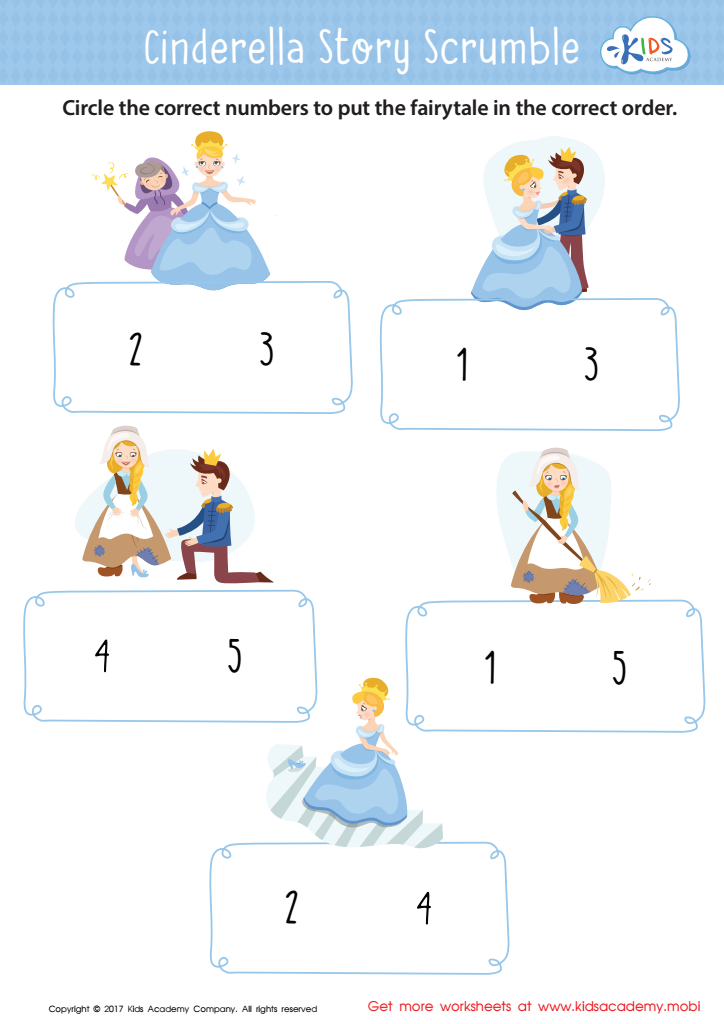
Cinderella Story Sequencing Worksheet
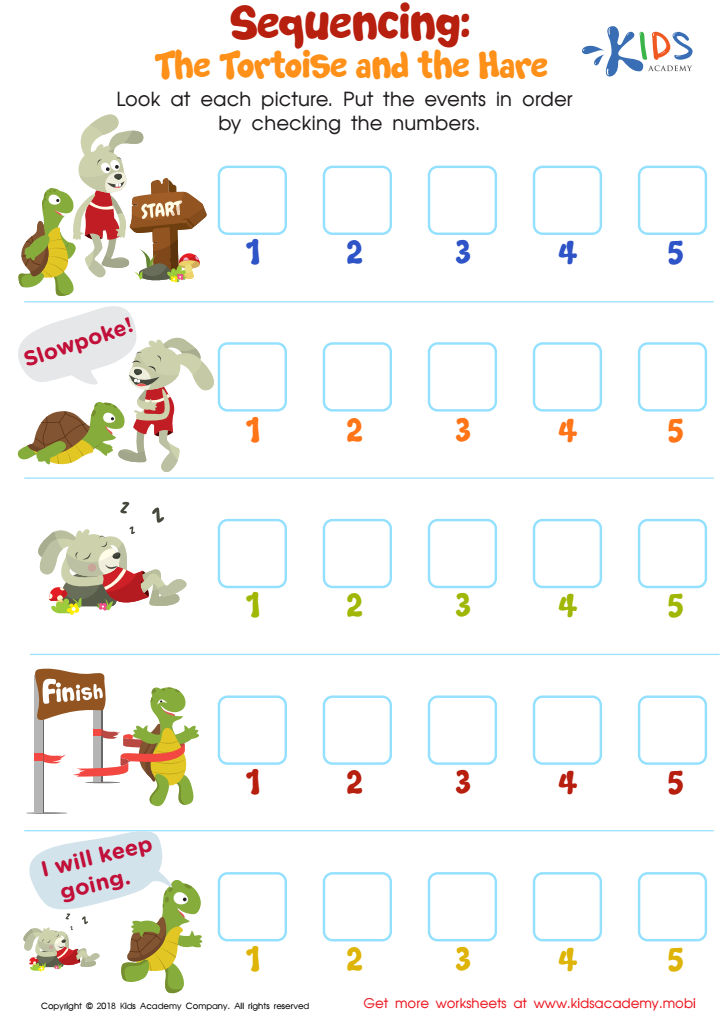
Sequencing: The Tortoise and the Hare Worksheet
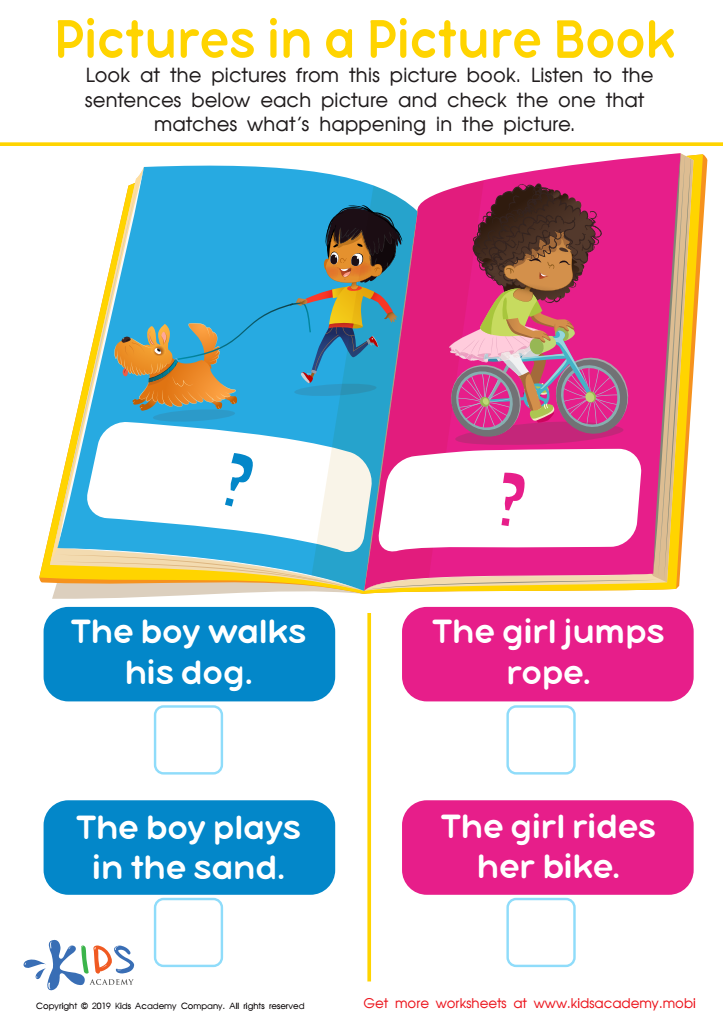
Picture in Books Worksheet
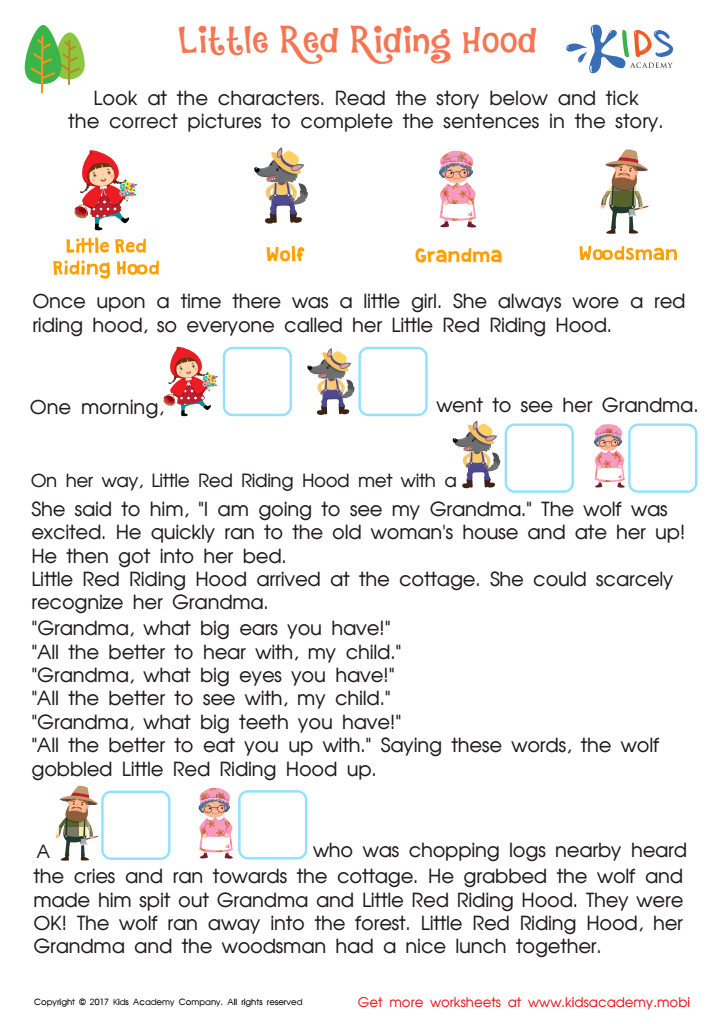
Little Red Riding Hood Printable
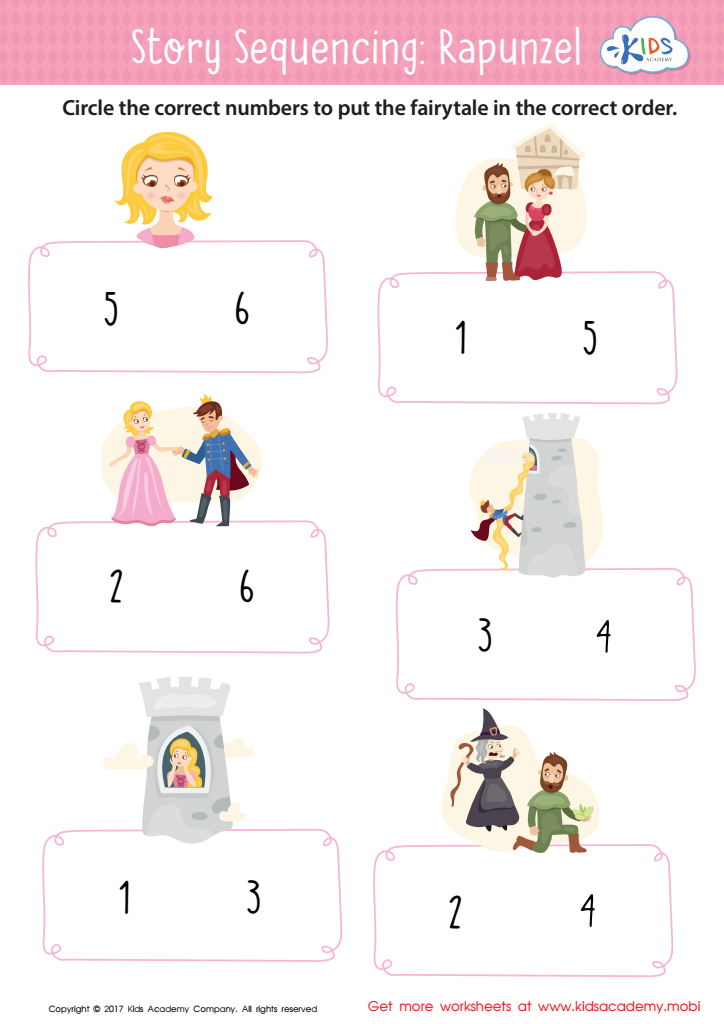
Rapunzel Story Sequencing Worksheet
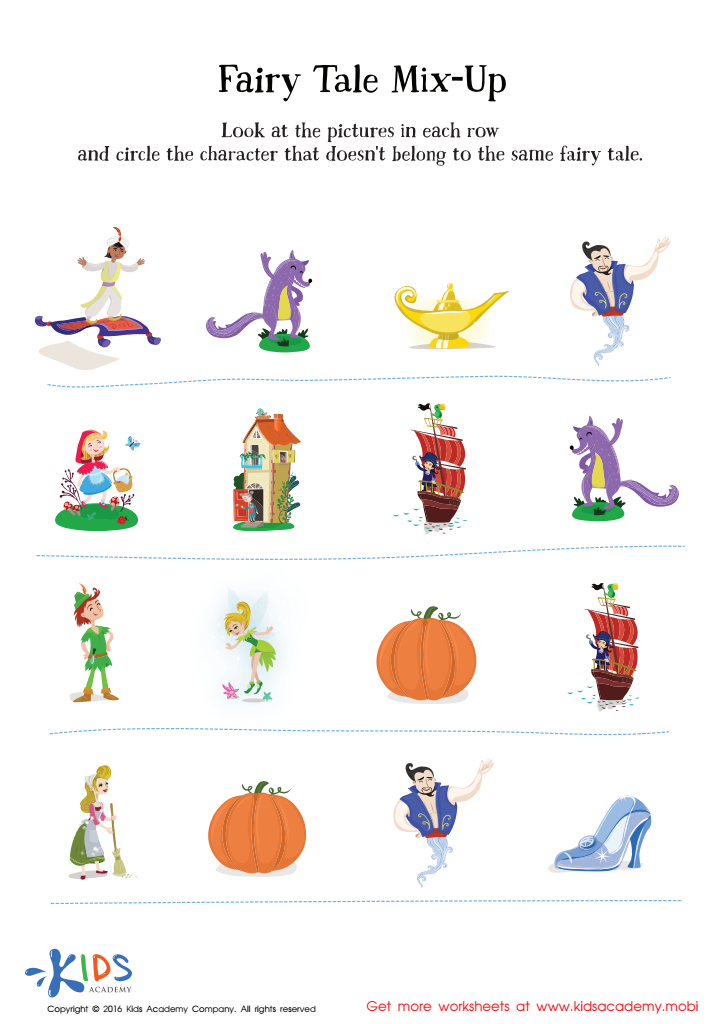
Fairy Tale Worksheet: Story Mix Up
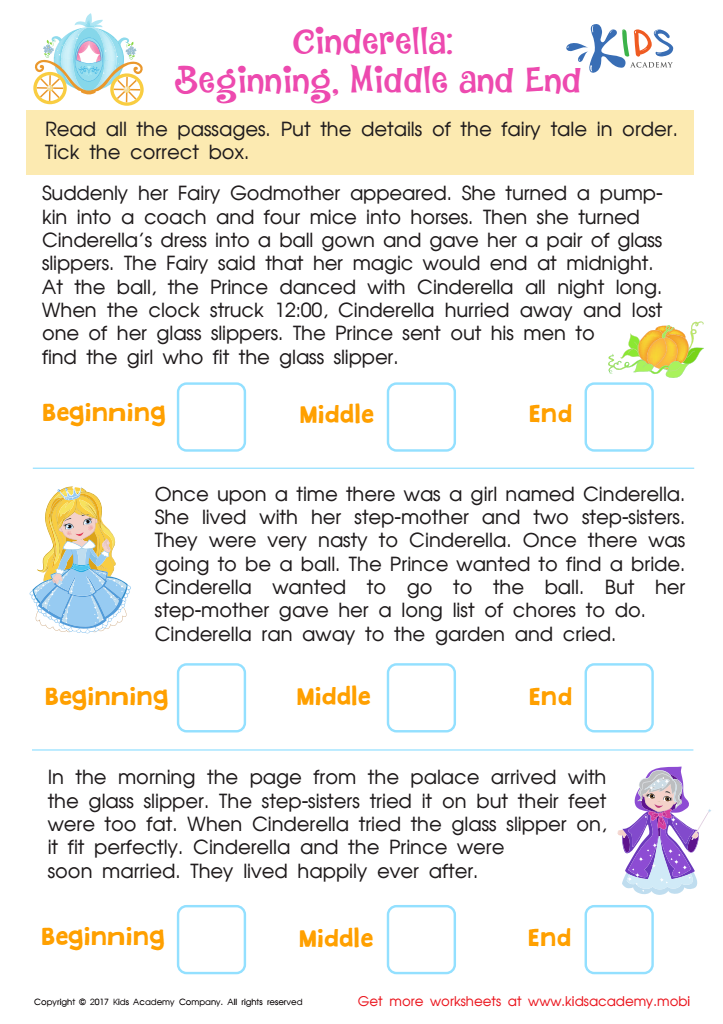
Cinderella: Beginning, Middle and End Worksheet
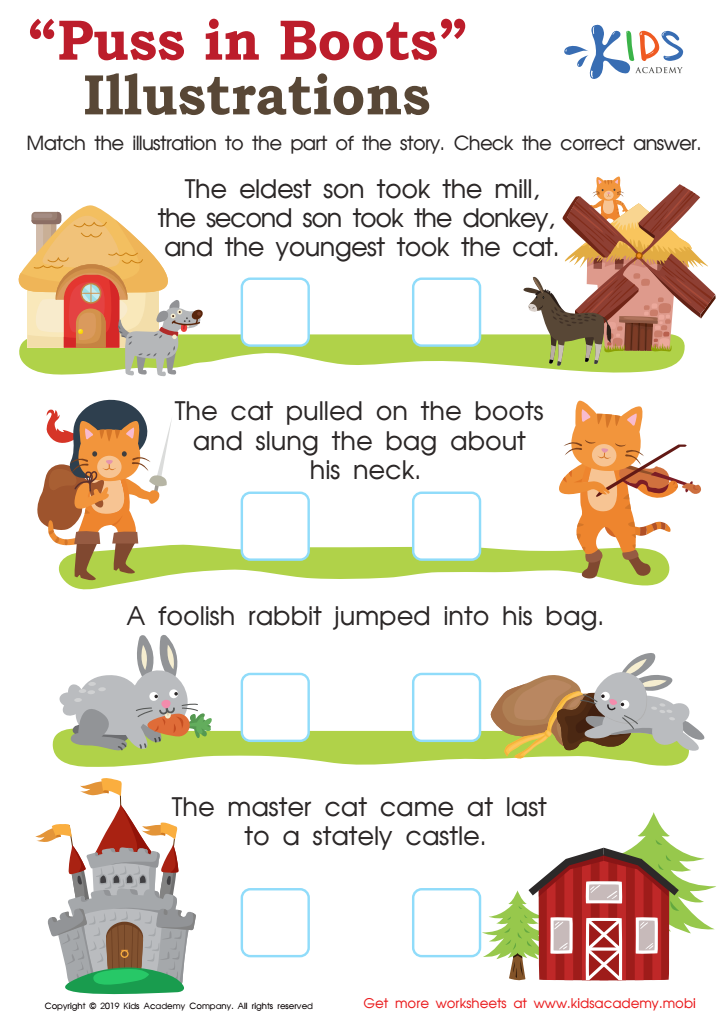
Puss in Boots Illustrations Worksheet
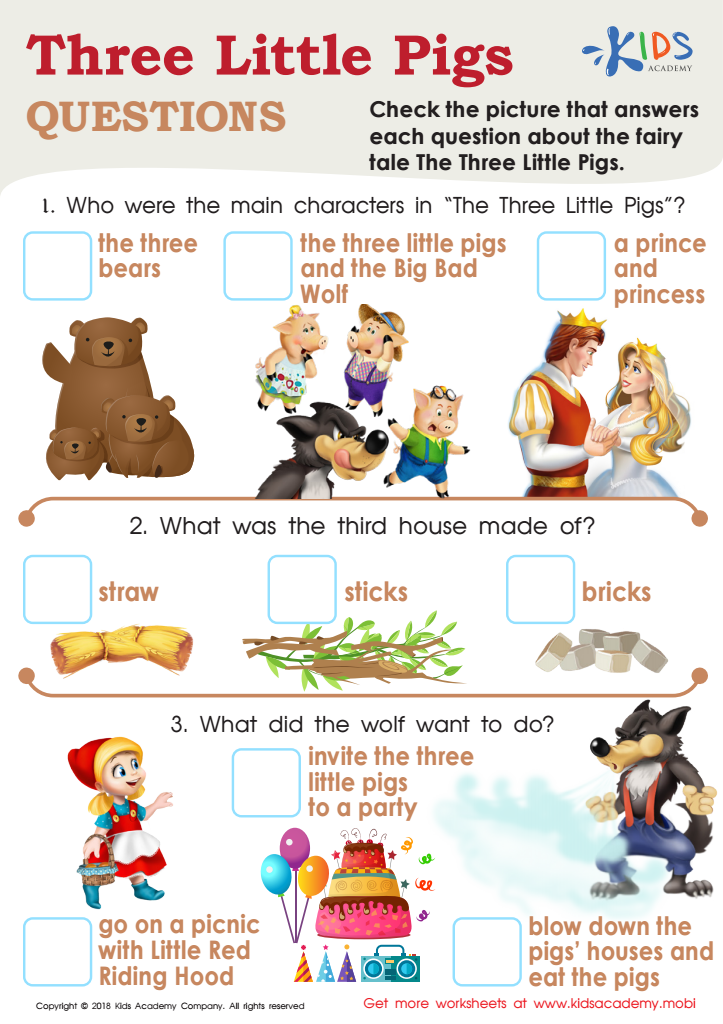
Three Little Pigs Questions Worksheet
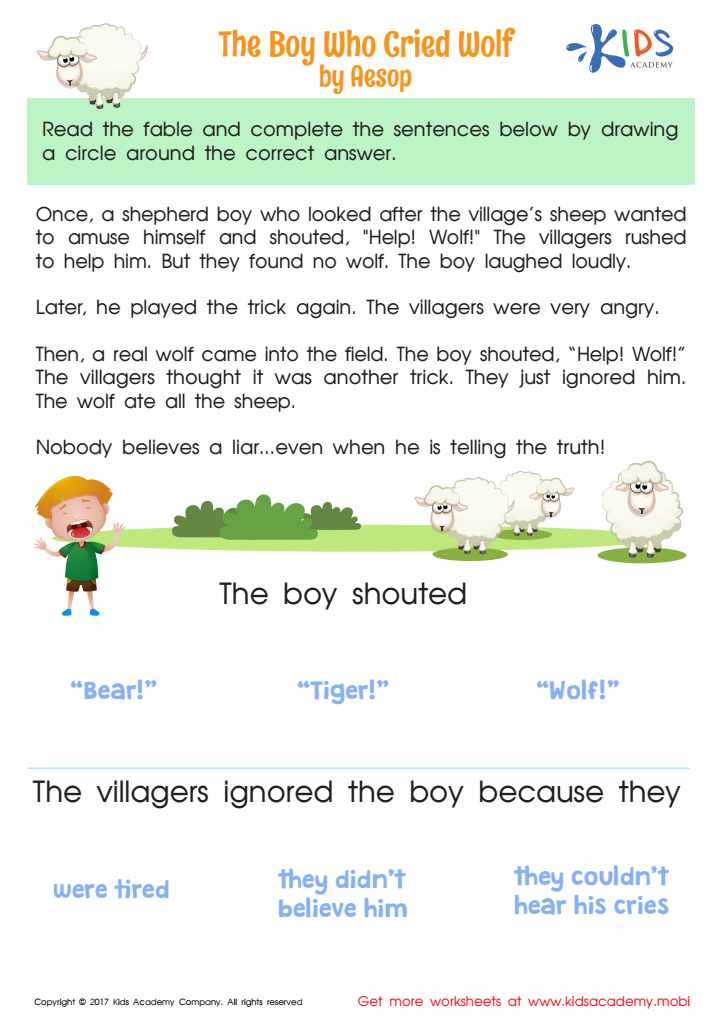
The Boy Who Cried Wolf Worksheet
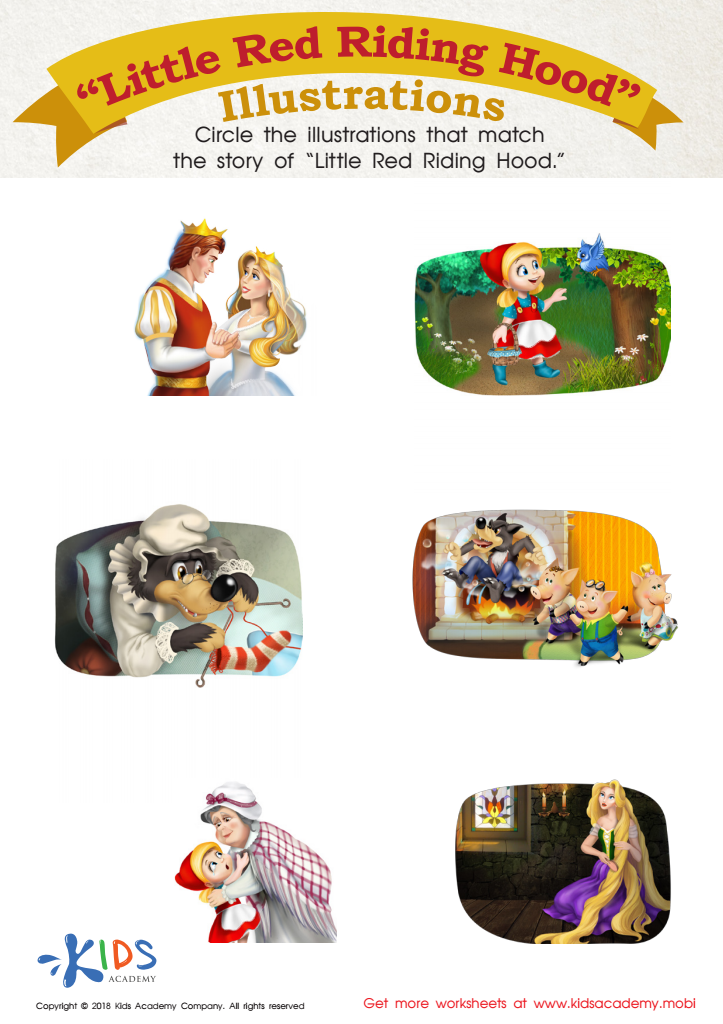
Little Red Riding Hood: Illustrations Worksheet
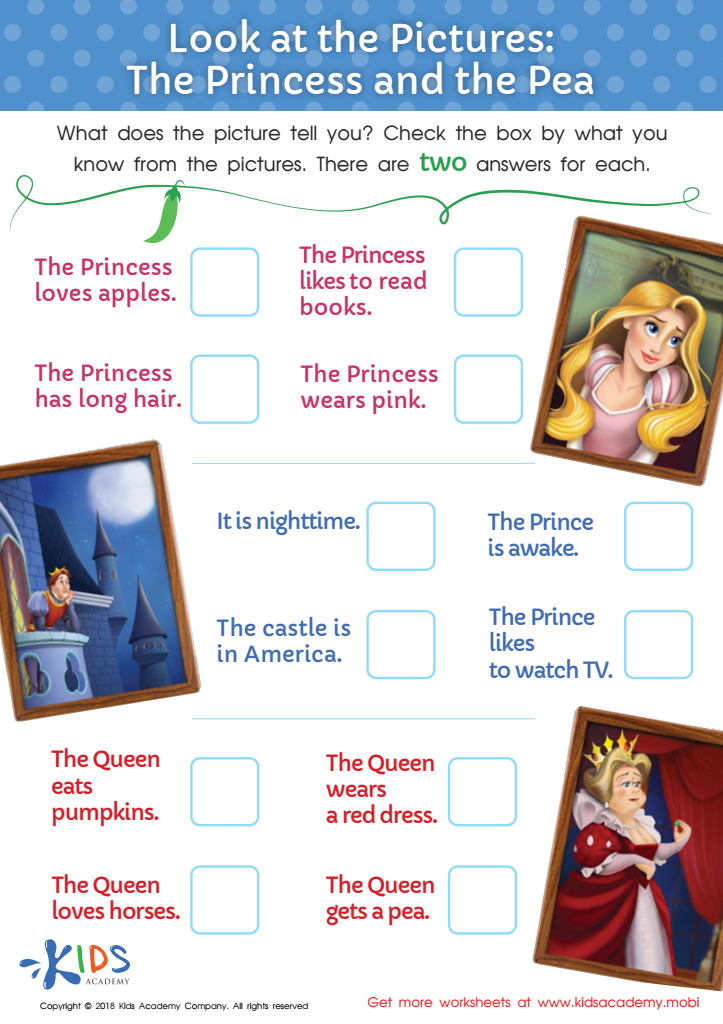
Look at the Pictures: The Princess and the Pea Worksheet
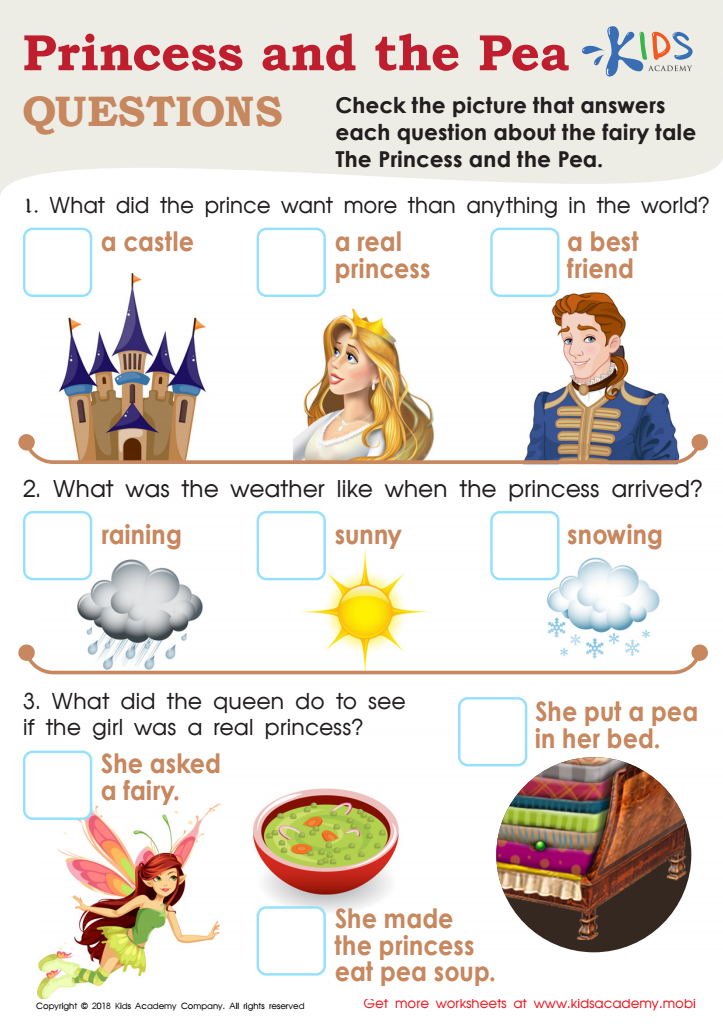
Princess and the Pea Questions Worksheet
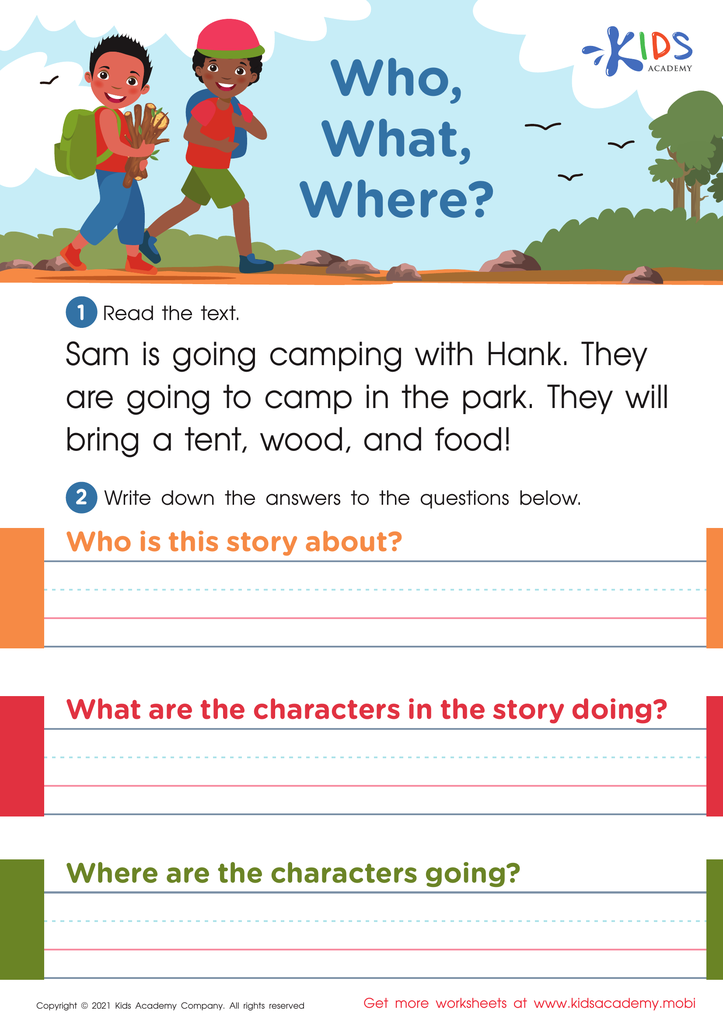
Who, What, Where? Worksheet





Story sequencing is fundamental for children ages 3-6 because it lays the groundwork for essential literacy and cognitive skills. For parents and teachers, understanding its importance can help them nurture more effective learning environments.
Firstly, sequencing helps children comprehend the structure of stories, enhancing their ability to predict and infer, which are key reading comprehension skills. As they learn to identify beginnings, middles, and endings, they understand narrative flow and logic, making it easier to follow more complex stories later on.
Secondly, sequencing nurtures logical thinking and problem-solving abilities. When children arrange events in the correct order, they learn cause and effect, essential for both academic and everyday problem-solving. Pictorial and verbal sequencing exercises improve memory and retention, skills that are vital not just in reading but across all learning facets.
Additionally, effective storytelling and sequencing boost language skills. Describing pictures or story events in sequence broadens vocabulary and encourages active use of language. This interaction promotes expressive language skills and enhances social communication.
Incorporating sequencing activities, such as felt board stories or sequencing cards, fosters creativity and engagement. Ultimately, an early grasp of sequencing enriches children's cognitive development, making them not only better readers but more adept learners, prepared for future academic challenges. Parents and teachers, through these activities, play a vital role in children's holistic growth.








