Fine Motor Skills Science Worksheets for Ages 3-6
10 filtered results
-
From - To
Explore our engaging collection of Fine Motor Skills Science Worksheets designed for children aged 3 to 6. These worksheets offer delightful activities that promote coordination and dexterity, essential for young learners. Each science-themed worksheet encourages hands-on interactions, from tracing and cutting to creative drawing, fostering both fine motor development and scientific curiosity. Perfect for preschool and kindergarten educators, our resources help children refine their skills while enjoying the wonders of the natural world. Easy to access and print, these worksheets are a fantastic way to support your child’s learning journey and ensure school readiness. Nurture little scientists today!
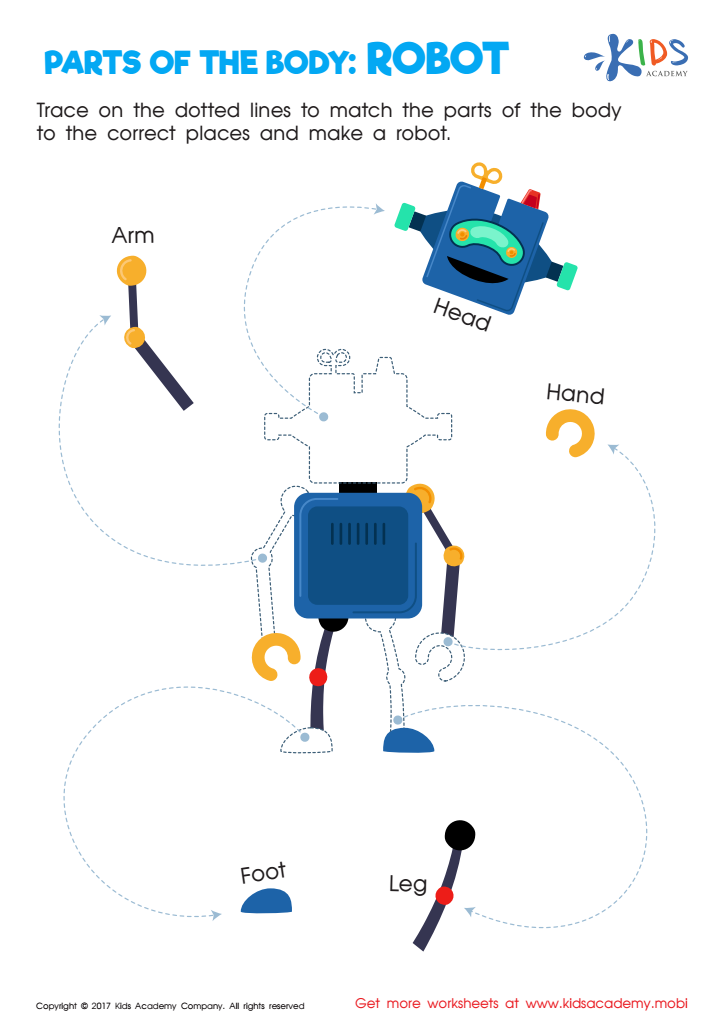
Robot Printable
 Assign to My Students
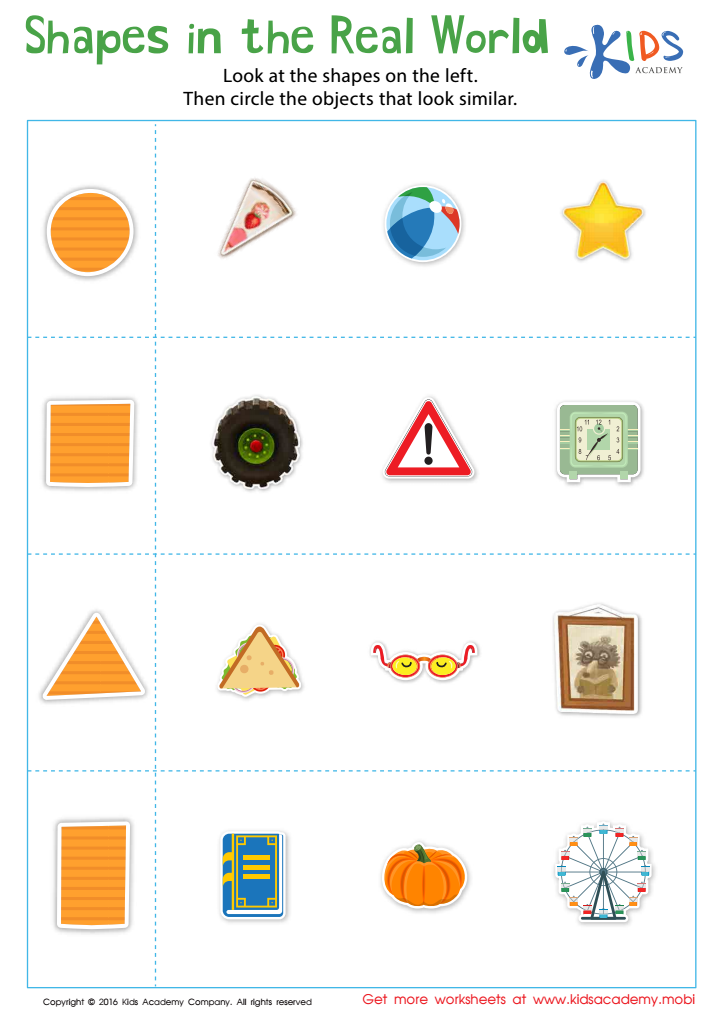
Shapes in the Real World Worksheet
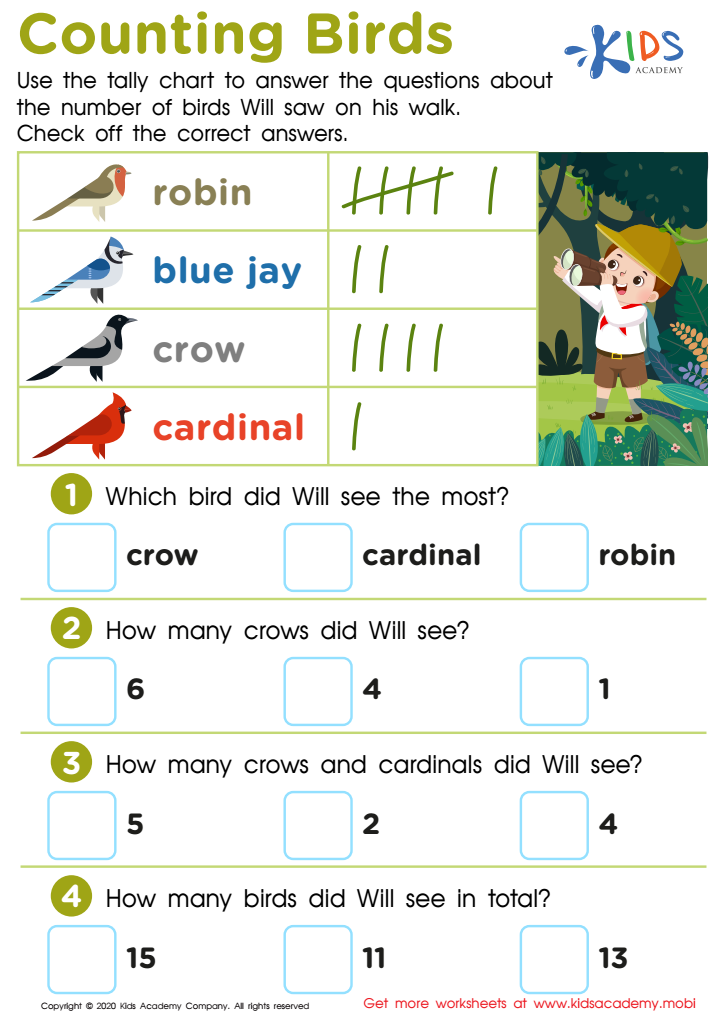
Counting Birds Worksheet
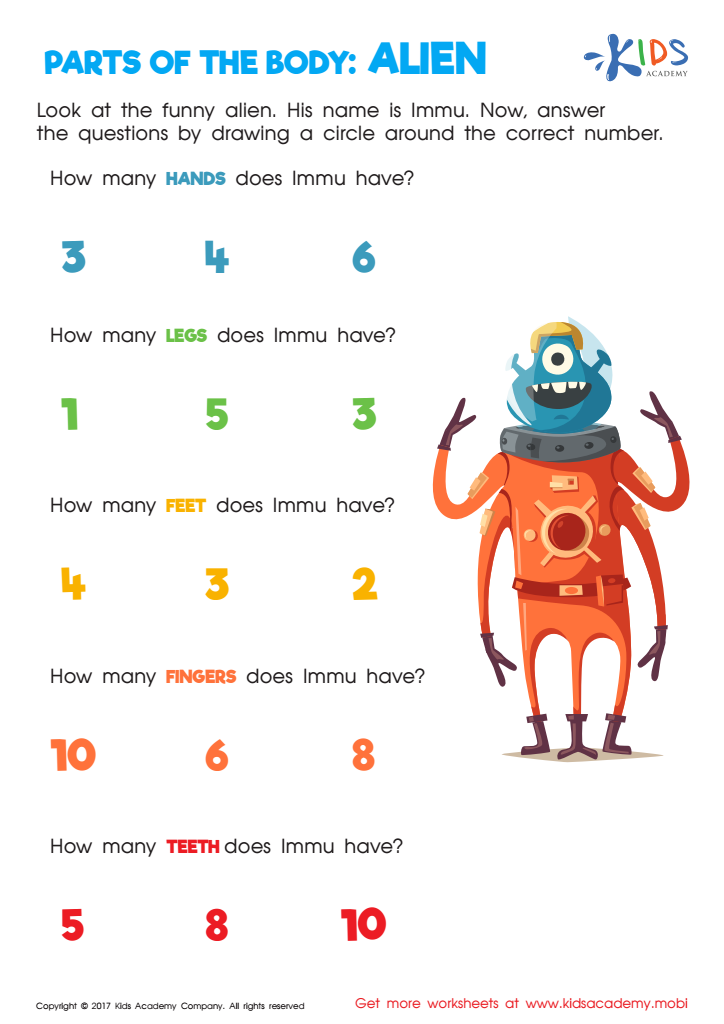
Alien Worksheet
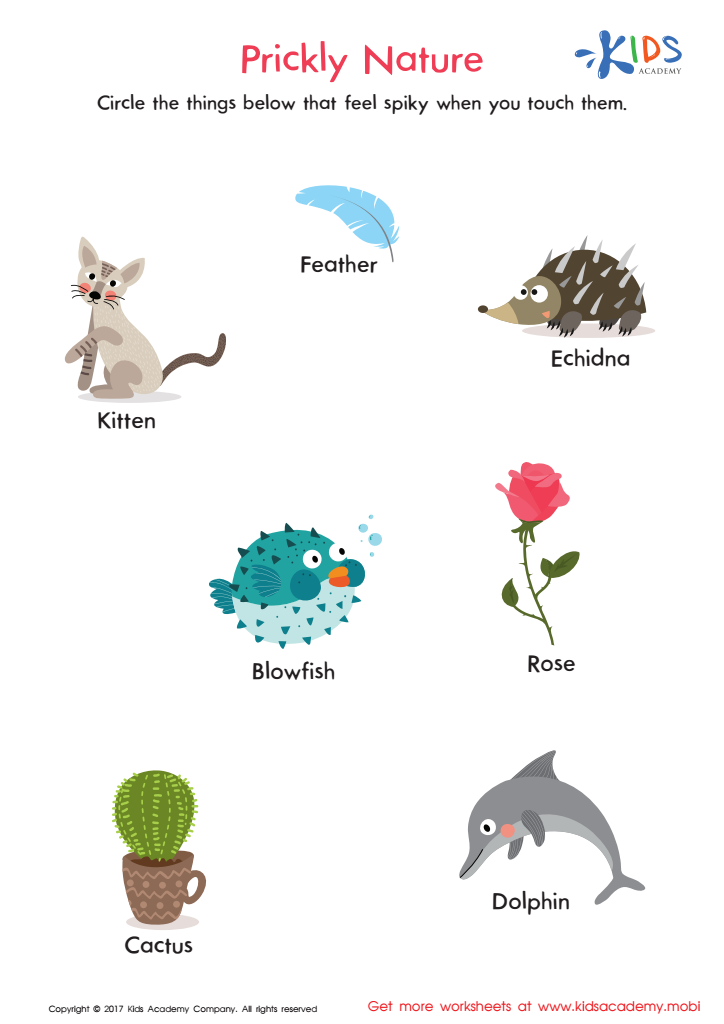
Prickly Nature Worksheet
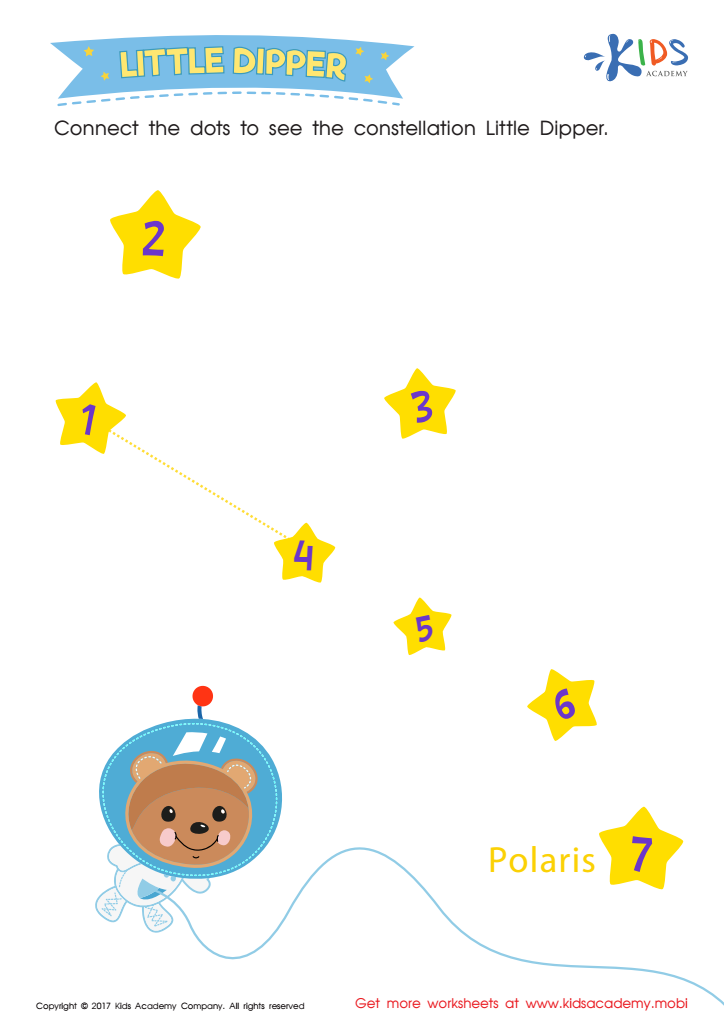
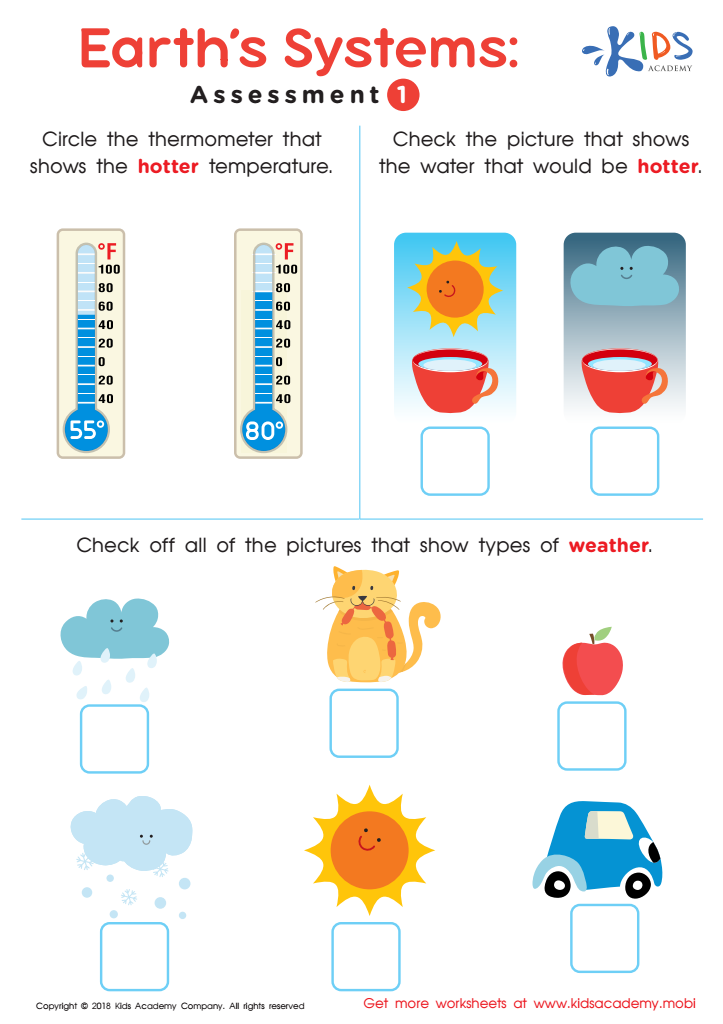
Earth's Systems: Assessment 1
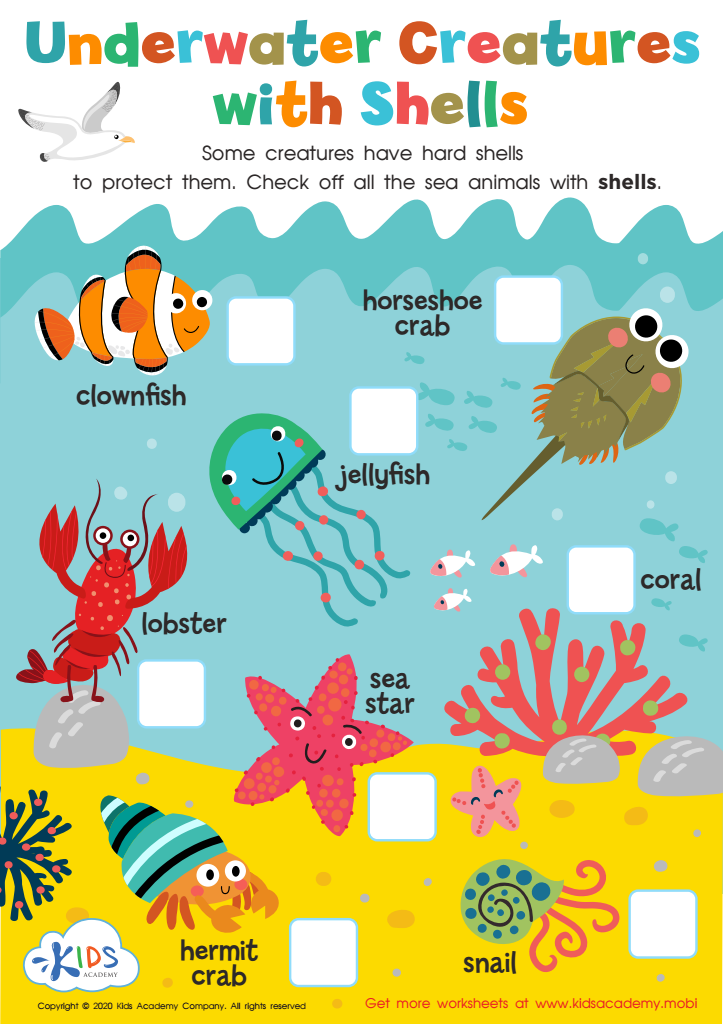
Underwater Creatures with Shells Worksheet
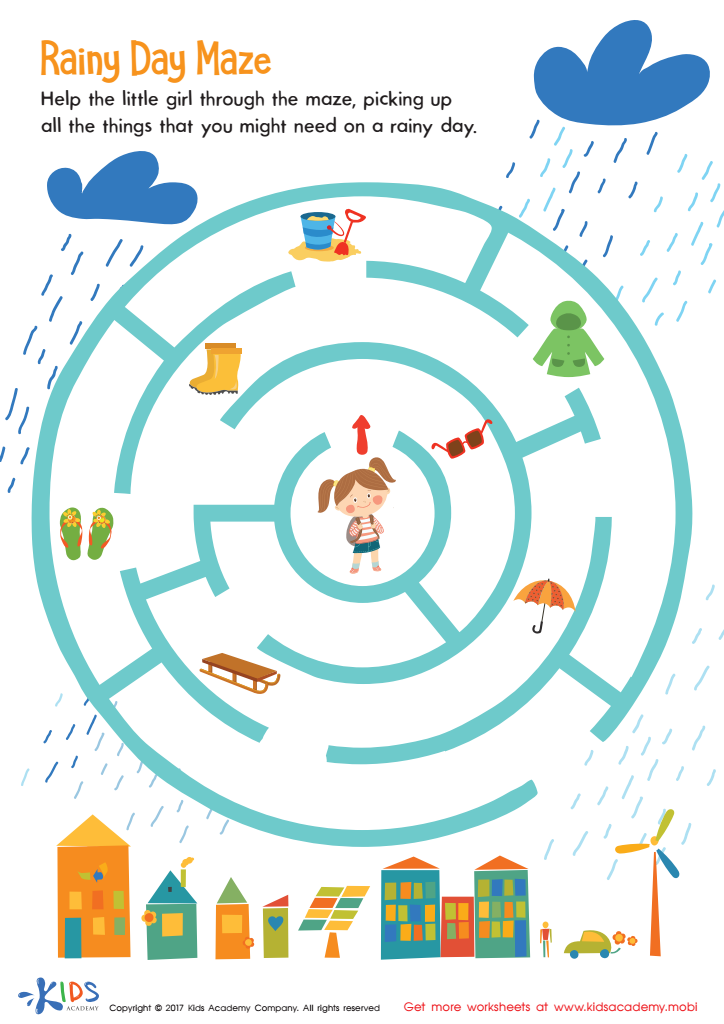
Rainy Day Maze Worksheet

Astronomer Maze: Telescope Worksheet








Fine motor skills are crucial for children aged 3-6 as they lay the foundation for future learning and daily activities. These skills involve the coordination of small muscles in the hands and fingers, which are essential for tasks like writing, drawing, buttoning clothes, and using utensils. By nurturing fine motor skills, parents and teachers promote children's independence and self-confidence as they gain mastery over these tasks.
Research shows that fine motor development is closely linked to cognitive growth. Children engage in problem-solving, creativity, and critical thinking when they manipulate objects, explore textures, and practice precision. Activities such as cutting, drawing, and building with blocks enhance spatial awareness and hand-eye coordination.
Moreover, fine motor skill development fosters social interaction and cooperation during group activities. Children learn to share tools, collaborate, and develop patience as they work toward common goals. This shared experience creates a supportive learning environment where they can thrive both academically and personally.
Overall, investing time and strategy into developing fine motor skills at this critical stage contributes significantly to a child’s overall growth, preparing them for future educational success and enabling a smoother transition into more complex tasks as they progress in their schooling.







