Filters

8 filtered results

Clear all filters
Favorites
With answer key
Interactive

8 filtered results

Difficulty Level

Grade


Introduce your little ones to the exciting world of numbers with our Number Recognition Science Worksheets for Ages 3-6. Designed by experts, these interactive printable activities seamlessly blend fun and education, enhancing early math and science skills. Children will enjoy identifying, tracing, and counting numbers while investigating captivating scientific concepts. Perfect for preschoolers and kindergarteners, these worksheets promote cognitive development through engaging visuals and hands-on exercises. Ideal for both classroom and home learning, our Number Recognition Science Worksheets are the perfect tool to lay a strong educational foundation in young learners. Start your child’s learning adventure today!

Check out this FREE Trial Lesson on Science for age 3-6!

Comparing Numbers Word Problems

Favorites
With answer key
Interactive
  • 3-6
  • Number Recognition
  • Science
Parts of the Body Worksheet

Robot Printable

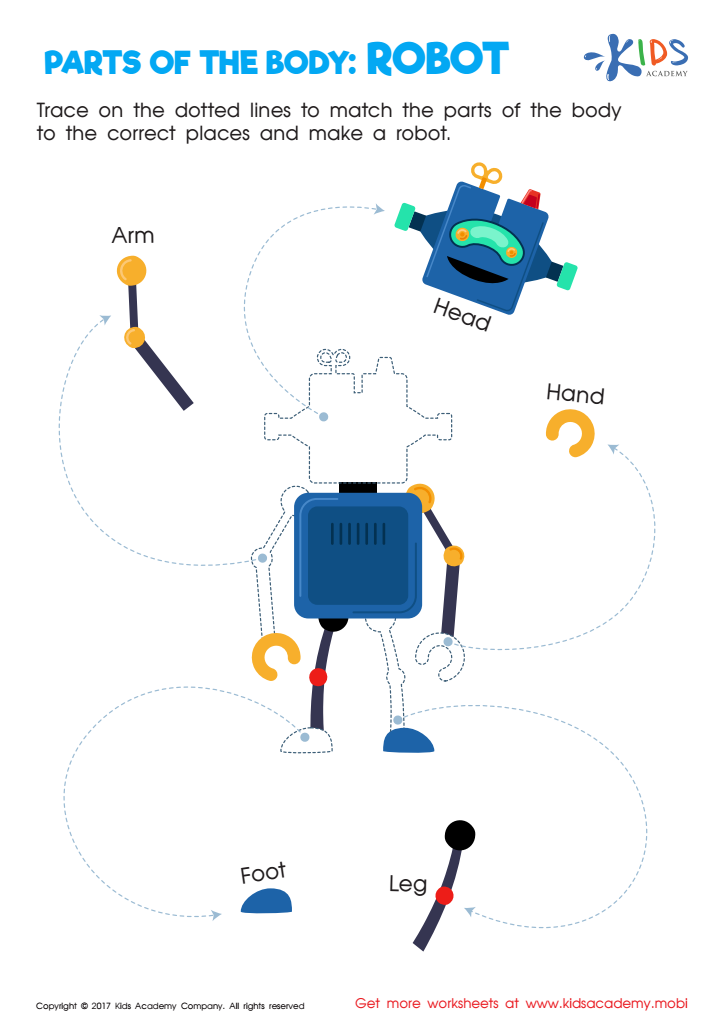
Introduce your child to a fun robot and help her hone her matching skills with this parts of the body worksheet! Your child will trace dotted lines to match the robot's body parts to the right place, helping her focus, use abstract thinking and reason better. This worksheet is sure to get your child excited and help her build essential skills for future success!
Robot Printable
Worksheet
African Wildlife Giraffe Worksheet

African Wildlife: Giraffe Worksheet

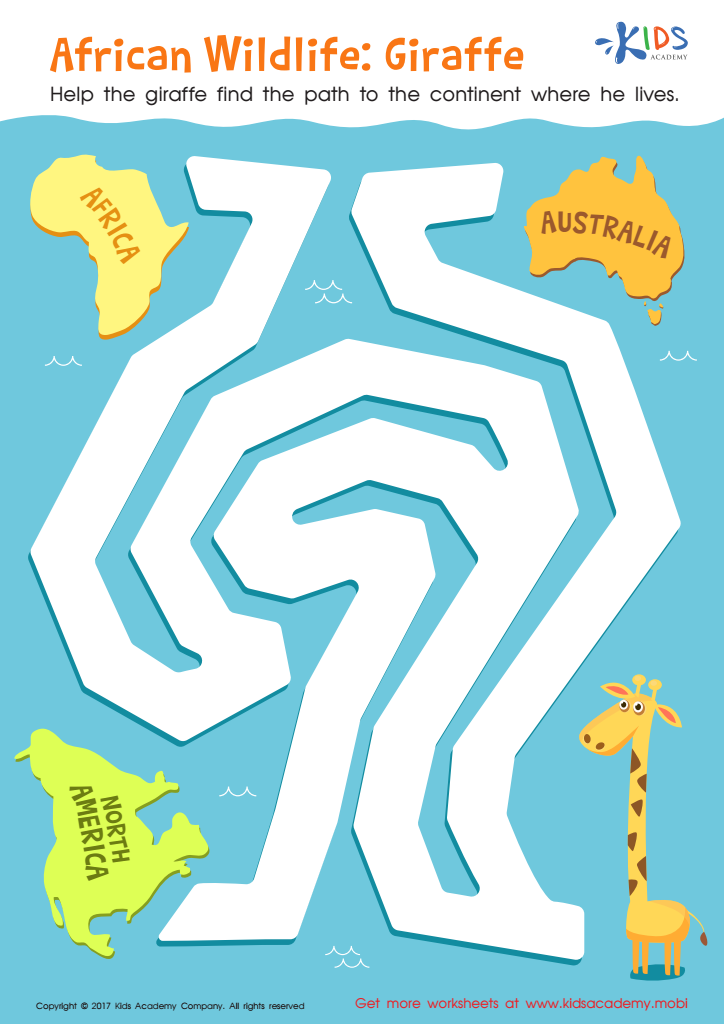
Help the giraffe get home! This African wildlife giraffe worksheet will boost your child's logical reasoning skills while they complete a maze to help the giraffe navigate choppy waters. Learn about different continents and their unique climates, practice problem solving and expand knowledge of the world and its habitats. Perfect for inspiring little learners!
African Wildlife: Giraffe Worksheet
Worksheet
Animal Features Worksheet

Animal Features Worksheet

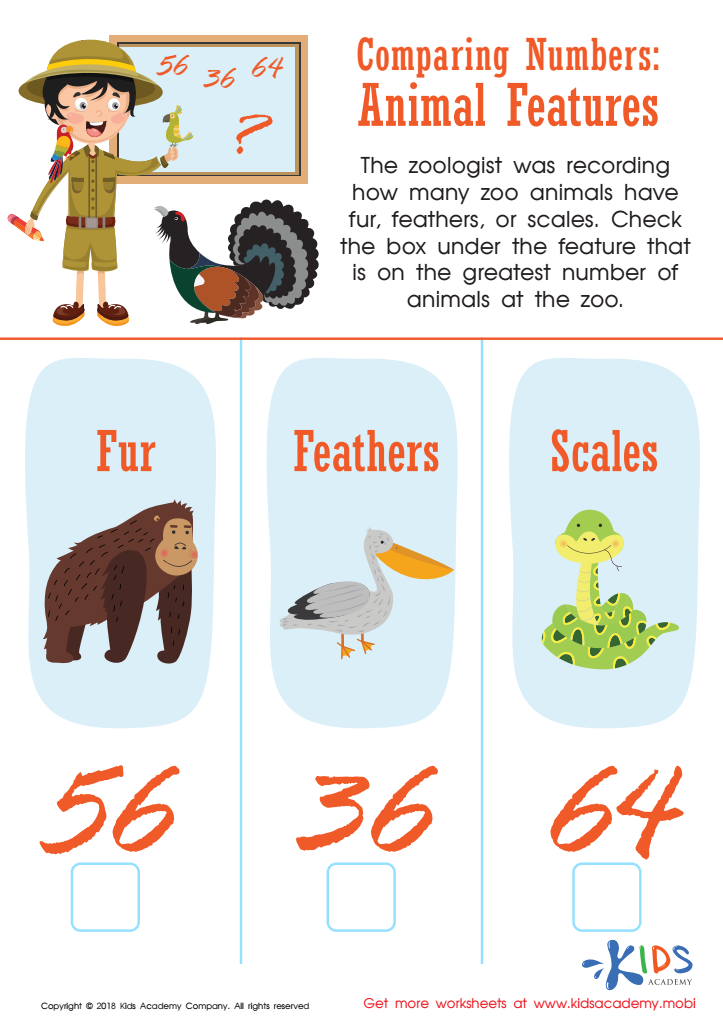
Let your kids join a budding zoologist! They can count zoo animals' fur, feathers or scales, then use numbers and comparison to check the box with the most friends. The PDF will captivate them and help them understand how the value of '6' changes based on its position.
Animal Features Worksheet
Worksheet
Force and Interactions: Review 1 Worksheet

Force and Interactions: Review 1 Worksheet

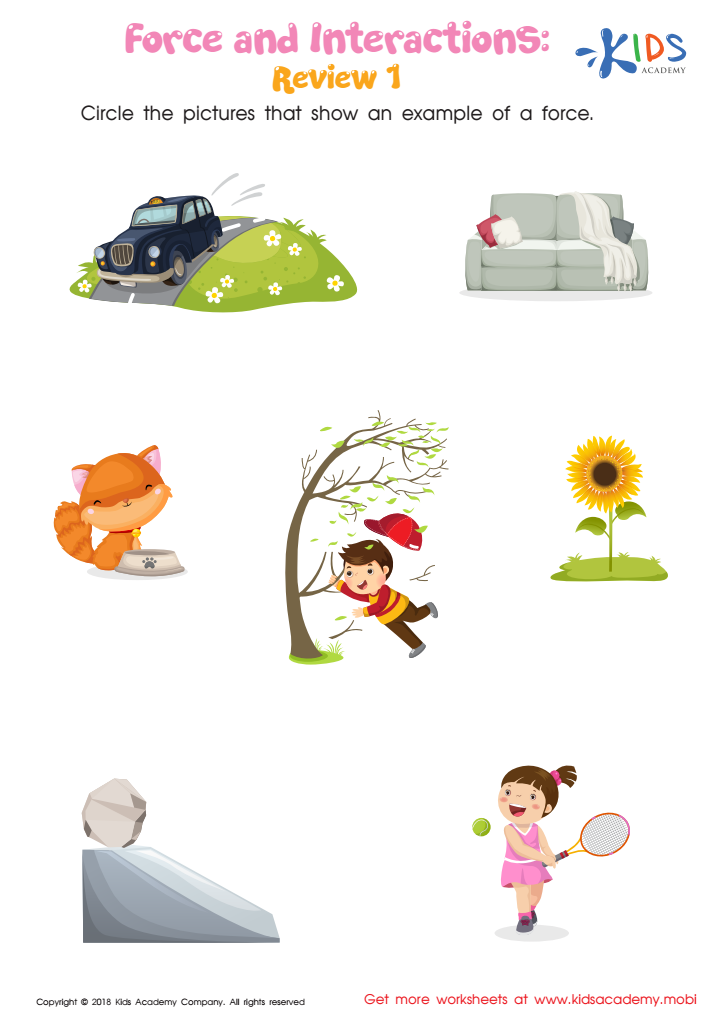
See how well your child can identify the different forces. Explain to your child that force is what causes objects to move, such as wind blowing a branch or an object going down a ramp. Ask them to circle images that show a force and assess how well they can identify them.
Force and Interactions: Review 1 Worksheet
Worksheet
Counting Birds Worksheet

Counting Birds Worksheet

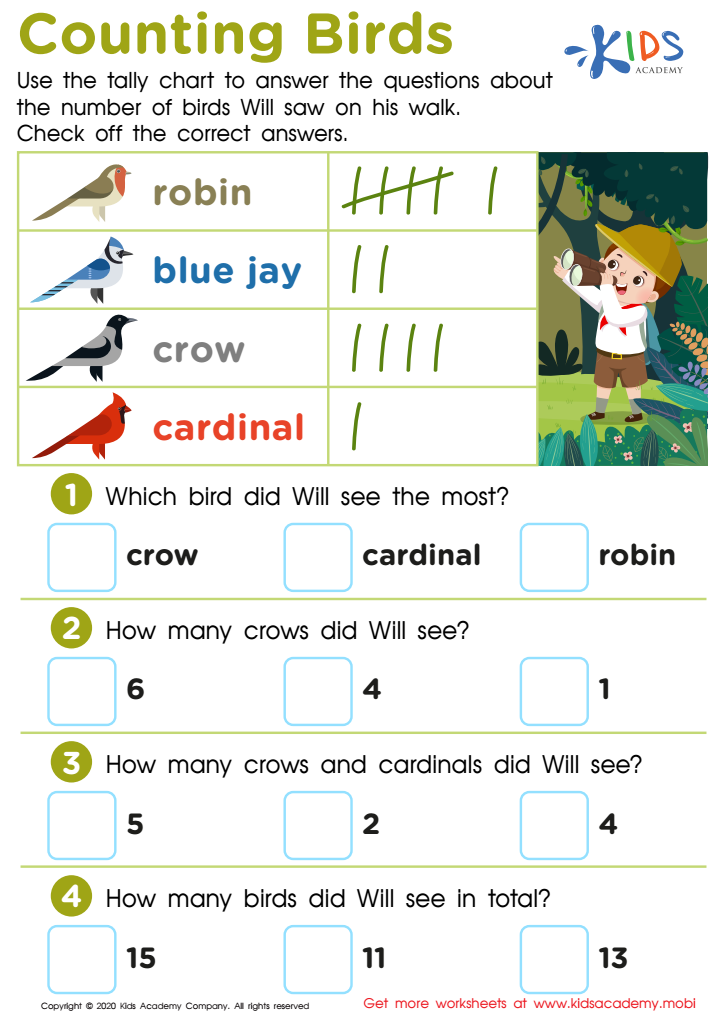
Introduce your child to the exciting activity of bird watching! This PDF worksheet features a tally chart of the different types of birds Will saw on his walk. Have your kid use the tally chart to organize information and use it to answer the questions that follow, thus boosting early science and math skills.
Counting Birds Worksheet
Worksheet
Earth's Systems: Assessment 2

Earth's Systems: Assessment 2

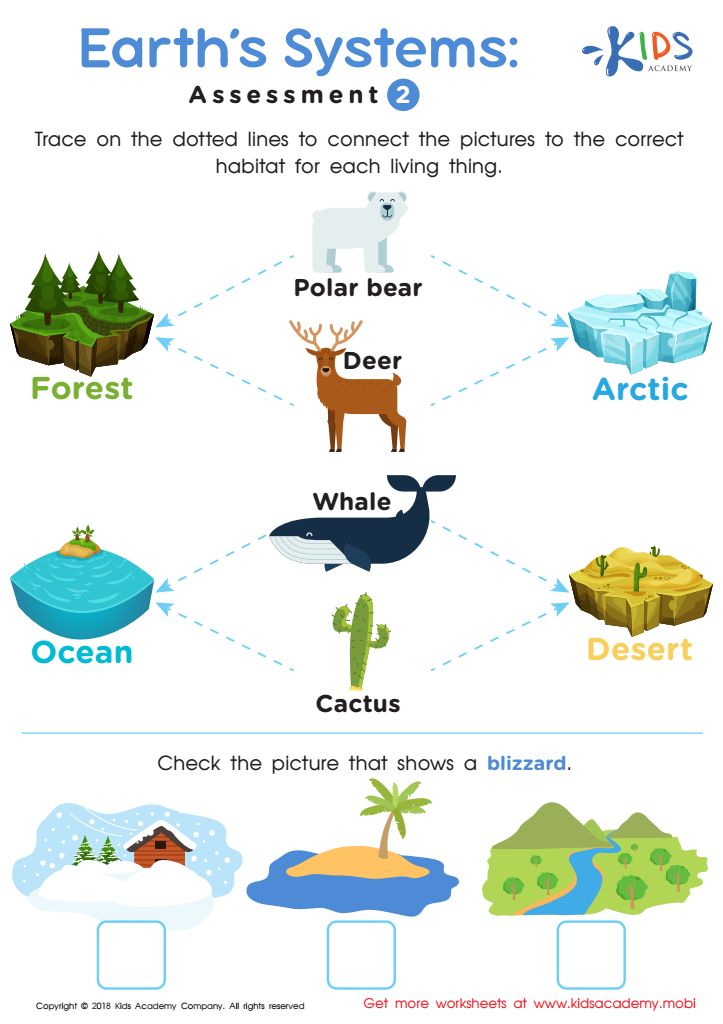
Kids will love this free printable worksheet to assess their knowledge of habitats and the living creatures found in them. They'll trace the dotted lines to connect the pictures of plants and animals to their respective habitat and identify the type of weather depicted. No, polar bears don't live in the ocean, but they do like to swim in icy waters! With this fun activity, your little learner will master earth science basics.
Earth's Systems: Assessment 2
Worksheet
Ten in the Bed Worksheet

Ten in the Bed Worksheet

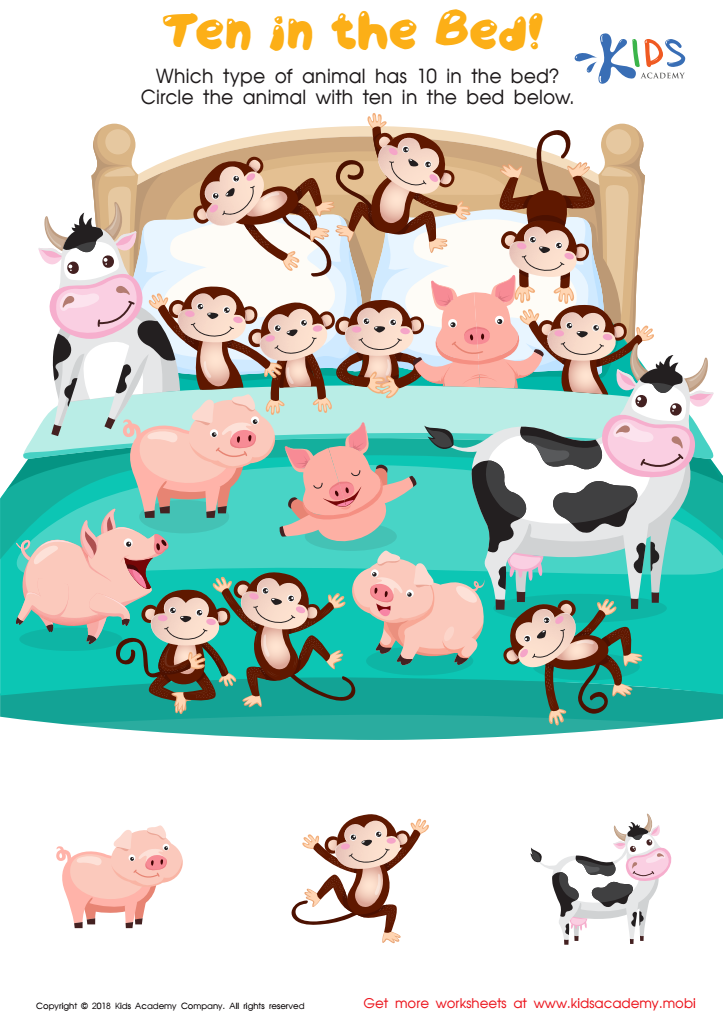
This fun worksheet has your kids counting and sorting friendly animal faces in a bed of ten! It's a great way for them to practice their mental math skills, like adding and multiplying more efficiently. Plus, it brings a new meaning to the classic song "Monkeys Jumping on the Bed"!
Ten in the Bed Worksheet
Worksheet
Find 5 Worksheet
Find 5 Worksheet

Find 5 Worksheet

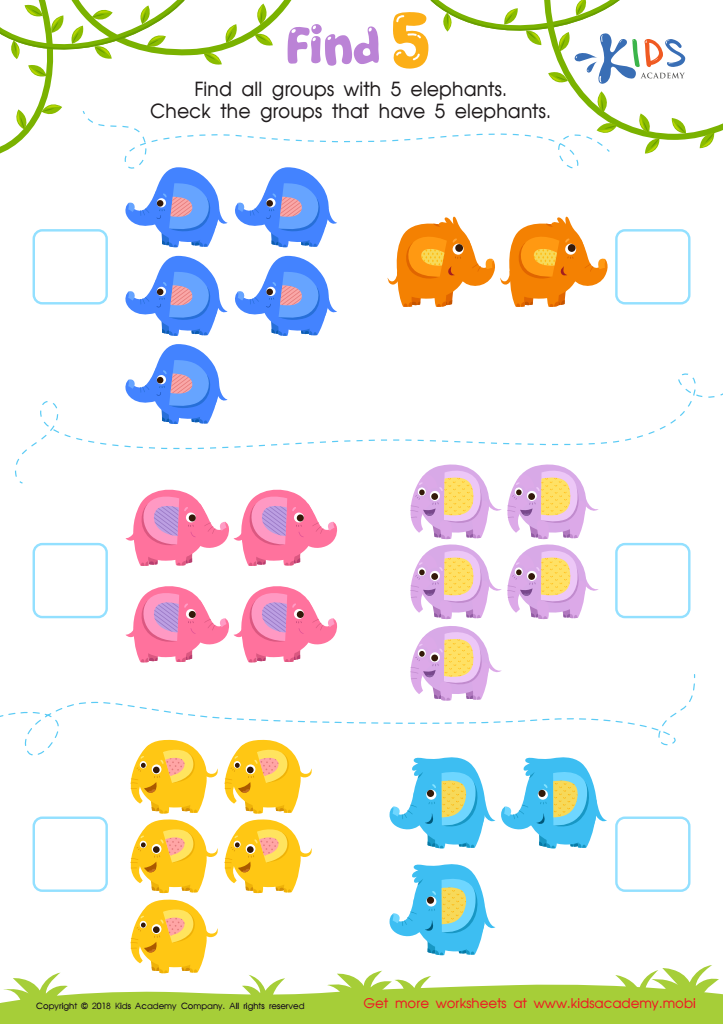
Kids will love these cheery elephants that help them discover grouping and counting by fives. It's a great way to start learning addition and multiplication, while also developing fine motor skills. Download the free PDF and let the fun begin.
Find 5 Worksheet
Worksheet


Number recognition is an essential foundational skill for young children, crucial for their academic and cognitive development. For ages 3-6, this early mastery shapes not just their mathematical ability but also forms a cornerstone for future learning across various subjects.

First, understanding numbers paves the way for arithmetic operations such as addition and subtraction, fundamental concepts children will continue to grapple with throughout their education. Early number recognition aids in developing problem-solving skills and logical reasoning, which are critical both inside and outside the classroom.

Additionally, number recognition helps children understand the world around them. Numbers are everywhere—on clocks, price tags, and street signs—so familiarity with them ensures children can navigate their environments more confidently and independently. For instance, recognizing numbers helps children learn to tell time or count objects, tying into their day-to-day activities.

Moreover, number recognition is linked to improved memory and cognitive skills. Engaging with numbers through games and activities stimulates brain development and enhances memory retention, setting children up for lifelong learning.

For these reasons, both parents and teachers should prioritize number recognition. Active participation in fun, educational activities can make learning numbers an enjoyable experience, fostering a positive attitude towards mathematics and education in general. This foundational competency serves as a stepping stone to more complex problem-solving and analytical skills, underscoring its importance in early childhood development.