Critical Thinking Plants and Animals Worksheets for Ages 3-6
5 filtered results
-
From - To
Boost your child's cognitive development with our "Critical Thinking Plants and Animals Worksheets" designed for ages 3-6. These engaging and educational printables from Kids Academy help young learners enhance their critical thinking skills while exploring the fascinating world of plants and animals. With colorful illustrations and thought-provoking activities, children will identify, compare, and categorize different species, fostering both scientific curiosity and analytical abilities. Perfect for preschool and early grade students, these worksheets provide a fun, interactive way to develop essential skills, setting a solid foundation for future learning. Discover more at Kids Academy and watch your child’s intellect flourish!
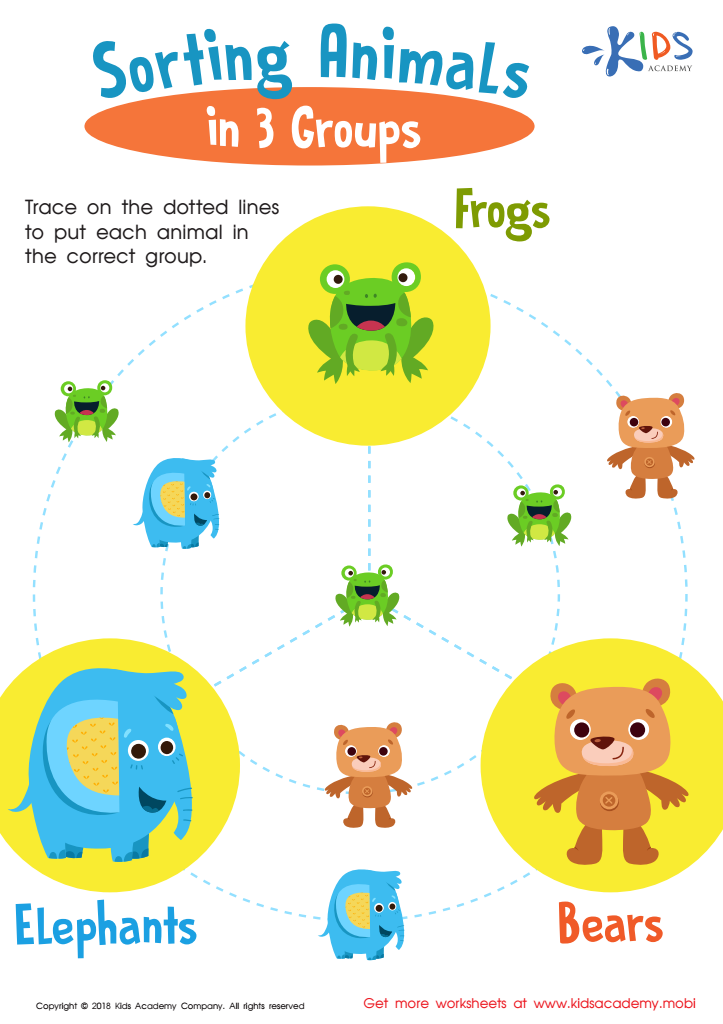
Sorting Animals in 3 Groups Worksheet
 Assign to My Students
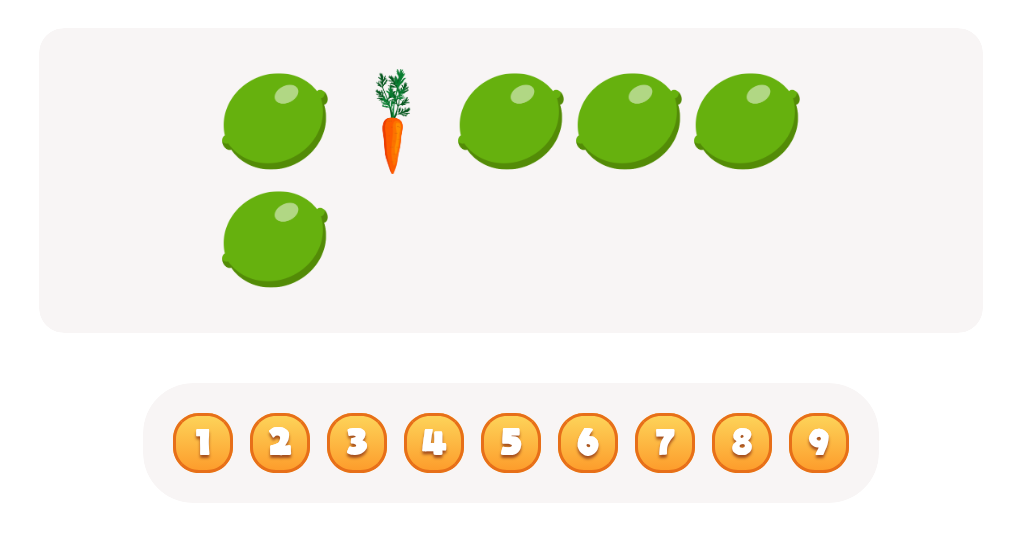

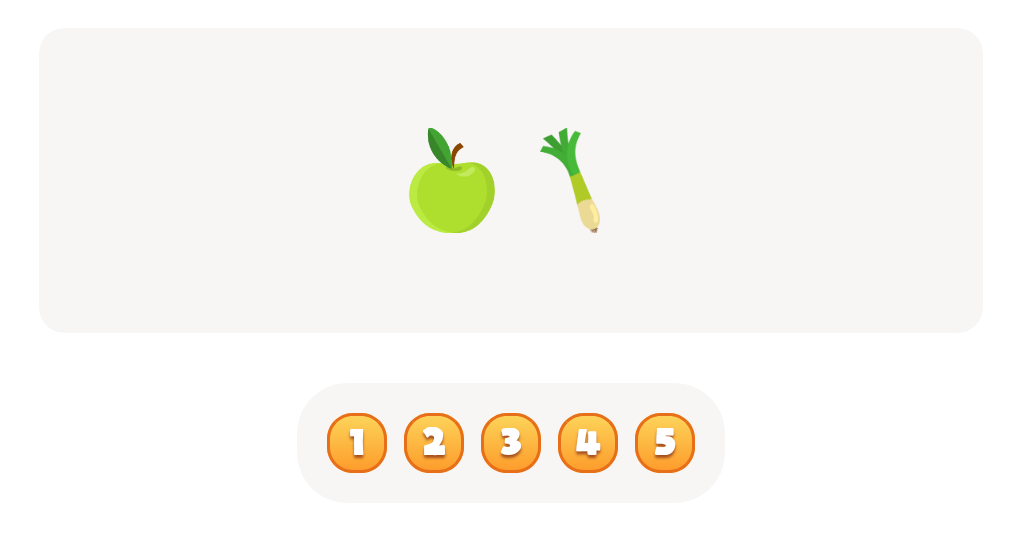
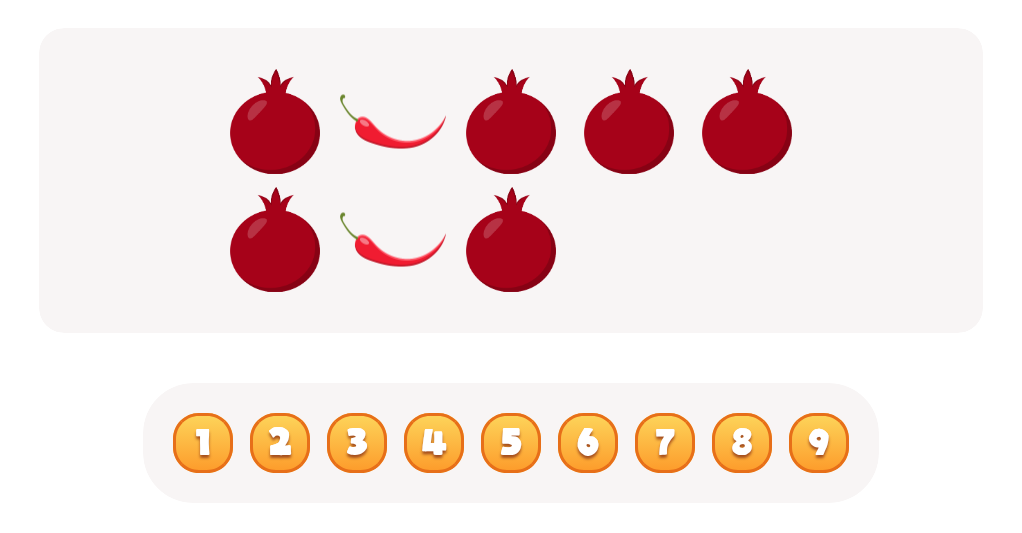
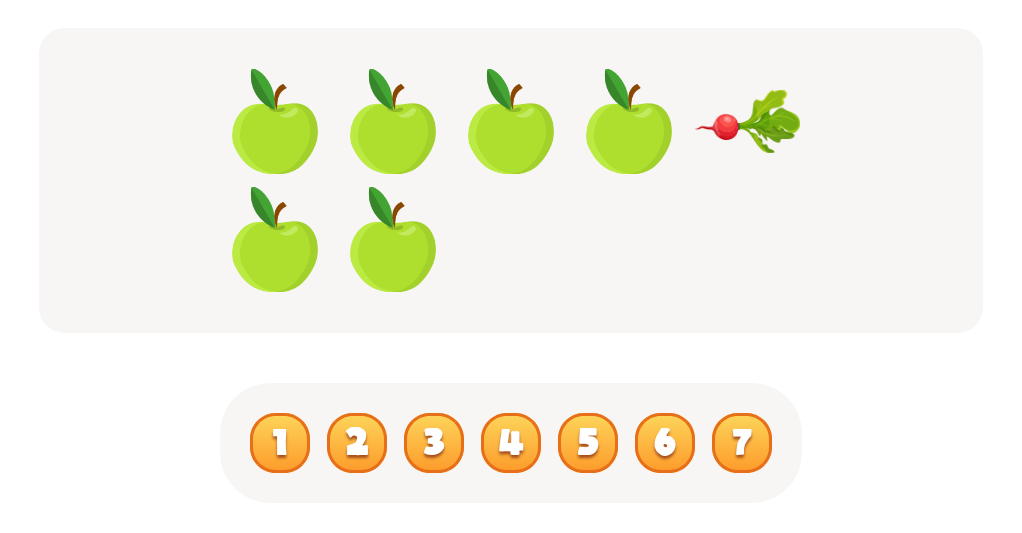
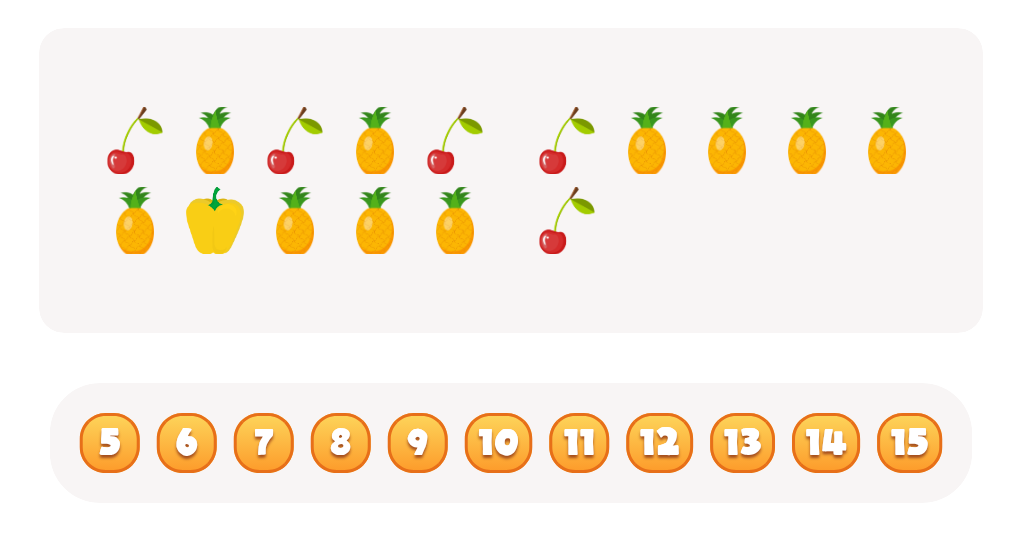
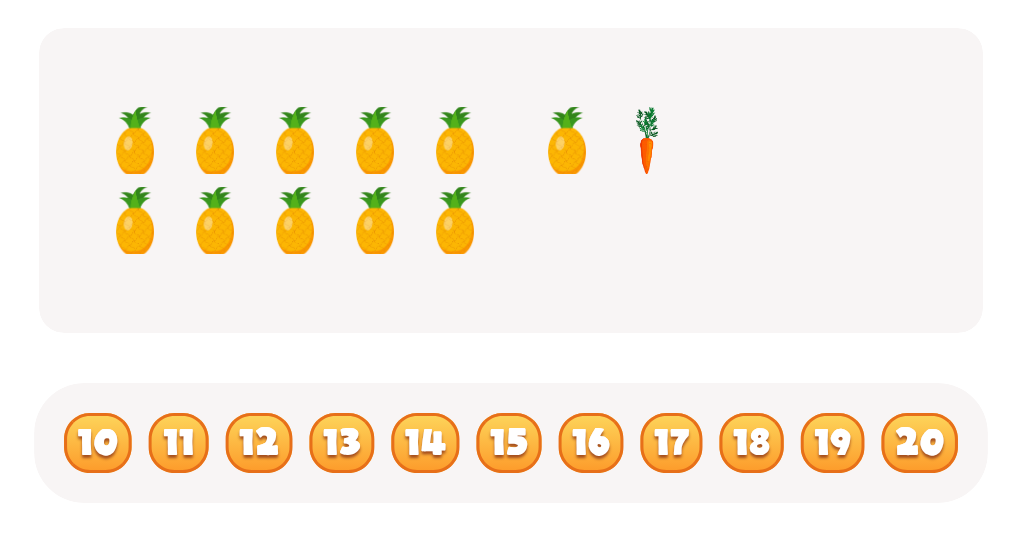
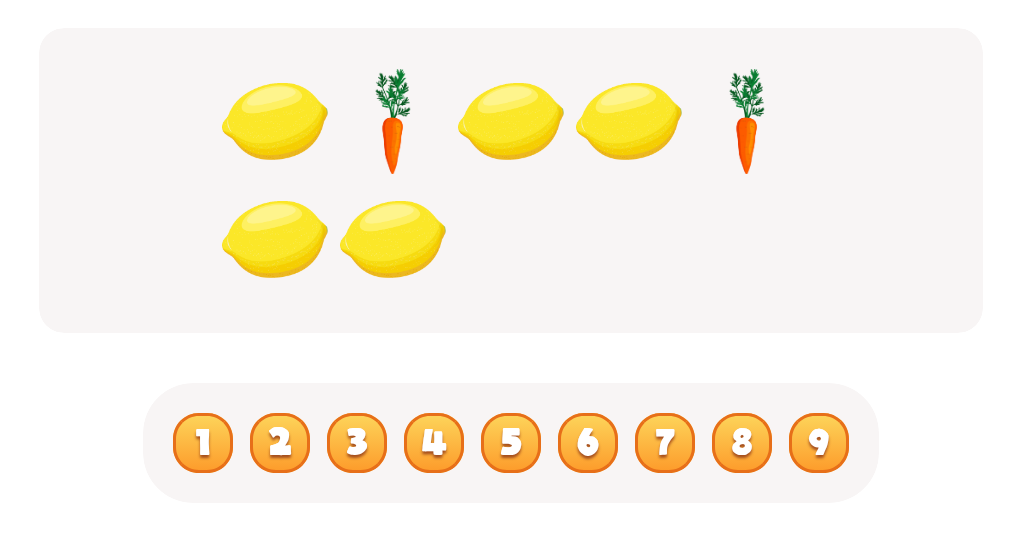
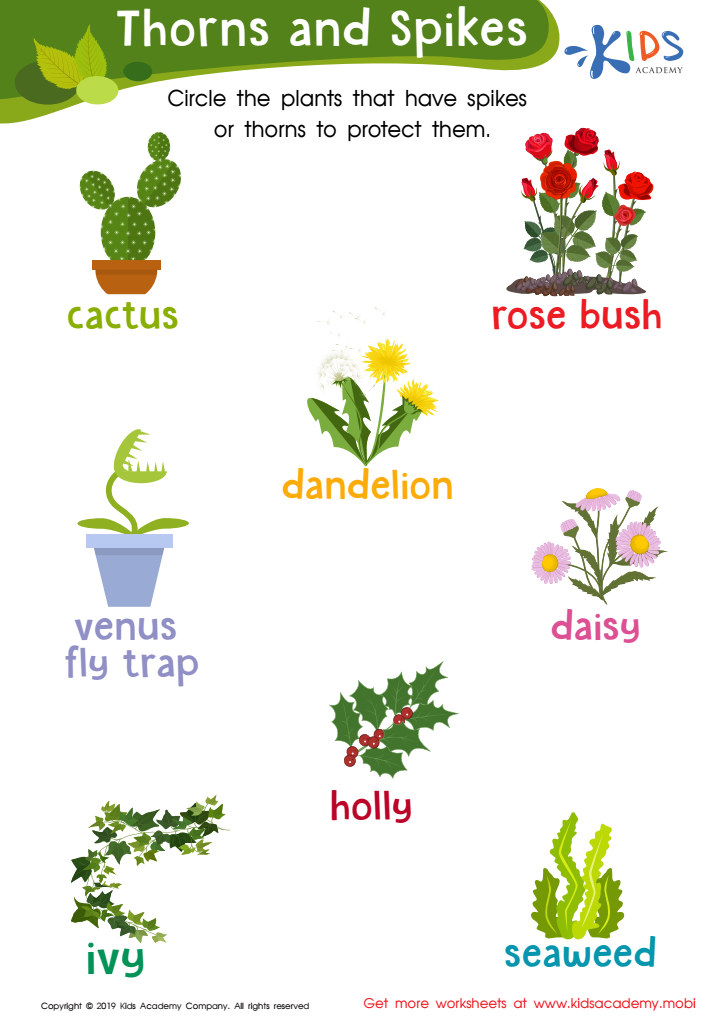
Thorns and Spikes Worksheet
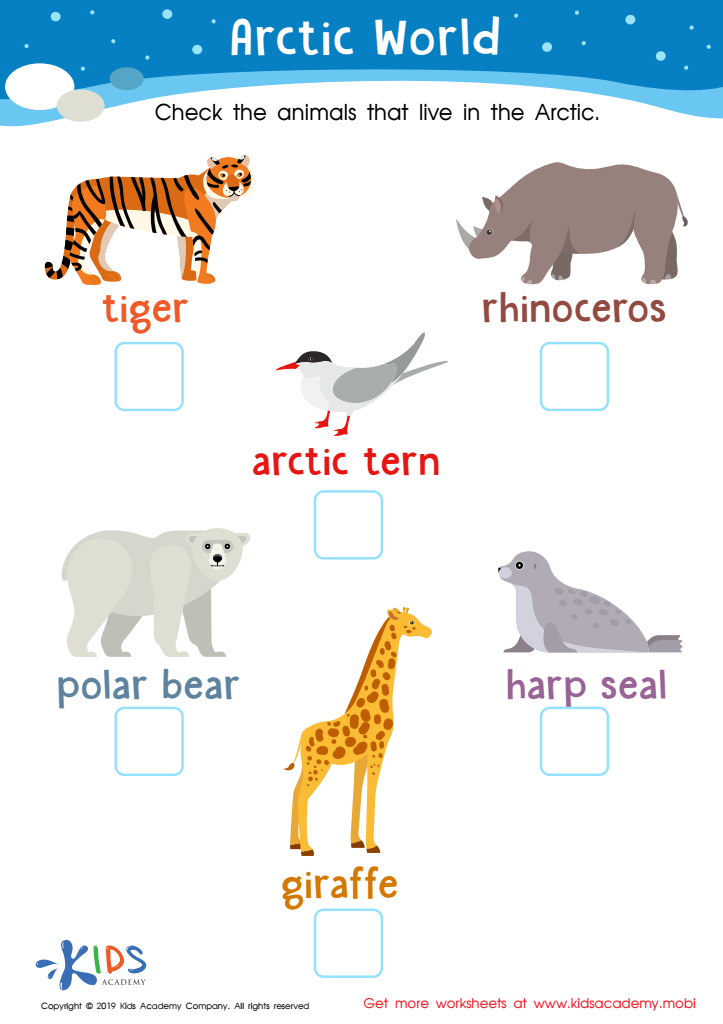
Arctic World Worksheet
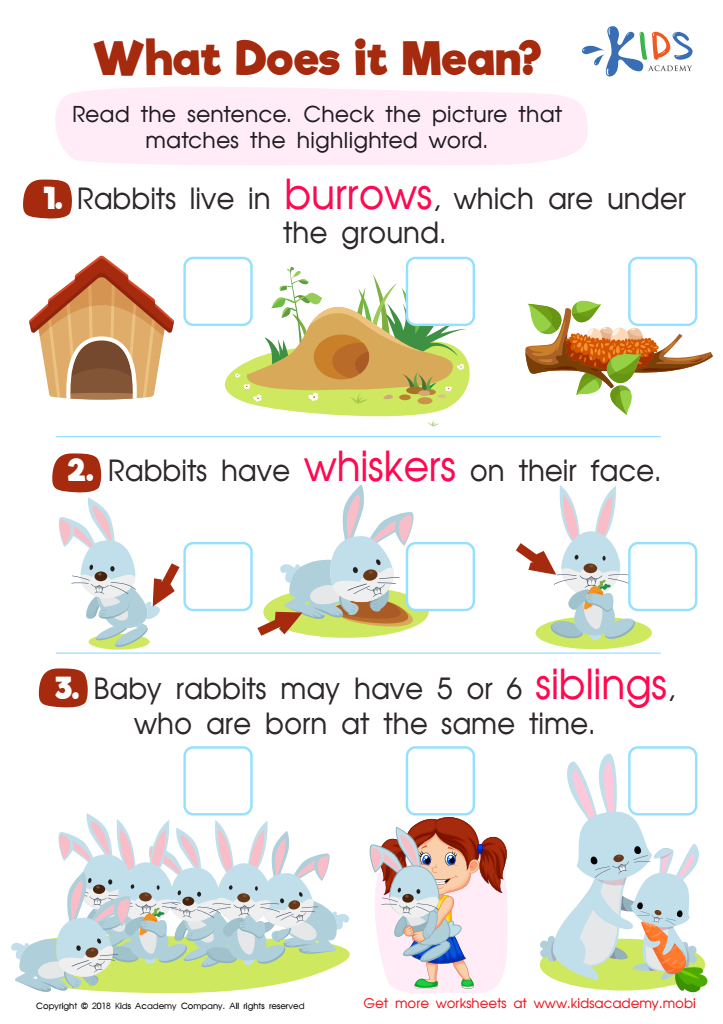
What Does It Mean? Worksheet
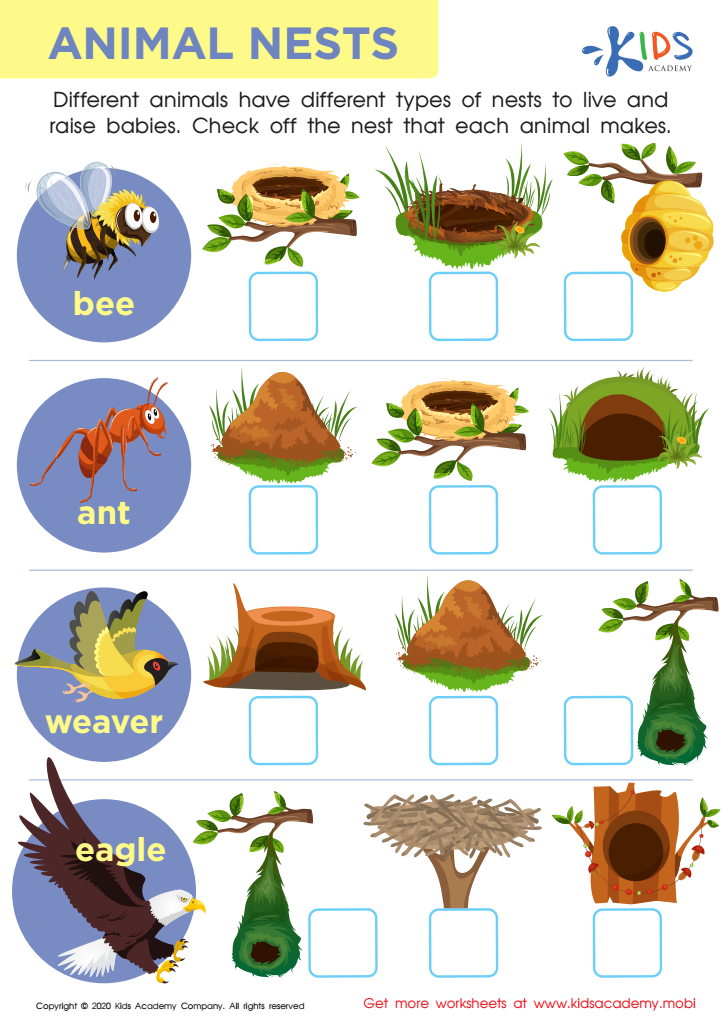
Animal Nests Worksheet








Cultivating critical thinking skills in young children, especially through engaging topics like plants and animals, is essential for their overall development. At ages 3-6, children's brains are at a prime stage for absorbing information and forming cognitive foundations. Introducing critical thinking through familiar and fascinating subjects like plants and animals makes learning both accessible and enjoyable, fostering a lifelong love for exploration and understanding.
Engaging children in discussions about why plants need sunlight or how animals find food nurtures their natural curiosity and encourages them to ask questions, analyze situations, and draw logical conclusions. This process develops their problem-solving abilities and enhances their cognitive skills, which are crucial for academic success and everyday decision-making.
Furthermore, lessons about nature and the environment instill a sense of responsibility and empathy. Understanding the interdependence of plants and animals helps children appreciate the importance of caring for living things, thus fostering environmental stewardship from a young age. These discussions provide an entryway to a larger conversation about sustainability and conservation.
In summary, integrating critical thinking with plants and animals in early education equips children with essential cognitive tools, promotes a deeper understanding of the world around them, and encourages a respectful and informed attitude toward nature and environmental issues.








