Alphabetizing Worksheets for Ages 3-7
5 filtered results
-
From - To
Discover fun and engaging alphabetizing worksheets designed specifically for children ages 3-7! Our carefully crafted resources encourage young learners to explore alphabetical order through a variety of exciting activities. These worksheets help children enhance their letter recognition, sorting skills, and understanding of the alphabet's sequence in a playful way. Ideal for both home and classroom settings, they provide opportunities for children to practice independently or with guidance. Each worksheet is visually appealing and packed with educational value, ensuring an enjoyable learning experience. Start your child's journey to literacy today with our alphabetizing worksheets and watch their confidence grow!
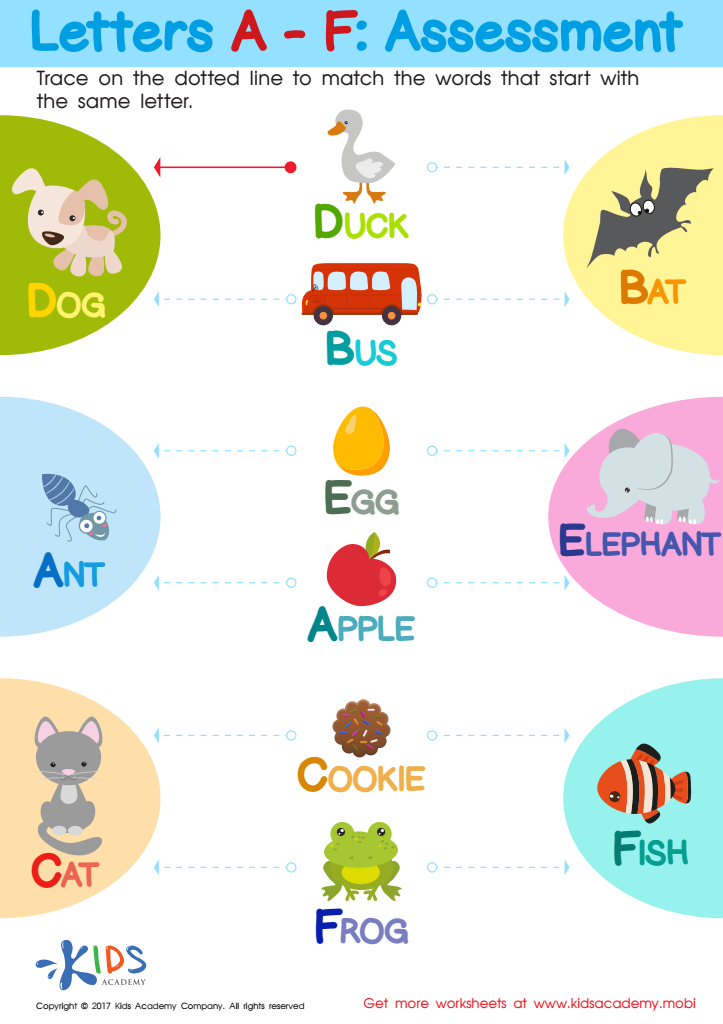
Letters A - F Worksheet
 Assign to My Students
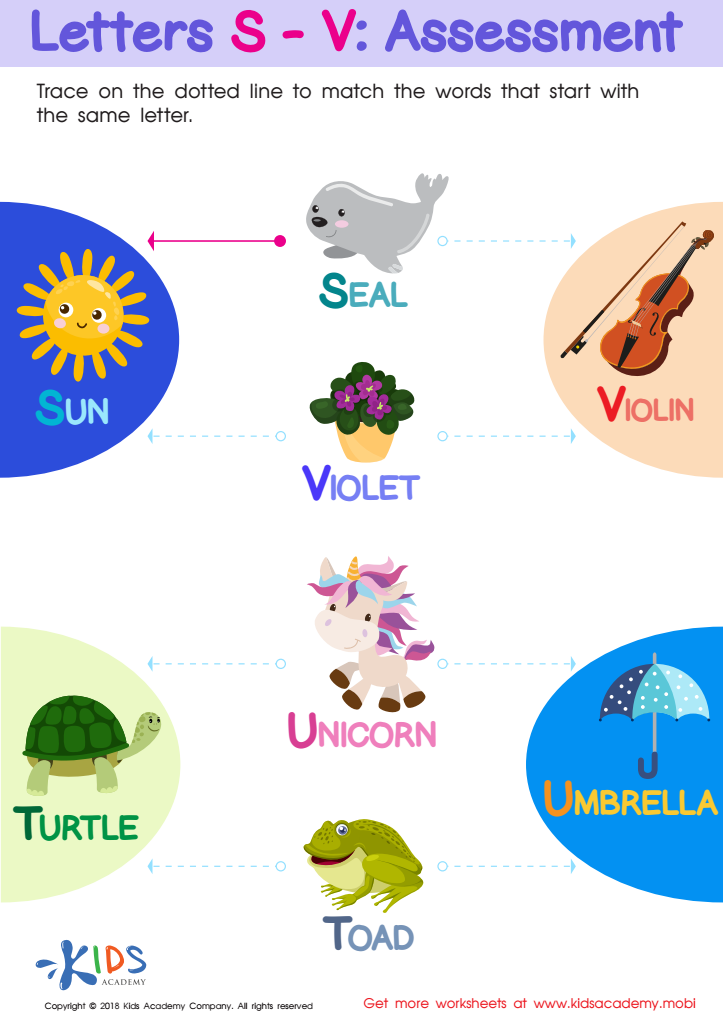
Letters S - V Tracing Worksheet
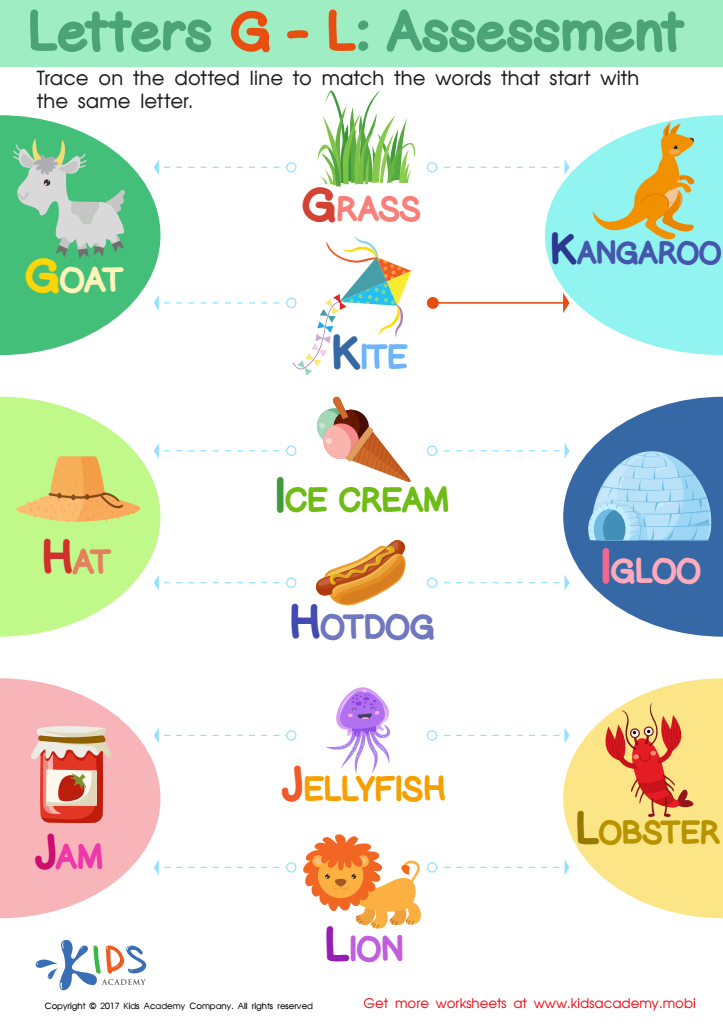
Letters G-L Worksheet
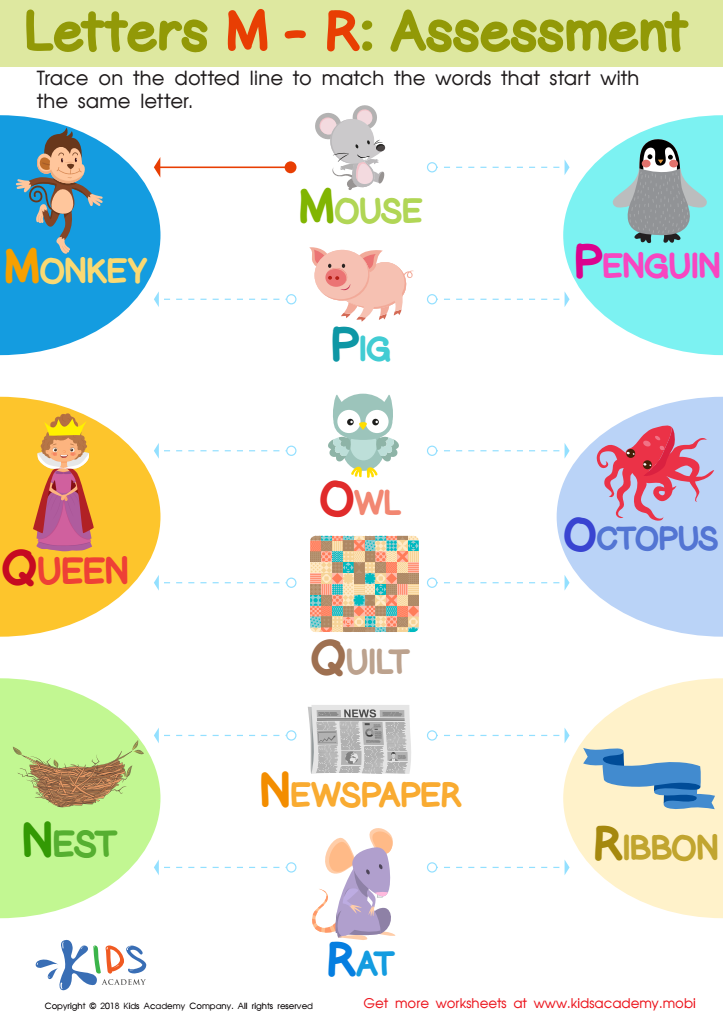
Letters M-R Tracing Worksheet
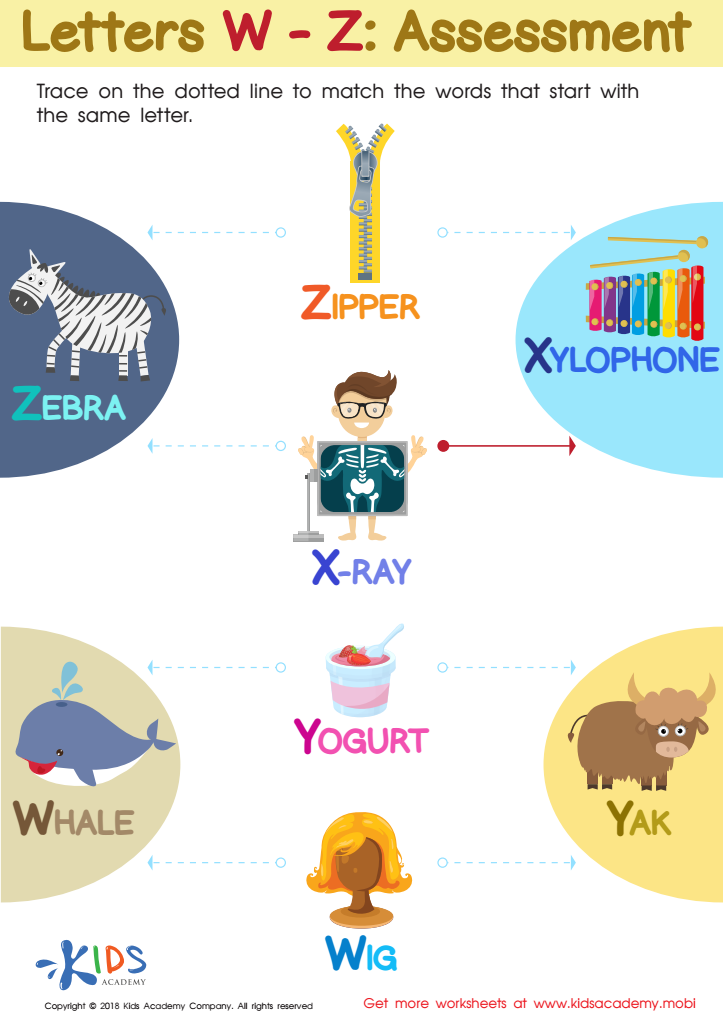
Letters W–Z Tracing Worksheet


Alphabetizing is a crucial skill for children aged 3 to 7, as it lays the foundation for literacy development and cognitive skills. Understanding the alphabetical order helps children develop essential reading and writing abilities. When they learn to recognize that letters have specific sequences, it aids in their ability to decipher words and enhances their vocabulary.
Parents and teachers should care about this early skill for several reasons. First, mastering alphabetization boosts phonemic awareness as children recognize letter sounds and symbols. This awareness is vital for reading, as it helps them sound out words. Additionally, knowing the alphabetical order supports organizational skills, making it easier for children to navigate books, files, and vocabulary lists.
Moreover, alphabetizing activities can be fun and engaging, fostering a love for learning. Games like alphabetical sorting or creating books promote collaborative learning experiences among peers or parent-child interactions. These activities not only enhance literacy skills but also build confidence in young learners.
In summary, alphabetizing is more than a rote learning task; it is an essential building block for effective communication, academic success, and lifelong learning. Parents and teachers play a critical role in nurturing these foundational skills in their young children.







