Vowel Recognition Alphabet Worksheets for Ages 3-7
23 filtered results
-
From - To
Discover our engaging Vowel Recognition Alphabet Worksheets designed for children ages 3-7! These worksheets provide a fun and interactive way for young learners to identify and understand vowels, enhancing their literacy skills early on. Featuring colorful illustrations, exercises, and games, these printable resources cater to diverse learning styles, making vowel recognition enjoyable. Your child will practice recognizing, sounding out, and writing vowels through simple activities that boost confidence and retention. Ideal for early education at home or in the classroom, our worksheets lay a strong foundation for reading success. Start your child’s language journey today with our easy-to-use resources!
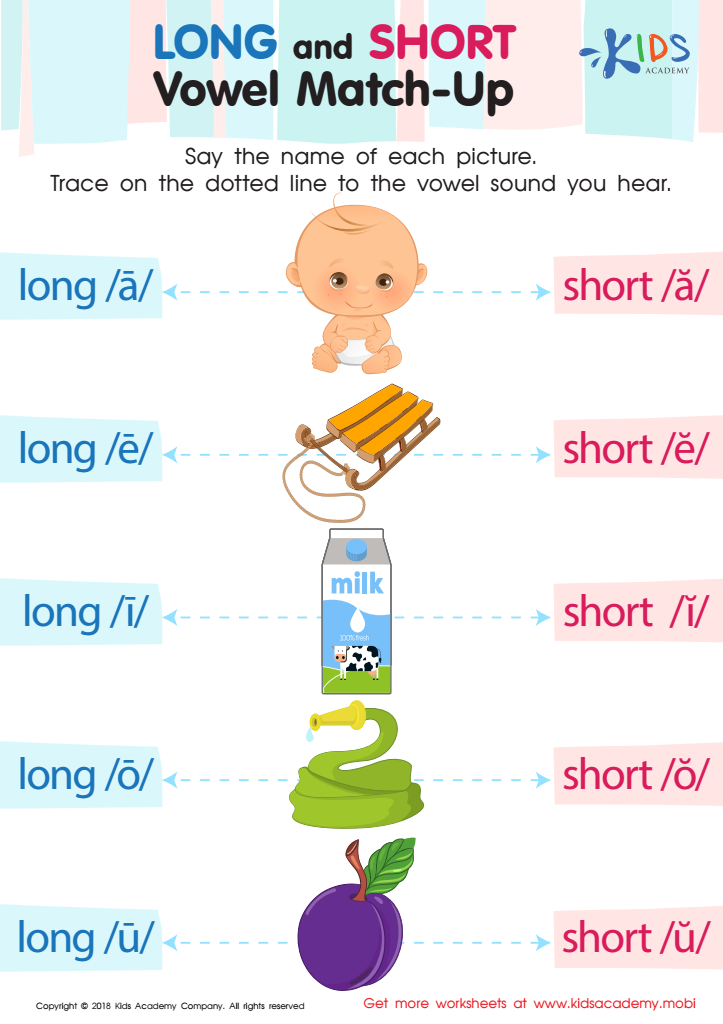
Long and Short Vowel Match up Reading Worksheet
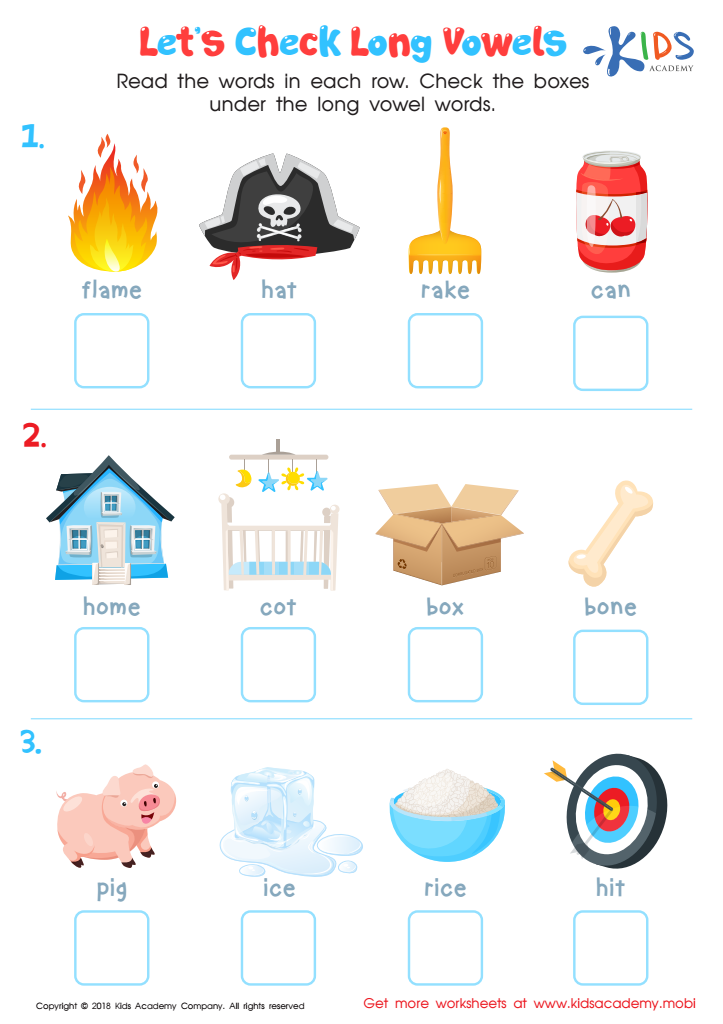
Let's Check Long Vowels: Assessment Worksheet
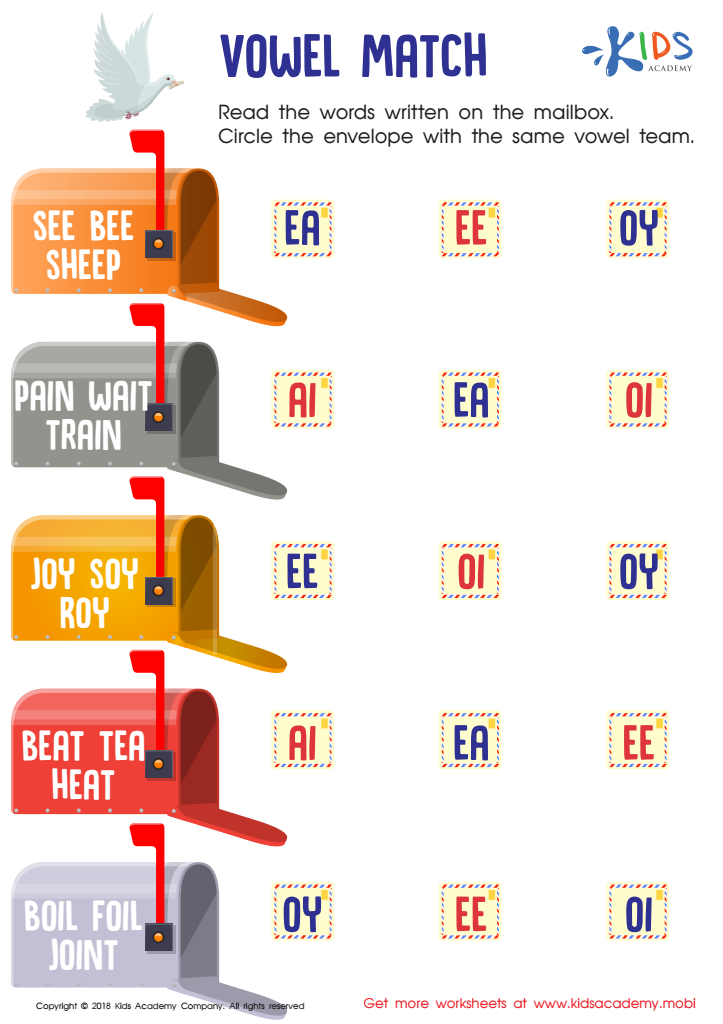
Vowel match Worksheet
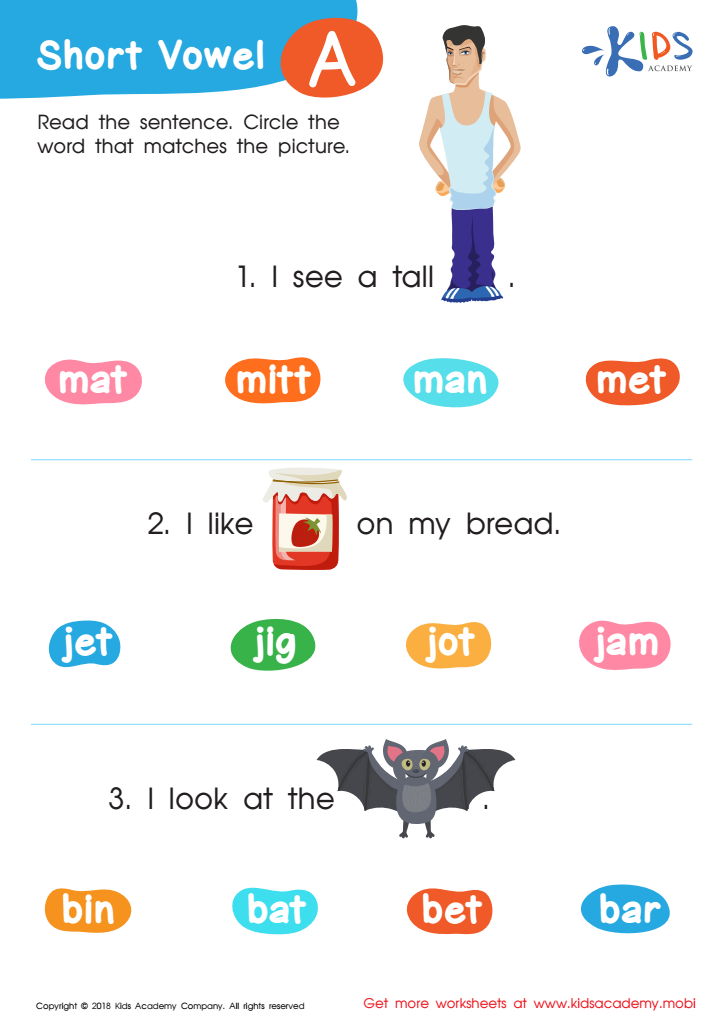
Short Vowel /a/ Worksheet
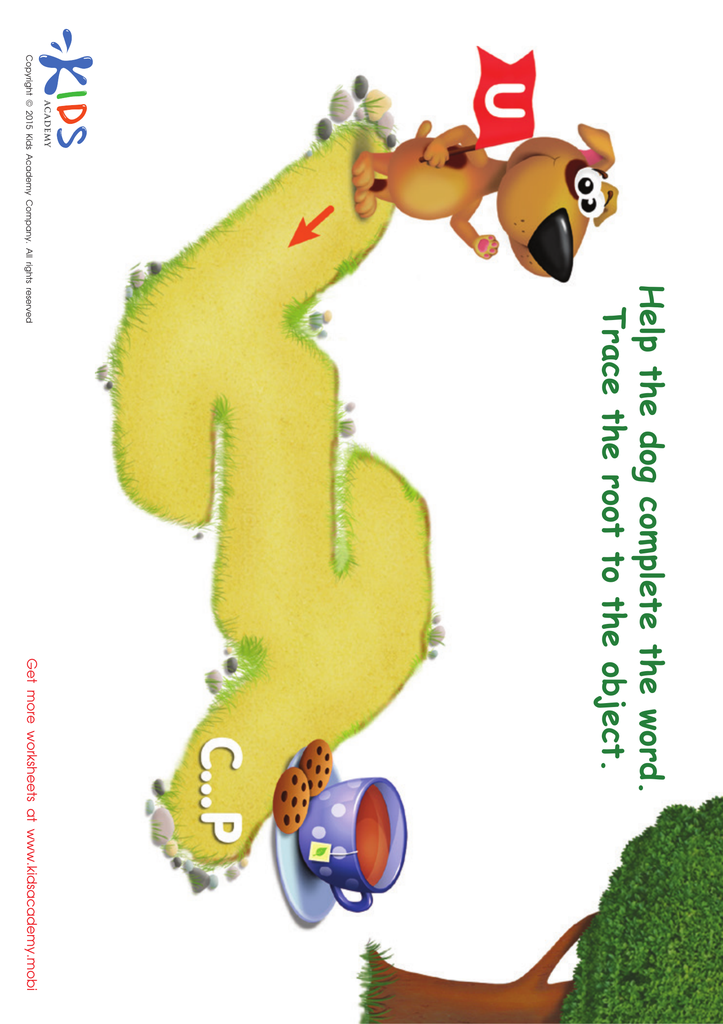
Short Vowel Sound U Worksheet Worksheet
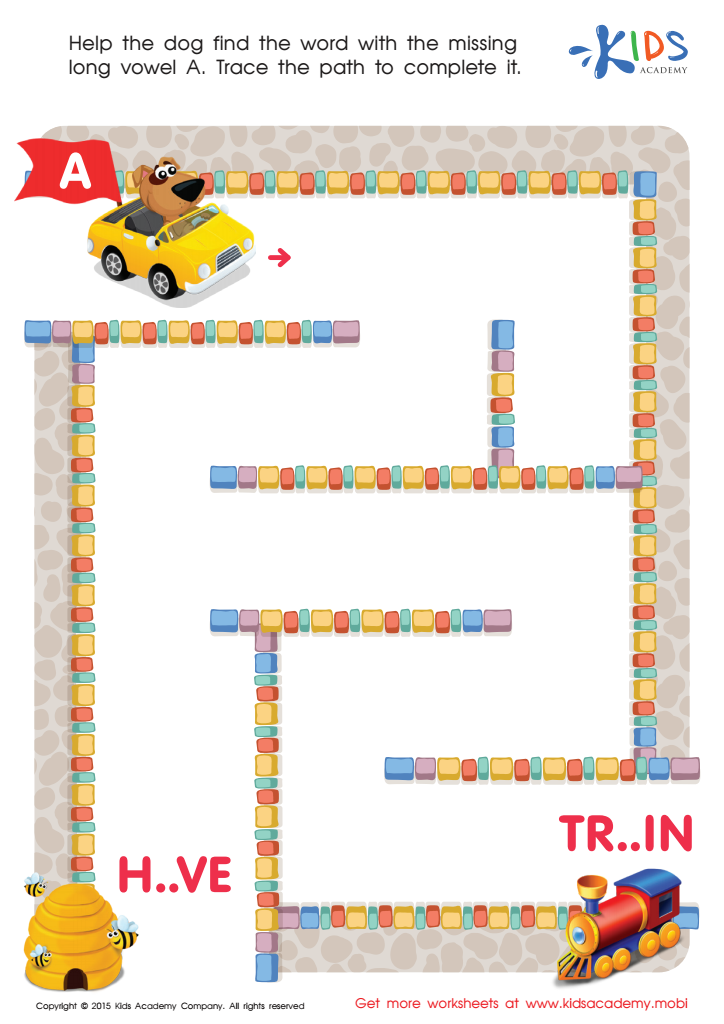
Long Vowel Sound A Worksheet
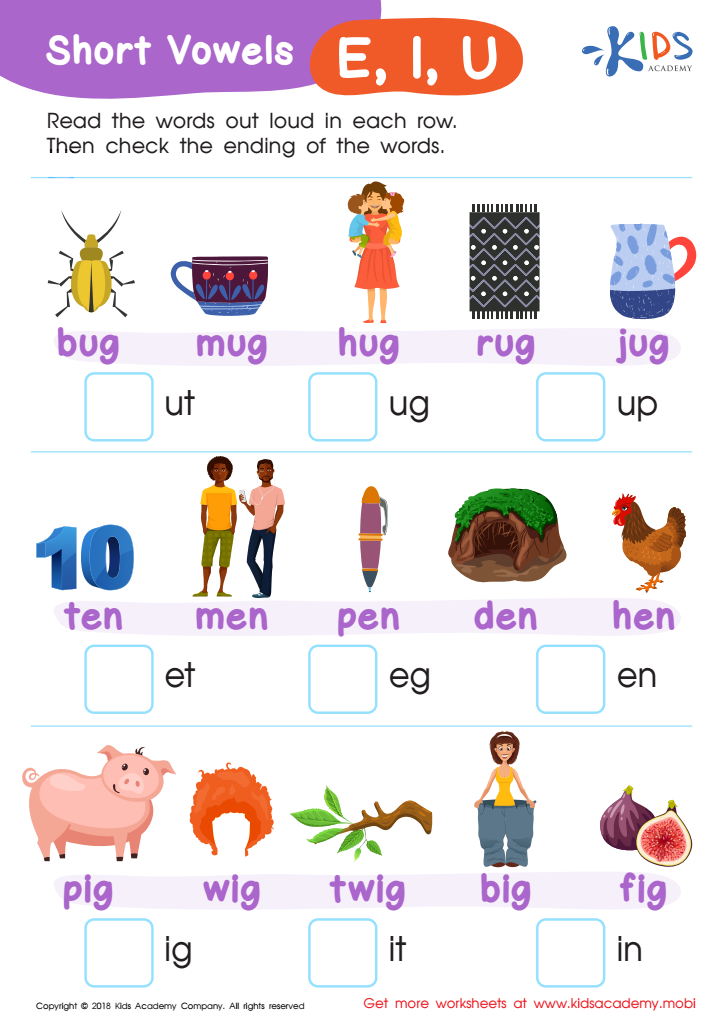
Short Vowels /e/, /i/, and /u/ Worksheet
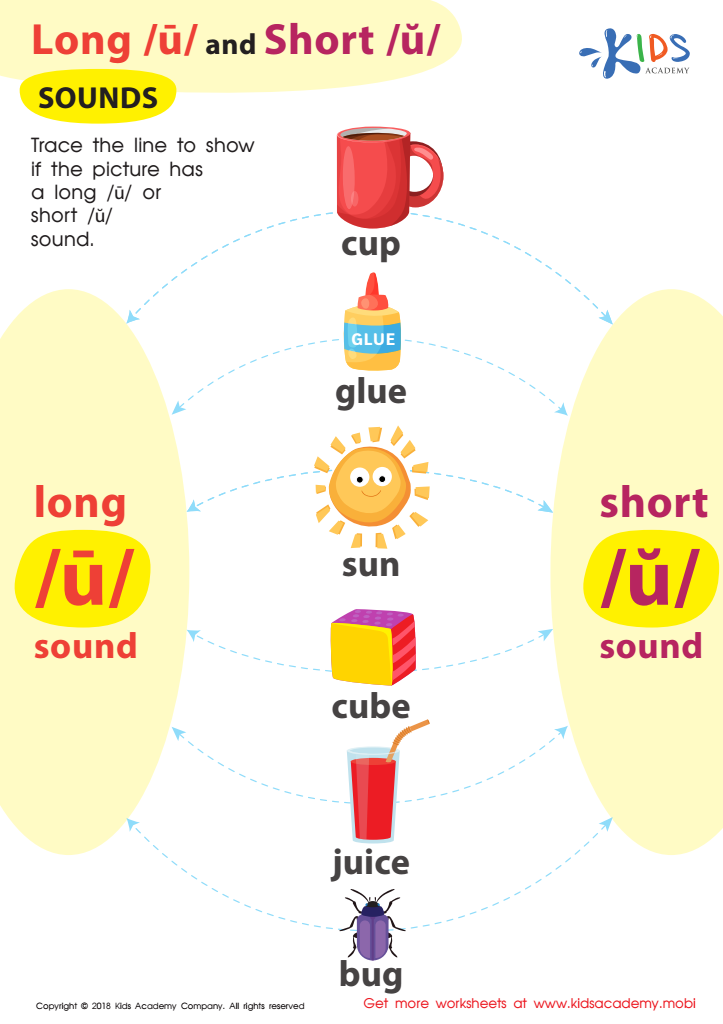
Reading: Long U and Short U Sounds Worksheet
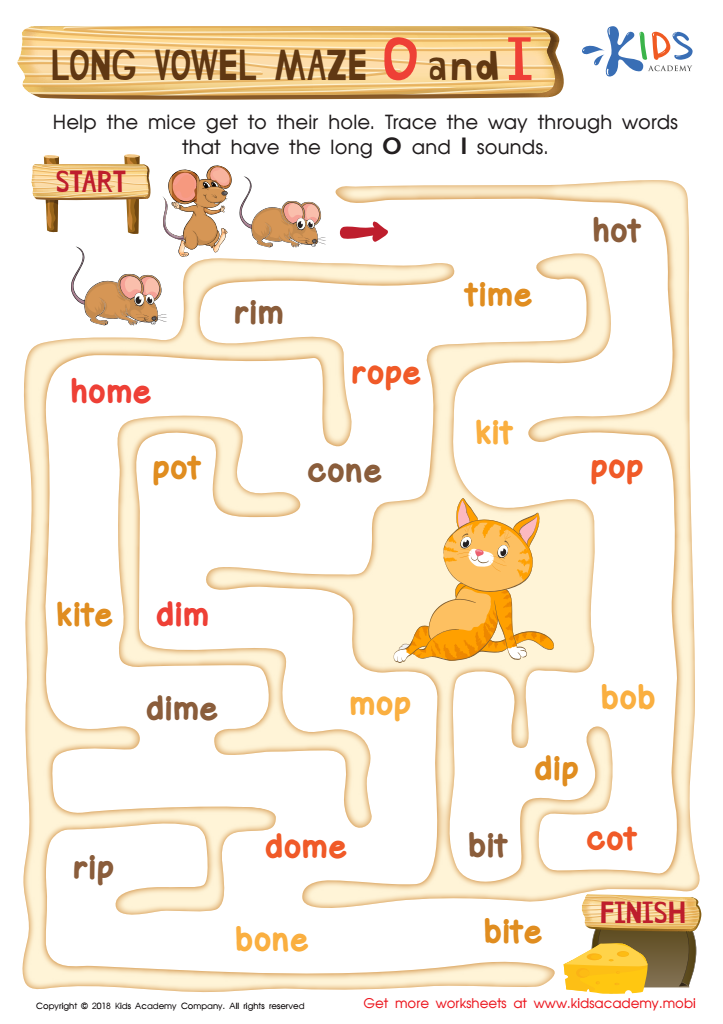
Long Vowel Maze /o/ and /i/ Worksheet
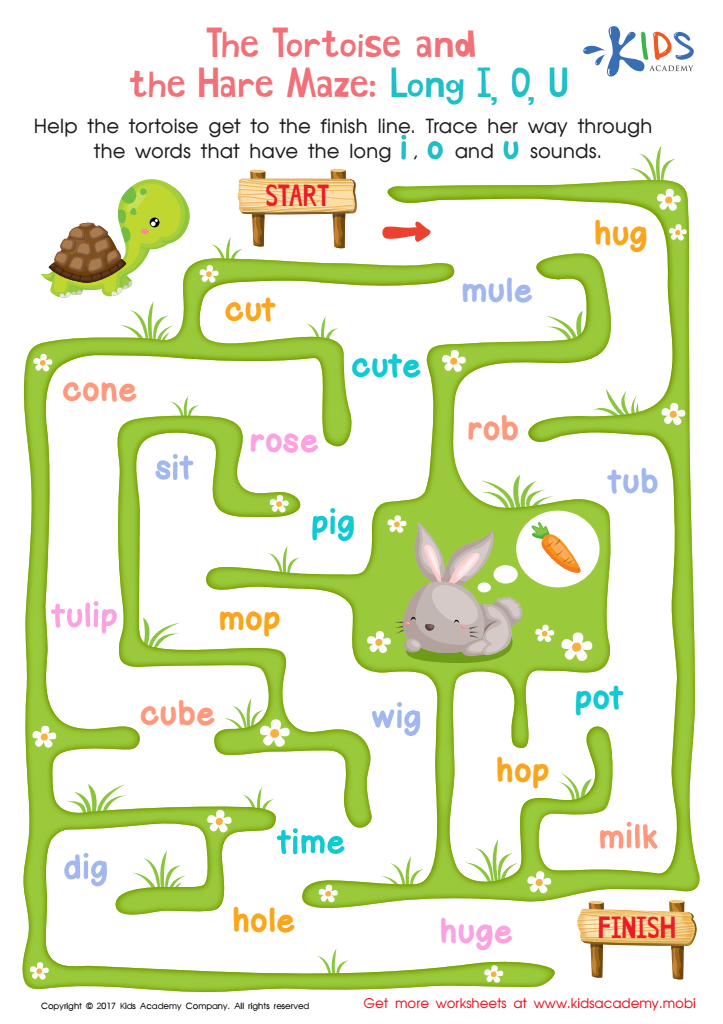
Long I, O, U Words Worksheet
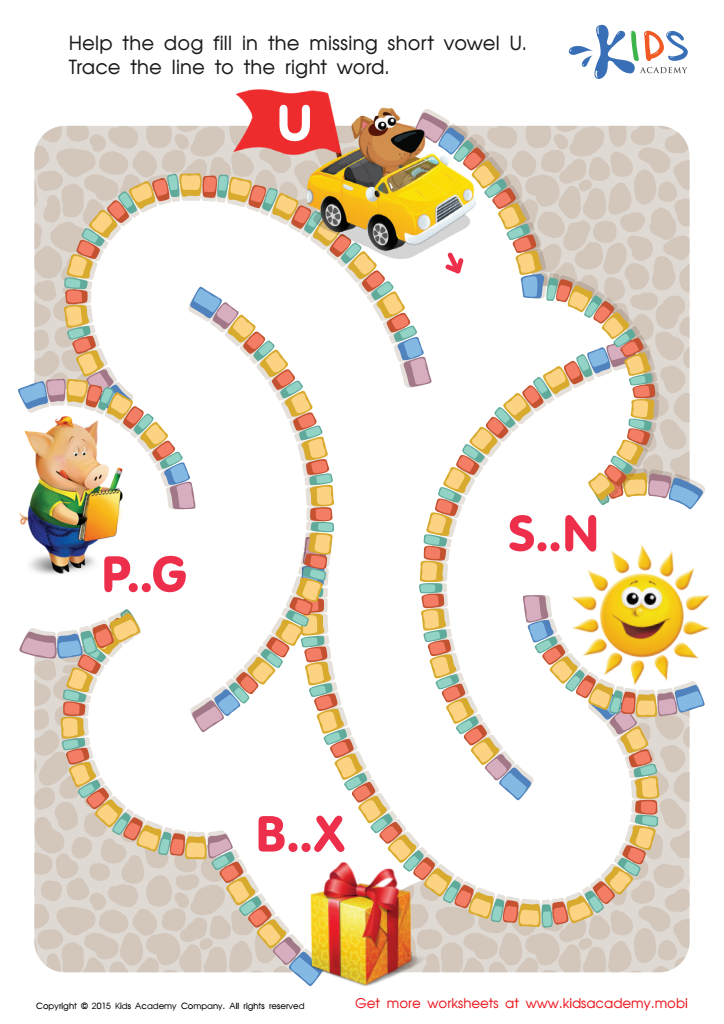
Short Vowel Sound U Worksheet
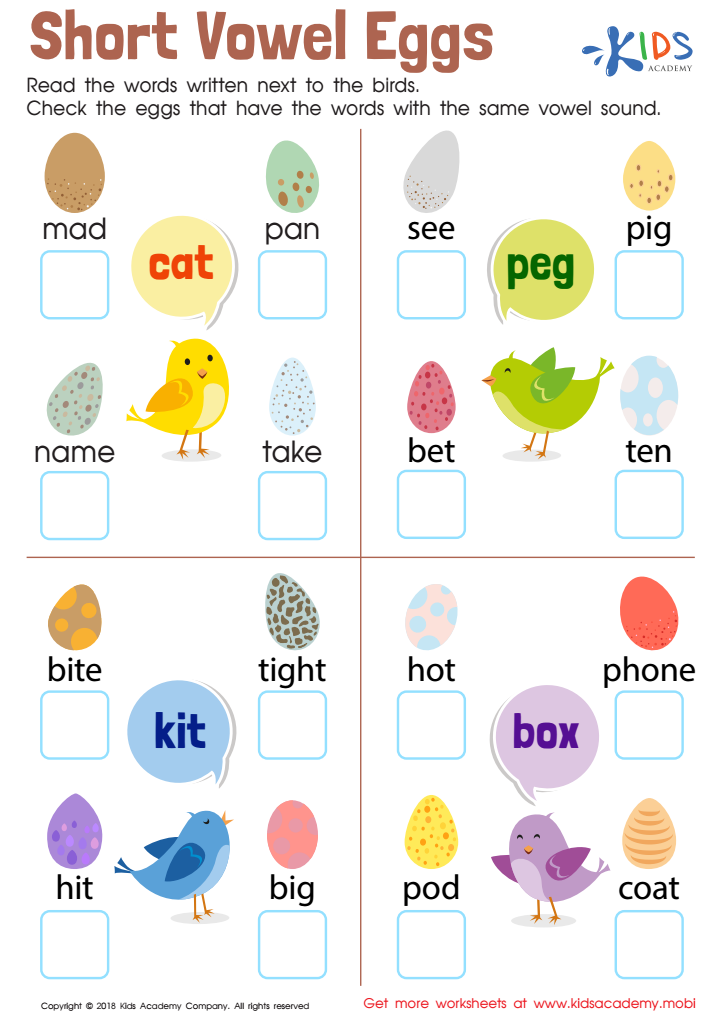
Short Vowel Eggs Worksheet
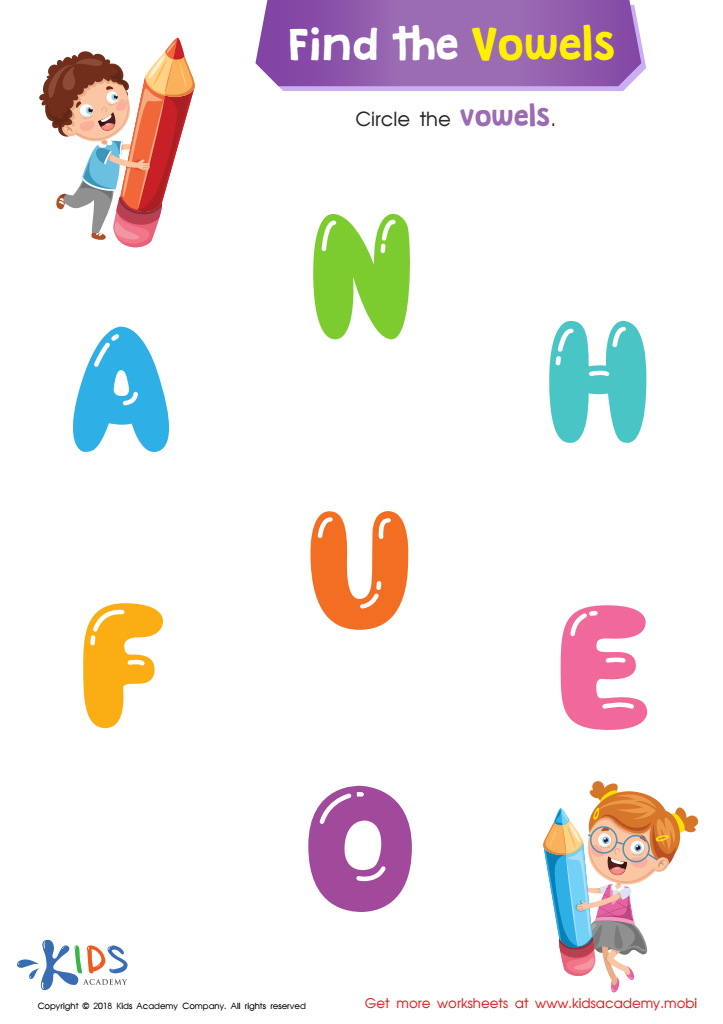
Find the Vowels Reading Worksheet
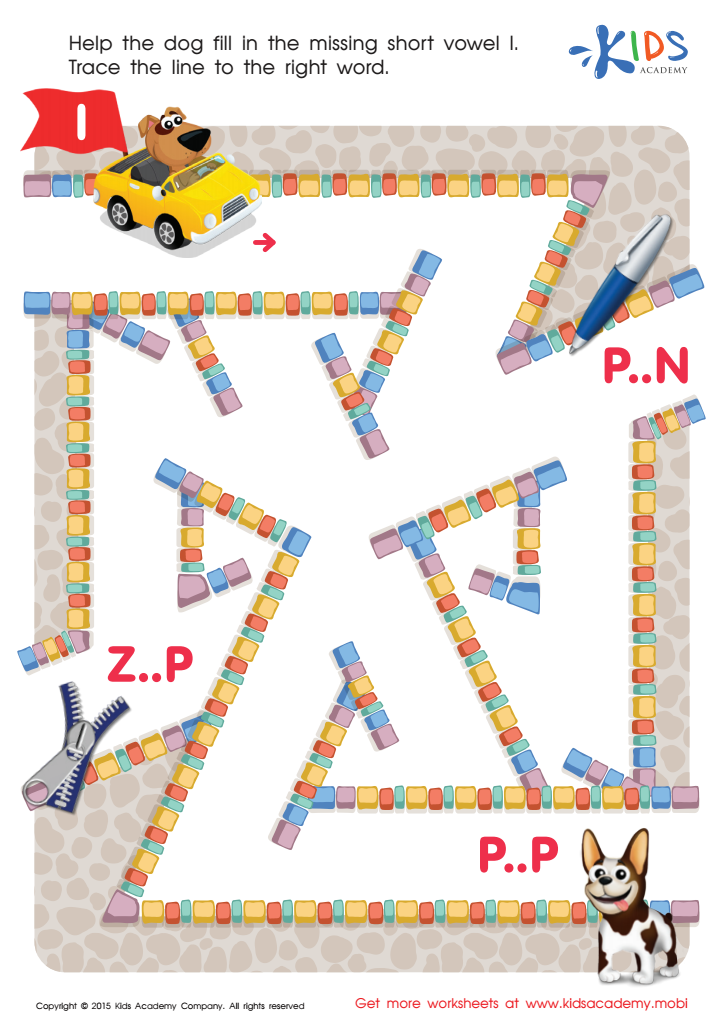
Short Vowel Sound I Worksheet
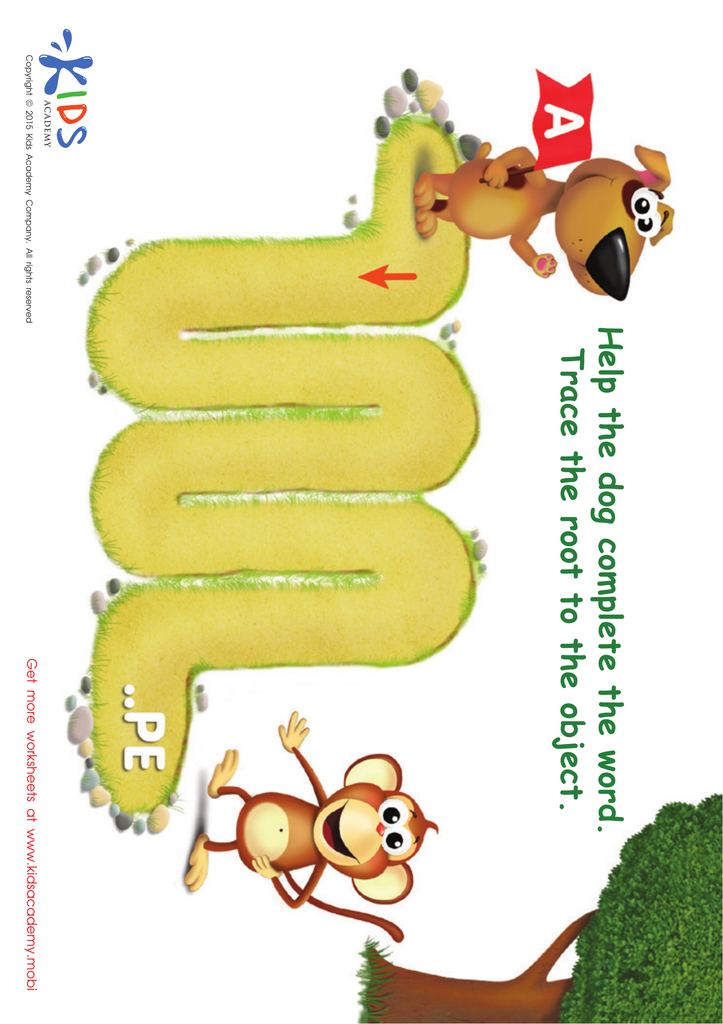
Long Vowel Sound A Worksheet Worksheet
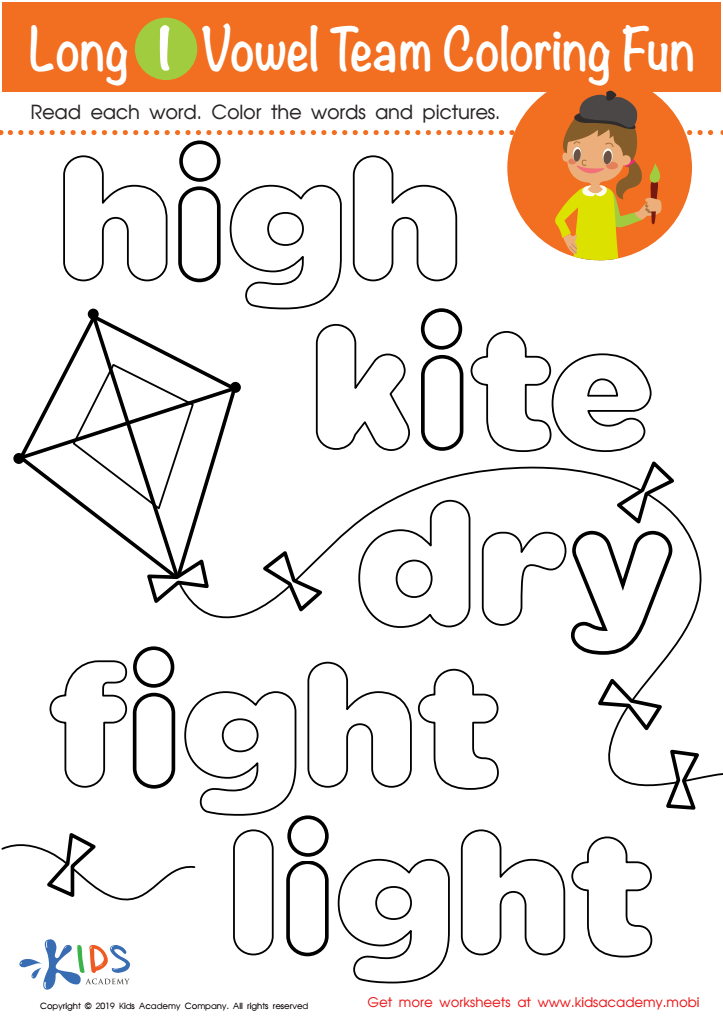
Long I Vowel Team Coloring Worksheet
 Assign to My Students
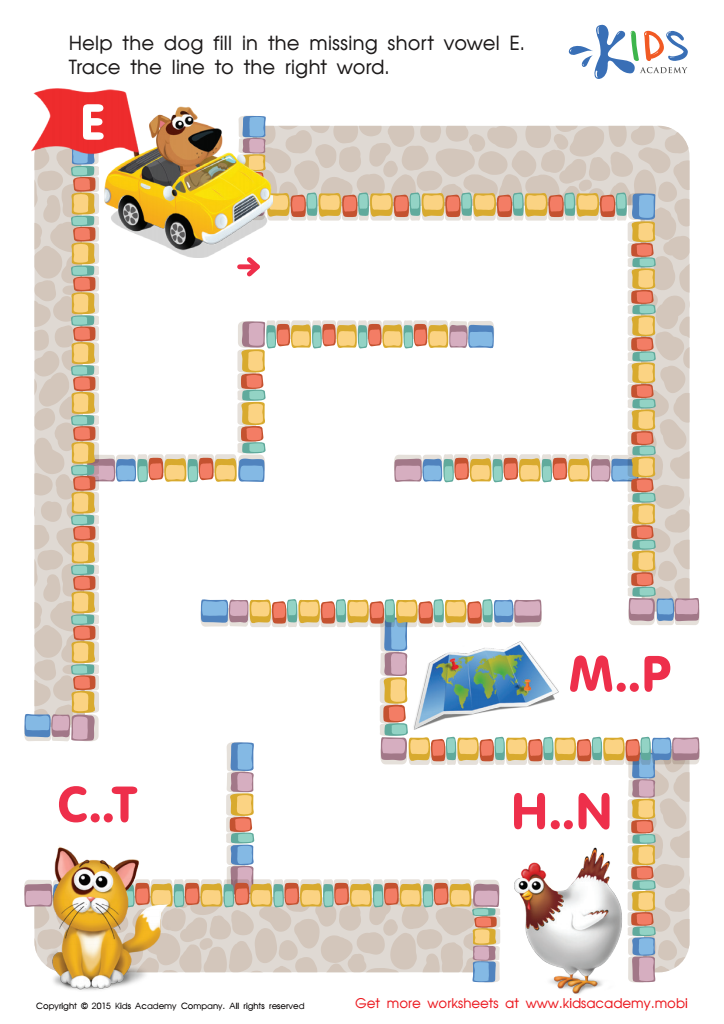
Short Vowel Sound E Worksheet
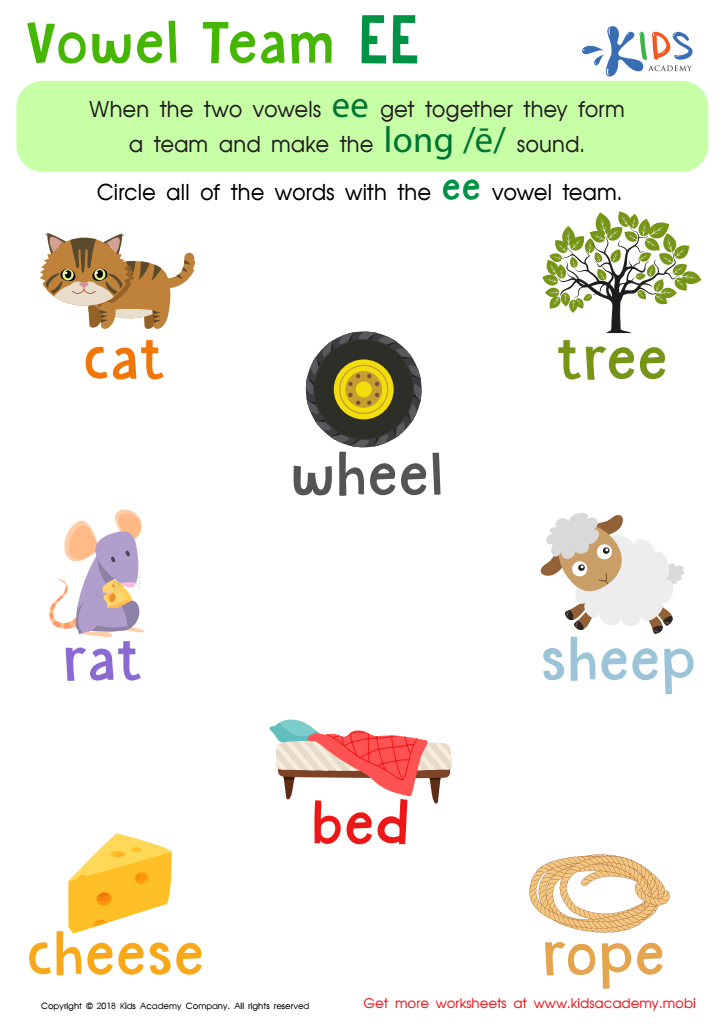
Reading: Vowel Team EE Worksheet
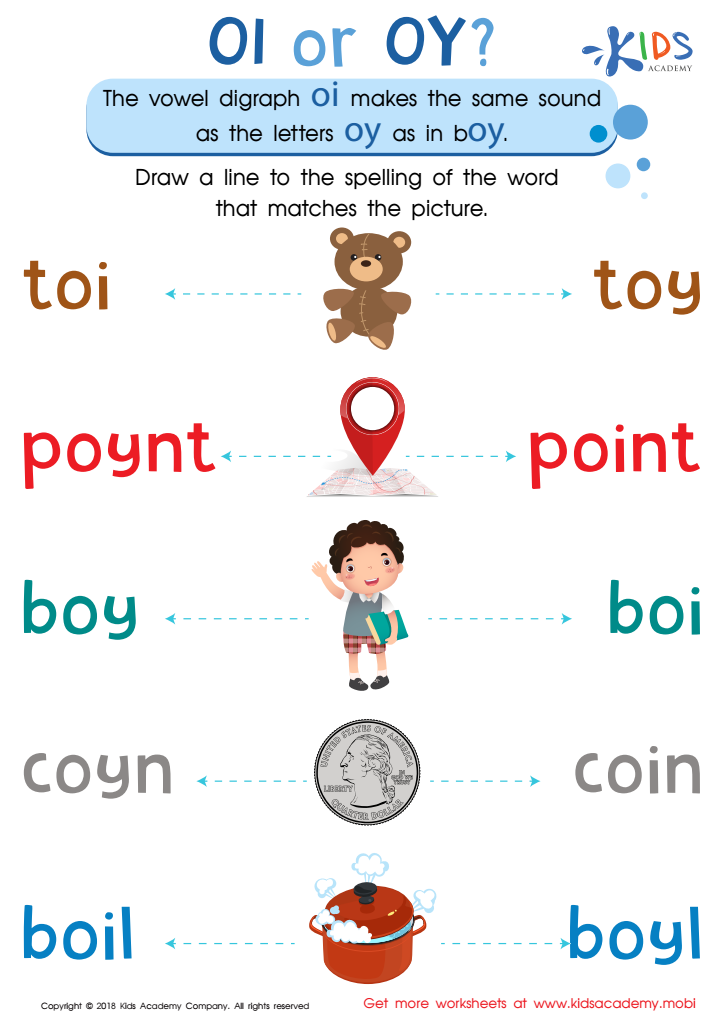
Reading: OI and OY Worksheet
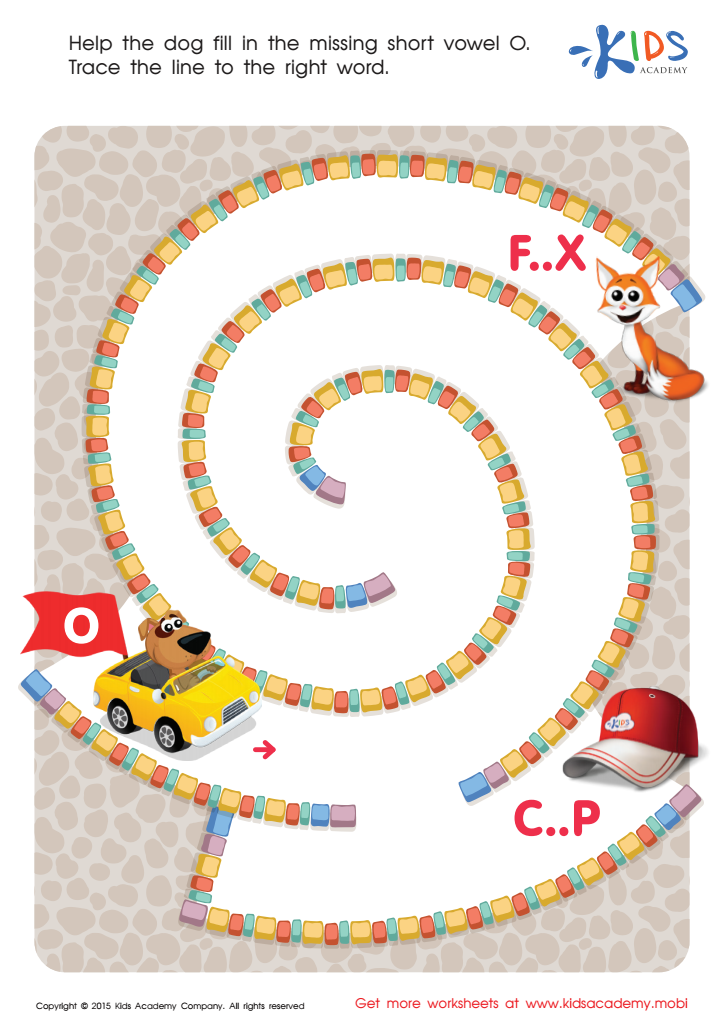
Short Vowel Sound O Worksheet
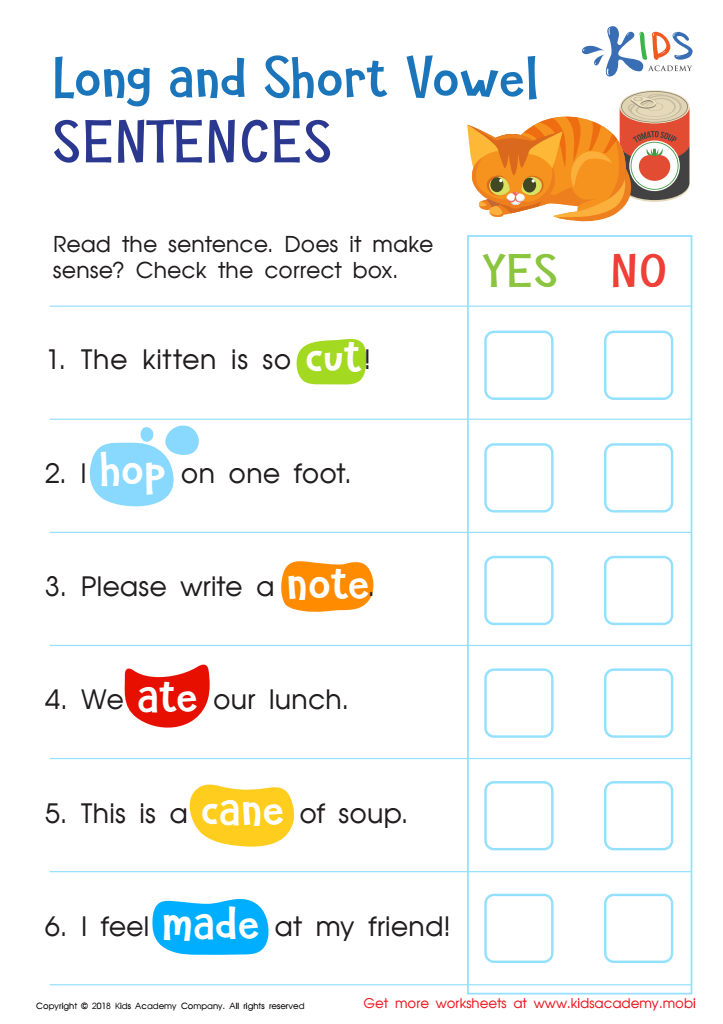
Long and Short Vowel Sentences: Assessment Worksheet
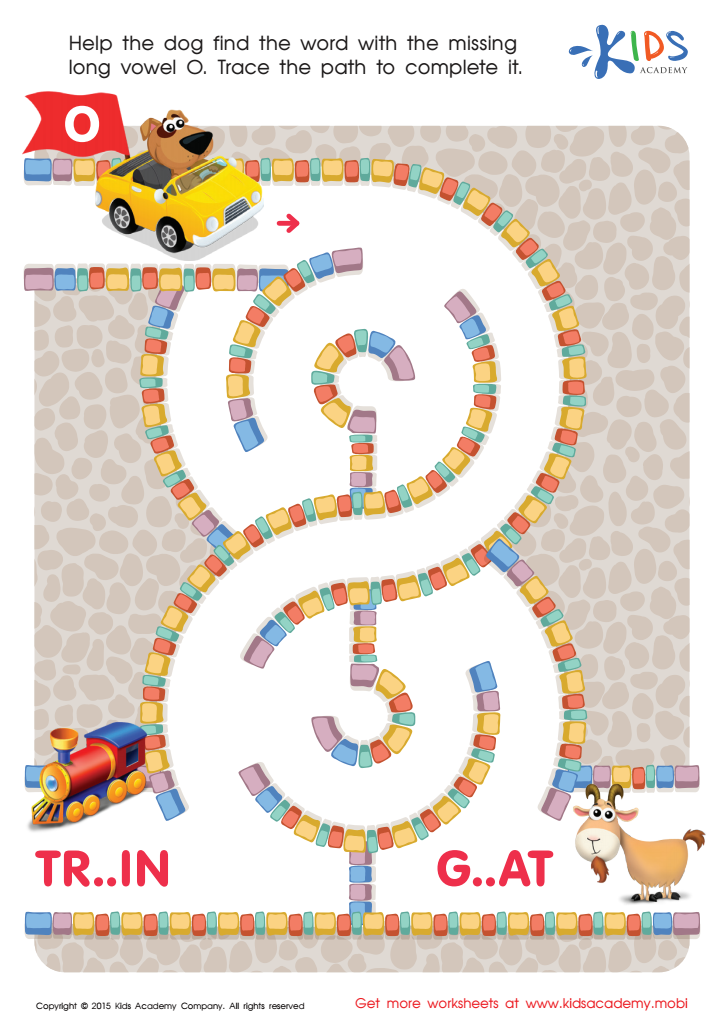
Long Vowel Sound O Worksheet
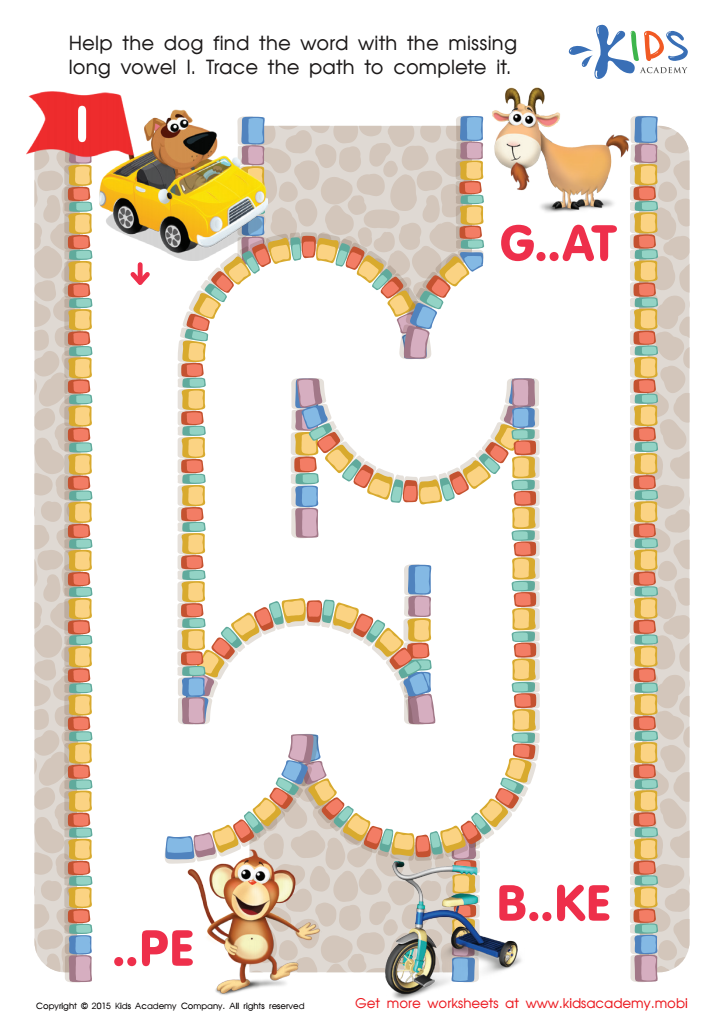
Long Vowel Sound I Worksheet







Vowel recognition is a crucial component of early literacy for children ages 3-7, impacting their reading and writing proficiency. Recognizing vowels—A, E, I, O, U—forms the foundation for understanding word formation. Unlike consonants, vowels often hold the key to word structure, influencing sounds and syllable formation. By mastering vowel recognition, children can decode and spell words more effectively, fostering their reading fluency and comprehension.
For parents and teachers, emphasizing vowel education ensures children develop strong phonetic awareness, which is vital as they advance through different stages of literacy. Engaging in activities that promote vowel recognition, such as games, rhymes, and song, makes learning enjoyable and memorable, while also enhancing children’s auditory discrimination skills.
Additionally, early knowledge of vowels contributes to a child’s confidence in language use, encouraging expressive skills, both verbally and in written form. By focusing on vowel recognition during these formative years, parents and teachers can help children build a solid literacy foundation that will support not only their academic success but also their communication abilities throughout life. Notably, tackling vowels early is essential for nurturing effective future readers and writers, setting children on a path to lifelong learning.







