Phonics Skills Vowels Worksheets for Ages 3-7 - Page 2
37 filtered results
-
From - To
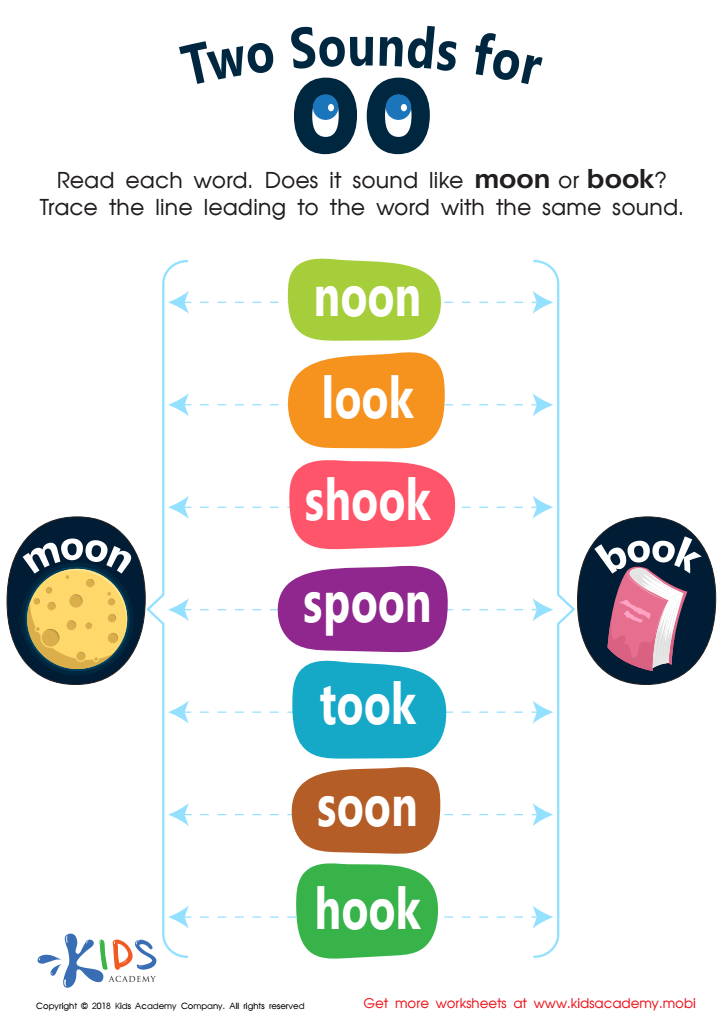
Two Sounds for OO Worksheet
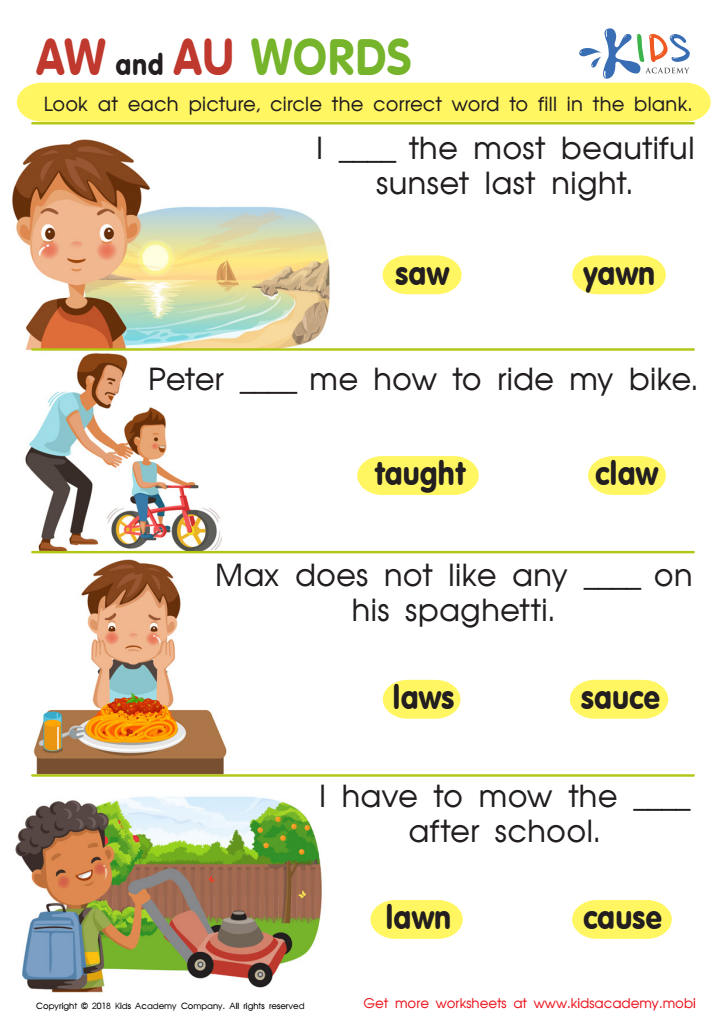
Reading: AW and AU Words Worksheet
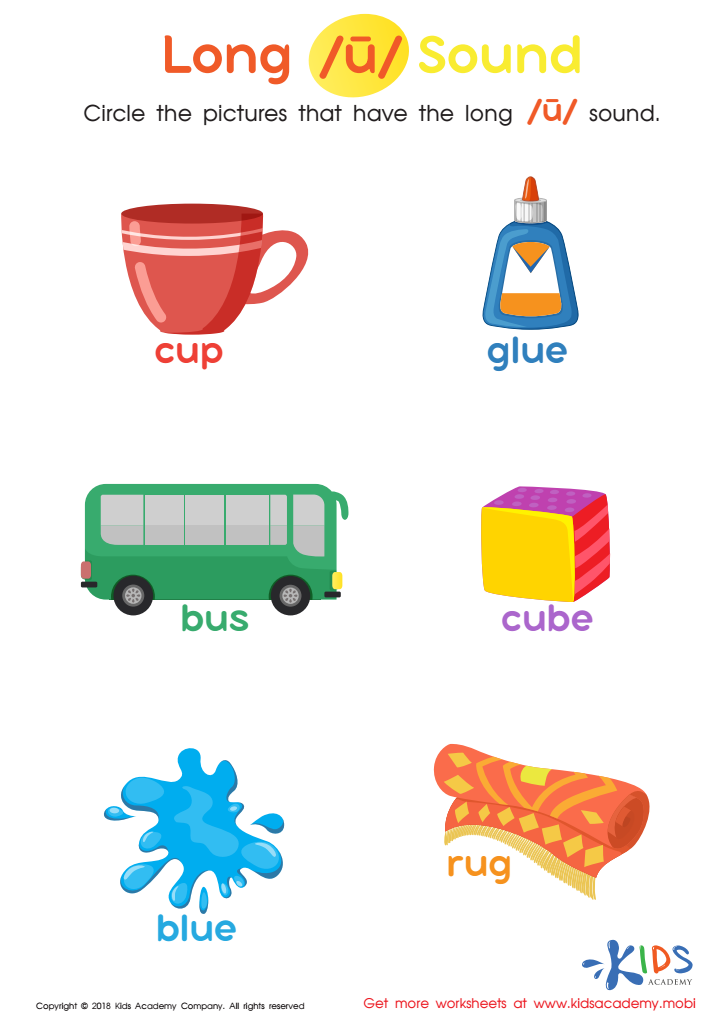
Long «u» Sound Worksheet
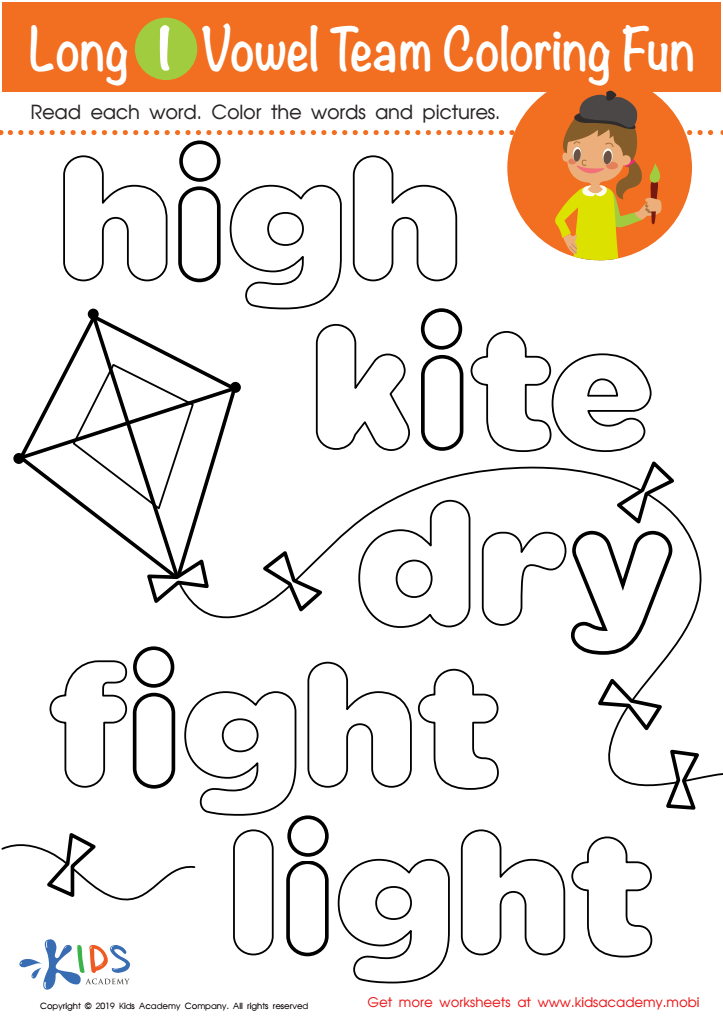
Long I Vowel Team Coloring Worksheet
 Assign to My Students
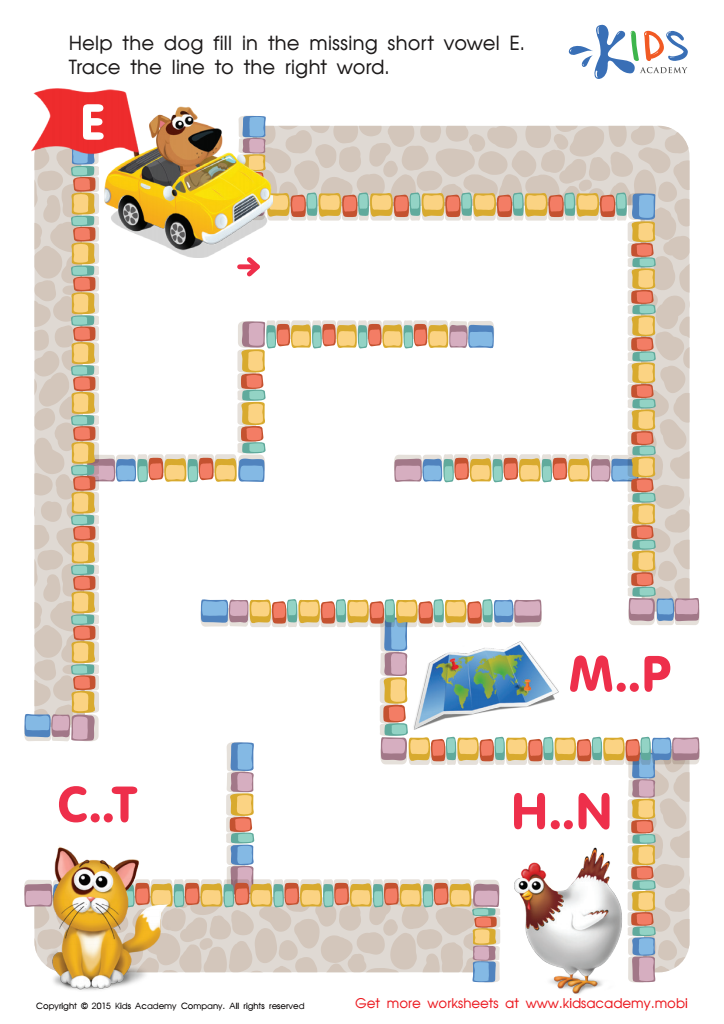
Short Vowel Sound E Worksheet
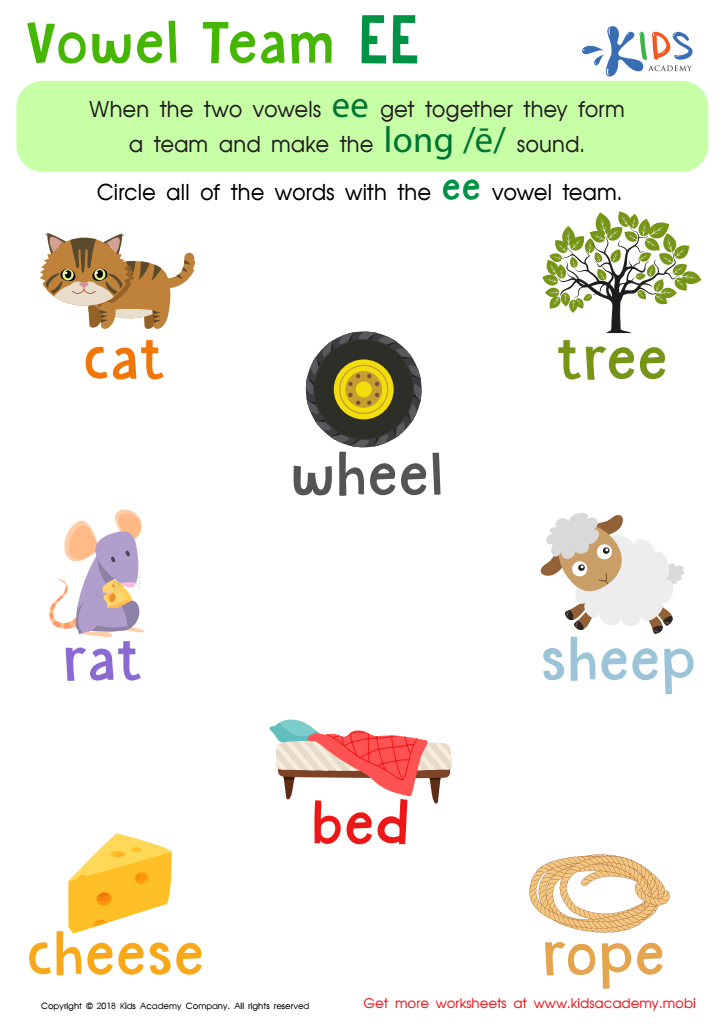
Reading: Vowel Team EE Worksheet
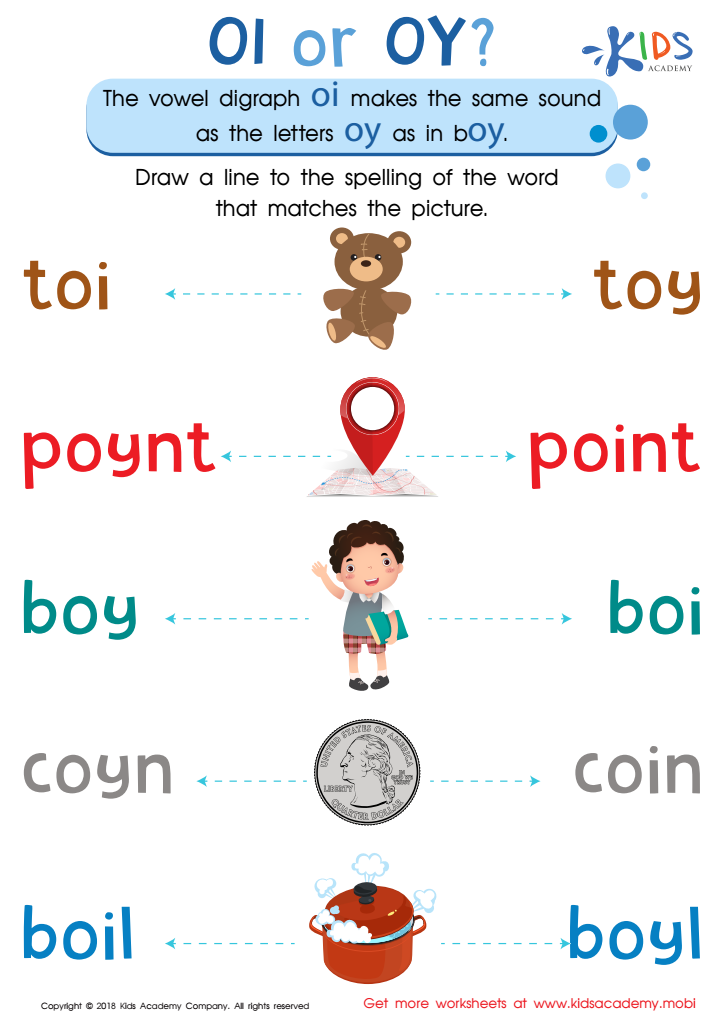
Reading: OI and OY Worksheet
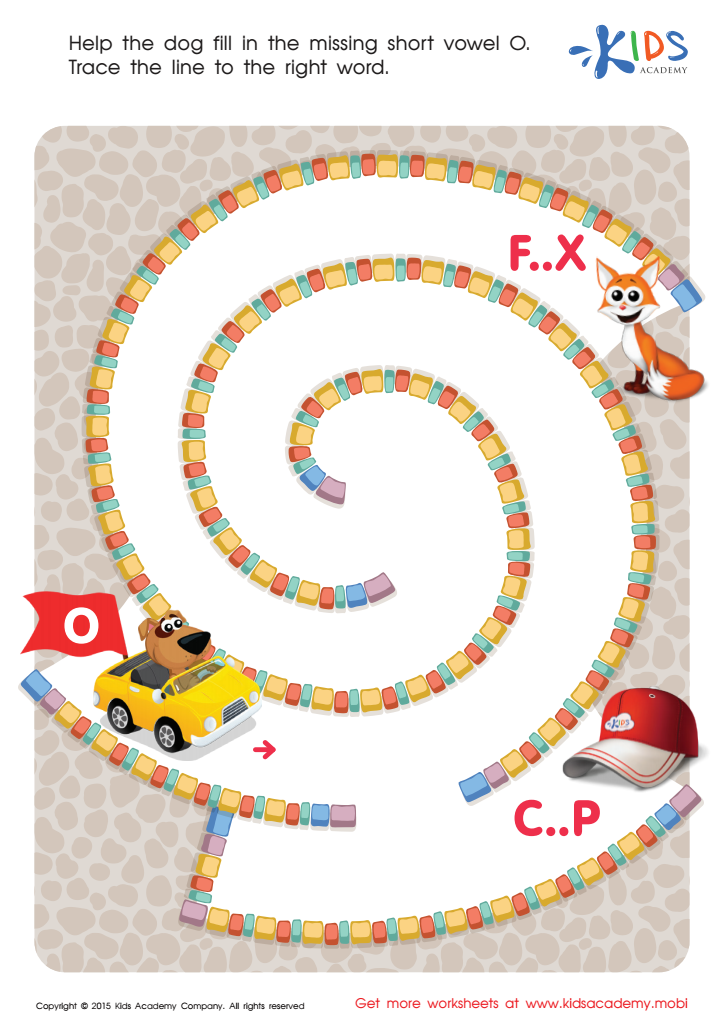
Short Vowel Sound O Worksheet
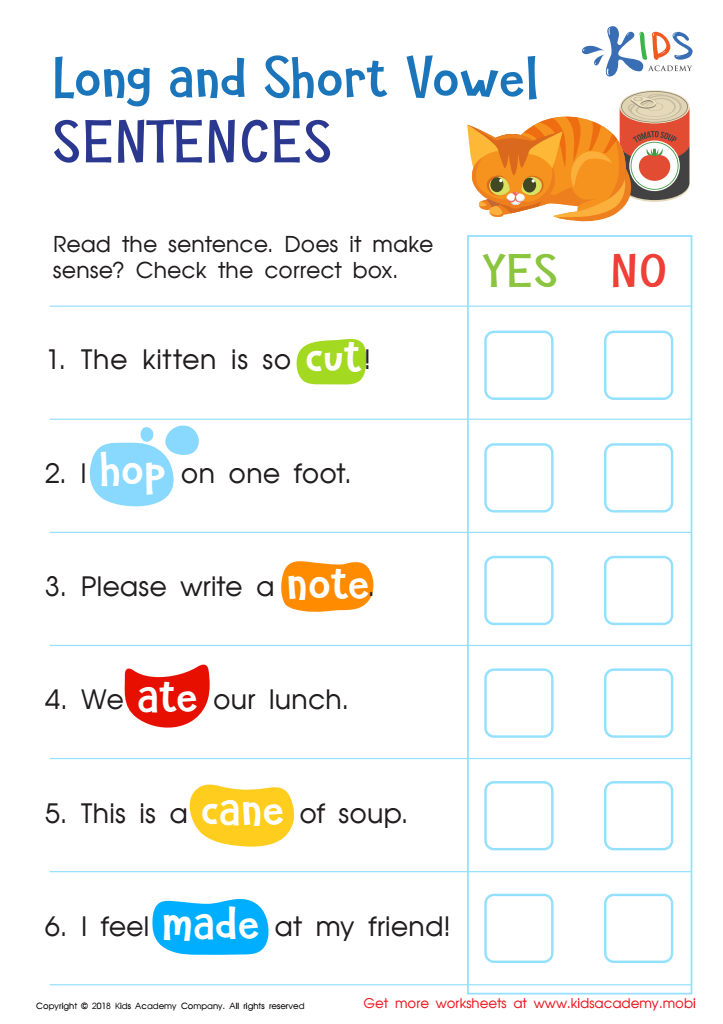
Long and Short Vowel Sentences: Assessment Worksheet
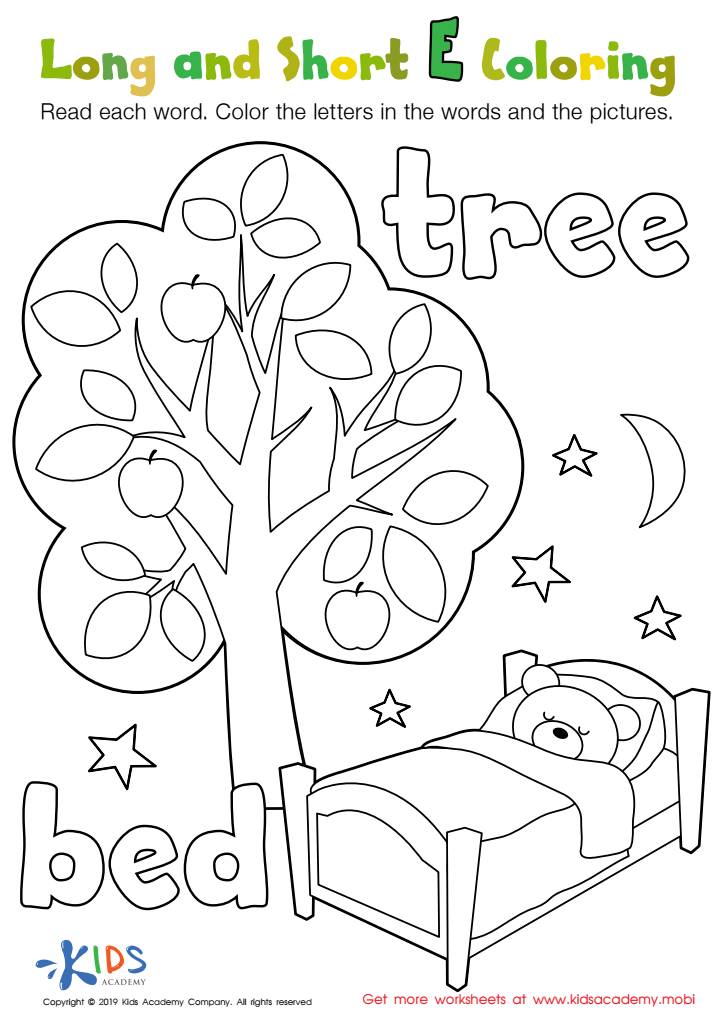
Long and Short E Worksheet
Assign to My Students
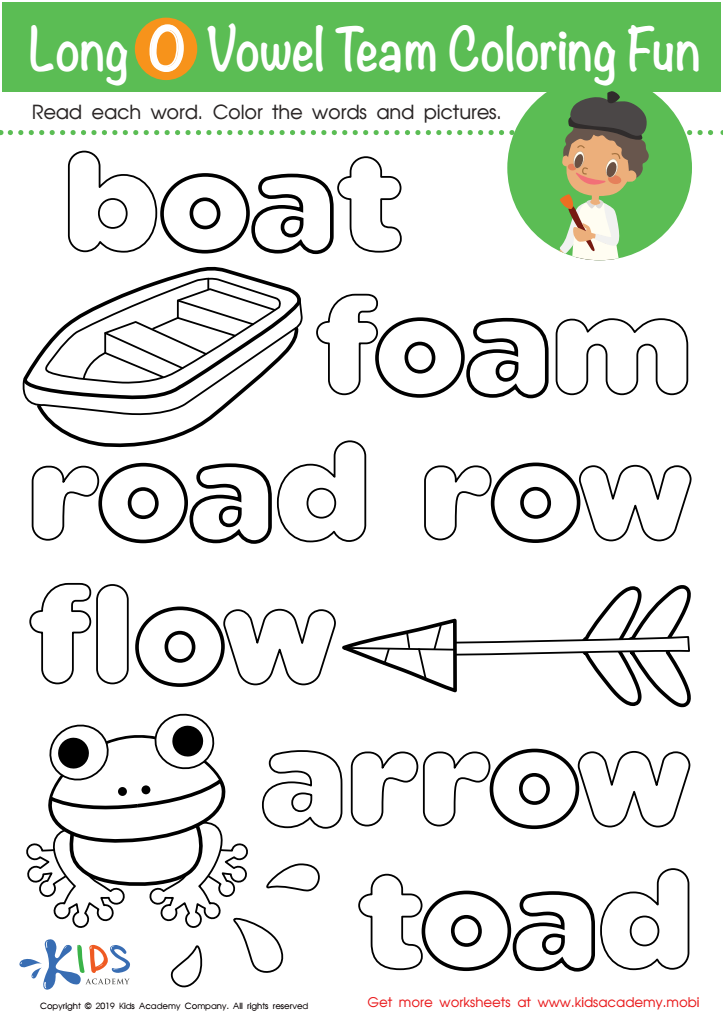
Long O Vowel Team Coloring Worksheet
Assign to My Students
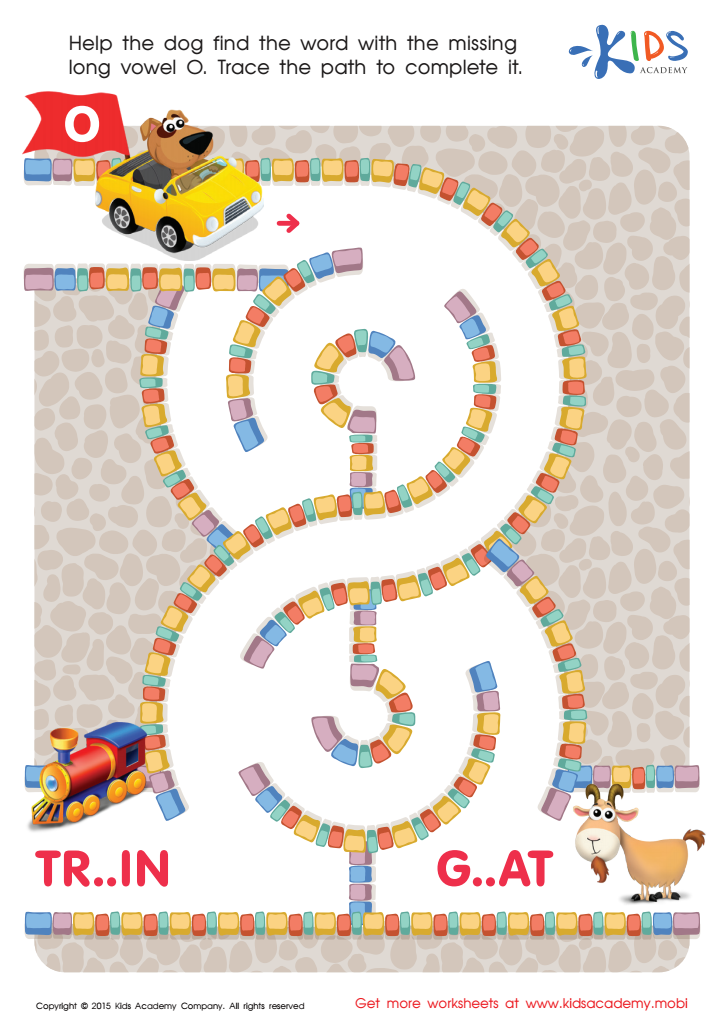
Long Vowel Sound O Worksheet
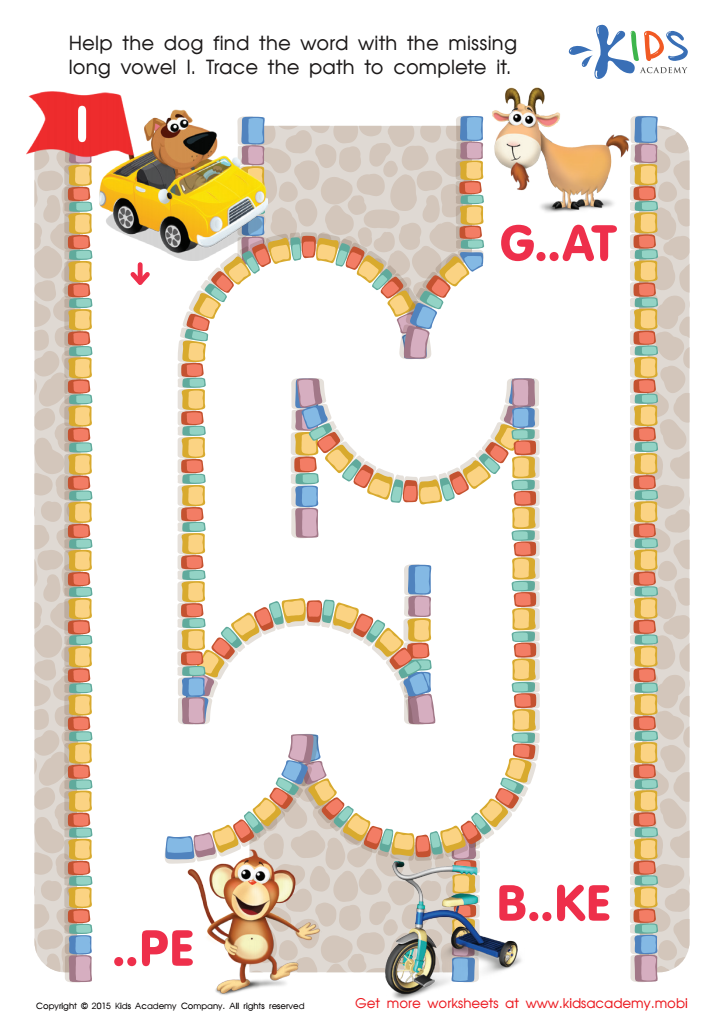
Long Vowel Sound I Worksheet





Parents and teachers should prioritize phonics skills, particularly vowels, for children ages 3-7 due to their foundational role in reading and language development. Vowels—A, E, I, O, U—are crucial for almost every word in the English language, and understanding their sounds helps young learners decode words more effectively.
At this age, children are often beginning to explore letters and sounds, setting the groundwork for literacy. Mastering vowel sounds not only aids in reading but also enhances spelling and pronunciation skills. As children progress, the knowledge of vowel combinations, such as 'ai' or 'ee', becomes essential for building vocabulary and fluency.
Furthermore, strong phonics skills contribute to greater confidence in reading. Children who struggle with recognizing vowel sounds may experience frustration, leading to a negative attitude toward reading. By fostering vowel knowledge in early education, parents and teachers can create a positive learning environment and encourage a lifelong love of reading.
Incorporating engaging phonics activities that emphasize vowels helps cater to different learning styles and can make the learning process enjoyable. Ultimately, nurturing phonics skills in these crucial early years supports overall academic success and cognitive development.







