Flora and Fauna Worksheets for Ages 3-7 - Page 2
32 filtered results
-
From - To
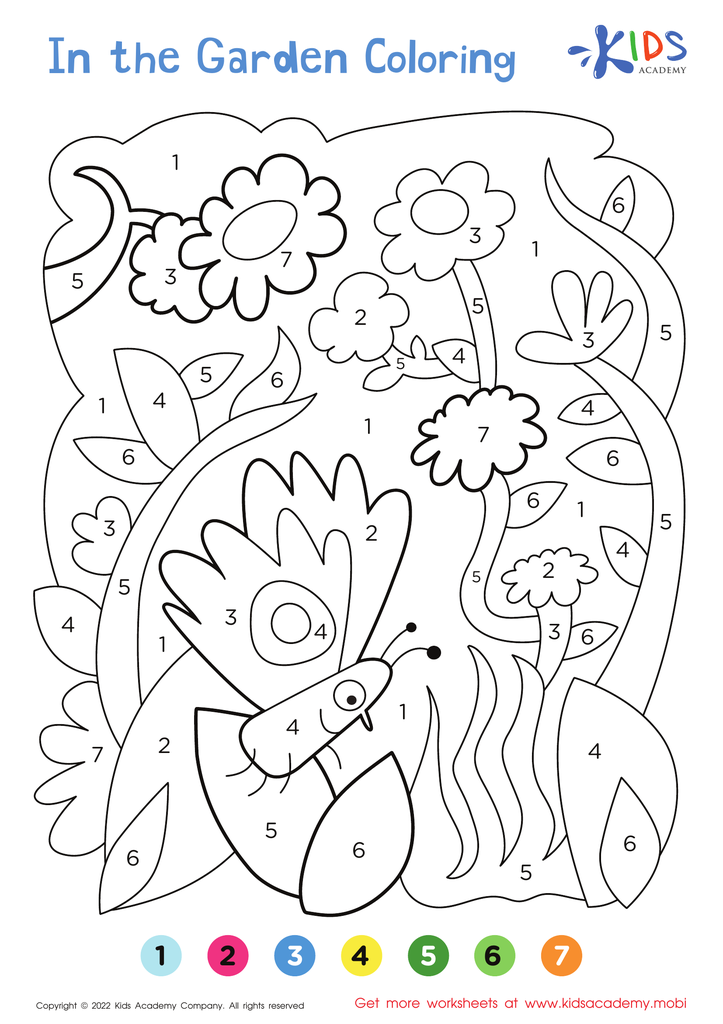
In the Garden – Coloring by Numbers


Caring about flora and fauna—plants and animals—is crucial for young children ages 3-7 because it lays the foundation for a lifelong respect for nature and environmental stewardship. Introducing kids to the wonders of the natural world can spark curiosity and wonder, setting the stage for positive attitudes towards the environment. At this developmental stage, children are especially receptive to learning through tactile and immersive experiences, making it the perfect time to teach them about biodiversity, ecosystems, and the interdependence of life.
Gardening, nature walks, and simple animal care can help develop fine and gross motor skills and provide sensory enrichment that supports brain development. Engaging with flora and fauna also enhances observational skills and critical thinking, as children notice patterns, colors, shapes, and behaviors in the living world around them.
Moreover, early experiences with nature can foster emotional well-being. Observing and interacting with plants and animals often create a sense of awe and calm, helping children feel connected to something bigger than themselves. This connection can build empathy, compassion, and responsibility, translating to other areas of life as they grow.
Parents and teachers who prioritize teaching about flora and fauna create a strong foundation for a child’s intellectual, emotional, and social development, preparing them to be thoughtful, responsible adults.