Handwriting practice English for Beginners Worksheets for Ages 3-7 - Page 2
43 filtered results
-
From - To
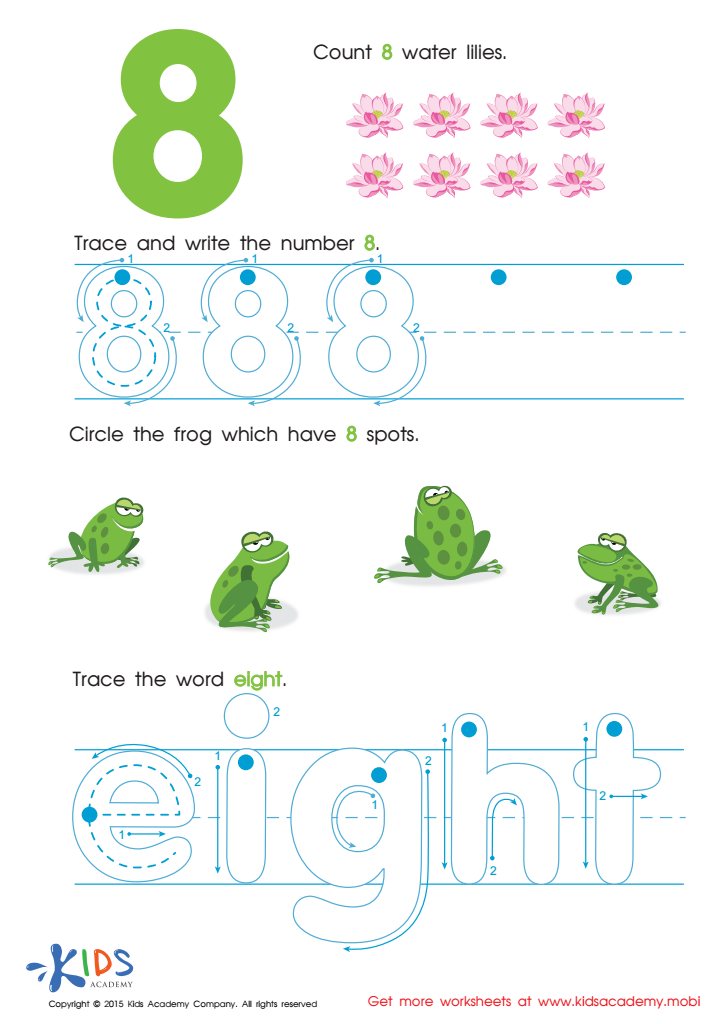
Learn Number 8 Easily Worksheet
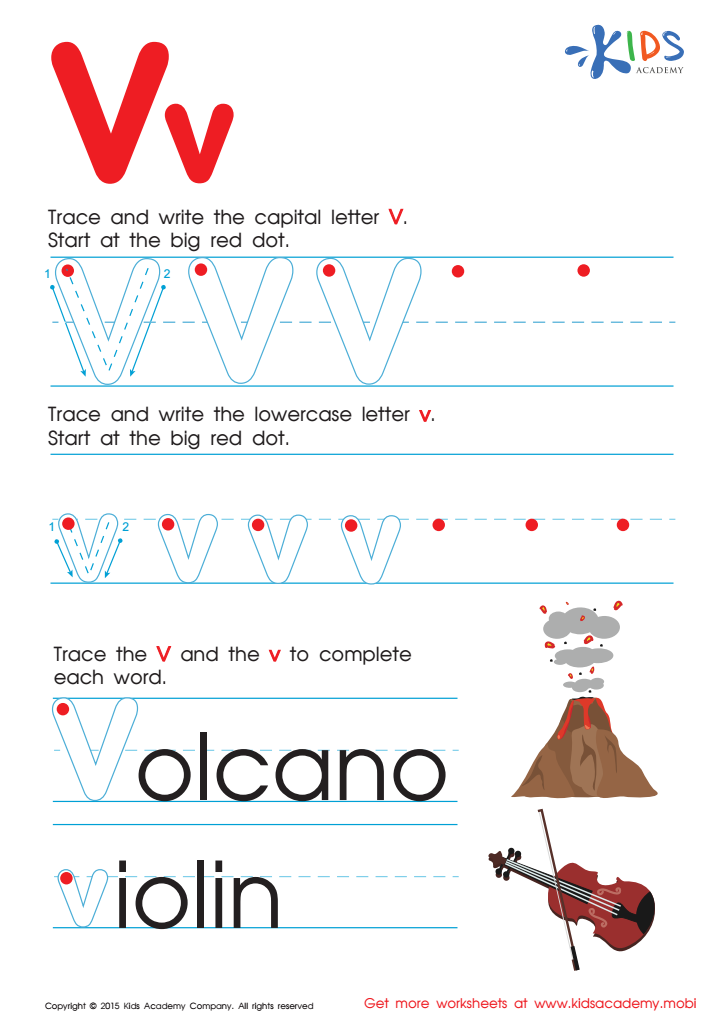
Letter V Tracing Page
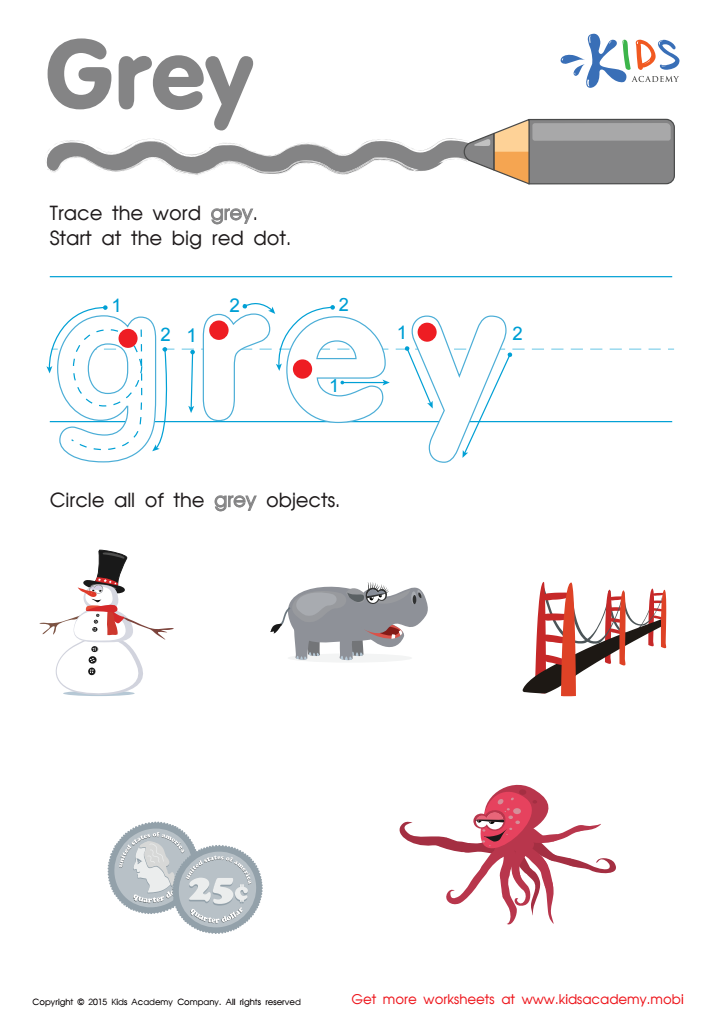
Grey Tracing Color Words Worksheet
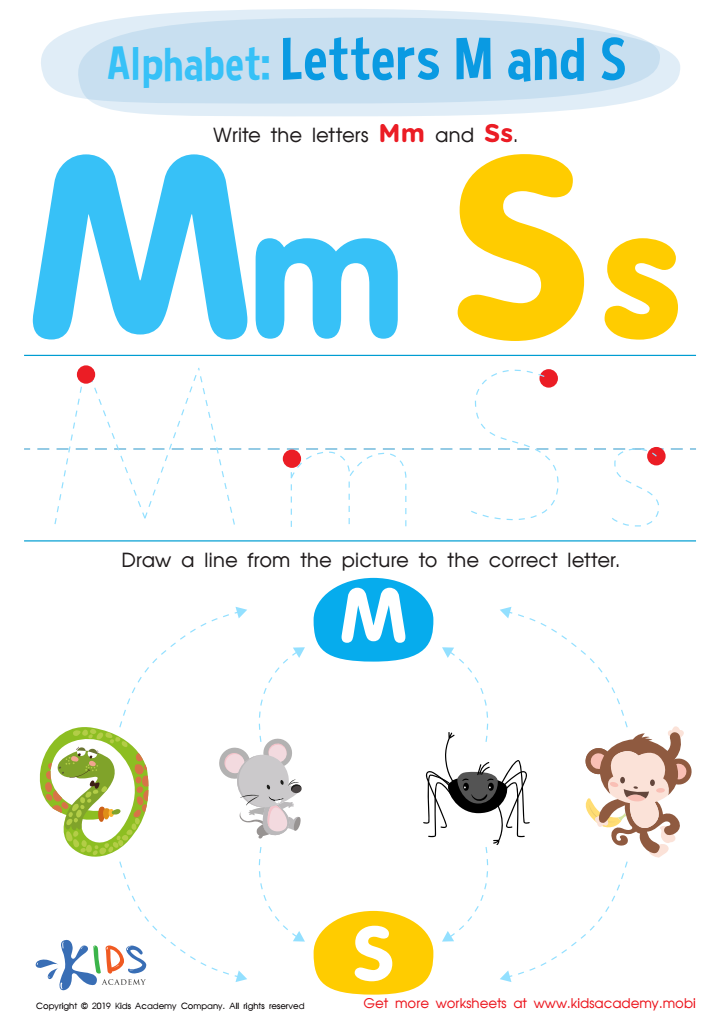
Letters M and S Tracing Worksheet
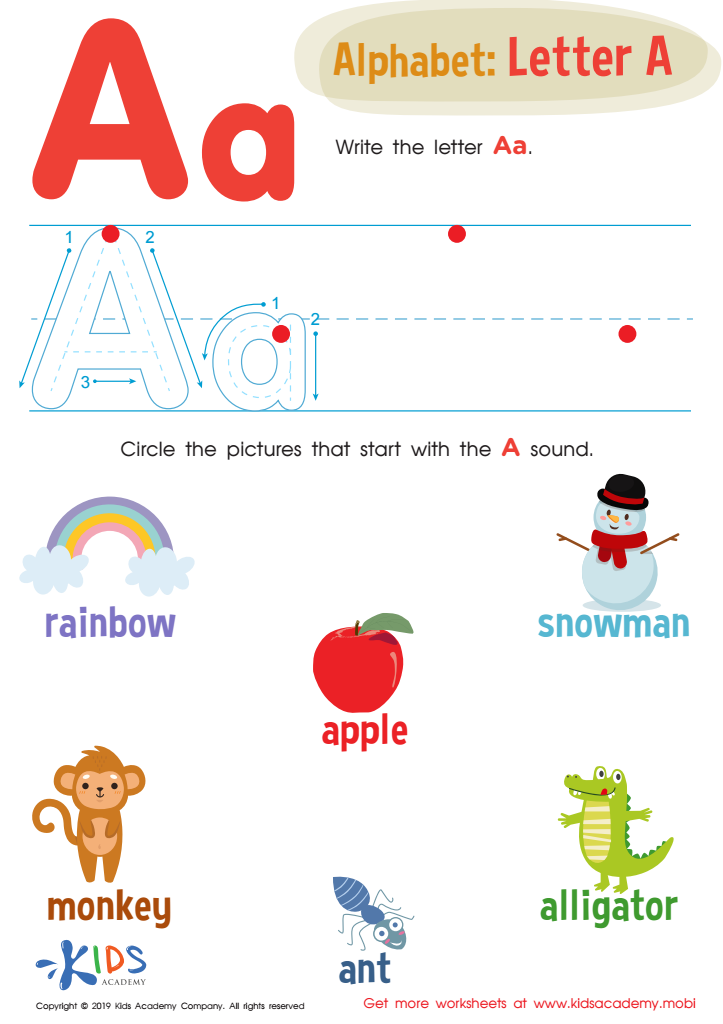
Letter A Tracing Worksheet
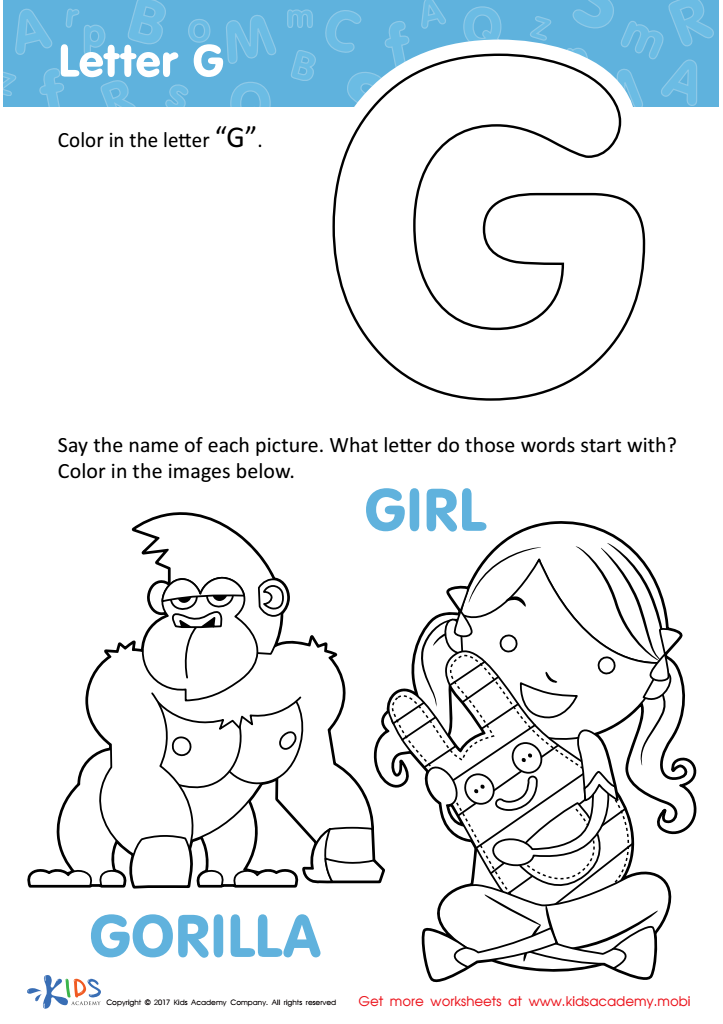
Letter G Coloring Sheet
 Assign to My Students
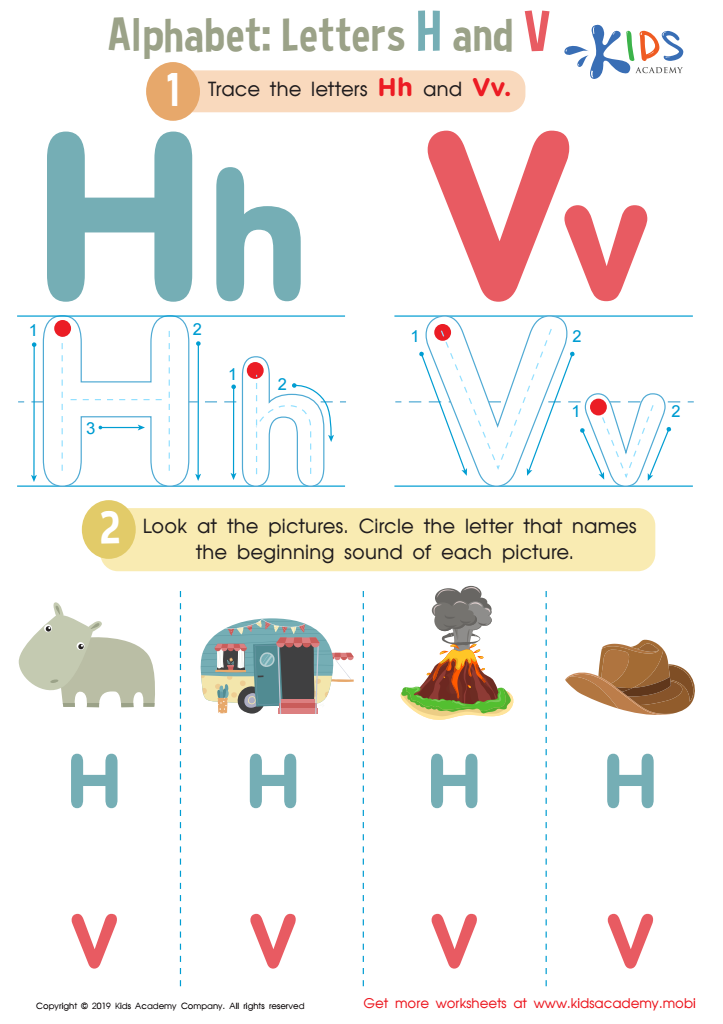
Letters H and V Tracing Worksheet
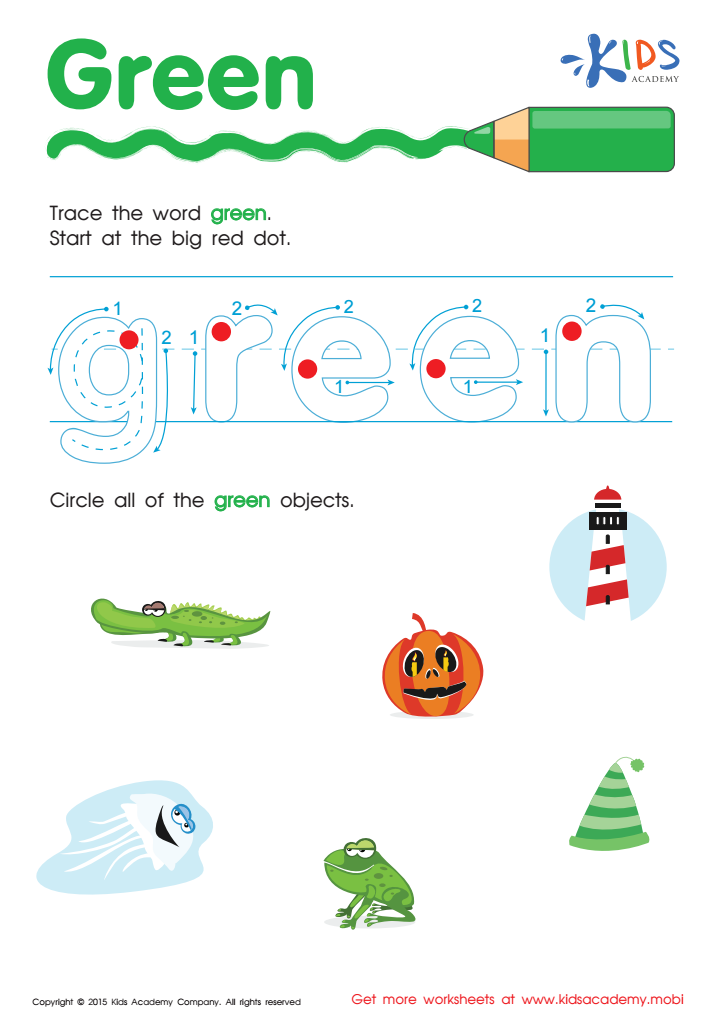
Green Tracing Color Words Worksheet
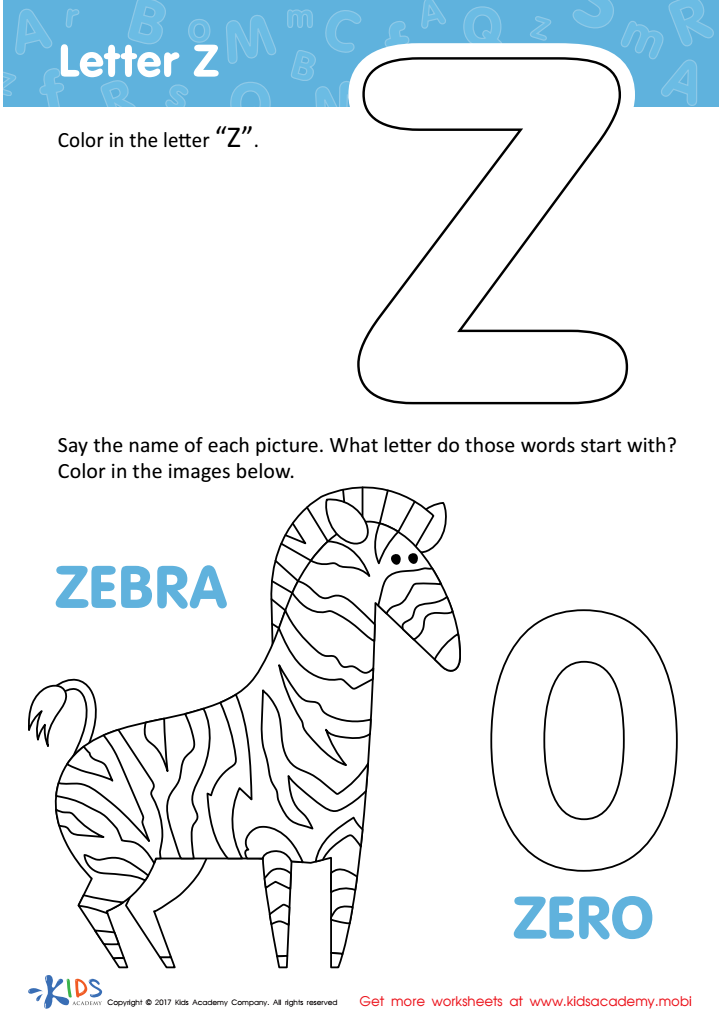
Letter Z Coloring Sheet
Assign to My Students
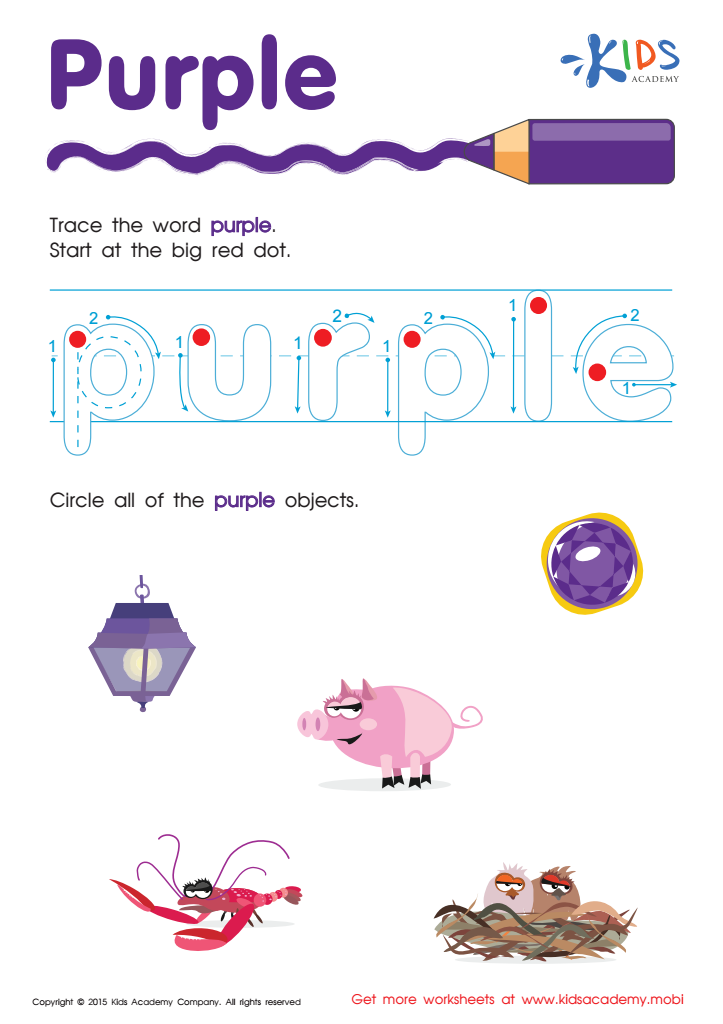
Purple Tracing Color Words Worksheet
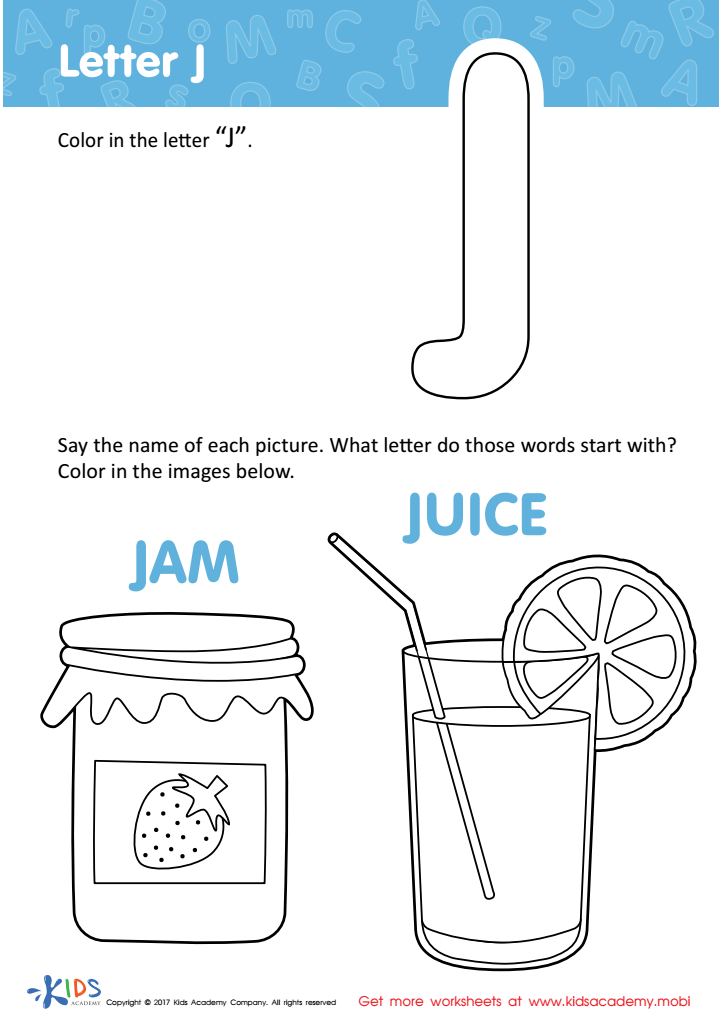
Letter J Coloring Sheet
Assign to My Students
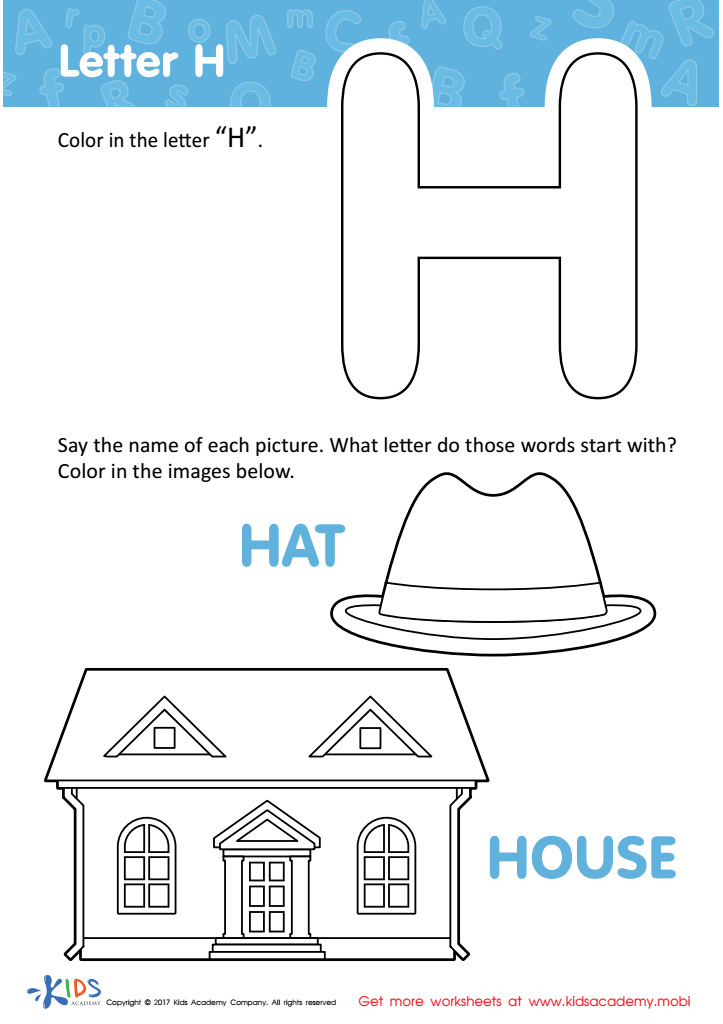
Letter H Coloring Sheet
Assign to My Students
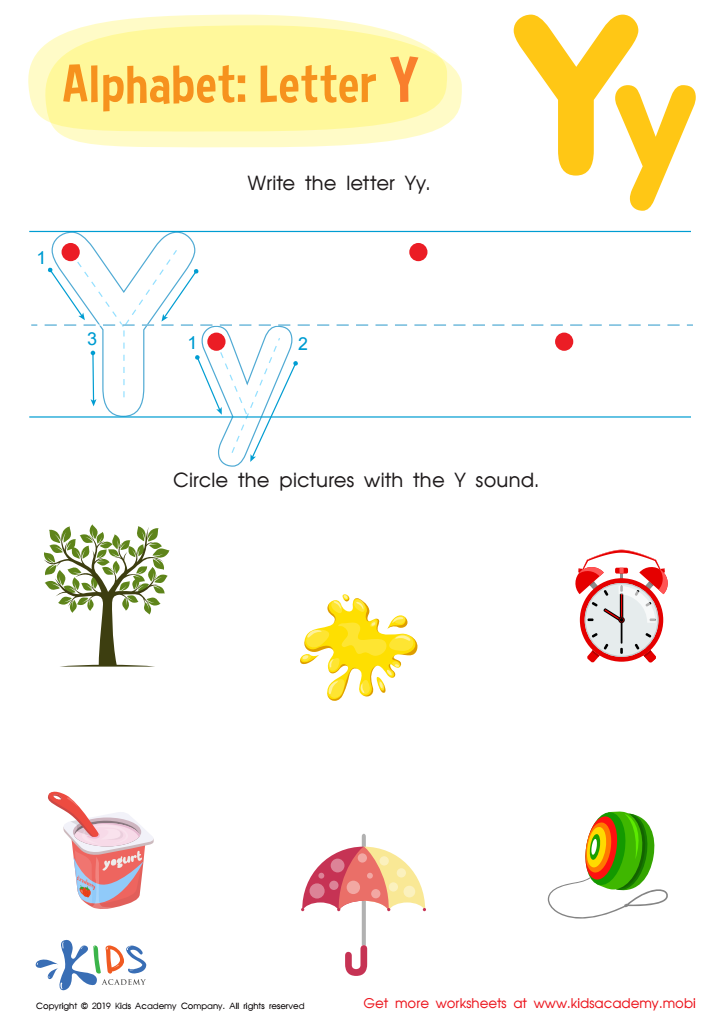
Letter Y Tracing Worksheet
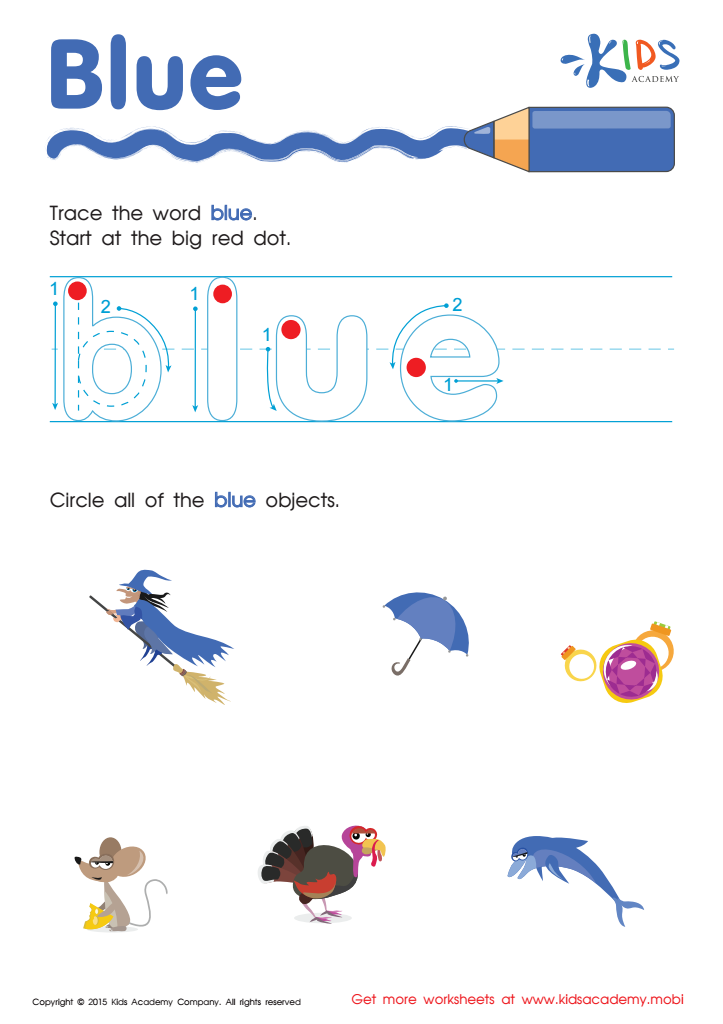
Blue Tracing Color Words Printable

Brown Tracing Color Words Worksheet
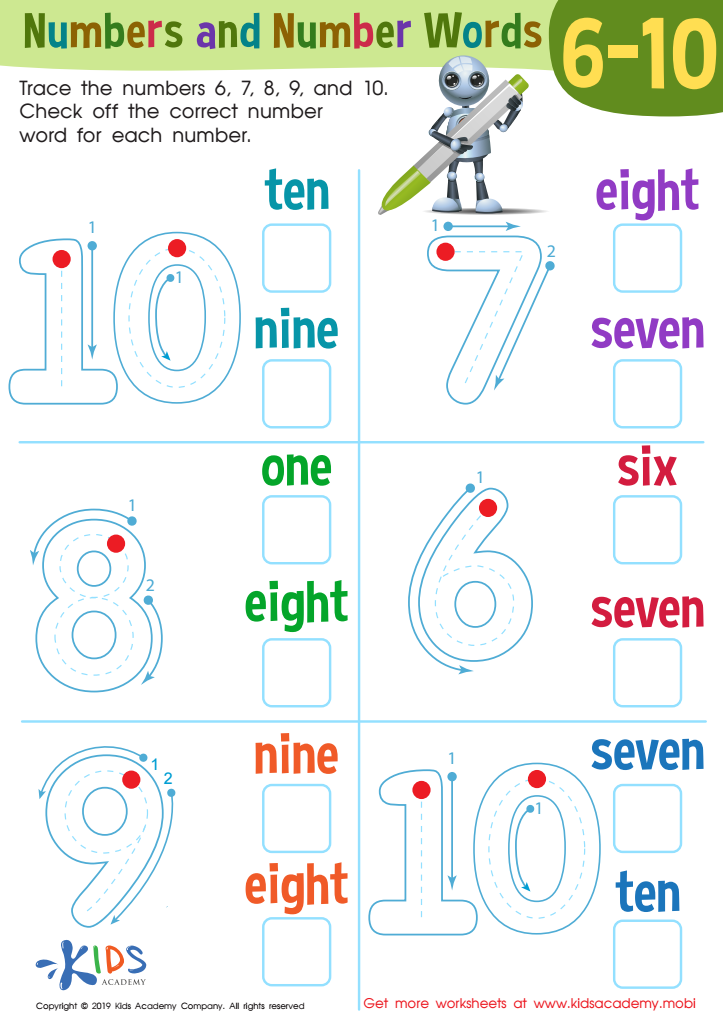
Numbers and Number Words 6–1 Worksheet
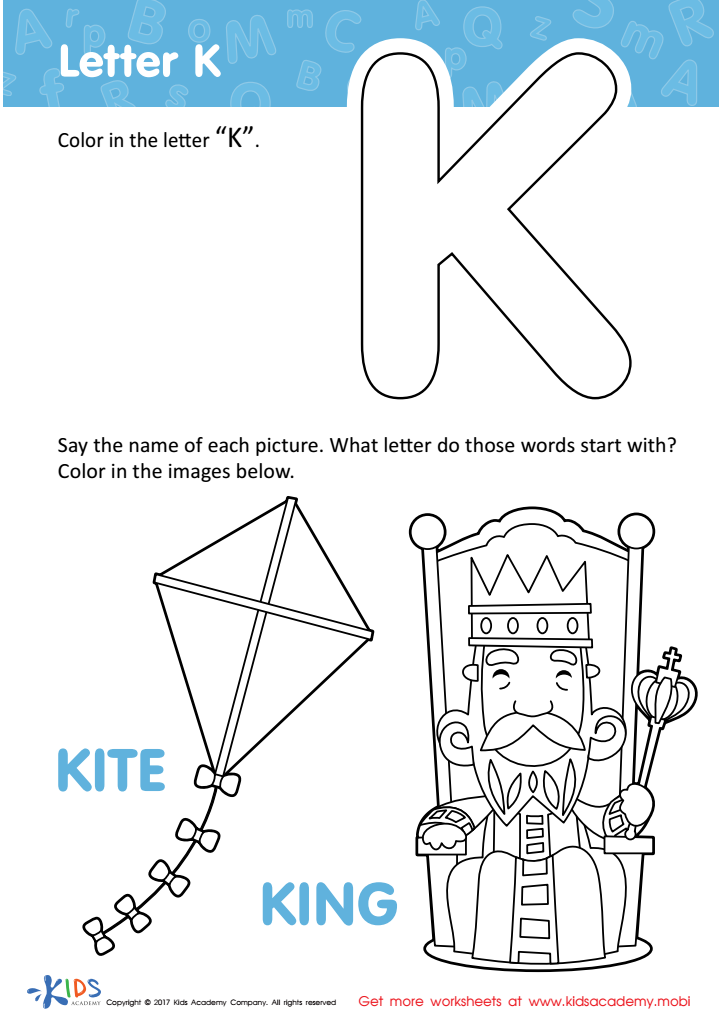
Letter K Coloring Sheet
Assign to My Students
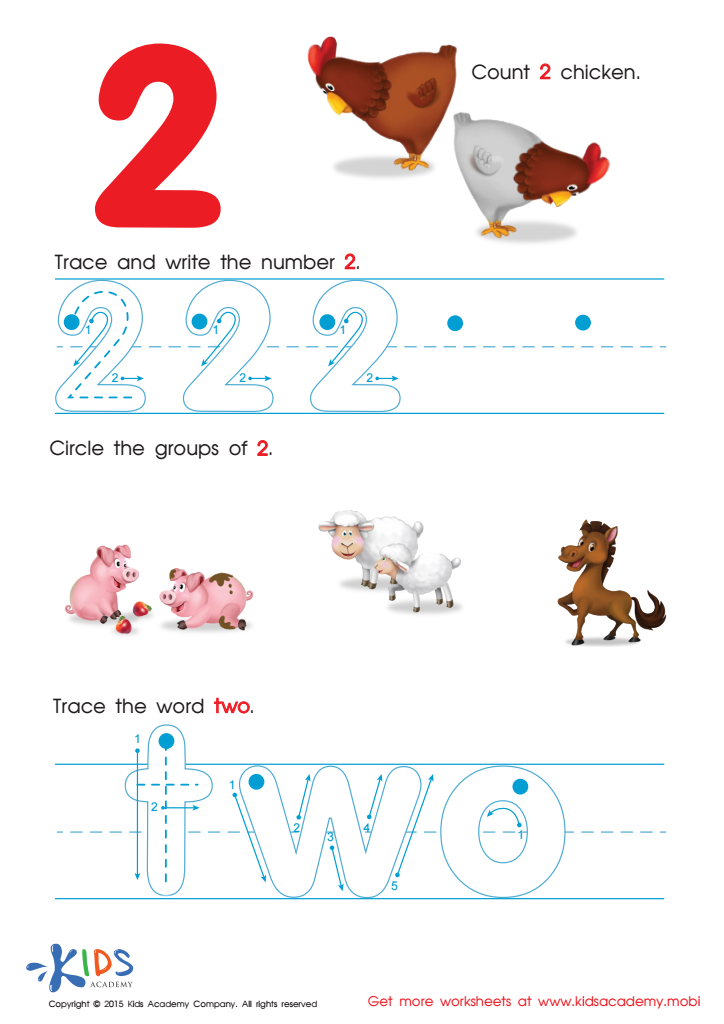
Learn to Write the Number 2 Worksheet
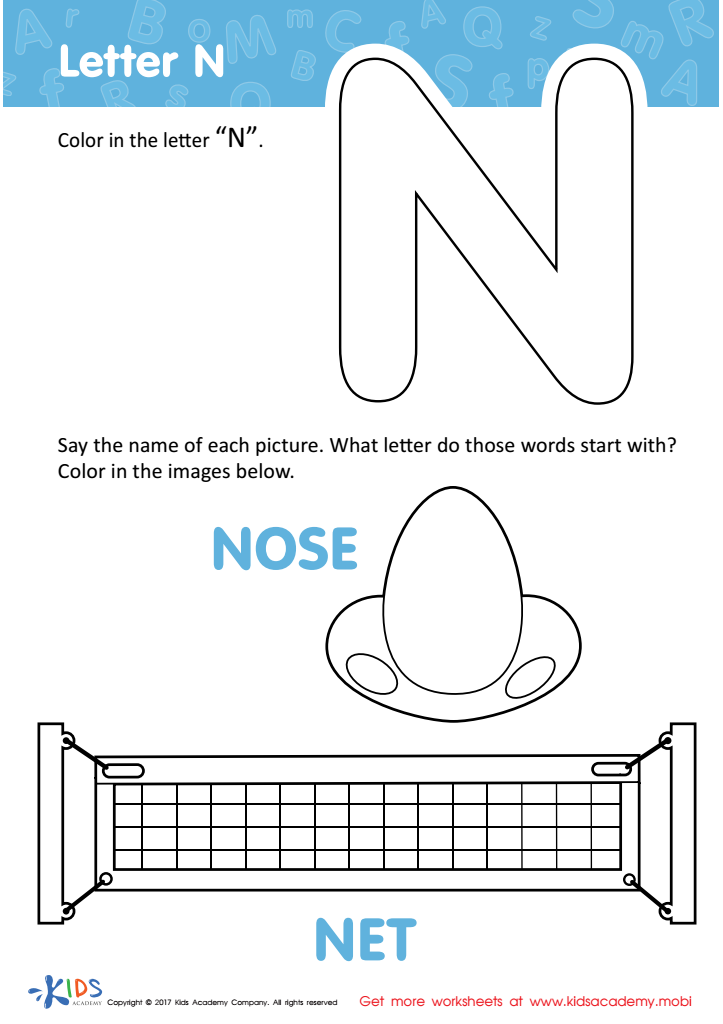
Letter N Coloring Sheet
Assign to My Students





Handwriting practice for beginners aged 3-7 is crucial for several reasons that parents and teachers should prioritize. Firstly, developing fine motor skills is essential during these early formative years. Handwriting activities enhance hand-eye coordination and dexterity, laying the foundation for a child's ability to grip pencils and control writing instruments effectively.
Secondly, handwriting aids in cognitive development. The act of writing reinforces the connection between spoken and written language, helping young learners to associate letters with sounds, thereby improving literacy. When children practice forming letters, they enhance their memory retention and comprehension skills.
Furthermore, handwriting practice fosters creativity and self-expression. As children develop their writing abilities, they gain confidence to express their thoughts and ideas, promoting positive self-esteem. Engaging in handwriting also prepares them for academic success, as it remains an essential skill throughout education.
Finally, in our increasingly digital world, maintaining a strong foundation in penmanship is vital. Good handwriting is often linked to better communication skills and professionalism. By emphasizing handwriting practice from a young age, parents and teachers equip children with invaluable skills that benefit their academic and personal growth.