Basic Addition Worksheets for Ages 3-7 - Page 2
76 filtered results
-
From - To
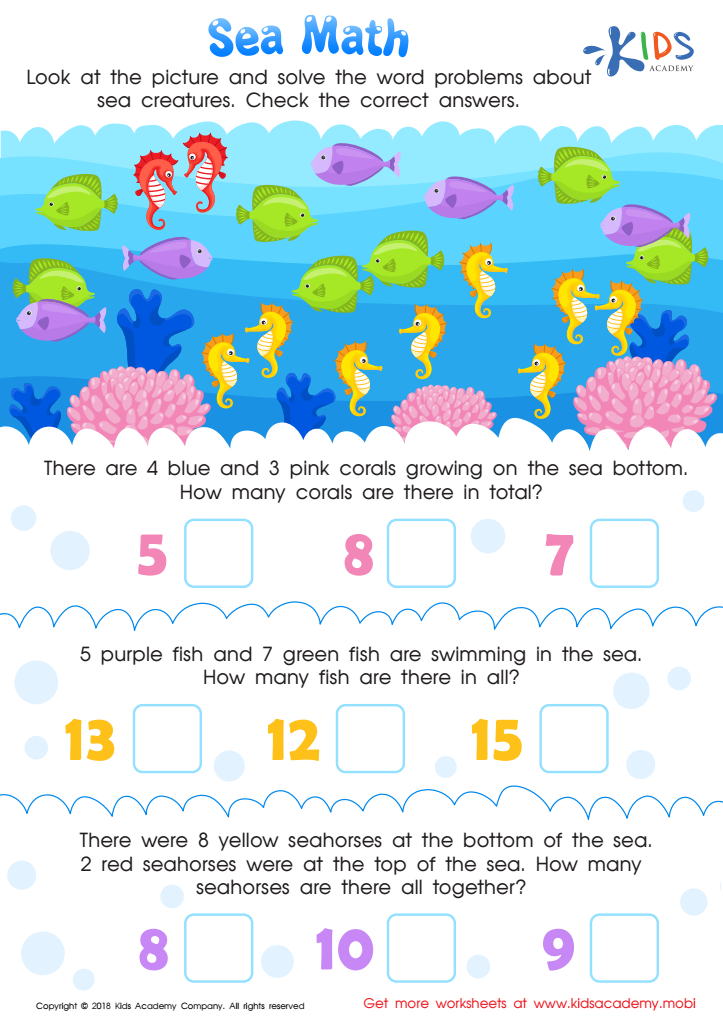
Sea Math Worksheet
 Assign to My Students
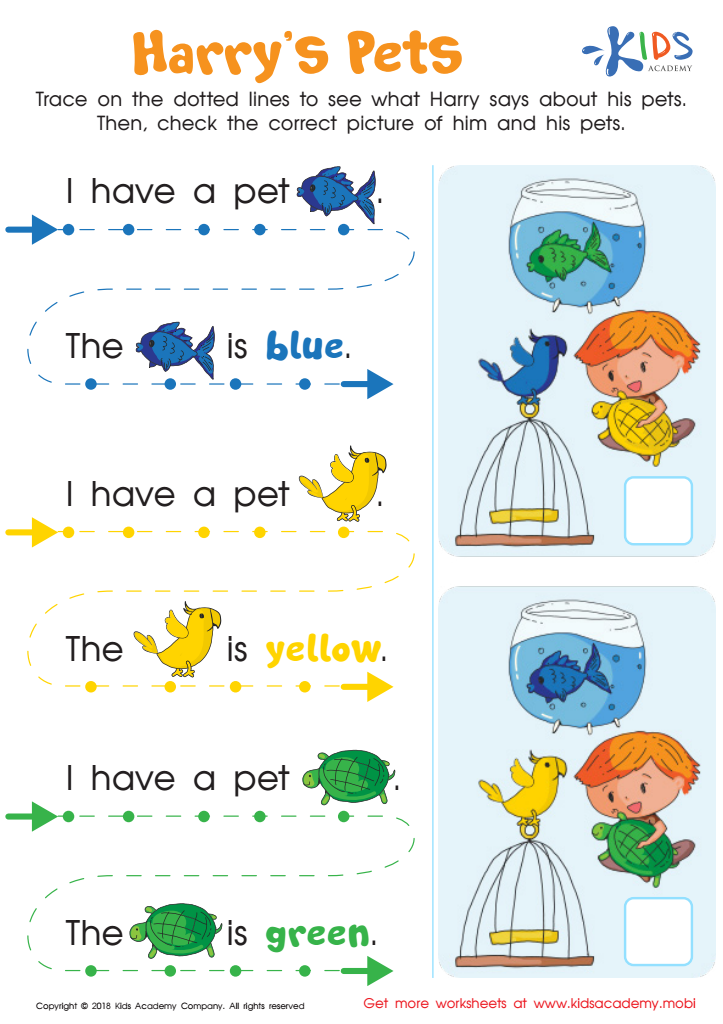
Read from Left to Right: Harry's Pets Worksheet
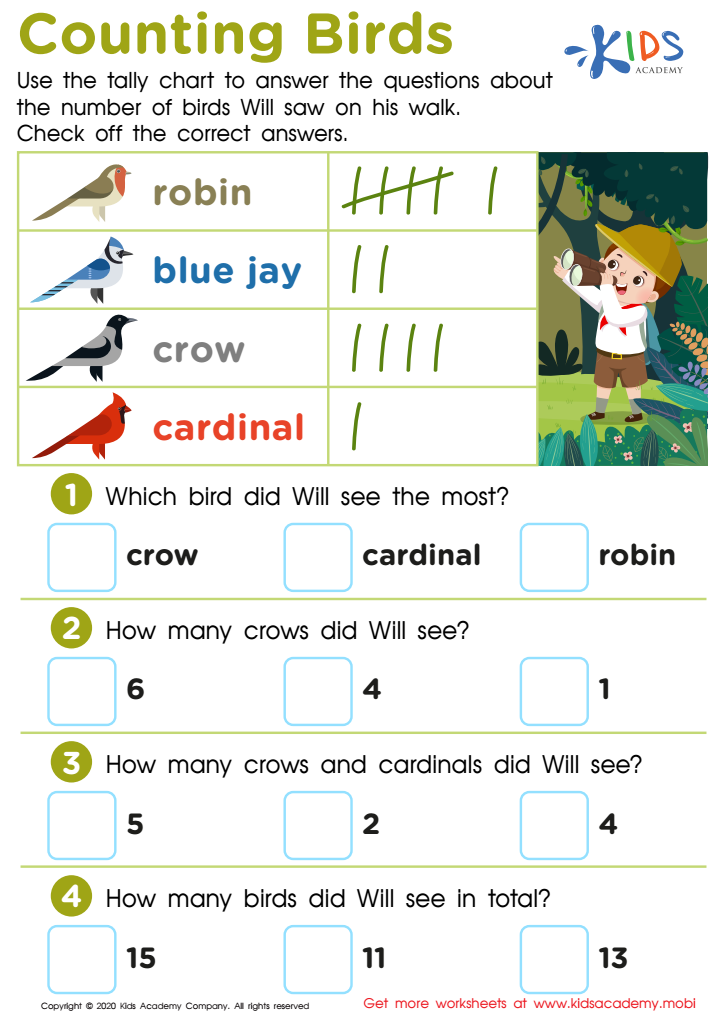
Counting Birds Worksheet
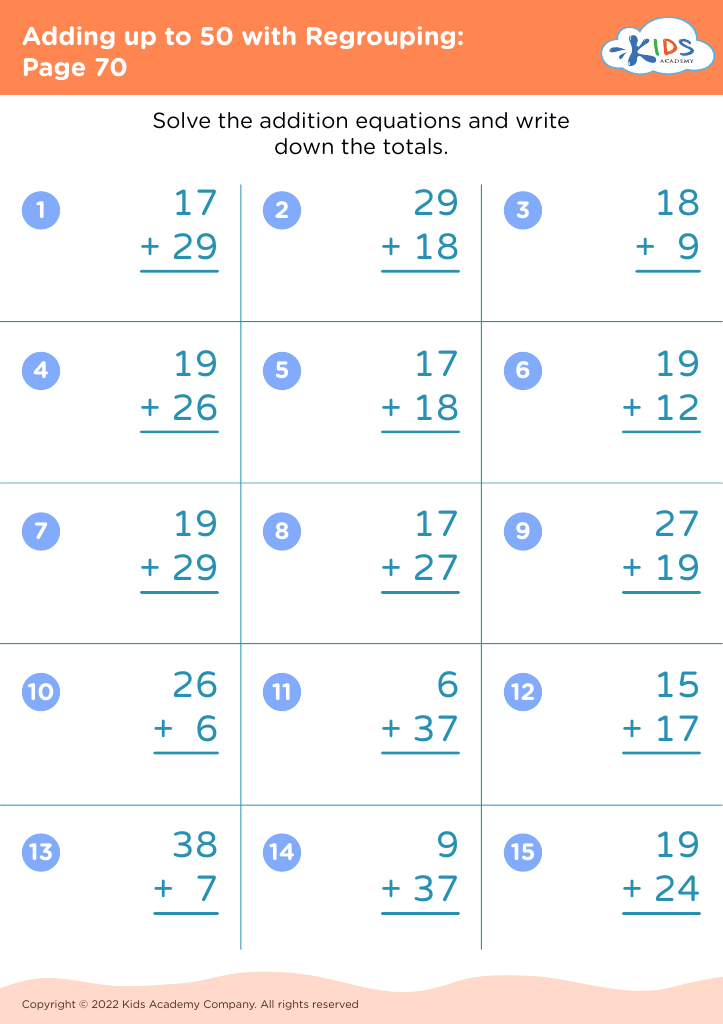

Count the Deer Worksheet
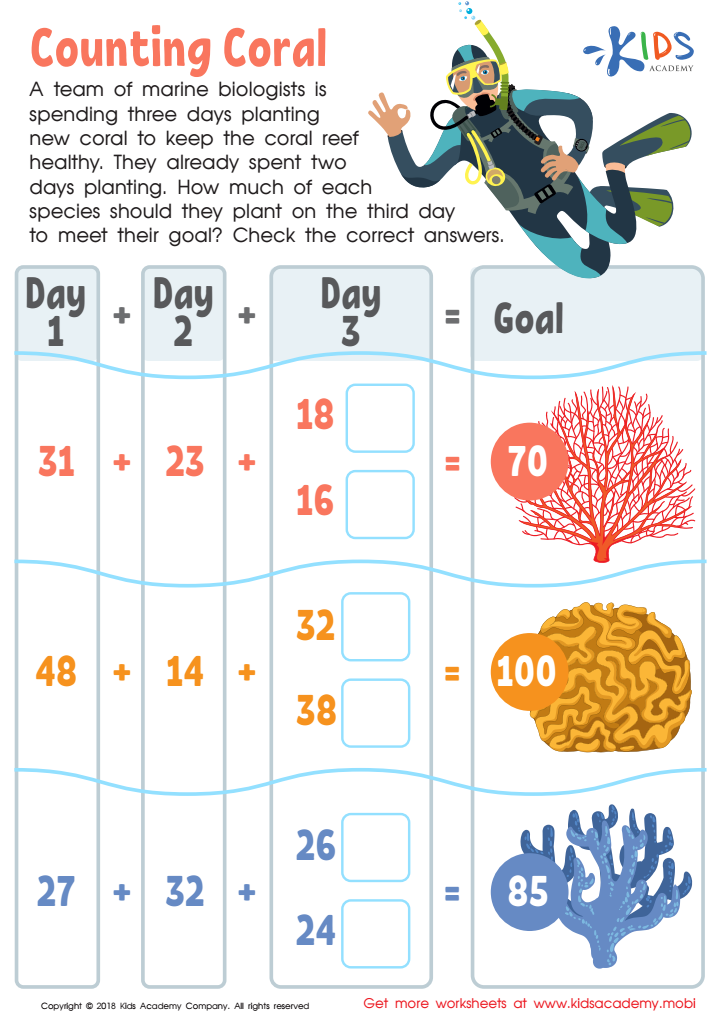
Counting Coral Worksheet
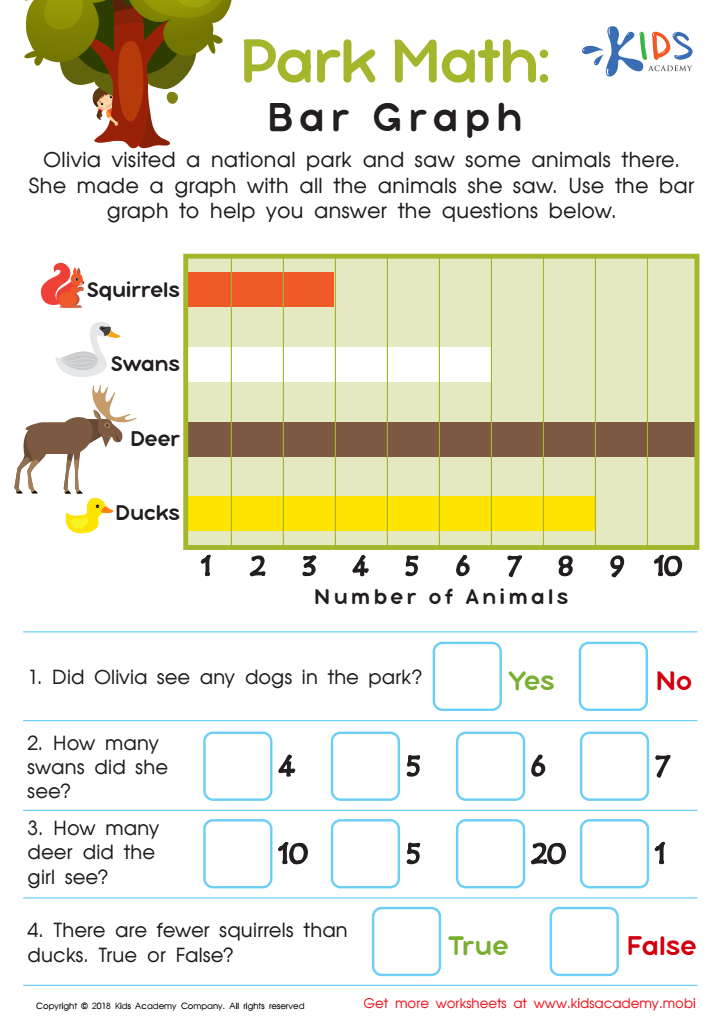
Park Math: Bar Graph Worksheet
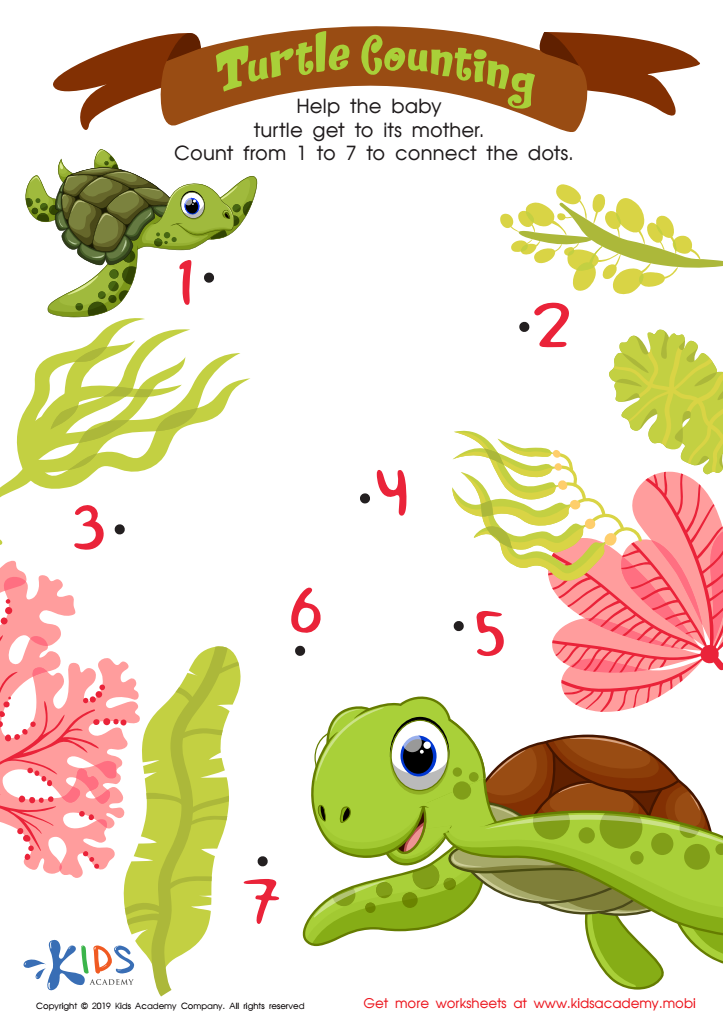
Turtle Counting Worksheet
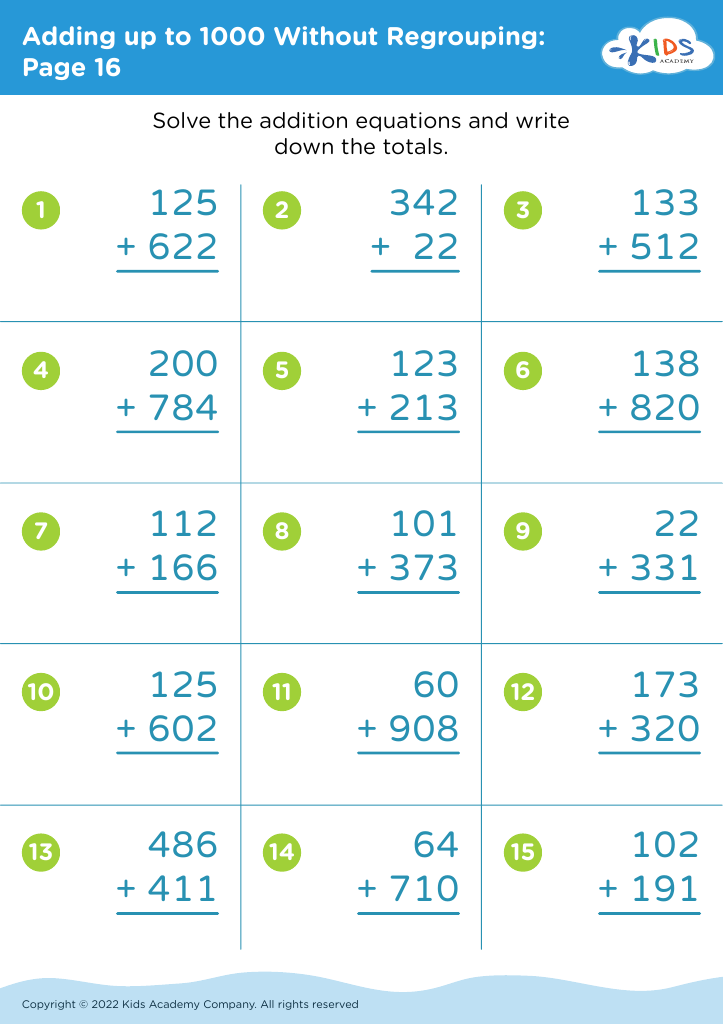
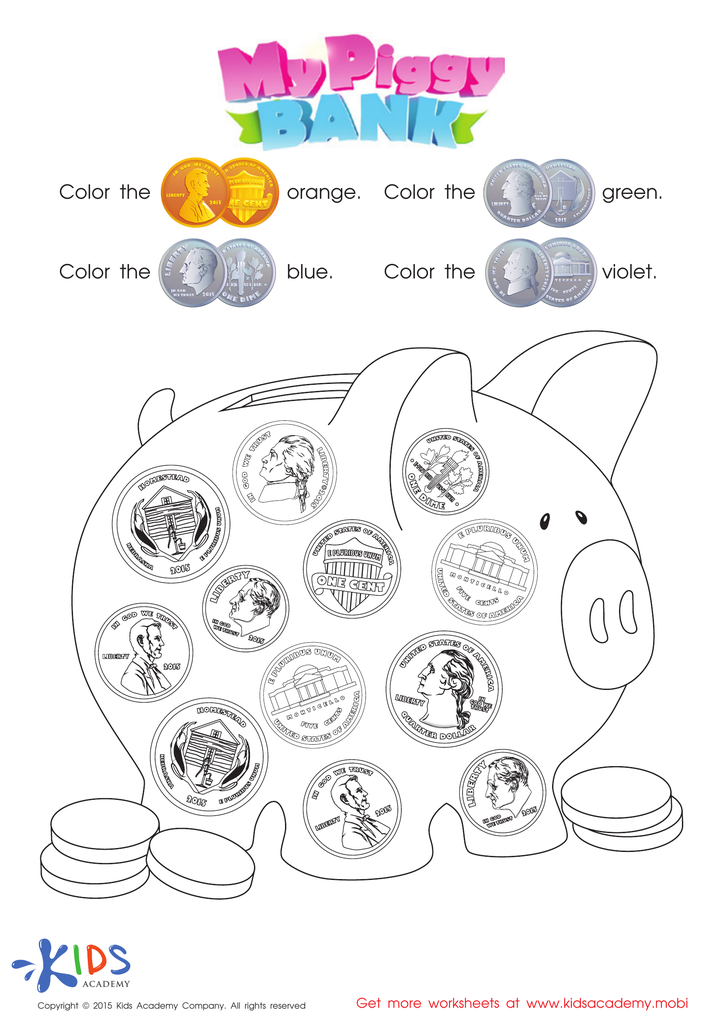
Recognizing Money Money Worksheet
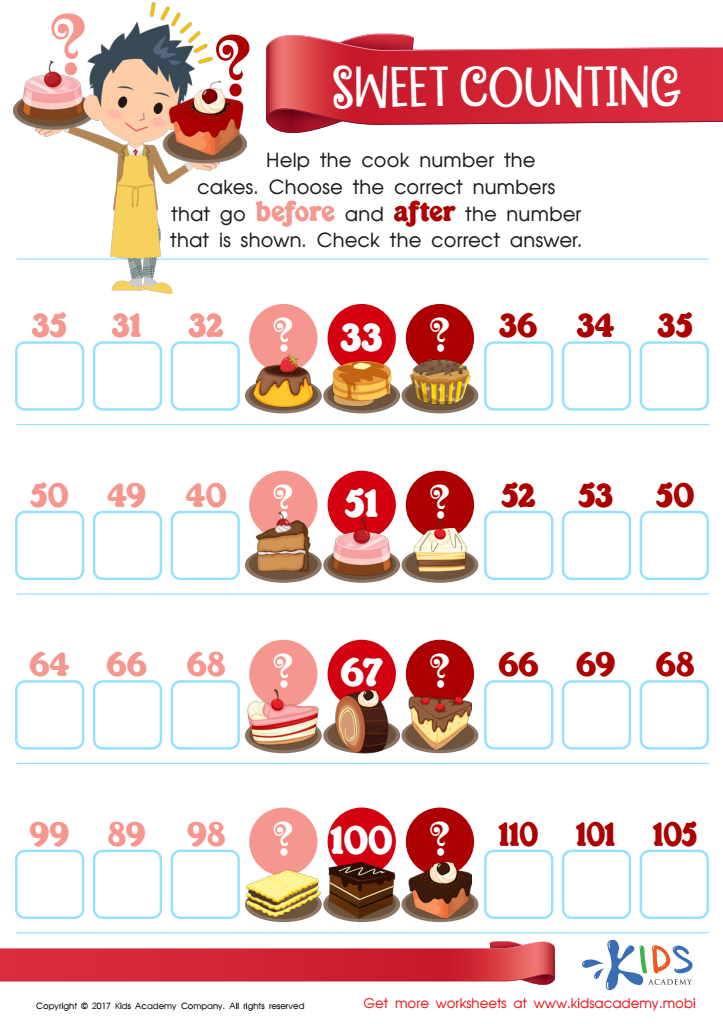
Sweet Counting - Part 1 Worksheet
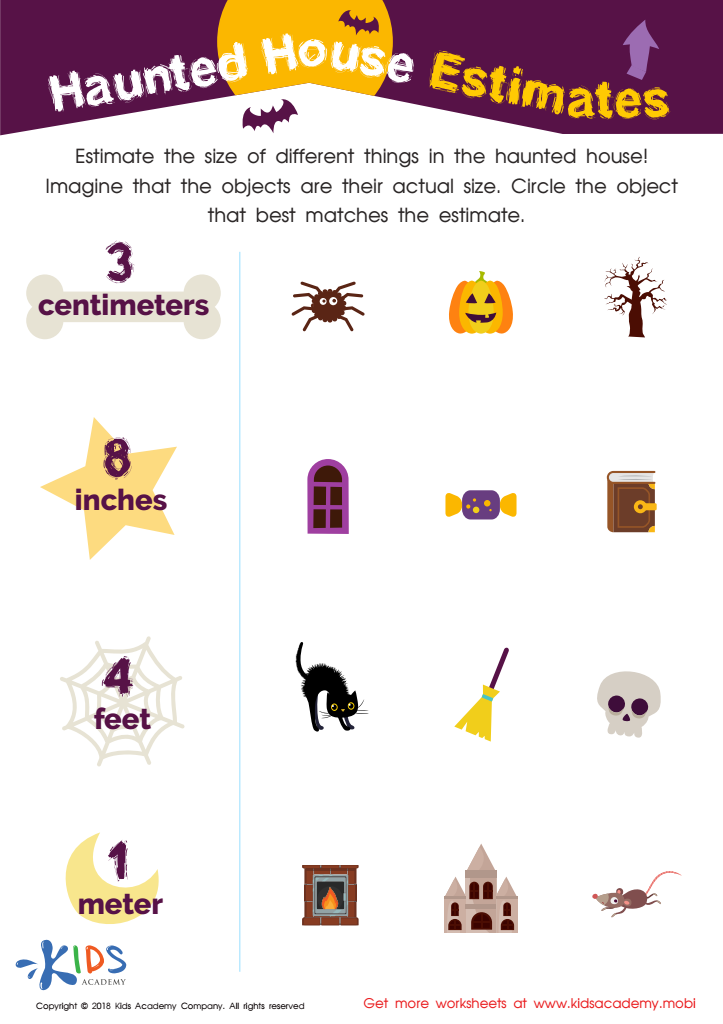
Haunted House Estimates Worksheet
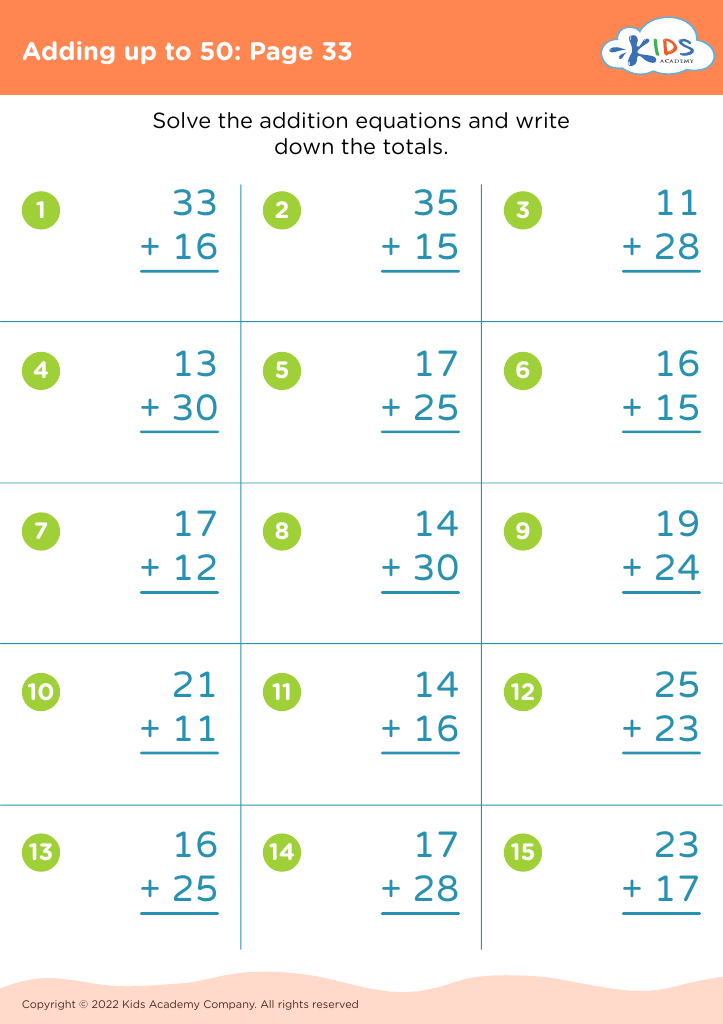
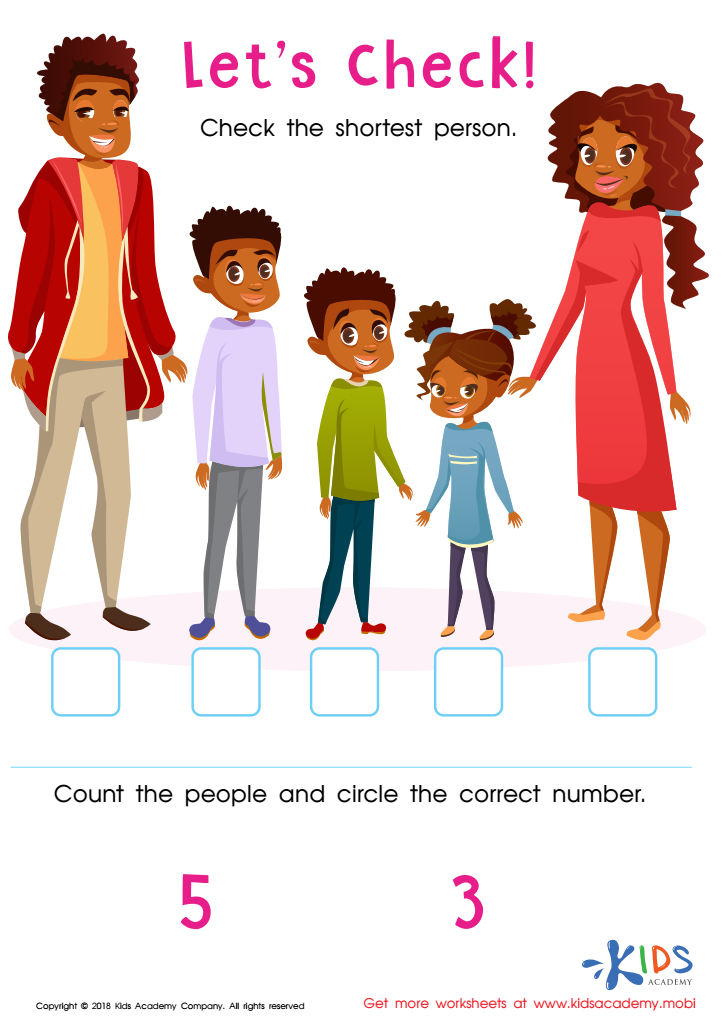
Let's Check! Assessment Worksheet
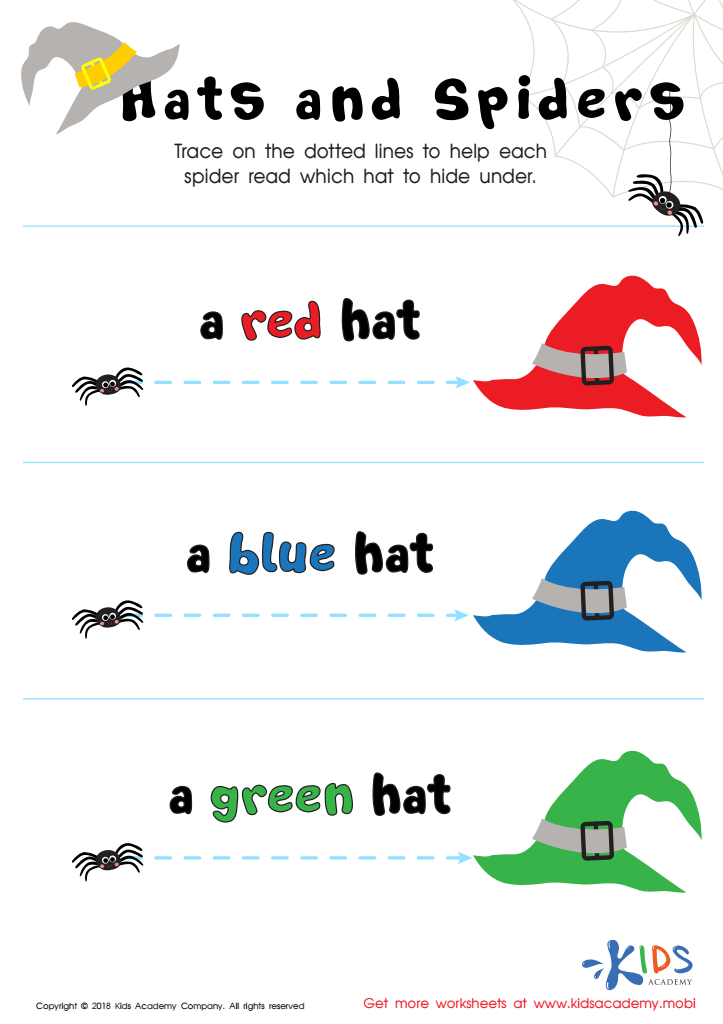
Read from Left to Right: Hats and Spiders Worksheet
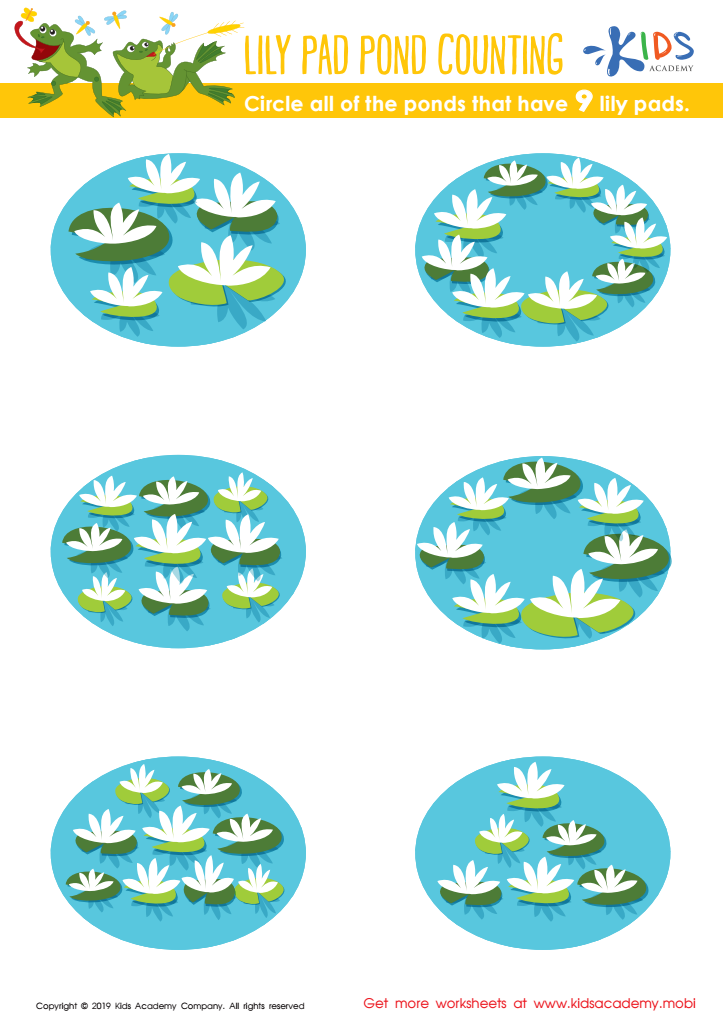
Lily Pad Pond Counting Worksheet
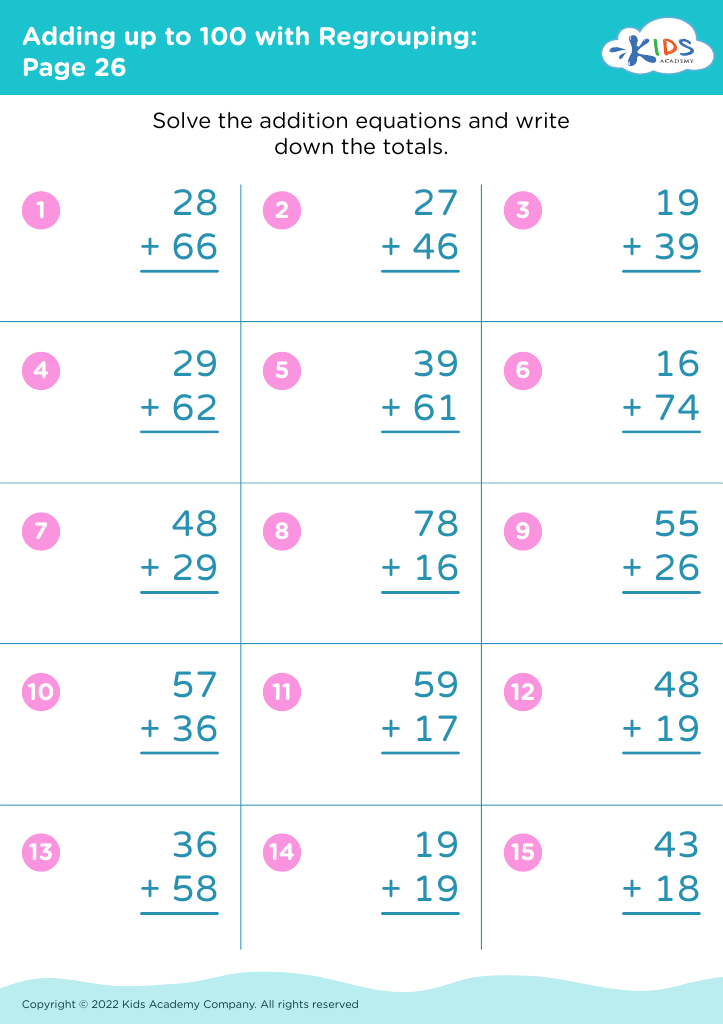
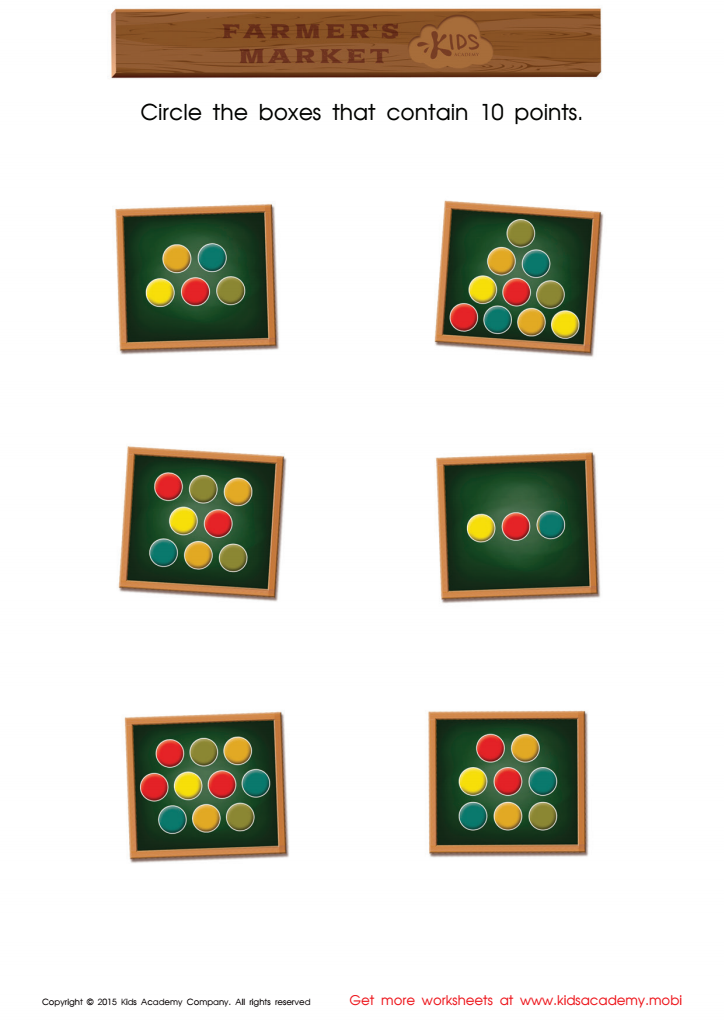
Count and Match Points 10 Math Worksheet
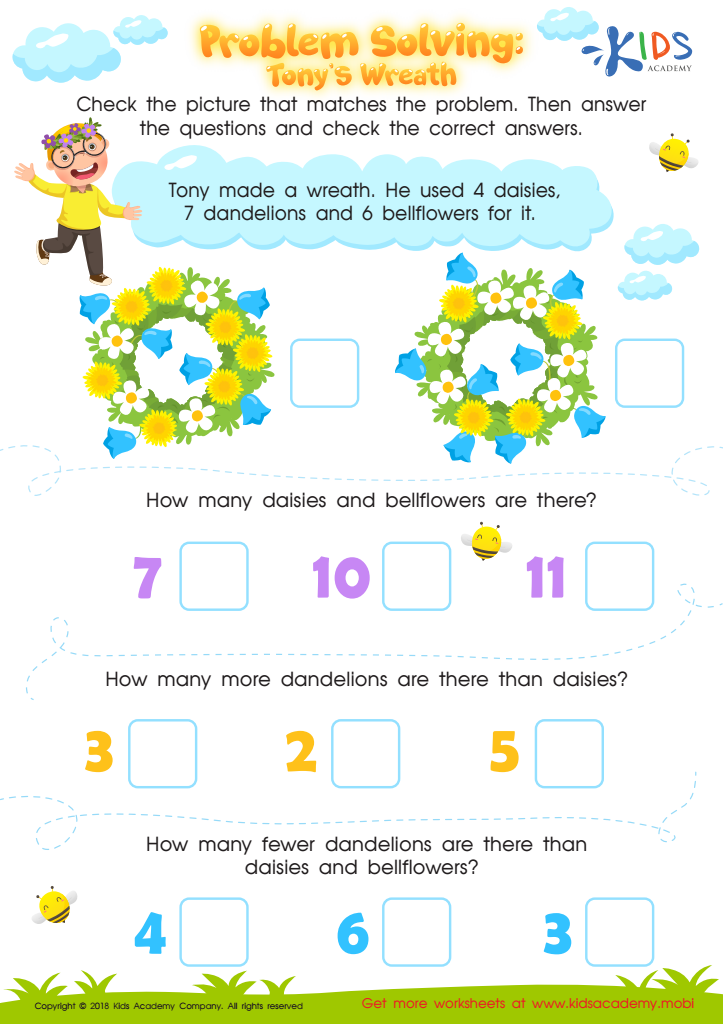
Problem Solving: Tony's Wreath Worksheet
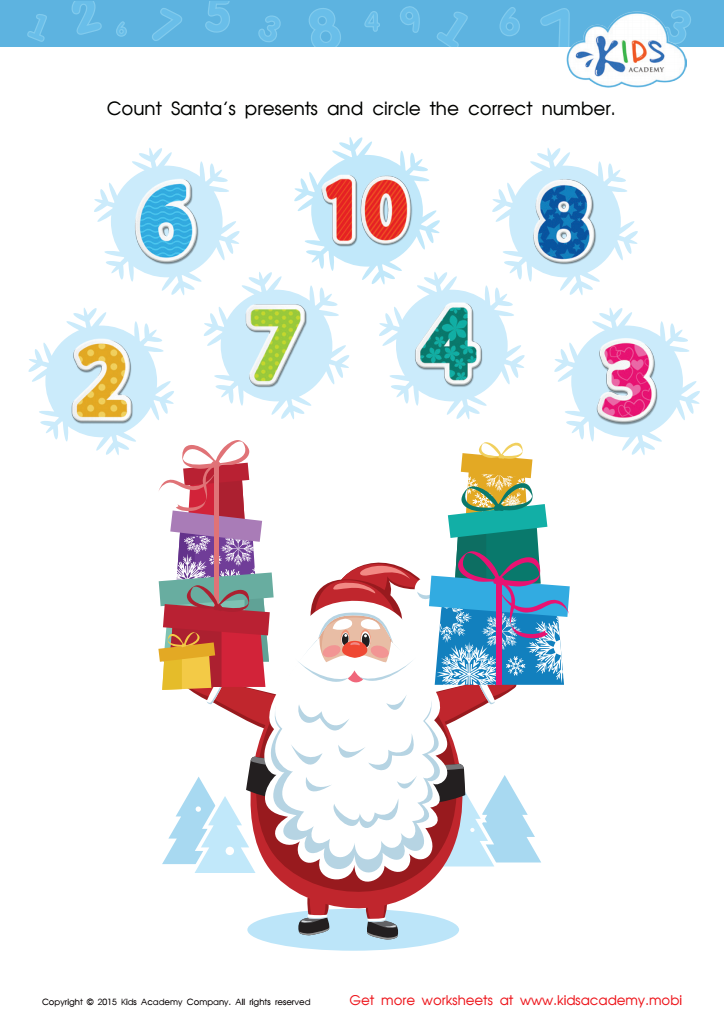
Count Santa's Presents Worksheet
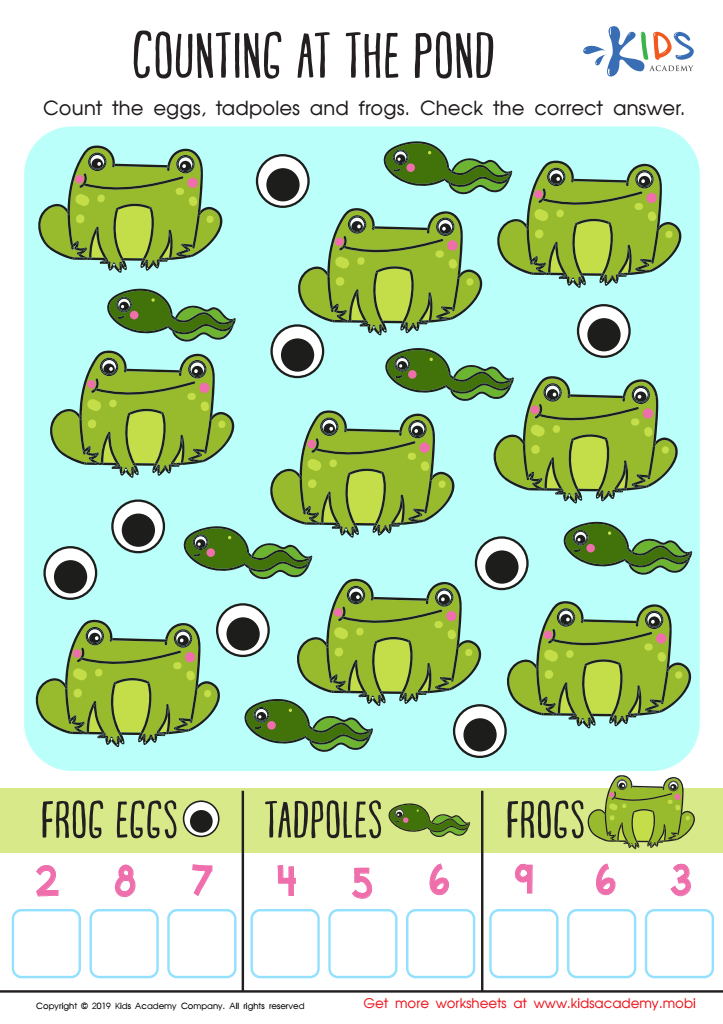
Counting at the Pond Worksheet
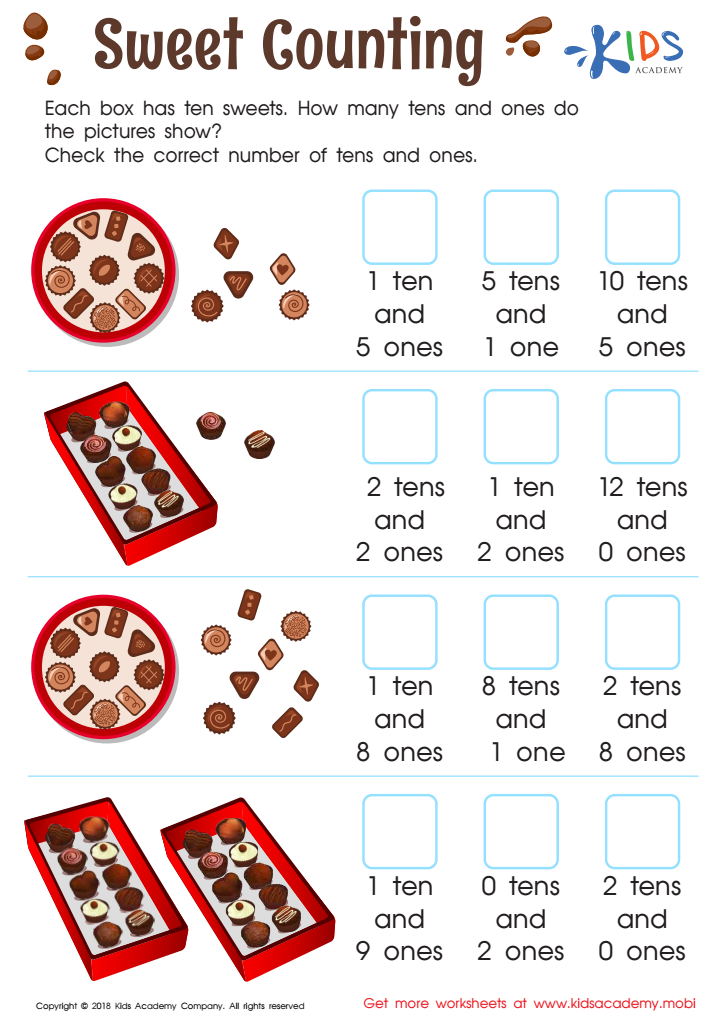
Sweet Counting - Part 2 Worksheet
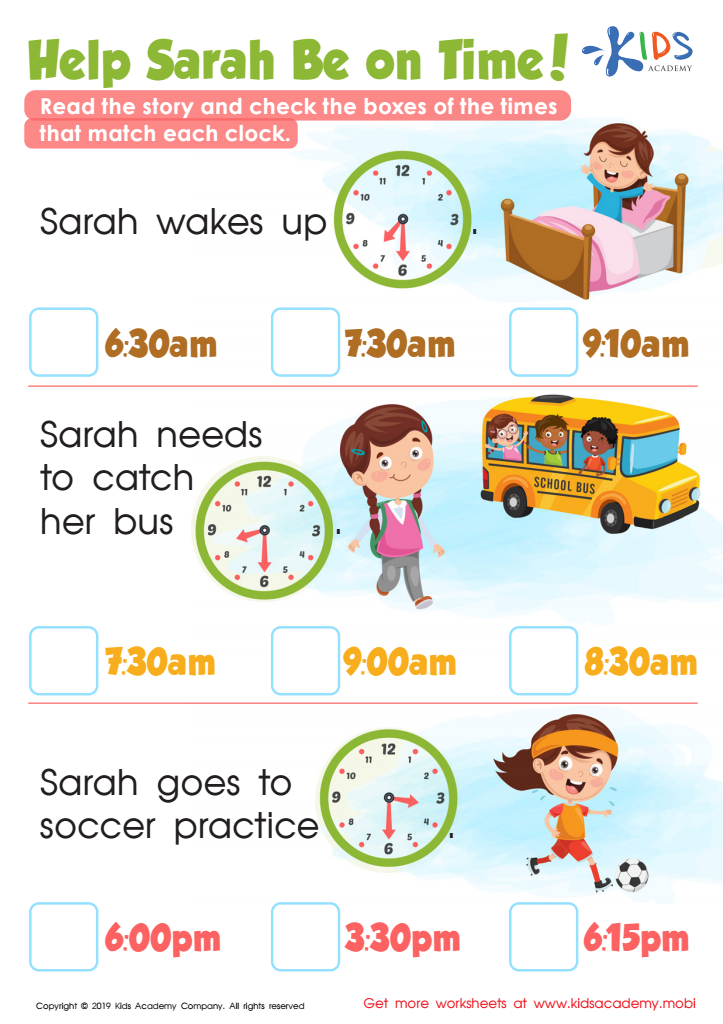
Help Sarah Be on Time! Worksheet
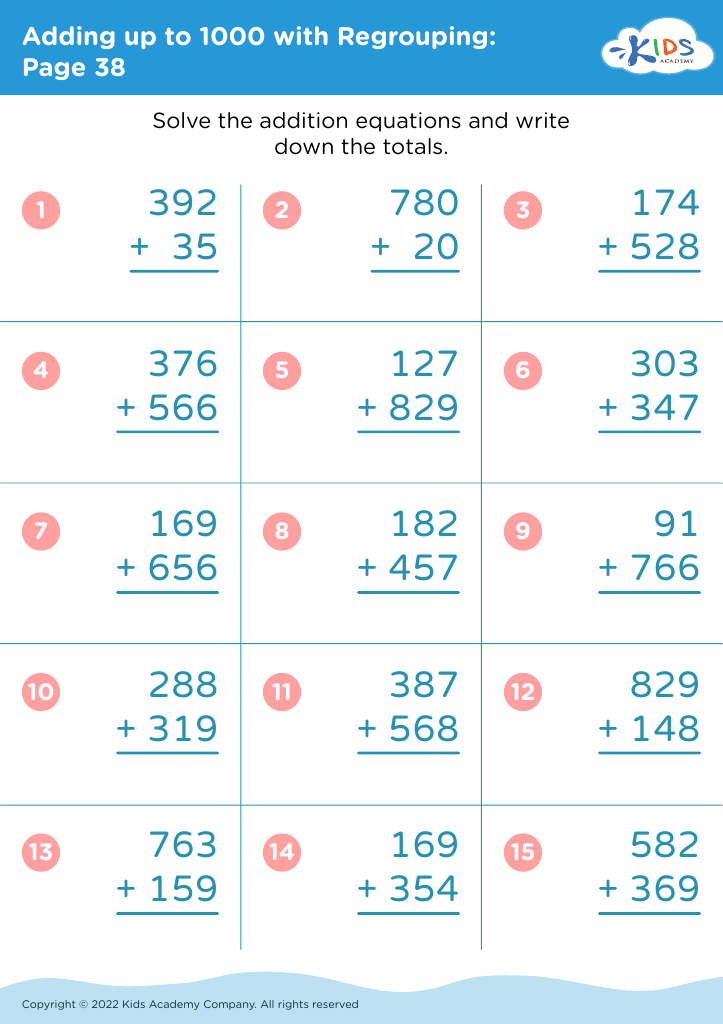








Teaching basic addition to children ages 3-7 is critical for several reasons. At this developmental stage, children are highly receptive to learning new concepts, especially through play and hands-on activities. Basic addition forms the foundation of mathematical understanding that is essential for everyday problem solving and future academic success. By mastering basic addition early, children develop logical thinking and reasoning skills. It enhances their ability to recognize patterns, understand relationships between numbers, and apply mathematical concepts to real-world scenarios, like sharing and grouping objects.
Moreover, early math skills are strong predictors of later academic achievement, not just in mathematics but in other subjects too. Introducing and reinforcing basic addition help children build confidence in their abilities, instilling a positive attitude toward learning mathematics.
From a parent's and teacher's perspective, nurturing these skills supports holistic cognitive development. It paves the way for more complex mathematical operations and promotes persistence, patience, and attention to detail. Interactive tools, games, and engaging activities can make learning addition enjoyable and memorable, fostering a love for learning. Hence, prioritizing basic addition for young children sets them on a path to become competent and confident learners in their academic journey and beyond.








