Basic geometry understanding Worksheets for Ages 3-7
13 filtered results
-
From - To
Discover our engaging Basic Geometry Understanding worksheets designed specifically for children aged 3-7. These colorful and interactive activities help young learners explore fundamental geometric concepts such as shapes, sizes, and spatial relationships. Through fun exercises, children will recognize and classify basic shapes while developing essential critical thinking skills. Our worksheets promote hands-on learning, allowing kids to draw, color, and match shapes, making geometry both entertaining and educational. Perfect for home and classroom use, these resources support early math preparation and lay a strong foundation for future learning. Download and watch your child's geometric skills flourish!
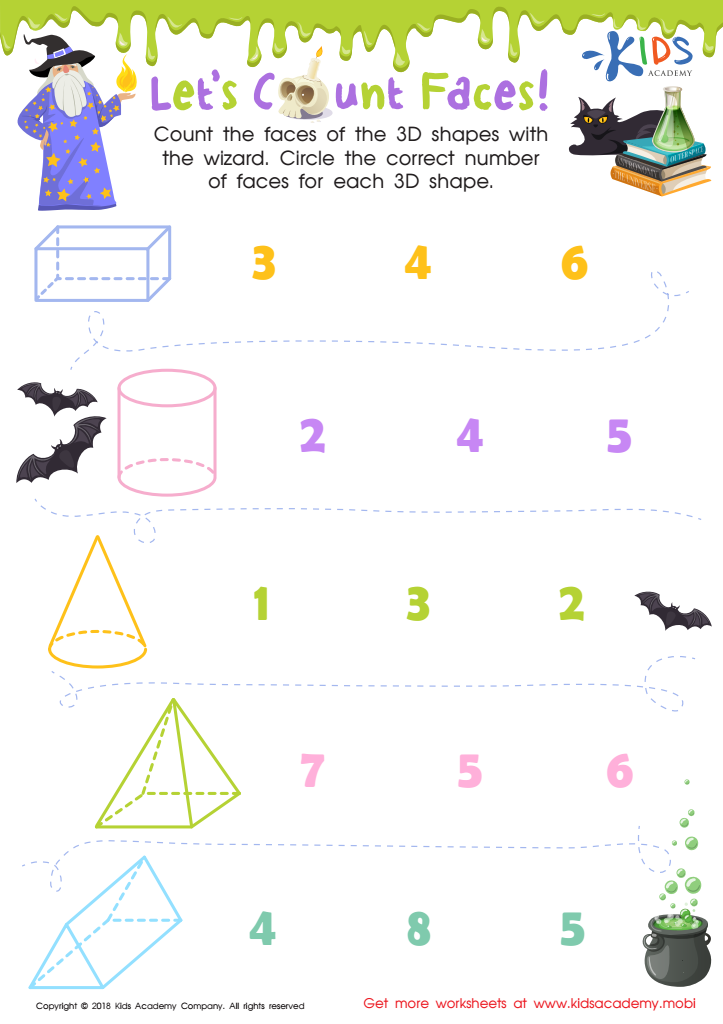
Let's Count Faces! Worksheet
 Assign to My Students
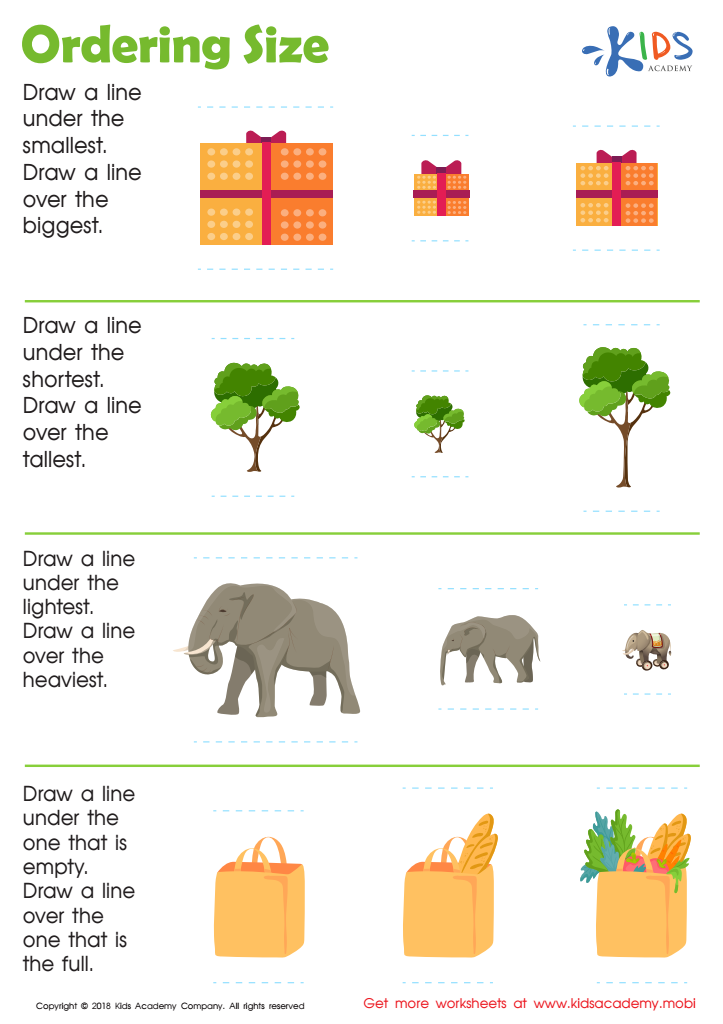
Ordering Size Worksheet
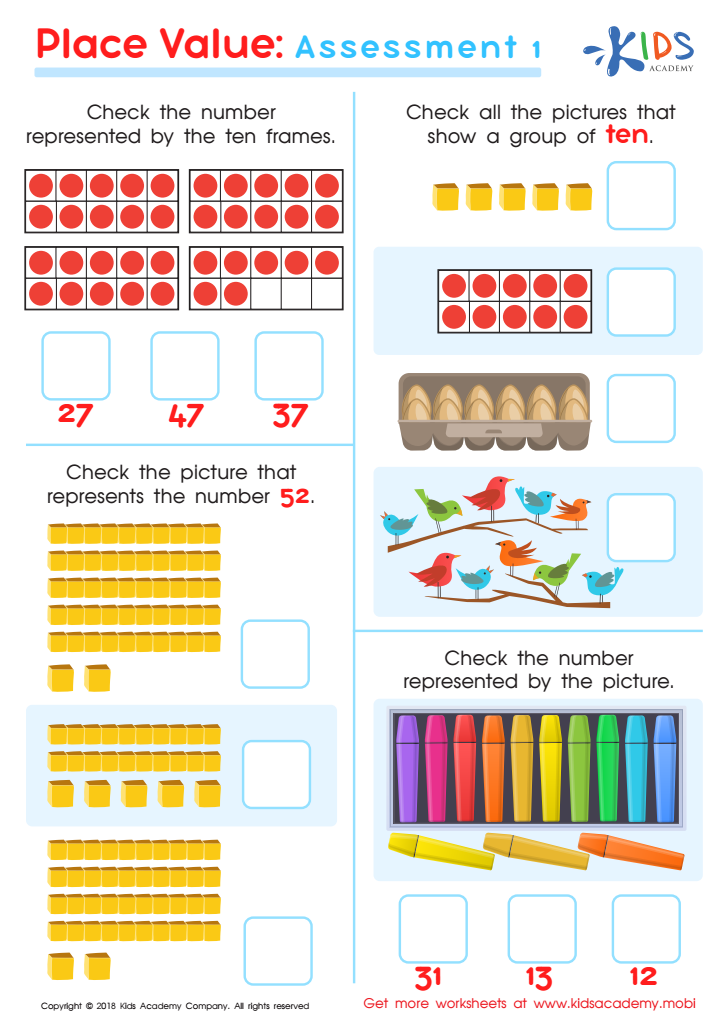
Place Value: Assessment 1 Worksheet
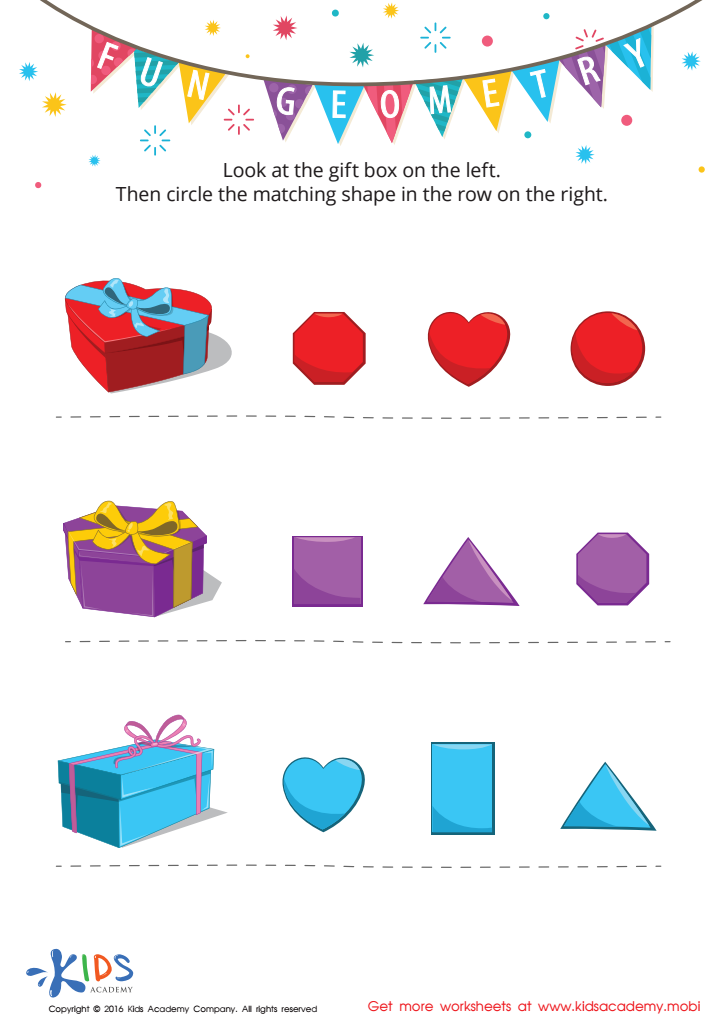
Fun Geometry Worksheet
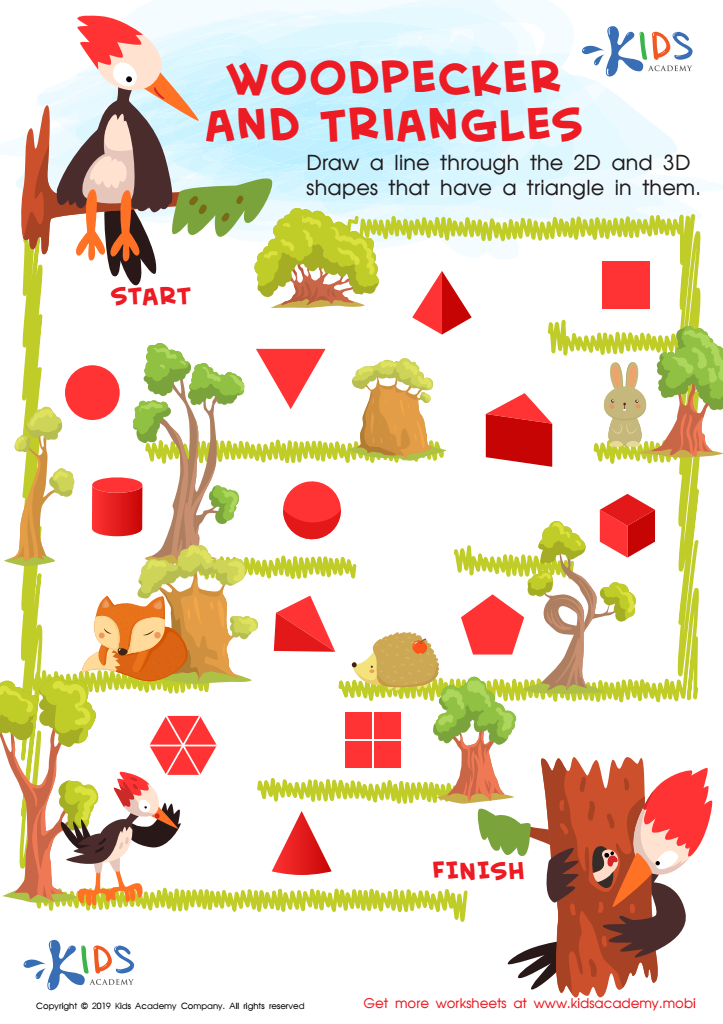
Woodpecker and Triangles Worksheet
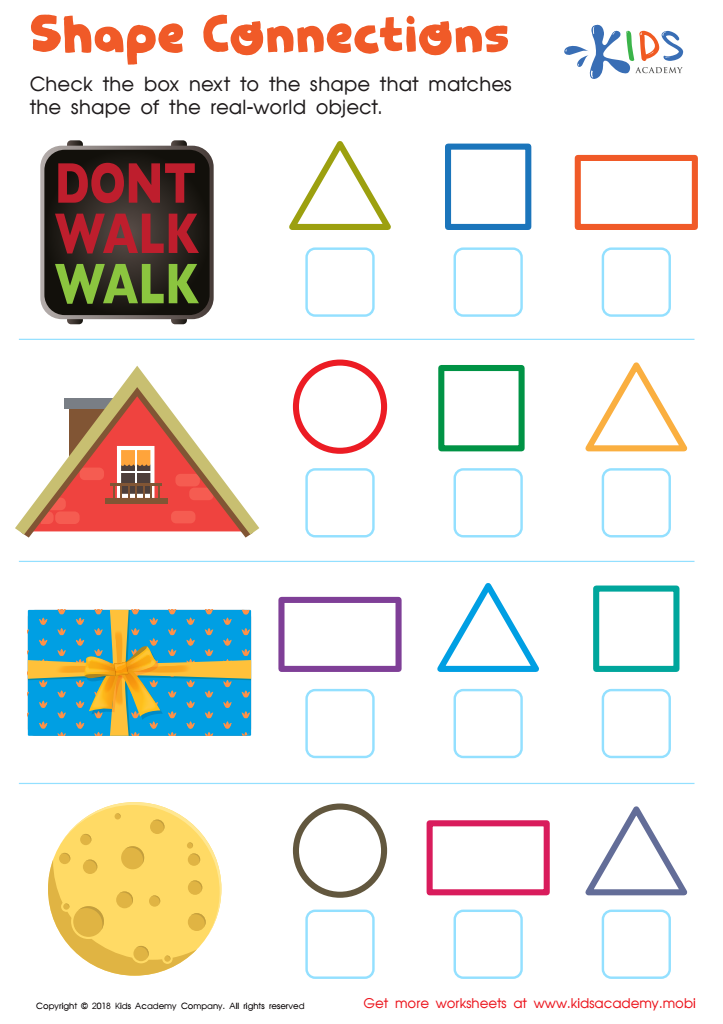
Shape Connections Worksheet
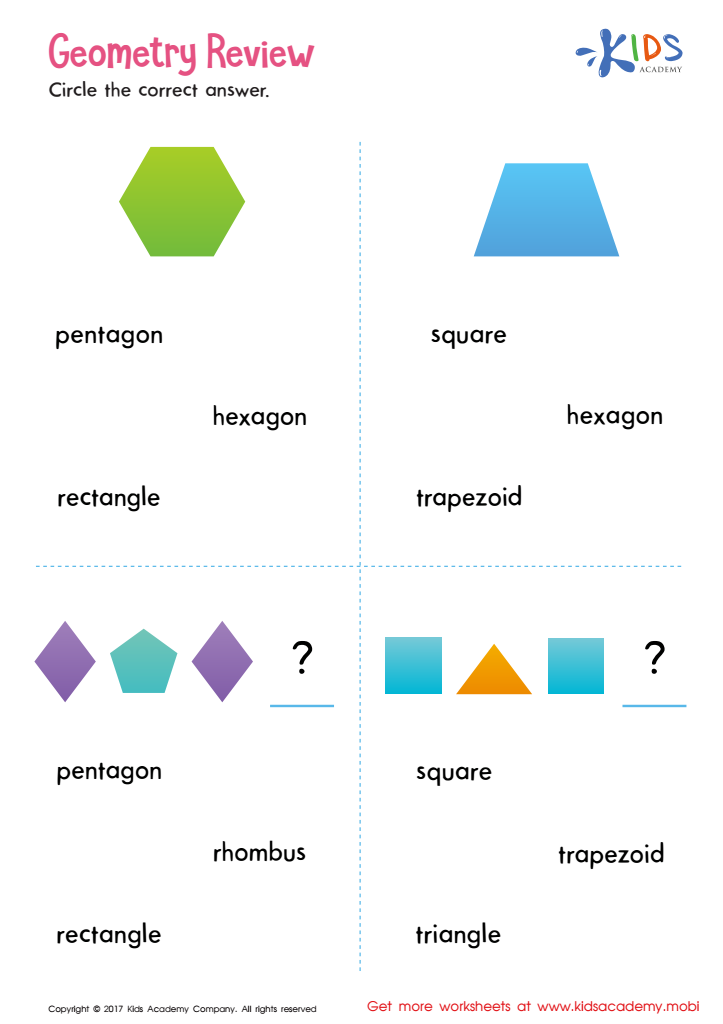
Geometry Review Printable
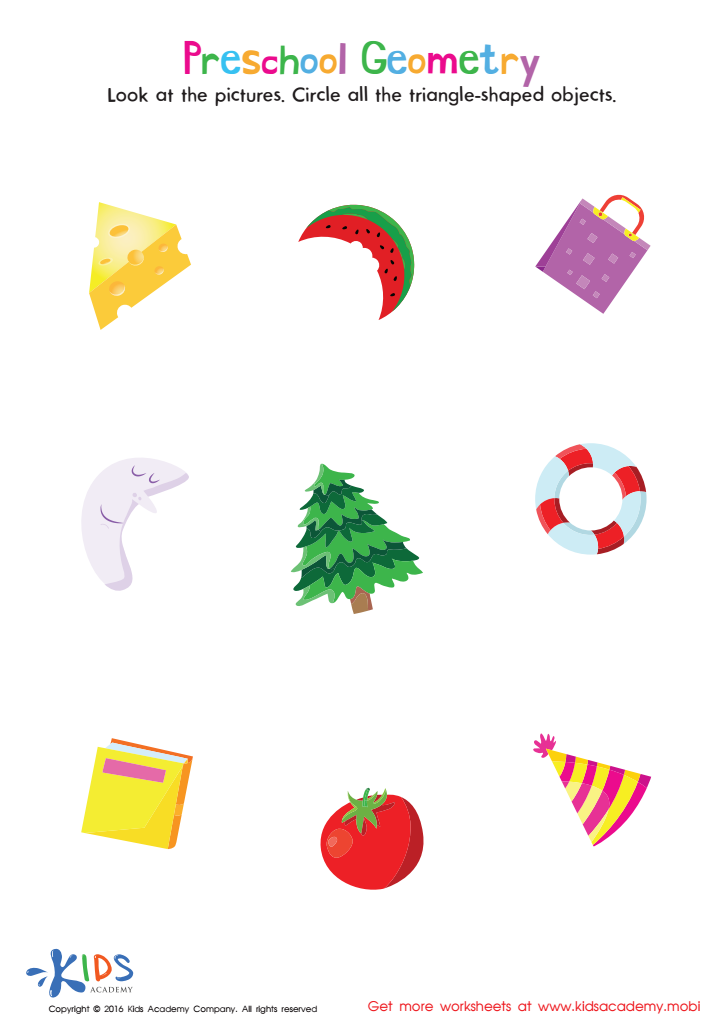
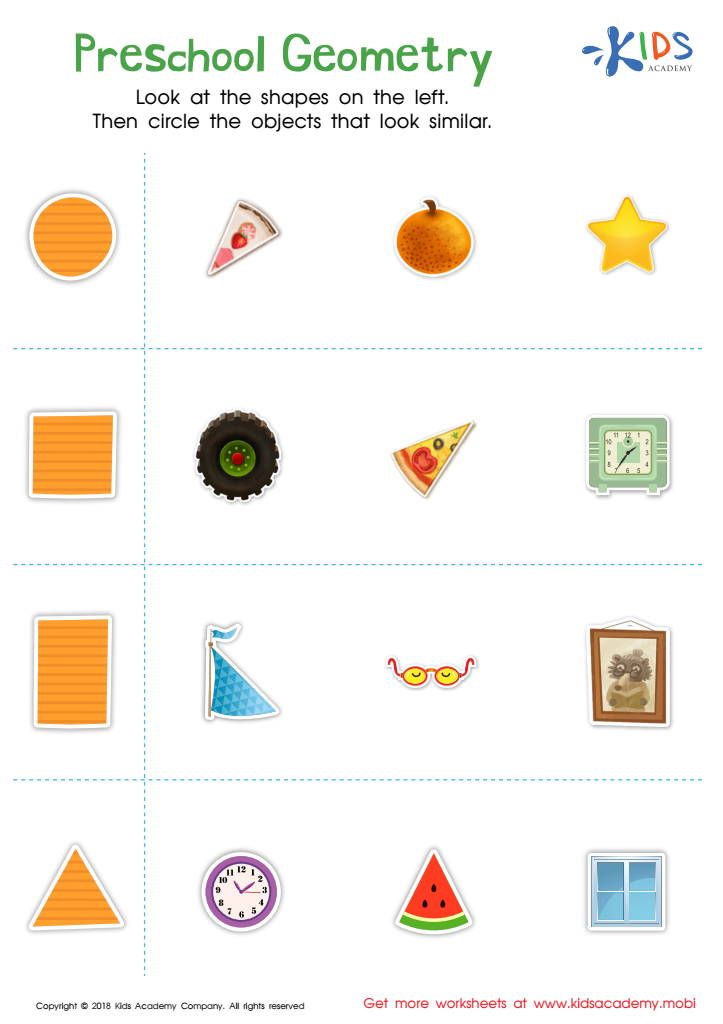
Preschool Geometry Worksheet
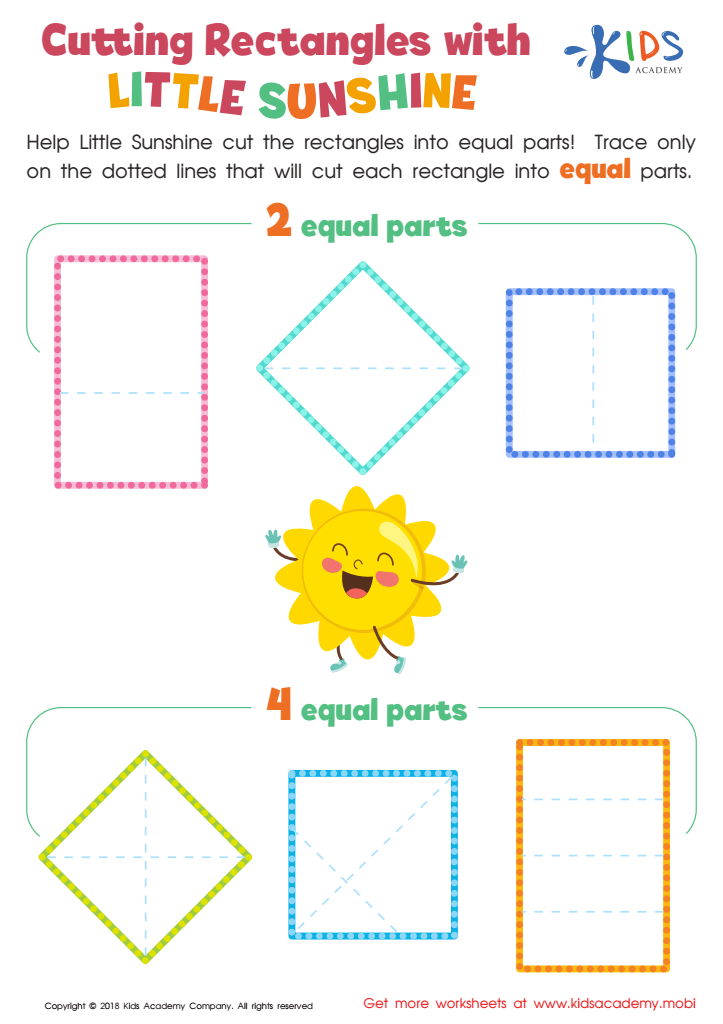
Cutting Rectangles with Little Sunshine Worksheet
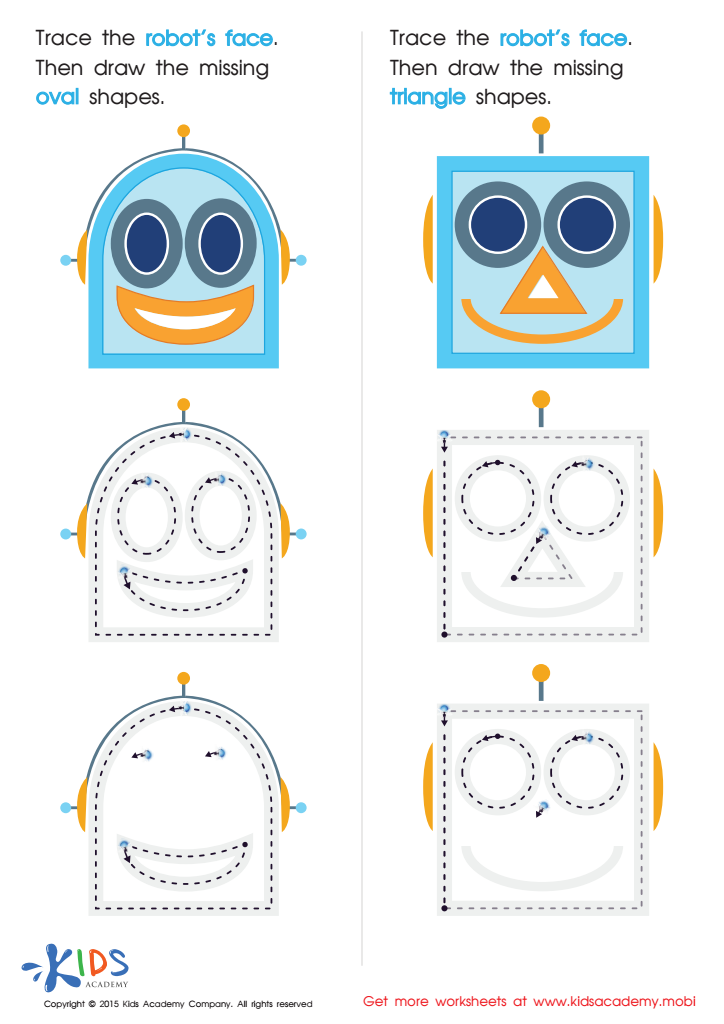
Drawing Ovals And Triangles with Fun Printable
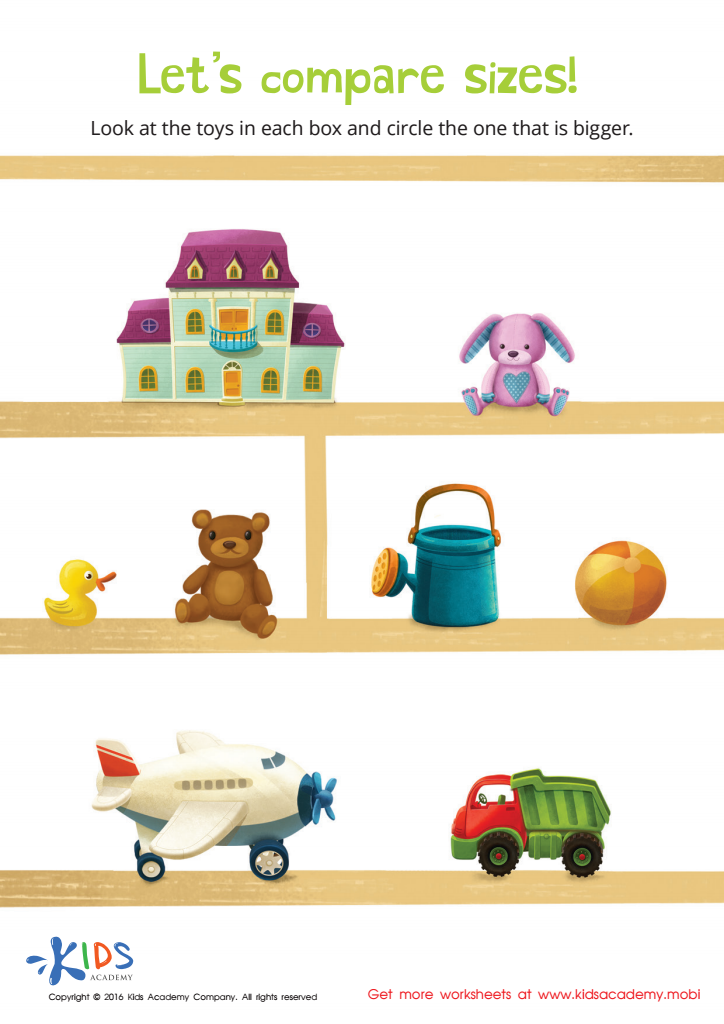
Classifying by Size Sorting Worksheet








Understanding basic geometry is crucial for children aged 3-7 as it lays the foundation for their mathematical development and cognitive skills. During these early years, children are naturally curious and eager to explore the world around them. Introducing geometric concepts helps them make sense of shapes, sizes, and spatial relationships, which are integral to their everyday experiences.
First, geometry enhances problem-solving abilities. When children identify shapes and patterns, they develop critical thinking skills that are necessary for addressing more complex math concepts later on. Frequent exposure to geometry strengthens their ability to visualize and imagine spatial relationships, which is important not only in math but also in science and art.
Additionally, geometric understanding supports language development. As children describe shapes and their attributes, they expand their vocabulary and communication skills. Geometry encourages collaboration and social interaction among peers, fostering teamwork during activities like building or drawing.
Finally, a solid grasp of basic geometric principles promotes confidence in learning. This encourages a positive attitude towards math, reducing anxiety around the subject. By prioritizing geometry education, parents and teachers empower children with essential skills that serve as critical building blocks for future academic success.








