Understanding numbers Worksheets for Ages 3-7
6 filtered results
-
From - To
Unlock a world of numerical fun with our "Understanding Numbers Worksheets" designed for children aged 3-7. These vibrant and engaging printables are expertly crafted to develop early math skills, including number recognition, counting, and basic arithmetic. Our worksheets make learning enjoyable with interactive exercises and colorful illustrations that captivate young minds. Perfect for both classroom use and homeschooling, these resources provide a solid foundation for future math success while making each learning moment exciting. Explore varied activities tailored to different learning styles and help your child build essential math skills with confidence and joy!
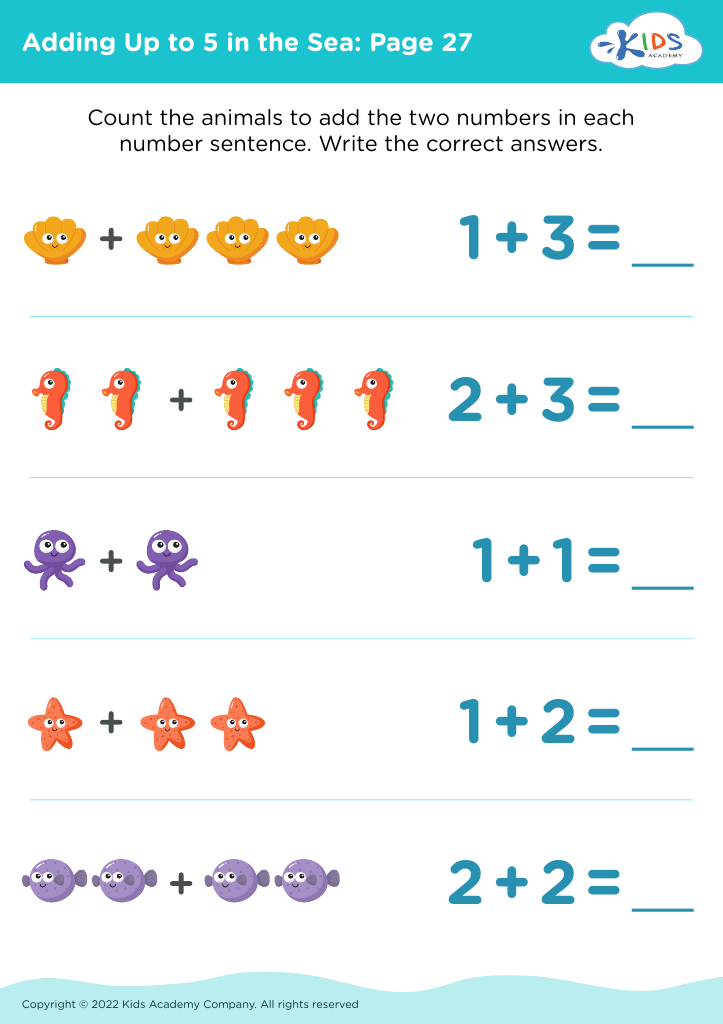
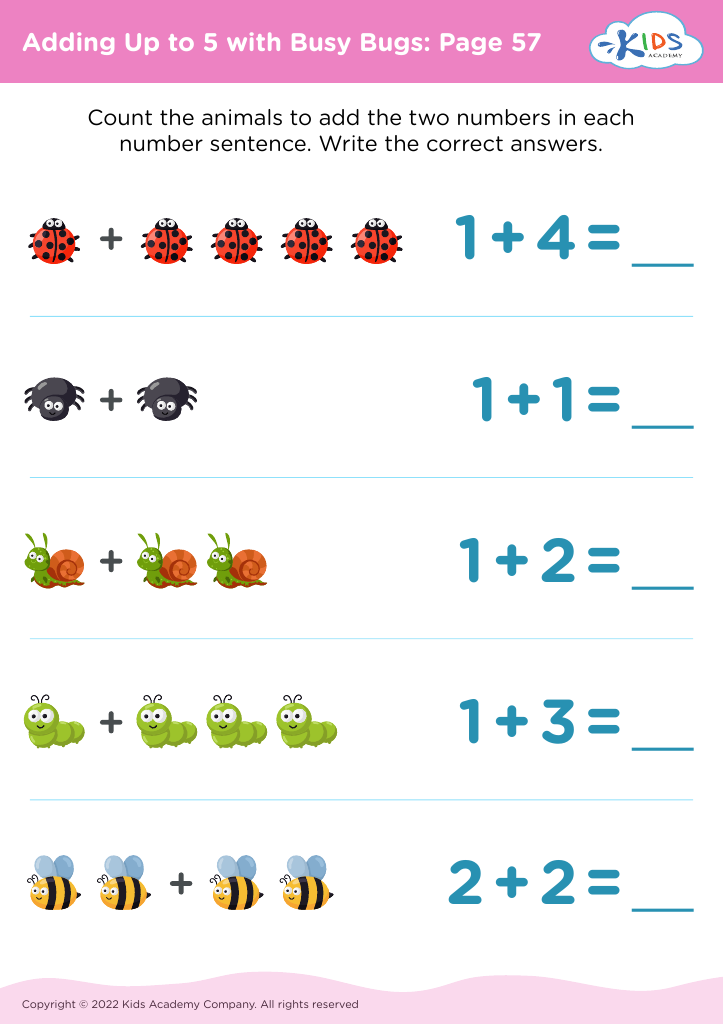
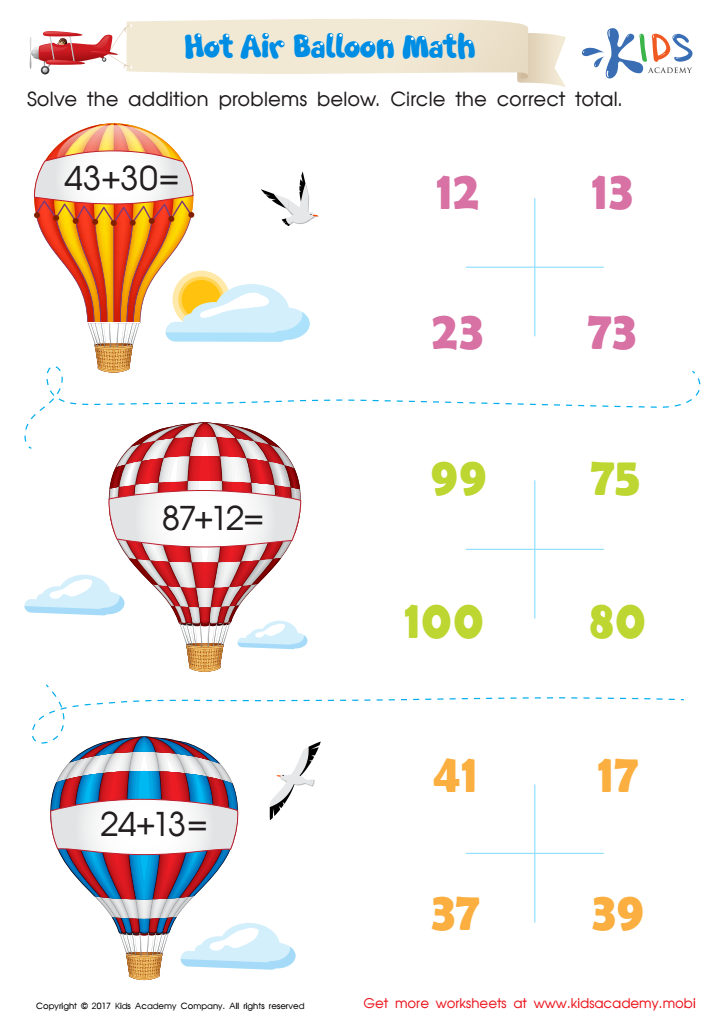
Hot Air Balloon Math Worksheet
 Assign to My Students
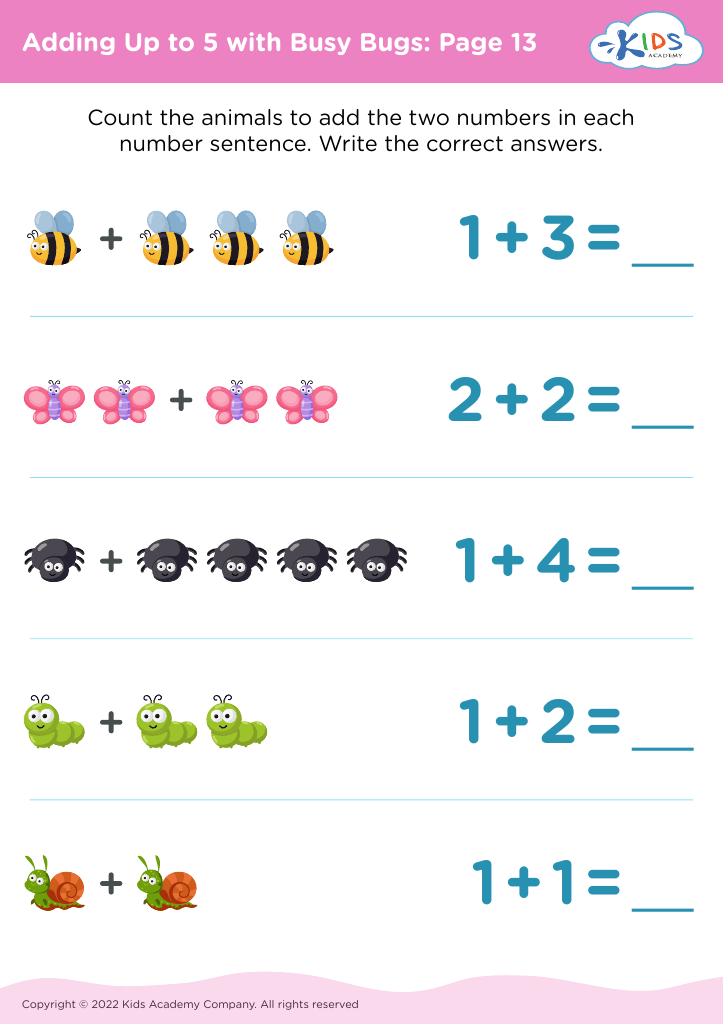
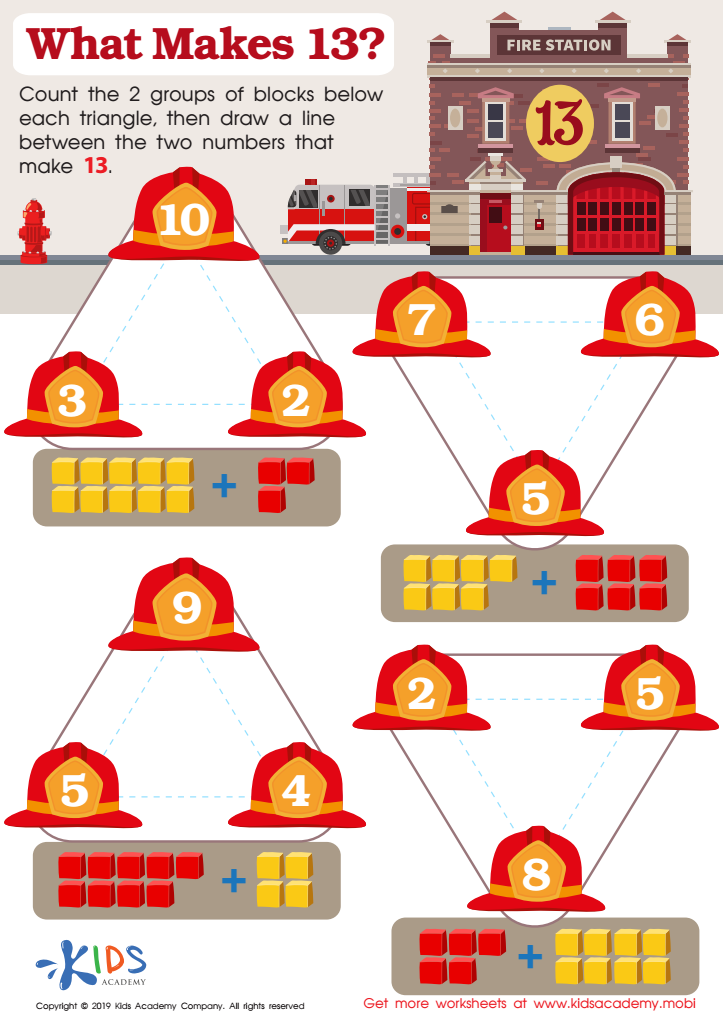
What Makes 13 Worksheet
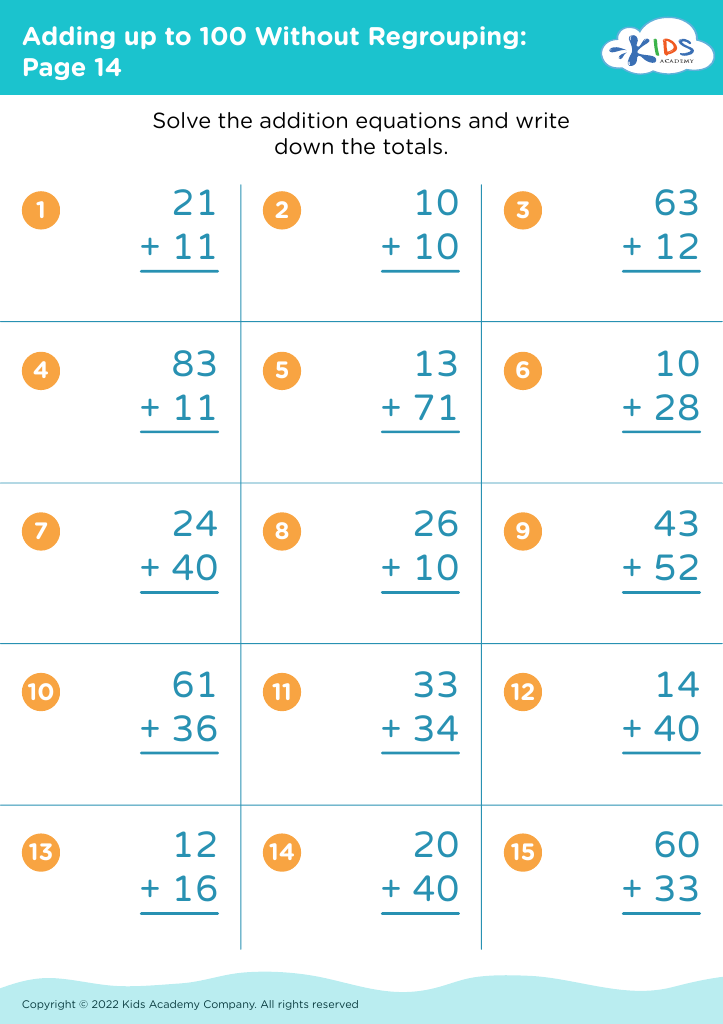






Understanding numbers and early math skills in young children is fundamental for several reasons, particularly for ages 3-7 when foundational brain development is at its peak. Early numeracy provides a critical base for other math concepts, fostering cognitive development and problem-solving skills. Children who can grasp numbers tend to develop better logical thinking and spatial reasoning abilities, which are essential not only in math but also in daily life situations and other subjects.
Moreover, early exposure to numbers can ignite an interest and confidence in math. If children encounter numbers in a fun, engaging, and supportive environment, they are more likely to develop a positive attitude towards learning and less fear of challenging concepts later on. For instance, counting games, simple addition, and educational activities linked to numbers help stimulate curiosity and resilience.
Parents and teachers play a crucial role in this developmental stage by providing opportunities for practical, hands-on learning experiences. Activities like counting objects, identifying numbers in the environment, and simple arithmetic exercises encourage a child’s ability to understand and manipulate numbers proficiently. Importantly, children who develop adequate numeracy skills early on typically perform better academically throughout their schooling years, demonstrating the longstanding benefits of a strong mathematical foundation.








