Visual perception improvement Worksheets for Ages 3-7
23 filtered results
-
From - To
Enhance your child's visual perception skills with our engaging worksheets designed for ages 3-7! These thoughtfully crafted activities focus on developing essential skills such as shape recognition, pattern identification, and spatial awareness through fun and interactive exercises. Guided by age-appropriate content, kids will strengthen their observation skills while enjoying colorful designs and engaging tasks that make learning enjoyable. Our worksheets support early childhood development, enabling children to excel in school readiness. Access these easy-to-print resources to foster your child's cognitive abilities and support their learning journey. Start exploring today and watch your young learner thrive!
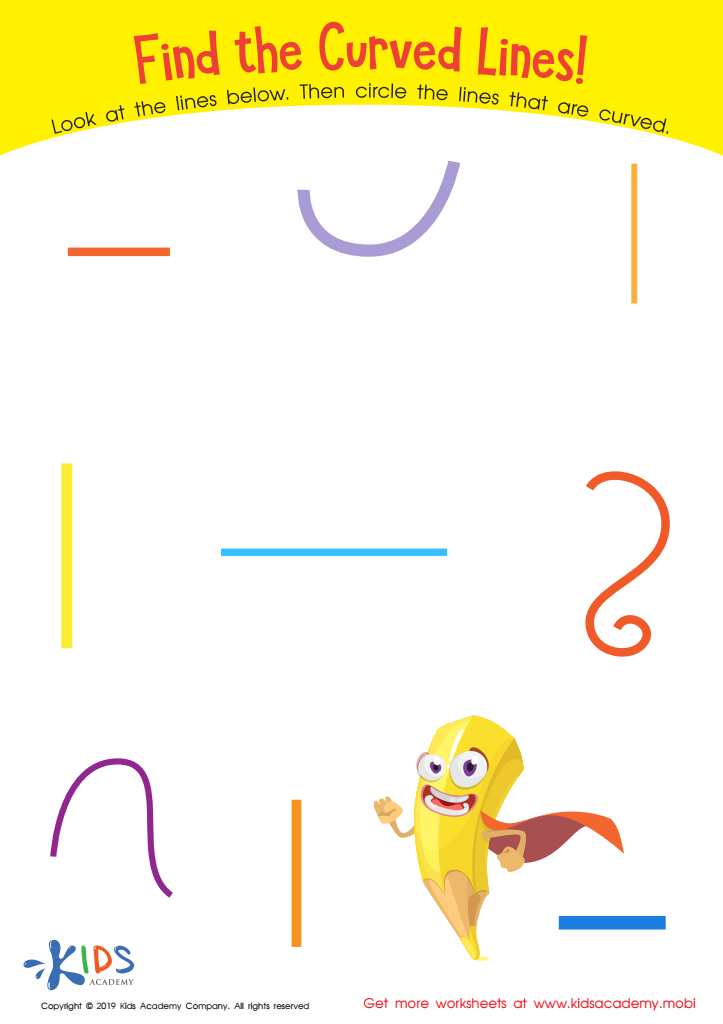
Find the Curved Lines! Worksheet
 Assign to My Students
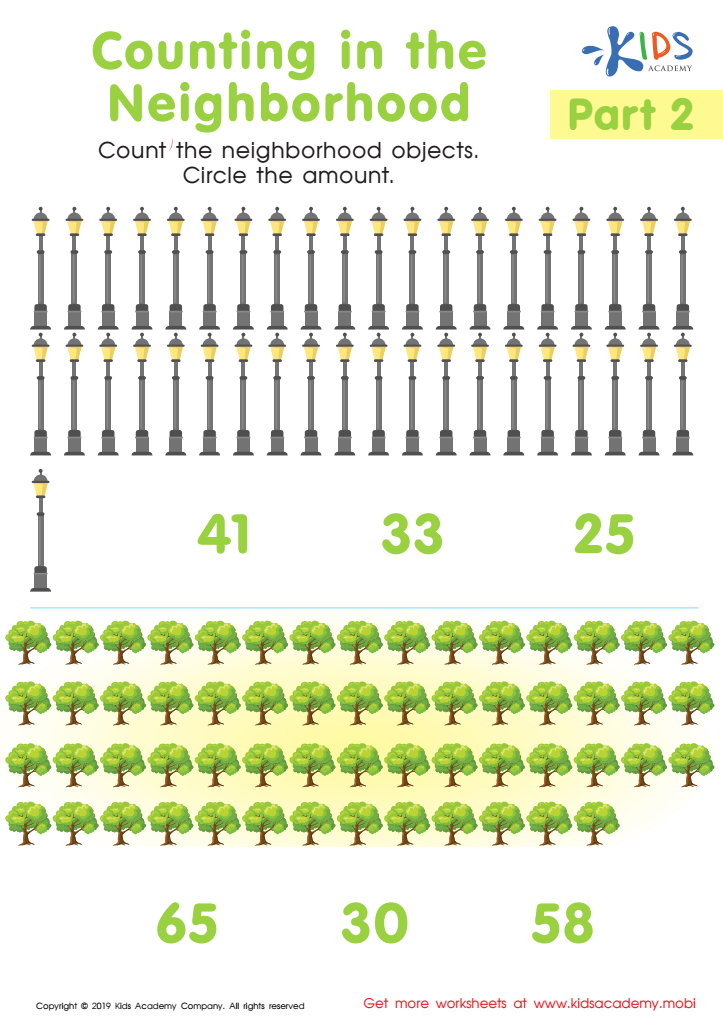
Counting In The Neighborhood Part 2 Worksheet
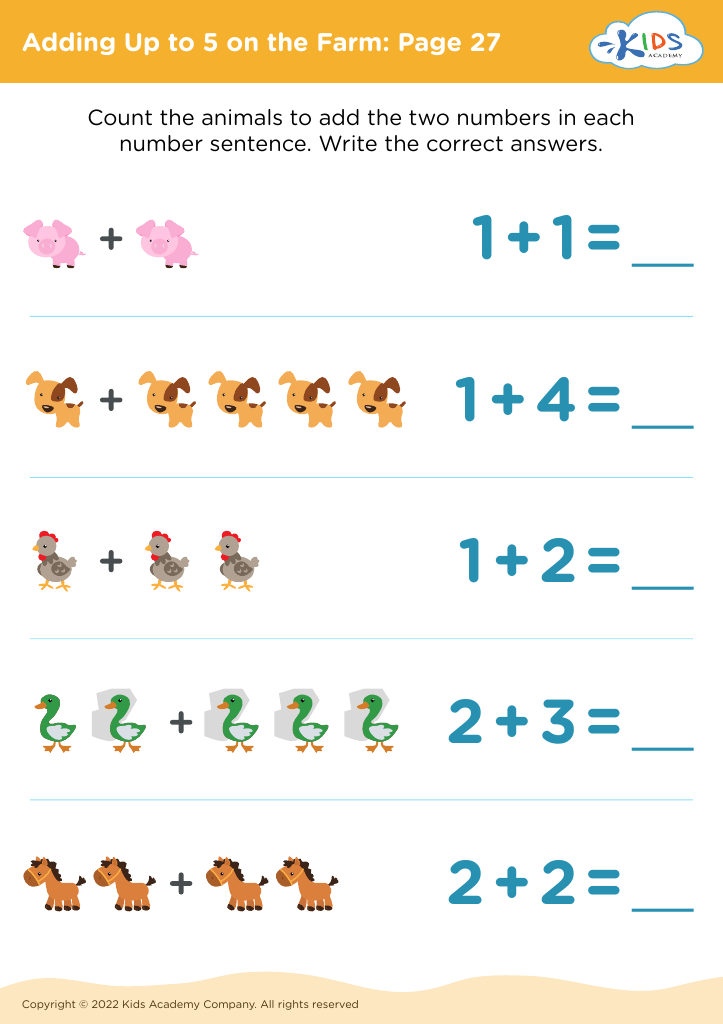
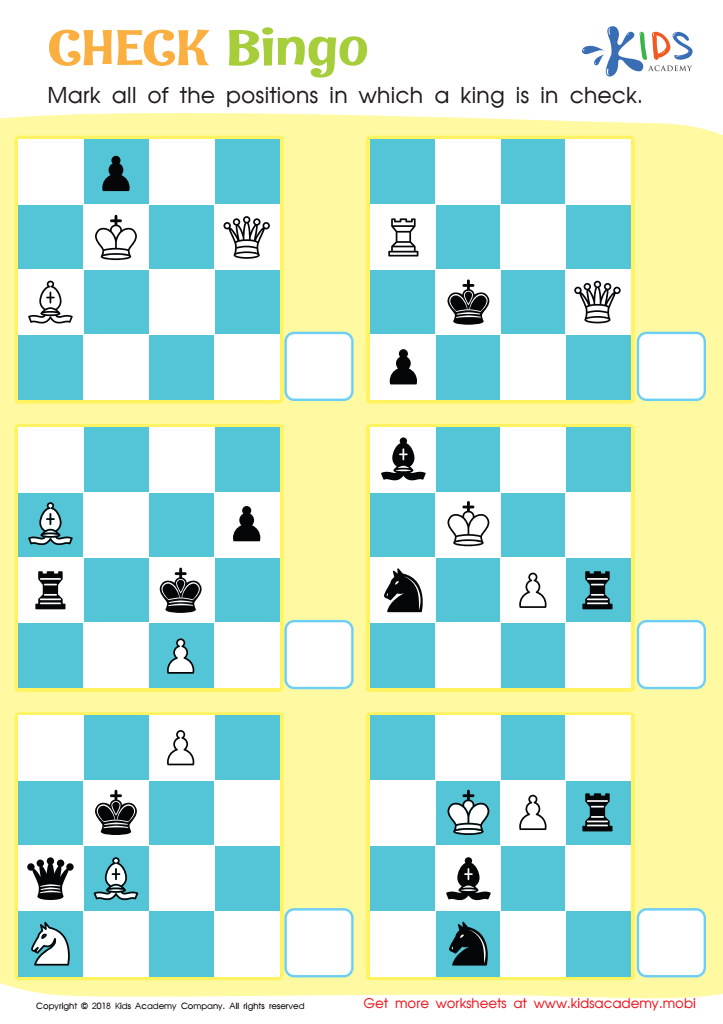
Check Bingo Worksheet
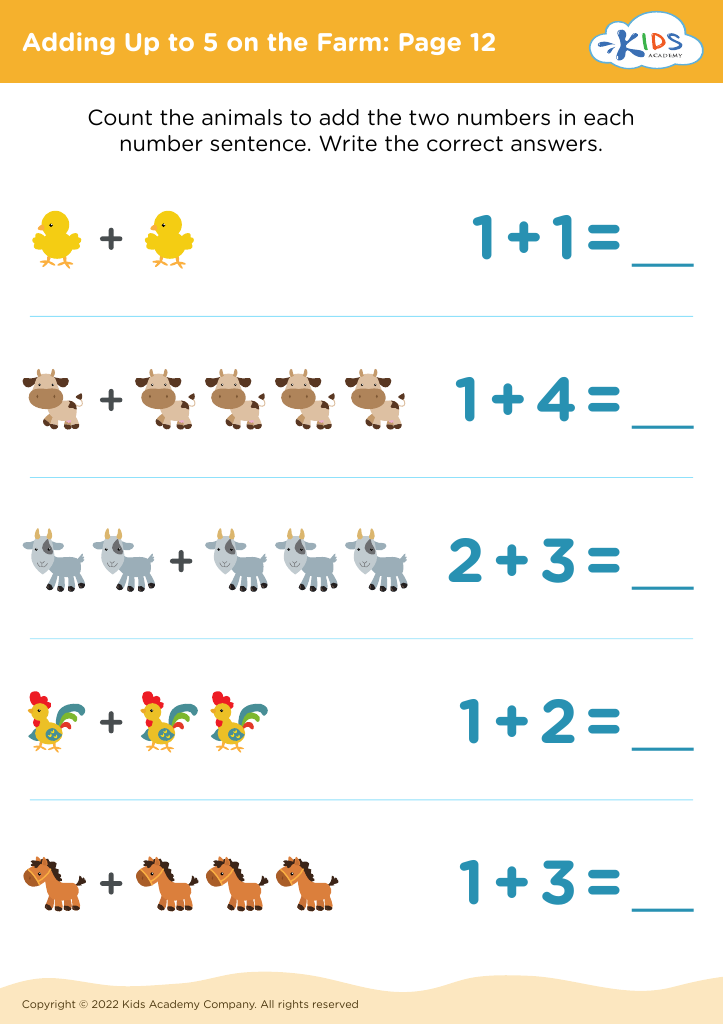
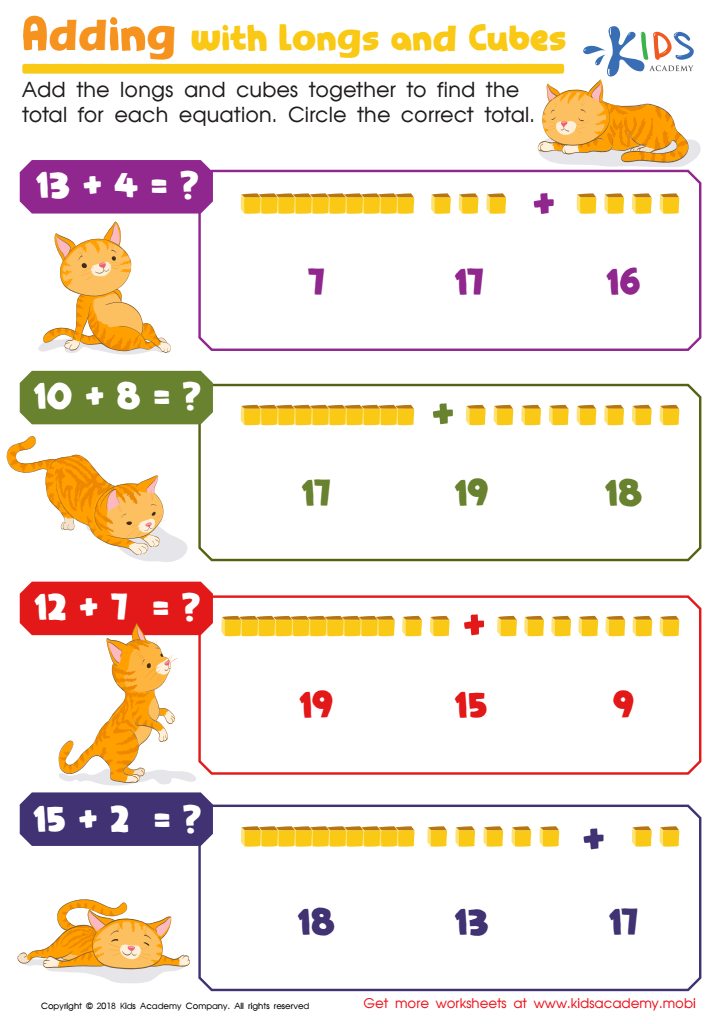
Adding With Longs and Cubes Worksheet
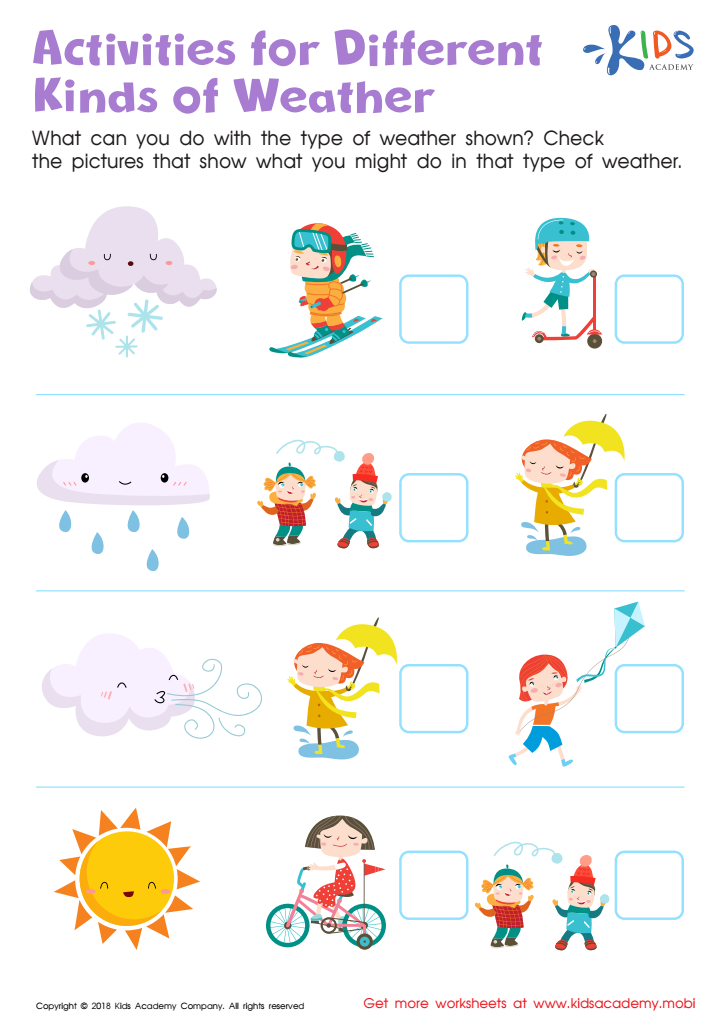
Activities for Different Kinds of Weather Worksheet
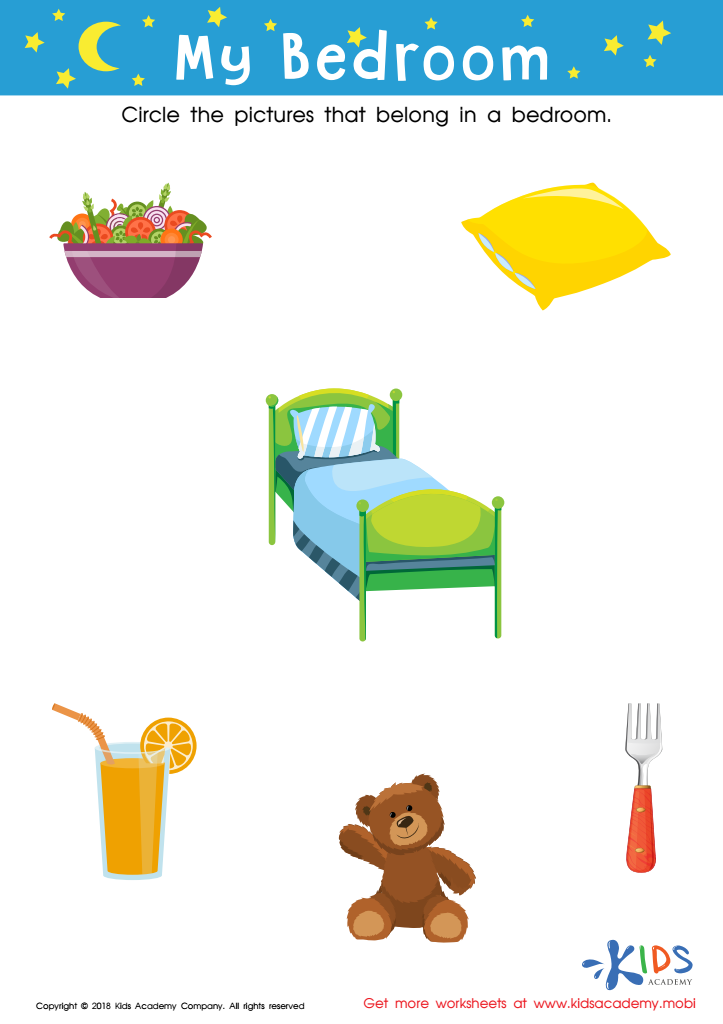
My Bedroom Worksheet
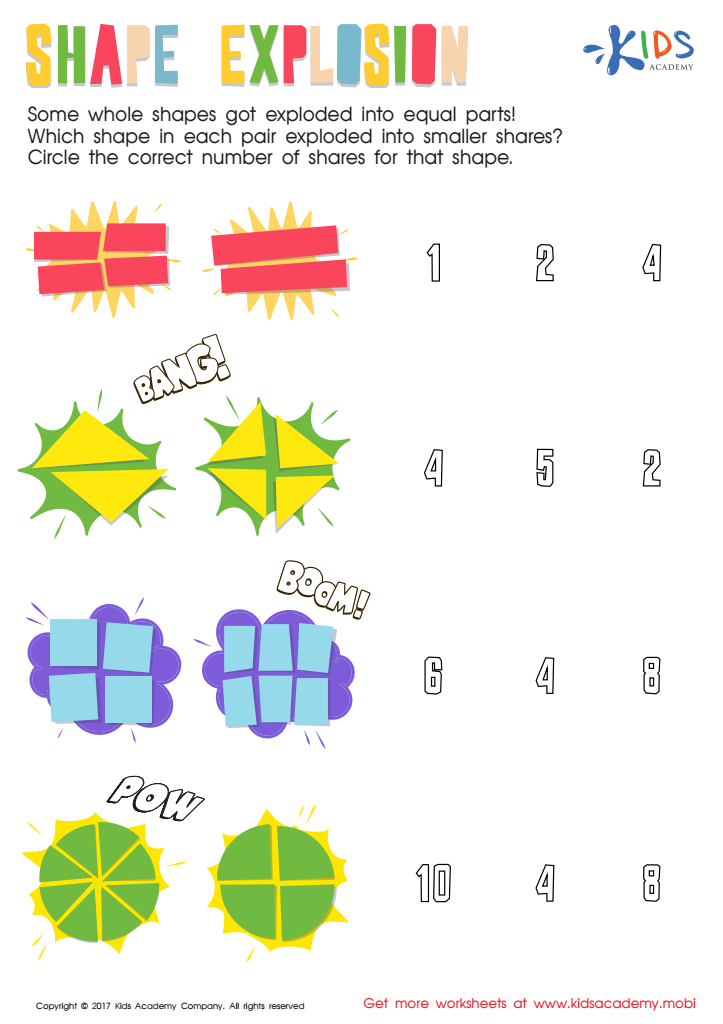
Shape Explosion Worksheet
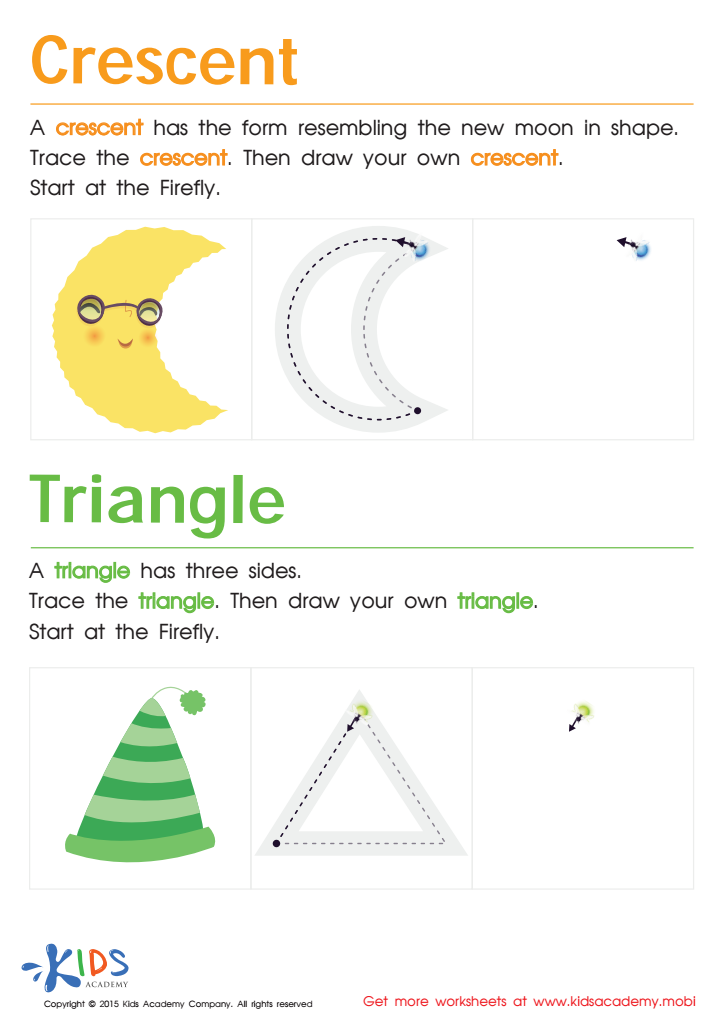
Learning to Draw Crescents And Triangles Worksheet
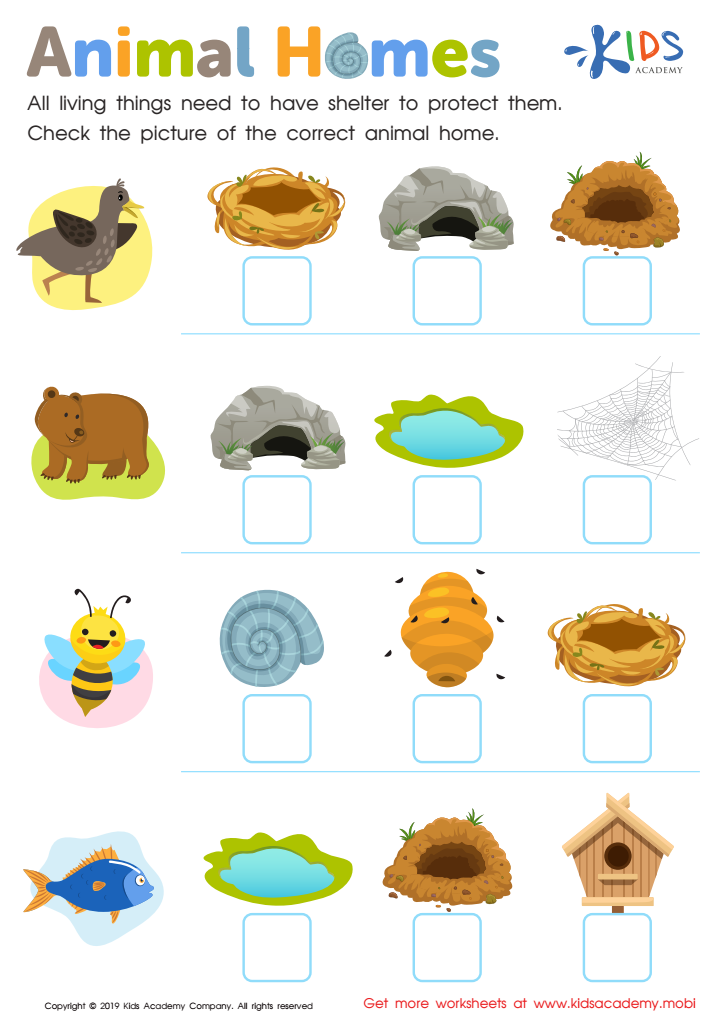
Animal Homes Worksheet
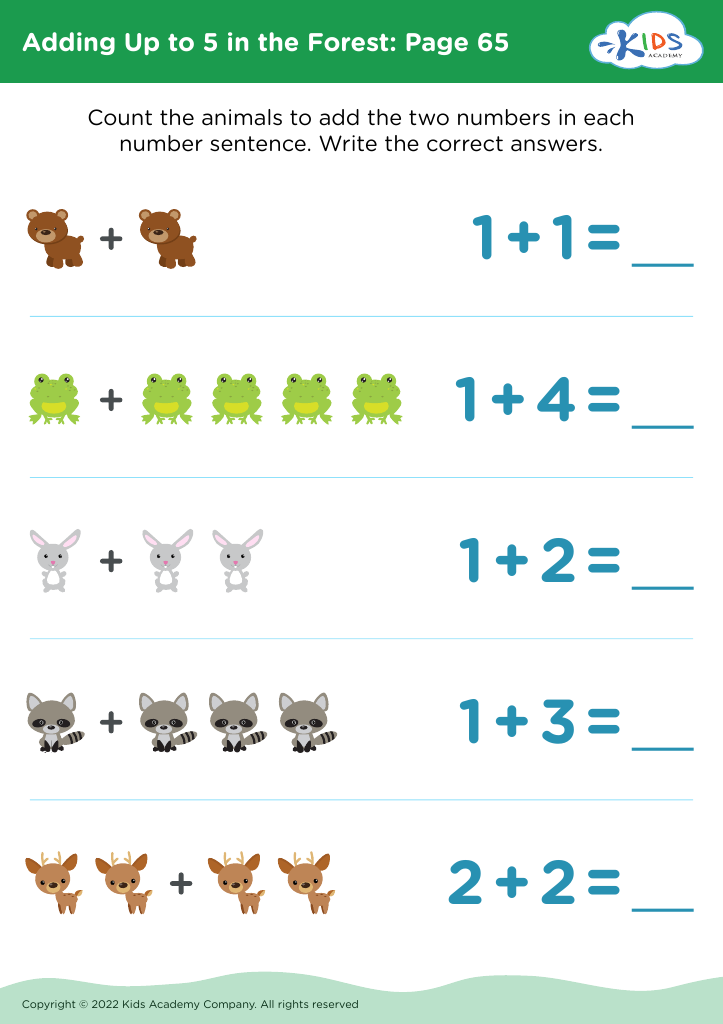
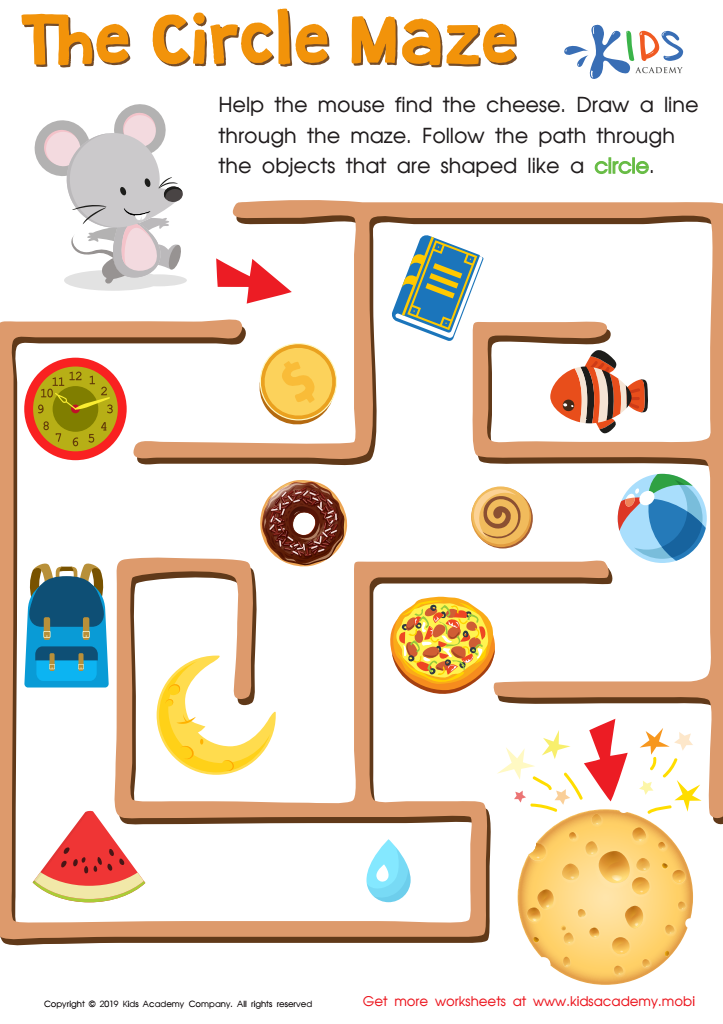
The Circle Maze Worksheet
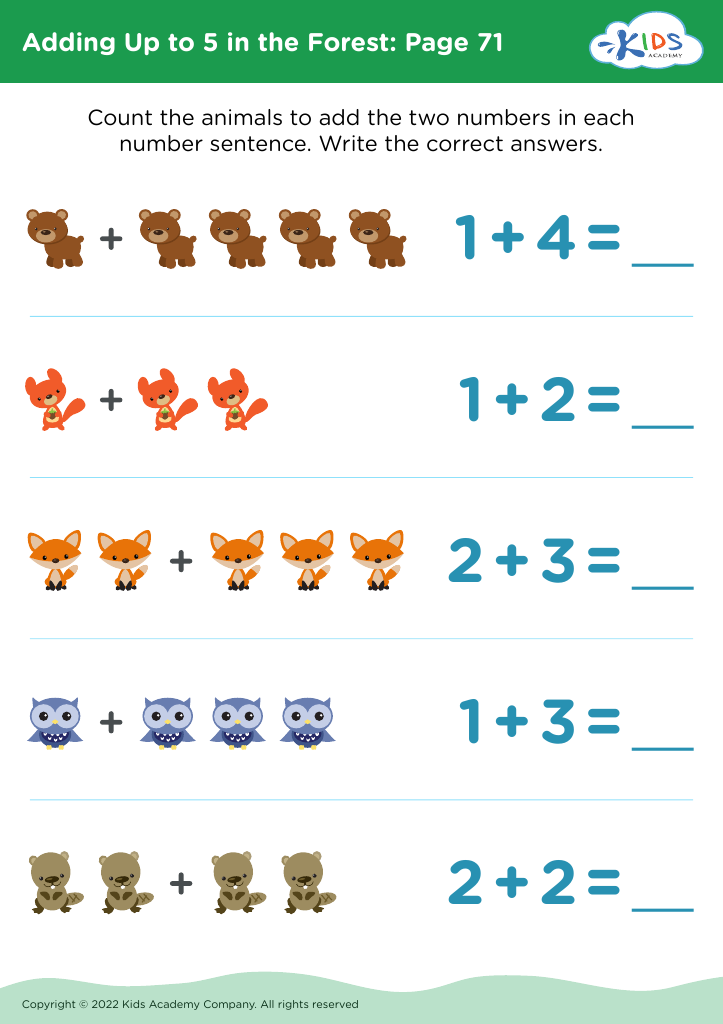
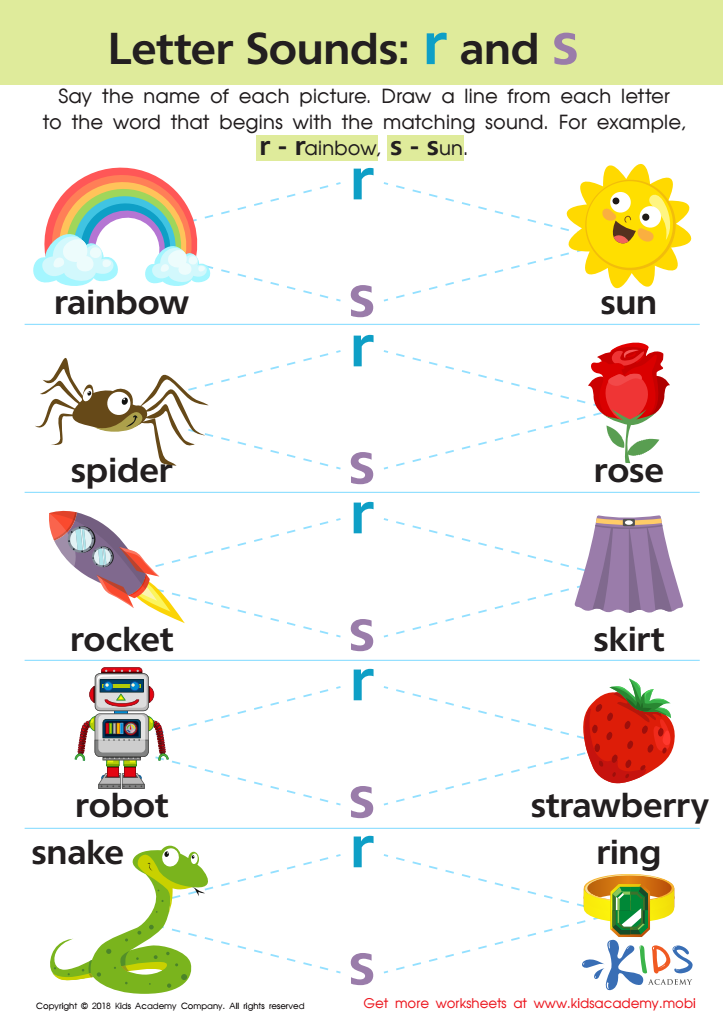
Letter R and S Sounds Worksheet
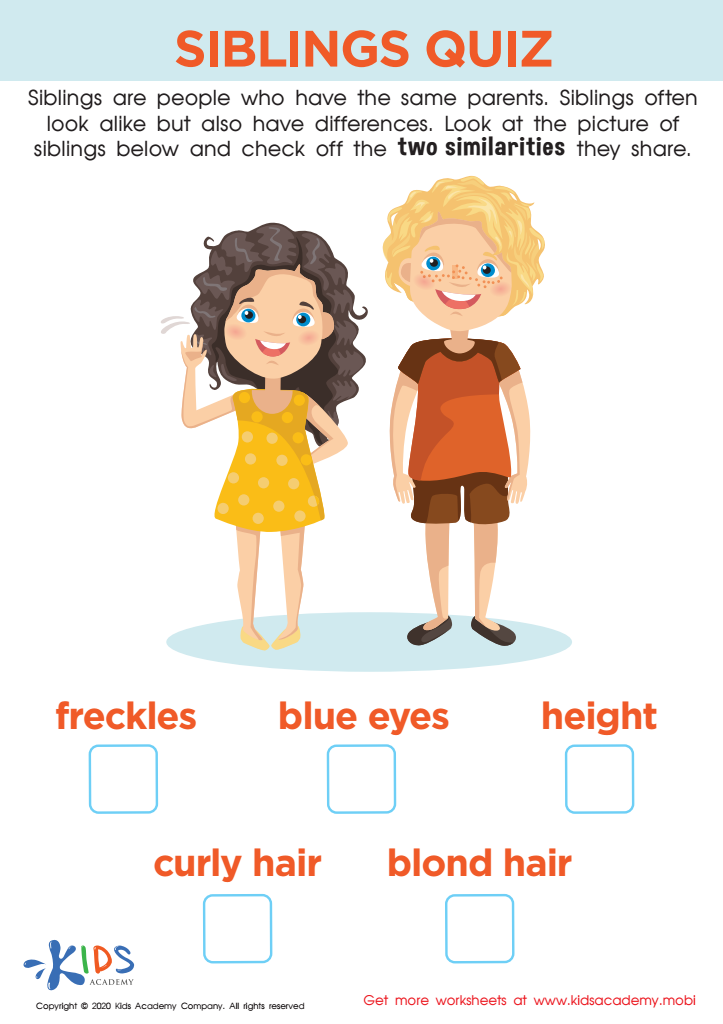
Siblings Quiz Worksheet
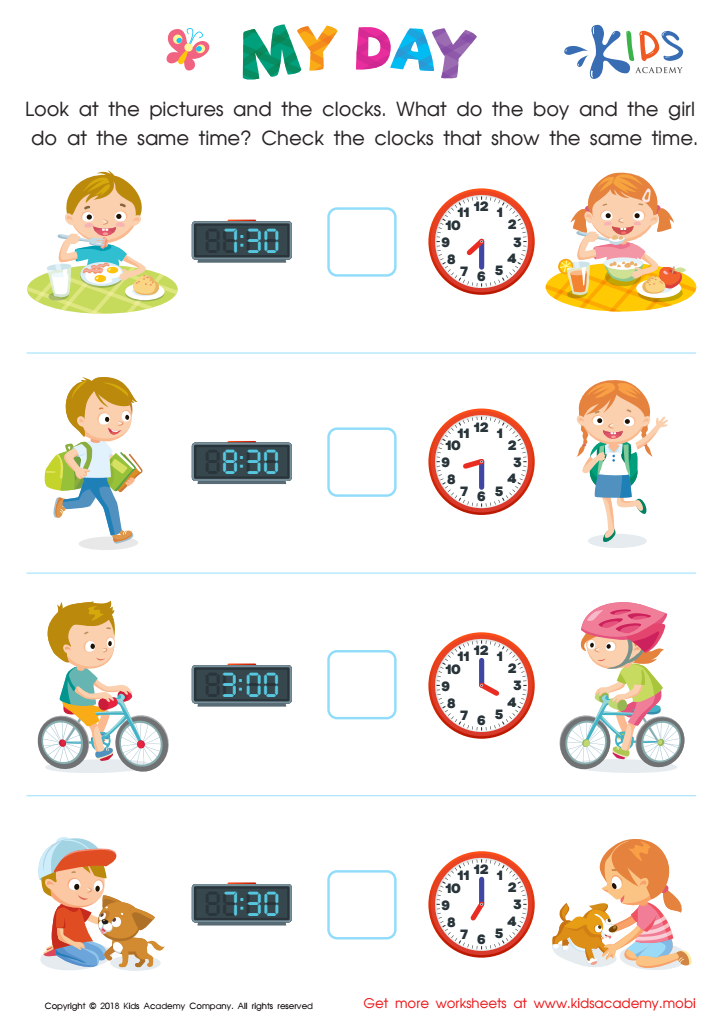
My Day Worksheet
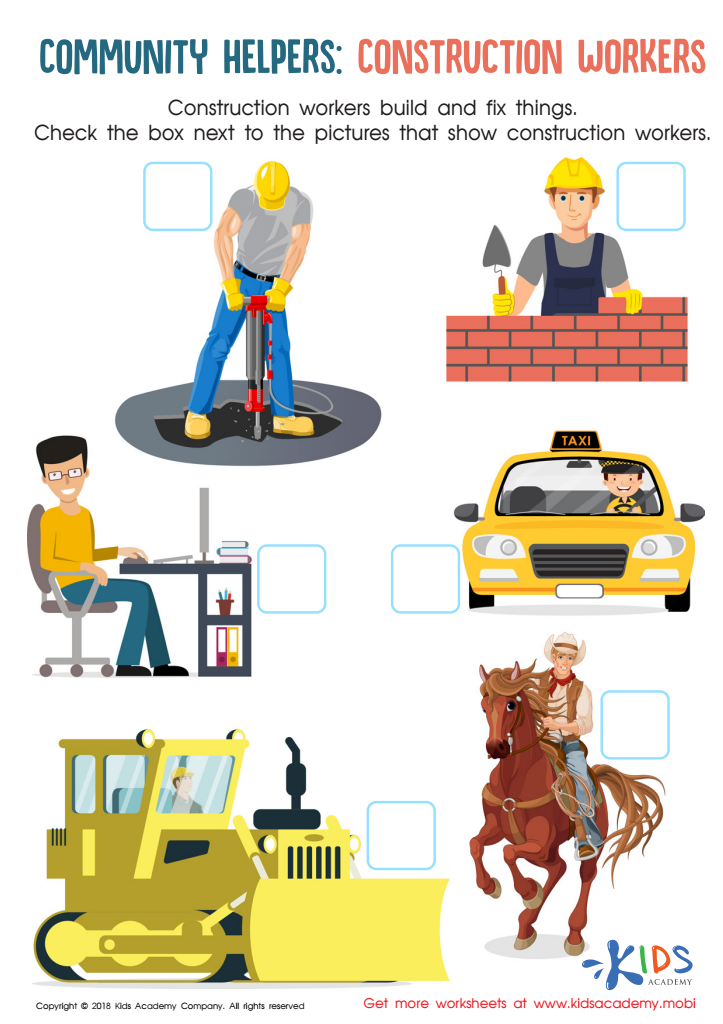
Construction Workers Community Helpers Worksheet
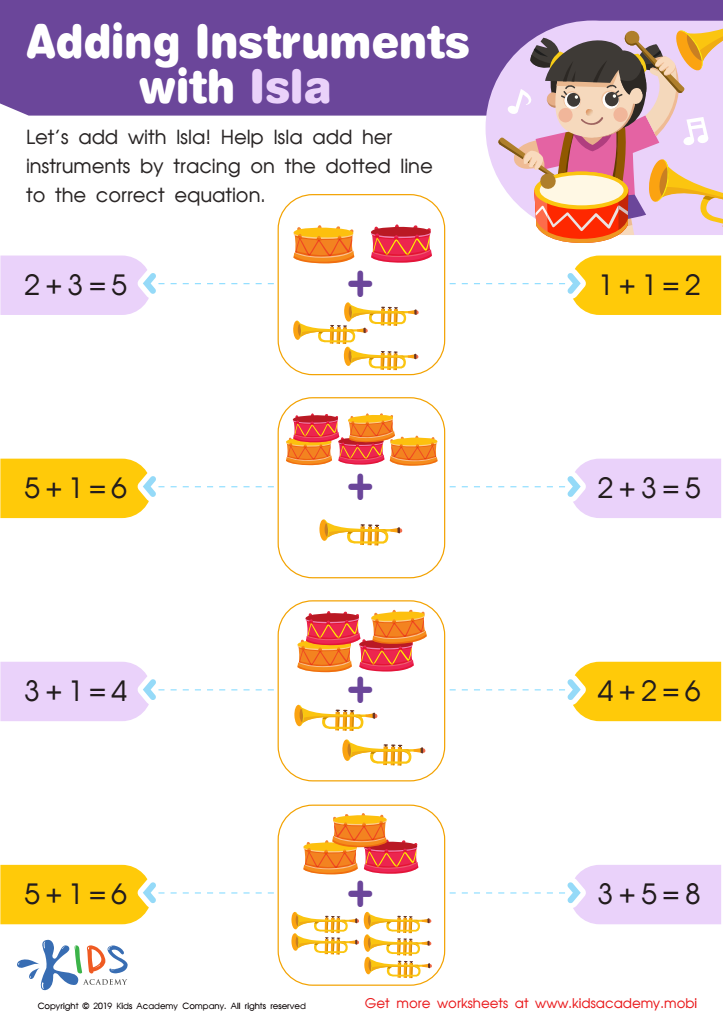
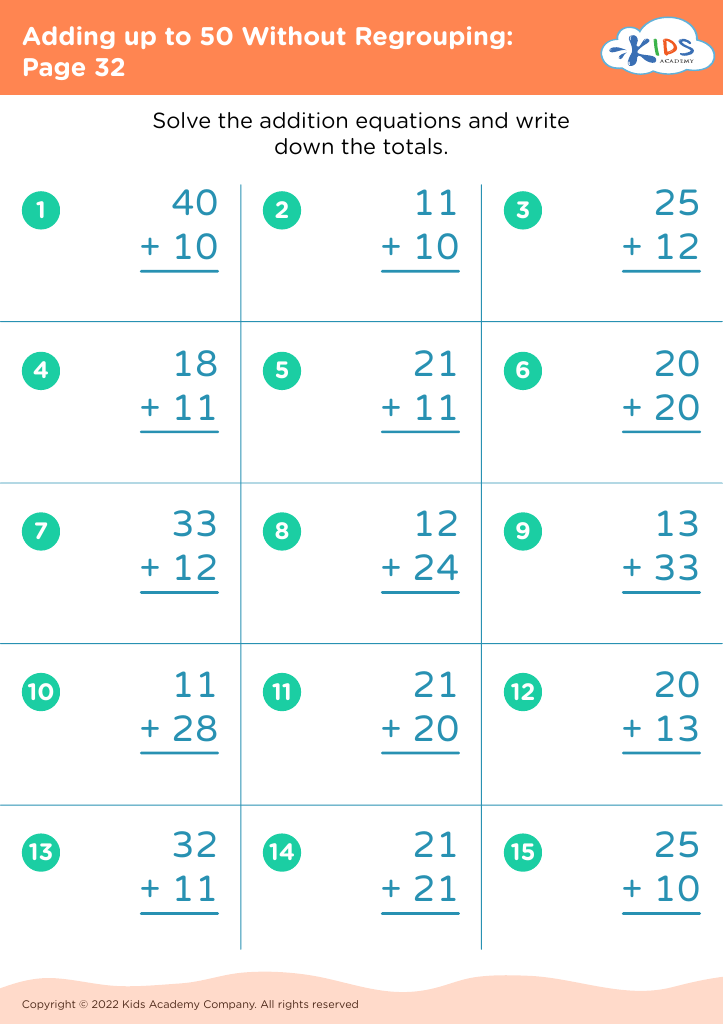
Adding Instruments with Isla Worksheet






Visual perception is a crucial skill for children aged 3-7, as it significantly impacts their overall development and learning capabilities. Parents and teachers should prioritize its improvement because it lays the foundation for essential tasks such as reading, writing, and problem-solving.
During these formative years, children learn to interpret, organize, and understand visual information, which is fundamental in navigating their environment and engaging in academic activities. Strong visual perception skills help children distinguish between similar shapes, recognize letters and numbers, and make sense of spatial relationships—all of which are vital for literacy and numeracy.
Moreover, improving visual perception can boost a child’s confidence and independence. Children with well-developed visual skills are more capable of completing tasks independently, participating in group activities, and enjoying hands-on learning experiences. This advancement can reduce frustration and promote a positive attitude toward learning.
Encouraging visual perception activities—such as puzzles, matching games, and visual arts—can enhance these skills in an engaging way. In essence, by focusing on visual perception improvement, parents and teachers are investing in children’s academic success, social interactions, and overall well-being, shaping them into confident lifelong learners.








