Problem-solving practice Addition & Subtraction Worksheets for Ages 3-7
20 filtered results
-
From - To
Discover a collection of engaging problem-solving practice worksheets focused on addition and subtraction, specially designed for children aged 3 to 7. These worksheets encourage young learners to develop critical thinking skills while building a strong foundation in mathematics. With colorful illustrations and age-appropriate problems, each worksheet makes learning fun and interactive. Children will learn how to tackle simple math problems through real-life scenarios, enhancing their problem-solving abilities and boosting their confidence. Perfect for classroom or home use, these resources provide endless opportunities for skill reinforcement. Help your child embark on a mathematical adventure with our practice worksheets today!
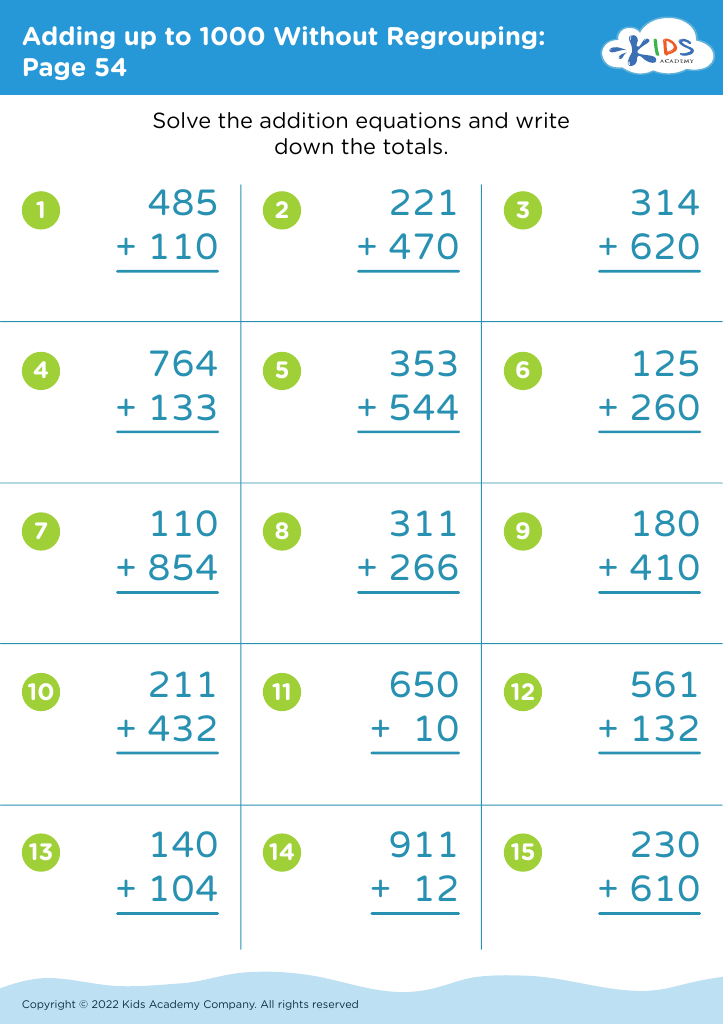
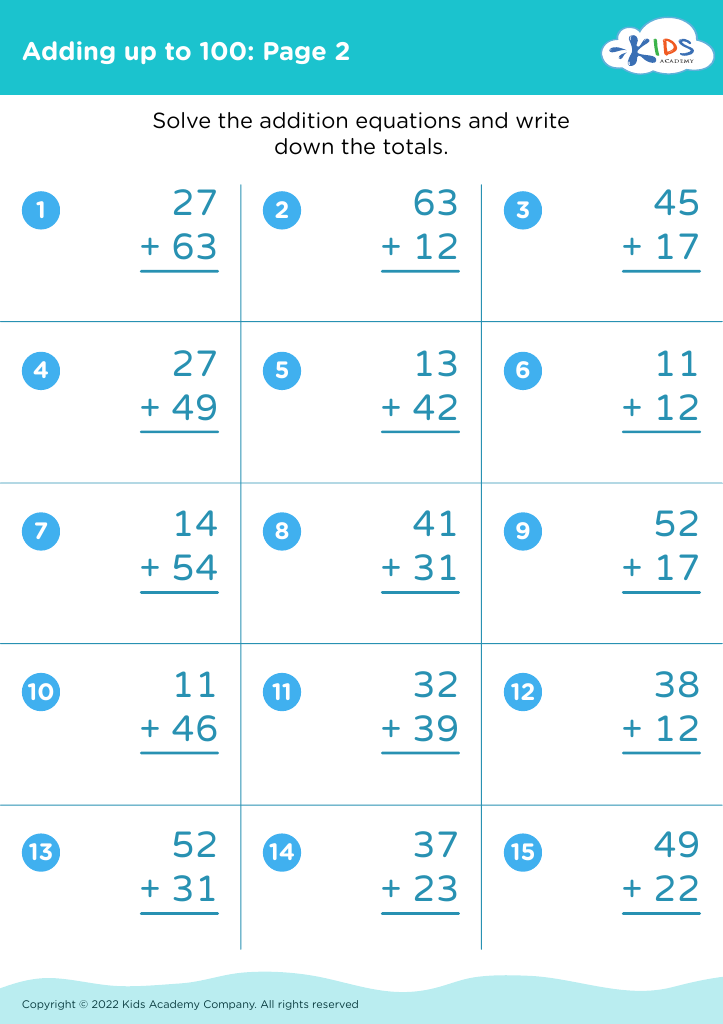
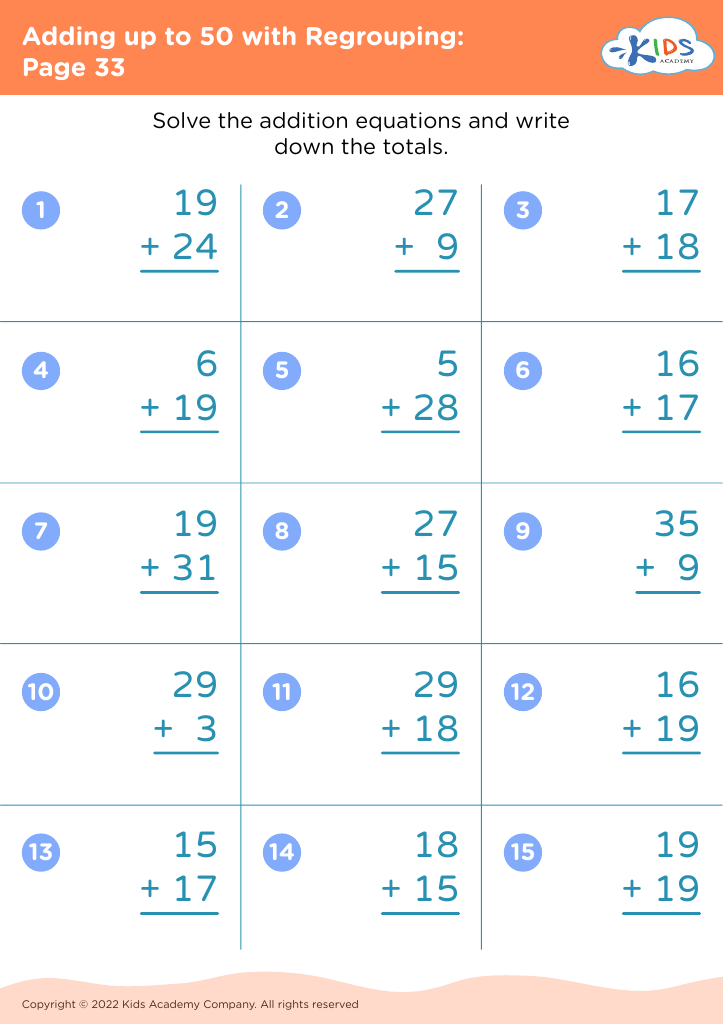
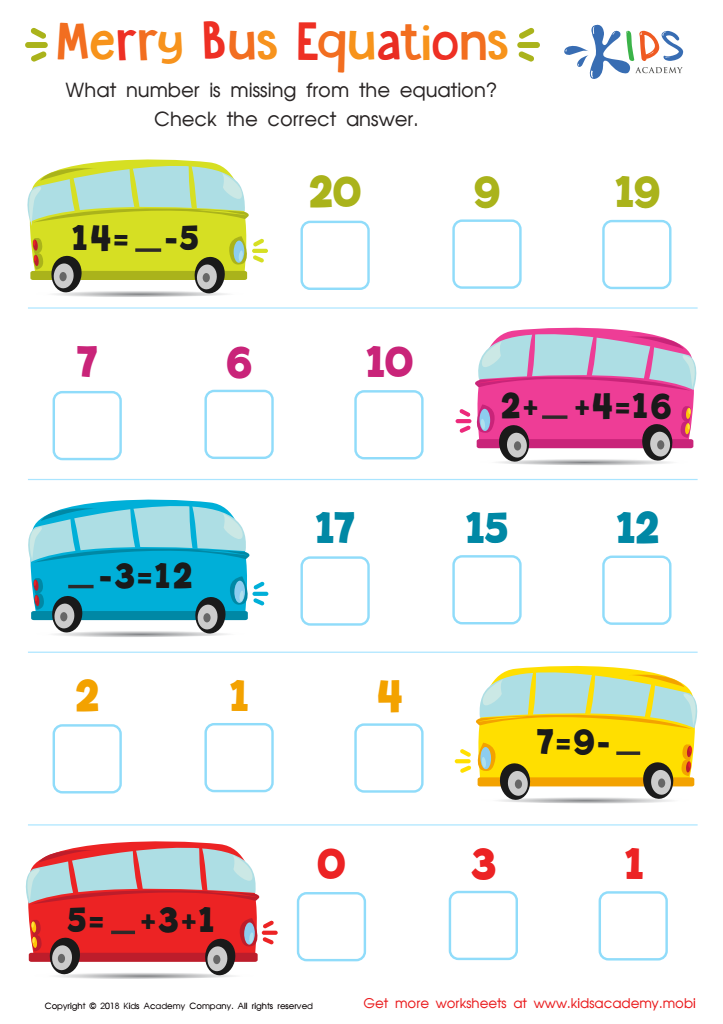
Merry Bus Equations Worksheet
 Assign to My Students
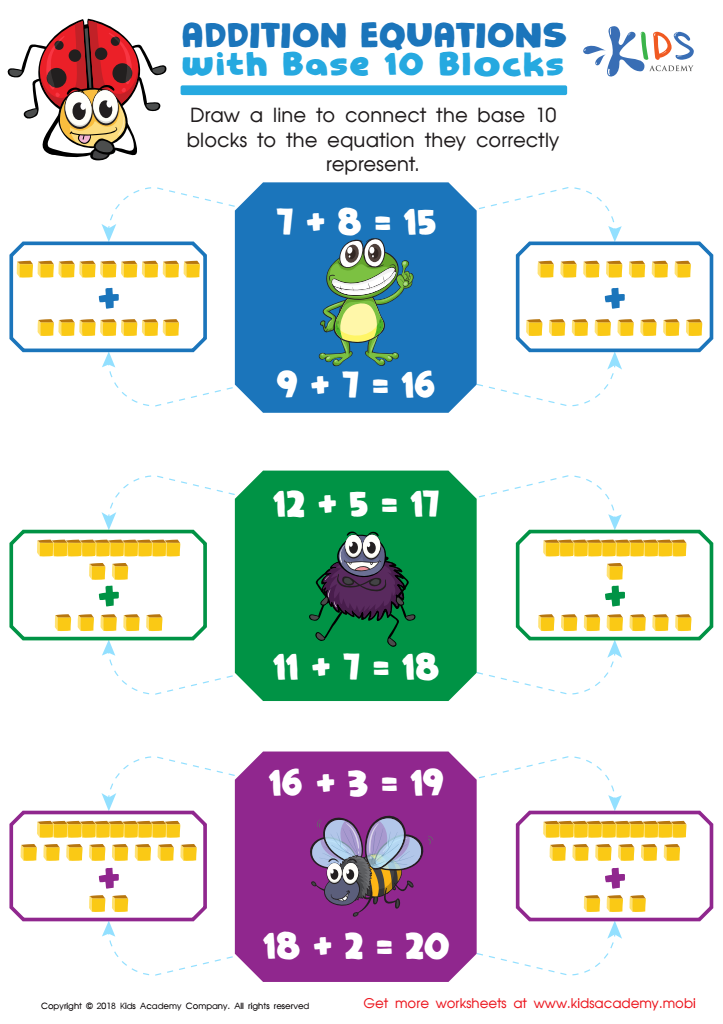
Addition Equations With Base 10 Blocks Worksheet
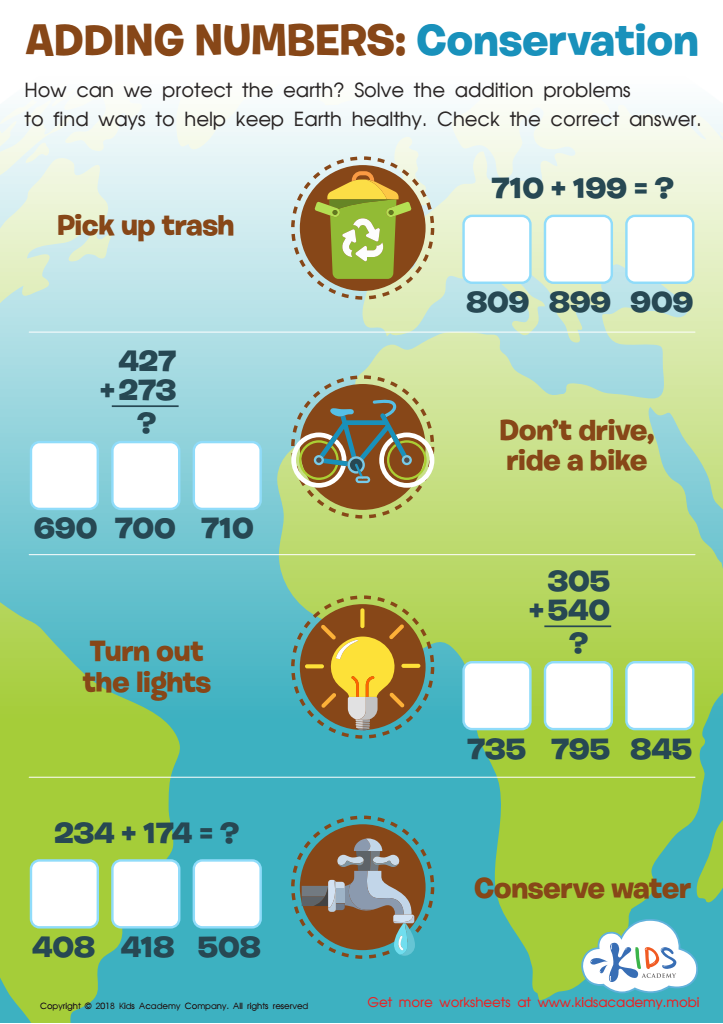
Adding Numbers: Conservation Worksheet
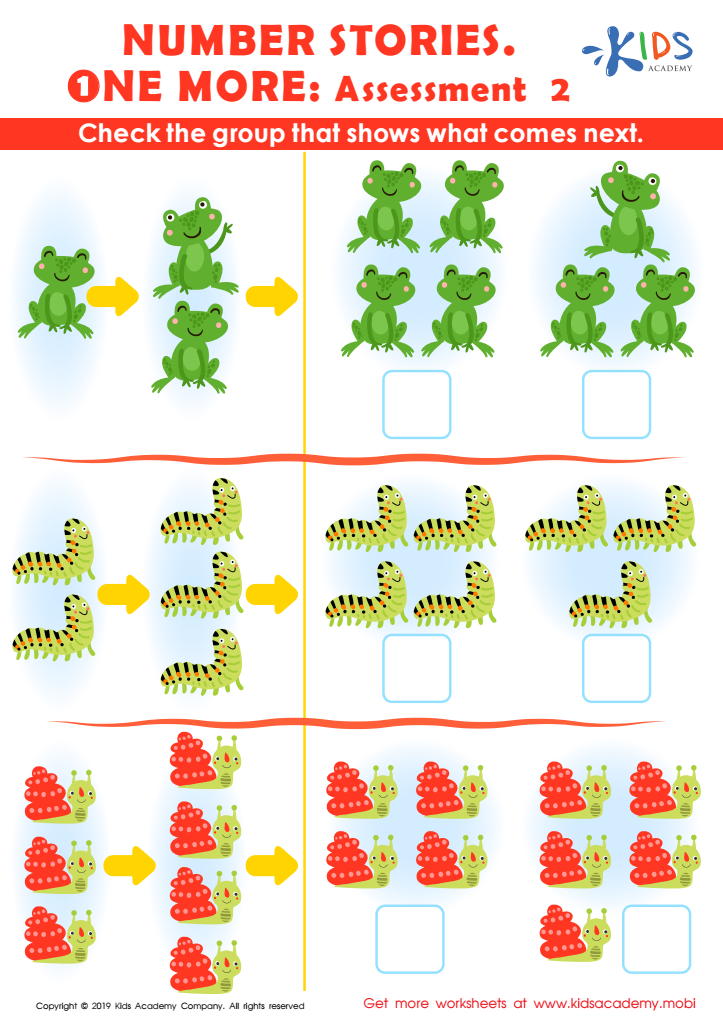
Number Stories One More – Assessment 2 Worksheet
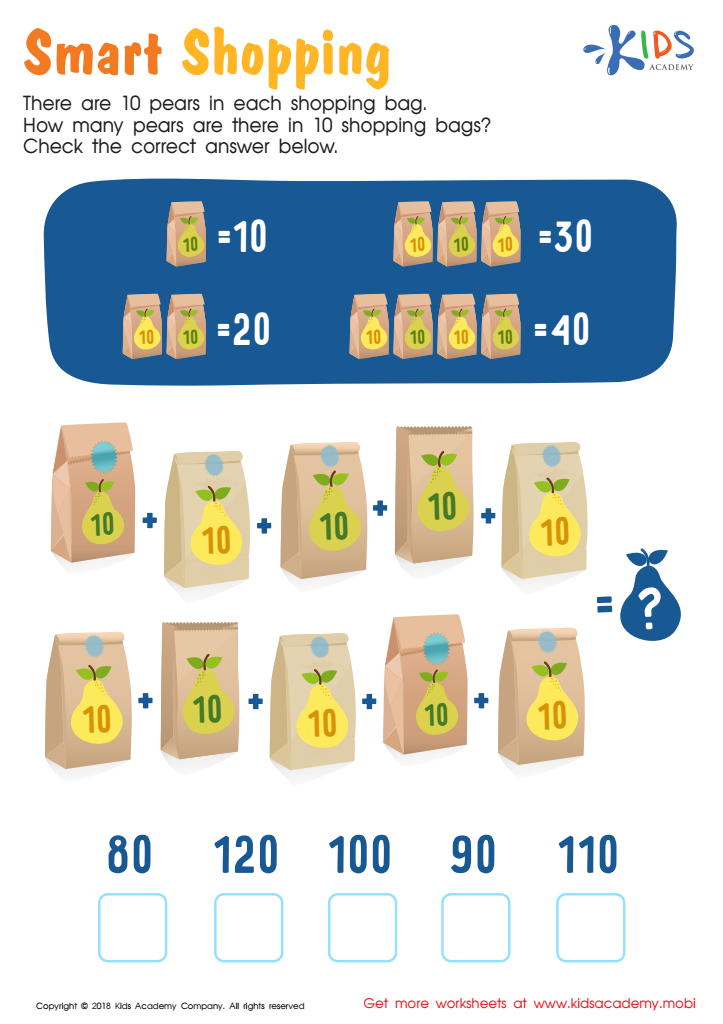
Smart Shopping: Trade Tens for a Hundred Worksheet
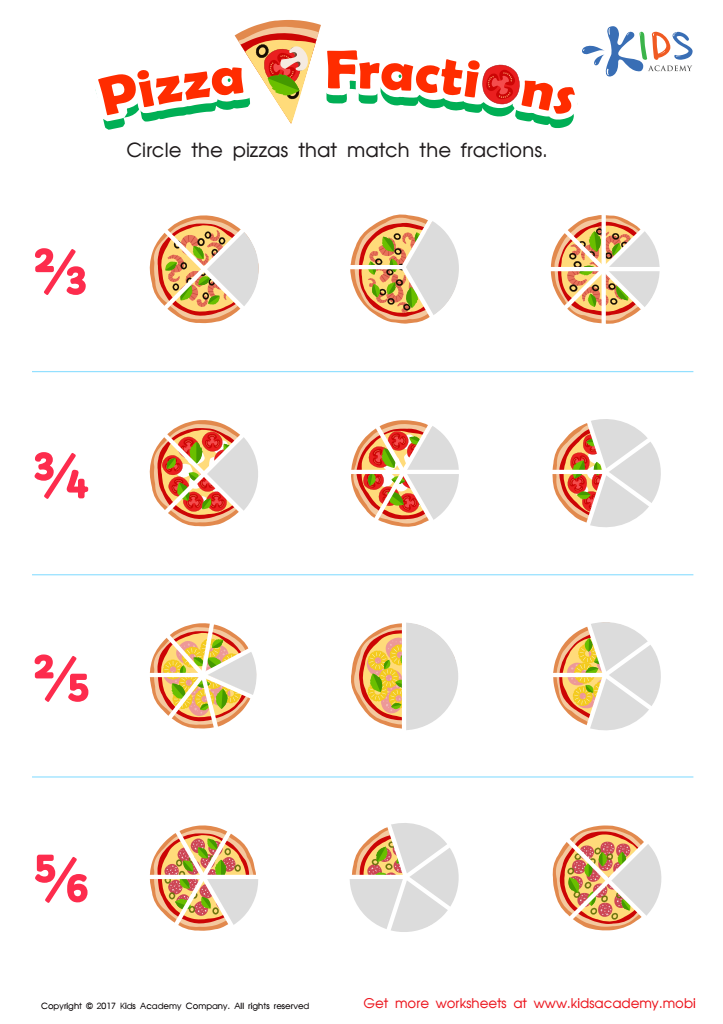
Fractions: Pizza Printable
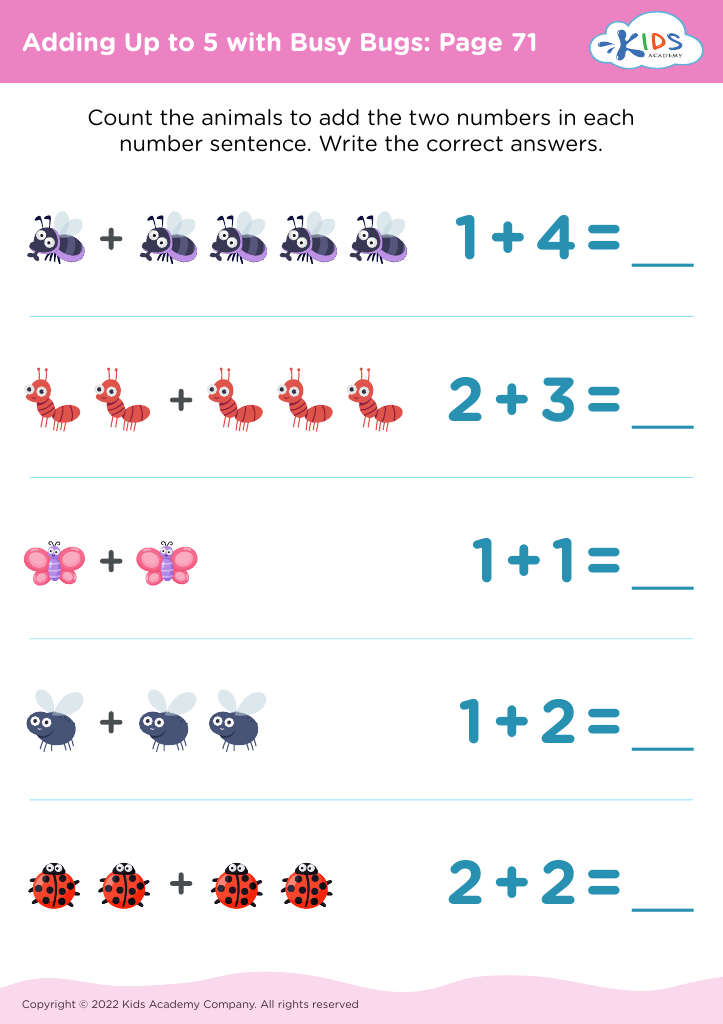
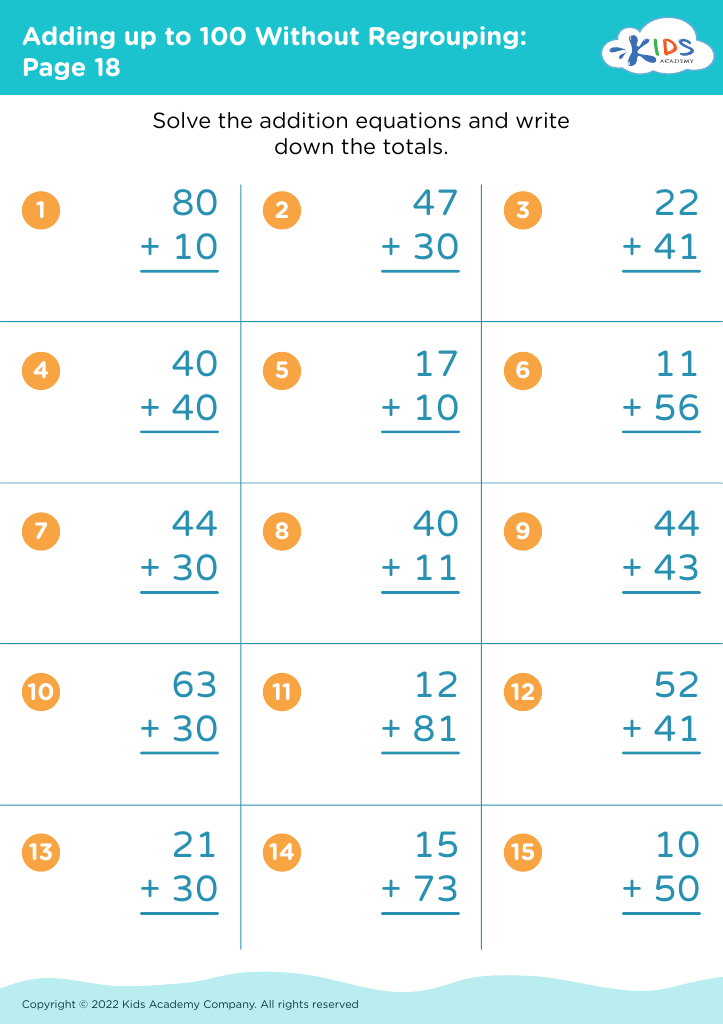
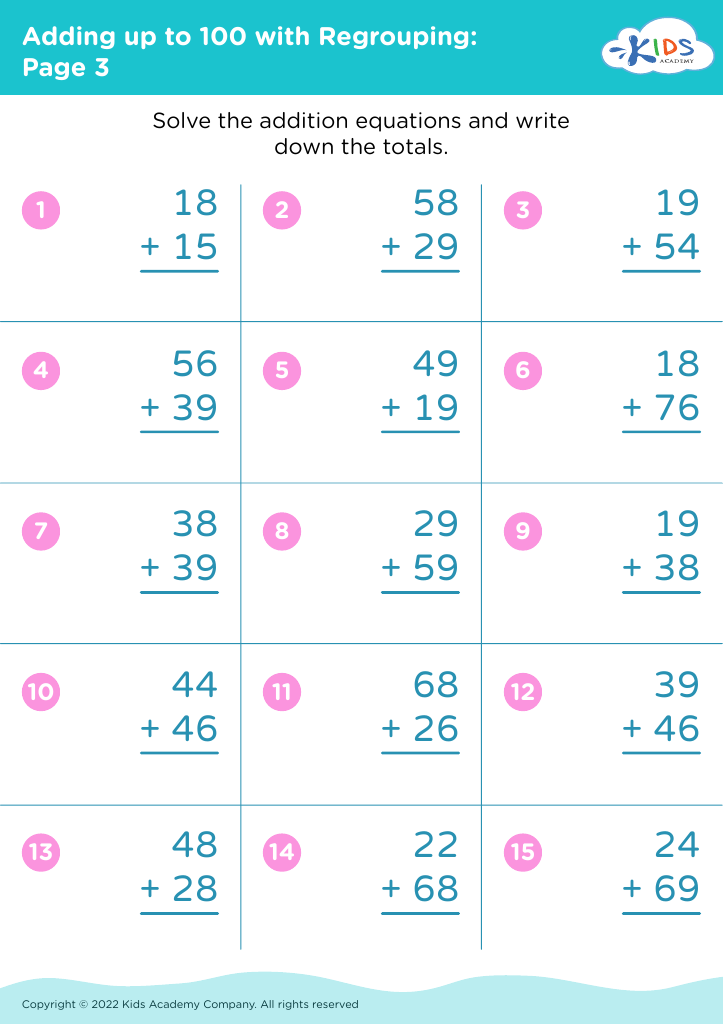
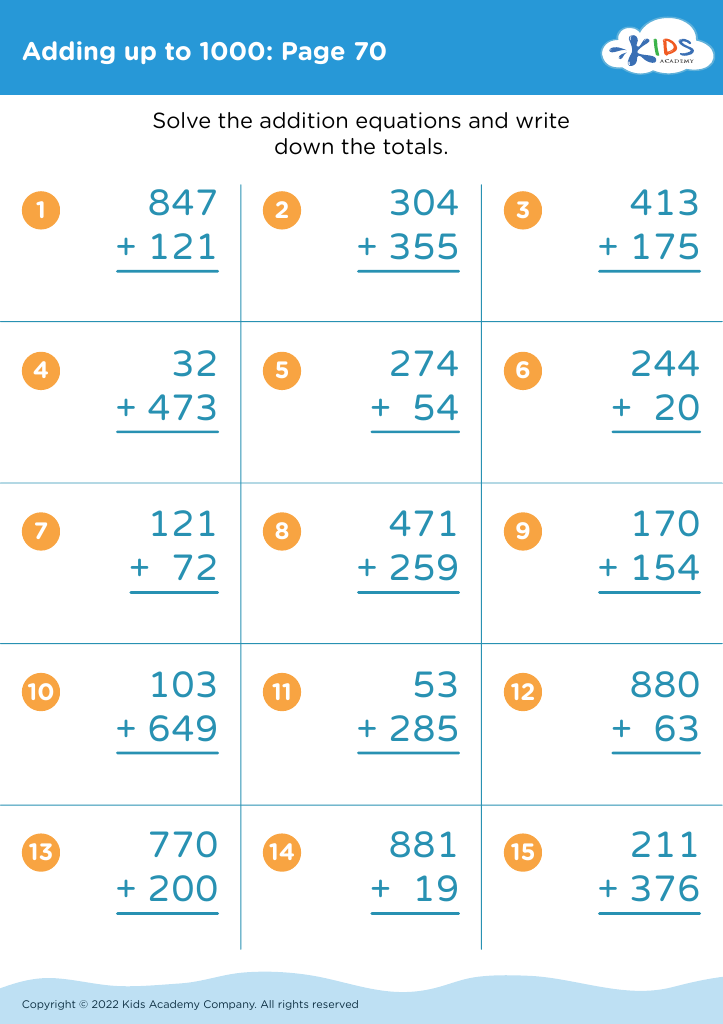
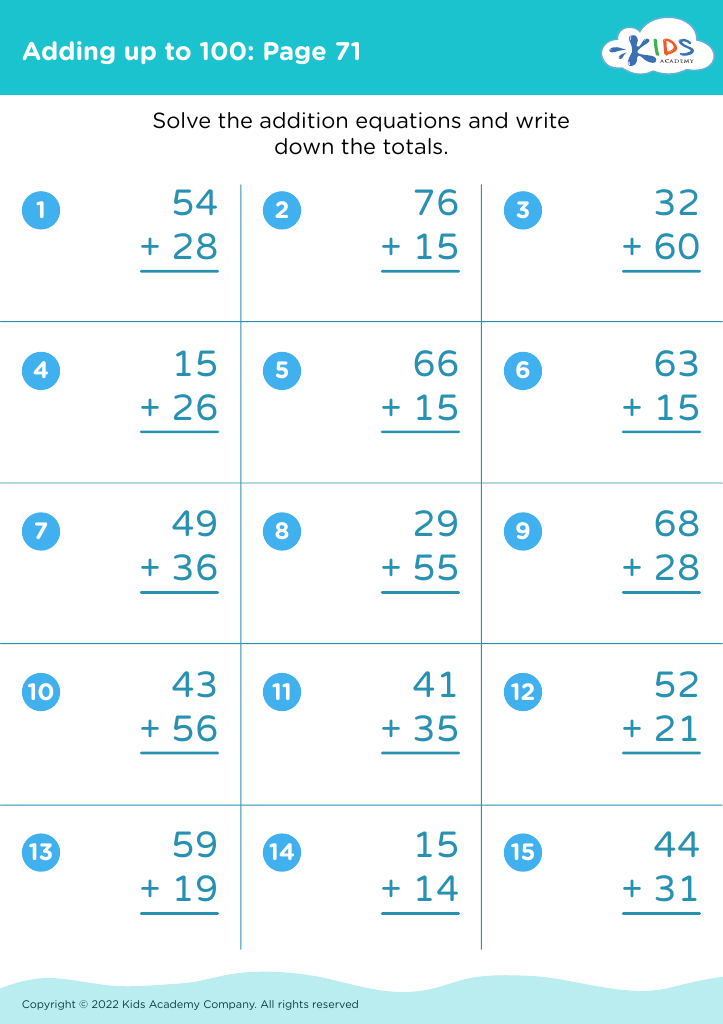
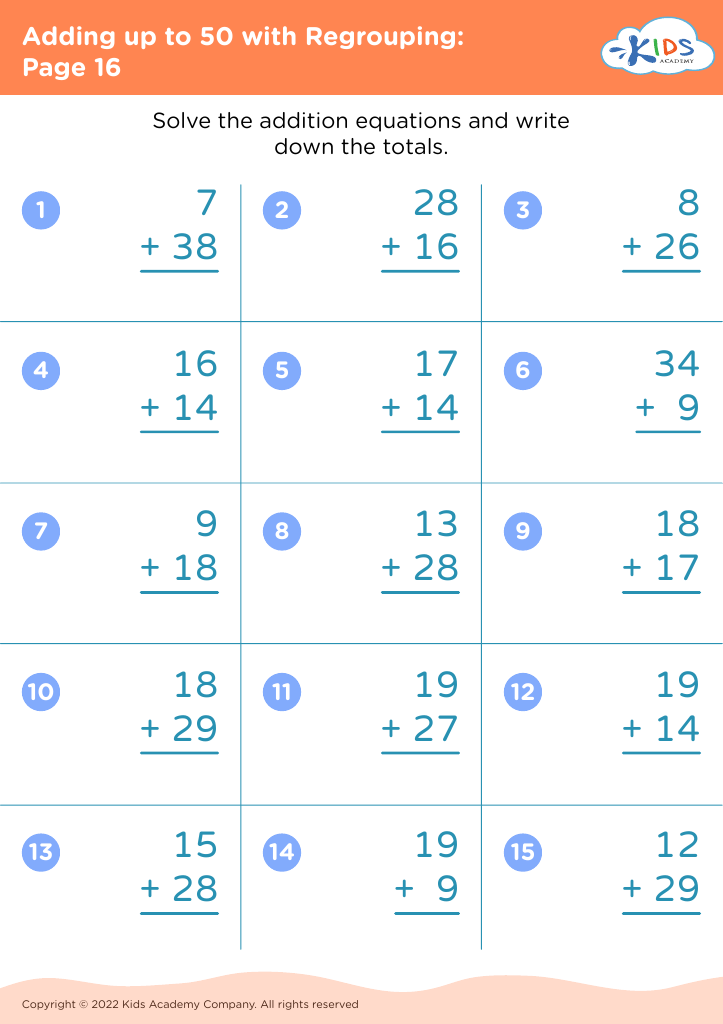
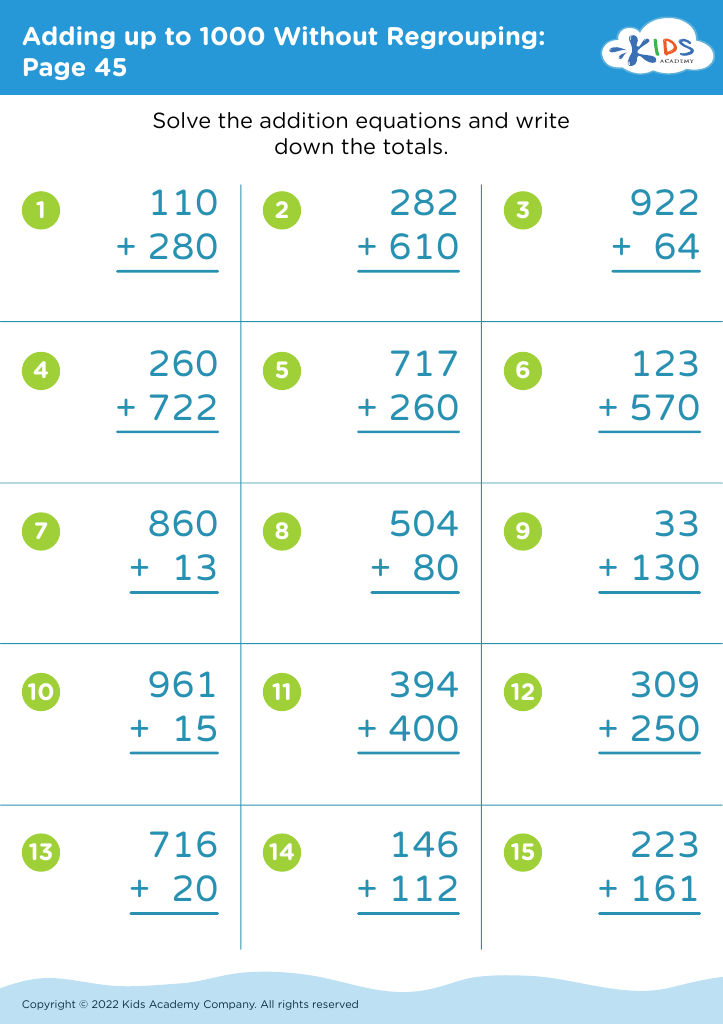








Parents and teachers should prioritize problem-solving practice in addition and subtraction for children aged 3-7 because it lays the foundation for essential mathematical skills and critical thinking. This age range is crucial for cognitive development, where children begin to understand numerical relationships and basic operations.
Engaging in problem-solving enhances a child’s analytical abilities, encouraging them to think critically about how to approach a situation or a question. By working through addition and subtraction challenges, children learn persistence, creativity, and resourcefulness, important skills that extend beyond math.
Moreover, early mastery of these concepts builds confidence. Children who feel competent in their mathematical abilities are more likely to embrace learning opportunities in the future, reducing math anxiety and promoting a positive attitude toward education.
Additionally, solving problems in context—such as through engaging stories or visual aids—enriches learning, making mathematics relevant and interesting for young learners. This interactive approach fosters collaboration, as children often engage with peers or mentors, reinforcing communication skills.
Finally, focusing on problem-solving prepares children for more complex mathematical concepts in the future, ensuring they have a solid groundwork to tackle challenges as they advance in their education. Overall, facilitating this practice contributes to a well-rounded and enriching learning experience.








