Filters

1235 filtered results

Clear all filters
Favorites
With answer key
Interactive

1235 filtered results

Difficulty Level

Grade


Subject

    Check out this FREE Trial Lesson on Addition for age 3-7!

    P

    Favorites
    With answer key
    Interactive
    • 3-7
    • Addition
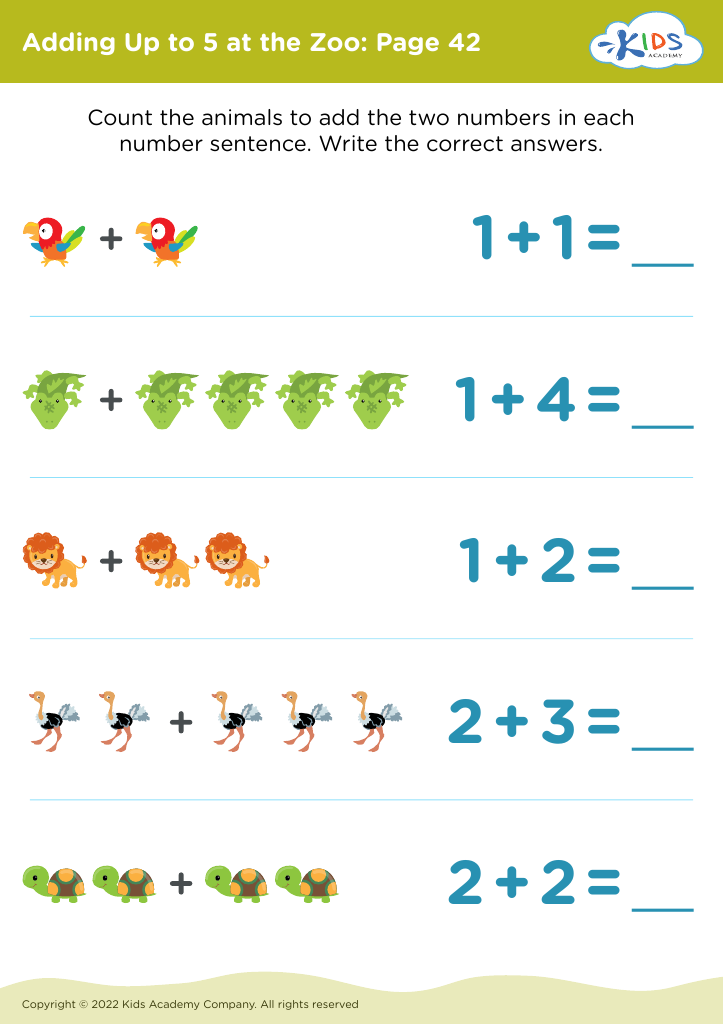
    Adding Up to 5 at the Zoo: Page 42
    Adding Up to 5 at the Zoo: Page 42
    Adding Up to 5 at the Zoo: Page 42
    Worksheet
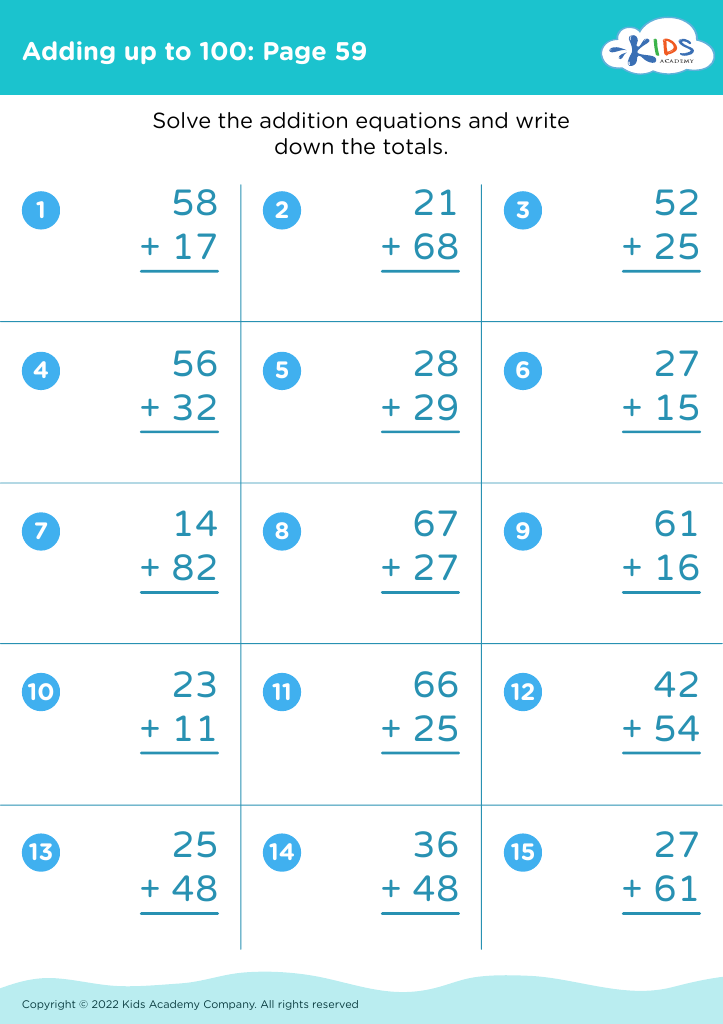
    Adding up to 100: Page 59
    Adding up to 100: Page 59

    Adding up to 100: Page 59

    Adding up to 100: Page 59
    Worksheet
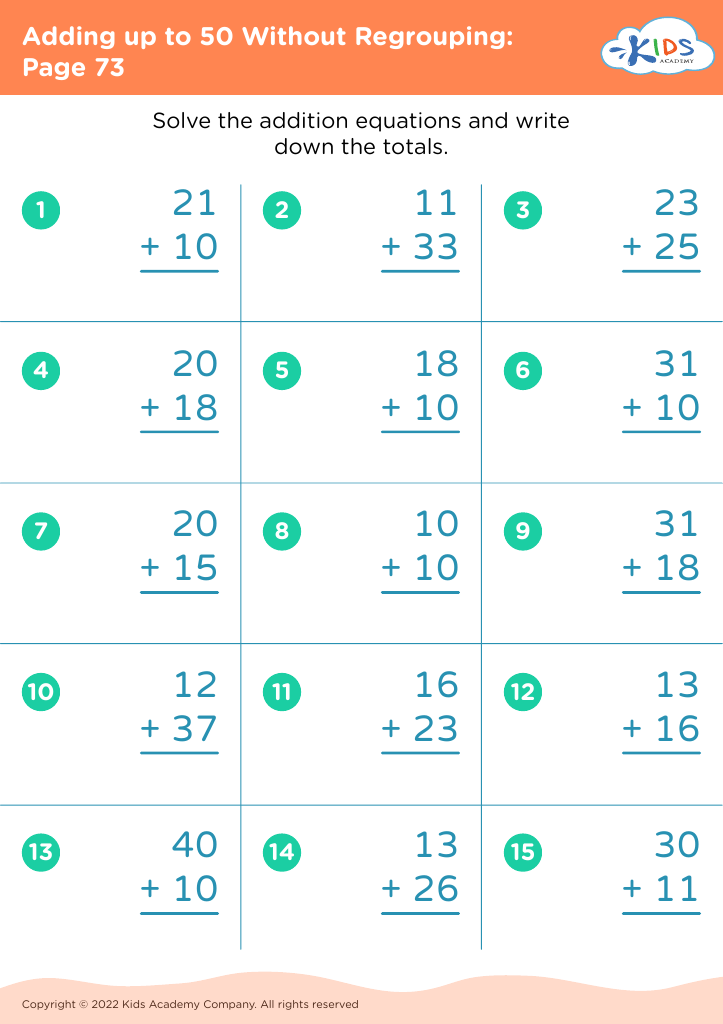
    Adding up to 50 Without Regrouping: Page 73
    Adding up to 50 Without Regrouping: Page 73
    Adding up to 50 Without Regrouping: Page 73
    Worksheet
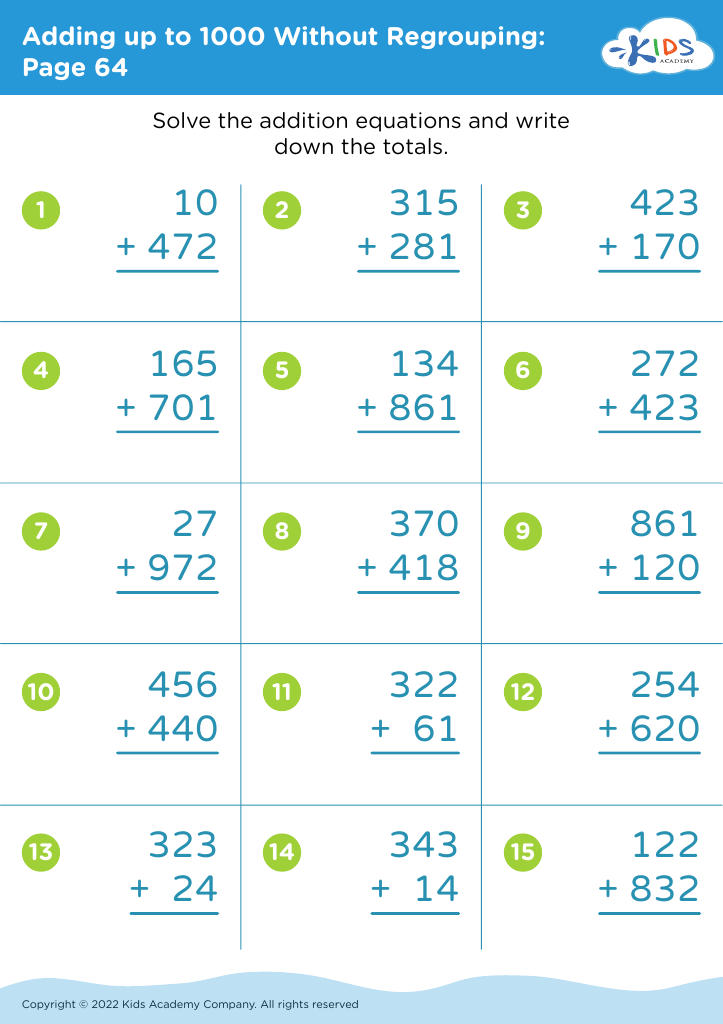
    Adding up to 1000 Without Regrouping: Page 64
    Adding up to 1000 Without Regrouping: Page 64
    Adding up to 1000 Without Regrouping: Page 64
    Worksheet
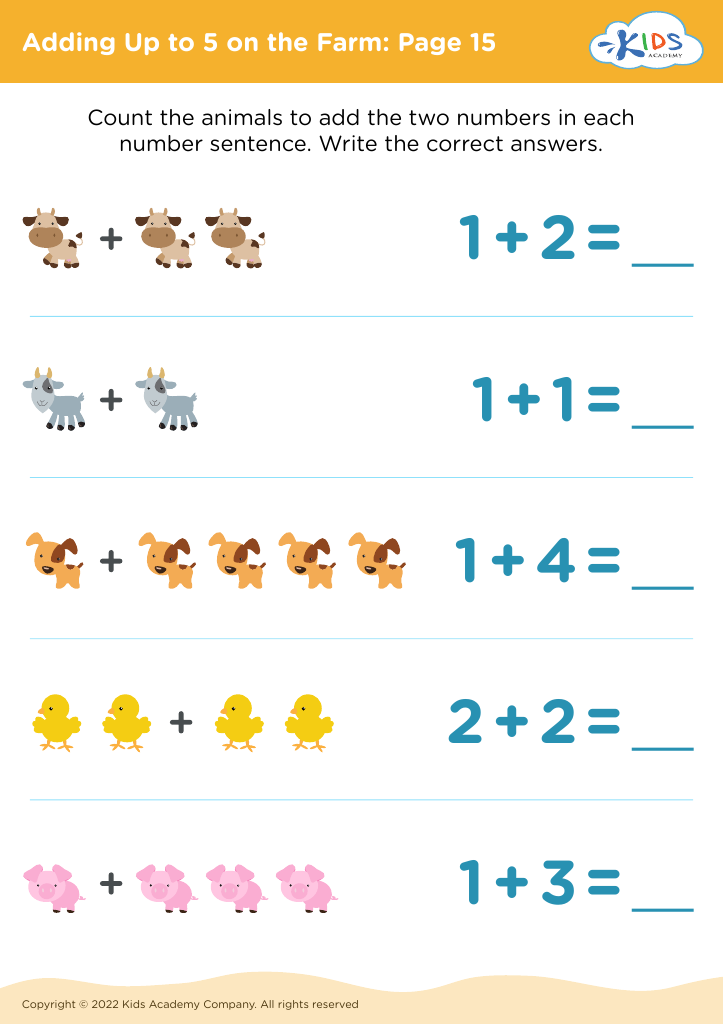
    Adding Up to 5 on the Farm: Page 15
    Adding Up to 5 on the Farm: Page 15
    Adding Up to 5 on the Farm: Page 15
    Worksheet
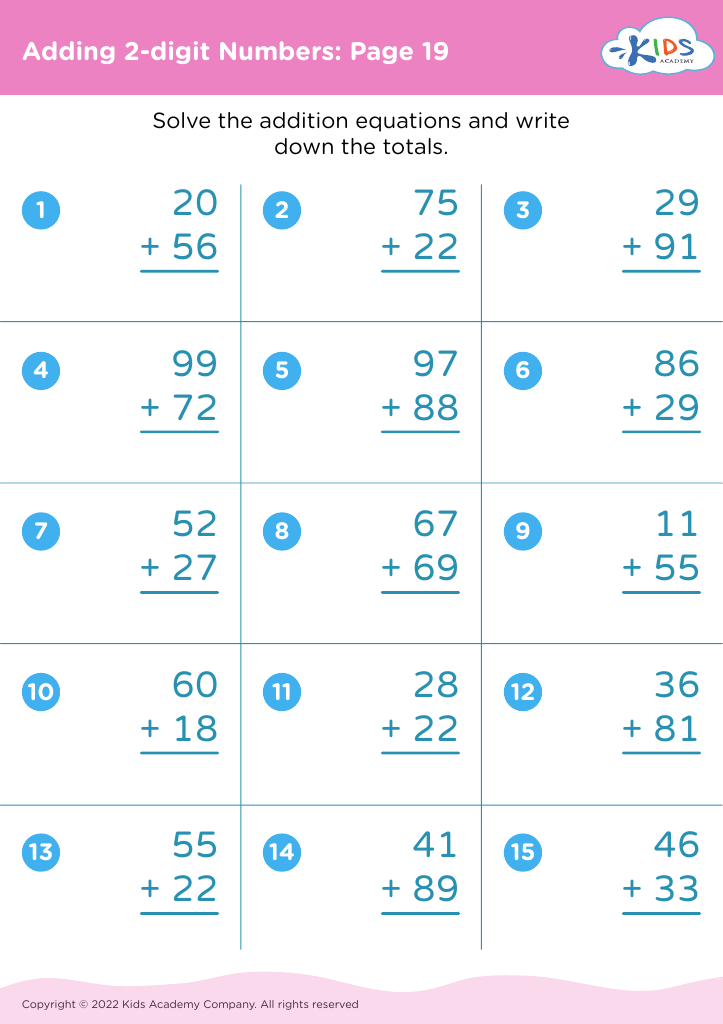
    Adding 2-digit Numbers: Page 19
    Adding 2-digit Numbers: Page 19

    Adding 2-digit Numbers: Page 19

    Adding 2-digit Numbers: Page 19
    Worksheet
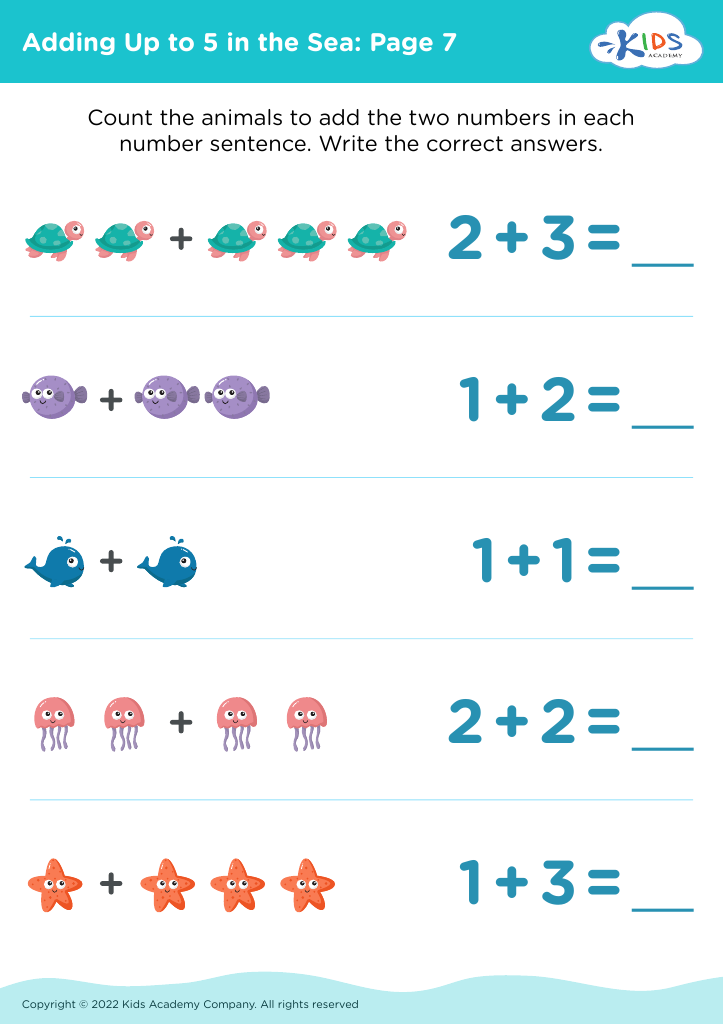
    Adding Up to 5 in the Sea: Page 7
    Adding Up to 5 in the Sea: Page 7

    Adding Up to 5 in the Sea: Page 7

    Adding Up to 5 in the Sea: Page 7
    Worksheet
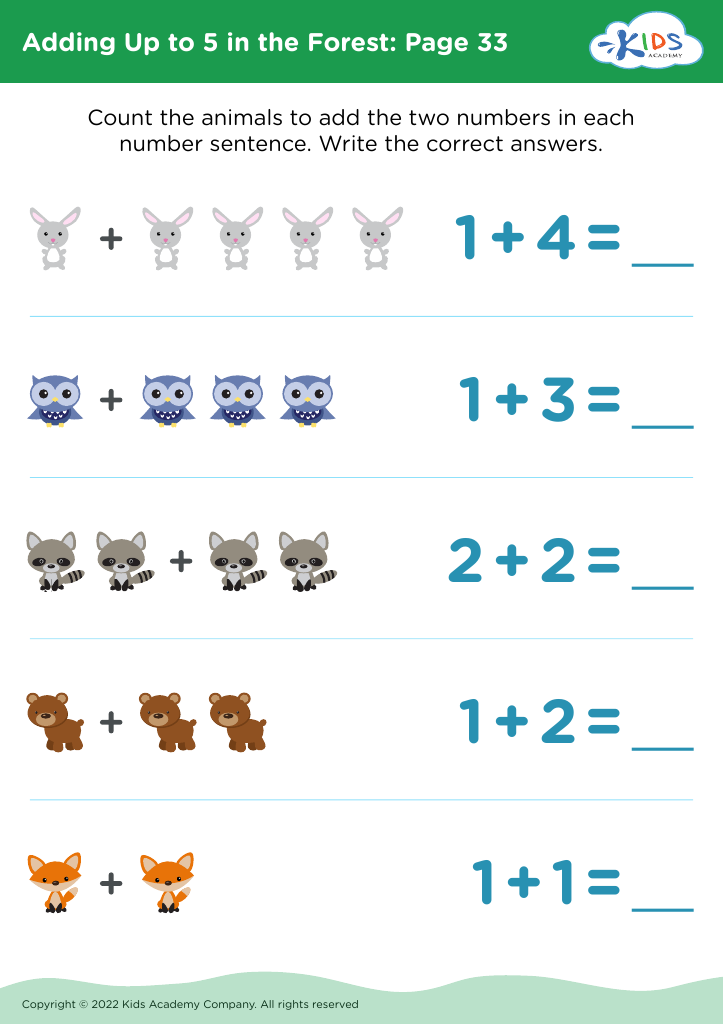
    Adding Up to 5 in the Forest: Page 33
    Adding Up to 5 in the Forest: Page 33
    Adding Up to 5 in the Forest: Page 33
    Worksheet
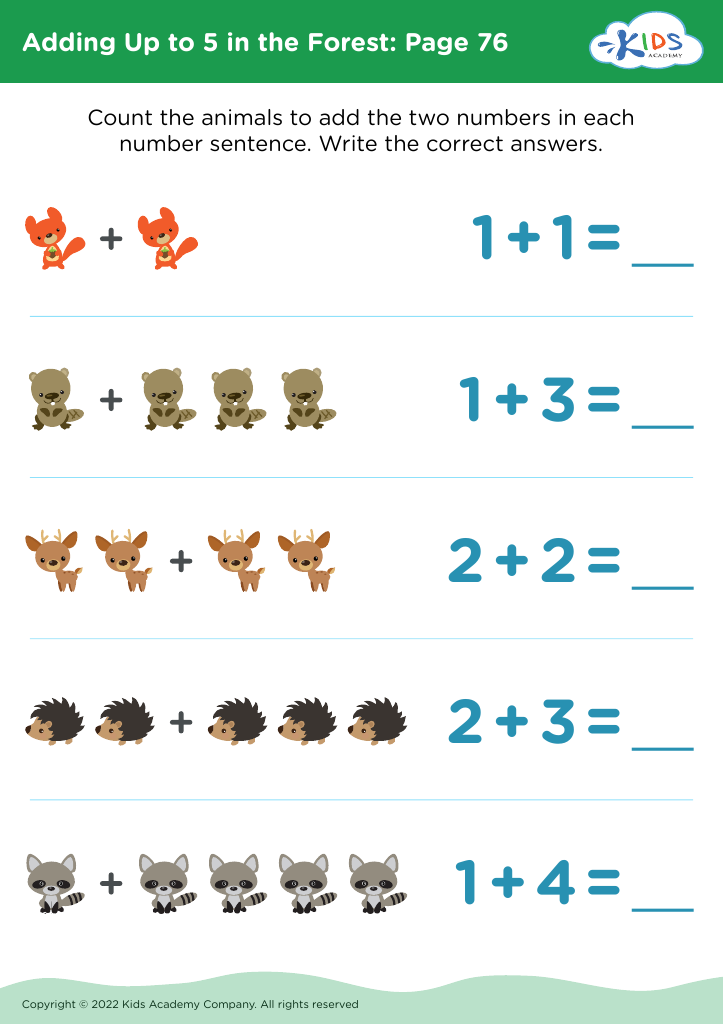
    Adding Up to 5 in the Forest: Page 76
    Adding Up to 5 in the Forest: Page 76
    Adding Up to 5 in the Forest: Page 76
    Worksheet
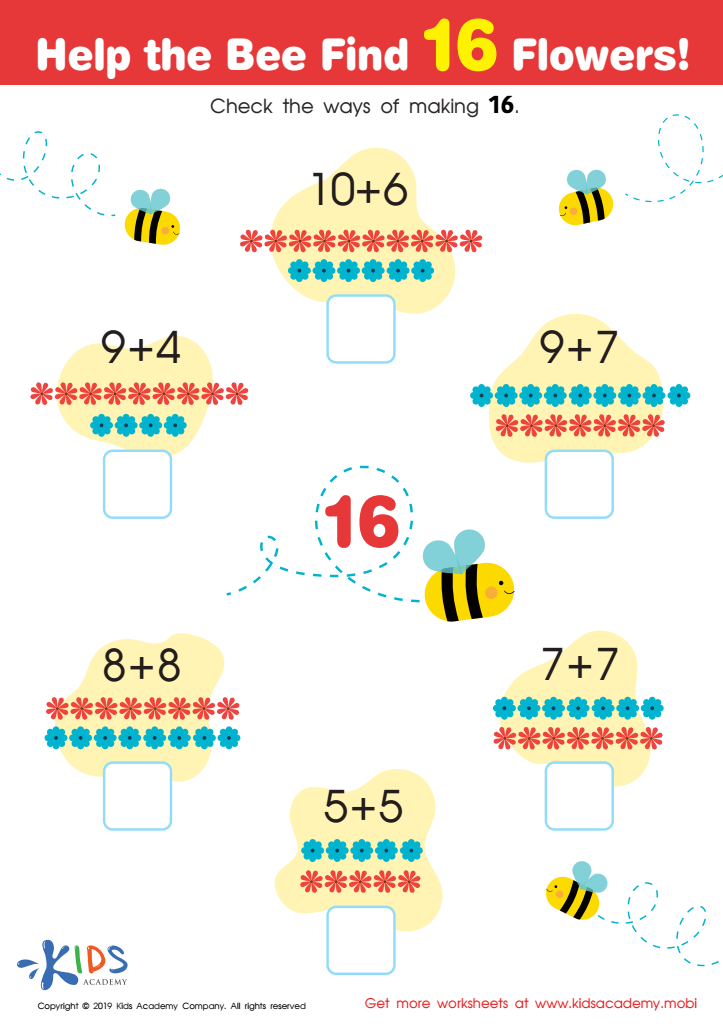
    Help the Bee Find 16 Flowers Worksheet
    Help the Bee Find 16 Flowers Worksheet

    Help the Bee Find 16 Flowers Worksheet

    Ask your students to count as high as they can. Show them that different numbers can equal the same figure with examples like 2+2=4 and 3+1=4. Ask for more examples, then help the bees find 16 flowers by checking the ways of making 16.
    Help the Bee Find 16 Flowers Worksheet
    Worksheet
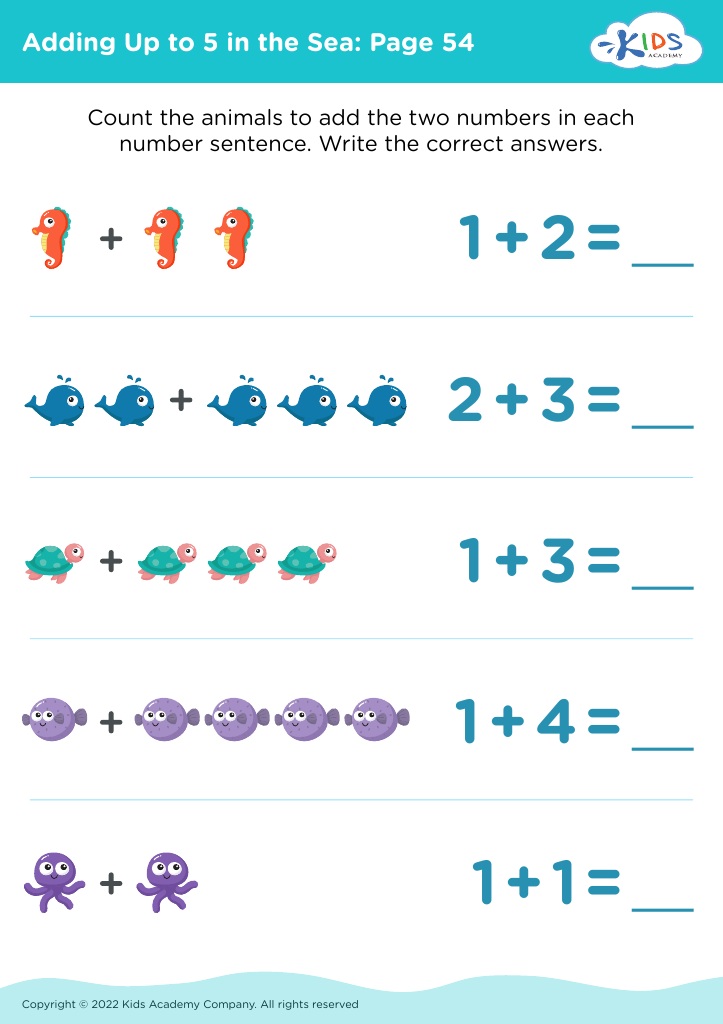
    Adding Up to 5 in the Sea: Page 54
    Adding Up to 5 in the Sea: Page 54
    Adding Up to 5 in the Sea: Page 54
    Worksheet
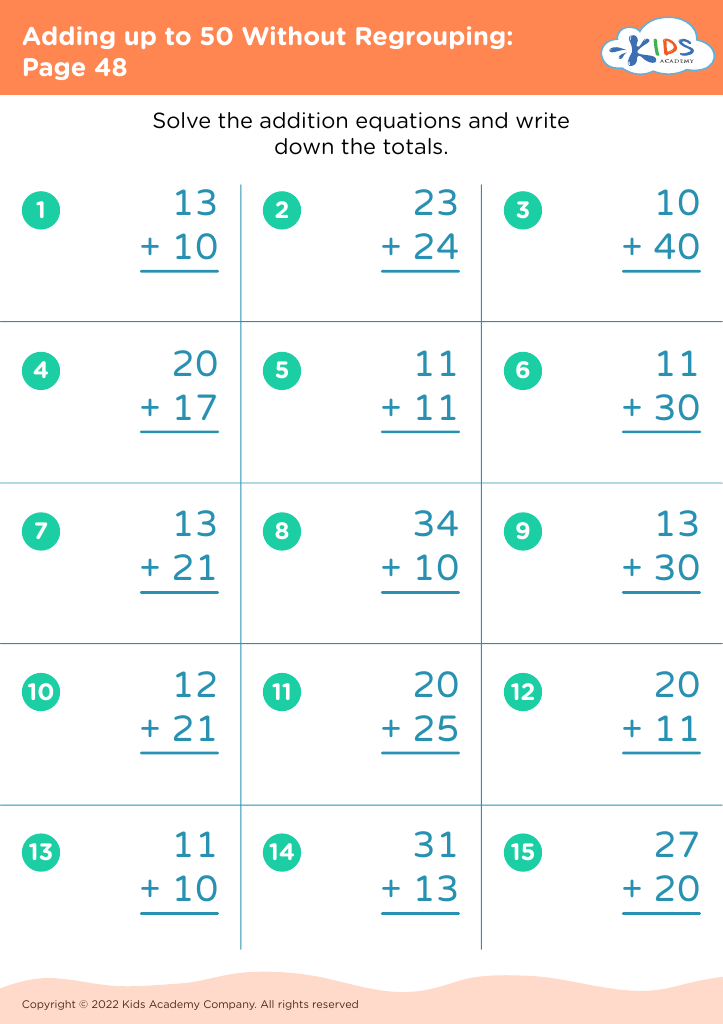
    Adding up to 50 Without Regrouping: Page 48
    Adding up to 50 Without Regrouping: Page 48
    Adding up to 50 Without Regrouping: Page 48
    Worksheet
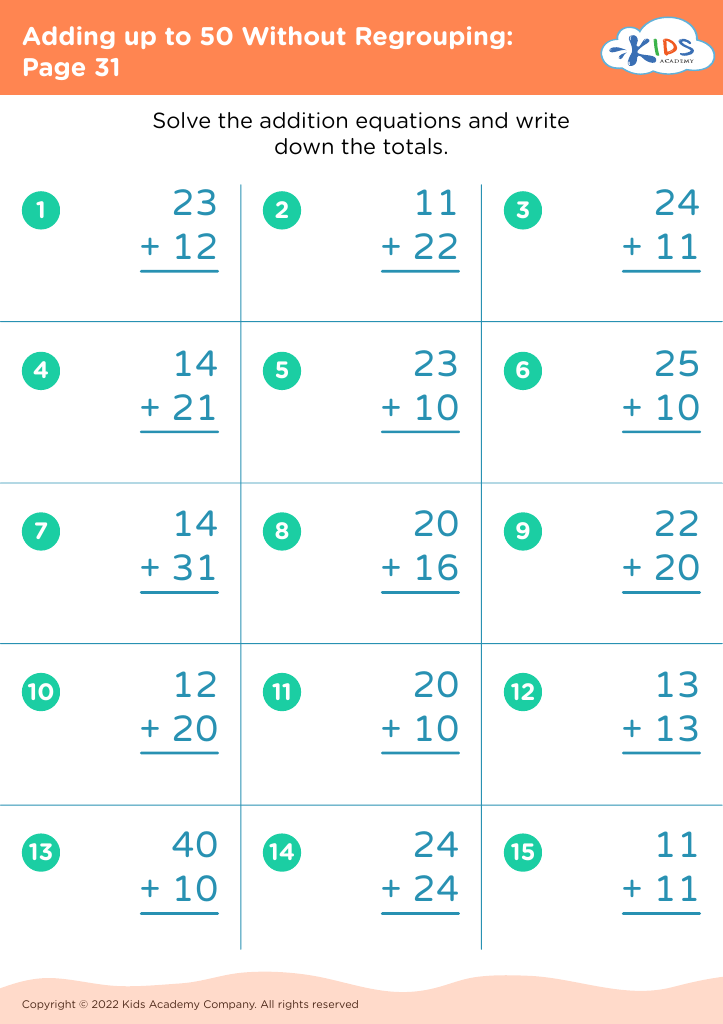
    Adding up to 50 Without Regrouping: Page 31
    Adding up to 50 Without Regrouping: Page 31
    Adding up to 50 Without Regrouping: Page 31
    Worksheet
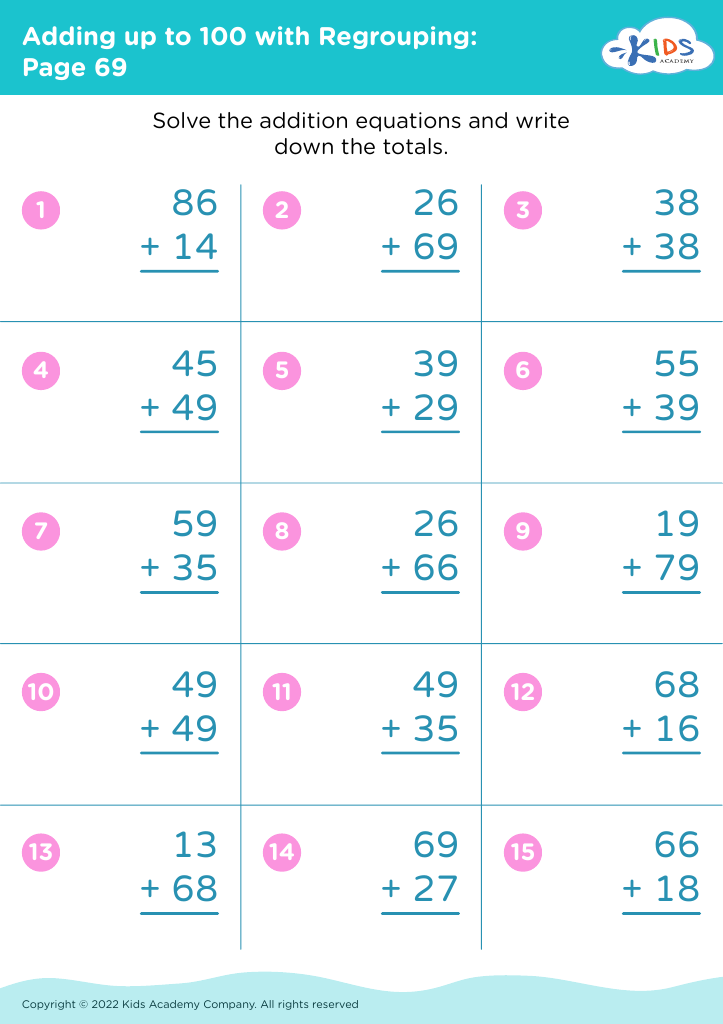
    Adding up to 100 with Regrouping: Page 69
    Adding up to 100 with Regrouping: Page 69
    Adding up to 100 with Regrouping: Page 69
    Worksheet
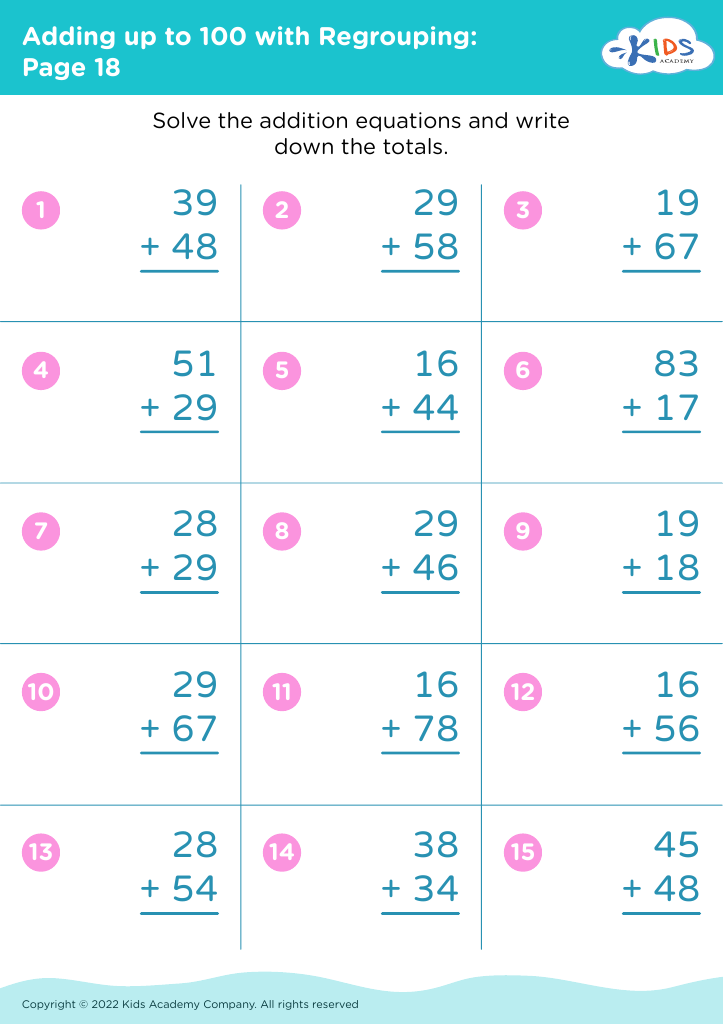
    Adding up to 100 with Regrouping: Page 18
    Adding up to 100 with Regrouping: Page 18
    Adding up to 100 with Regrouping: Page 18
    Worksheet
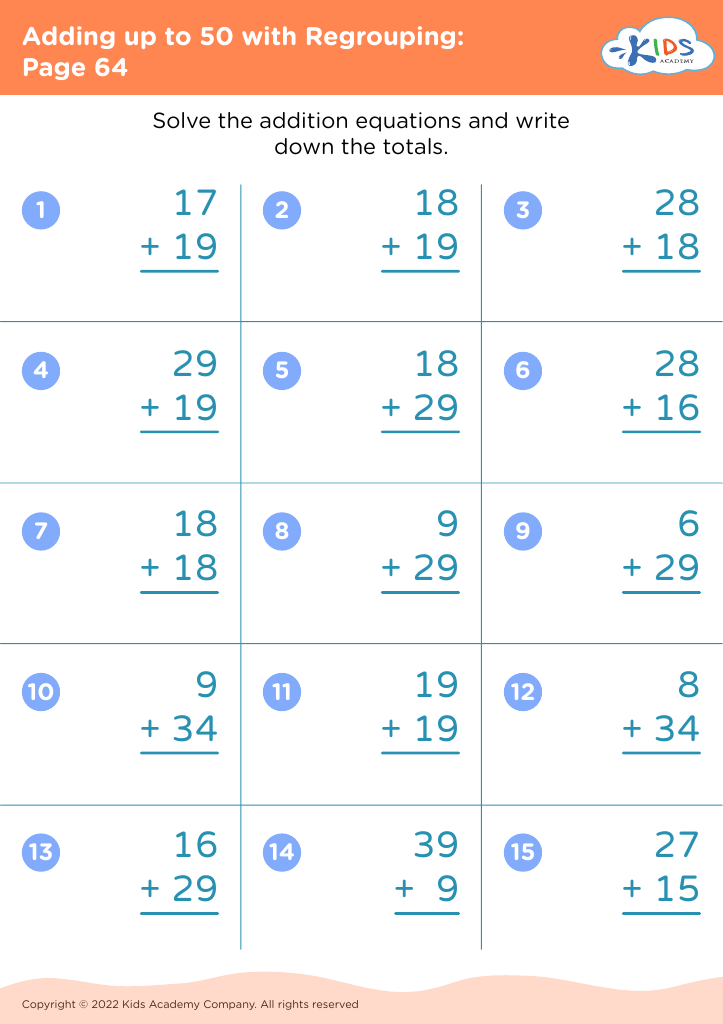
    Adding up to 50 with Regrouping: Page 64
    Adding up to 50 with Regrouping: Page 64
    Adding up to 50 with Regrouping: Page 64
    Worksheet
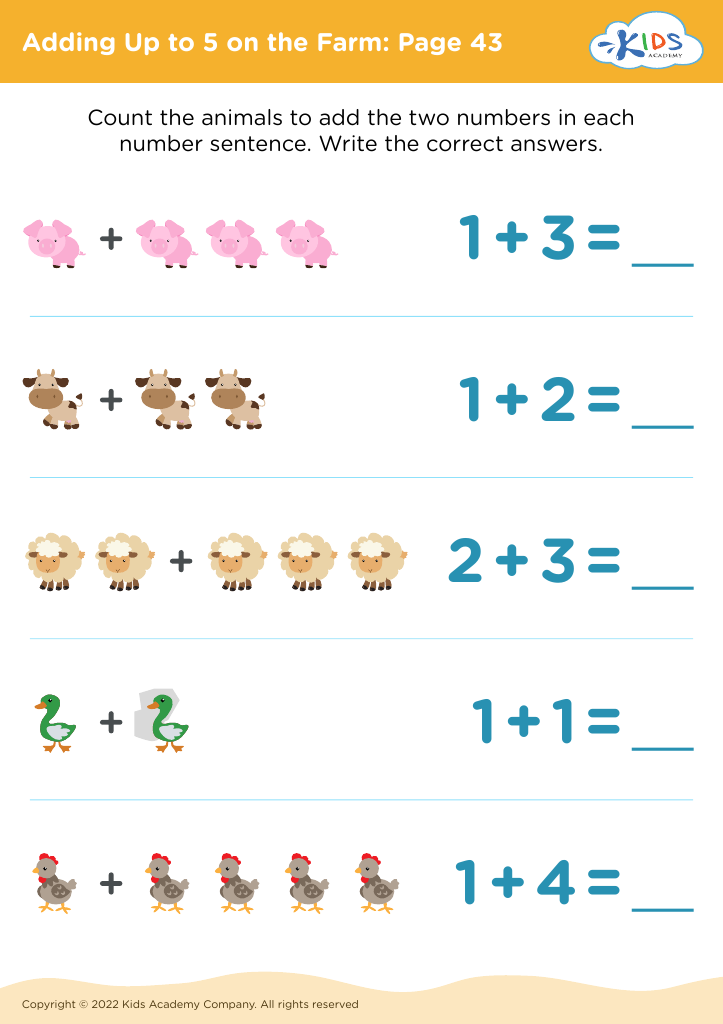
    Adding Up to 5 on the Farm: Page 43
    Adding Up to 5 on the Farm: Page 43
    Adding Up to 5 on the Farm: Page 43
    Worksheet
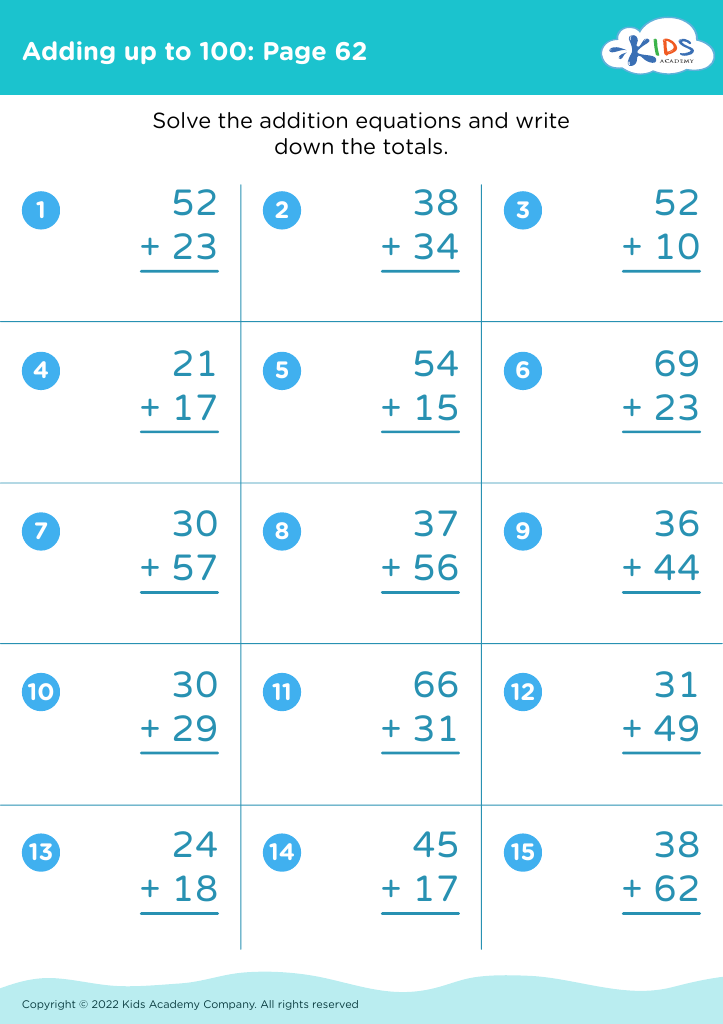
    Adding up to 100: Page 62
    Adding up to 100: Page 62

    Adding up to 100: Page 62

    Adding up to 100: Page 62
    Worksheet
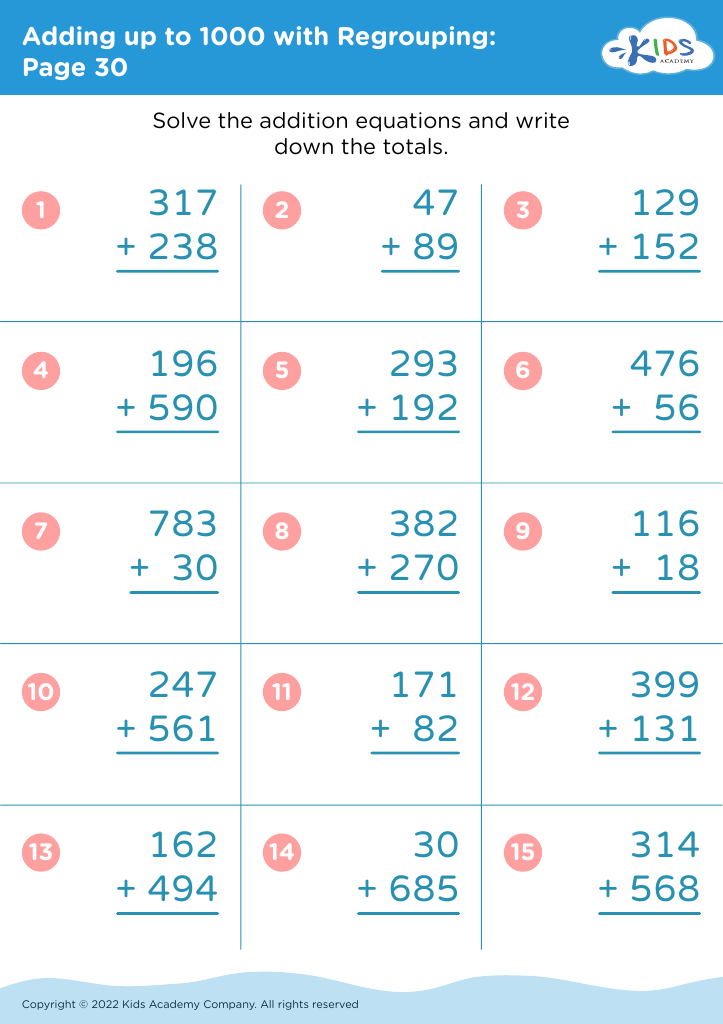
    Adding up to 1000 with Regrouping: Page 30
    Adding up to 1000 with Regrouping: Page 30
    Adding up to 1000 with Regrouping: Page 30
    Worksheet
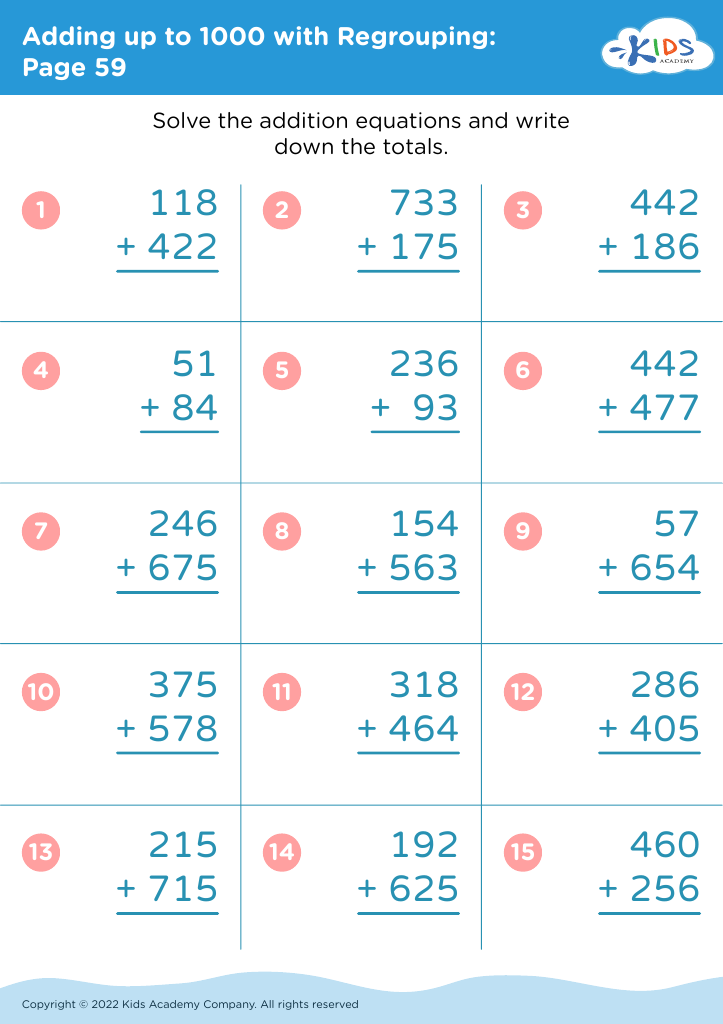
    Adding up to 1000 with Regrouping: Page 59
    Adding up to 1000 with Regrouping: Page 59
    Adding up to 1000 with Regrouping: Page 59
    Worksheet
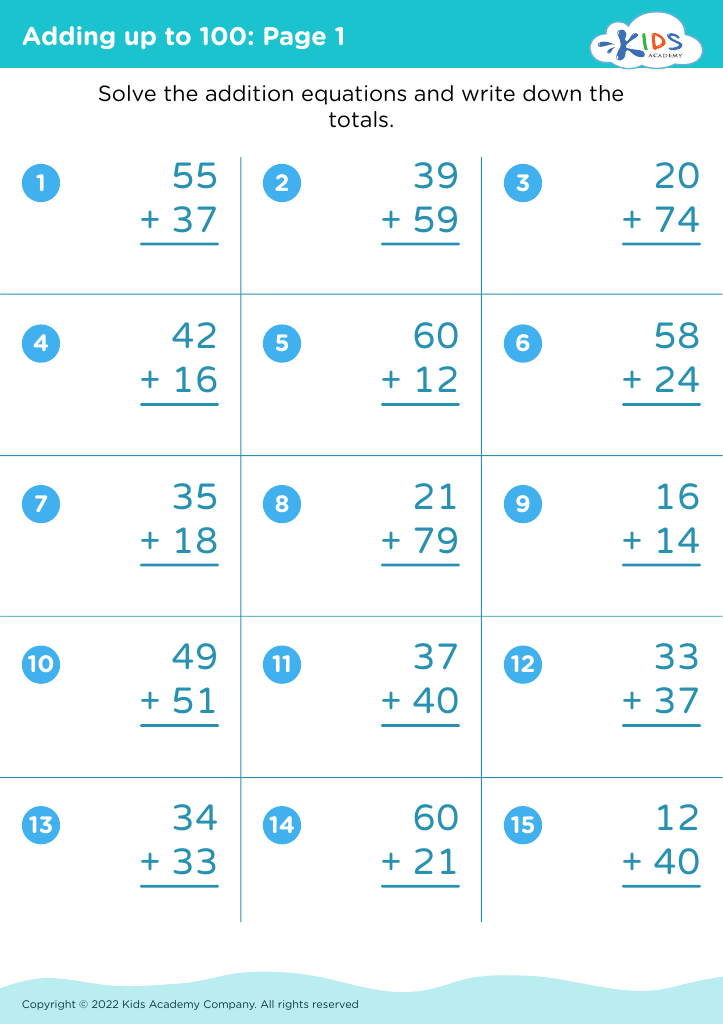
    Adding up to 100: Page 1
    Adding up to 100: Page 1

    Adding up to 100: Page 1

    Adding up to 100: Page 1
    Worksheet
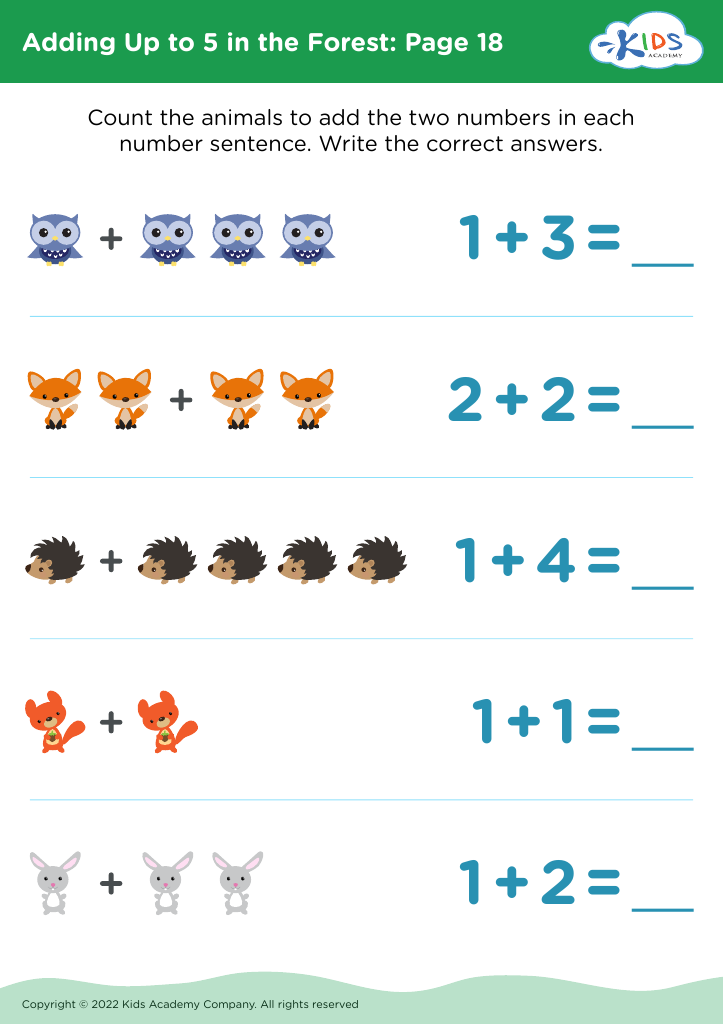
    Adding Up to 5 in the Forest: Page 18
    Adding Up to 5 in the Forest: Page 18
    Adding Up to 5 in the Forest: Page 18
    Worksheet
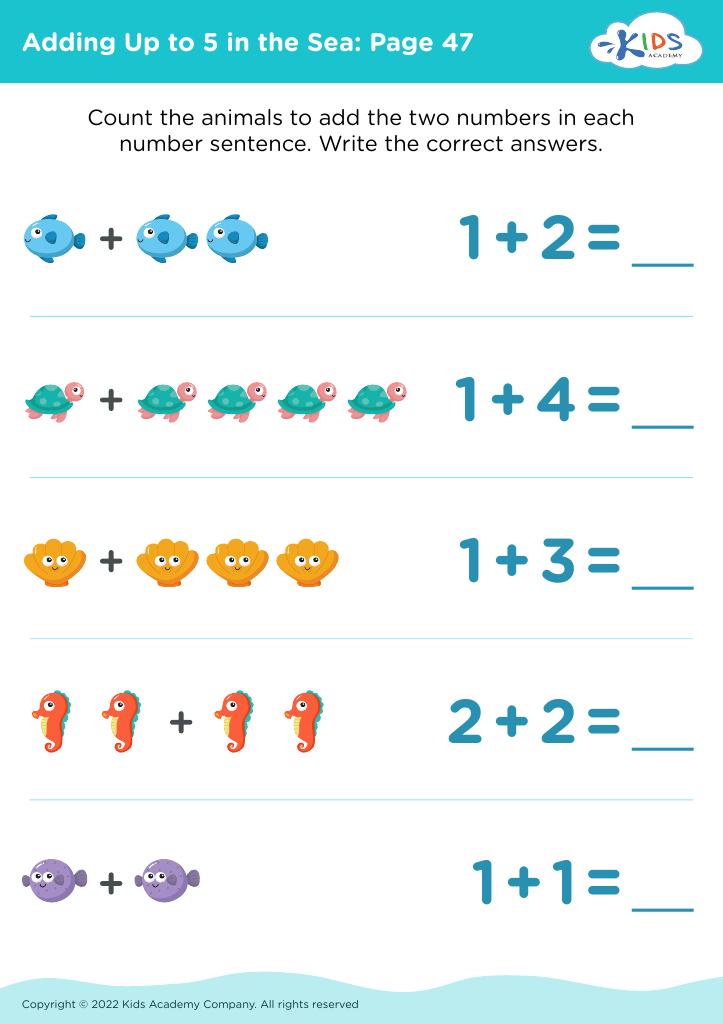
    Adding Up to 5 in the Sea: Page 47
    Adding Up to 5 in the Sea: Page 47
    Adding Up to 5 in the Sea: Page 47
    Worksheet
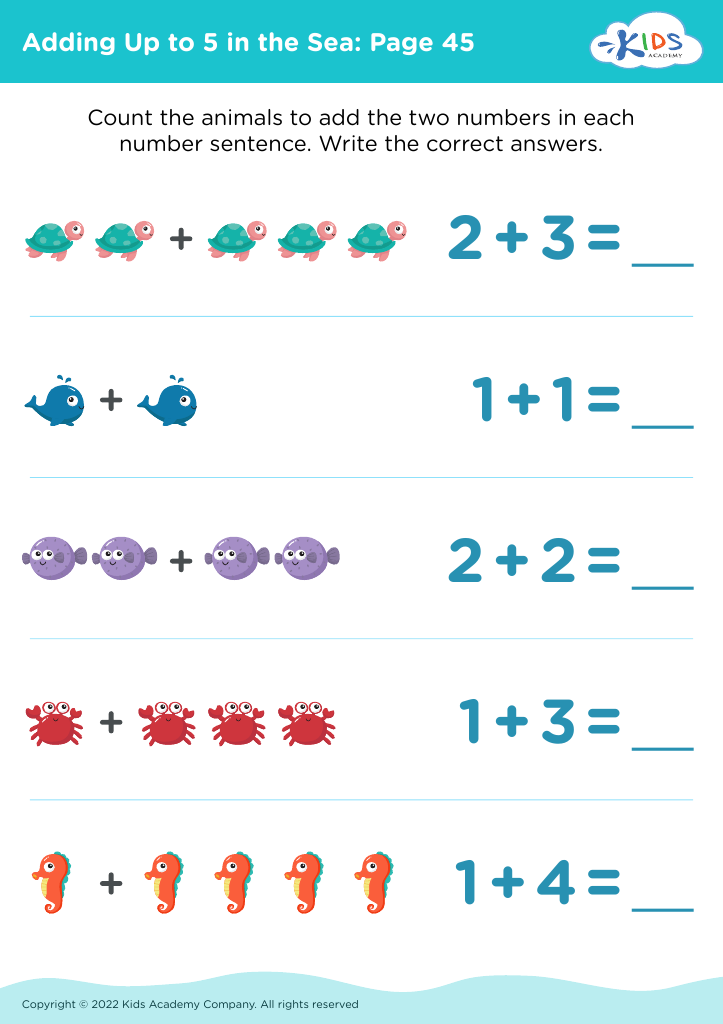
    Adding Up to 5 in the Sea: Page 45
    Adding Up to 5 in the Sea: Page 45
    Adding Up to 5 in the Sea: Page 45
    Worksheet


    Understanding addition is a foundational skill that greatly impacts a child’s overall learning and development. For ages 3-7, this period is crucial as children are typically first introduced to mathematical concepts. Developing a solid grasp of addition not only enhances their numerical fluency but also promotes critical thinking and problem-solving skills. As they engage with addition, children learn about patterns, relationships, and the fundamentals of how numbers interact, fostering a strong mathematical mindset.

    Parents and teachers play vital roles in this learning journey. By incorporating fun and interactive ways to teach addition, such as through games, songs, and everyday activities, they can make the learning process enjoyable. This engagement not only helps children understand mathematical concepts, but it also boosts their confidence and interest in mathematics.

    Moreover, early proficiency in addition sets the stage for more advanced mathematical skills in later years. It contributes positively to a child's academic success, helping them navigate more complex subjects as they grow. Ultimately, prioritizing addition skills lays a strong educational foundation, empowering children with the tools they need for future learning. Both parents and teachers should recognize their influence in nurturing a love for mathematics in young learners, making addition a focus in early childhood education.