Filters

508 filtered results

Clear all filters
Favorites
With answer key
Interactive

508 filtered results

Difficulty Level

Grade


Check out this FREE Trial Lesson on Addition for age 3-7!

Short and Long Vowel Sort

Favorites
With answer key
Interactive
  • 3-7
  • Number Recognition
  • Addition
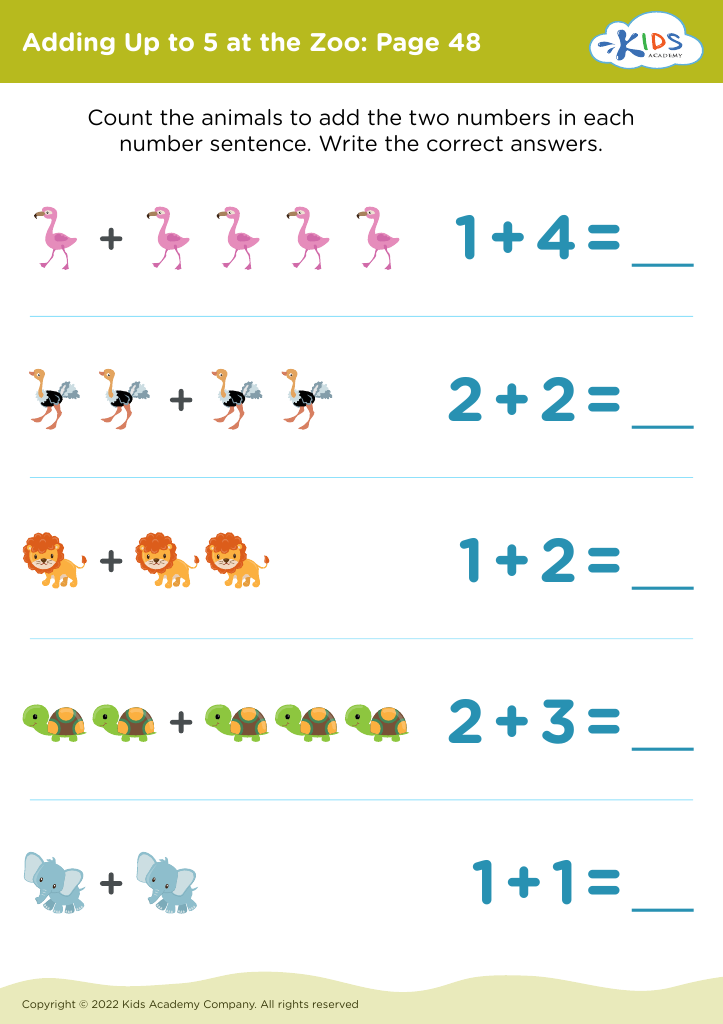
Adding Up to 5 at the Zoo: Page 48
Worksheet
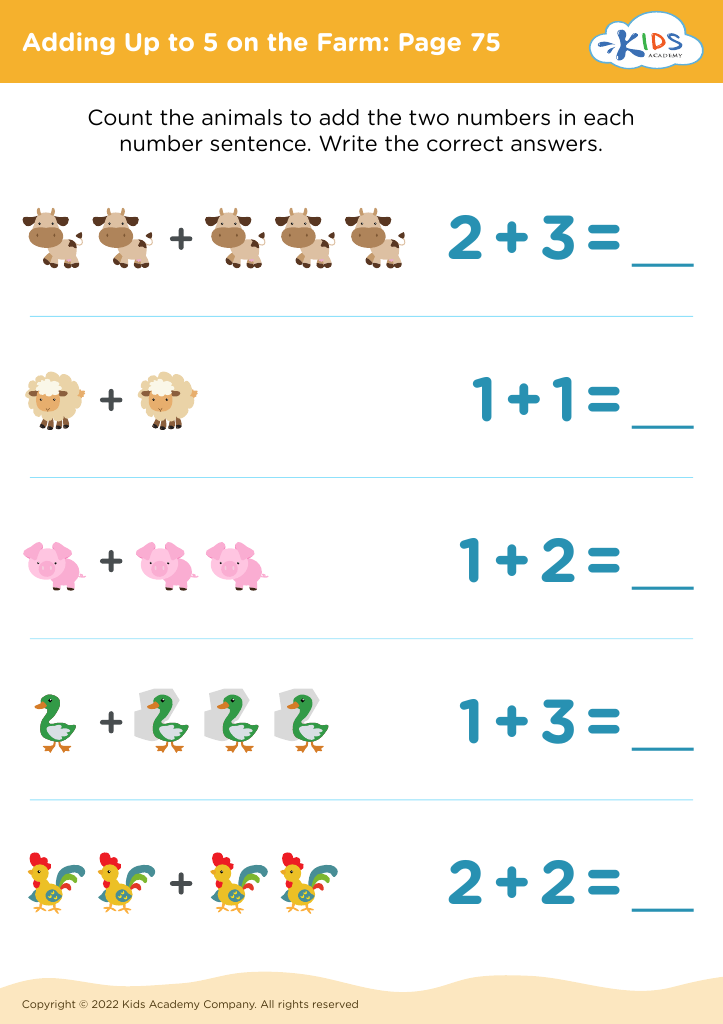
Adding Up to 5 on the Farm: Page 75
Worksheet
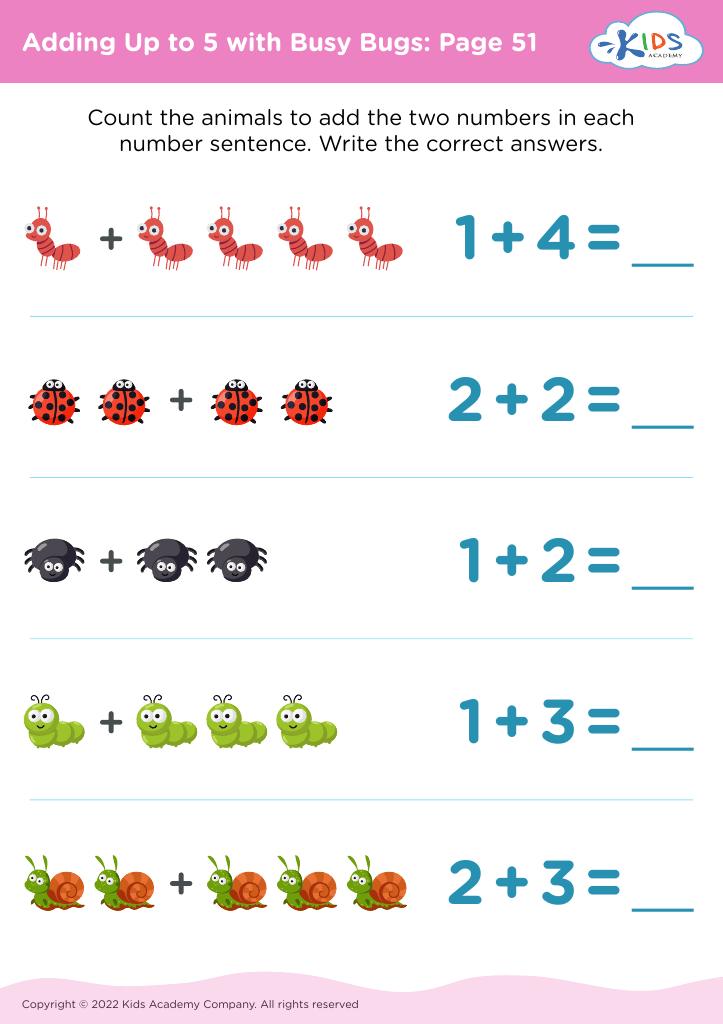
Adding Up to 5 with Busy Bugs: Page 51
Worksheet
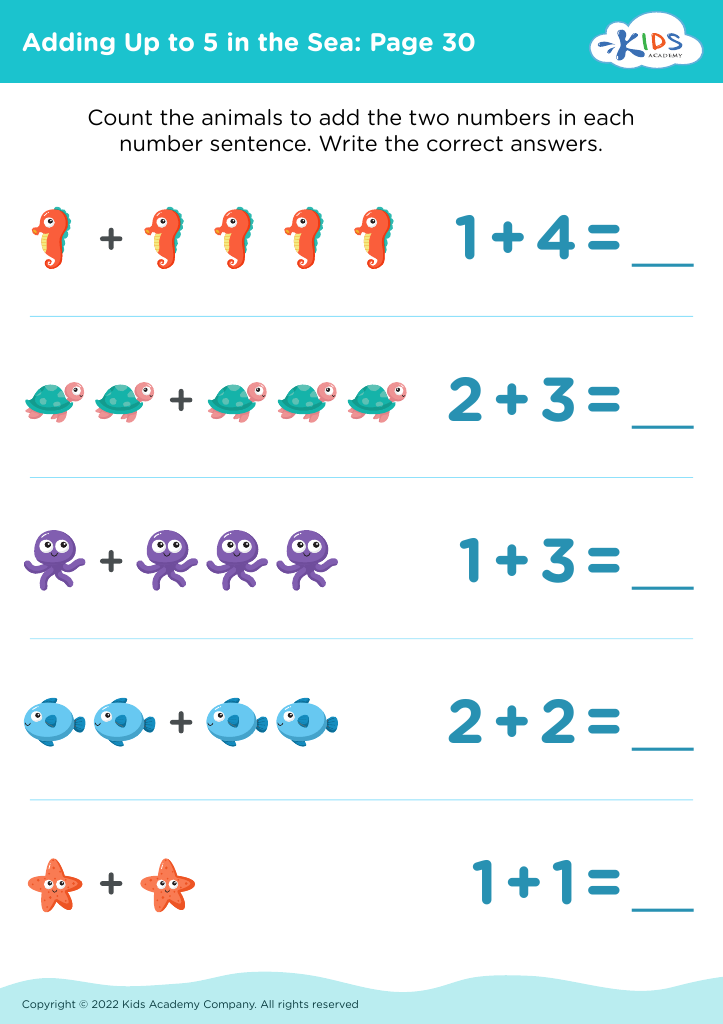
Adding Up to 5 in the Sea: Page 30
Worksheet
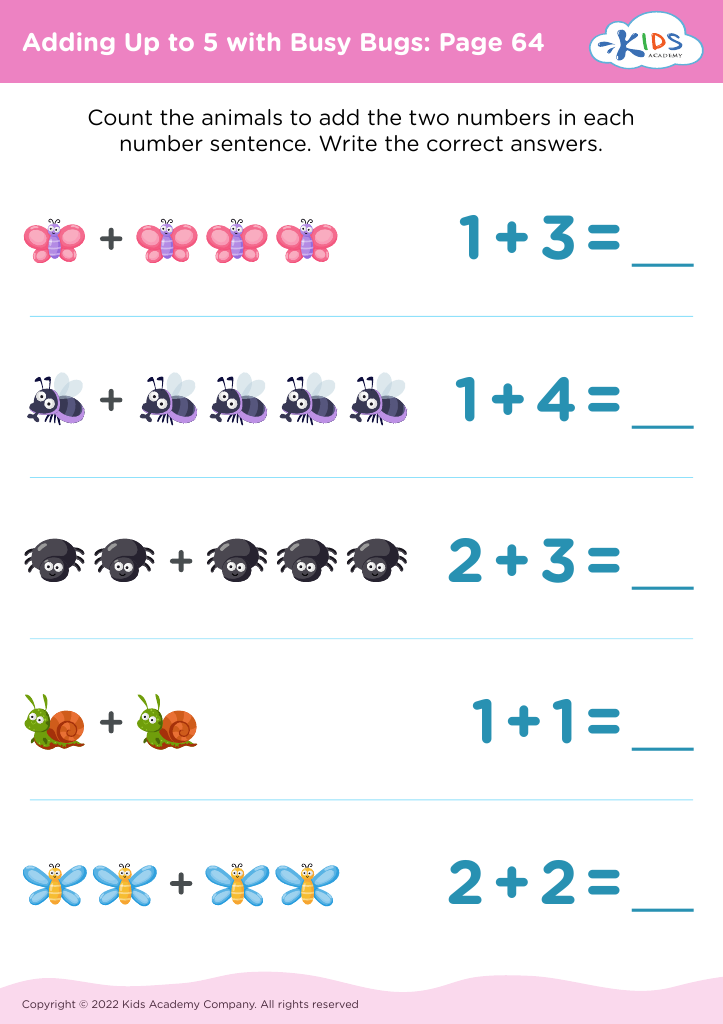
Adding Up to 5 with Busy Bugs: Page 64
Worksheet
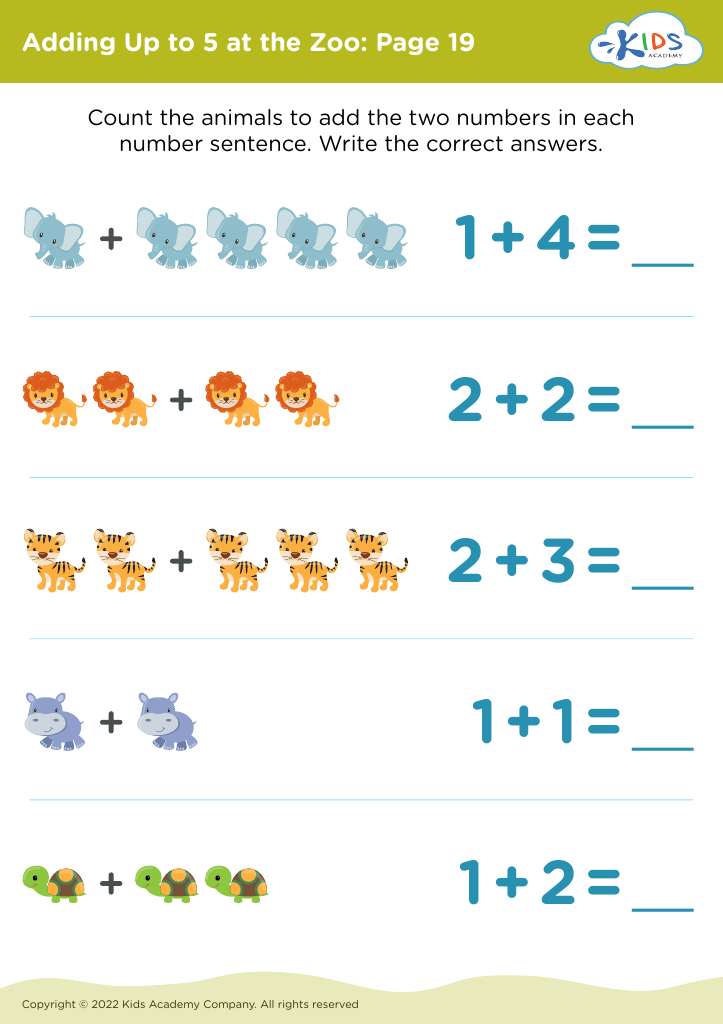
Adding Up to 5 at the Zoo: Page 19
Worksheet
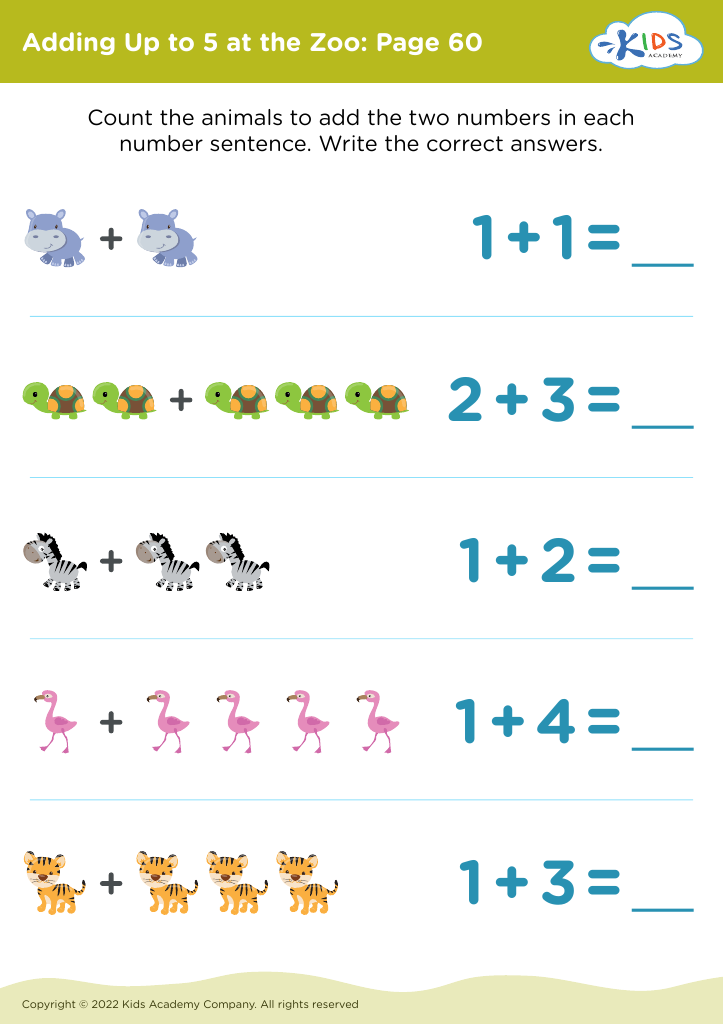
Adding Up to 5 at the Zoo: Page 60
Worksheet
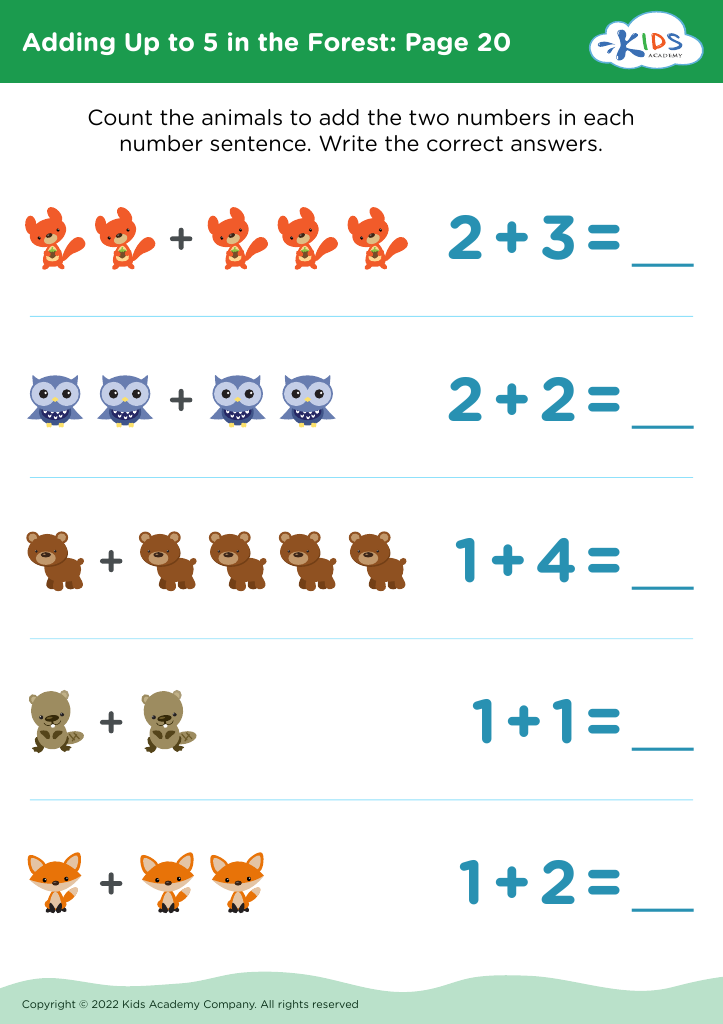
Adding Up to 5 in the Forest: Page 20
Worksheet
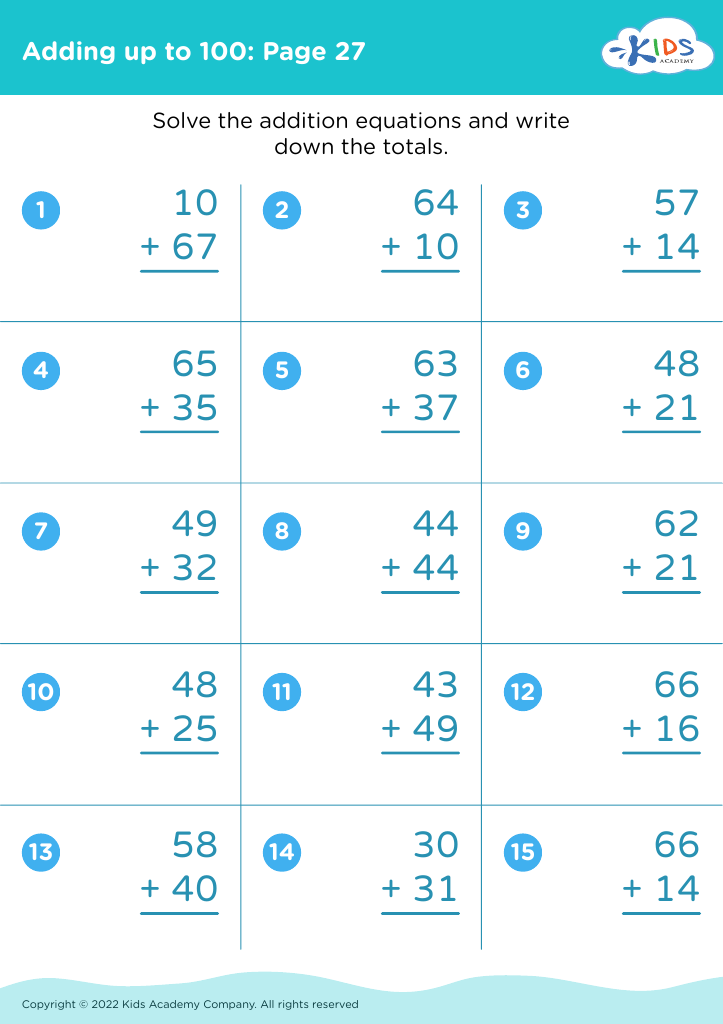
Adding up to 100: Page 27

Adding up to 100: Page 27

Adding up to 100: Page 27
Worksheet
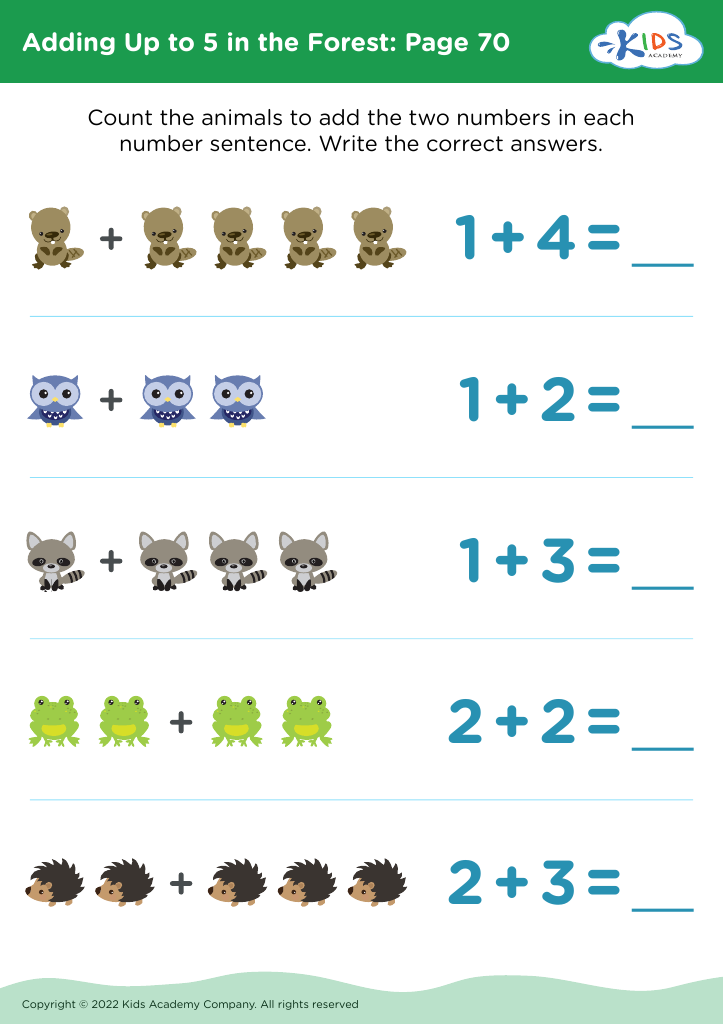
Adding Up to 5 in the Forest: Page 70
Worksheet
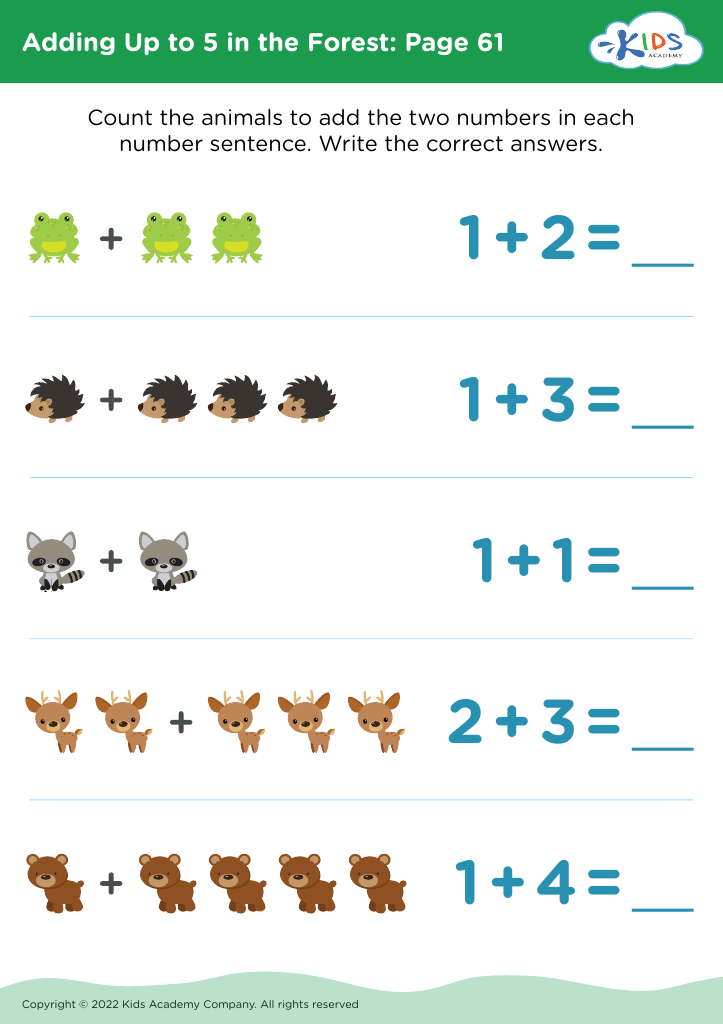
Adding Up to 5 in the Forest: Page 61
Worksheet
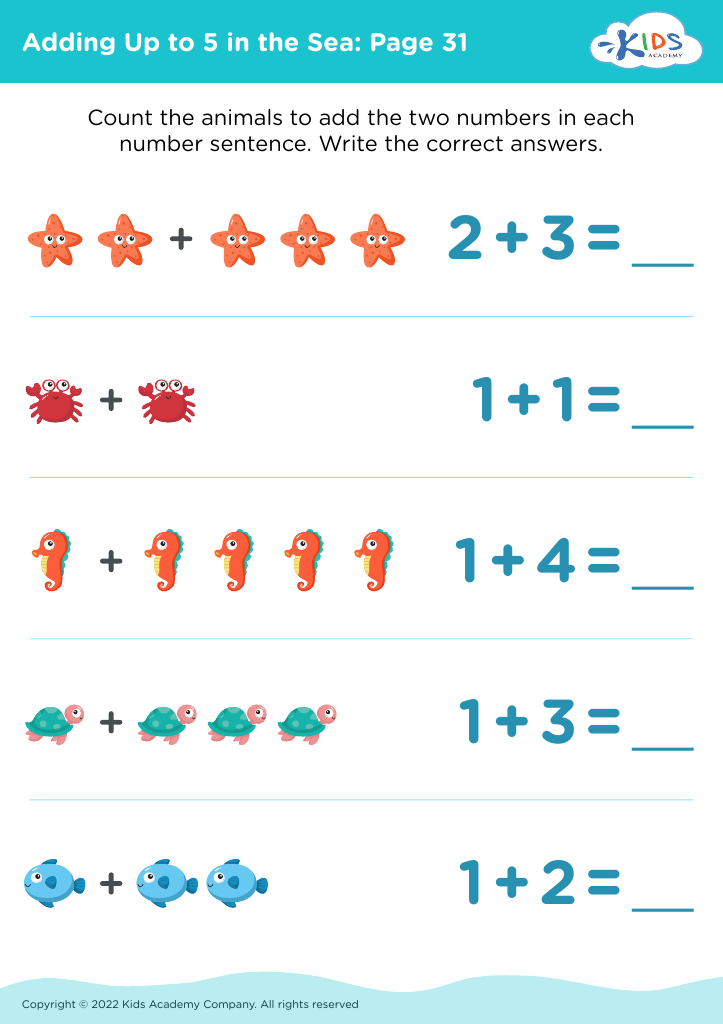
Adding Up to 5 in the Sea: Page 31
Worksheet
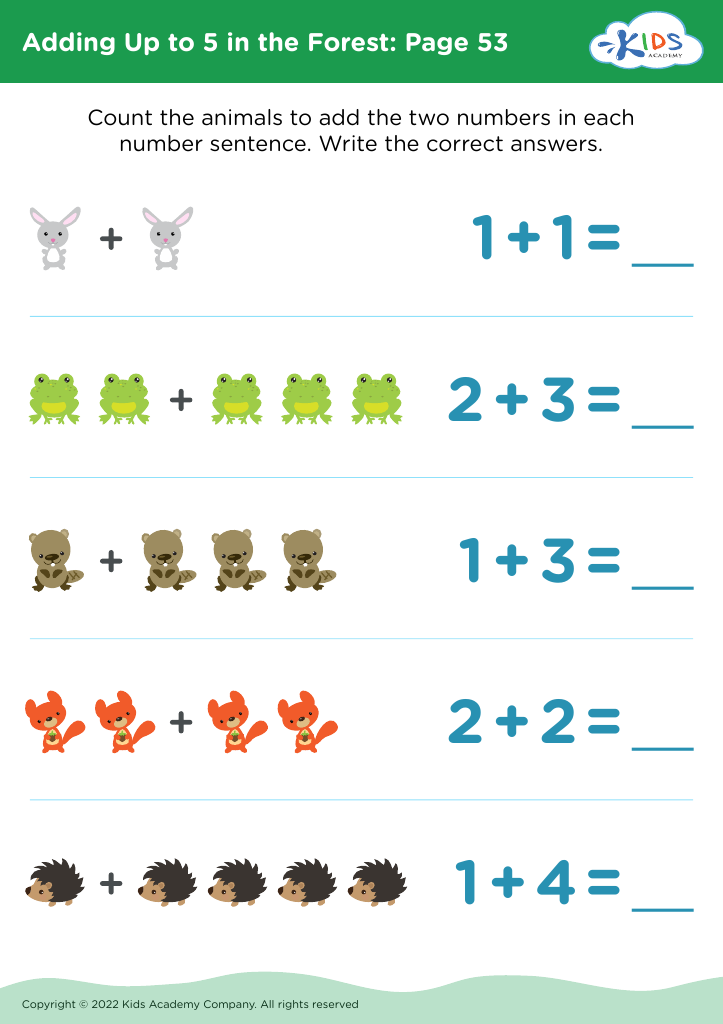
Adding Up to 5 in the Forest: Page 53
Worksheet
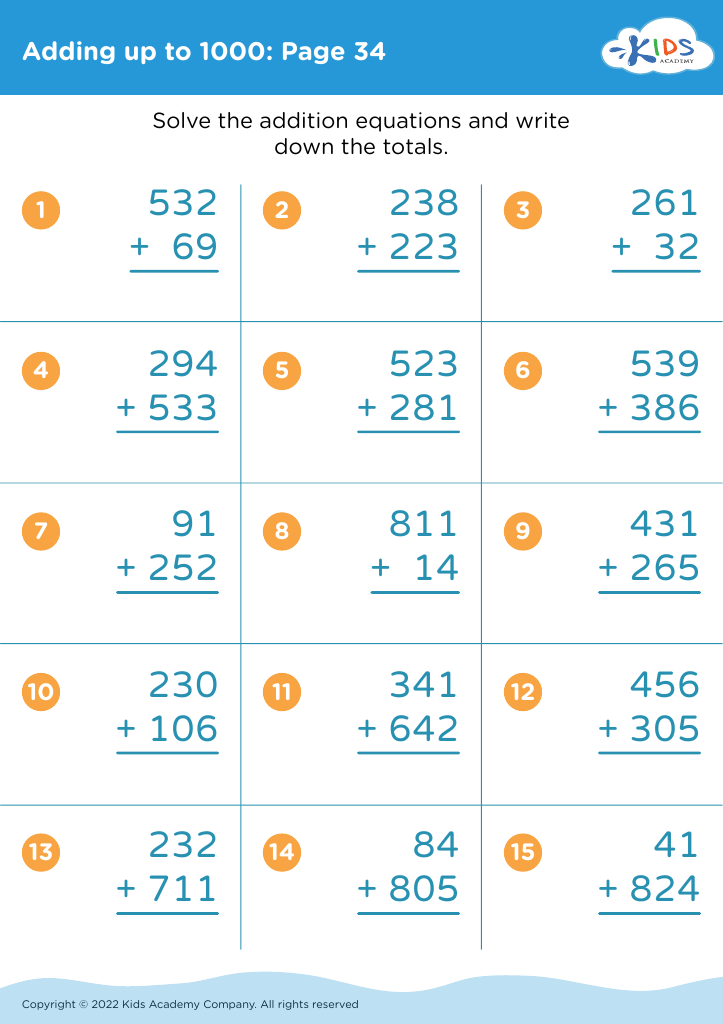
Adding up to 1000: Page 34

Adding up to 1000: Page 34

Adding up to 1000: Page 34
Worksheet
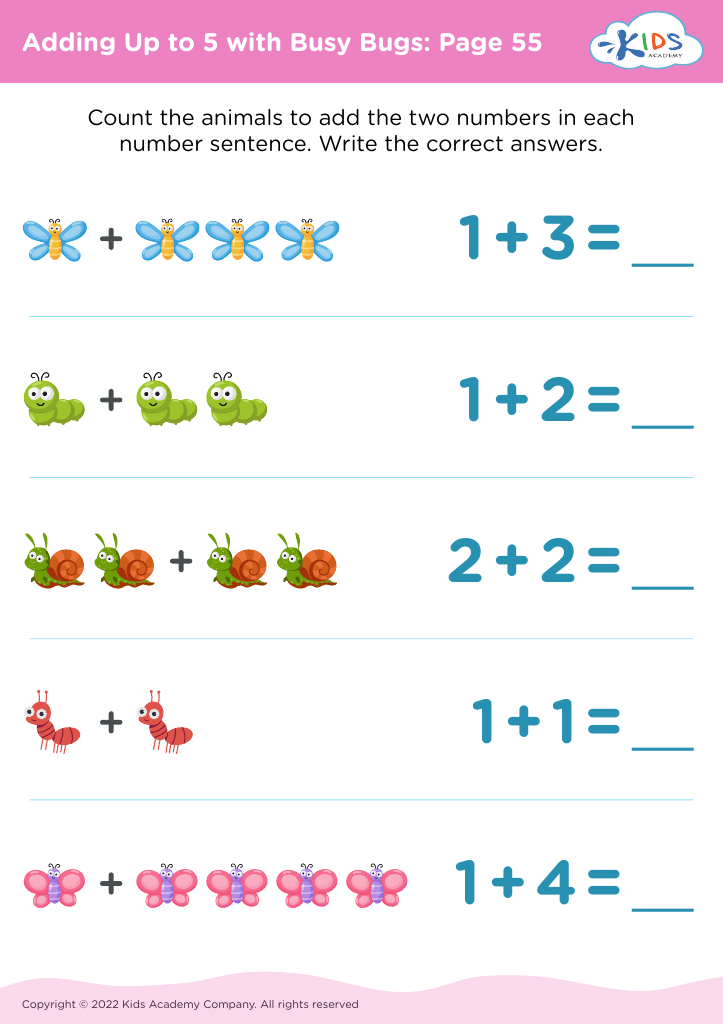
Adding Up to 5 with Busy Bugs: Page 55
Worksheet
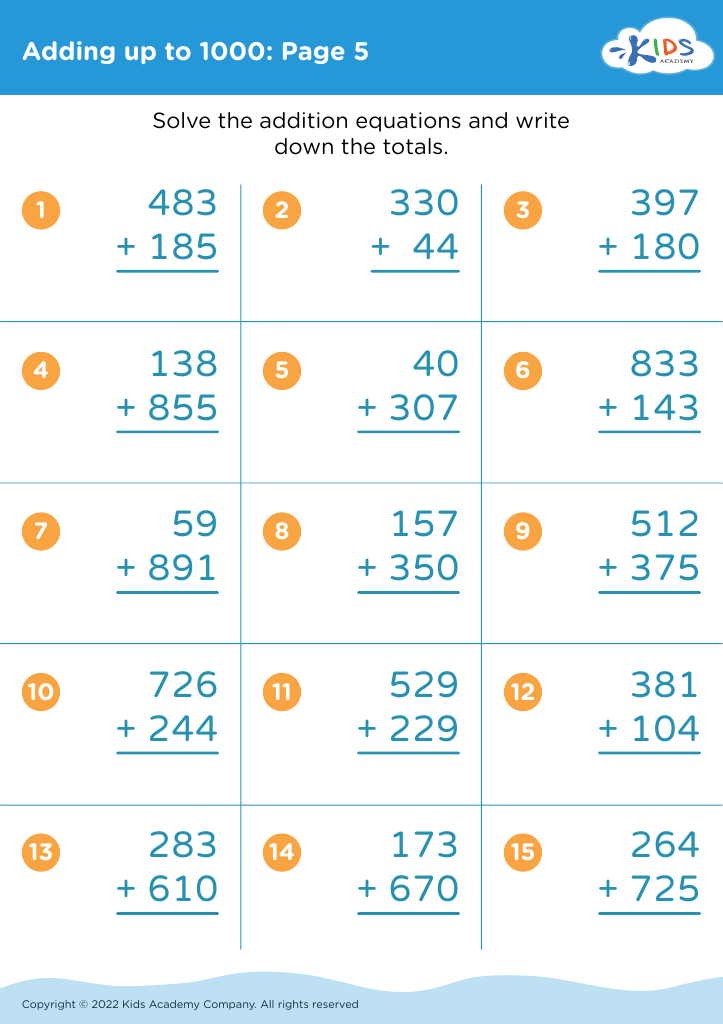
Adding up to 1000: Page 5

Adding up to 1000: Page 5

Adding up to 1000: Page 5
Worksheet
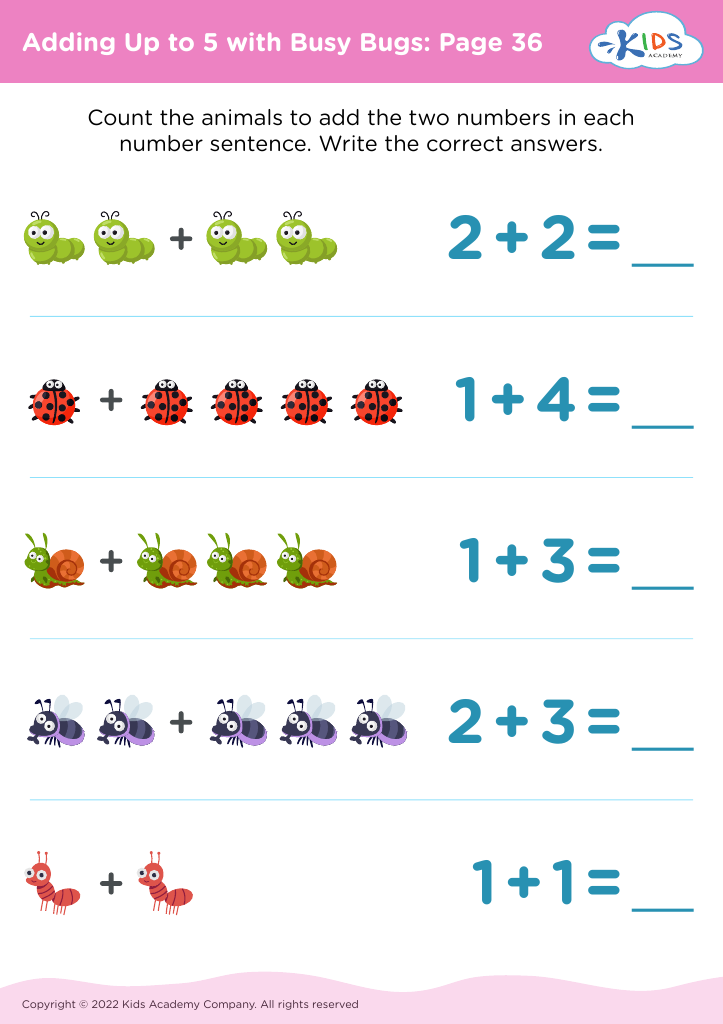
Adding Up to 5 with Busy Bugs: Page 36
Worksheet
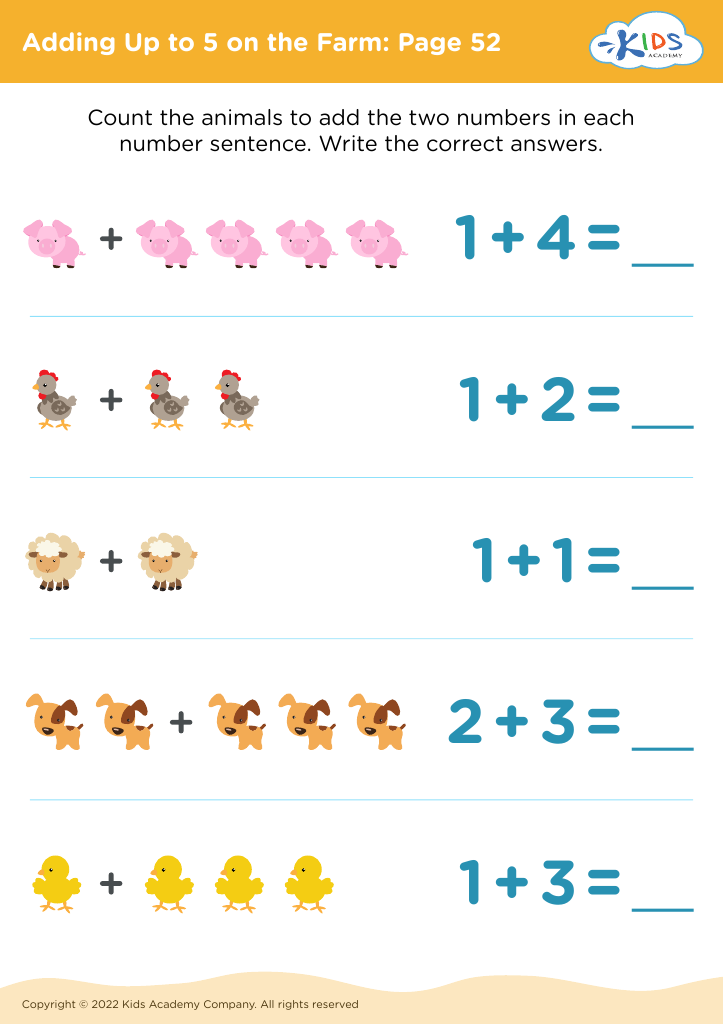
Adding Up to 5 on the Farm: Page 52
Worksheet
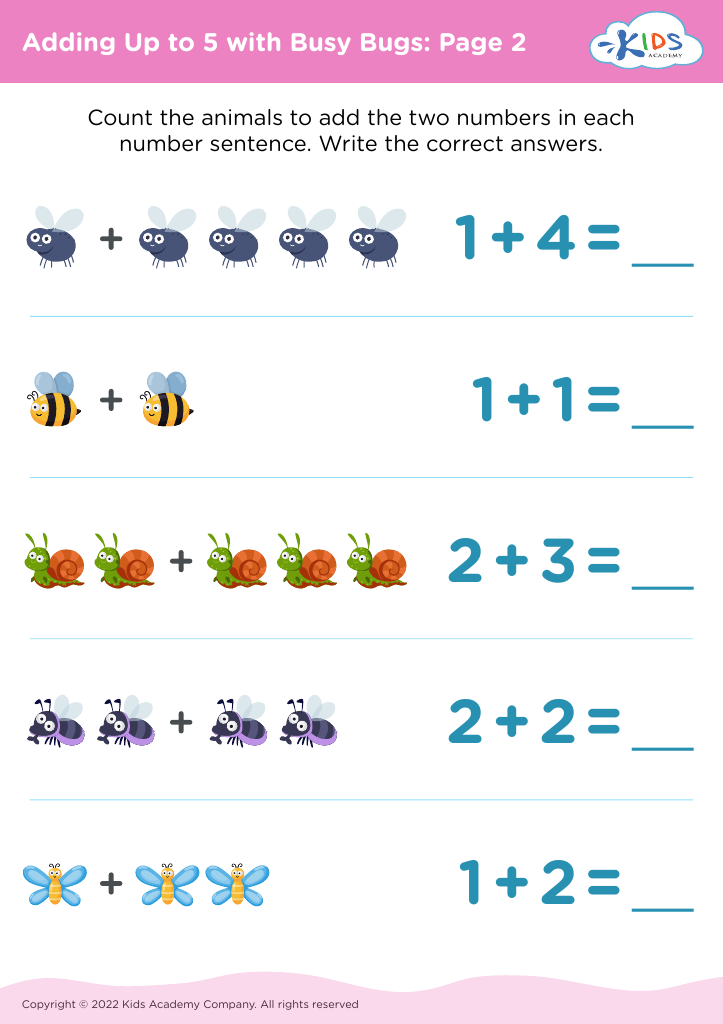
Adding Up to 5 with Busy Bugs: Page 2
Worksheet
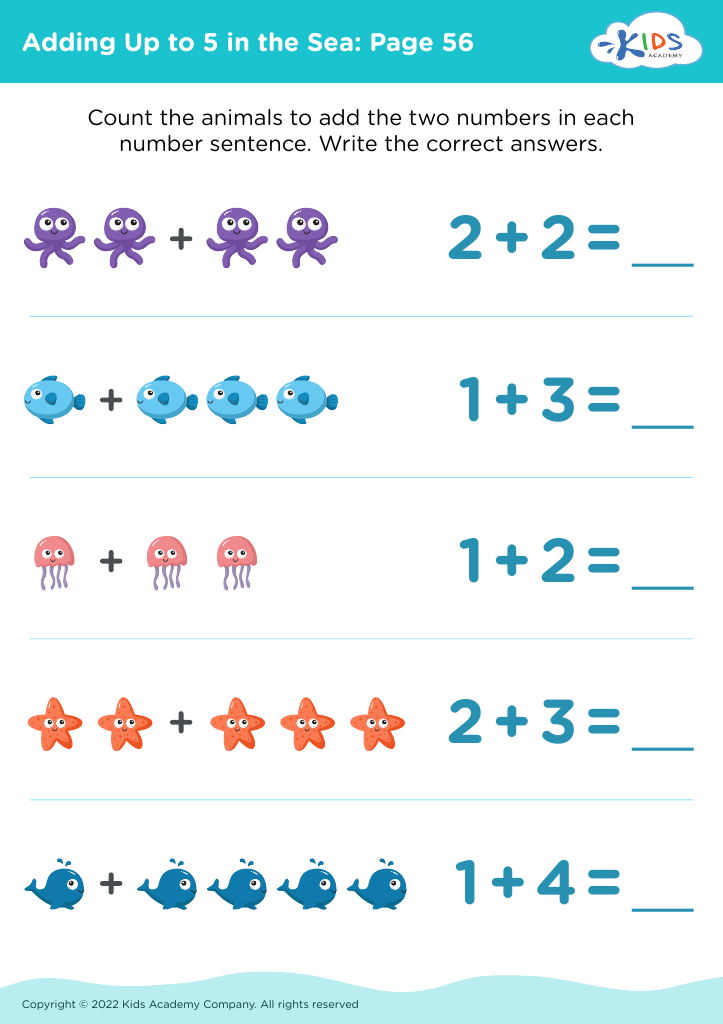
Adding Up to 5 in the Sea: Page 56
Worksheet
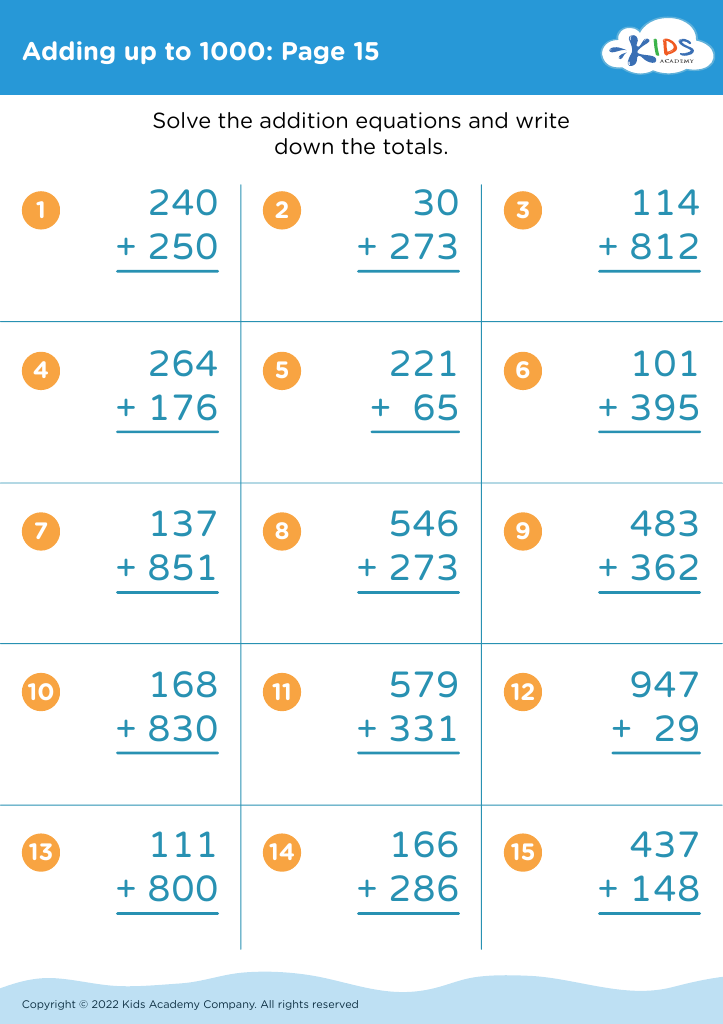
Adding up to 1000: Page 15

Adding up to 1000: Page 15

Adding up to 1000: Page 15
Worksheet
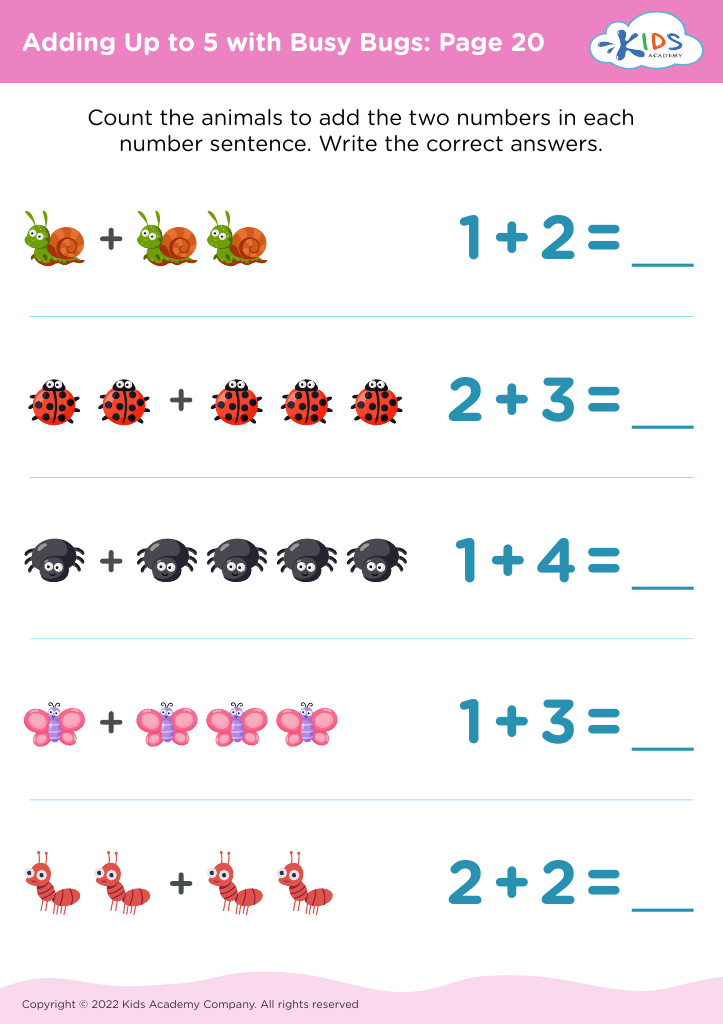
Adding Up to 5 with Busy Bugs: Page 20
Worksheet
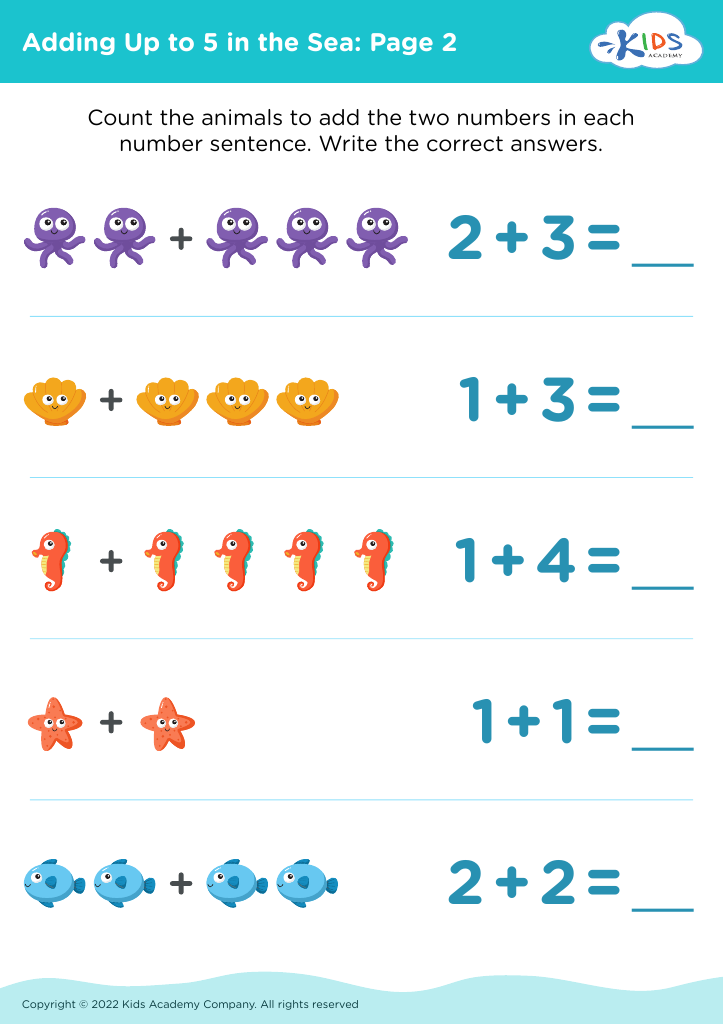
Adding Up to 5 in the Sea: Page 2

Adding Up to 5 in the Sea: Page 2

Adding Up to 5 in the Sea: Page 2
Worksheet
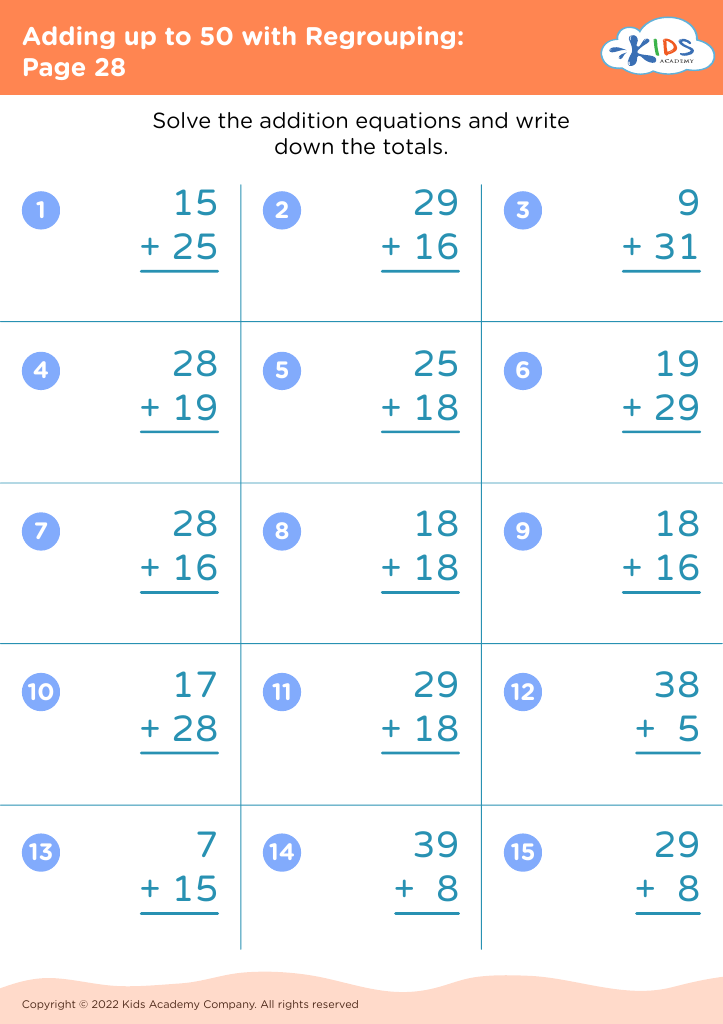
Adding up to 50 with Regrouping: Page 28
Worksheet


Number recognition and basic addition skills are foundational elements of early mathematics education for children aged 3-7. Parents and teachers should prioritize these skills for several reasons.

Firstly, number recognition enables children to identify and understand numbers, which is crucial for developing mathematical fluency. Recognizing numbers lays the groundwork for more complex mathematical concepts and helps children navigate everyday situations, such as telling time, counting objects, and understanding money.

Moreover, introducing basic addition during these formative years promotes cognitive development. Learning to add encourages critical thinking and problem-solving skills as children begin to understand how quantities relate to one another. This foundational knowledge boosts confidence and fosters a positive attitude towards math, ensuring that children are less likely to struggle with the subject as they progress in their education.

Additionally, early exposure to number concepts fosters a love for learning. Engaging activities that incorporate numbers and addition can make learning fun, enhancing a child’s motivation and interest in math.

In conclusion, supporting number recognition and basic addition from ages 3-7 plays a vital role in a child’s overall academic development, paving the way for future success in mathematics and enhancing their confidence and curiosity about learning.