Cognitive Development Numbers Worksheets for Ages 3-7 - Page 2
36 filtered results
-
From - To
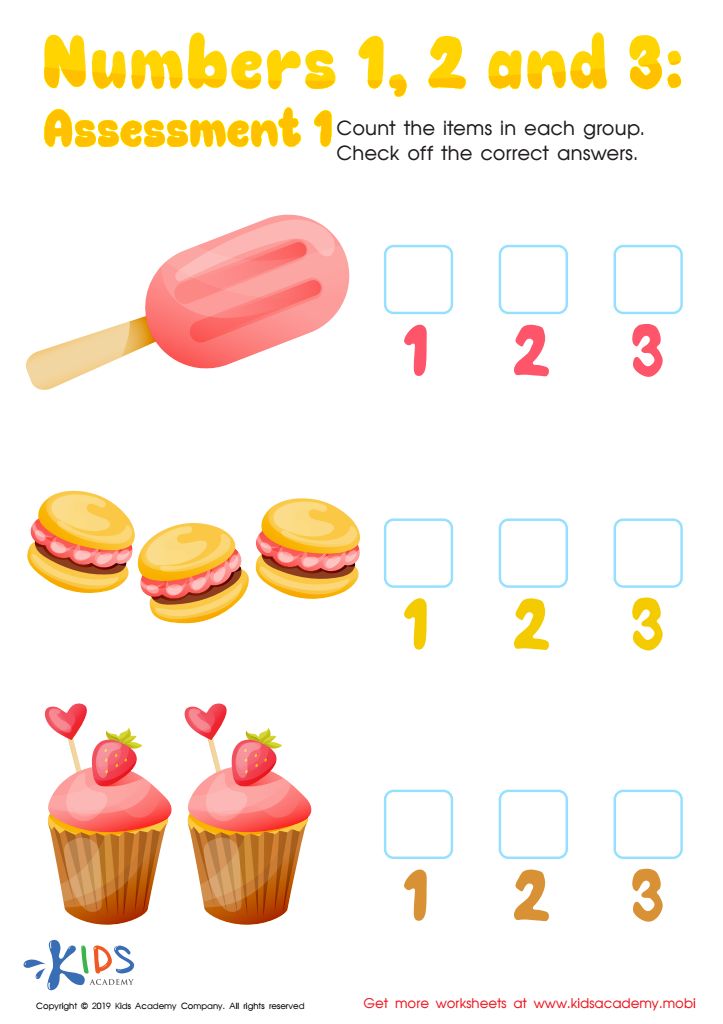
Numbers 1, 2 and 3: Assessment 1 Worksheet
 Assign to My Students
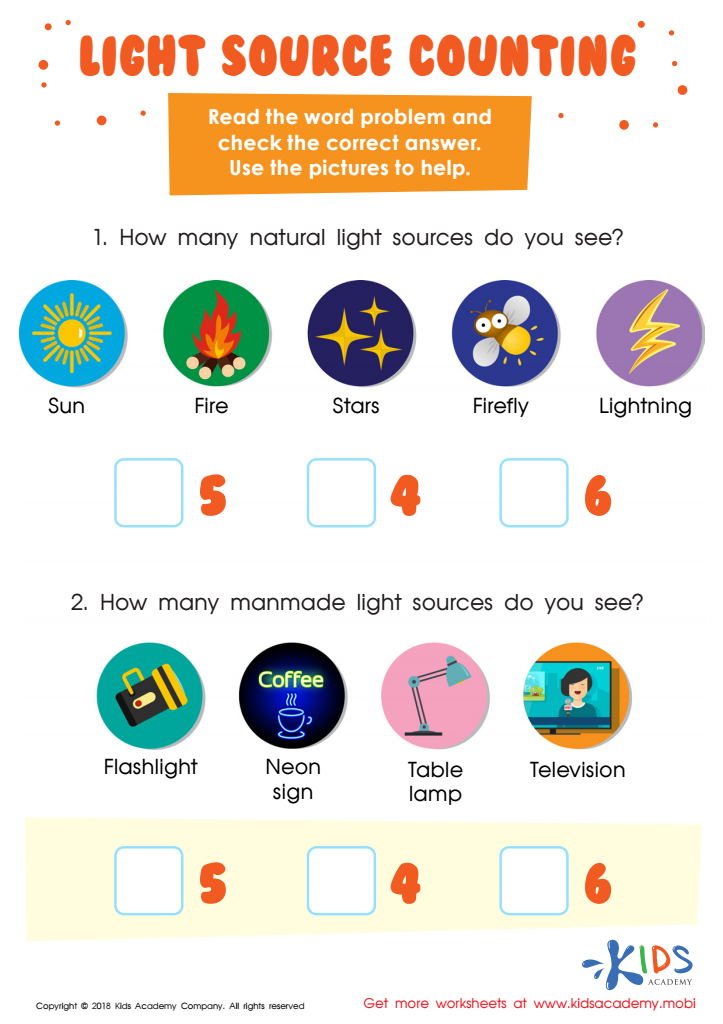
Light Source Counting Worksheet
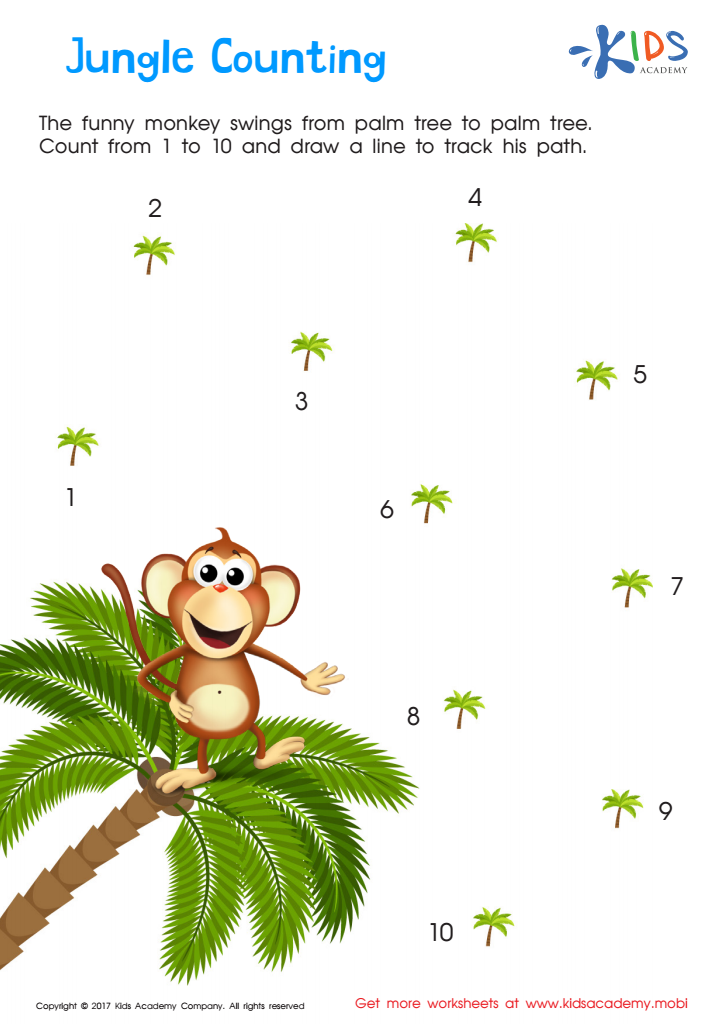
Jungle Counting Connect Dots Worksheet
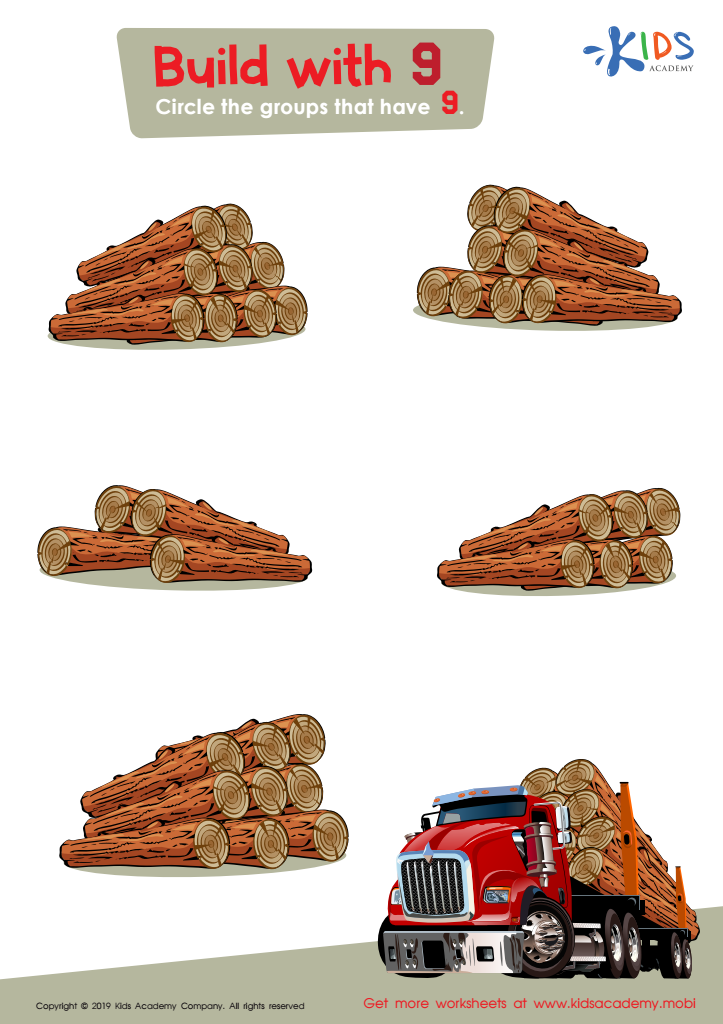
Build with 9 Worksheet
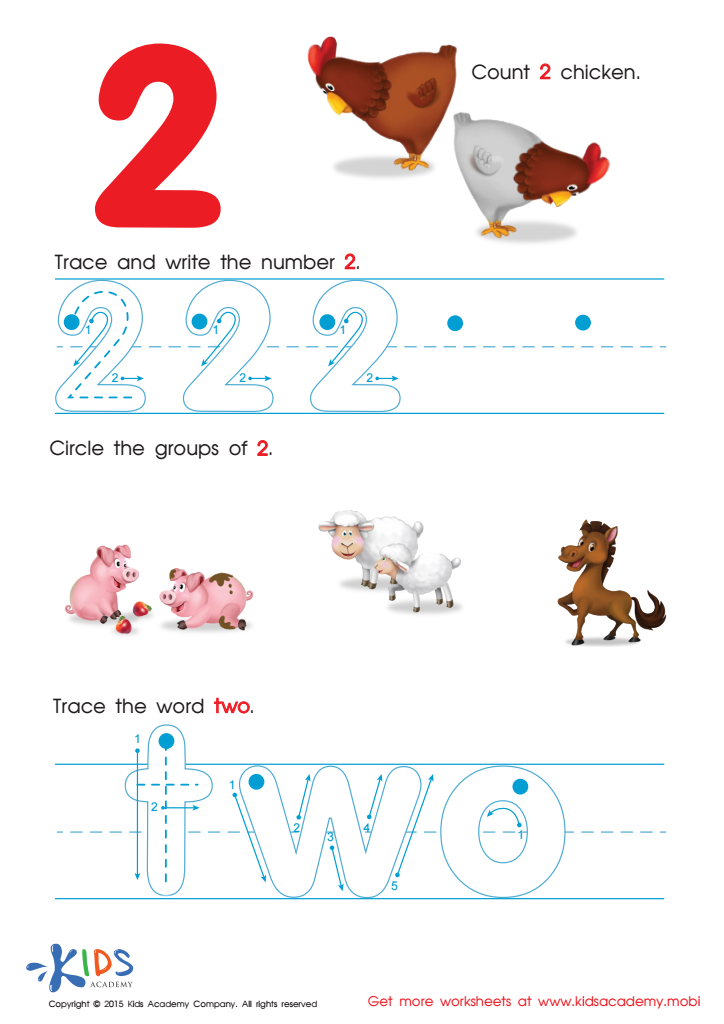
Learn to Write the Number 2 Worksheet
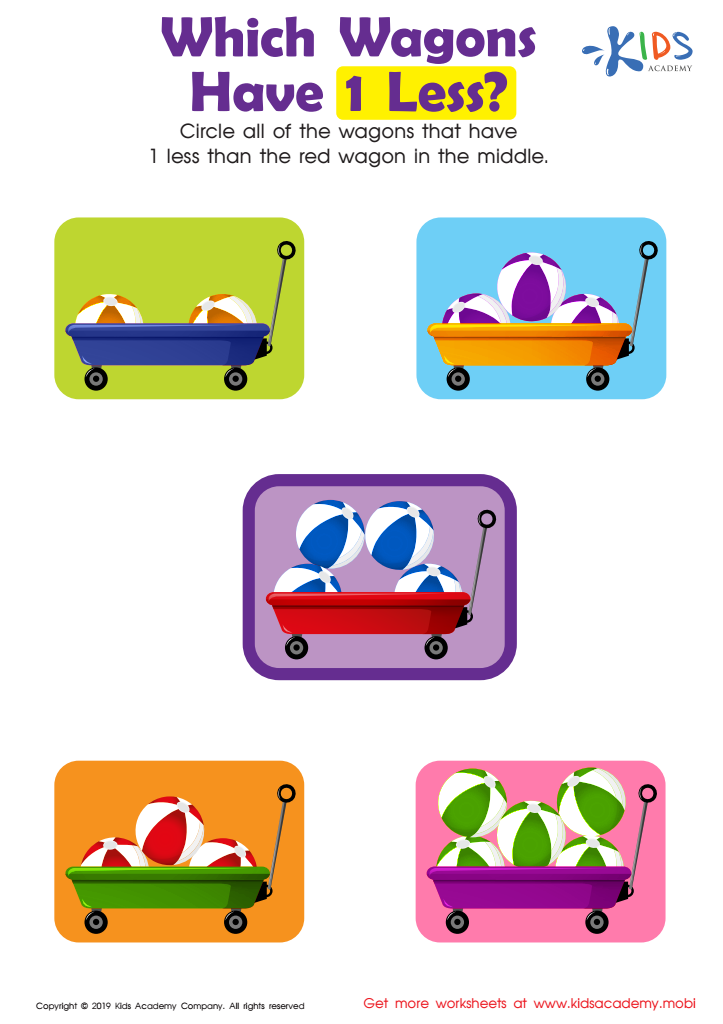
Which Wagons Have 1 Less? Worksheet
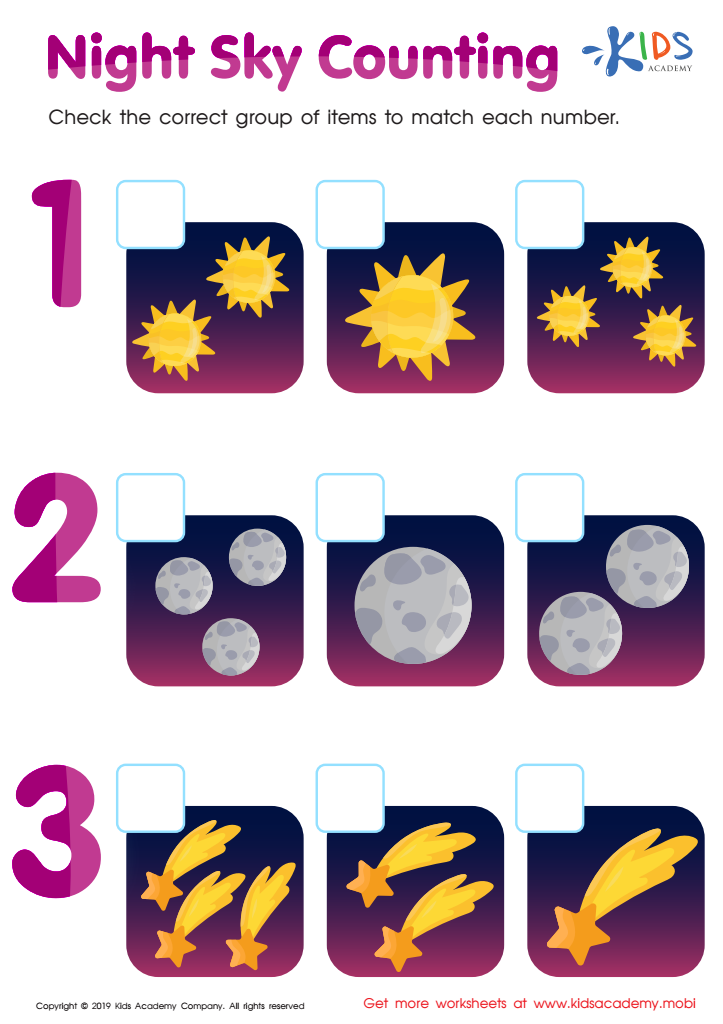
Night Sky Counting Worksheet
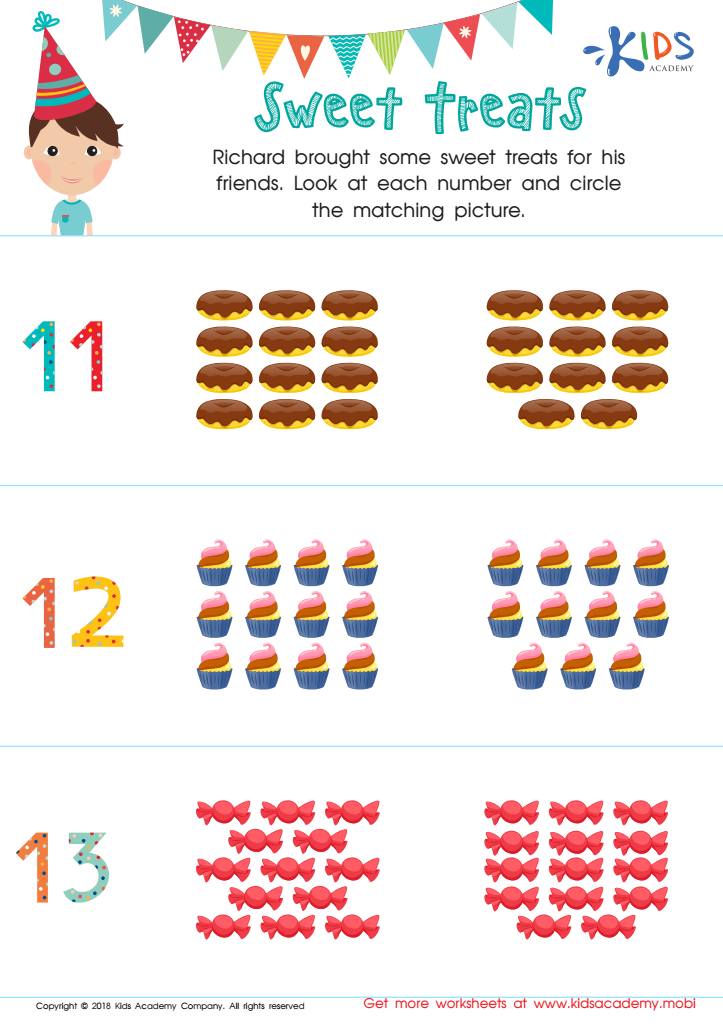
Kindergarten Math Worksheet Matching Numbers
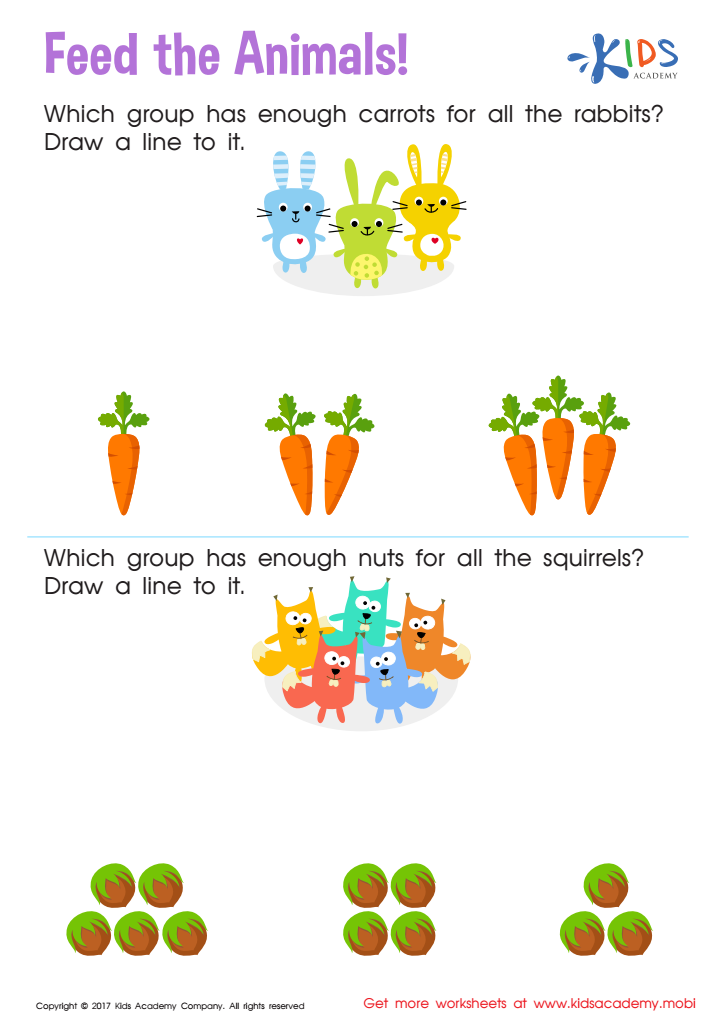
Count and Match: Feed the Animals Worksheet
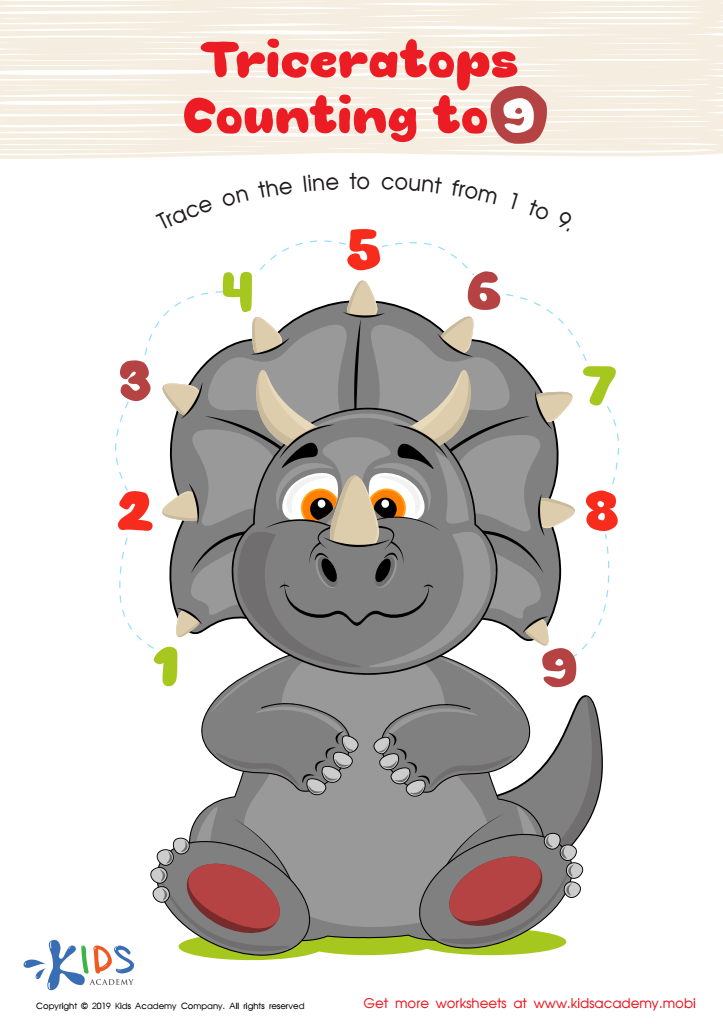
Triceratops Counting to 9 Worksheet
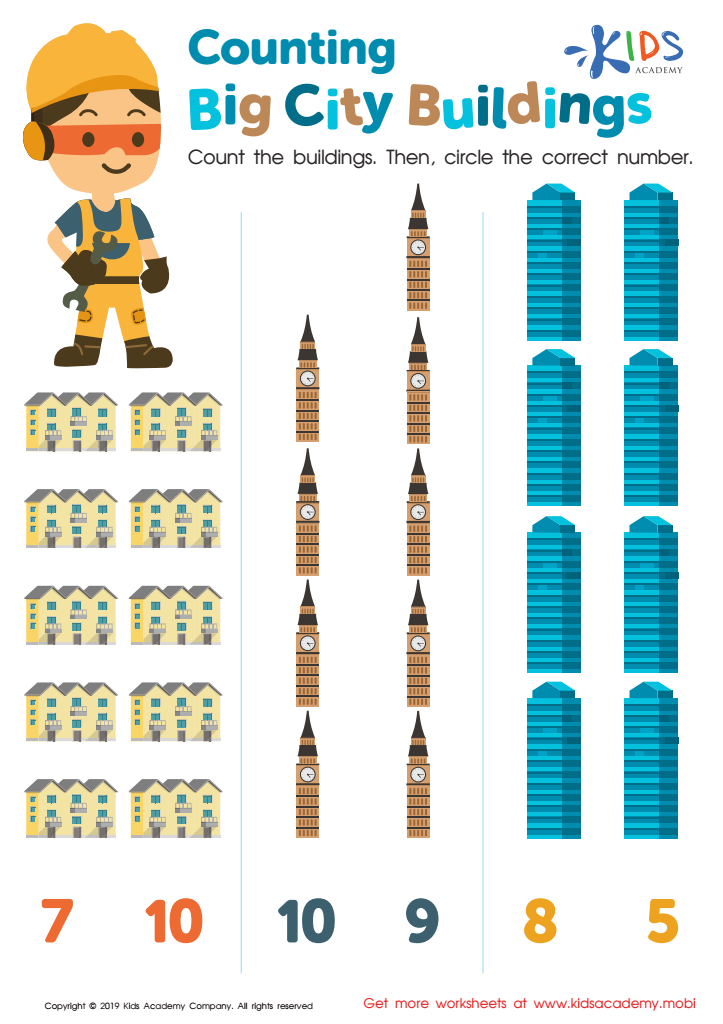
Counting Big City Buildings Worksheet

Night Sky Numbers Worksheet








Cognitive development in early childhood, particularly for ages 3-7, is critical because it lays the foundation for future learning and overall development. During these formative years, children build essential skills in thinking, problem-solving, and understanding their world. Parents and teachers play crucial roles in nurturing this development through engaging activities, interactive play, and encouragement.
Understanding cognitive development milestones helps adults identify whether children are progressing normally or if they might need additional support. Parents and teachers can tailor learning experiences to suit individual needs, providing challenges or assistance as required. This ensures that children develop critical thinking skills, gain confidence, and learn to approach problems creatively.
Additionally, cognitive development influences other areas such as language, social skills, and emotional regulation. By fostering strong cognitive skills, parents and teachers help children develop independence, resilience, and adaptability. These competencies not only prepare children for academic challenges but also equip them for social interactions and future life situations.
Investing time and effort in cognitive development during ages 3-7 ultimately shapes well-rounded individuals, setting the stage for lifelong learning and success. Hence, parents and teachers should prioritize nurturing these skills to support children’s holistic growth.








