Basic geometry understanding Math Worksheets for Ages 3-7
12 filtered results
-
From - To
Unlock your child's potential with our engaging "Basic Geometry Understanding" math worksheets designed for ages 3-7. These activities introduce essential geometric shapes and concepts in a fun and interactive way, supporting early math skills development. Each worksheet is thoughtfully crafted to captivate young learners, promoting shape recognition, spatial awareness, and critical thinking. Ideal for both classroom and home use, our resources encourage hands-on learning through creative exercises, colorful illustrations, and enjoyable challenges. Watch your child's confidence grow as they explore the fascinating world of geometry while building a strong foundation for future math success. Start their journey today!
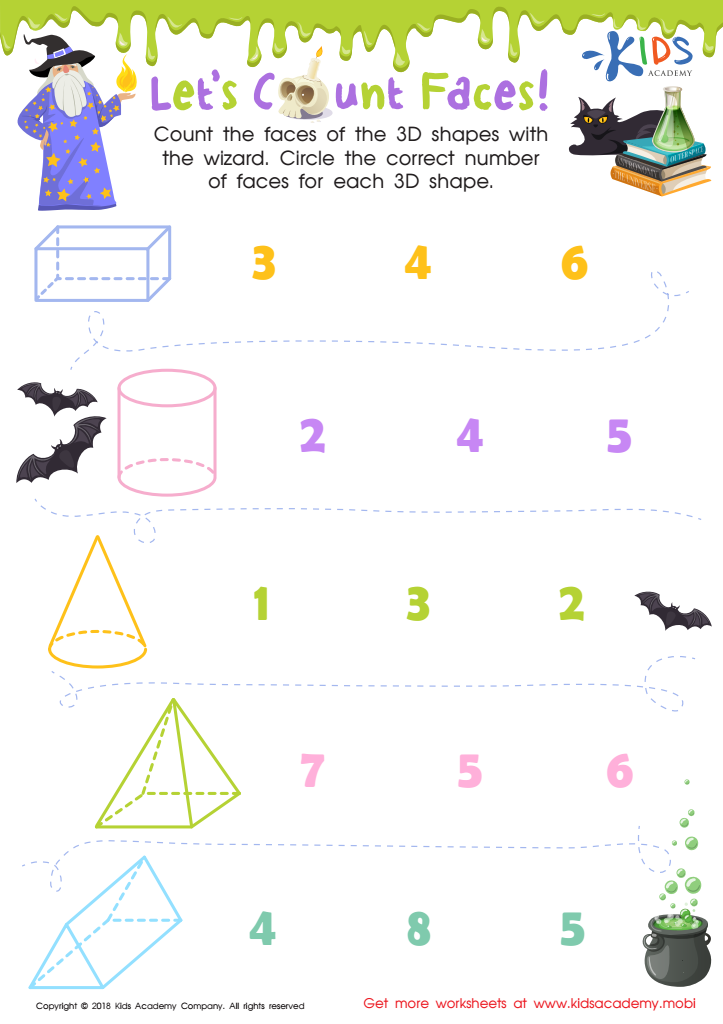
Let's Count Faces! Worksheet
 Assign to My Students
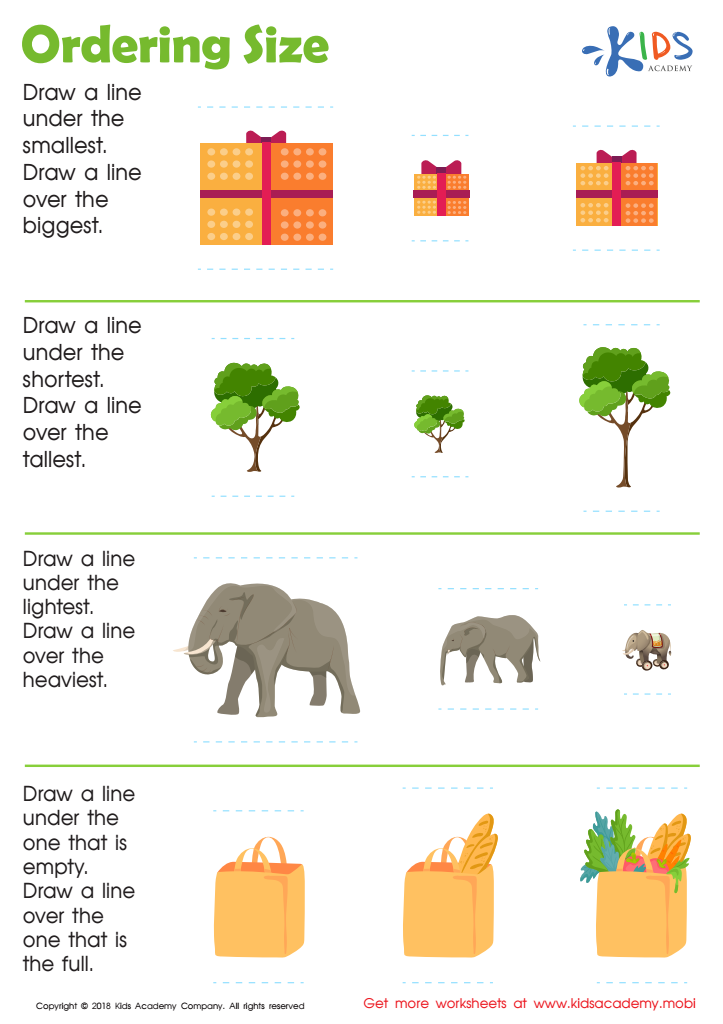
Ordering Size Worksheet
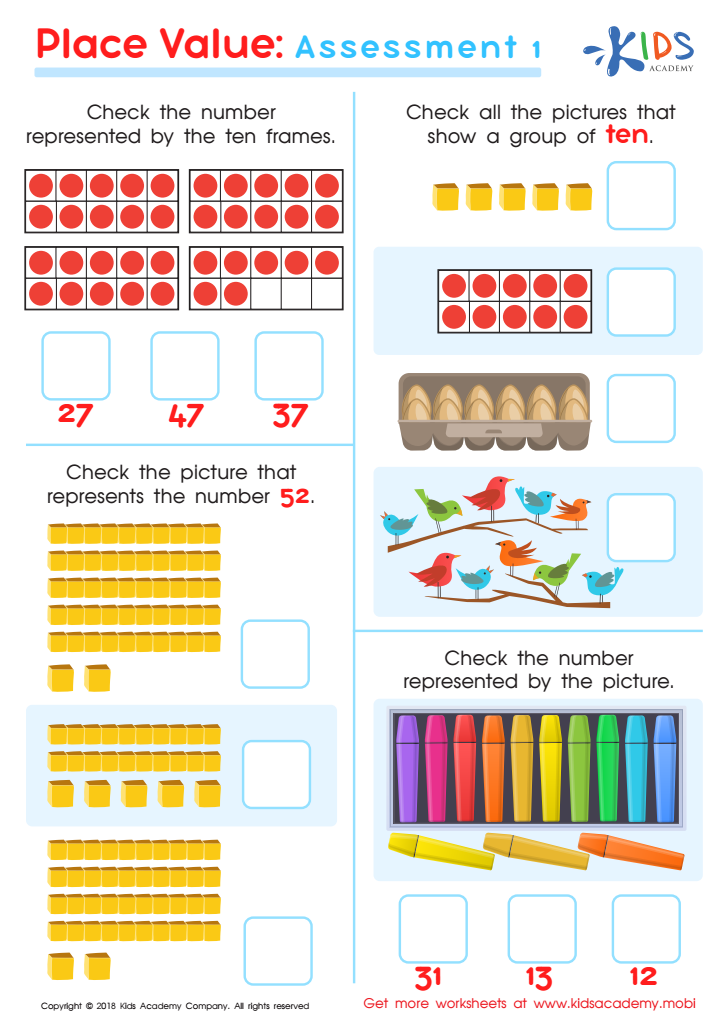
Place Value: Assessment 1 Worksheet
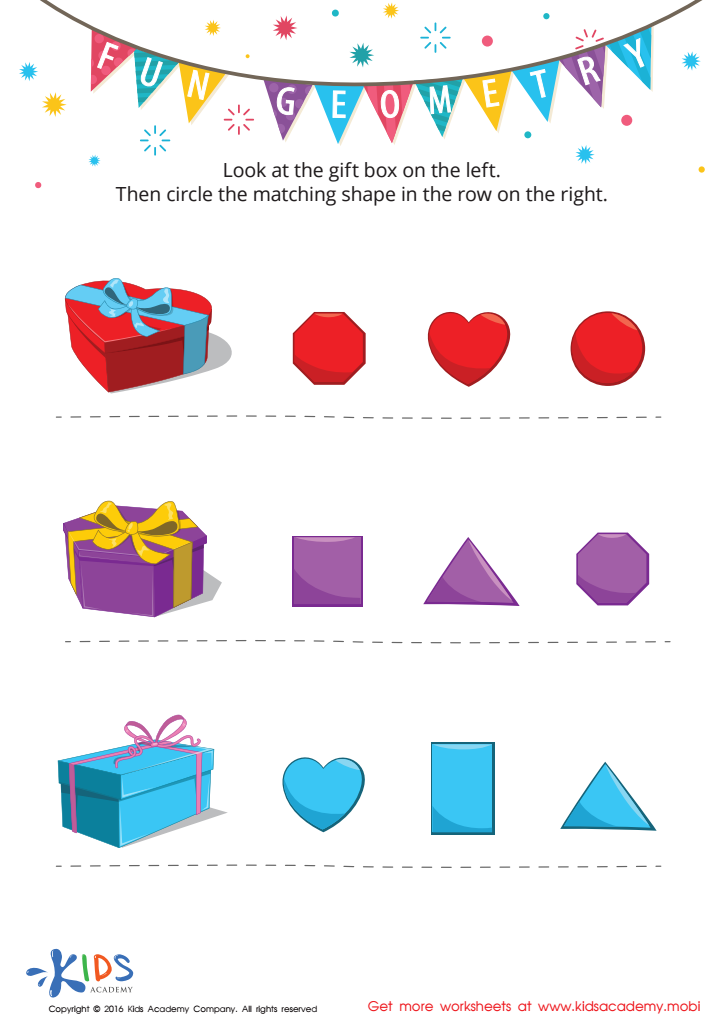
Fun Geometry Worksheet
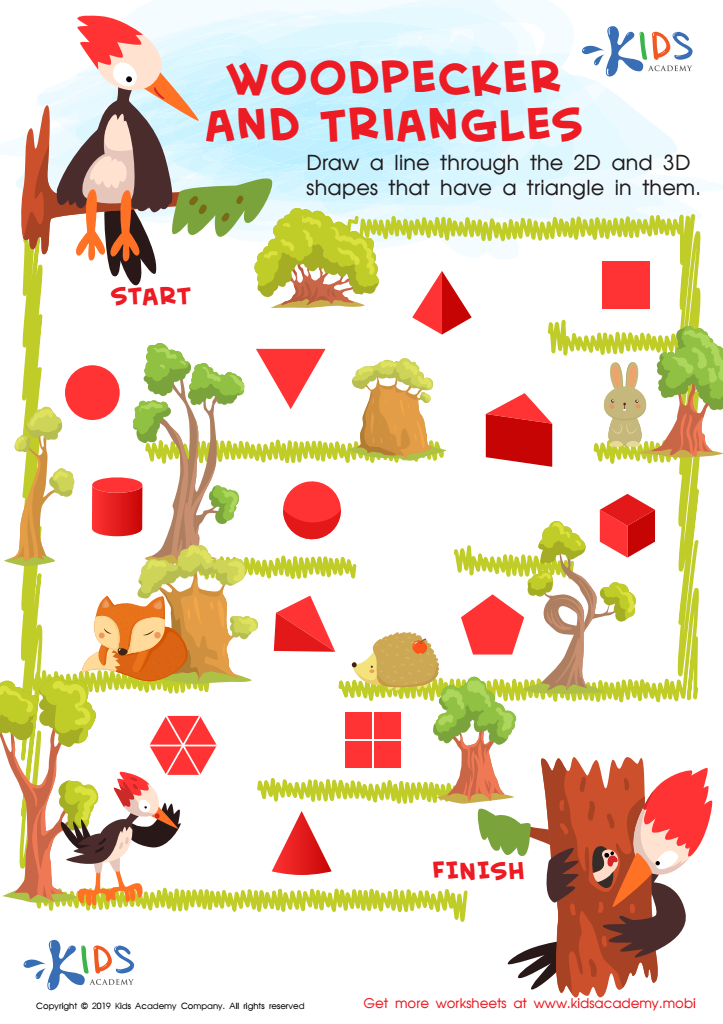
Woodpecker and Triangles Worksheet
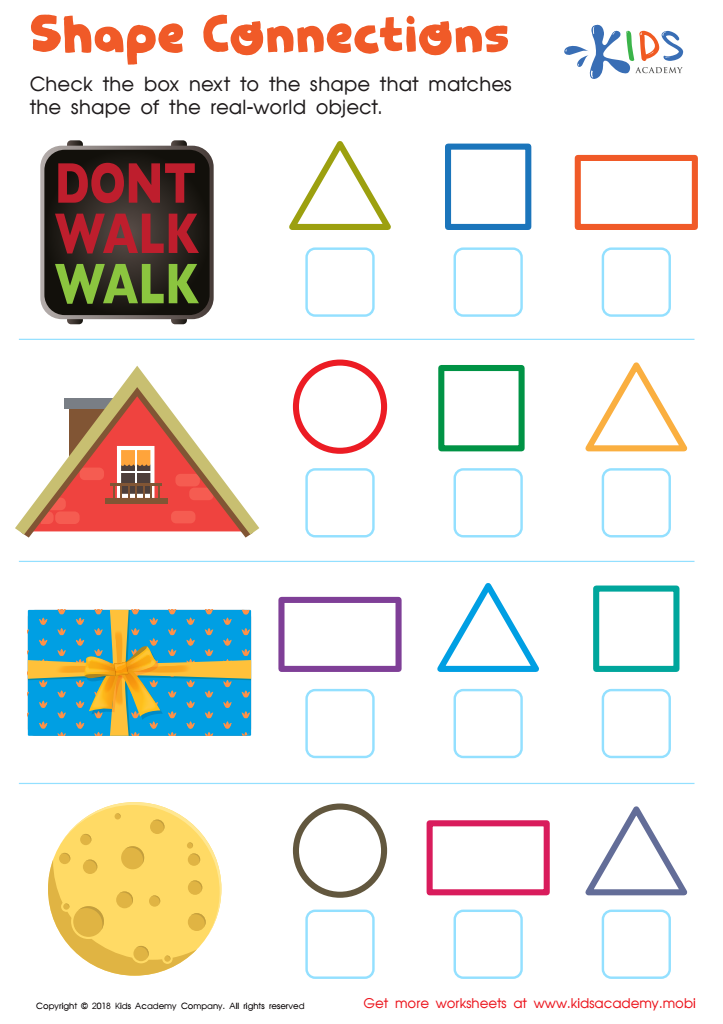
Shape Connections Worksheet
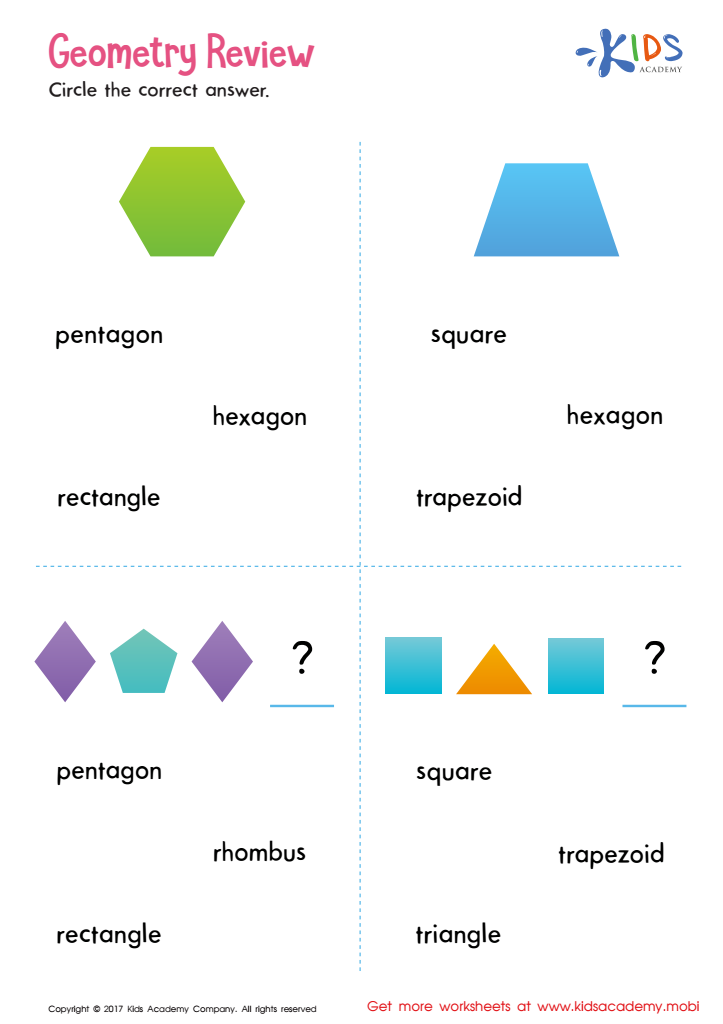
Geometry Review Printable
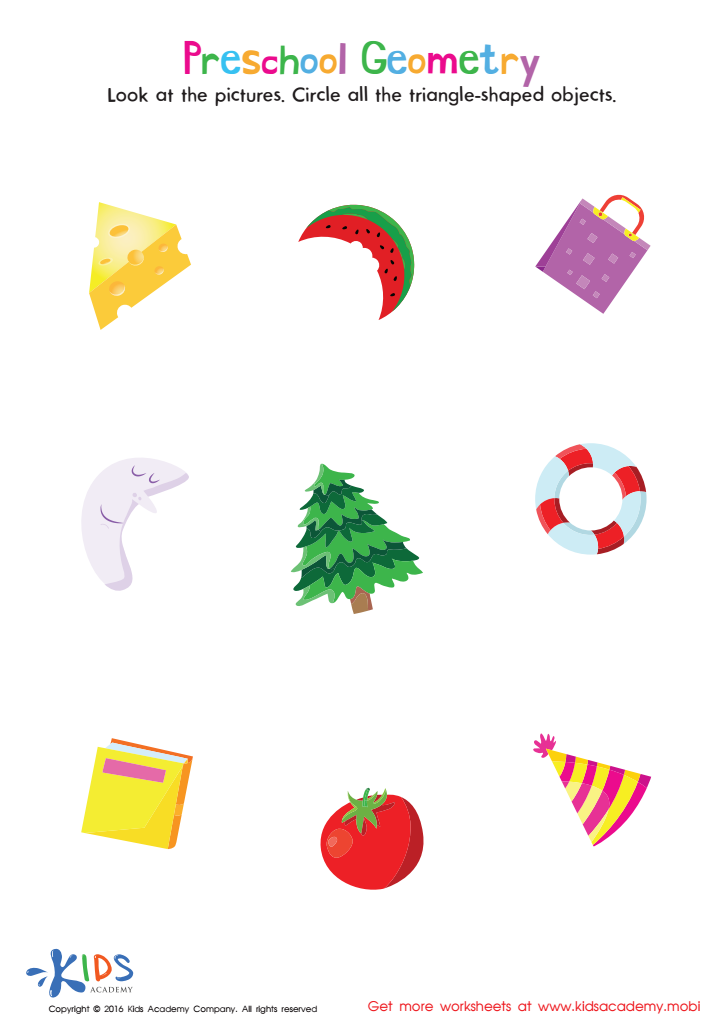
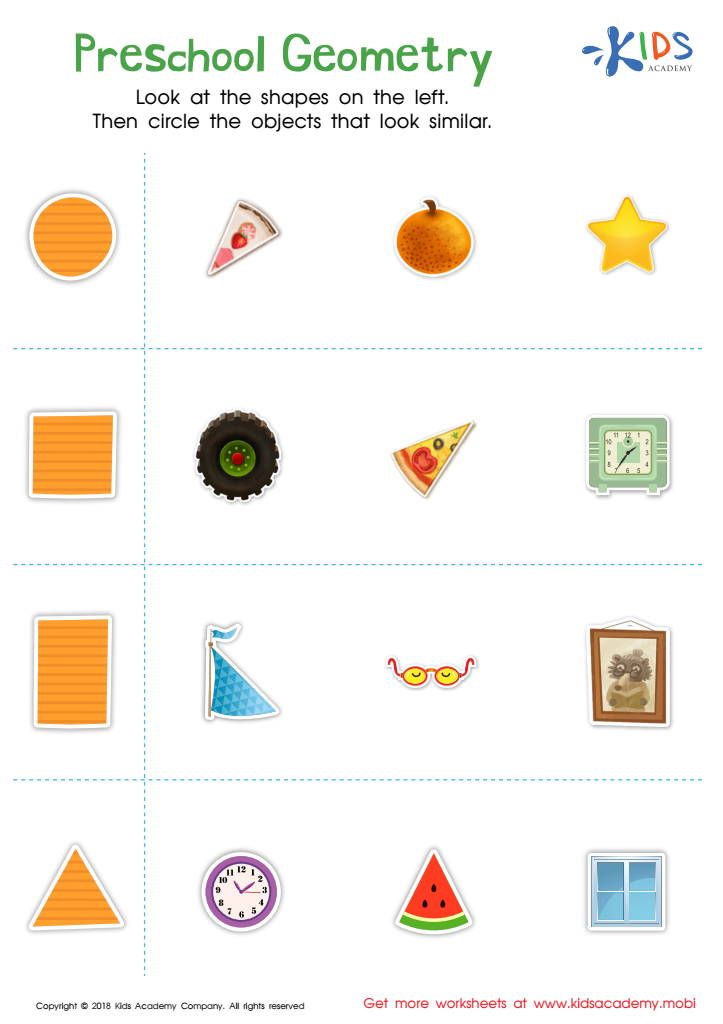
Preschool Geometry Worksheet
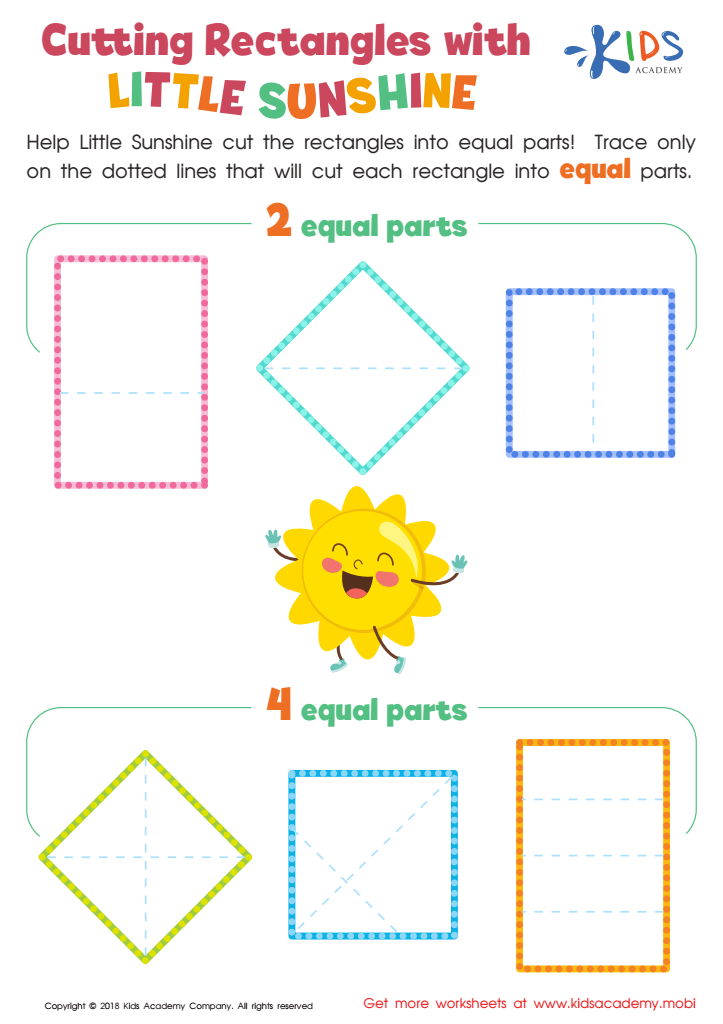
Cutting Rectangles with Little Sunshine Worksheet
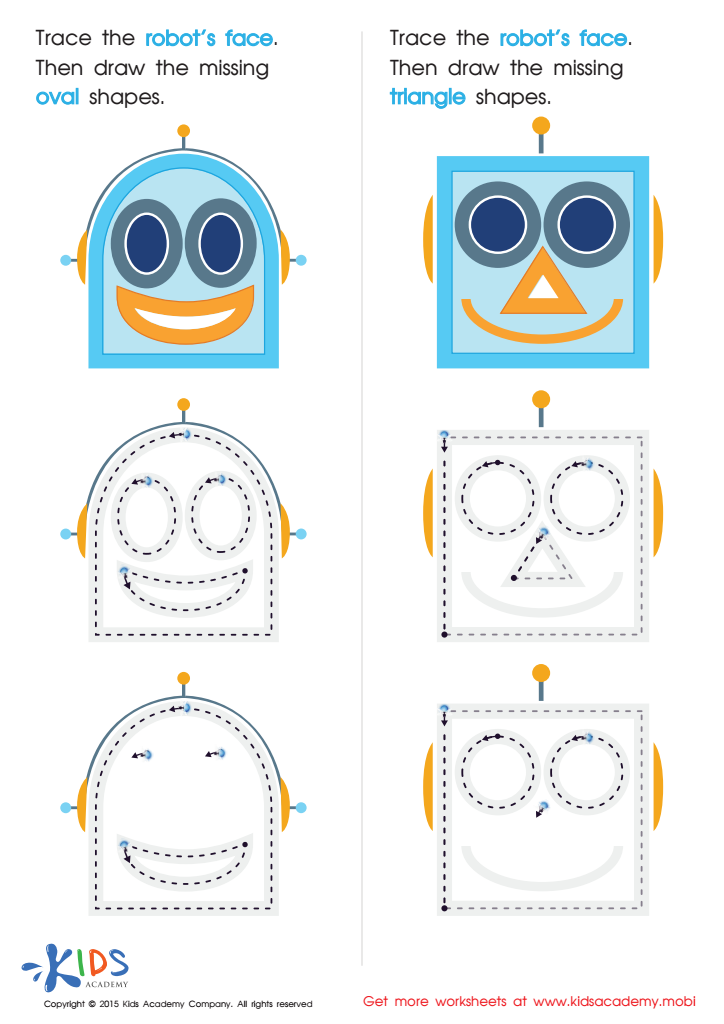
Drawing Ovals And Triangles with Fun Printable
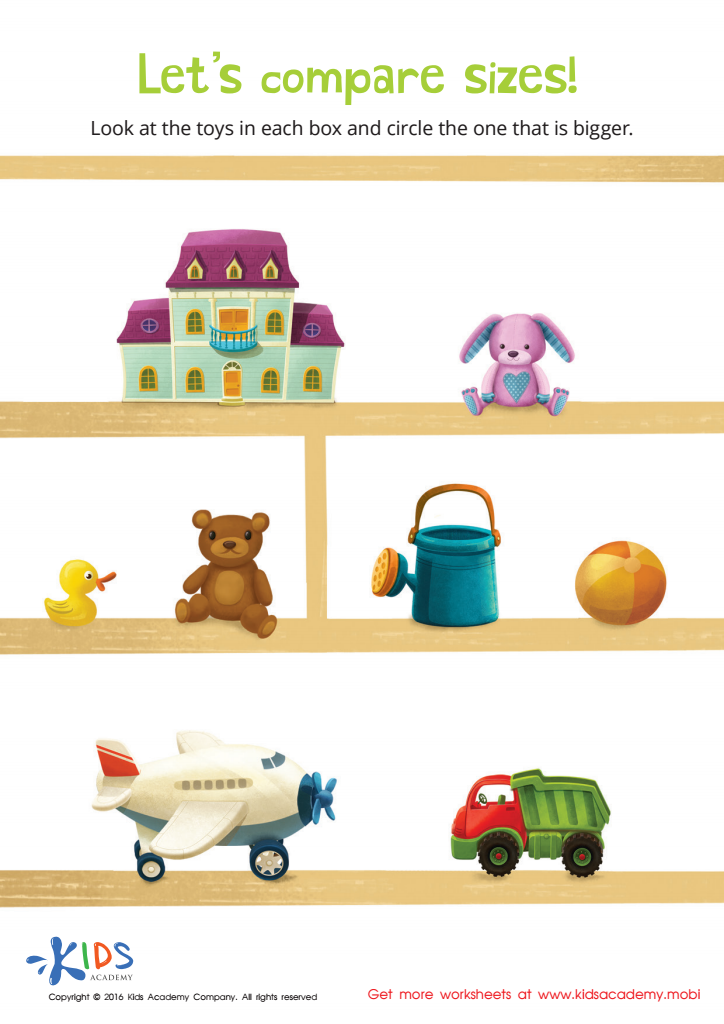
Classifying by Size Sorting Worksheet




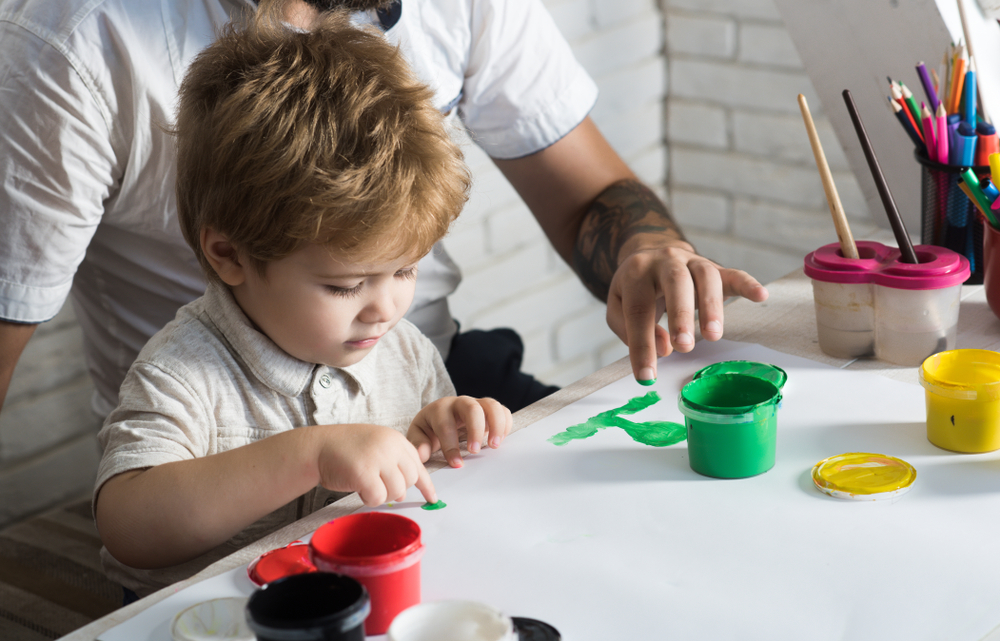



Understanding basic geometry is crucial for children aged 3-7 as it lays the foundation for their cognitive development and future mathematical skills. At this stage, children are naturally curious and eager to explore their surroundings. By introducing them to shapes, spatial relationships, and mathematical concepts, we equip them with tools to make sense of the world.
Geometry fosters critical thinking and problem-solving abilities. When children recognize and manipulate shapes, such as circles, squares, and triangles, they develop important skills like pattern recognition and classification. Engaging in geometry also enhances their ability to visualize and mentally manipulate objects, which is essential in mathematics.
Furthermore, geometry is interwoven in daily life, from identifying shapes in architecture to understanding the layout of spaces. Parents and teachers can utilize everyday situations, like playtime or art projects, to reinforce these concepts in a fun and meaningful way.
Lastly, early exposure to geometry supports a strong foundation for later math concepts, such as fractions, measurement, and algebra. By nurturing their interest and understanding of geometry, we prepare children to become confident learners, better preparing them for future academic challenges. In essence, investing in geometry education now leads to richer learning experiences in mathematics later on.








