Logical thinking Matching Worksheets for Ages 3-7
5 filtered results
-
From - To
Unlock the power of logical thinking with our engaging Matching Worksheets for ages 3-7! Designed to enhance cognitive skills in young learners, these worksheets provide fun activities that promote critical thinking, problem-solving, and pattern recognition. Each worksheet guides children through exciting matching tasks, encouraging them to connect related images, objects, and concepts. Ideal for preschool and early grade classrooms, these resources cultivate curiosity and lay the foundation for more complex reasoning skills. Accessible and user-friendly, our worksheets make learning enjoyable while effectively nurturing your child's intellectual development. Start exploring today and watch your little ones become confident thinkers!
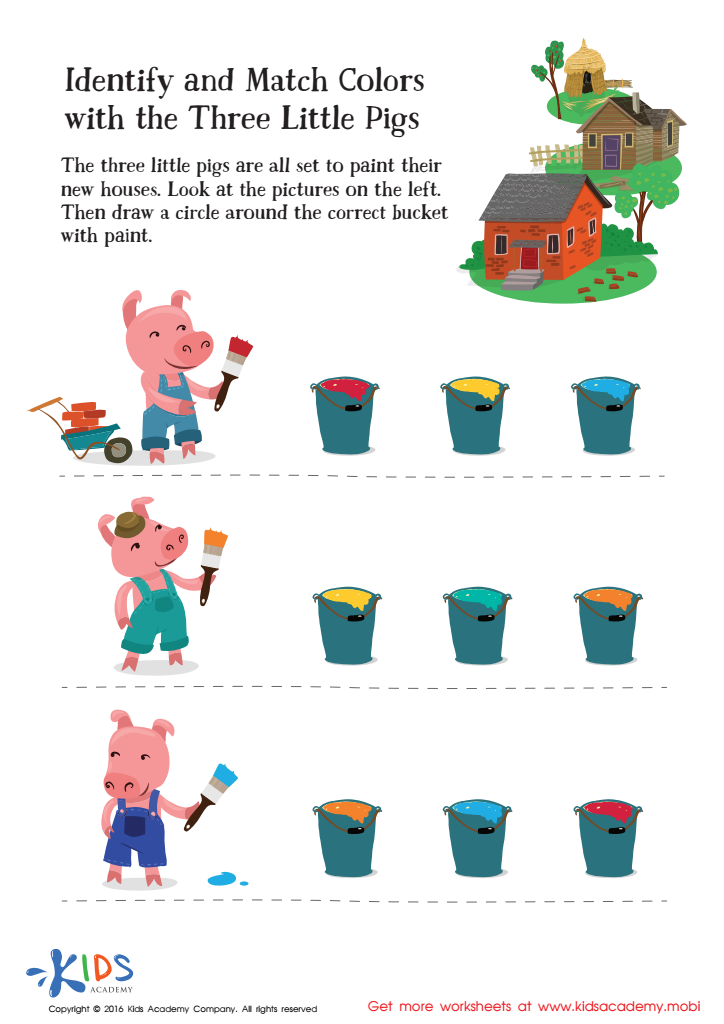
Fairy Tale Worksheet: Identify and Match Colors with Three Little Pigs
 Assign to My Students
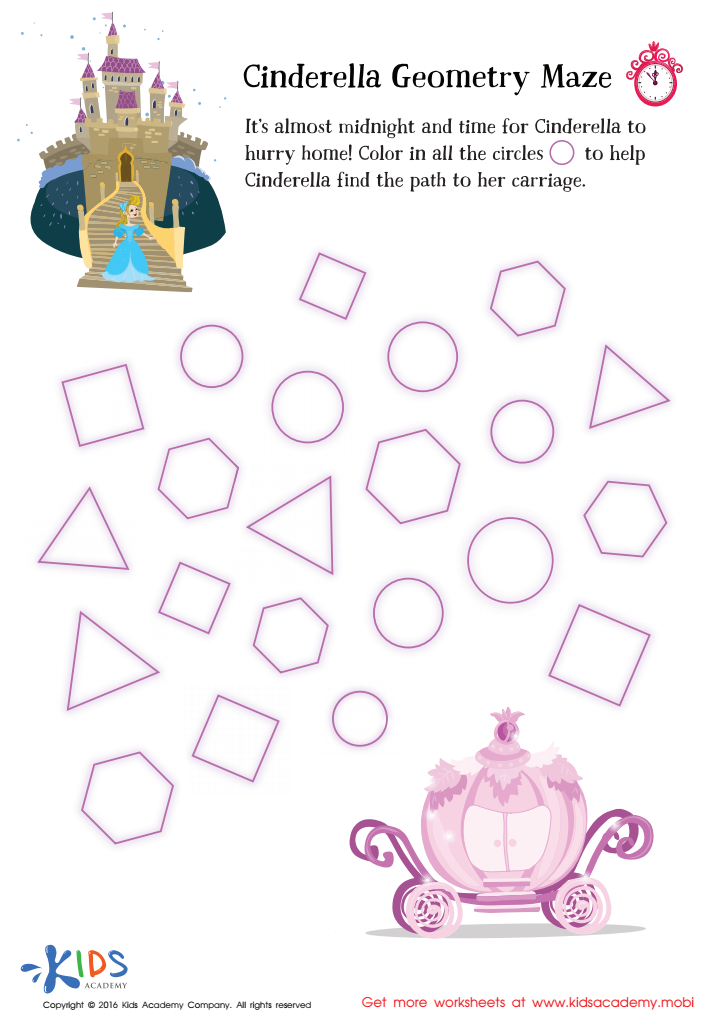
Cinderella Geometry Maze Worksheet
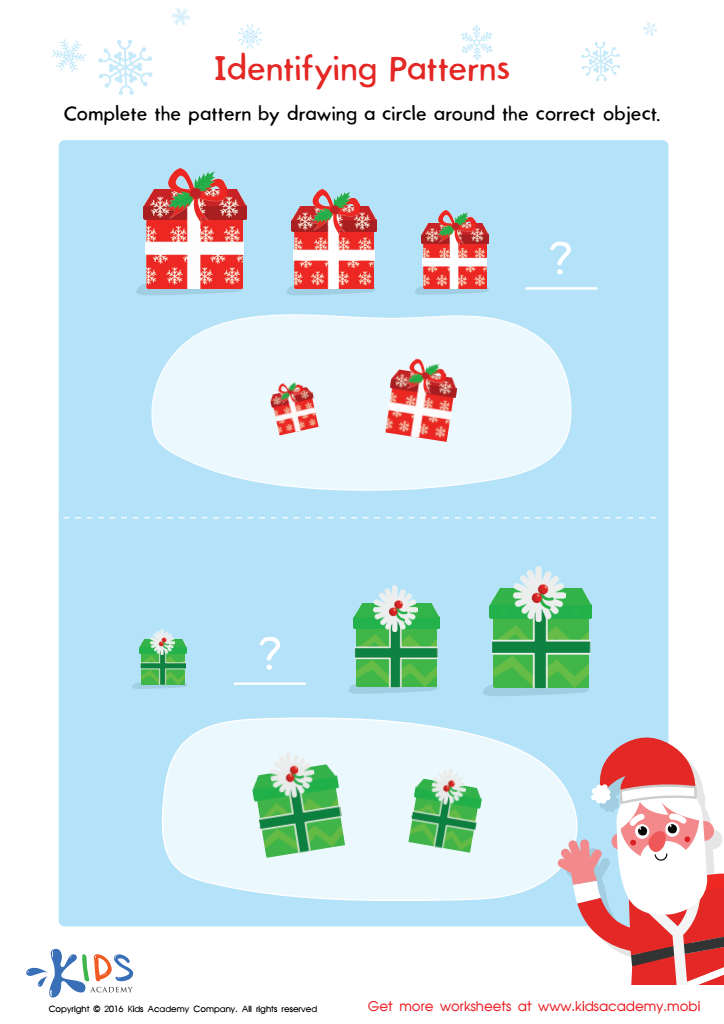
Identifying Patterns Worksheet
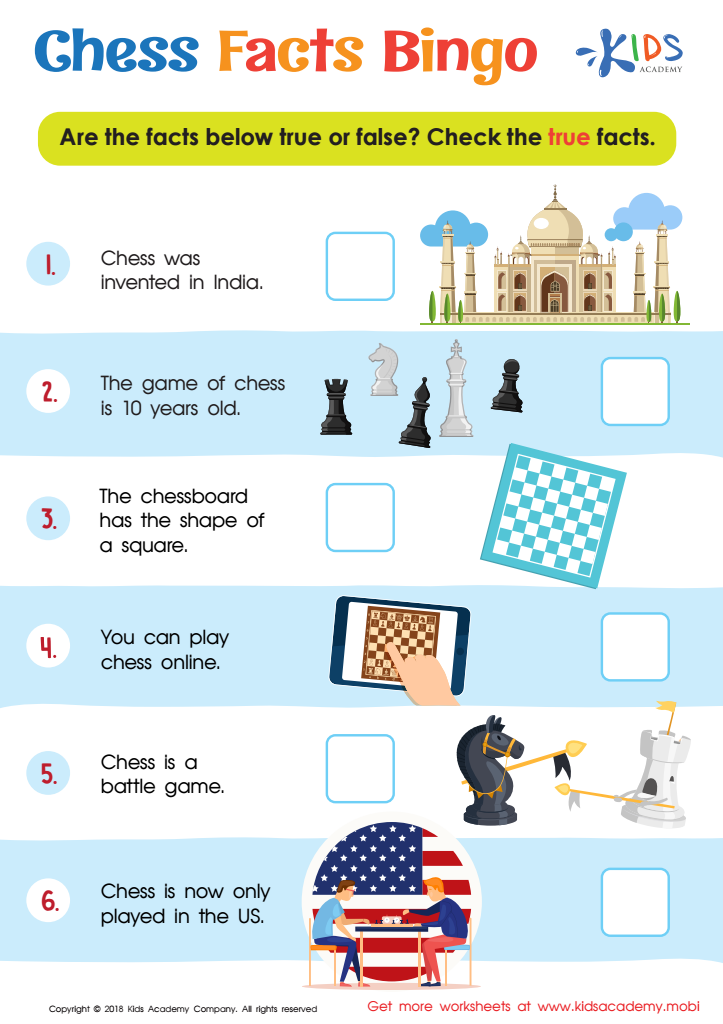
Chess Facts Bingo Worksheet
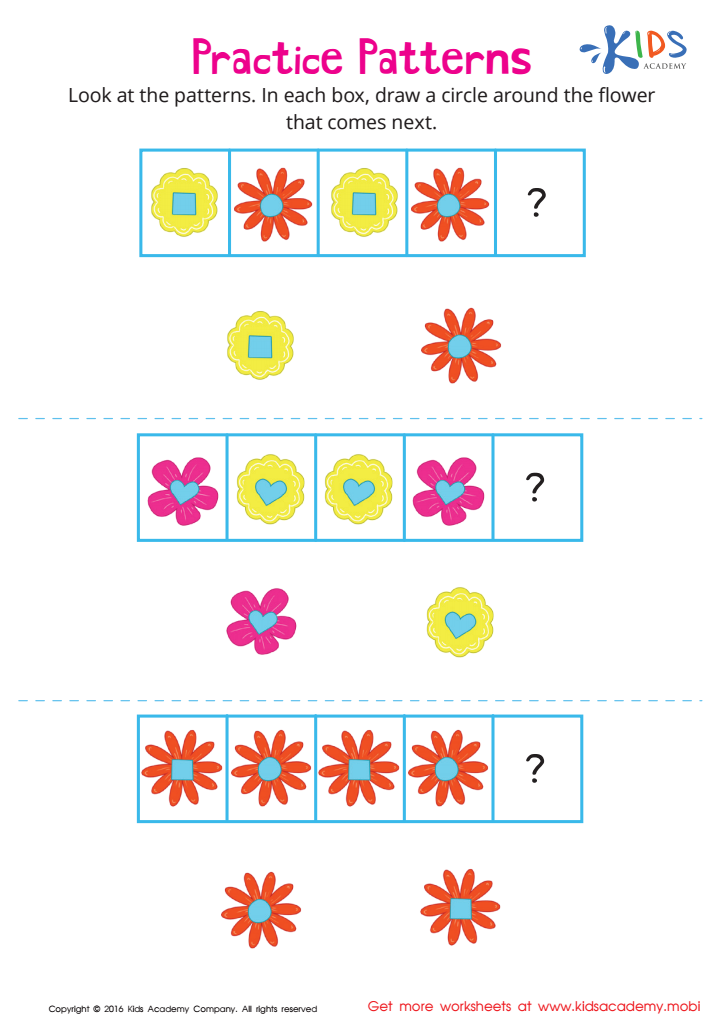








Logical thinking is a vital cognitive skill that lays the foundation for problem-solving, decision-making, and analytical skills essential in a child's development. For children aged 3 to 7, logical thinking matching activities serve as playful yet structured exercises that enhance these skills.
Engaging children in logical thinking matching helps them identify relationships, categorize objects, and recognize patterns—fundamental components of reasoning. This cognitive training not only aids their academic growth, accelerating their ability to tackle subjects like math and science later on, but also boosts their confidence in facing challenges.
Parents and teachers should care about fostering logical thinking at this early stage because it cultivates curiosity and promotes persistence. Children learning to match and reason tend to approach problems with curiosity—they learn that mistakes can be constructive and that perseverance yields solutions.
Moreover, structured activities in a supportive environment can enhance social skills through collaborative play, teaching children the value of cooperation, communication, and empathy. By investing time in logical thinking matching, parents and teachers ensure that children are well-equipped for the complexities of higher-level thinking, laying a foundational skill set that will support them throughout their education and life.








