Reading comprehension Matching Worksheets for Ages 3-7
10 filtered results
-
From - To
Enhance your child's reading skills with our engaging Reading Comprehension Matching Worksheets, designed specifically for ages 3 to 7! These colorful and interactive worksheets encourage young learners to connect words with pictures and improve their comprehension abilities. Through fun matching exercises, kids will practice identifying key concepts and details in stories. Our worksheets cater to various learning levels, making them suitable for preschoolers and early grade schoolers. Boost your child's confidence in reading while providing hours of educational entertainment. Get started today and watch your little one develop essential literacy skills that will benefit them for years to come!
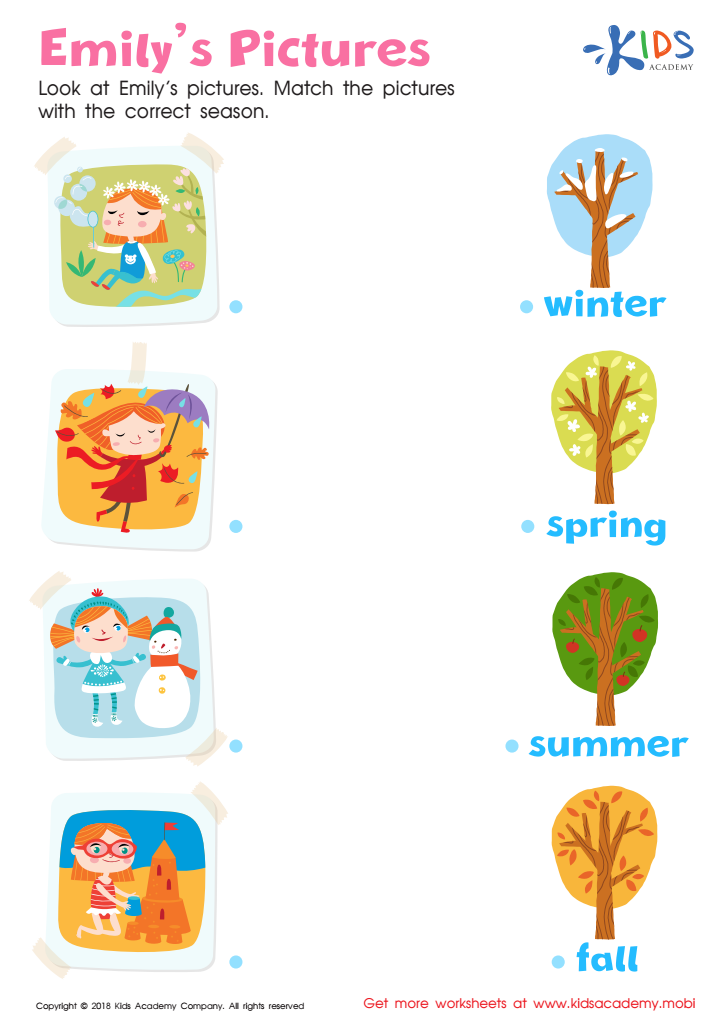
Emily's Pictures Worksheet
 Assign to My Students
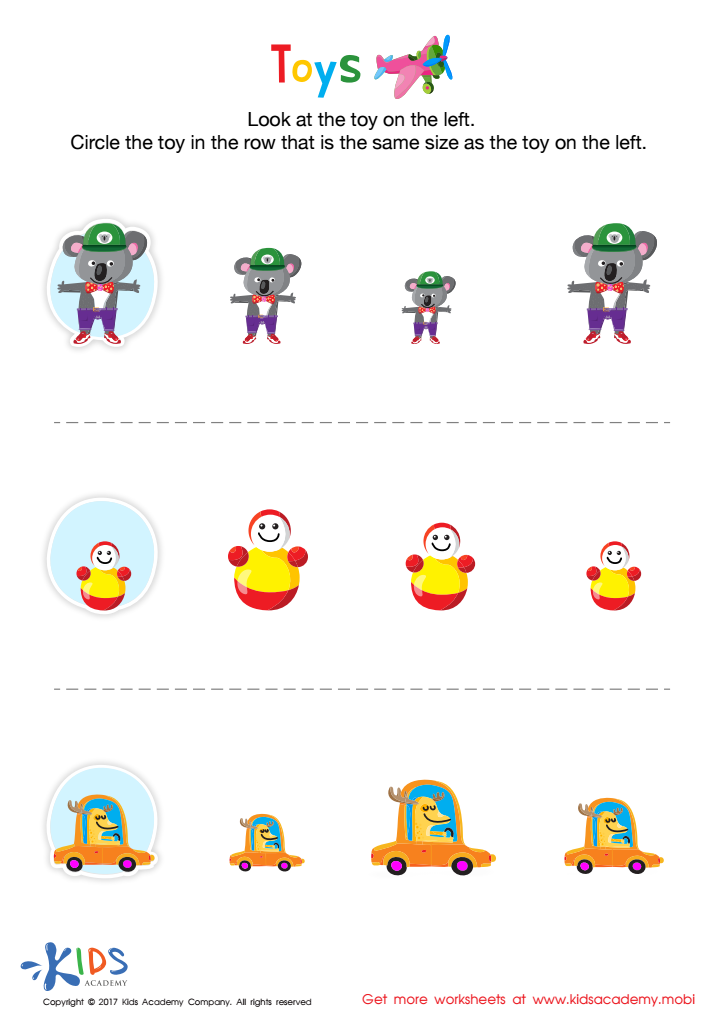
Matching: Classifying Toys by Size Worksheet
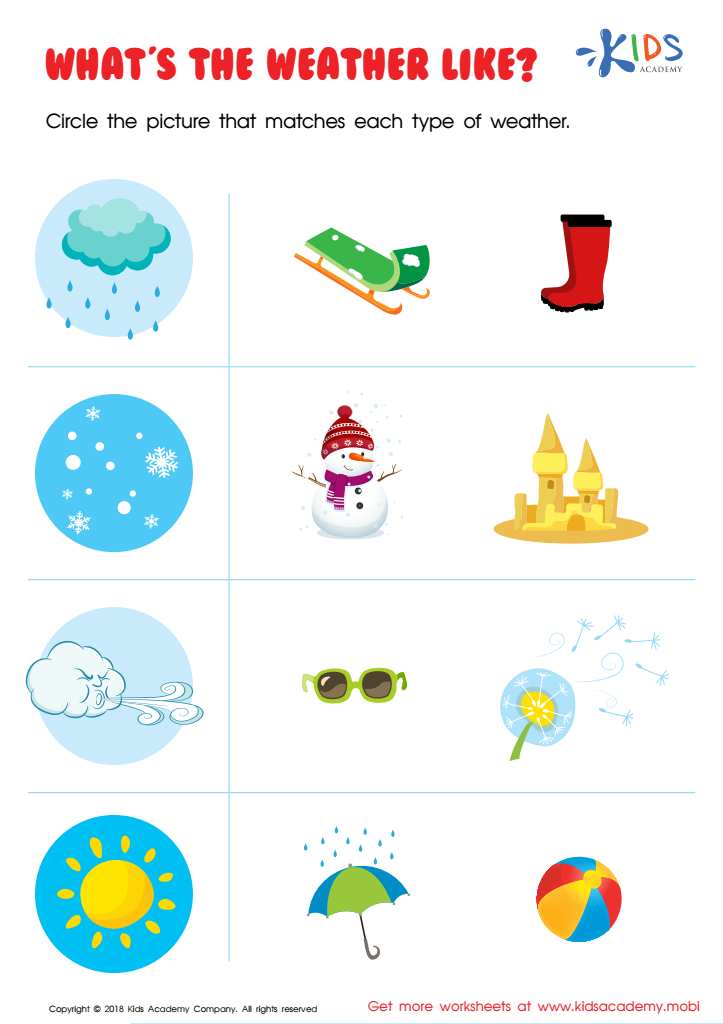
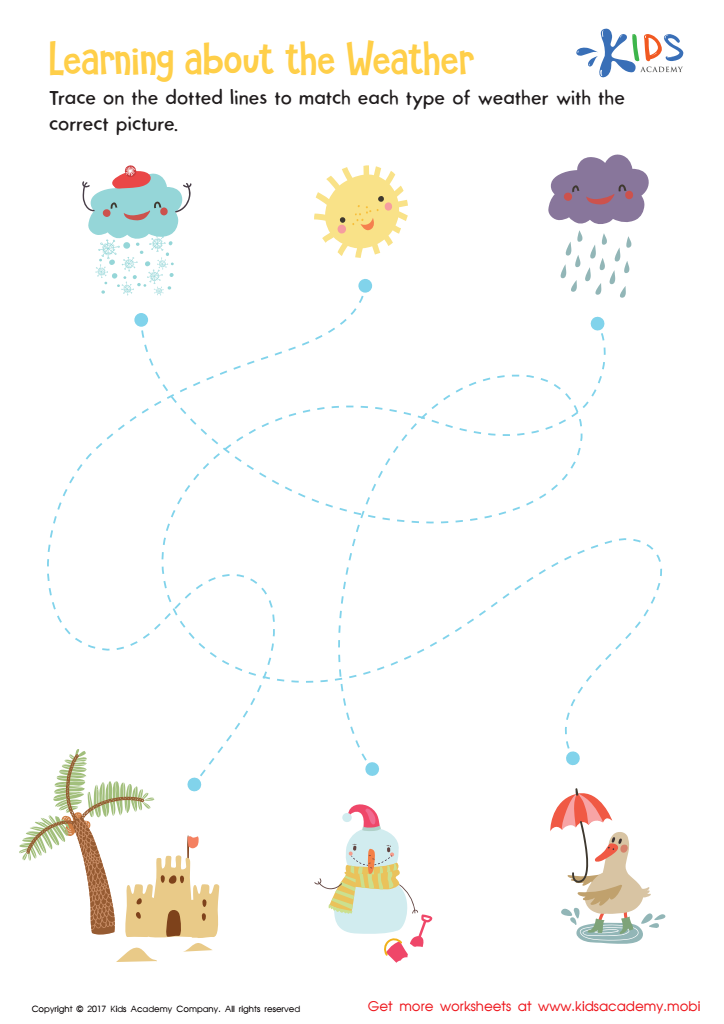
What's the Weather Like? Worksheet
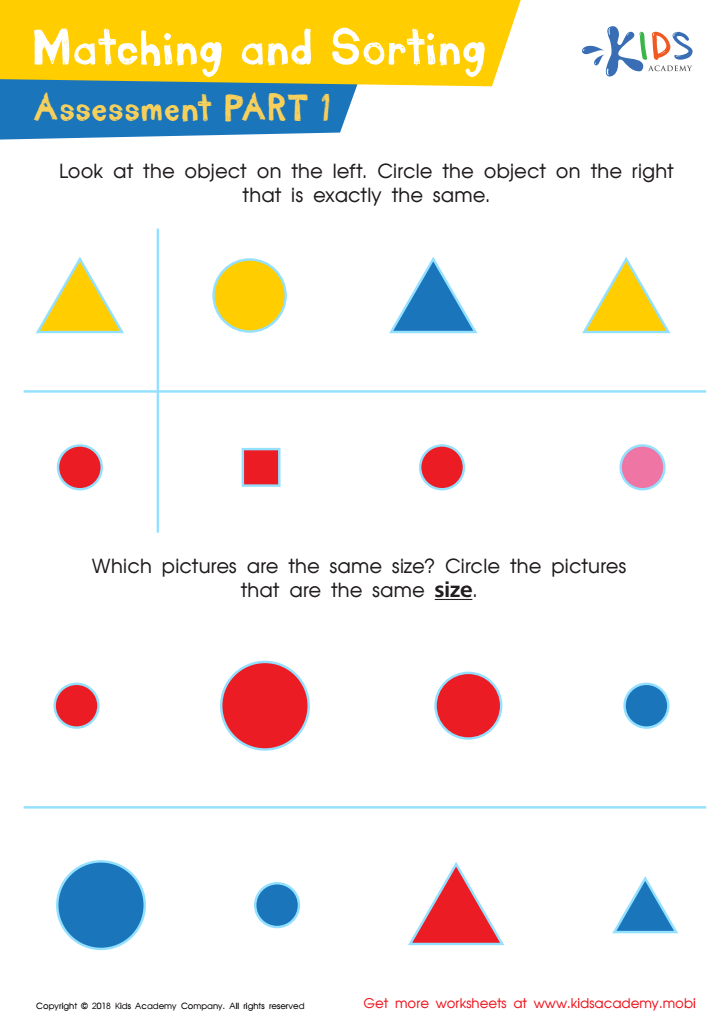
Matching and Sorting for Kindergarten: Assessment 1 Worksheet
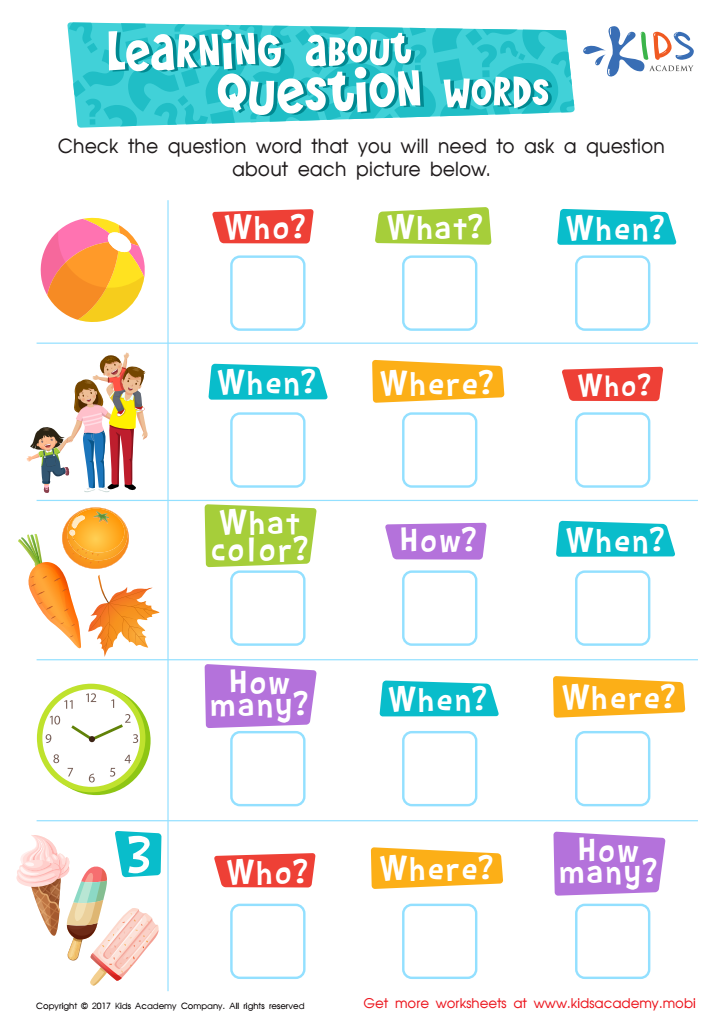
Learning about Question Words Worksheet
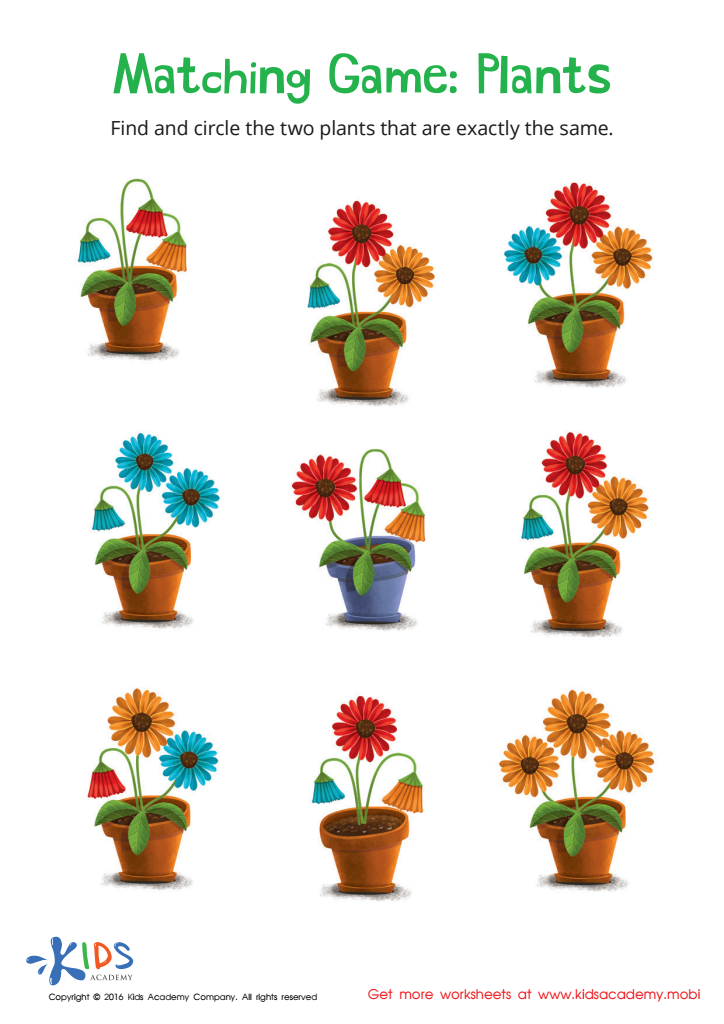
Matching: Plants Worksheet
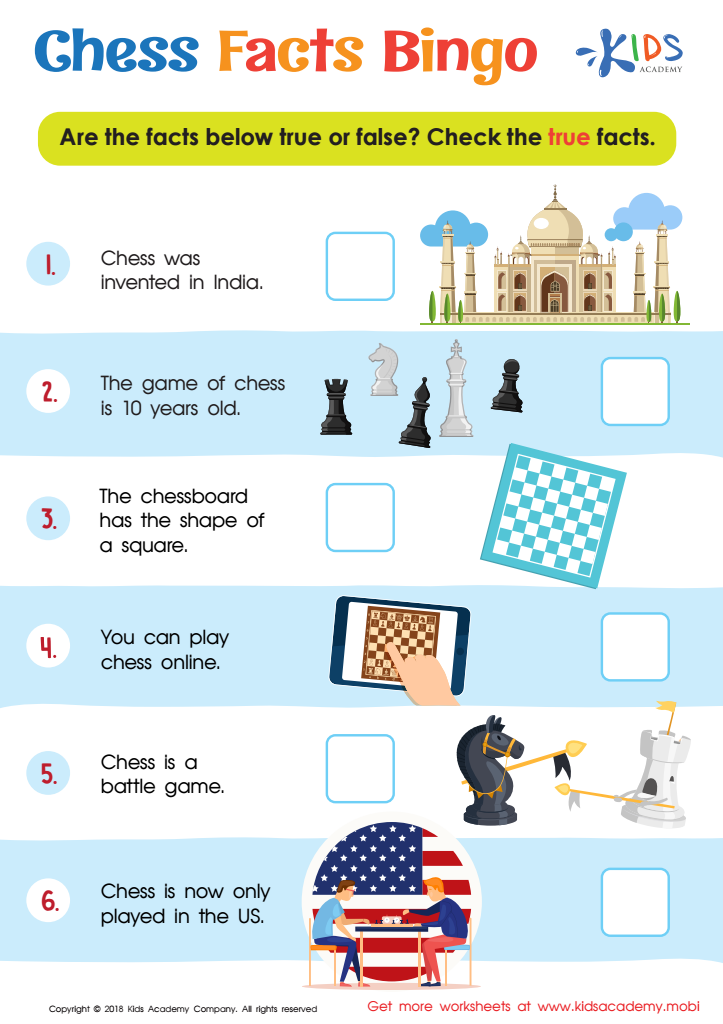
Chess Facts Bingo Worksheet
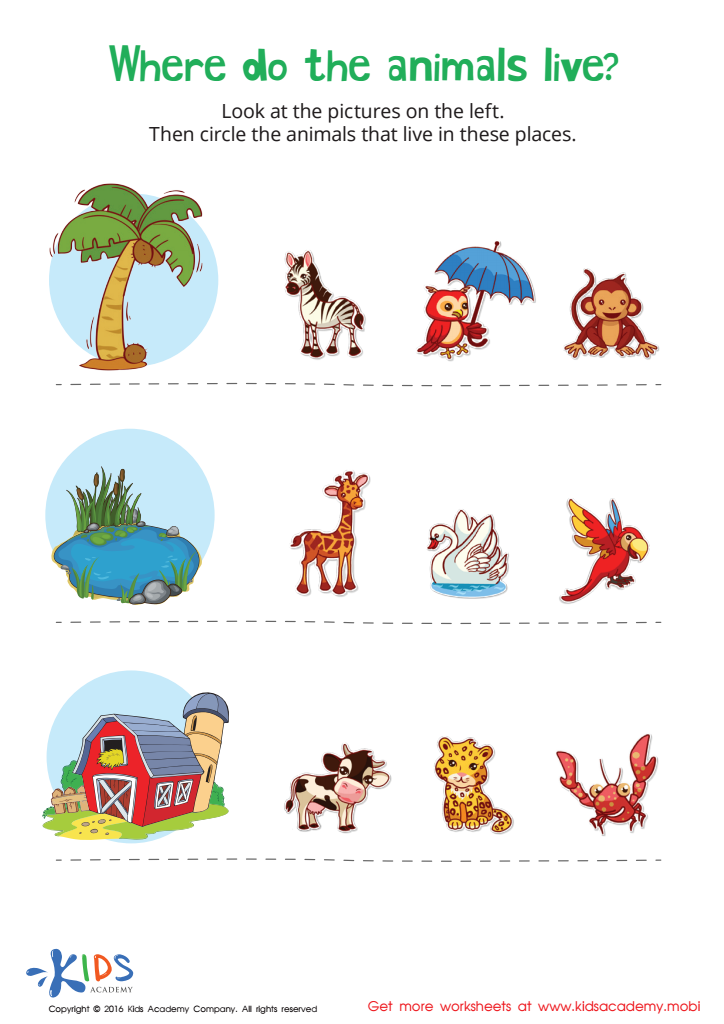
Where Animals Live Worksheet
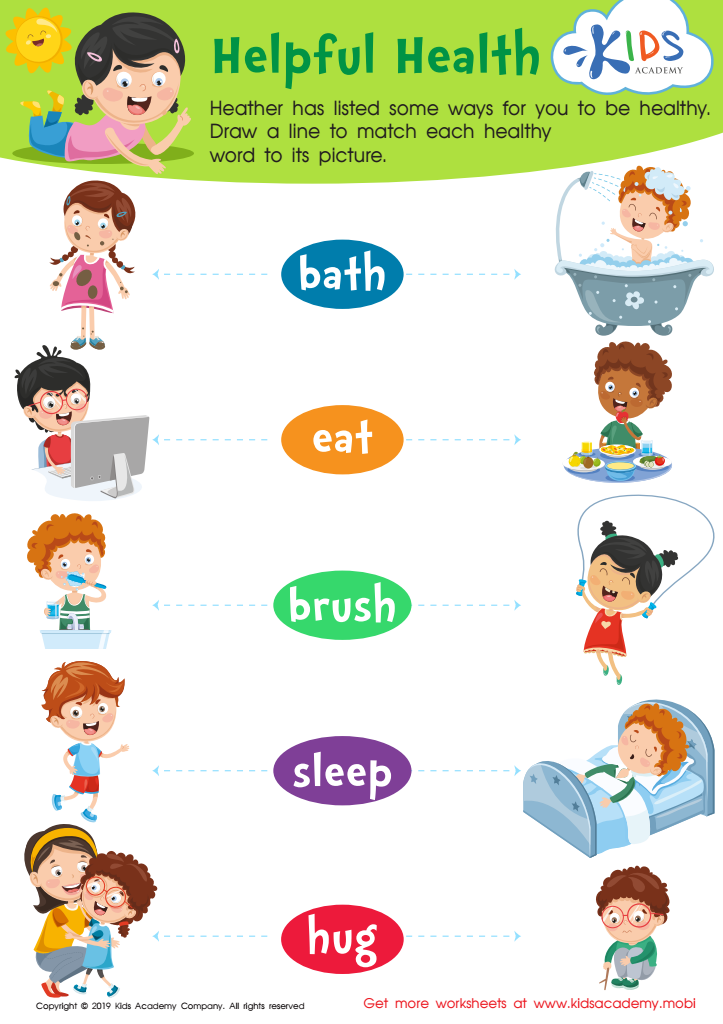
Helpful Health Worksheet







Reading comprehension matching for children ages 3-7 is crucial for developing essential literacy skills, forming the foundation for future academic success. During these formative years, young children are in a critical stage of language development, where effective reading comprehension strategies can significantly enhance their understanding of texts.
Parents and teachers should care about this because improved reading comprehension not only aids in understanding written material but also nurtures a child’s ability to think critically, make connections, and engage with the world around them. By using matching activities, children learn to associate words with images, foster vocabulary acquisition, and develop early decoding skills, which are vital for fluent reading.
Furthermore, facilitating reading comprehension through matching can sparking a love for storytelling, encouraging imagination, and promoting a lifelong appreciation for literature. Engaging families in this process also supports home learning environments, emphasizing the role of parents in literacy development. Ultimately, by prioritizing reading comprehension matching, we empower young learners, helping them build confidence and resilience as they embark on their educational journeys, setting the stage for lifelong learning and success. For these reasons, it's essential for adults to recognize and promote these activities in early childhood education.








