Number Sequencing Numbers up to 100 Worksheets for Ages 3-7
6 filtered results
-
From - To
Our "Number Sequencing Numbers up to 100 Worksheets for Ages 3-7" are designed to enhance early math skills, making learning both fun and effective. These vibrant worksheets help children identify, understand, and sequence numbers correctly. Featuring engaging visuals and interactive exercises, kids can practice counting, recognizing patterns, and arranging numbers in the correct order. Perfect for preschool and early elementary students, these worksheets cater to various skill levels and learning styles. By progressing through these exercises, children will build a solid mathematical foundation, boosting their confidence and preparing them for more advanced math challenges ahead.
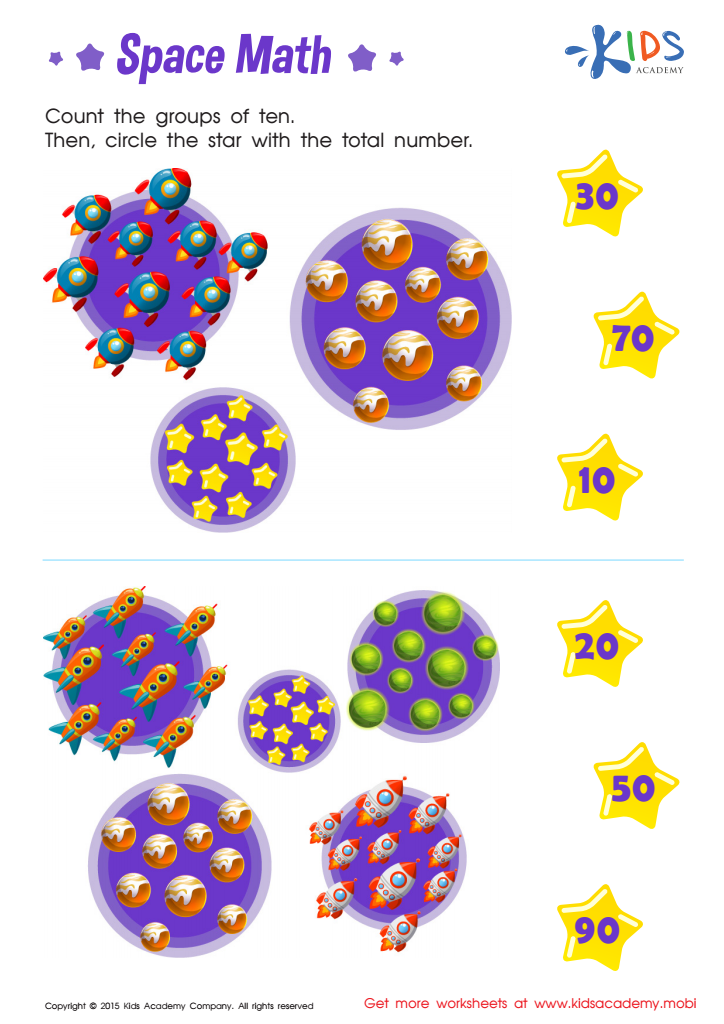
Learn dozens: Space math Worksheet
 Assign to My Students
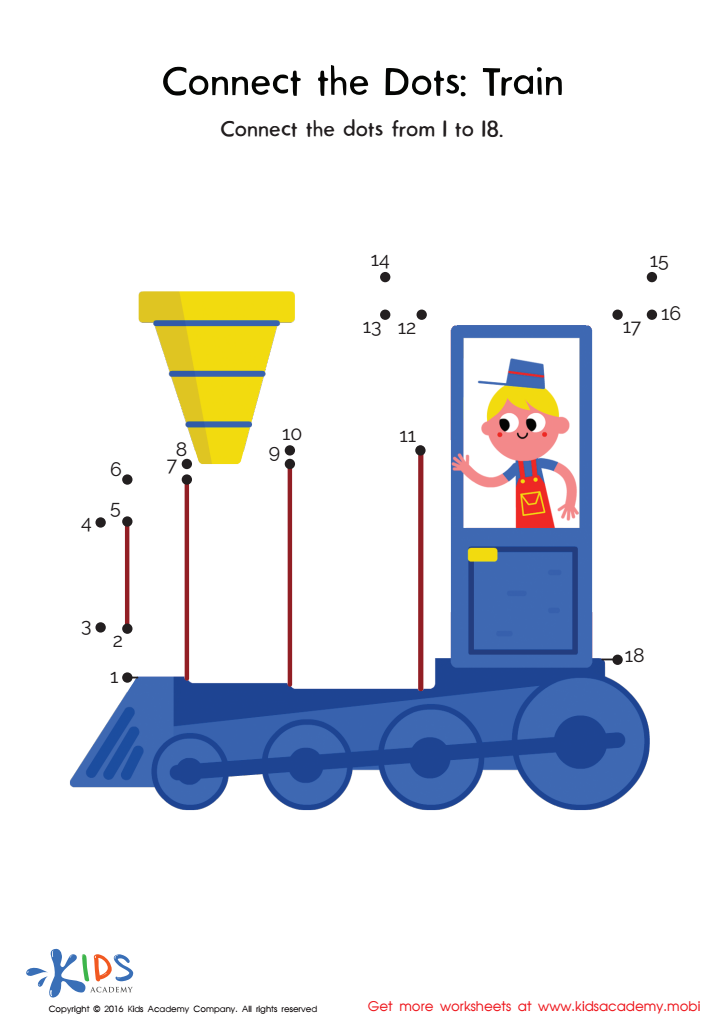
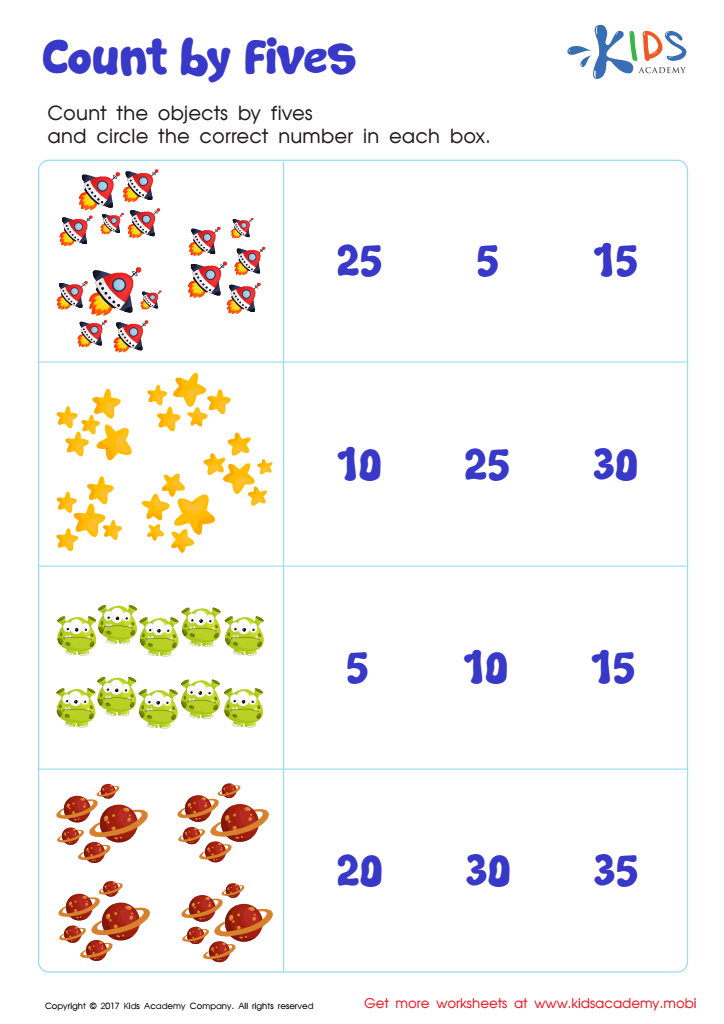
Skip Counting by 5s: Space Math Printable
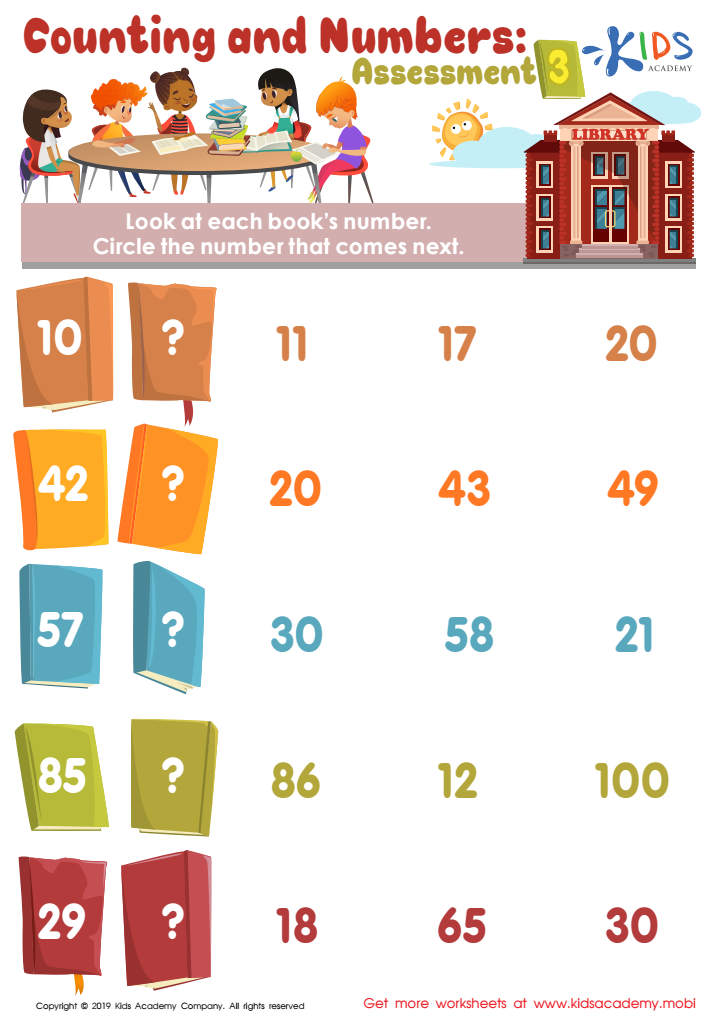
Counting and Numbers: Assessment Worksheet
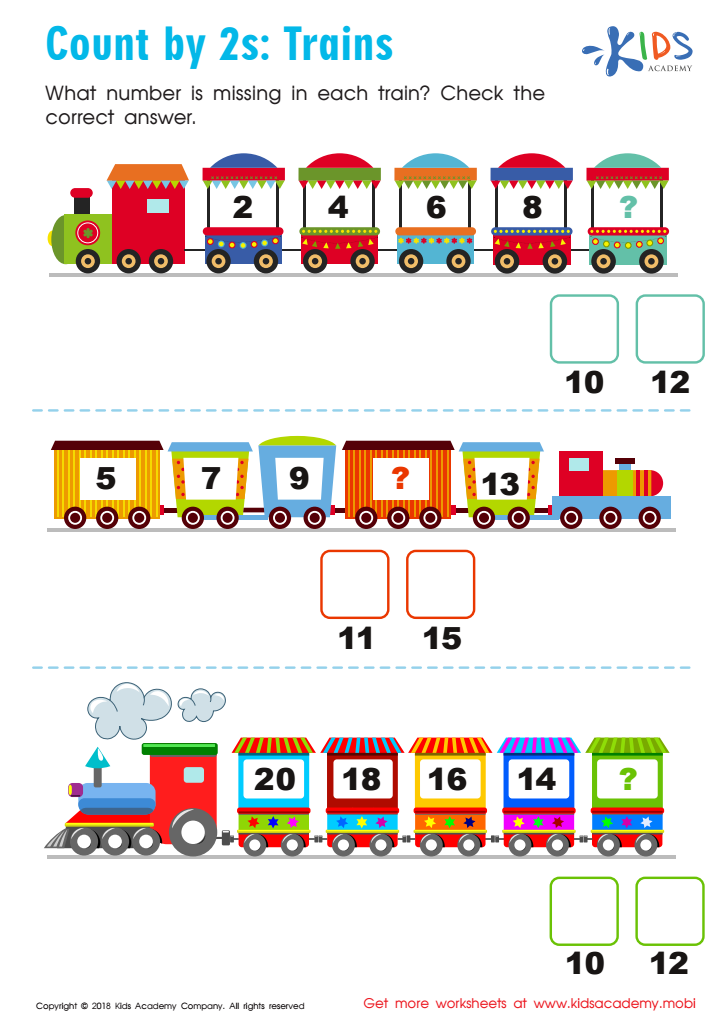
Count by 2's: Trains Worksheet
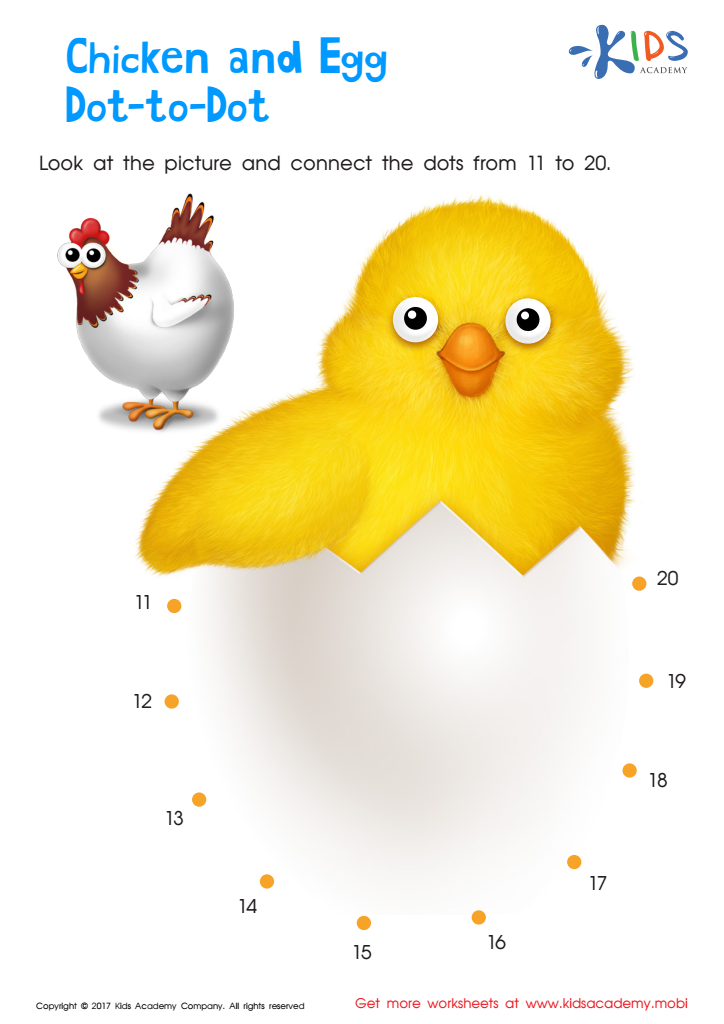
Ordering 11–20: Chicken & Egg Dot–to–dot Worksheet








Number sequencing is a fundamental skill for young children, especially for those between the ages of 3-7. By understanding and mastering number sequences up to 100, they develop a solid foundation for future mathematical learning. Here are a few key reasons why parents and teachers should prioritize this aspect of early childhood education:
-
Cognitive Development: Number sequencing enhances children's cognitive abilities. It helps them recognize patterns and develop logical thinking skills essential for problem-solving.
-
Numeracy Skills: Developing an understanding of number order prepares children for more complex mathematical concepts. It serves as a stepping stone to addition, subtraction, and other arithmetic operations.
-
Language Skills: When children practice sequencing, they simultaneously improve their verbal counting abilities, enriching their vocabulary and number recognition skills.
-
Confidence: Mastery of number sequencing fosters a sense of achievement and boosts confidence. Early success in mathematical skills can create positive attitudes towards learning in general.
-
Learning Framework: Sequential numbering aids in understanding time, position, and order in daily activities. It creates routine awareness and enhances organizational abilities.
-
Academic Readiness: Proficiency in number sequencing prepares children for the structured math curriculum they will encounter in school settings.
Overall, focusing on number sequencing activities supports broad developmental skills that are crucial for overall academic and daily life success.








