Building Vocabulary Worksheets for Ages 3-7 - Page 17
389 filtered results
-
From - To
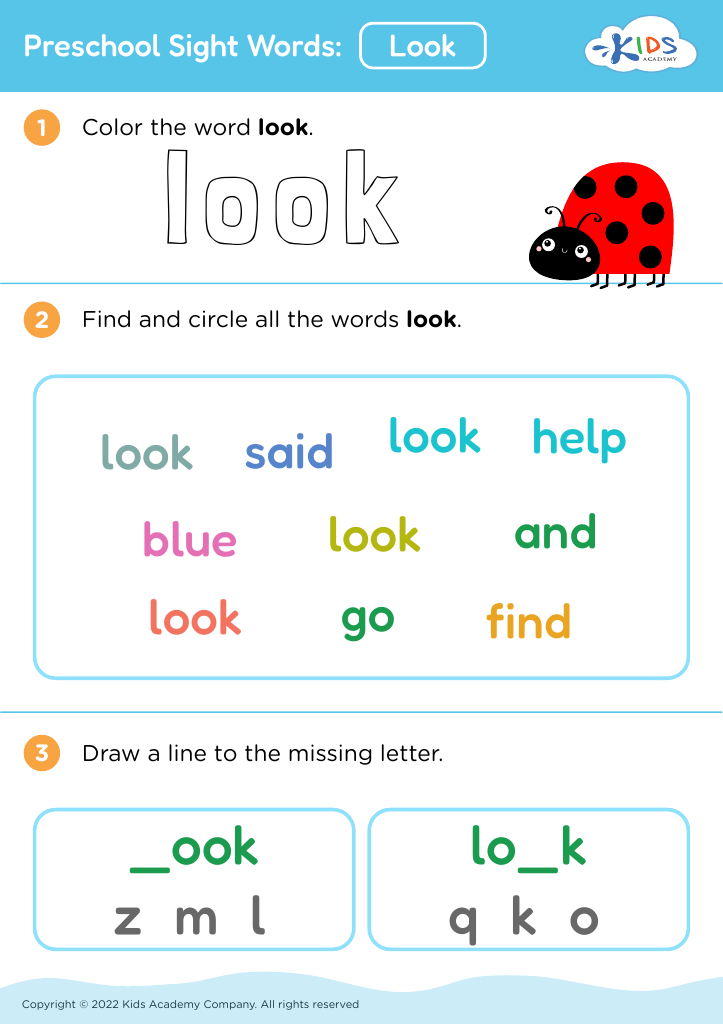











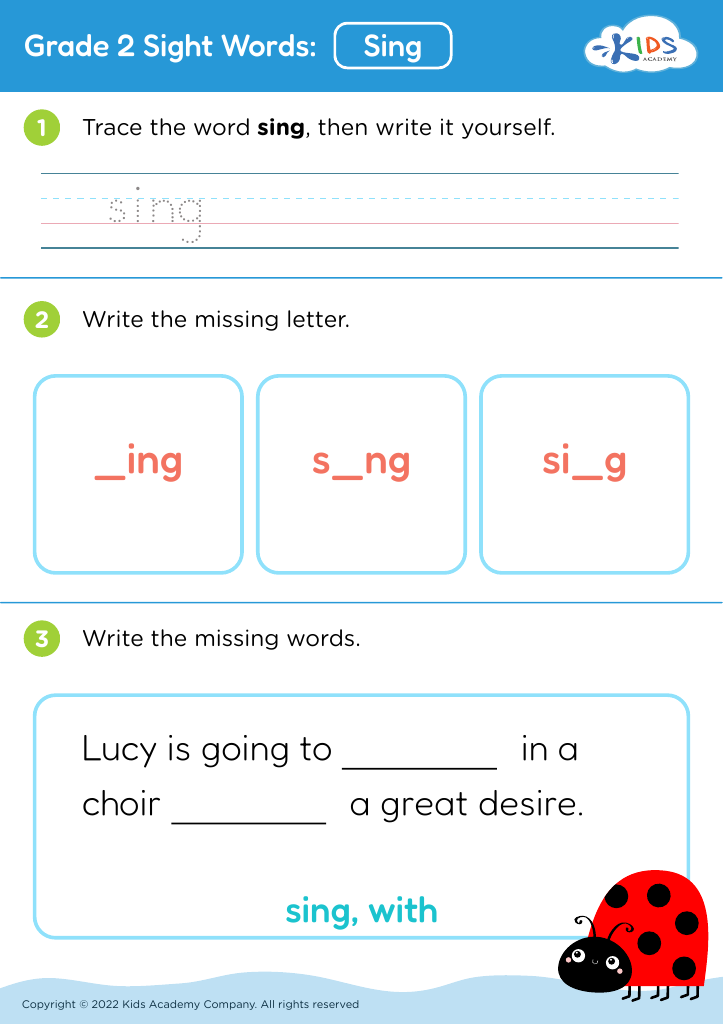
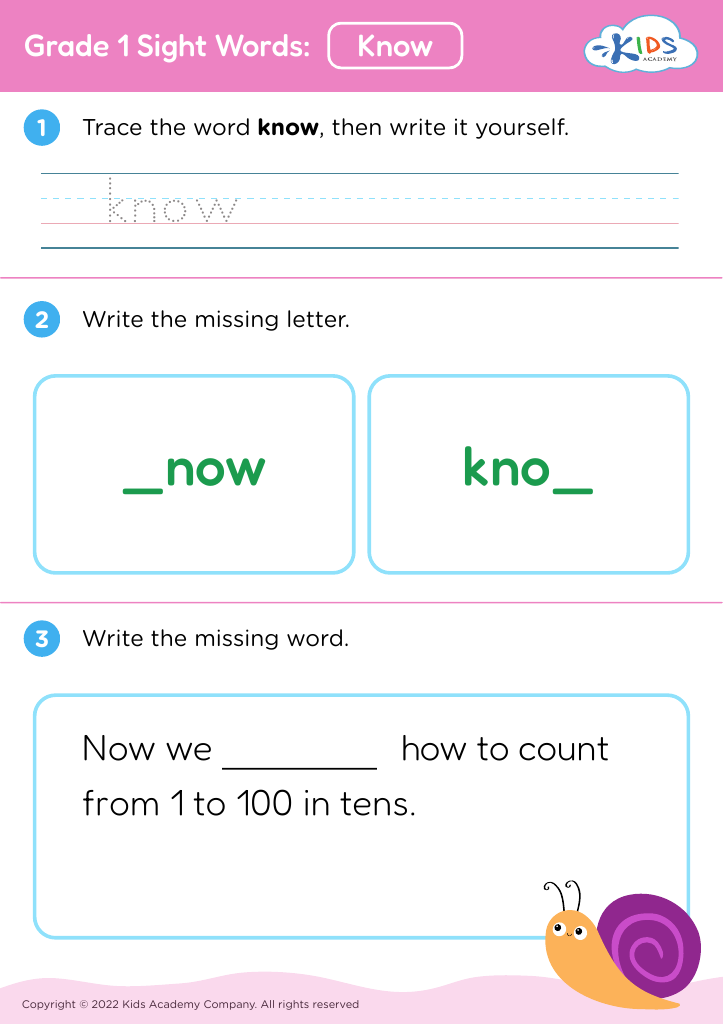
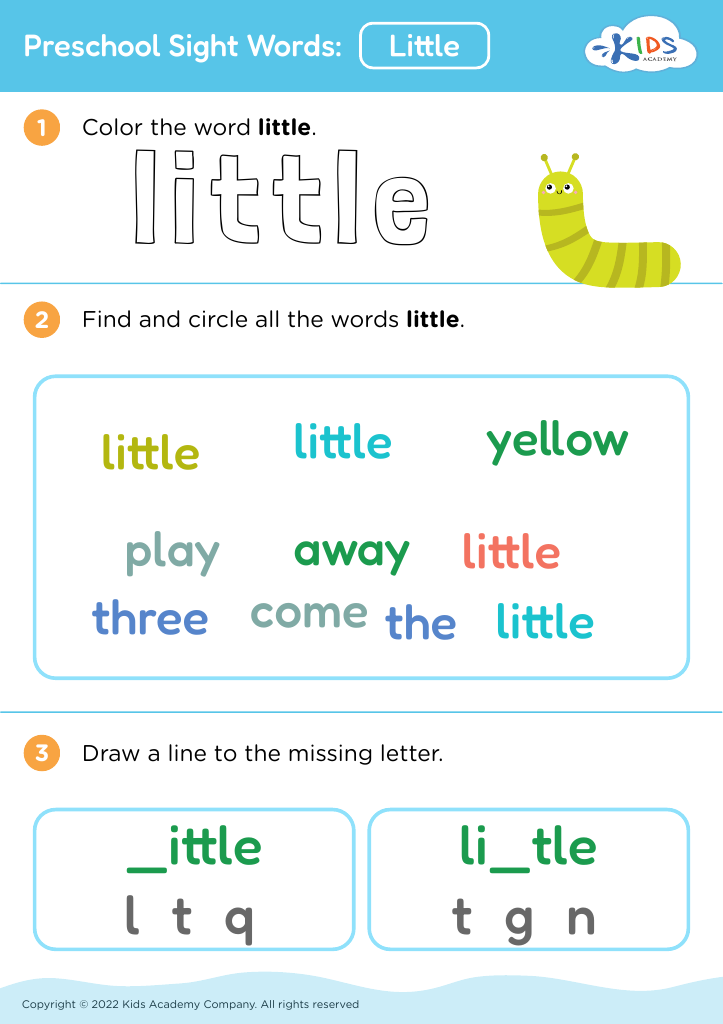
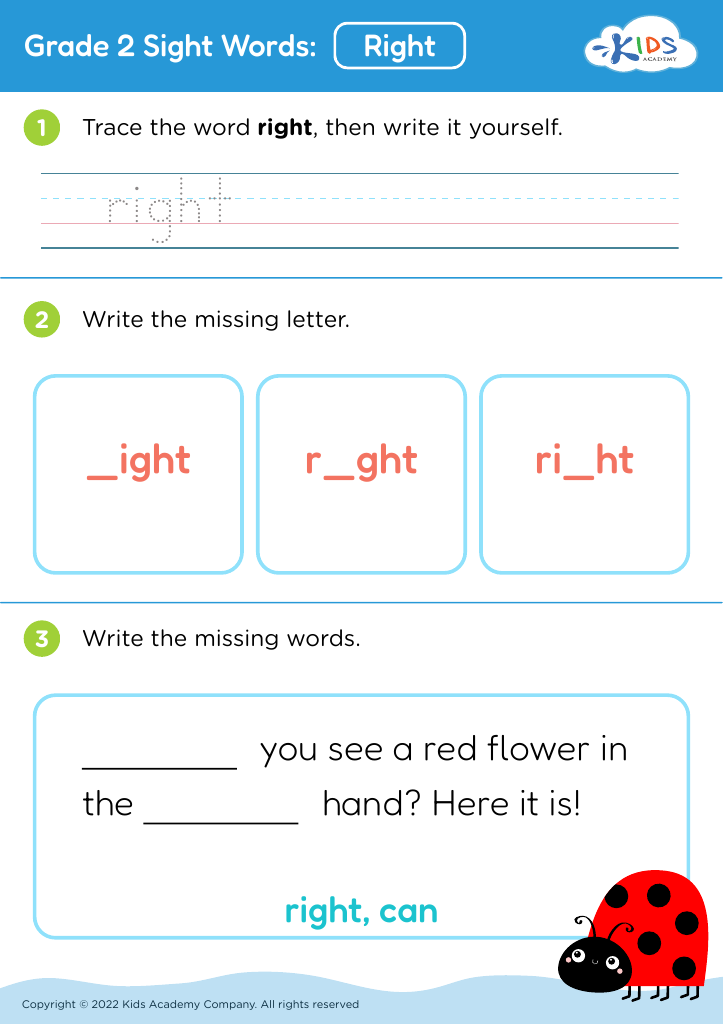








Building vocabulary for children ages 3-7 is crucial for their overall development and future academic success, and parents and teachers should actively support this process. At this stage, children are in a prime period for language acquisition, and a robust vocabulary forms the foundation for effective communication, reading, and writing skills.
A strong vocabulary enhances a child's ability to comprehend and express their thoughts and feelings clearly. This ability is important for social interactions, allowing children to build relationships and navigate social situations confidently. Additionally, early vocabulary development is directly linked to later reading comprehension and academic achievement. Children with rich vocabularies find it easier to decode and understand new words, which fosters a love for reading and learning.
Furthermore, vocabulary building stimulates cognitive development by encouraging children to make sense of the world around them through words. It helps in critical thinking and problem-solving as children learn to categorize and connect different concepts.
In practical terms, parents and teachers can support vocabulary growth through interactive reading, engaging conversations, and providing a language-rich environment. By emphasizing vocabulary development during these early years, adults set children on a path toward academic excellence and effective communication skills, which are essential for future success.








