Vocabulary expansion Building Vocabulary Worksheets for Ages 3-7 - Page 2
45 filtered results
-
From - To
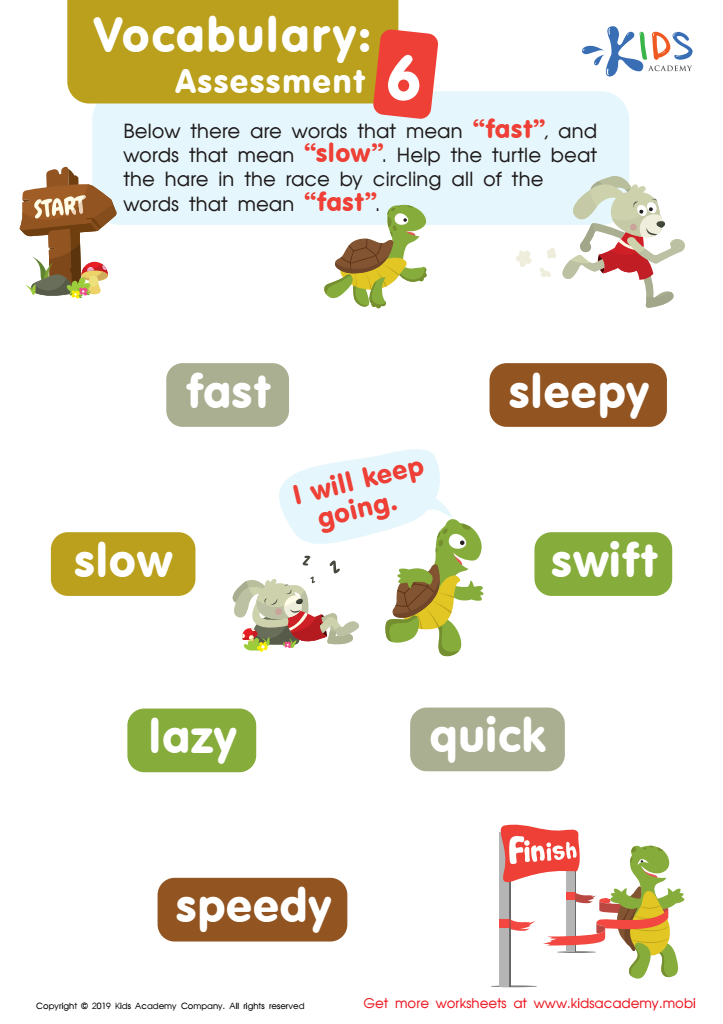
Vocabulary: Assessment 6 Worksheet
 Assign to My Students











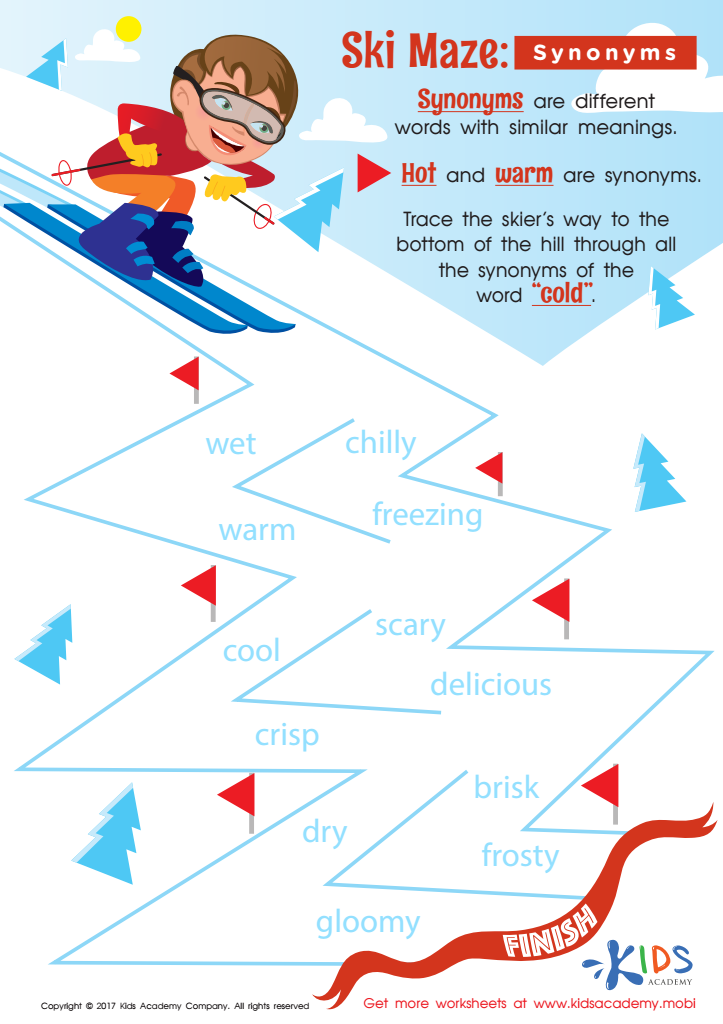
Free Printable Synonym Worksheet
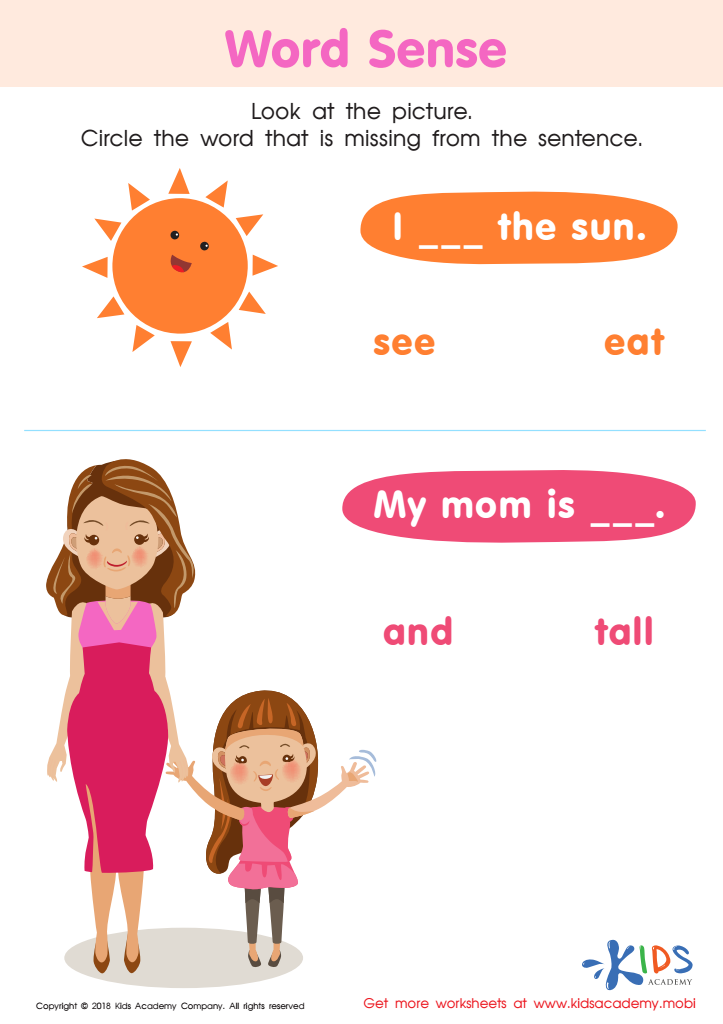
Word Sense Worksheet
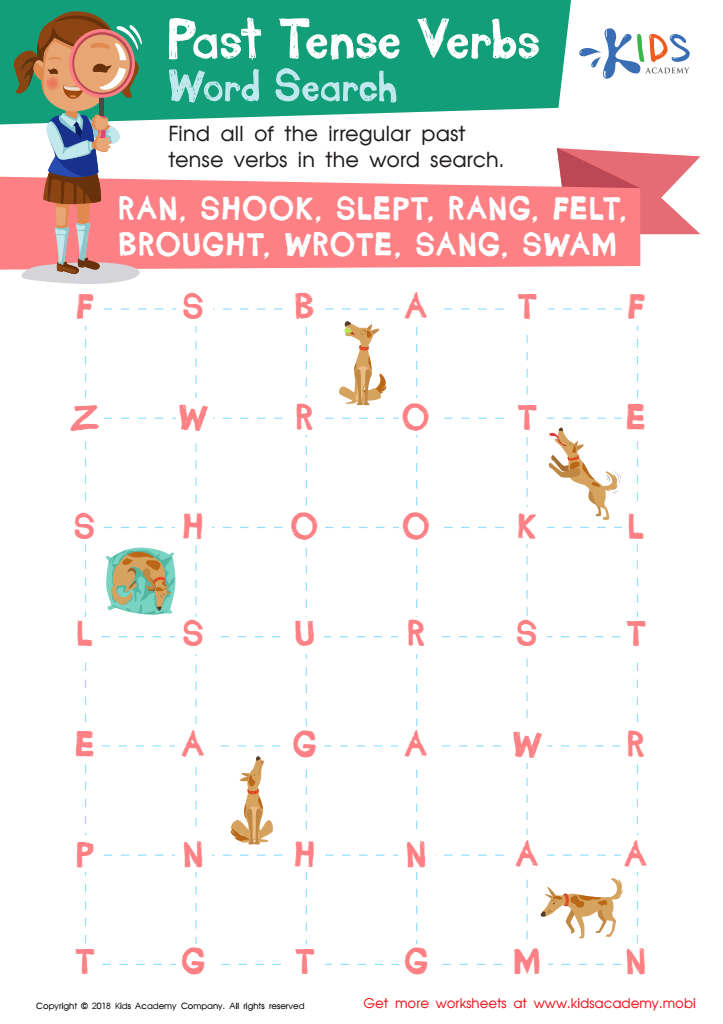
Past Tense Verbs Word Search Worksheet
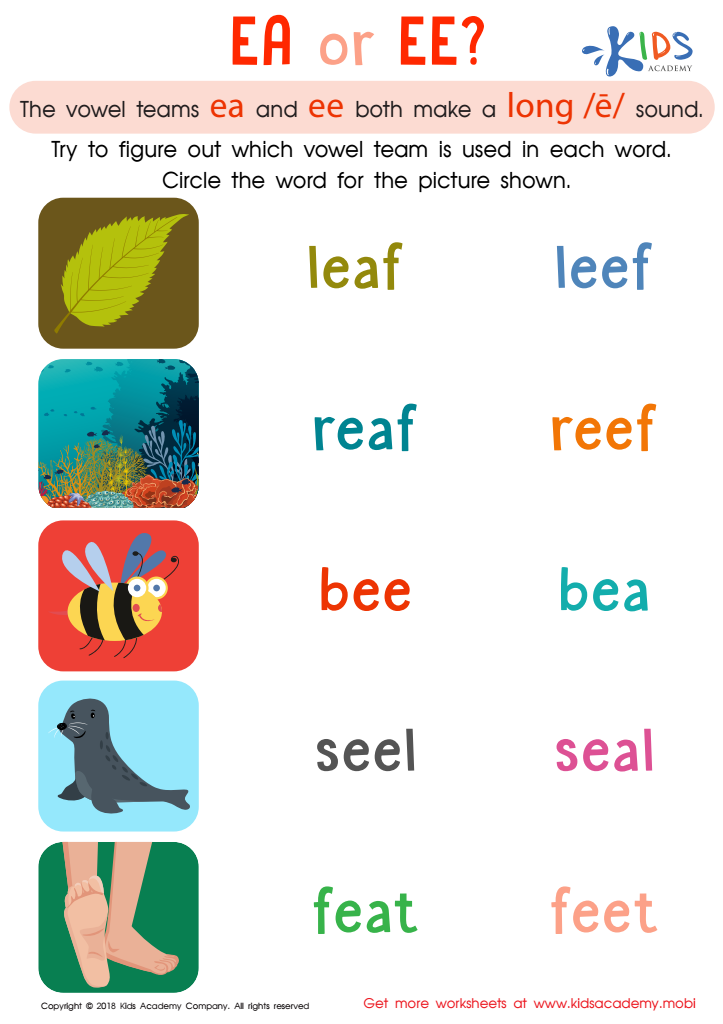
Reading: EA and EE Worksheet
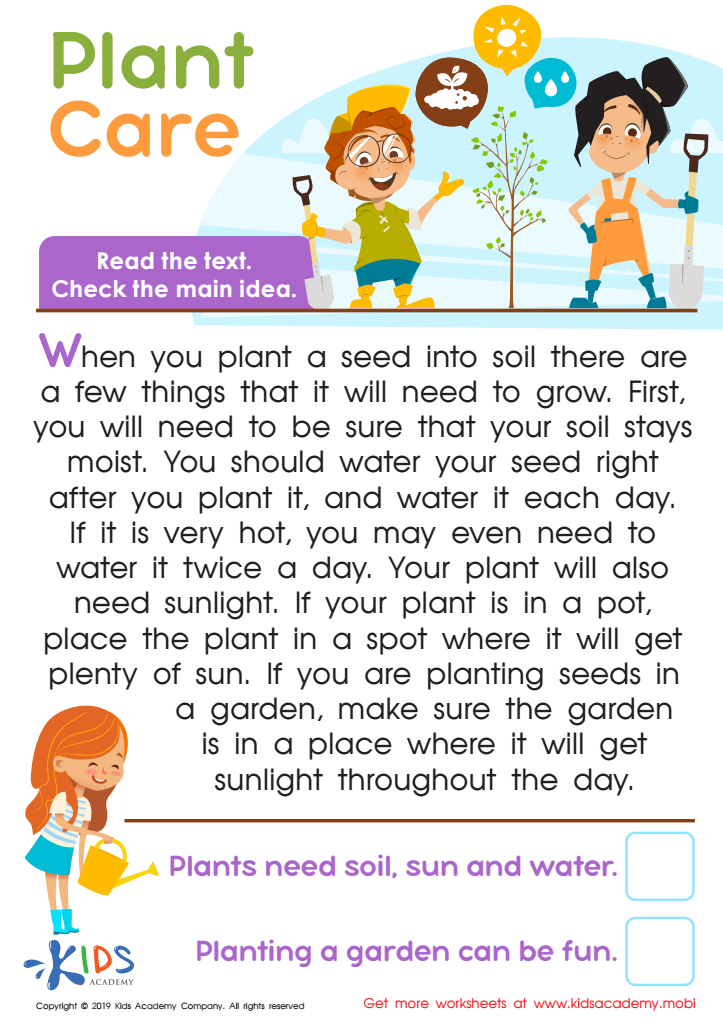
Plant Care Worksheet
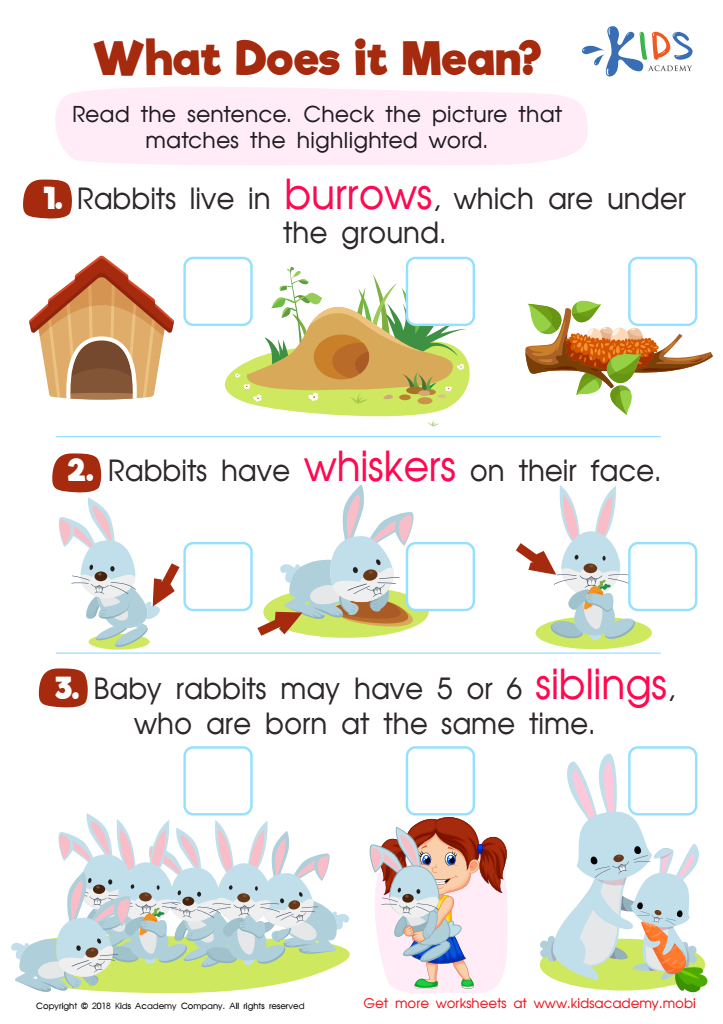
What Does It Mean? Worksheet
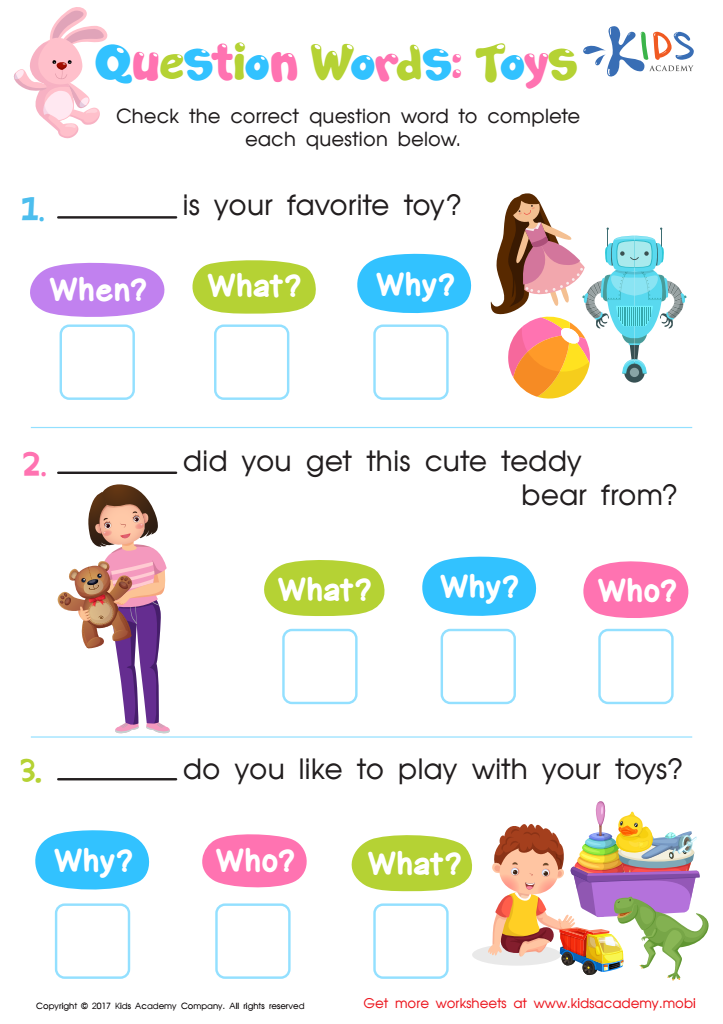
Question Words: Toys Worksheet
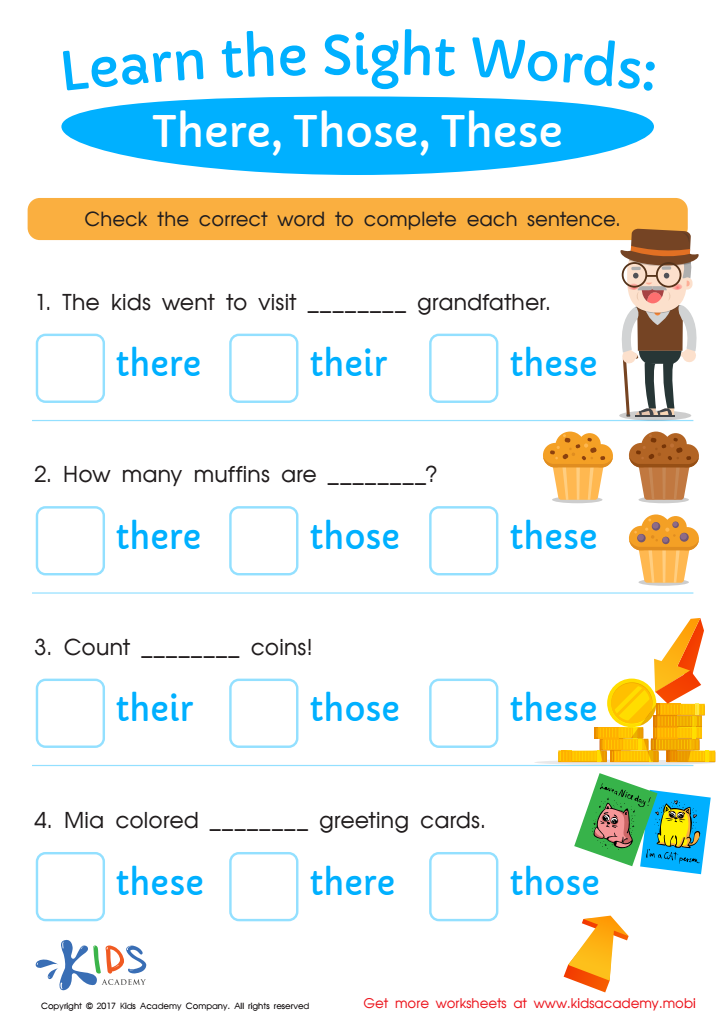
There, Those and These Sight Words Worksheet
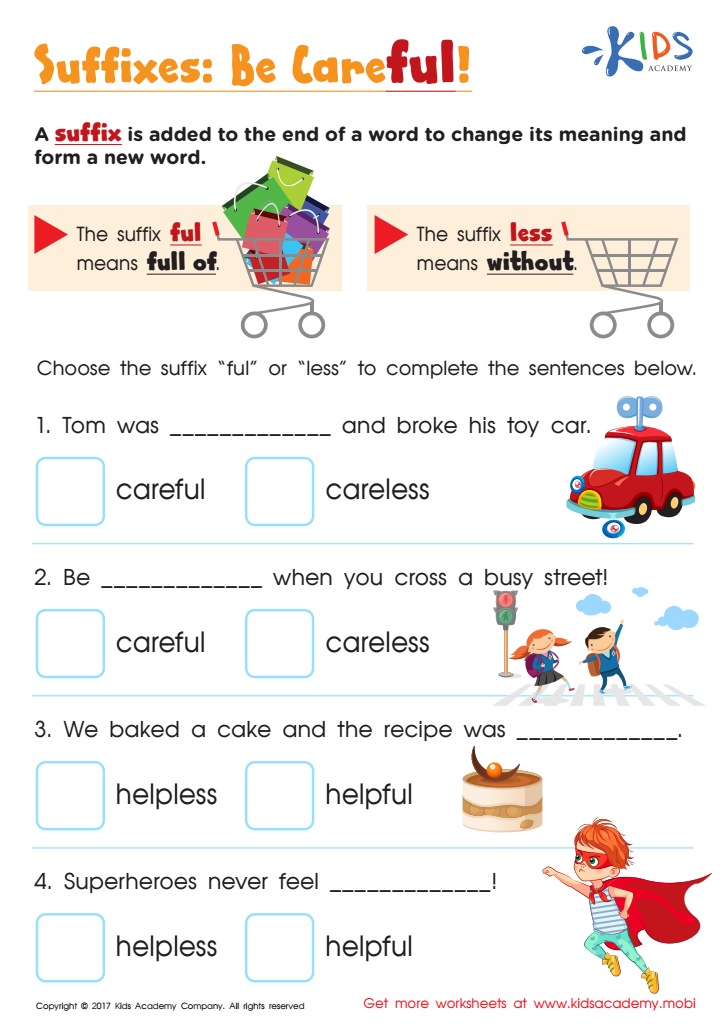
Suffixes Ful and Less Worksheet
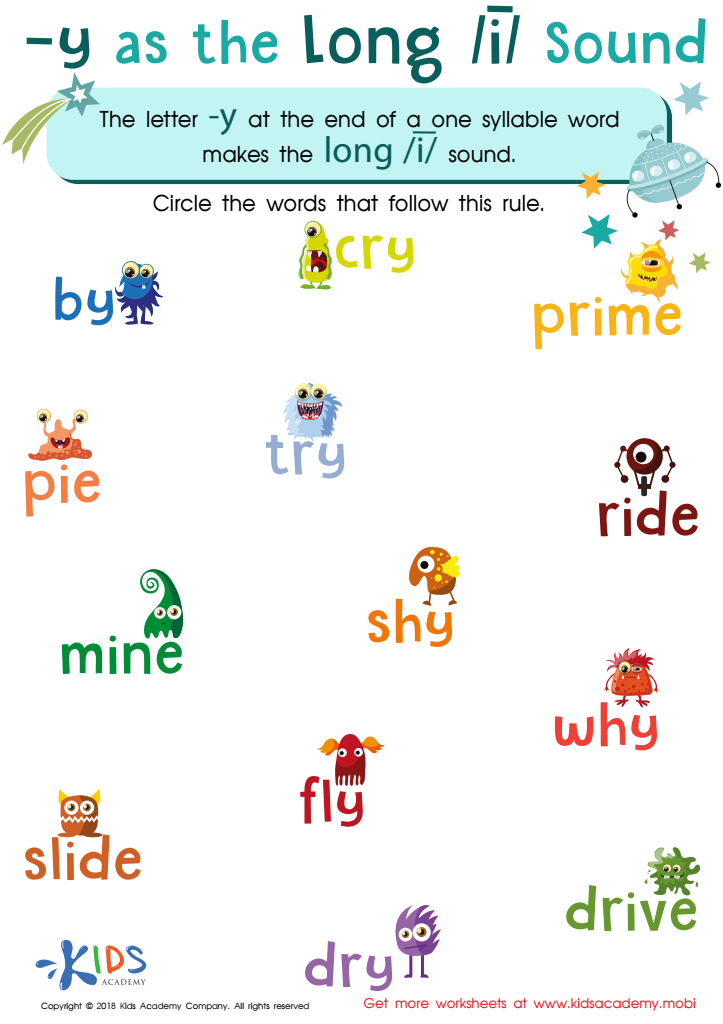
Reading: Y as Long I Worksheet
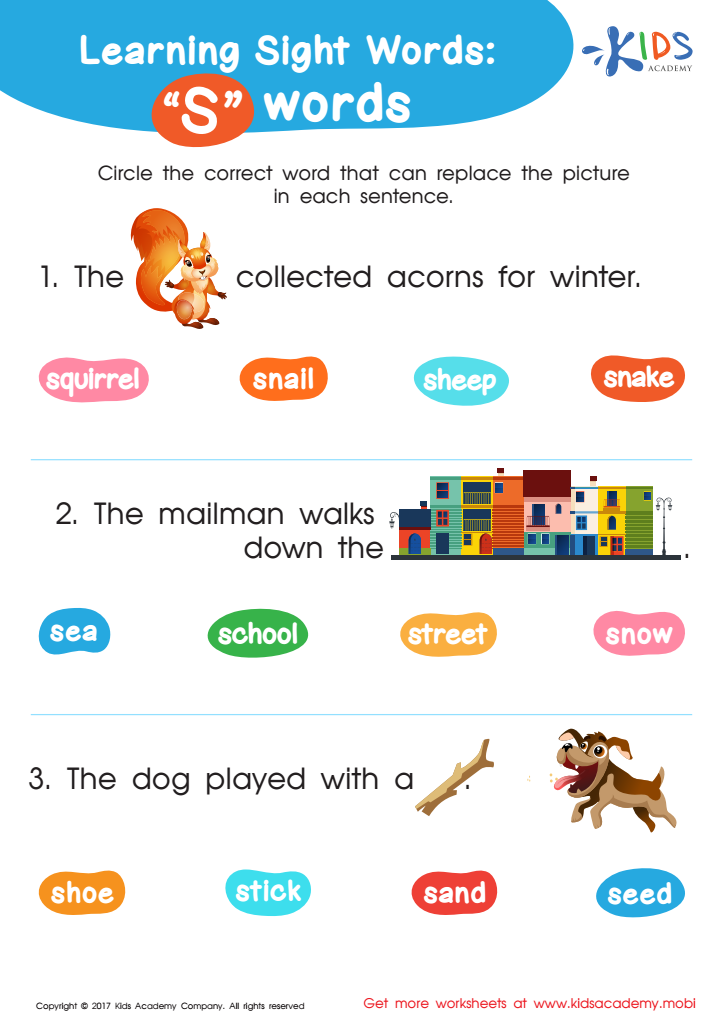
S Words Sight Words Worksheet
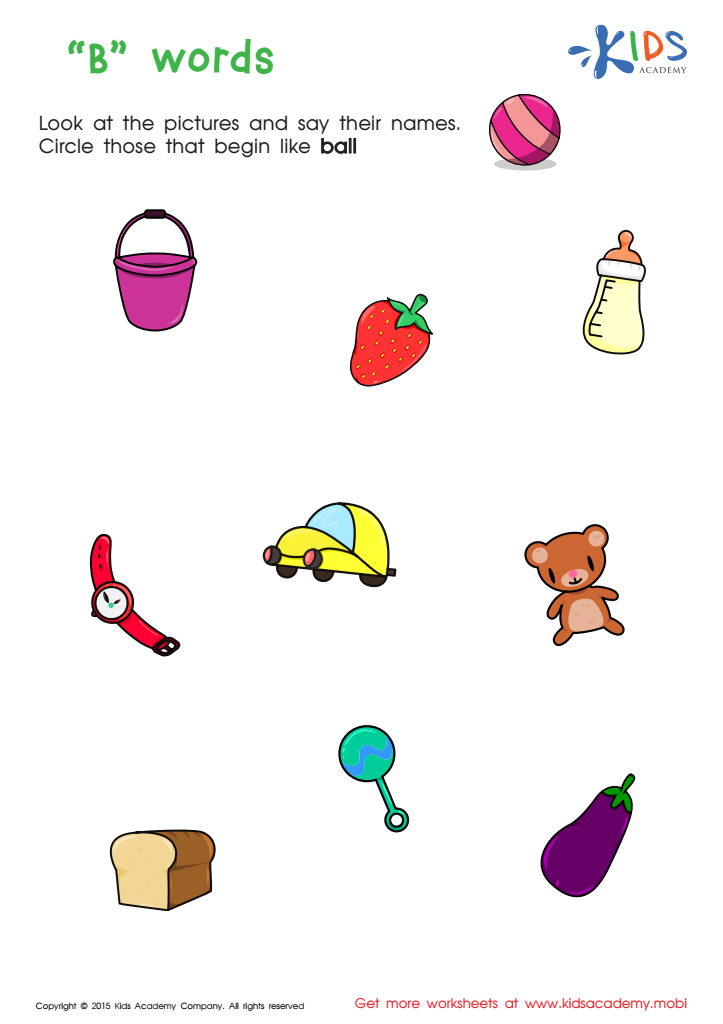
First Words Worksheet
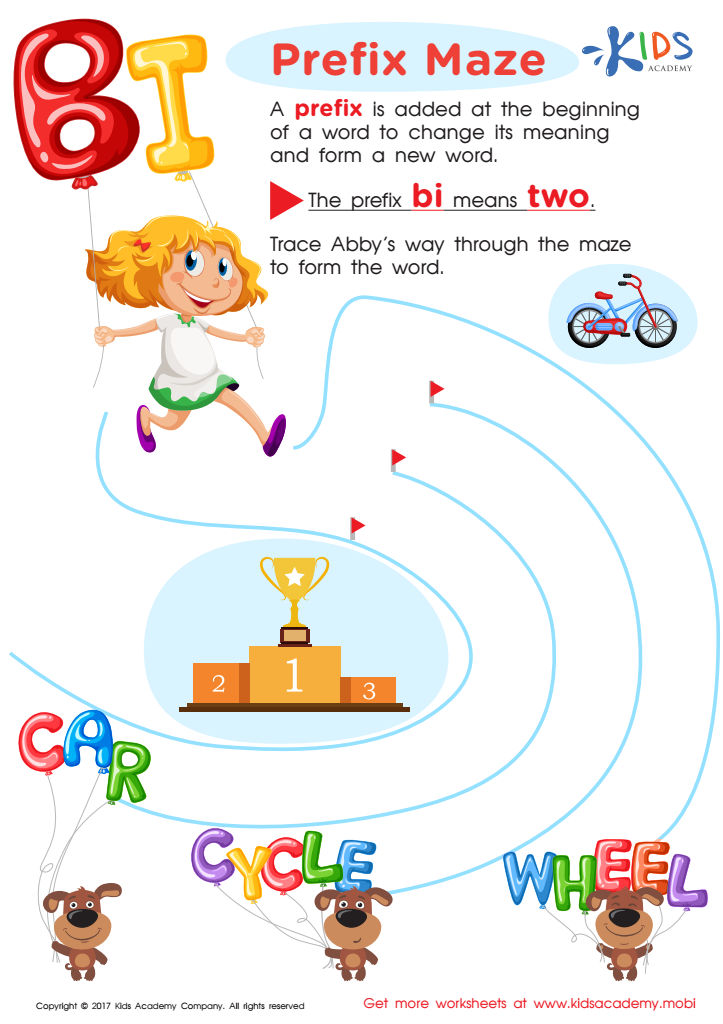
Prefix Bi Words Worksheet
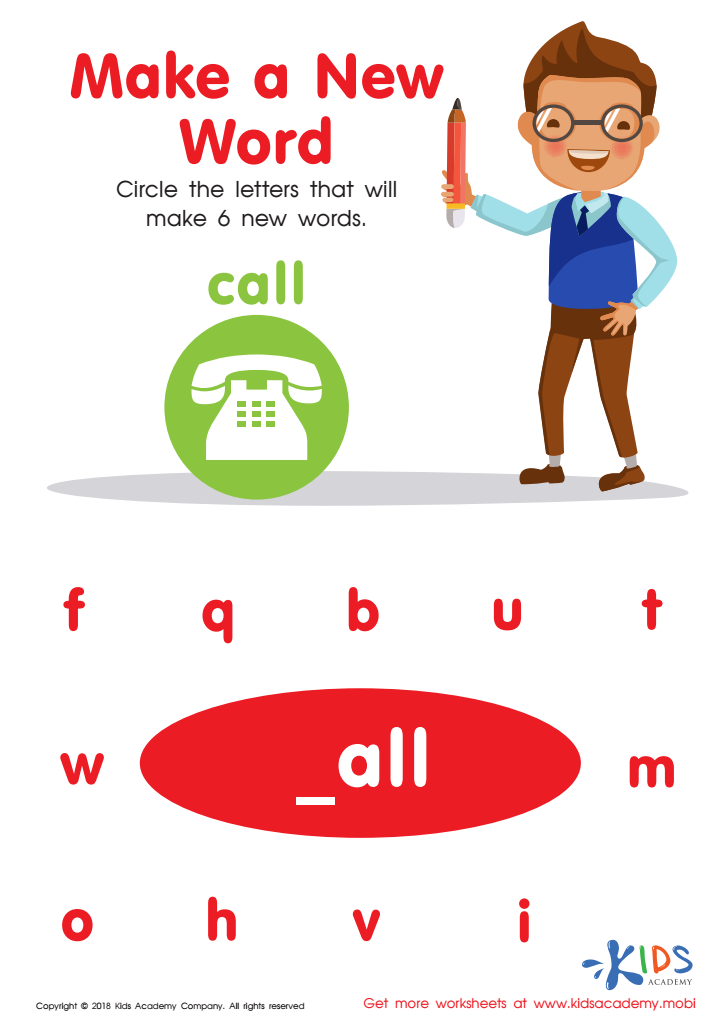
Make a New Word Worksheet
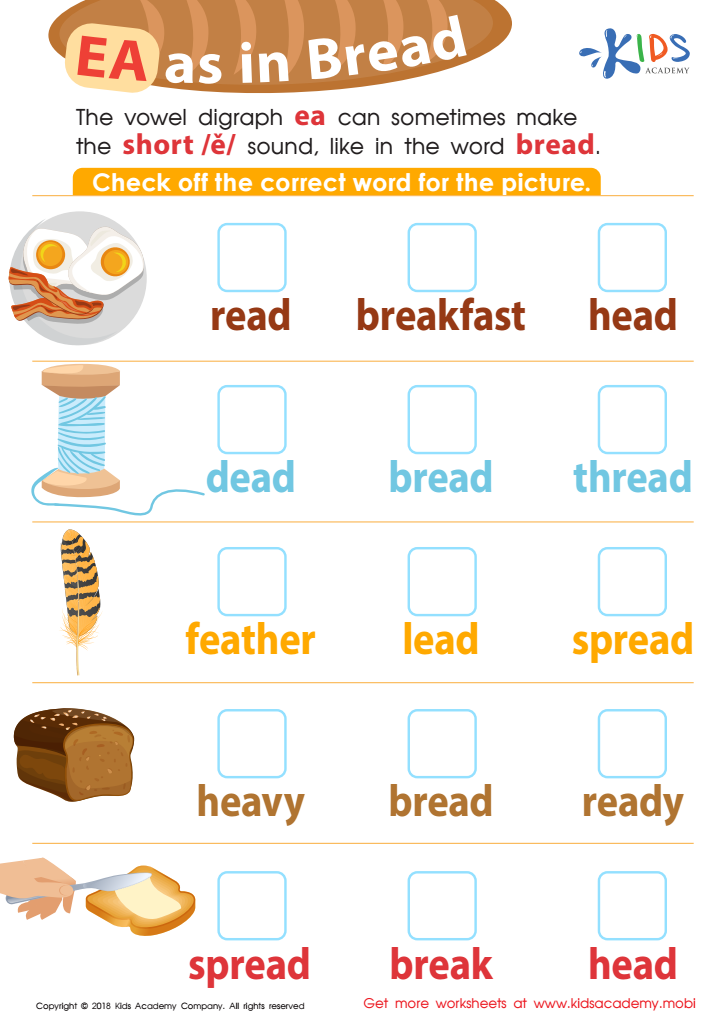
Reading: EA as in Bread Worksheet
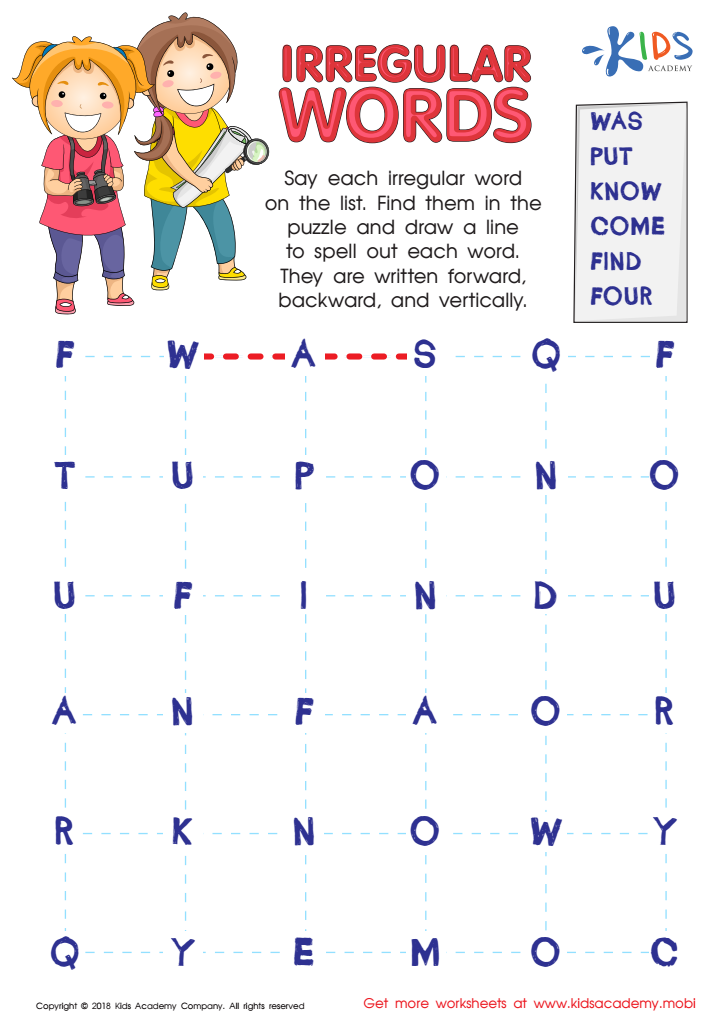
Irregular Words Worksheet
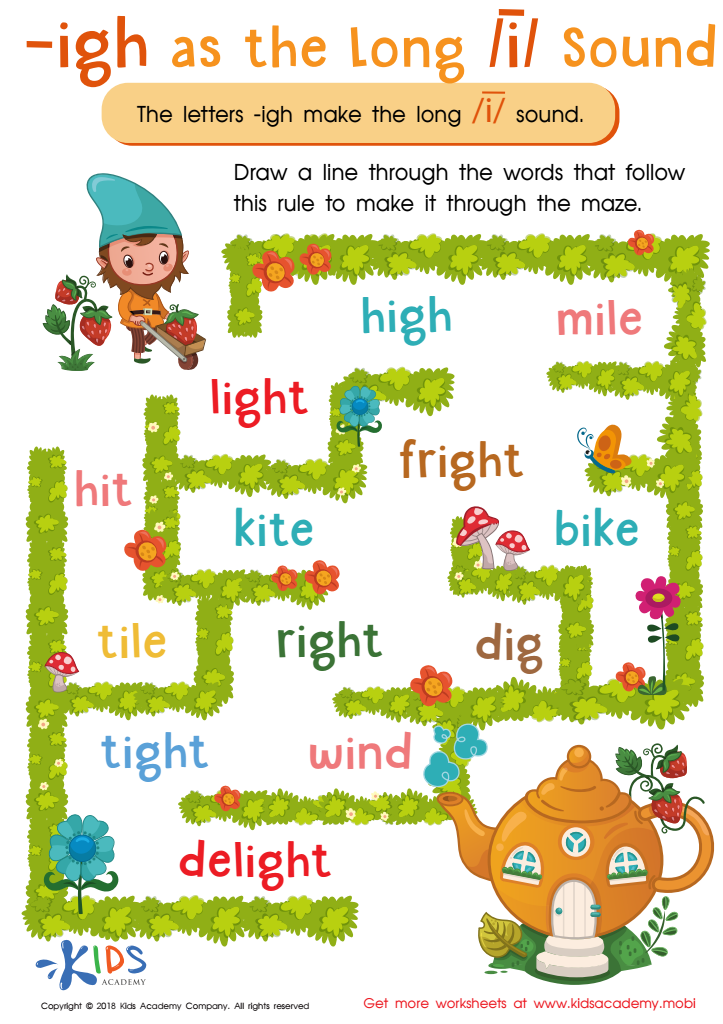
Reading: IGH as Long I Worksheet
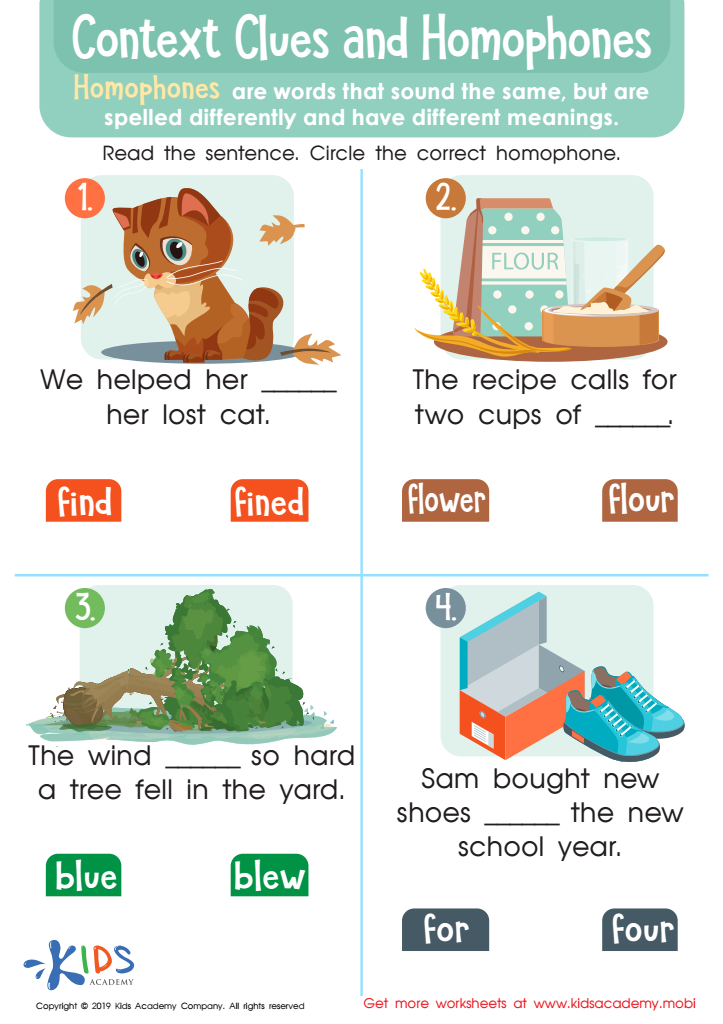
Context Clues and Homophones Worksheet
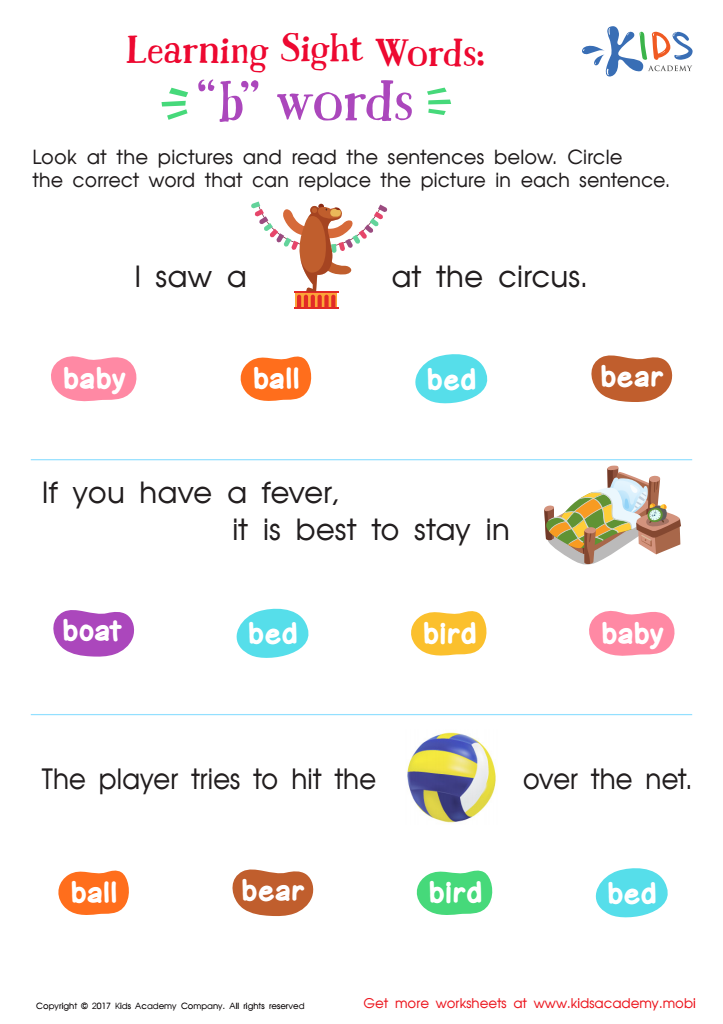
"B" Words Printable Sight Words Worksheet
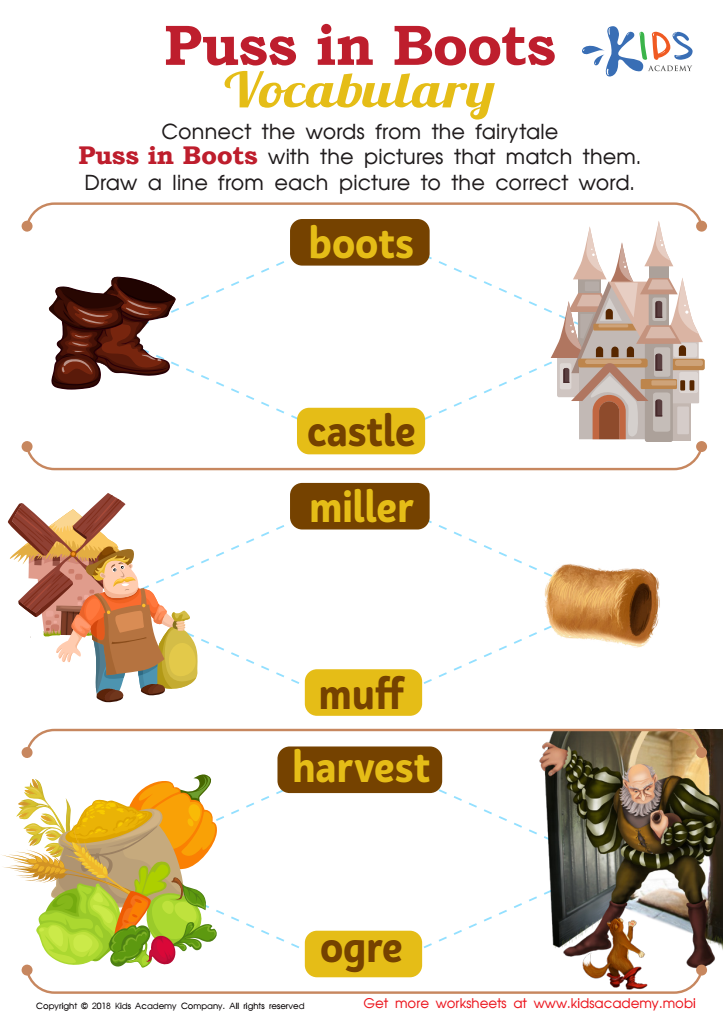
Puss in Boots Vocabulary Worksheet








Building vocabulary in children aged 3-7 is crucial for their overall development and future academic success. During these formative years, young brains are exceptionally receptive to learning new words and concepts, laying the groundwork for effective communication that will benefit them for the rest of their lives.
First and foremost, a rich vocabulary enhances a child's ability to express themselves clearly and accurately. This boosts their self-esteem as they can convey thoughts and emotions more effectively. Furthermore, strong vocabulary skills are intimately linked to improved reading comprehension. As children encounter new words in texts, their ability to understand stories and extract meaning from context increases, providing a solid foundation for lifelong reading skills.
Moreover, a robust vocabulary fosters better listening skills and the ability to follow directions, which are essential for classroom behavior and learning. It also enhances critical thinking as children can categorize, infer, and predict more efficiently with a larger set of words at their disposal.
Parents and teachers play a pivotal role in this development. Interactive reading, engaging conversations, and playful activities that introduce new words can make learning enjoyable. By investing time in vocabulary expansion, adults equip children with the tools they need for academic excellence and effective day-to-day communication, ultimately shaping well-rounded, articulate individuals.








