Animal recognition Science Worksheets for Ages 3-7
6 filtered results
-
From - To
Discover our engaging Animal Recognition Science Worksheets designed for children ages 3-7! These interactive resources provide young learners with opportunities to explore the fascinating world of animals while developing essential recognition skills. Our worksheets feature vibrant illustrations, fun facts, and a variety of activities that encourage critical thinking and creativity. Kids will enjoy identifying different animals, matching them with their habitats, and learning about their unique characteristics. Perfect for both classroom and home use, these worksheets are a wonderful way to spark curiosity and promote learning in early childhood education. Dive into the animal kingdom and watch your little ones thrive in science today!
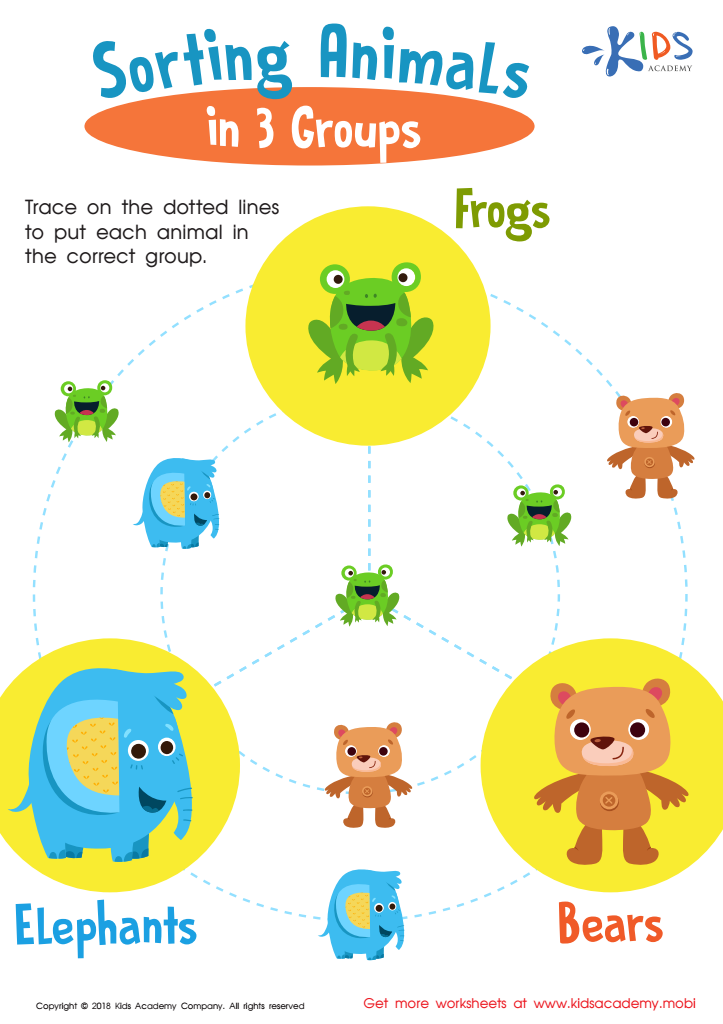
Sorting Animals in 3 Groups Worksheet
 Assign to My Students
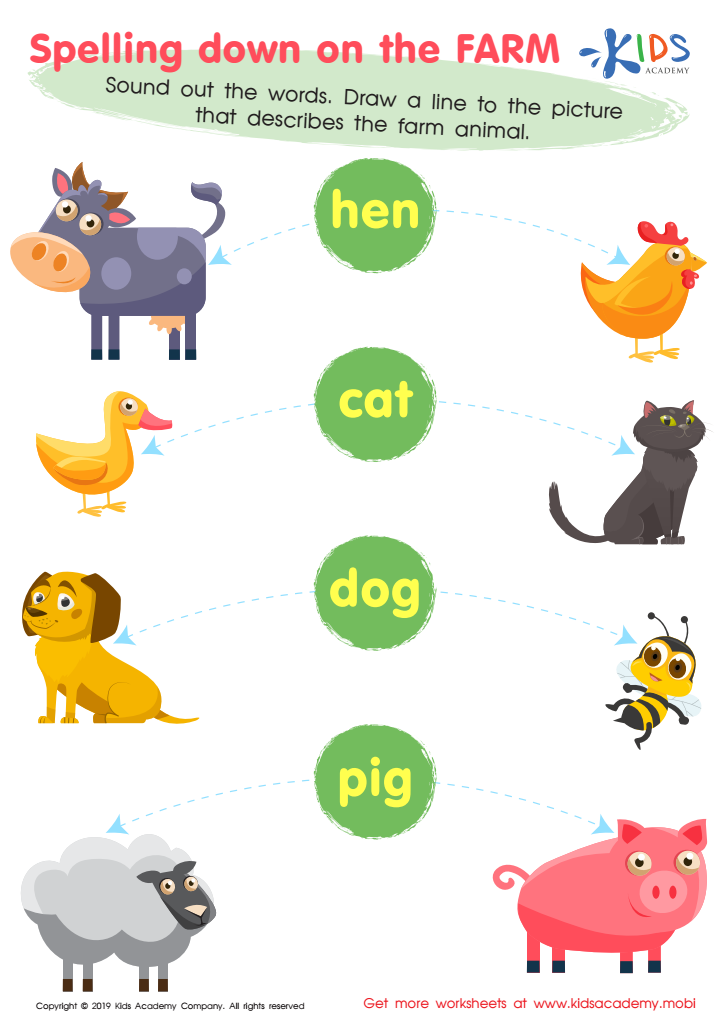
Spelling Down on the Farm Worksheet
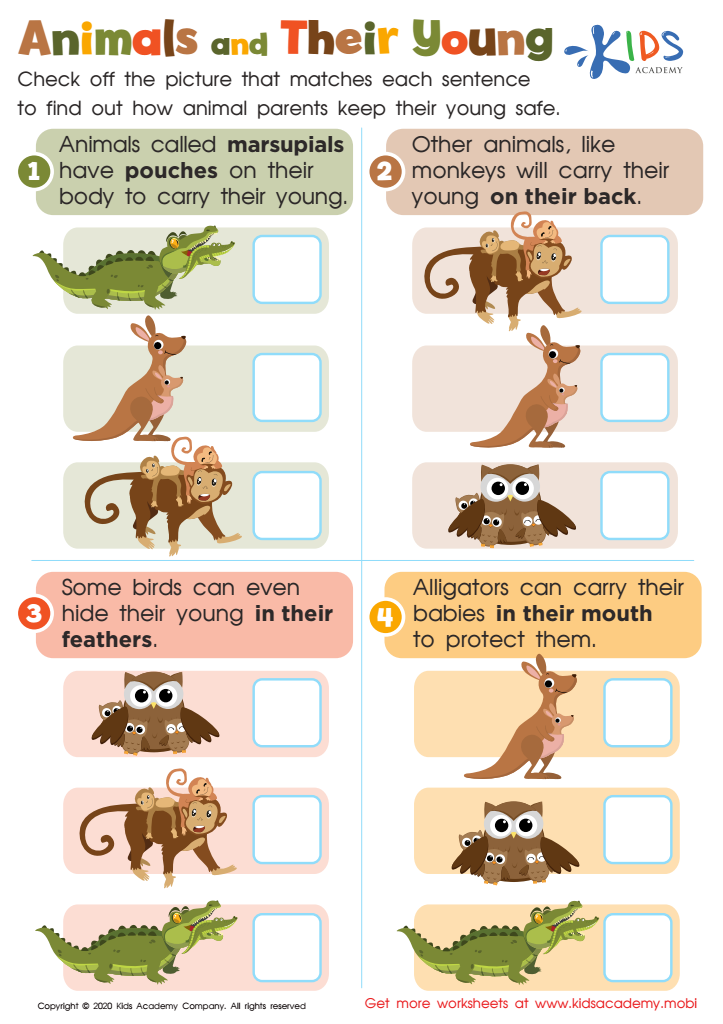
Animals and Their Young Worksheet
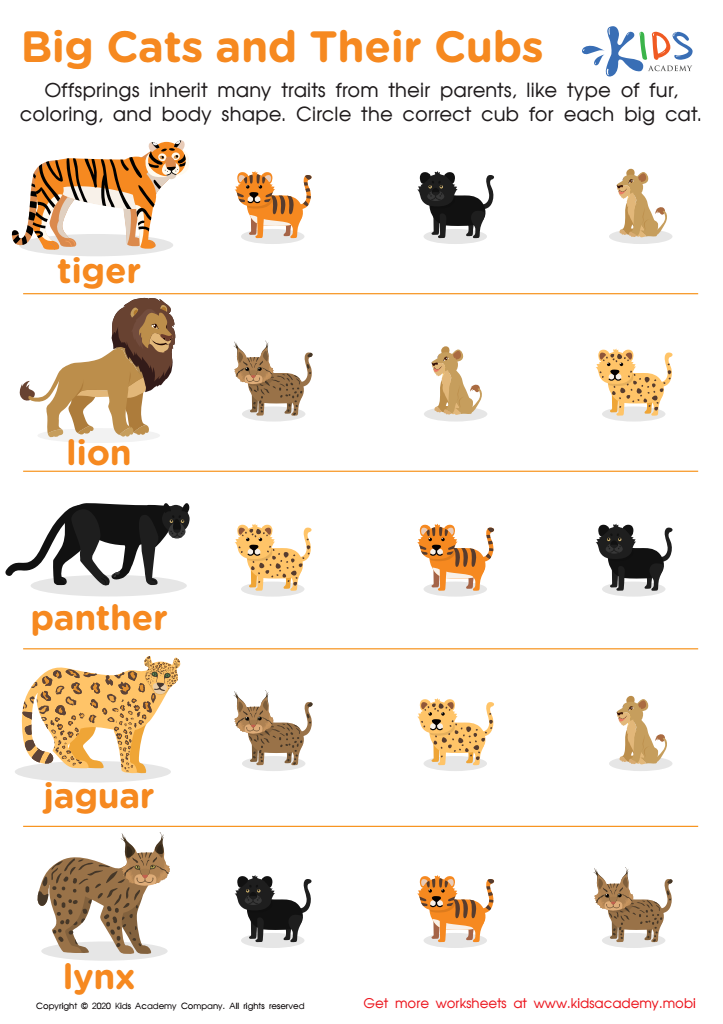
Big Cats and Their Cubs Worksheet
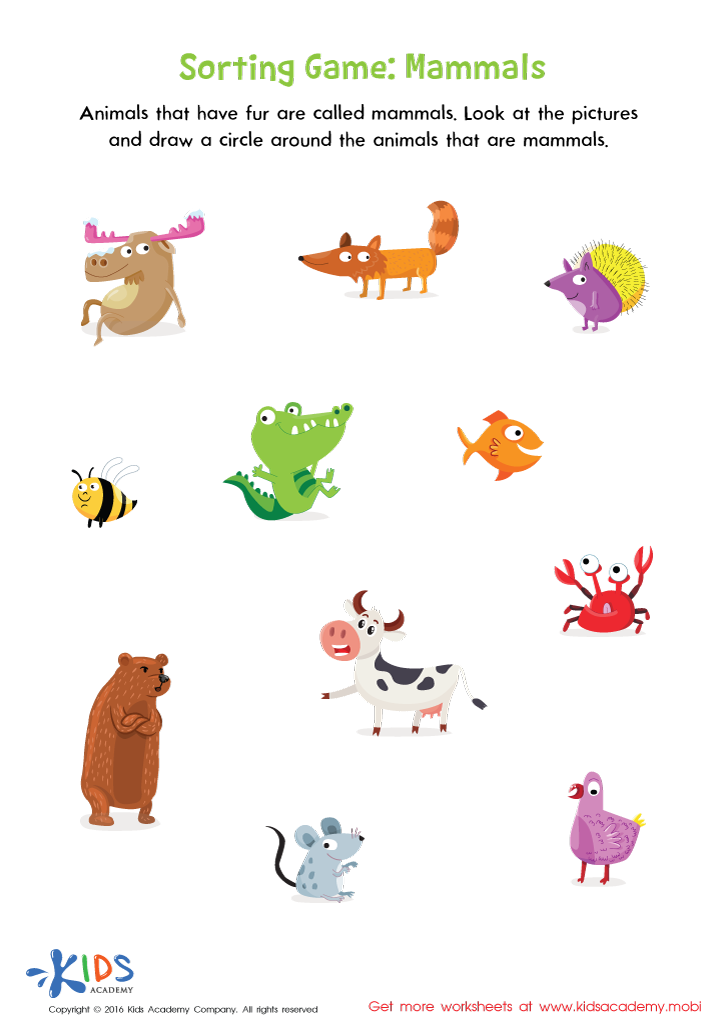
Mammals Sorting Worksheet
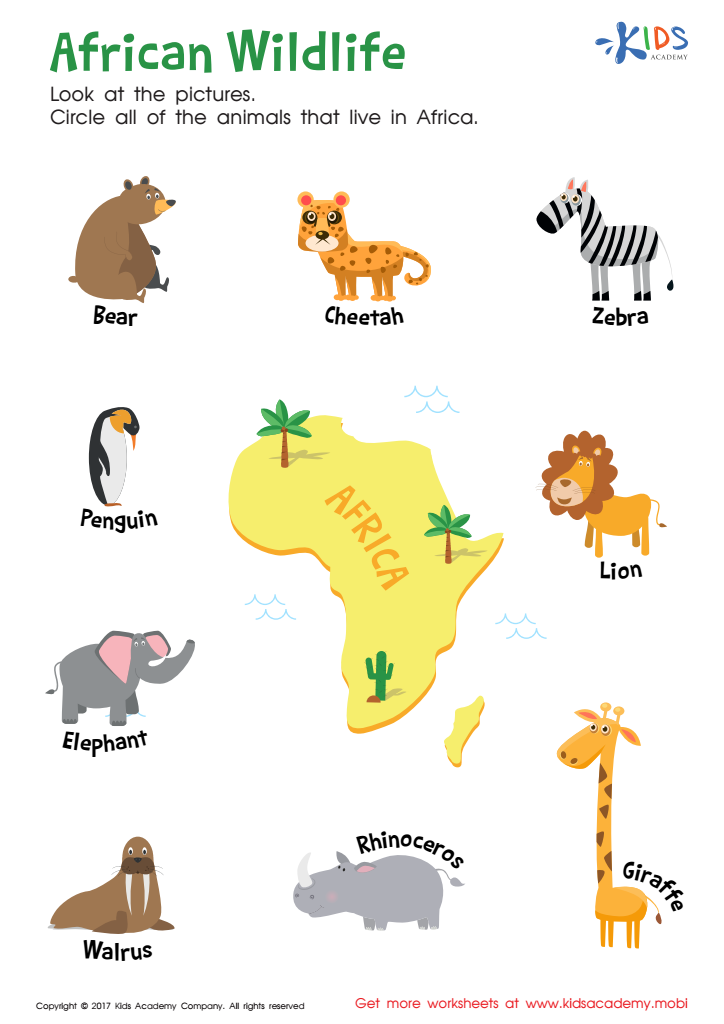







Animal recognition science is an important area of knowledge for young children, as it plays a crucial role in their cognitive, social, and emotional development. For children ages 3 to 7, learning to recognize different animals fosters curiosity about the natural world, encouraging exploration and inquiry. This process enhances critical thinking skills and lays the groundwork for future scientific knowledge.
Furthermore, recognizing animals helps children develop empathy and awareness of living creatures, fostering a sense of responsibility towards the environment. This connection with animals can also expand their vocabulary, as they learn the names of species, their characteristics, and habitats, all of which enriches their language and communication skills.
Moreover, animal recognition activities can be deeply engaging and fun, making learning feel less like a chore. Using visual aids, stories, and interactive games, both parents and teachers can create stimulating learning environments that capture children's attention and motivate them to explore more.
Finally, early exposure to animal recognition science promotes inclusivity, as children often share experiences with pets or visit the zoo, creating shared moments that can enhance social bonds. Thus, integrating animal recognition into early childhood education is beneficial in establishing a rounded foundation for lifelong learning and compassion for our planet's diverse species.







