Shape Recognition Science Worksheets for Ages 3-7
5 filtered results
-
From - To
Enhance your child's early learning with our engaging Shape Recognition Science Worksheets, designed exclusively for ages 3-7. Perfect for preschool and early elementary students, these printable worksheets incorporate fun activities to help children recognize, identify, and draw various shapes. Fostering important cognitive and fine motor skills, our worksheets also integrate playful themes and colorful illustrations to make learning enjoyable. As your child progresses, they'll not only gain confidence in shape recognition but also develop critical thinking and analytical skills. Explore Kids Academy’s collection and turn shape learning into an exciting adventure for your little one today!
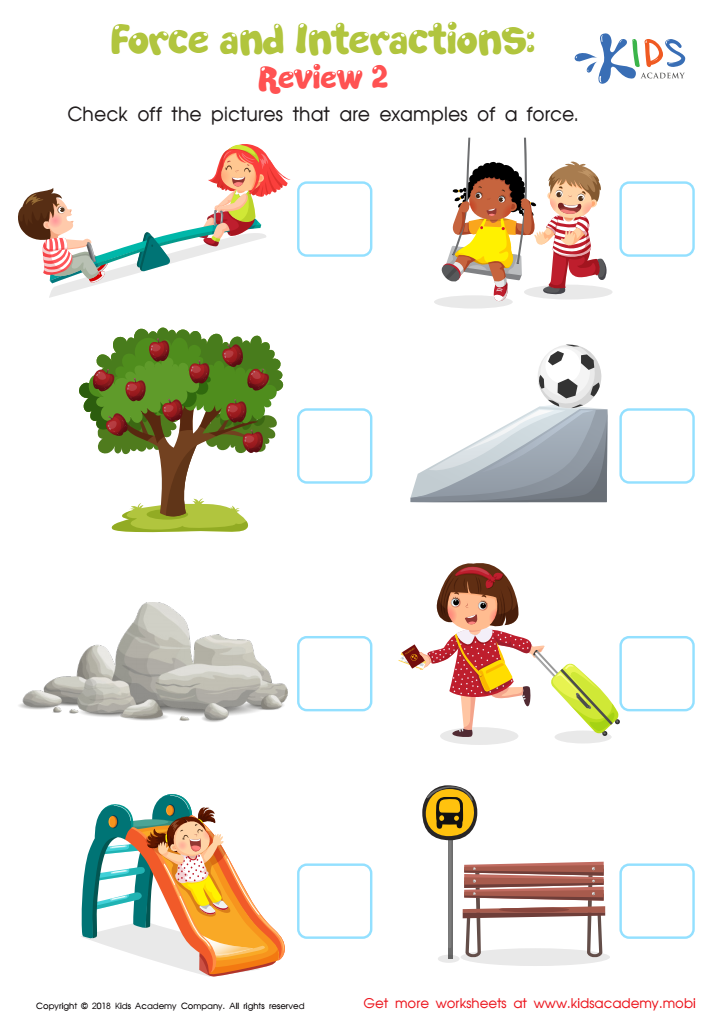
Force and Interactions: Review 2 Worksheet
 Assign to My Students
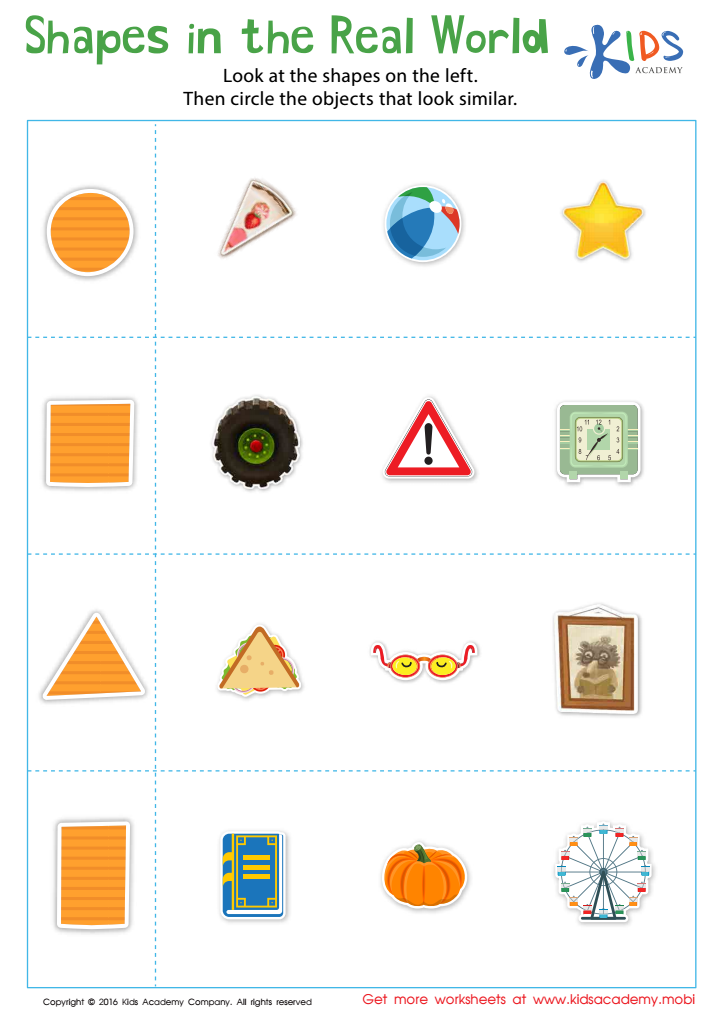
Shapes in the Real World Worksheet
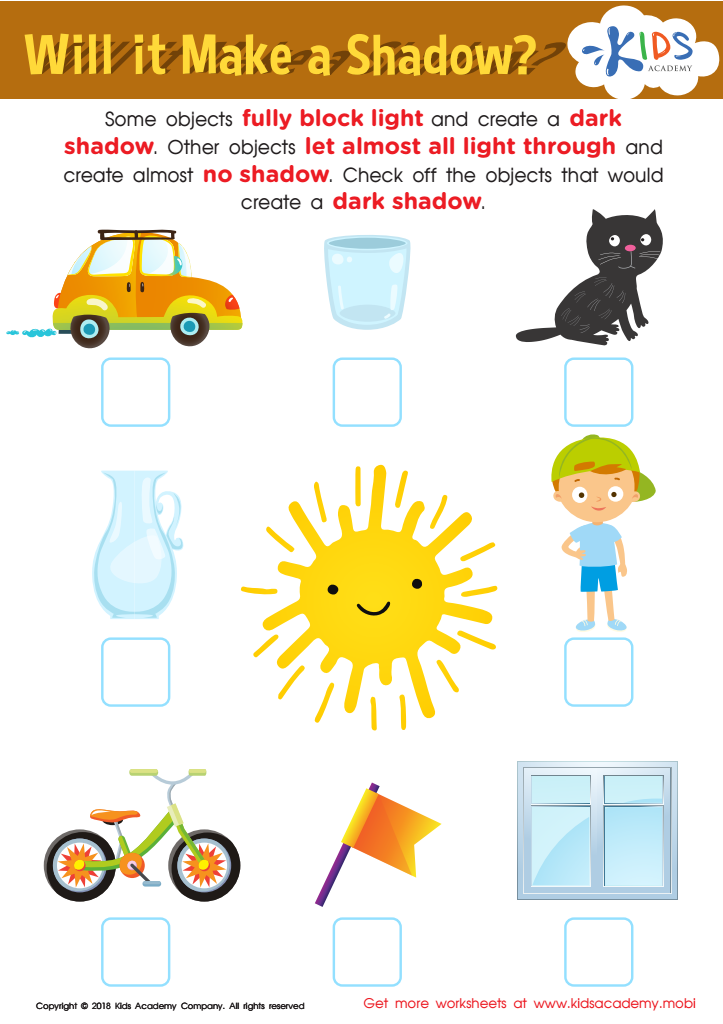
Will It Make a Shadow? Worksheet
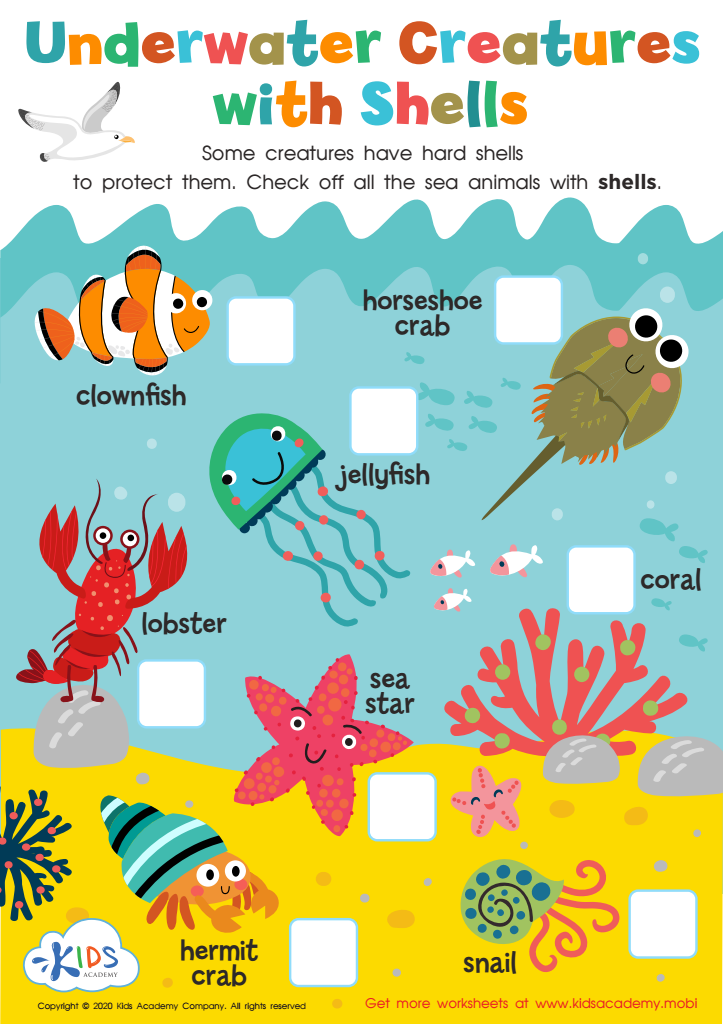
Underwater Creatures with Shells Worksheet
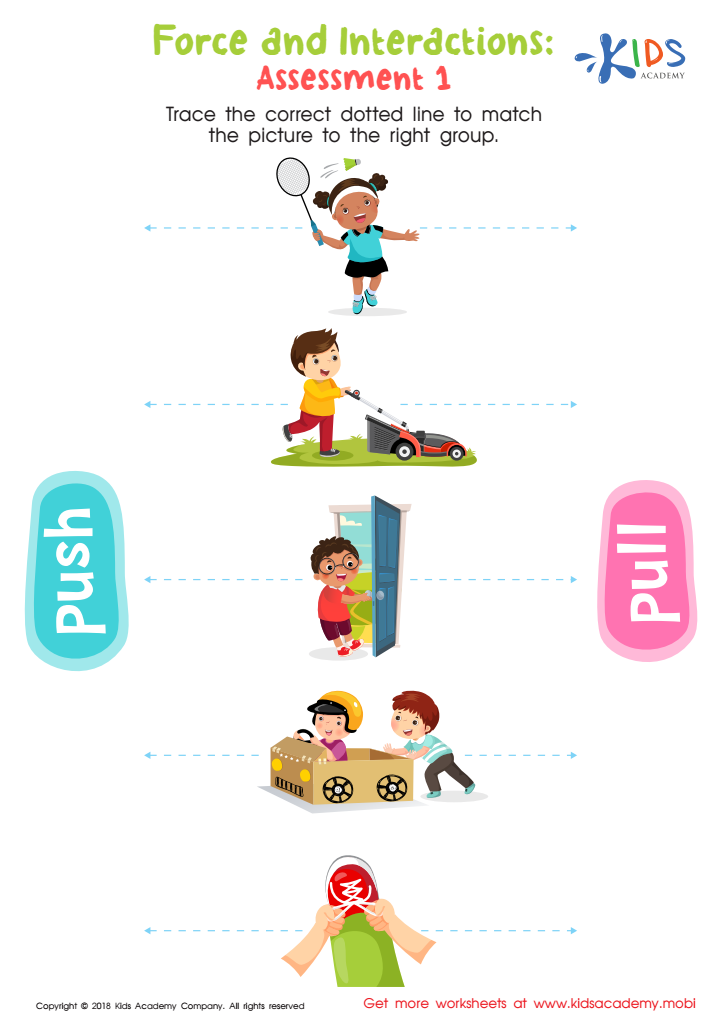
Force and Interactions: Assessment 2 Worksheet








Shape recognition is a pivotal aspect of early childhood education, particularly for children aged 3-7. It forms the foundation for future learning in several key areas. Firstly, understanding shapes helps children develop their spatial awareness, a critical skill for interpreting the world around them. Through shape recognition, kids learn to categorize and differentiate objects, strengthening their cognitive processes and problem-solving abilities.
Secondly, knowledge of shapes enhances mathematical skills. Recognizing and naming shapes support the comprehension of geometry and other mathematical concepts. Shapes are also fundamental in learning to identify numbers and letters, as many of them are composed of basic shapes.
Additionally, shape recognition aids in the development of language skills. While engaging in shape-related activities, children expand their vocabulary by accurately describing what they see. This linguistic practice is instrumental in effective communication.
Engaging with shapes also sparks creativity and artistic expression as children experiment with patterns and designs. This fosters critical thinking and encourages innovative ways of looking at everyday items.
For parents and teachers, focusing on shape recognition helps track a child's developmental milestones and provides insight into their cognitive and motor abilities. Investing in shape recognition is an investment in a well-rounded, cognitively robust foundation for lifelong learning.







