Animal recognition Plants and Animals Worksheets for Ages 3-7
6 filtered results
-
From - To
Discover a fun and engaging collection of Animal Recognition Worksheets designed for children aged 3-7! Our resources encourage young learners to explore and identify various animals, enhancing their observational skills and understanding of the natural world. Featuring vibrant illustrations and age-appropriate activities, these worksheets promote not only animal recognition but also critical thinking and curiosity about different habitats and characteristics. Perfect for parents and educators alike, our worksheets can easily be integrated into your teaching curriculum, providing hands-on learning experiences both in the classroom and at home. Start nurturing your child's love for animals today with these delightful worksheets!
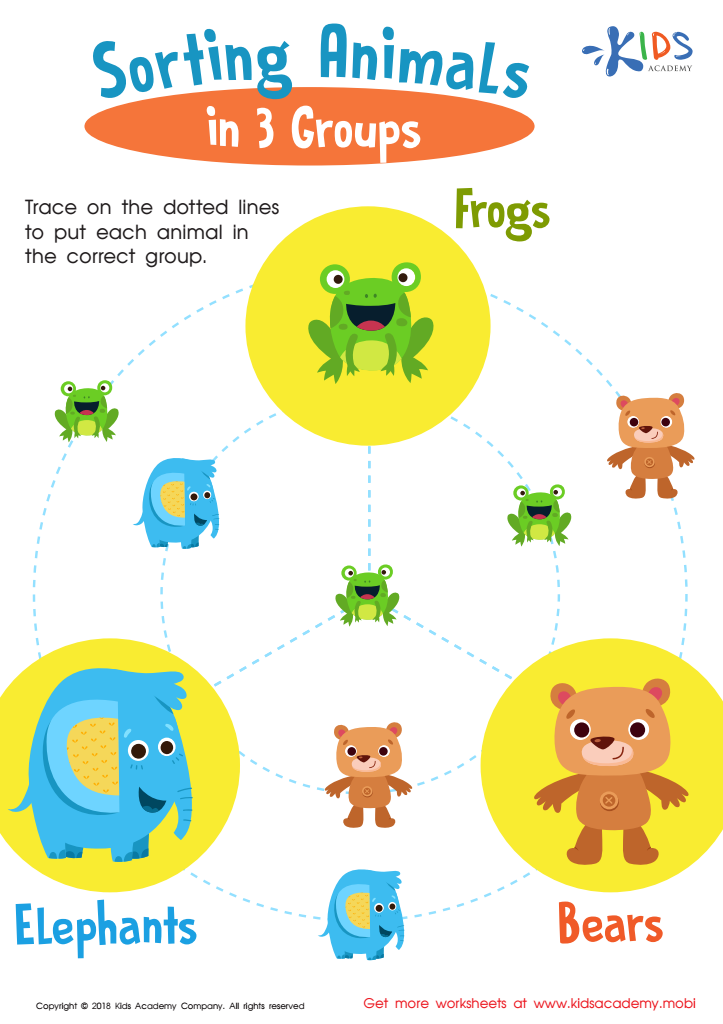
Sorting Animals in 3 Groups Worksheet
 Assign to My Students

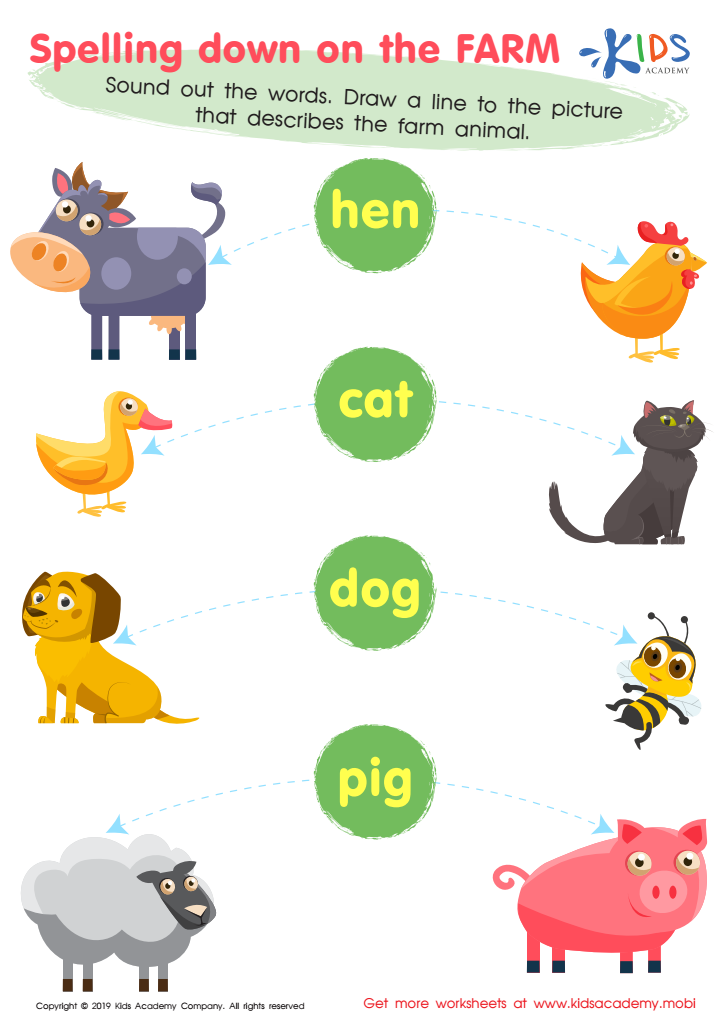
Spelling Down on the Farm Worksheet
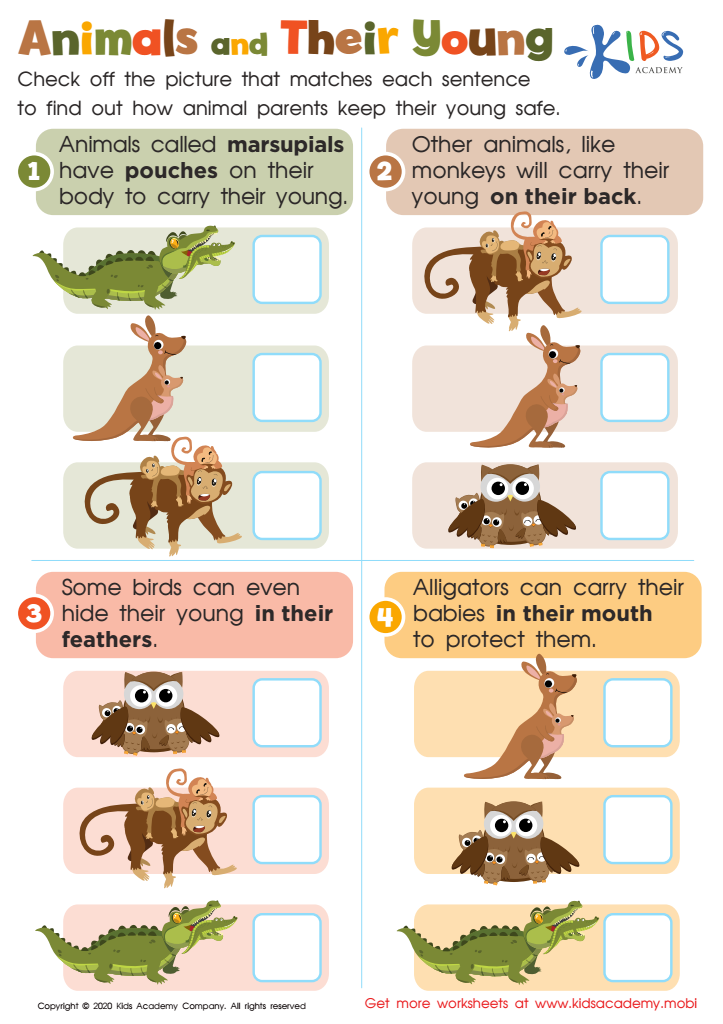
Animals and Their Young Worksheet
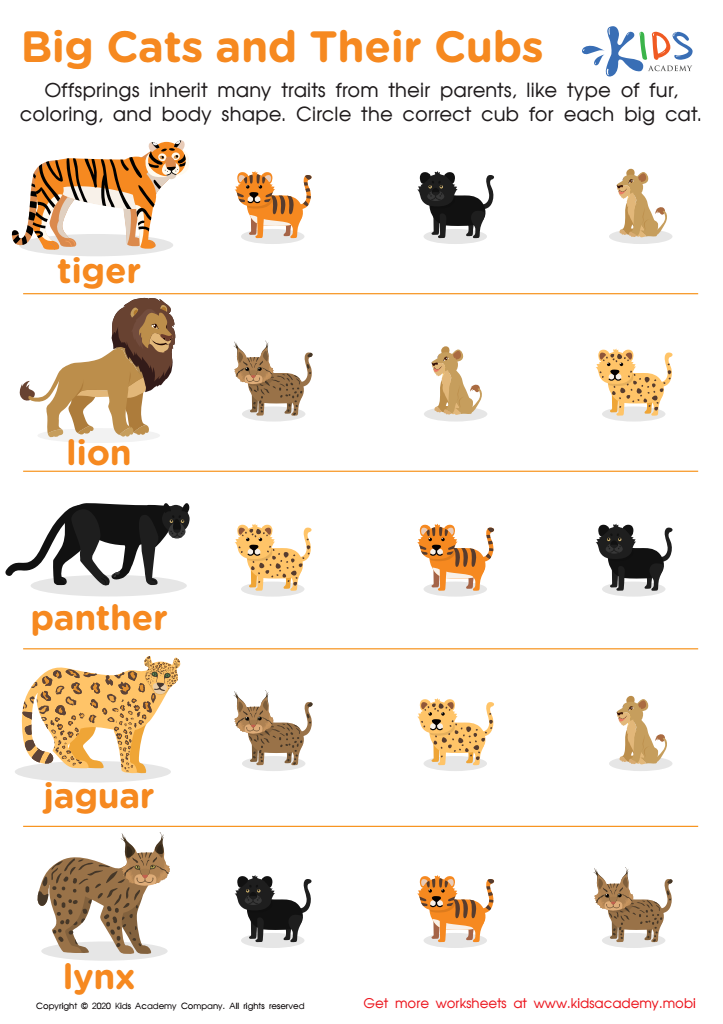
Big Cats and Their Cubs Worksheet
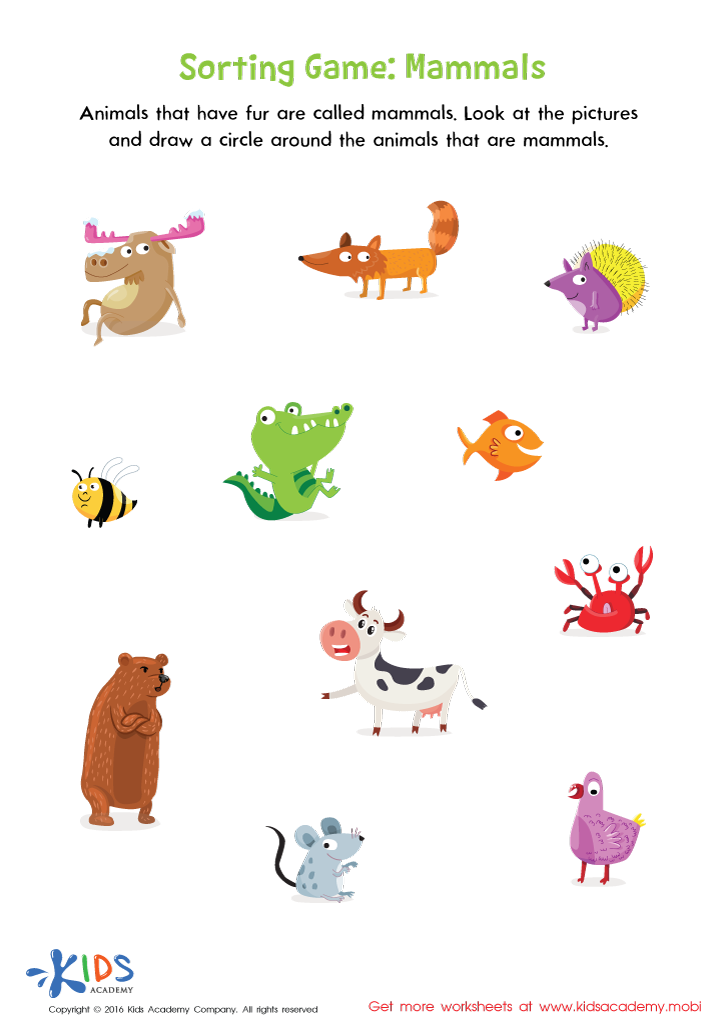
Mammals Sorting Worksheet
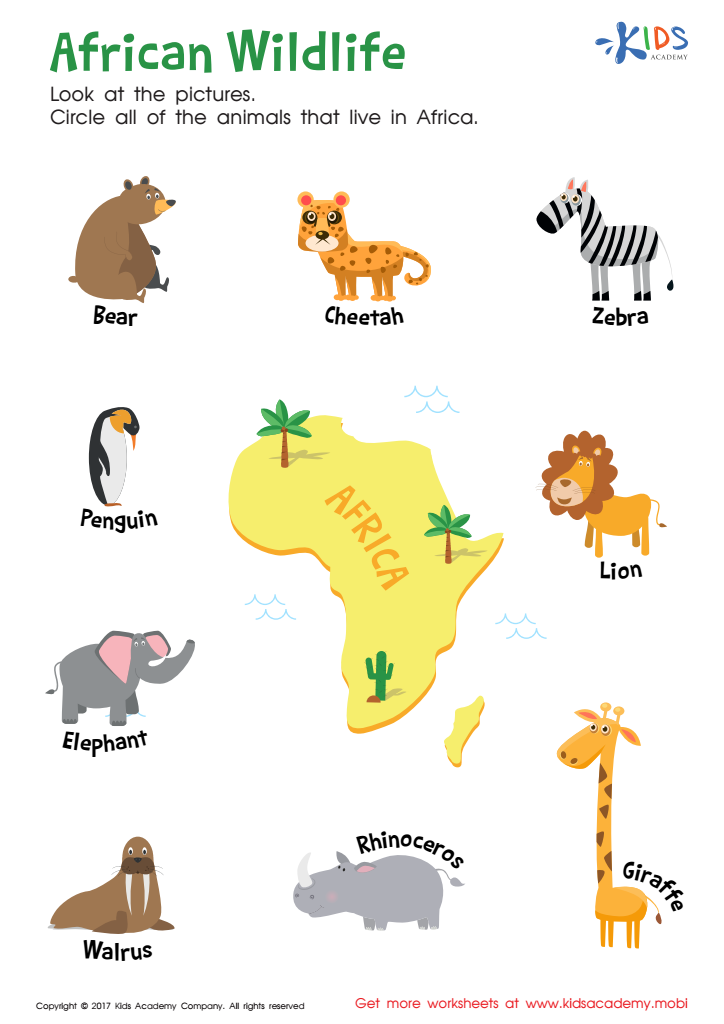




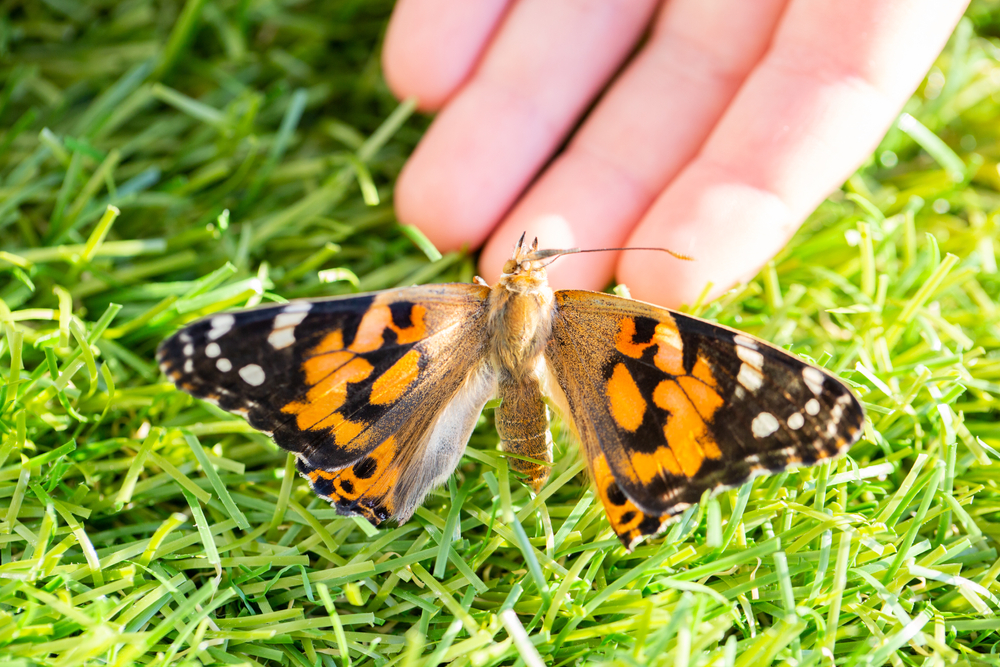



Caring about animal recognition plays a crucial role in the early education of children aged 3-7. At this developmental stage, children are naturally curious about their environment, and introducing them to various plants and animals sparks their innate enthusiasm for learning. Understanding different species helps foster a sense of wonder about nature, encouraging exploration and respect for the world around them.
Moreover, learning to recognize animals and plants supports cognitive and language development. Children expand their vocabulary as they identify different species, learn their habitats, behaviors, and relationships within ecosystems. This knowledge builds critical thinking skills and helps develop their ability to categorize and compare.
Exposure to nature also contributes to emotional and social development. It nurtures empathy as children learn about animal needs and conservation, fostering a sense of responsibility for the environment and instilling good values early on. Additionally, activities centered around animals and plants can promote collaboration and communication among peers, enhancing social skills.
In summary, animal recognition and understanding plants ignite curiosity, support cognitive growth, instill environmental responsibility, and enhance emotional and social skills. Encouraging this learning in young children lays the foundation for a lifelong appreciation of the natural world.








