Critical Thinking Plants and Animals Worksheets for Ages 3-7
9 filtered results
-
From - To
Discover our engaging Critical Thinking Plants and Animals Worksheets designed for children aged 3-7! These worksheets enhance young learners' observation and analysis skills while exploring the fascinating world of flora and fauna. With interactive activities tailored to stimulate curiosity, kids will practice critical thinking as they classify species, identify habitats, and understand life cycles. Our colorful, age-appropriate materials make learning fun, ensuring that children develop essential academic skills through play. Perfect for homeschooling, classroom use, or supplementary learning, our worksheets promote independent thinking and creativity in young minds. Dive into the wonders of nature and support cognitive growth today!
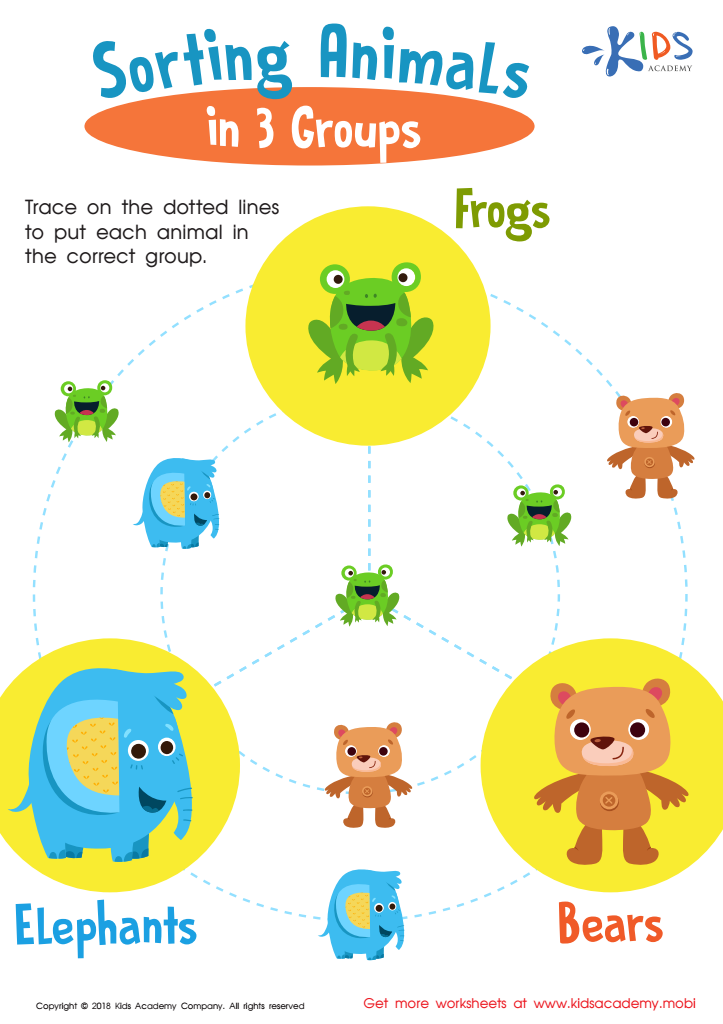
Sorting Animals in 3 Groups Worksheet
 Assign to My Students











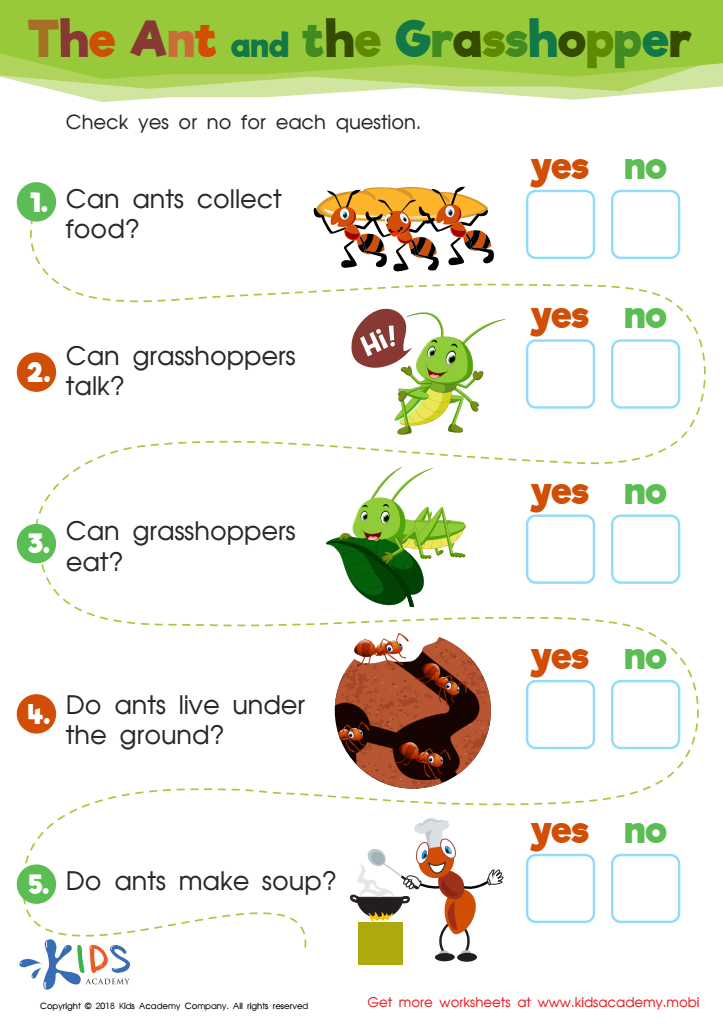
The Ant and The Grasshopper Worksheet
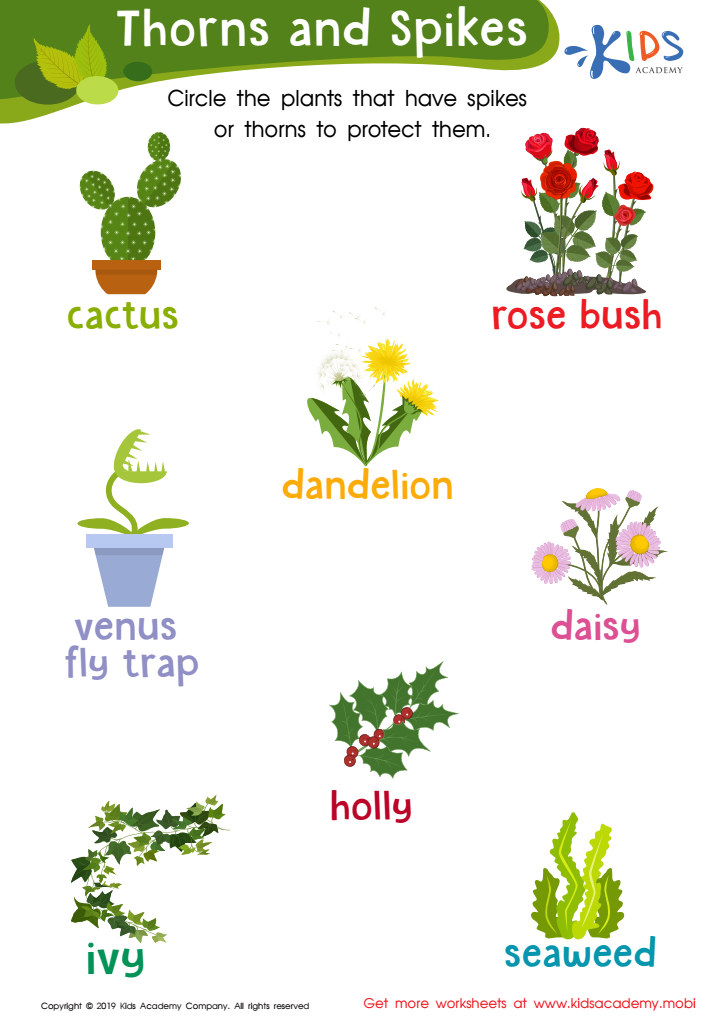
Thorns and Spikes Worksheet
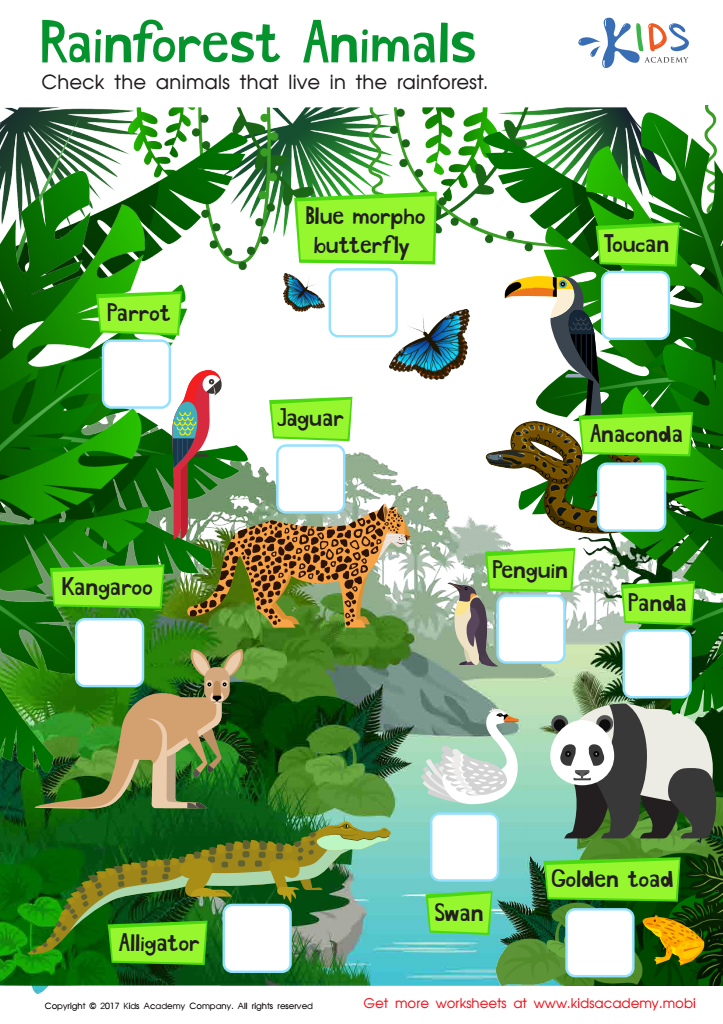
Rainforest Animals Worksheet
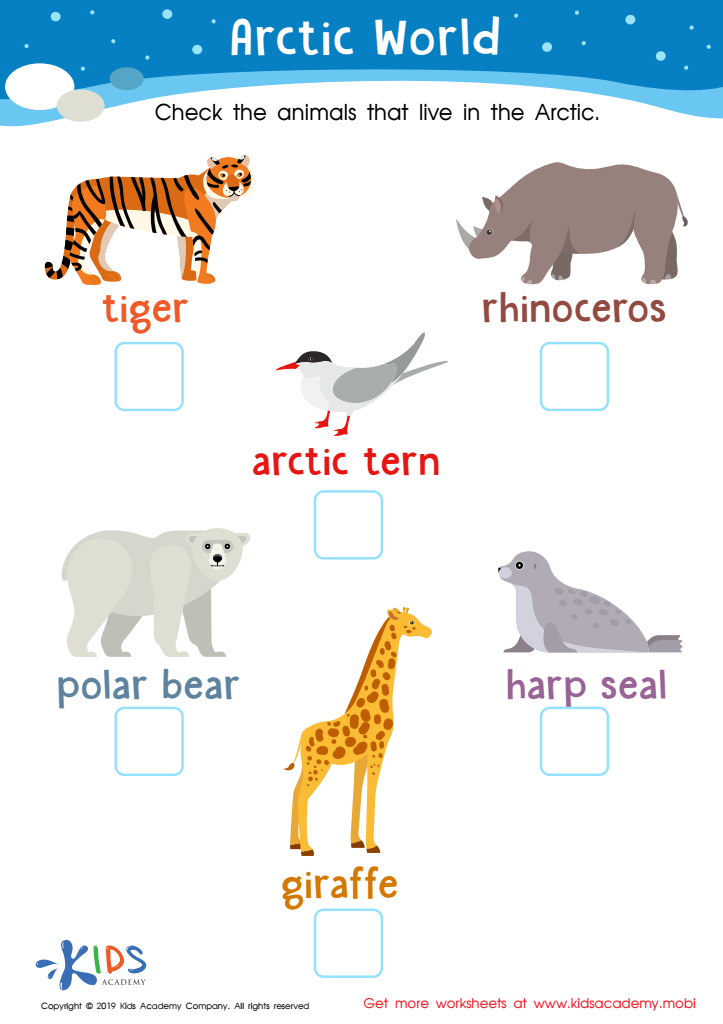
Arctic World Worksheet
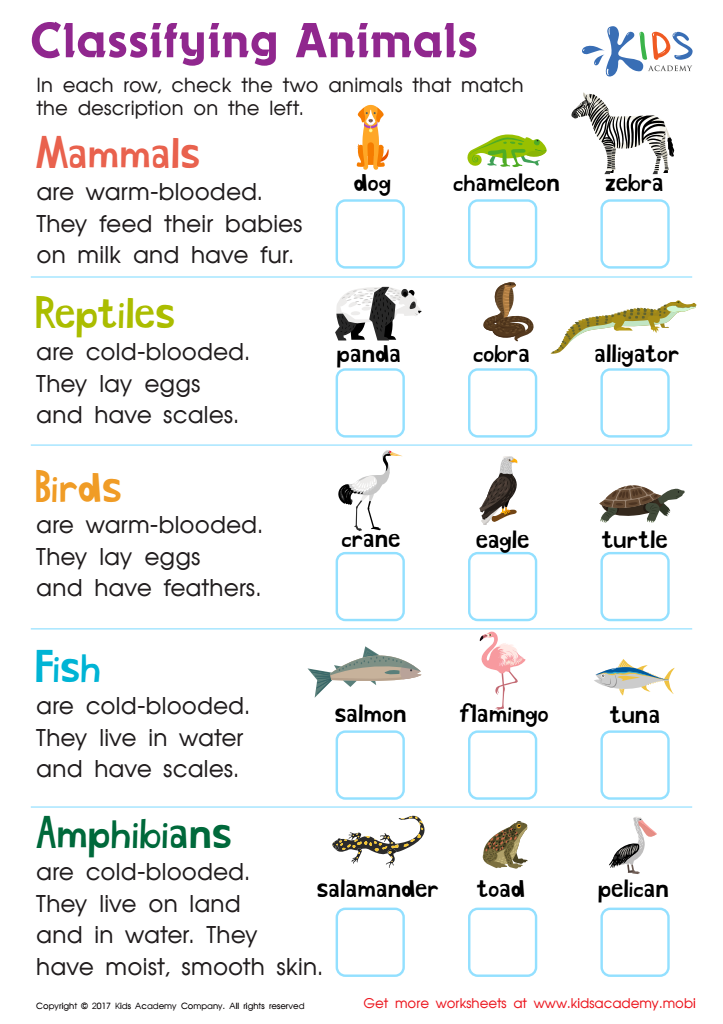
Classifying Animals Worksheet
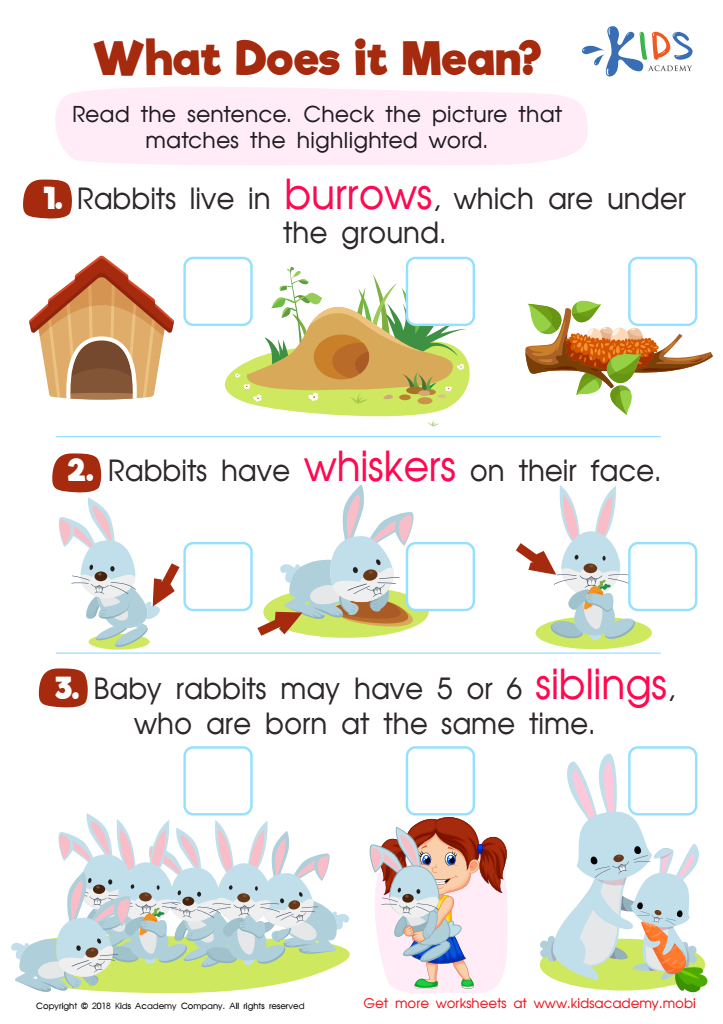
What Does It Mean? Worksheet
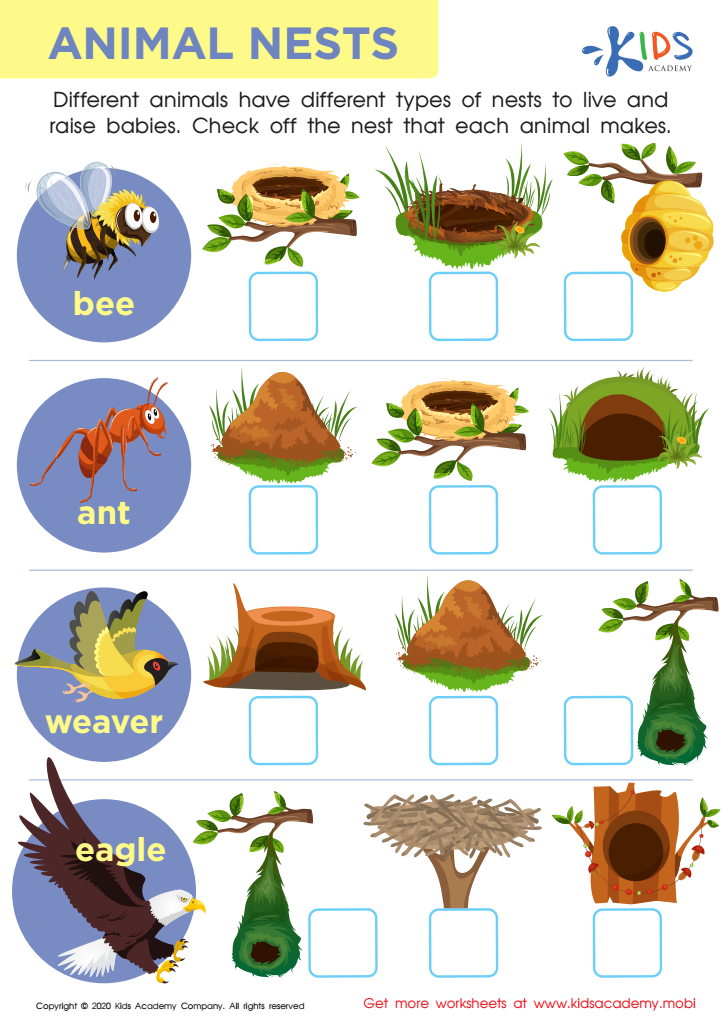
Animal Nests Worksheet
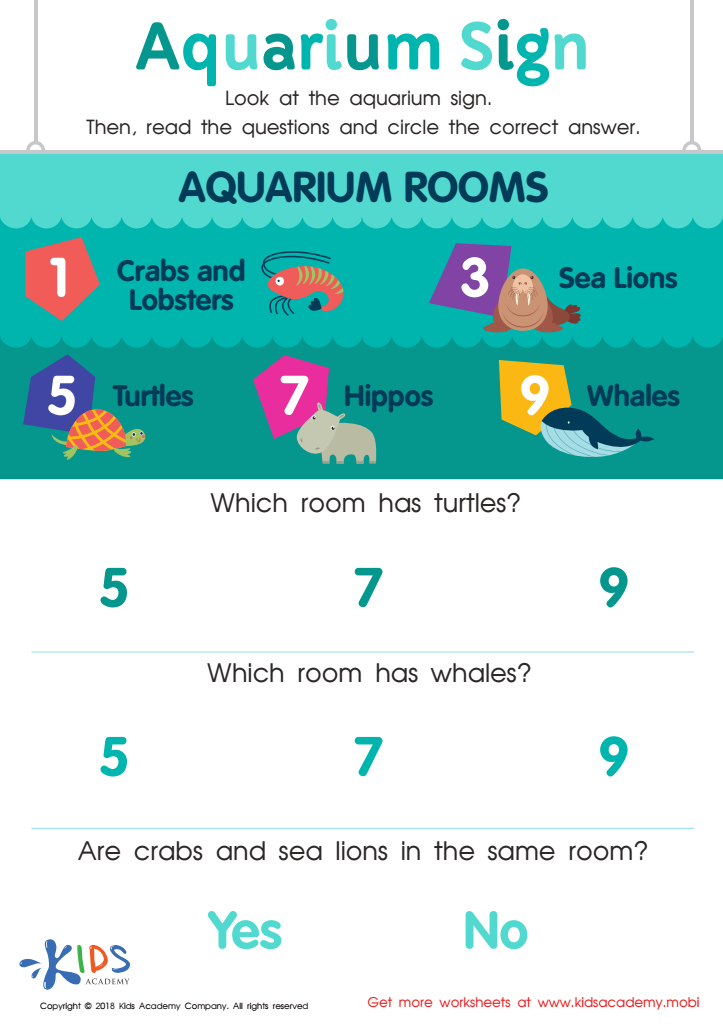
Assessment: Aquarium Sign Worksheet








Critical thinking is vital for young children's development as it fosters curiosity, problem-solving skills, and the ability to engage in informed discussions. The "Critical Thinking Plants and Animals" program, tailored for ages 3-7, plays a crucial role in this process. During these formative years, children's brains are highly adaptable, making it the perfect time to nurture analytical skills through hands-on learning opportunities related to nature.
By exploring plants and animals, children not only learn about biodiversity but also develop observational skills and learn to make connections. Engaging activities encourage them to ask questions, compare different species, and think about environments, which lays the groundwork for scientific literacy. This knowledge ultimately cultivates a sense of responsibility towards the environment.
Moreover, animal and plant studies can be integrated into various subjects, enhancing literacy, math, and artistic skills. When teachers and parents support this critical thinking approach, they help children become critical consumers of information, equipping them with the ability to confront future challenges. The program instills a mindset that values exploration and inquiry—essential traits for lifelong learning and personal growth. Thus, fostering critical thinking in these early years creates a more thoughtful, resourceful generation ready to tackle the complexities of the world.








