
Critical thinking skills Plants and Animals Worksheets for Ages 3-7
6 filtered results
Difficulty Level
Grade
Age
-
From - To
Subject
Activity
Standards
Enhance your child's critical thinking skills with our engaging Plants and Animals Worksheets, designed for ages 3-7. These interactive resources encourage young learners to explore the fascinating world of living things while developing analytical and problem-solving abilities. Our thoughtfully crafted activities stimulate curiosity and promote comprehension through colorful illustrations and fun exercises related to plants and animals. Ideal for homeschooling or classroom use, these worksheets not only make learning enjoyable but also foster essential skills that will benefit your child's educational journey. Start empowering your little one with critical thinking skills today and watch them thrive in their scientific explorations!
Favorites
With answer key
Interactive
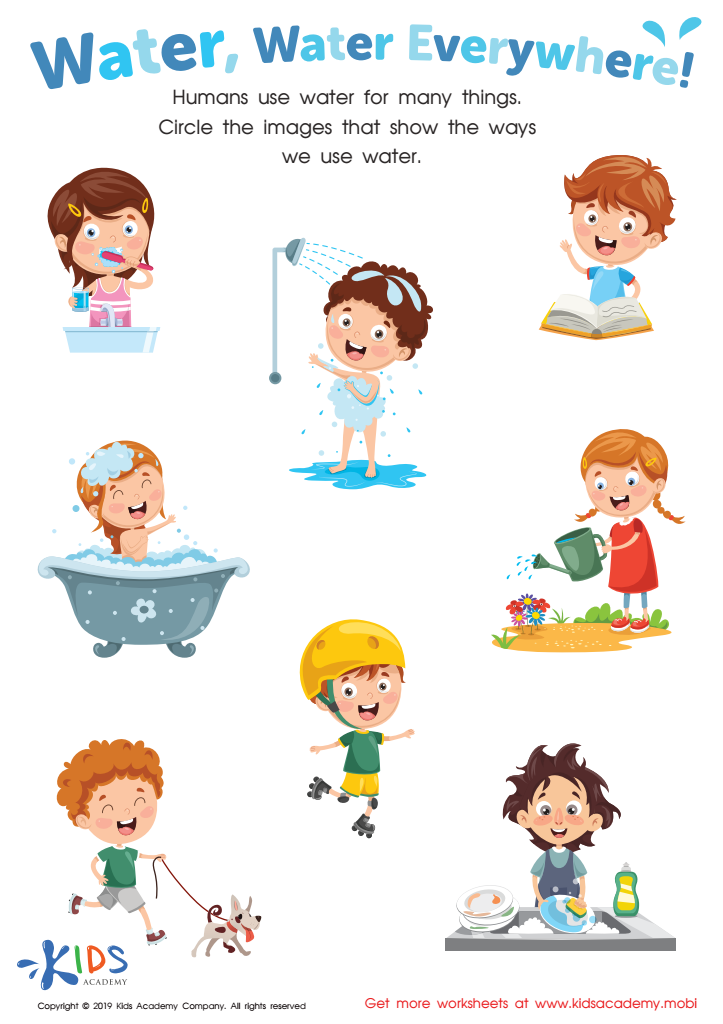
Water, Water Everywhere! Worksheet
Ask your kids how we use water daily. Point out how vital it is to the environment, as many living things couldn't exist without it. Show them this worksheet with kids doing different things that involve water. Ask them to identify what each one is doing, then help them circle the images which show the ways we use the water.
 Assign to My Students
Water, Water Everywhere! Worksheet
Worksheet











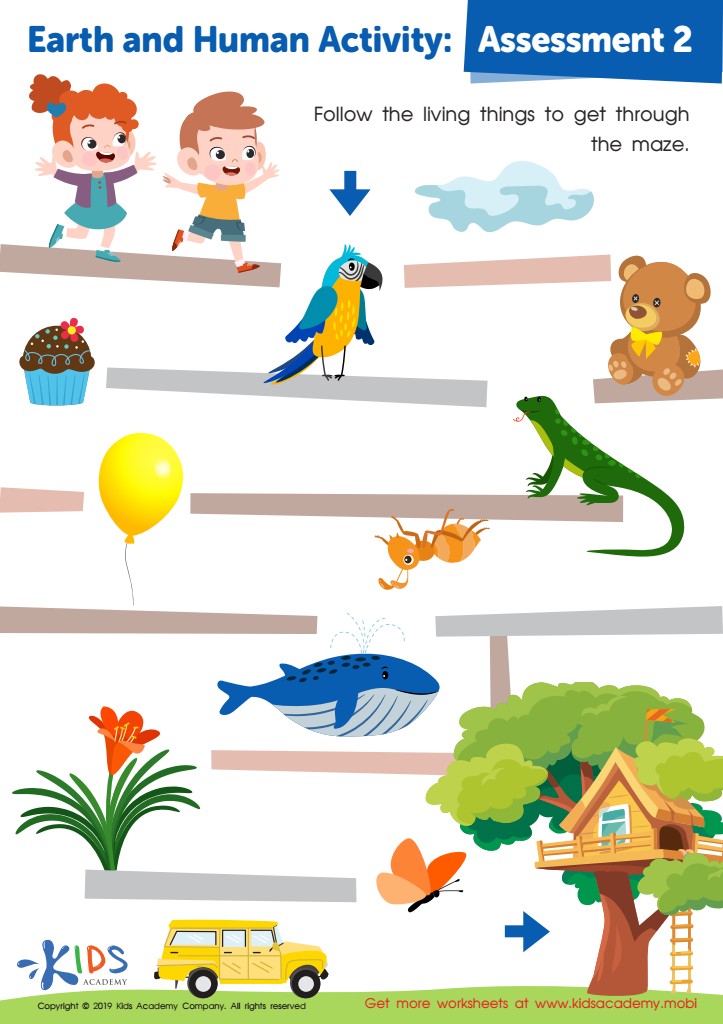
Earth and Human Activity: Assessment 2 Worksheet
Earth is alive with birds, trees, insects, and animals. Explain to your kids that the environment on Earth supports life. Ask for examples, then use the worksheet pictures to help them identify living things and complete the maze.
Earth and Human Activity: Assessment 2 Worksheet
Worksheet
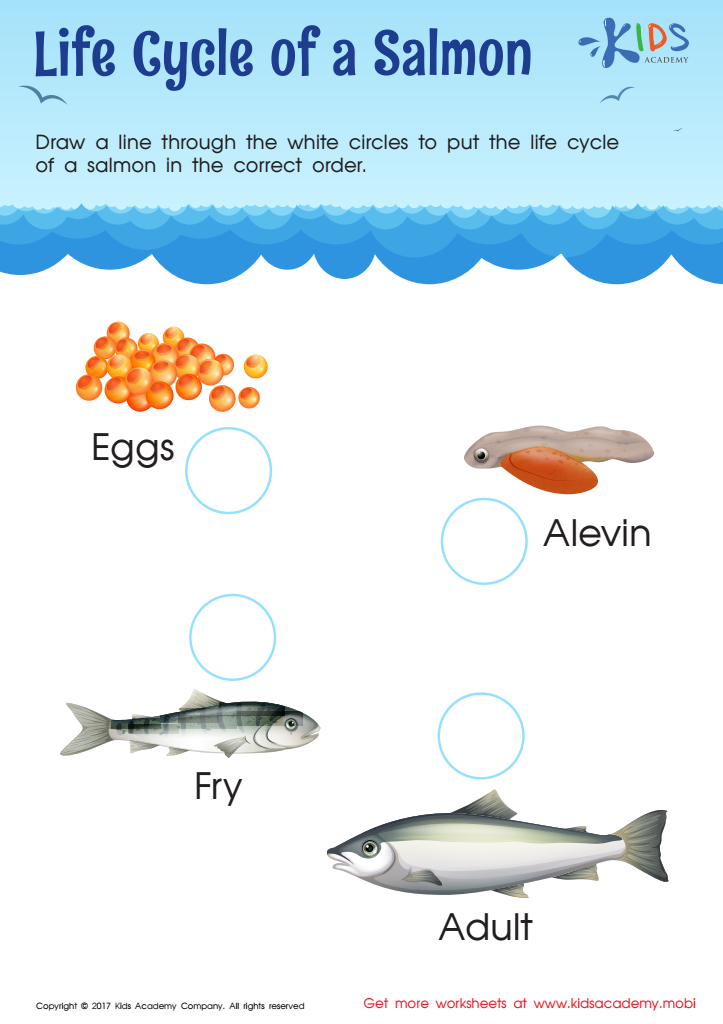
Cycle Of Salmon Worksheet
Explore the life cycle of a salmon with this grade 2 worksheet! Kids will learn by arranging the stages of the salmon's lifecycle in order. Science activities in this set cover a wide range of lifecycles in nature.
Cycle Of Salmon Worksheet
Worksheet
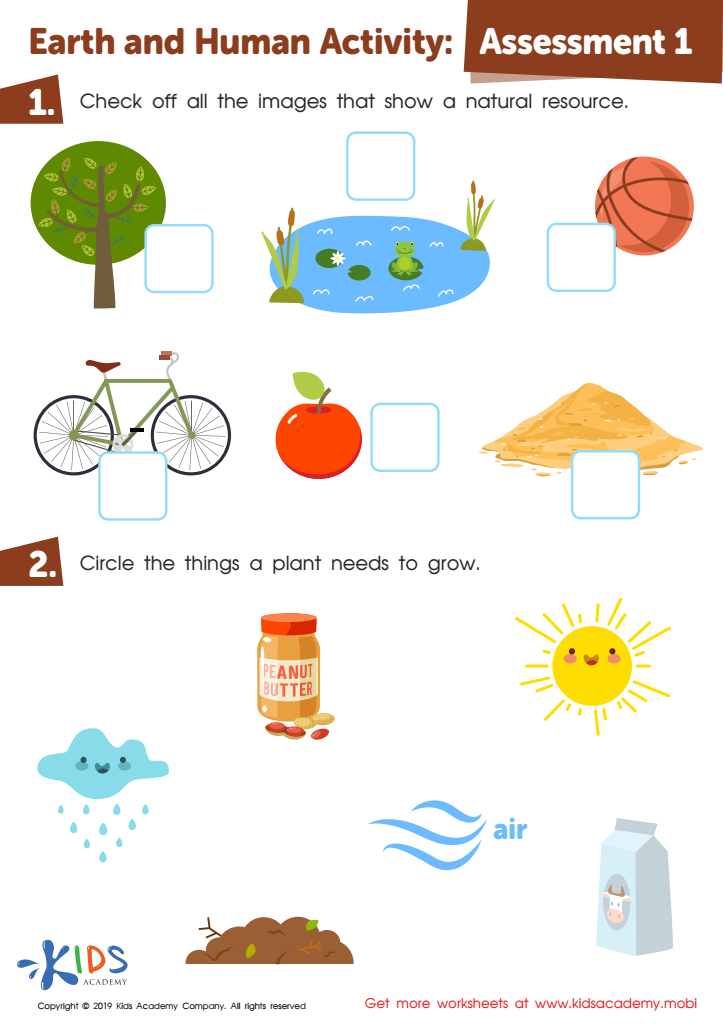
Earth and Human Activity: Assessment 1 Worksheet
Natural resources are gifts from Mother Nature that exist without man-made intervention. We use them to make essential items we use daily. Ask your kids for examples and have them check off images of natural resources on this worksheet.
Earth and Human Activity: Assessment 1 Worksheet
Worksheet
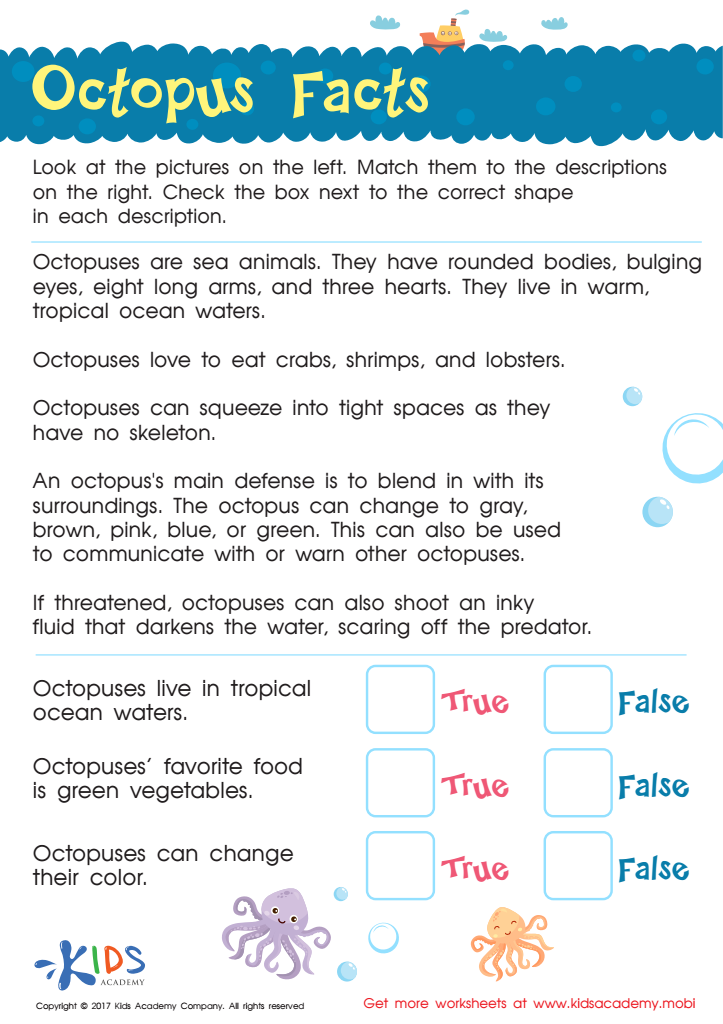
Octopus Facts Worksheet For Kids
Let your child dive into the world of octopuses with this fun worksheet. It offers invaluable practice in reading non-fiction texts, while they learn interesting facts about these strange sea creatures. It's a great way to help them hone their skills in reading comprehension.
Octopus Facts Worksheet For Kids
Worksheet
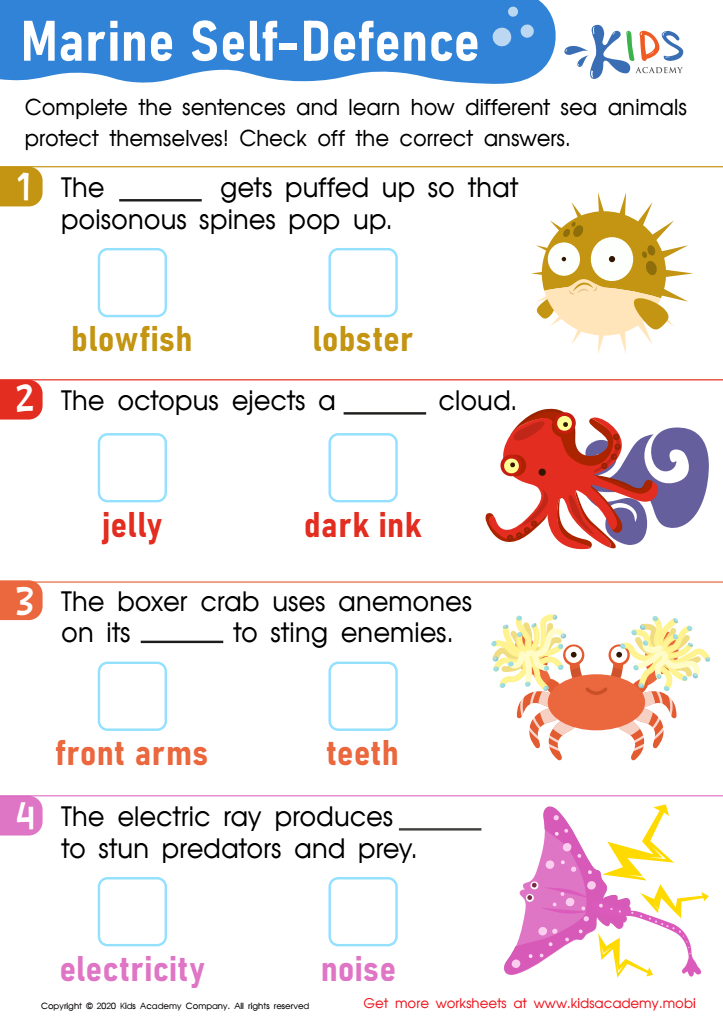
Marine Self-Defence Worksheet
Kids will love discovering the ingenious ways sea creatures protect themselves from predators such as sharks and whales! Let them explore the strategies with this fun science worksheet, which features vibrant illustrations. Have them fill in the blanks with each creature's defense strategy, such as shells, spikes, ink, or even electricity!
Marine Self-Defence Worksheet
Worksheet
Join Kids Academy for Free
Who is primarily going to use this learning content?







Critical thinking skills are essential for young children, and incorporating exciting themes like plants and animals can enhance their development. Here’s why parents and teachers should prioritize these skills in ages 3-7.
Firstly, critical thinking fosters curiosity. When children explore plants and animals, they ask questions such as “Why do leaves change color?” or “How do animals find food?” This kind of thinking encourages them to seek answers, delve deeper, and become lifelong learners.
Moreover, engaging with these themes helps develop observation and classification skills. Children learn to differentiate between various plants and animals, understand their habitats, and identify characteristics. These abilities lay the groundwork for scientific inquiry and logical reasoning.
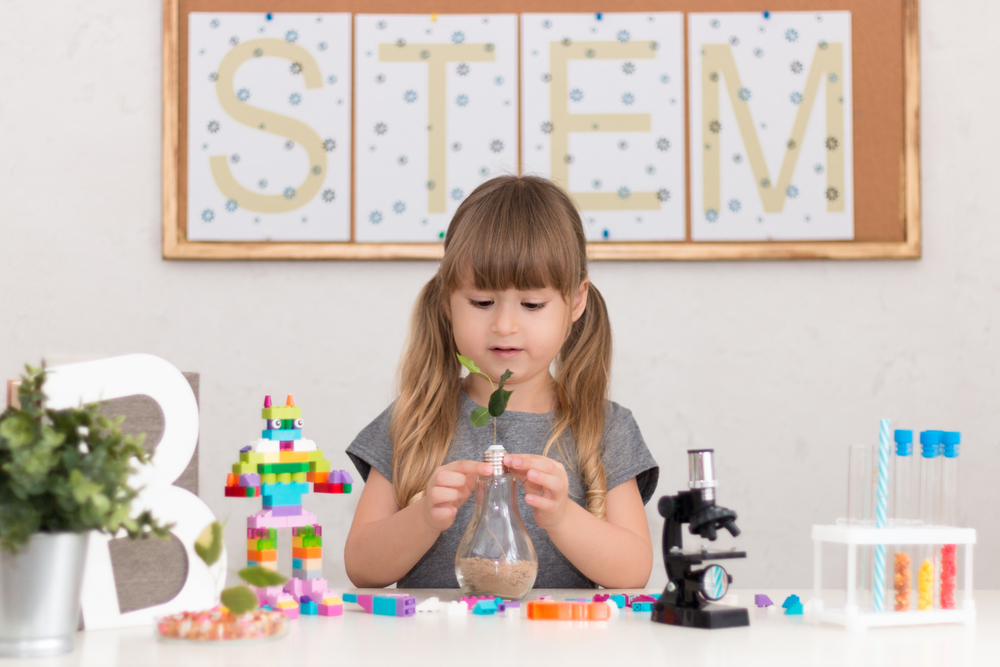
Additionally, working on critical thinking through hands-on activities can boost problem-solving skills. For instance, nurturing a plant or caring for a classroom pet requires planning, patience, and responsibility. Such experiences empower children to make decisions and learn from their mistakes.
Lastly, critical thinking enriches social skills. When kids share observations or engage in discussions about plants and animals, they practice articulating their thoughts, negotiating ideas, and respecting different perspectives. Ultimately, fostering critical thinking in the realms of plants and animals cultivates adaptable, inquisitive, and socially aware individuals.








