Sequencing Skills Plants and Animals Worksheets for Ages 3-7
4 filtered results
Difficulty Level
Grade
Age
-
From - To
Subject
Activity
Standards
Enhance your child's understanding of the natural world with our Sequencing Skills Plants and Animals Worksheets, perfect for ages 3-7. Our interactive and engaging worksheets help young learners develop crucial sequencing skills while discovering fascinating facts about plants and animals. Each activity is thoughtfully designed to promote critical thinking, improve comprehension, and spark curiosity in little minds. Whether in the classroom or at home, these printable worksheets offer an exciting way to support early science education and cognitive development. Explore the wonders of nature while reinforcing essential learning skills and nurturing a love for learning.
Favorites
With answer key
Interactive
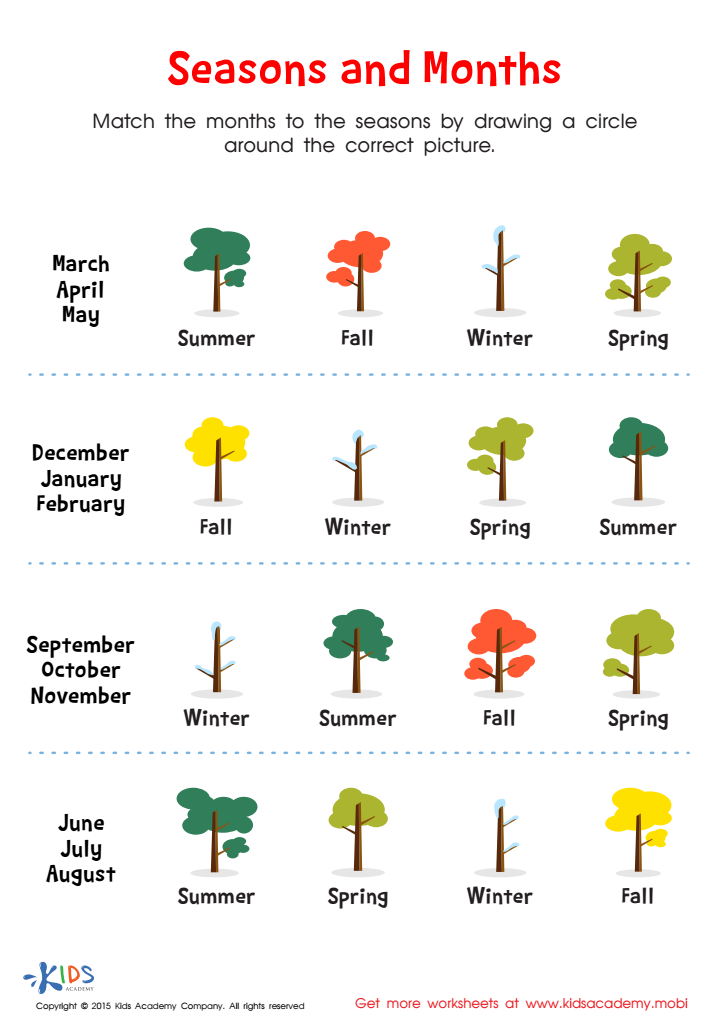
Seasons and Months Worksheet
Help your child explore the world around them with this fun seasons and months printable worksheet. It'll help them understand the months of the year and the seasons connected to them, teaching valuable science knowledge and skills. Plus, engaging in conversations about the current month and season will extend their learning!
 Assign to My Students
Seasons and Months Worksheet
Worksheet

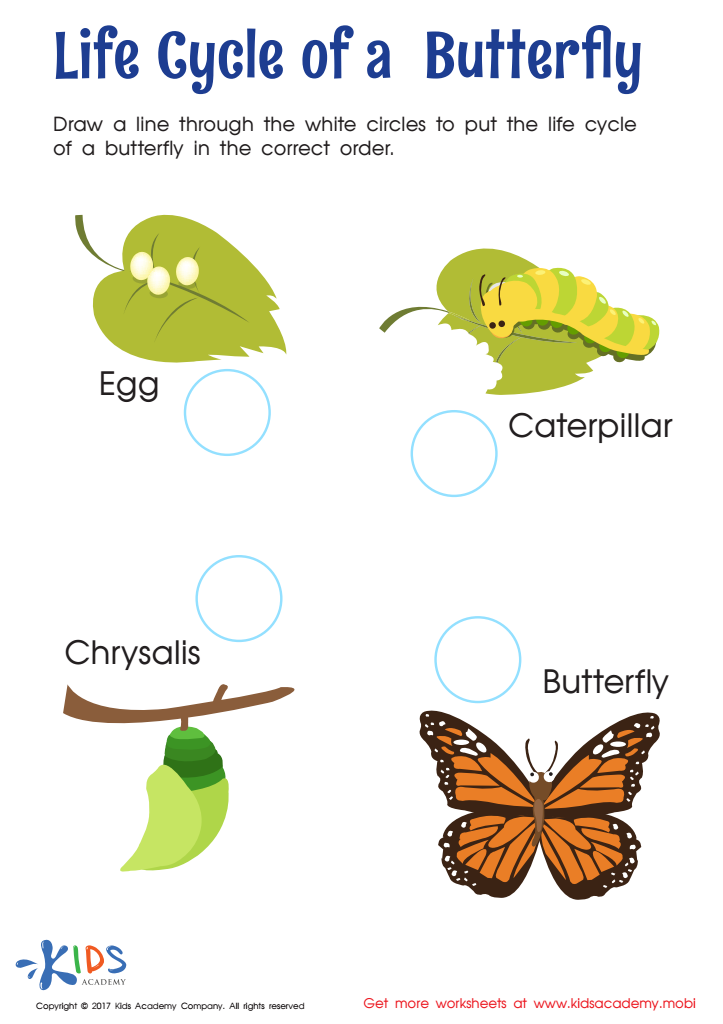
Life Cycle of Butterfly Worksheet
Kids Academy offers an exciting activity – a Life Cycle of a Butterfly Worksheet PDF. It shows four stages in the lifecycle of a butterfly with vivid pictures. Kids put the stages in the correct order to study the lifecycle.
Life Cycle of Butterfly Worksheet
Worksheet
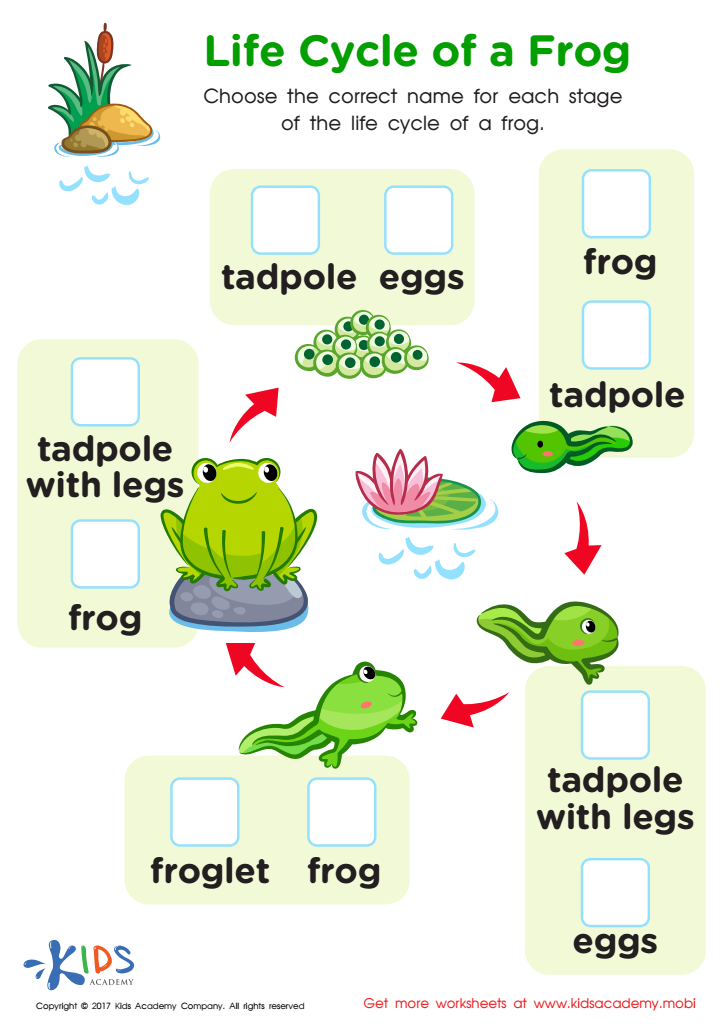
Life Cycle Frog Printable
Kids can explore the life cycle of frog with this fun worksheet! Draw lines from one stage to the next to follow the transformation from tadpole to frog and learn about the cycle of life.
Life Cycle Frog Printable
Worksheet
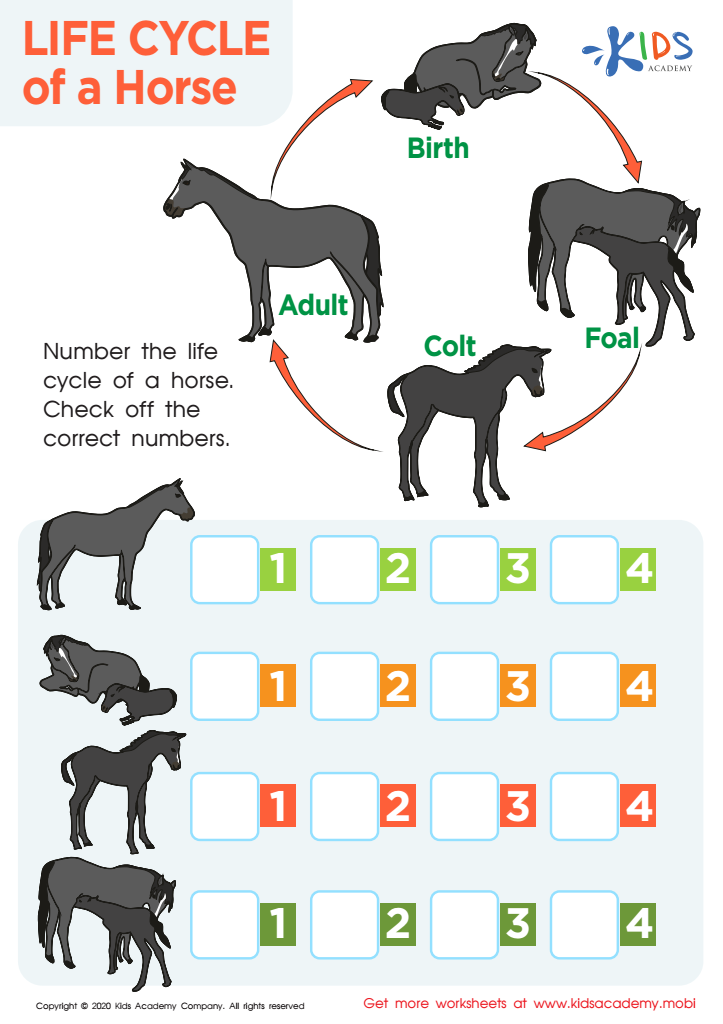
Life Cycle of a Horse Worksheet
Kids Academy's science worksheet on horses' lifecycles offers an engaging way for kids to learn! They'll study the diagram and label each stage of life, from birth to adulthood, and then number the pictures to mark the correct sequence. Fun and educational - a perfect way to get your kids learning!
Life Cycle of a Horse Worksheet
Worksheet
Join Kids Academy for Free
Who is primarily going to use this learning content?







Sequencing skills involve the ability to understand and arrange events in a specific, logical order. For children ages 3-7, developing sequencing skills is crucial for cognitive development as it enhances literacy, mathematics, and problem-solving abilities. When it comes to understanding plants and animals, sequencing helps young children grasp fundamental biological and scientific concepts.
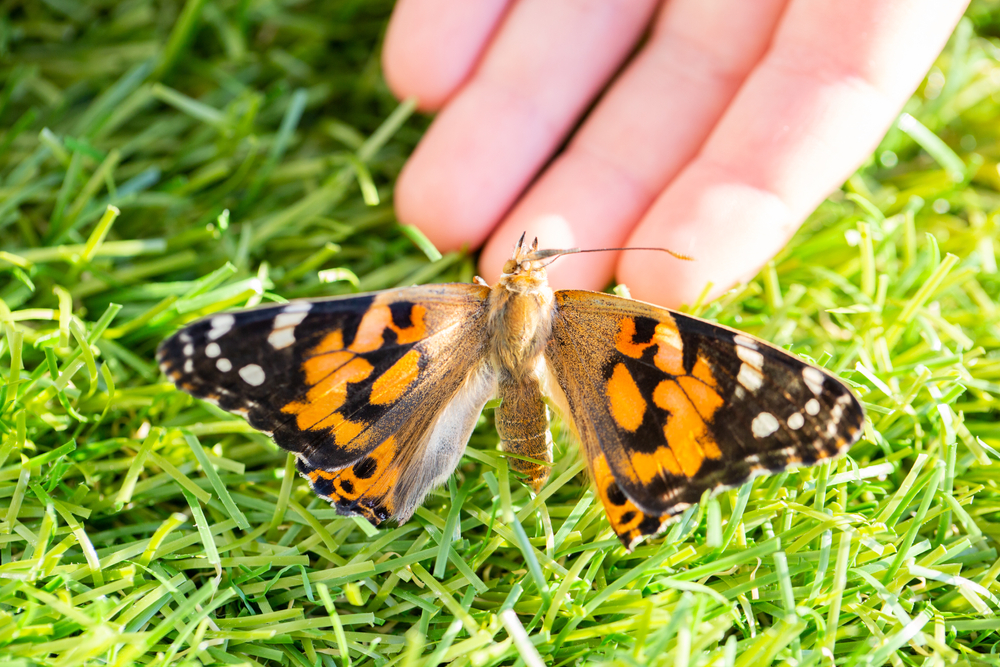
For instance, learning the life cycle of a butterfly or the stages of plant growth teaches children about nature's processes and fosters a sense of curiosity and respect for living organisms. Recognizing that a seed grows into a plant or that a tadpole becomes a frog helps children develop chronological thinking and memory skills. This understanding is foundational for eventual success in more complex subjects.
Moreover, mastering sequencing skills can improve children's narrative competence, crucial for reading and writing. Being able to narrate what happens "first," "then," and "last" enhances comprehension and storytelling abilities. In addition, these skills encourage critical thinking, enabling children to predict outcomes and understand cause-and-effect relationships.
Engaging with nature and its processes through sequencing activities also supports hands-on learning, connecting theoretical knowledge with real-world experiences. Therefore, parents and teachers should prioritize sequencing skills in children not just to bolster academic readiness, but also to nurture a holistic appreciation for the world around them.