Critical Thinking Social Studies Worksheets for Ages 3-7
17 filtered results
-
From - To
Welcome to our "Critical Thinking Social Studies Worksheets for Ages 3-7," designed to nurture young minds through engaging activities! These worksheets encourage children to explore their world by engaging in problem-solving, making connections, and expressing opinions. With vibrant illustrations and age-appropriate content, our resources spark curiosity and critical analysis. Each worksheet focuses on important social studies concepts tailored for early learners, promoting skills such as reasoning and comprehension. Perfect for classrooms or at-home learning, these worksheets foster a foundational understanding of their community and environment. Dive into the excitement of learning and help your child develop vital critical thinking skills today!
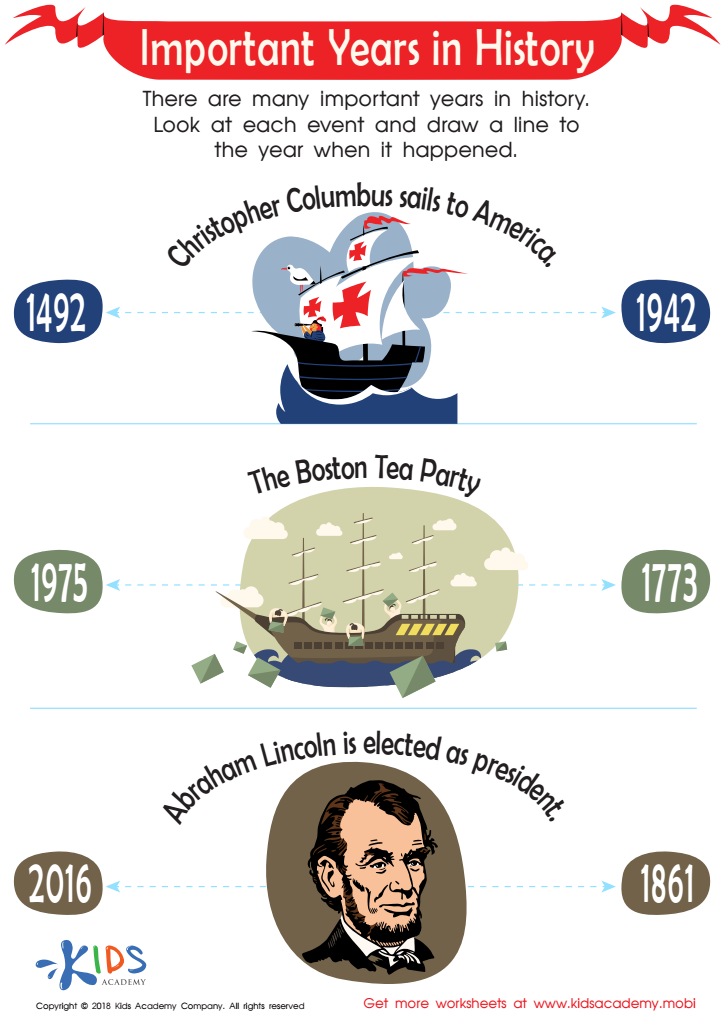
Important Years in History Worksheet
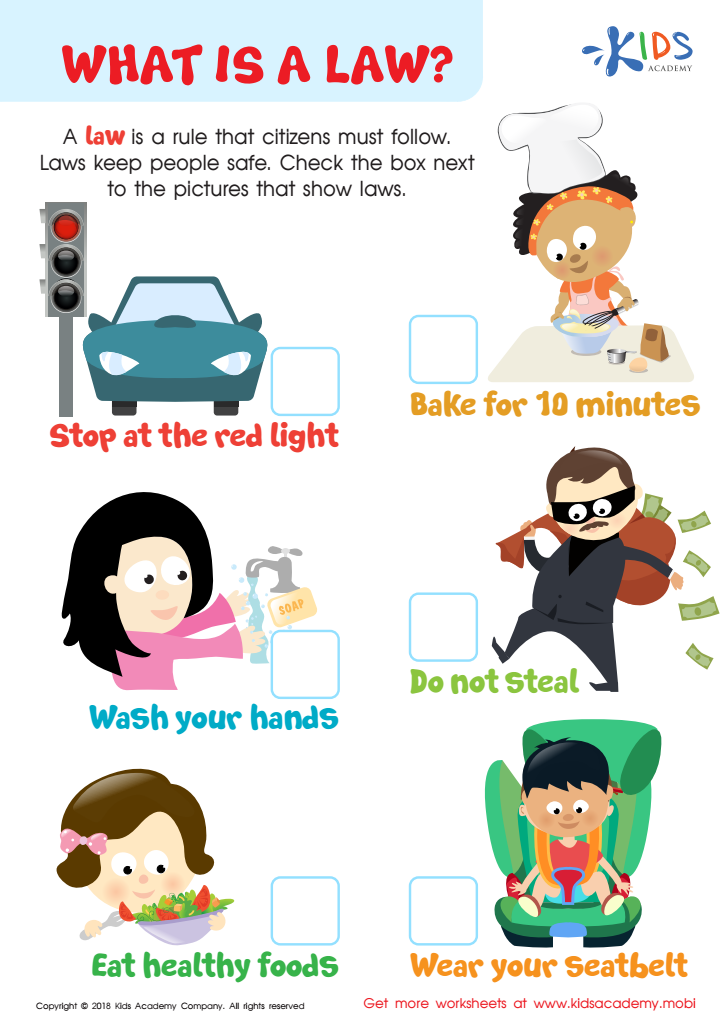
What is a Law? Worksheet
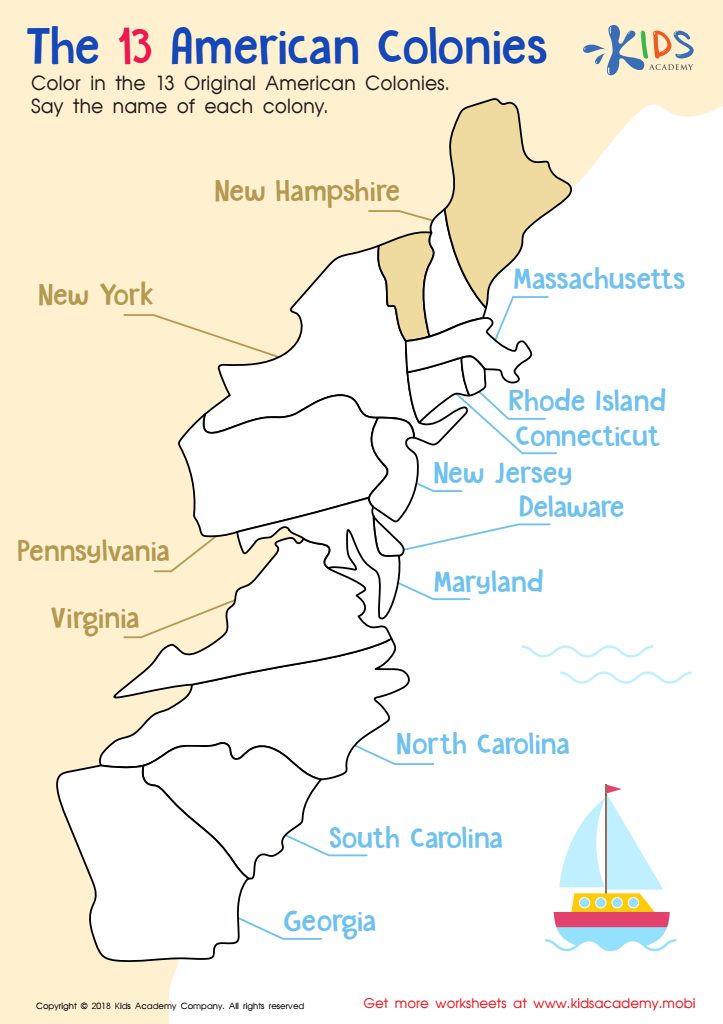
The 13 American Colonies Worksheet
 Assign to My Students
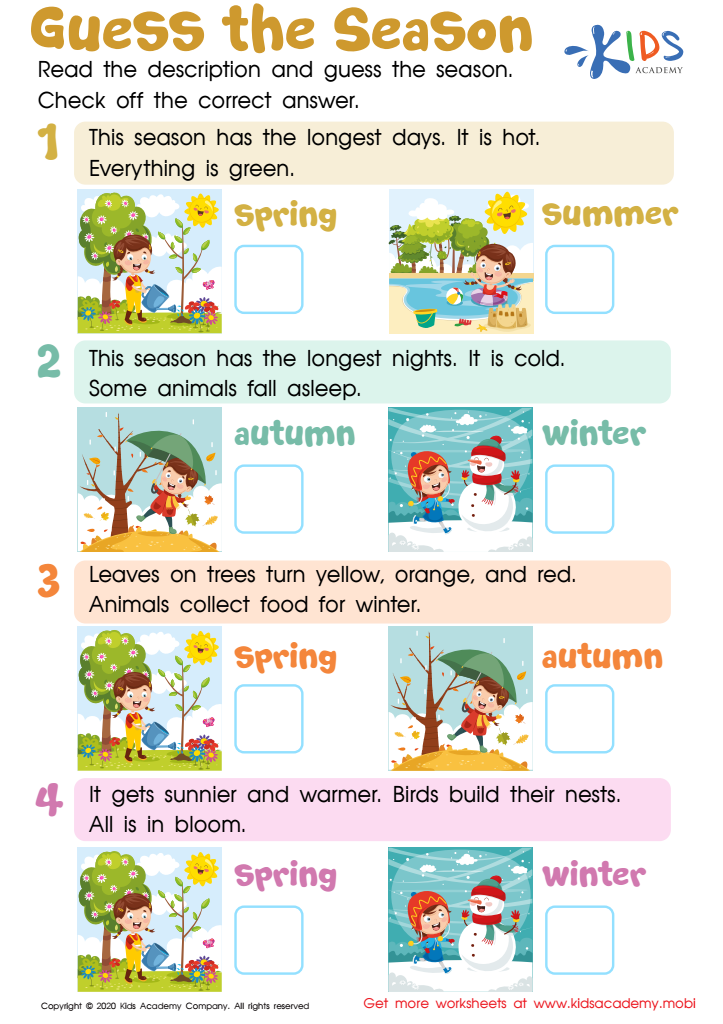
Guess the Season Worksheet
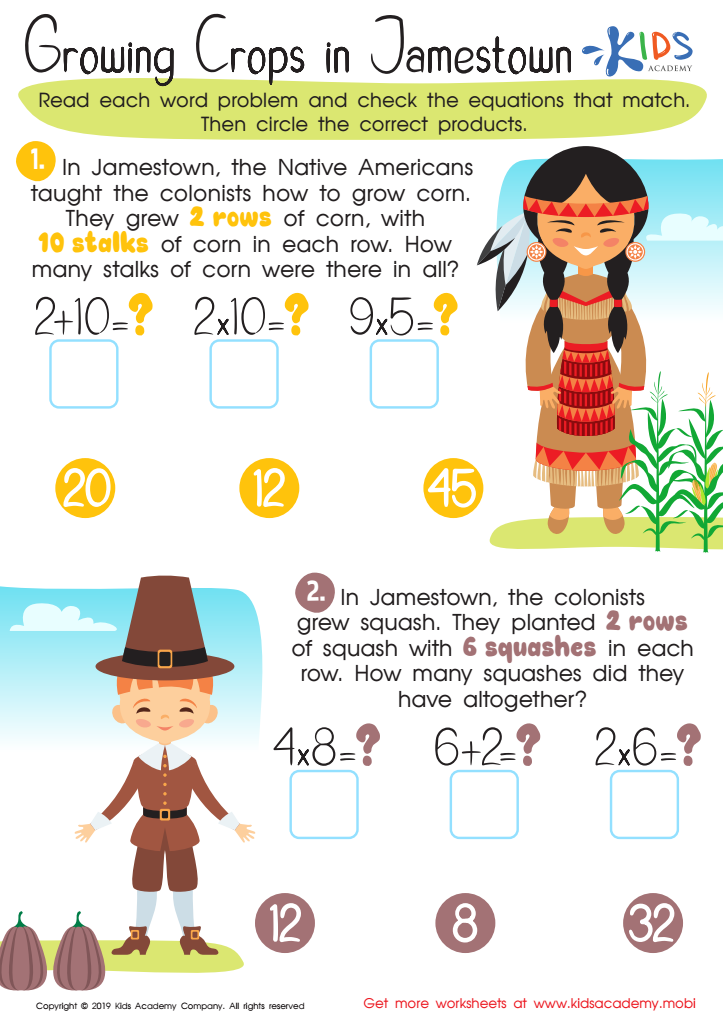
Growing Jamestown Worksheet
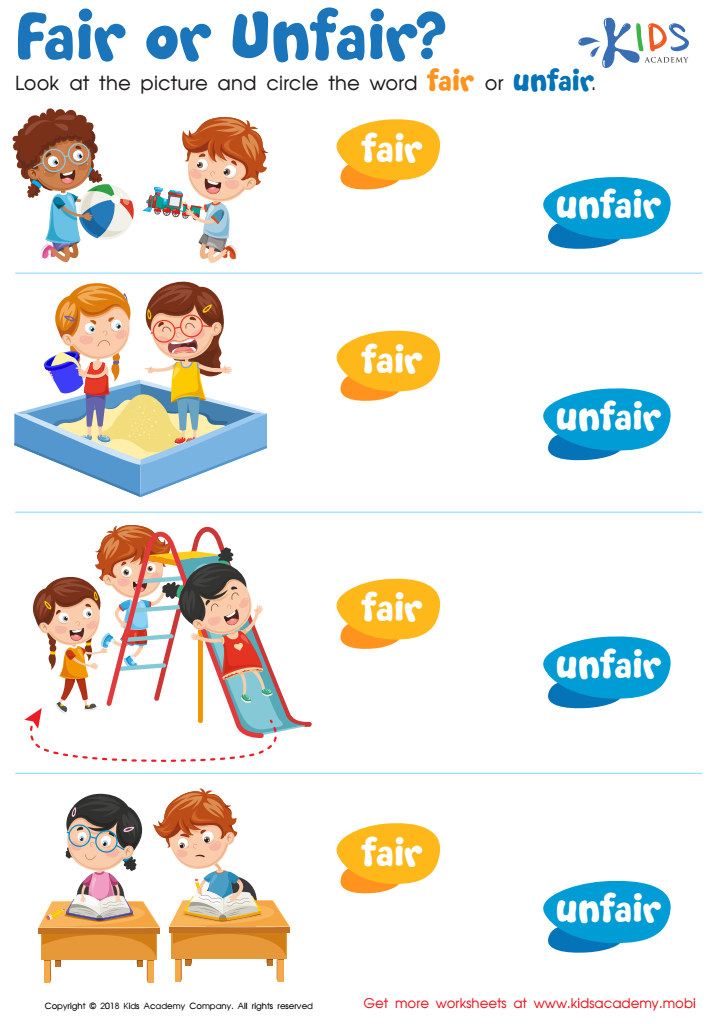
Fair or Unfair Worksheet
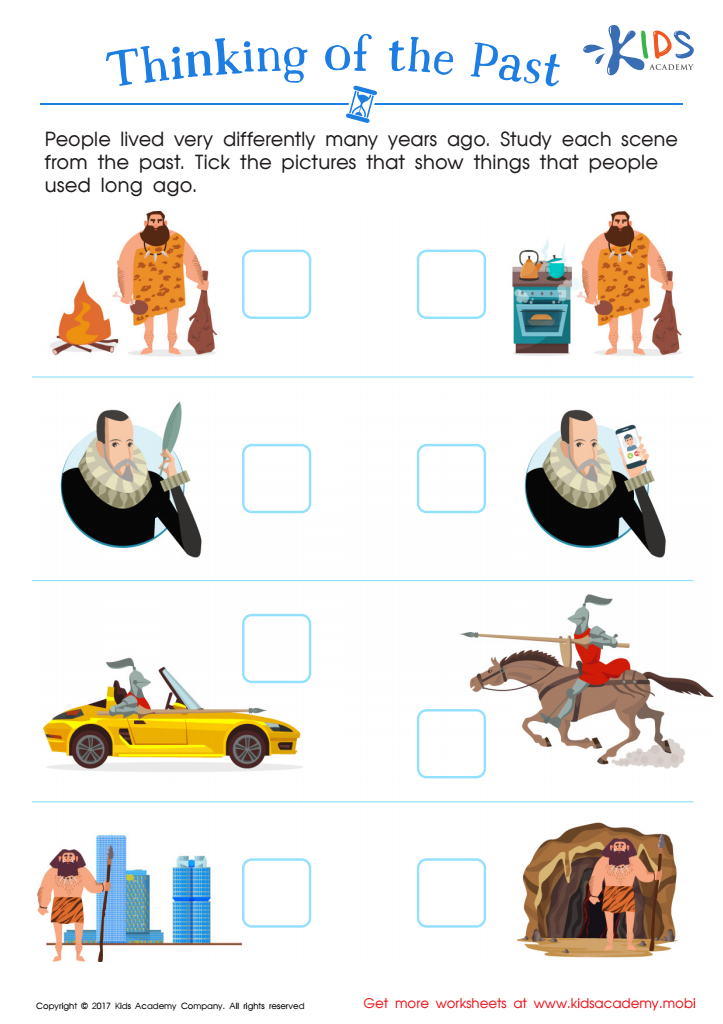
Thinking Past Printable

Thanksgiving Holiday Printable

What Do Teachers Need Worksheet
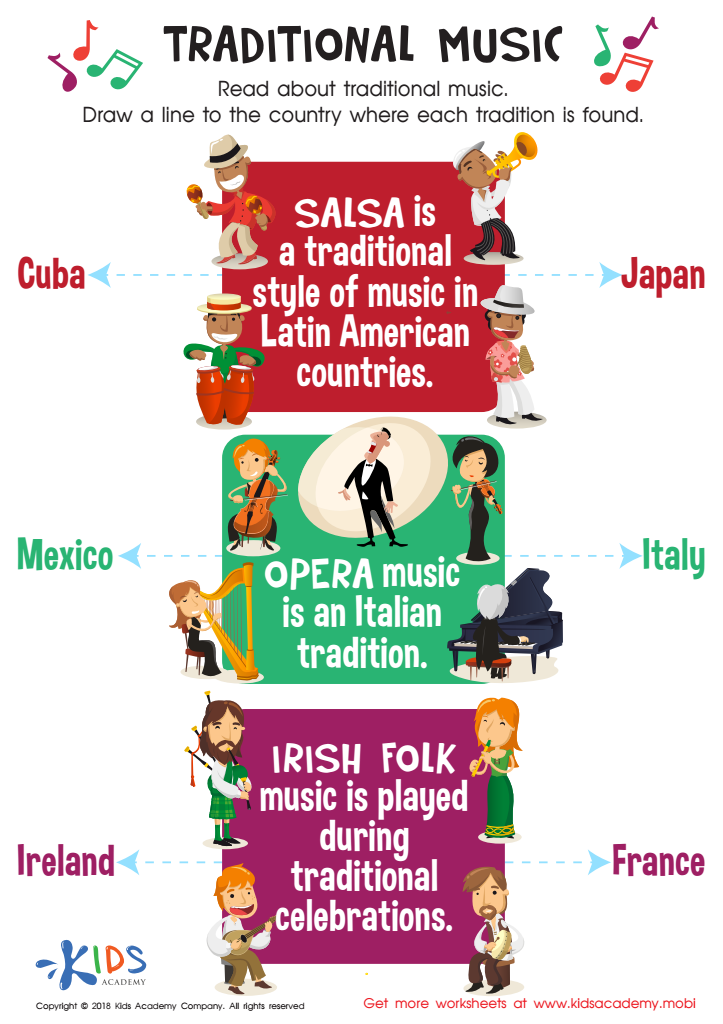
Traditional Music Worksheet
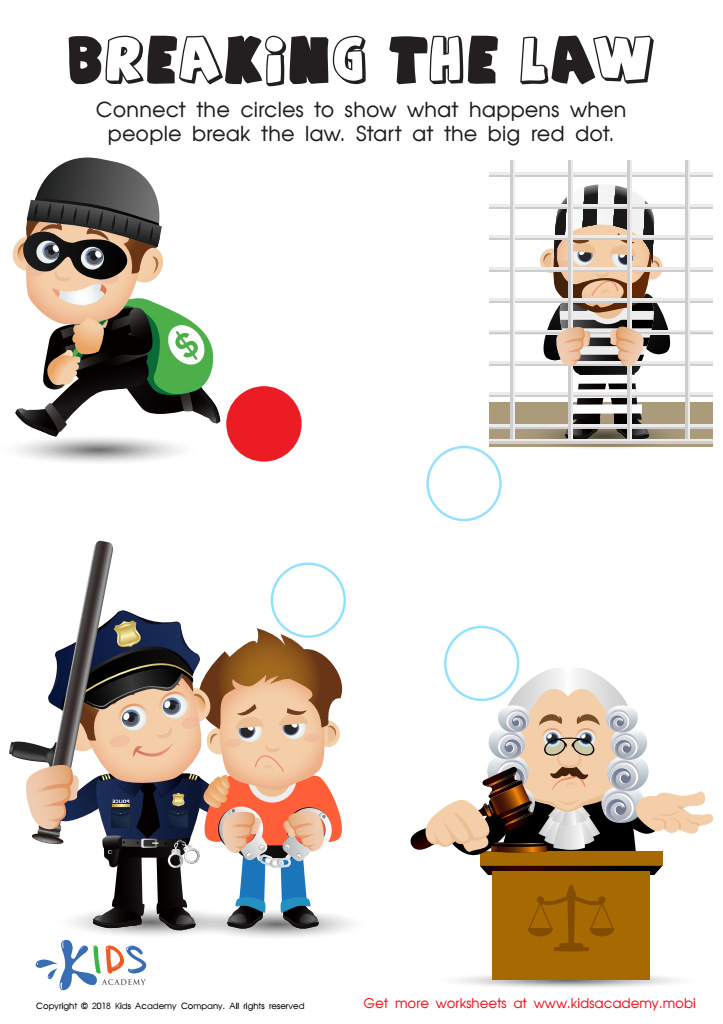
Breaking the Law Worksheet
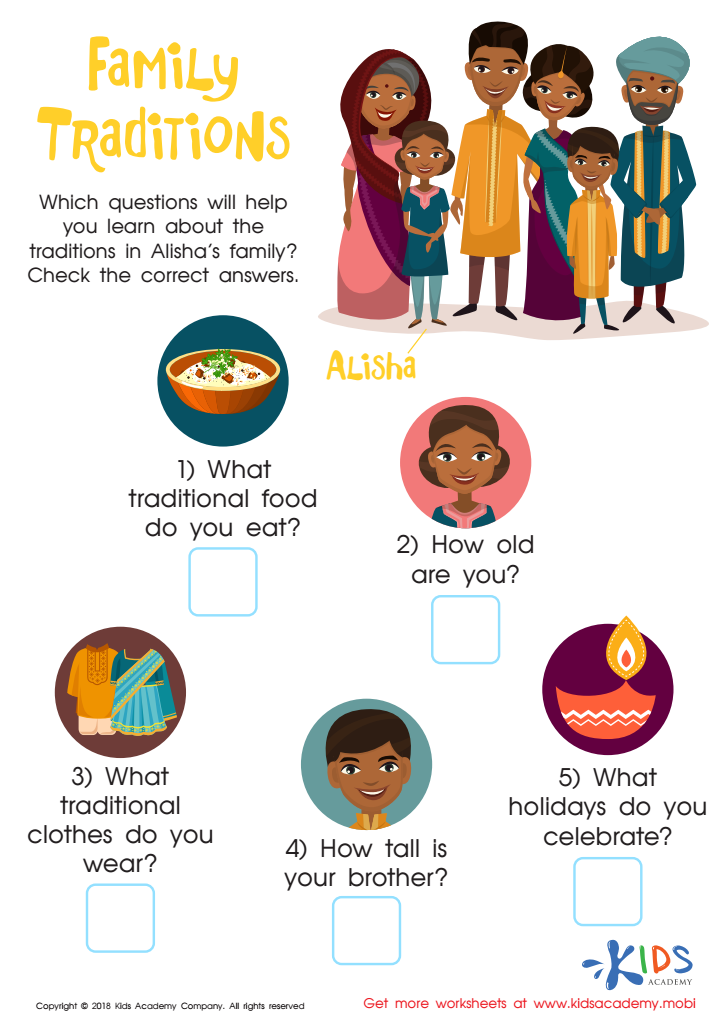
Family Traditions Worksheet

Assessment: First Thanksgiving Worksheet
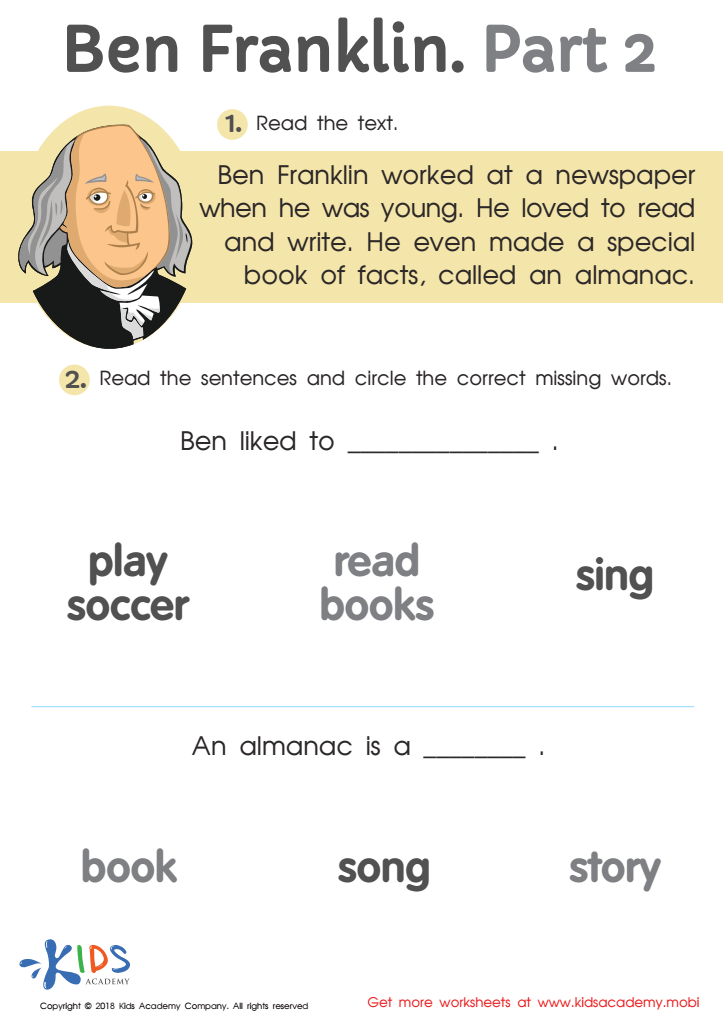
Ben Franklin Part 2 Worksheet

The Four Seasons Worksheet
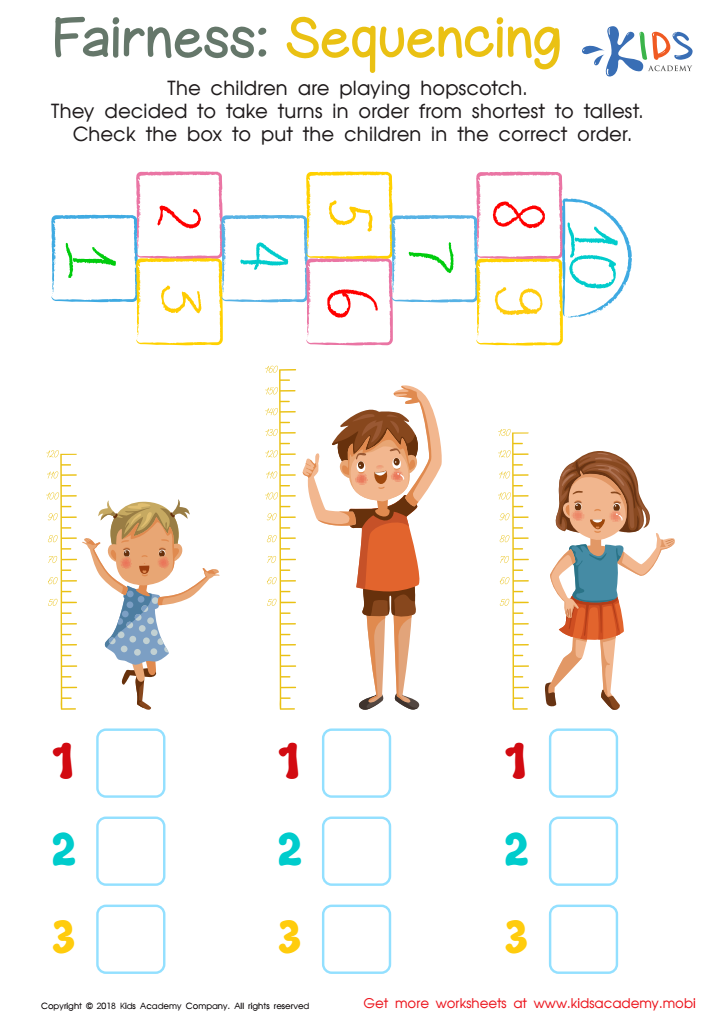
Fairness: Sequencing Worksheet
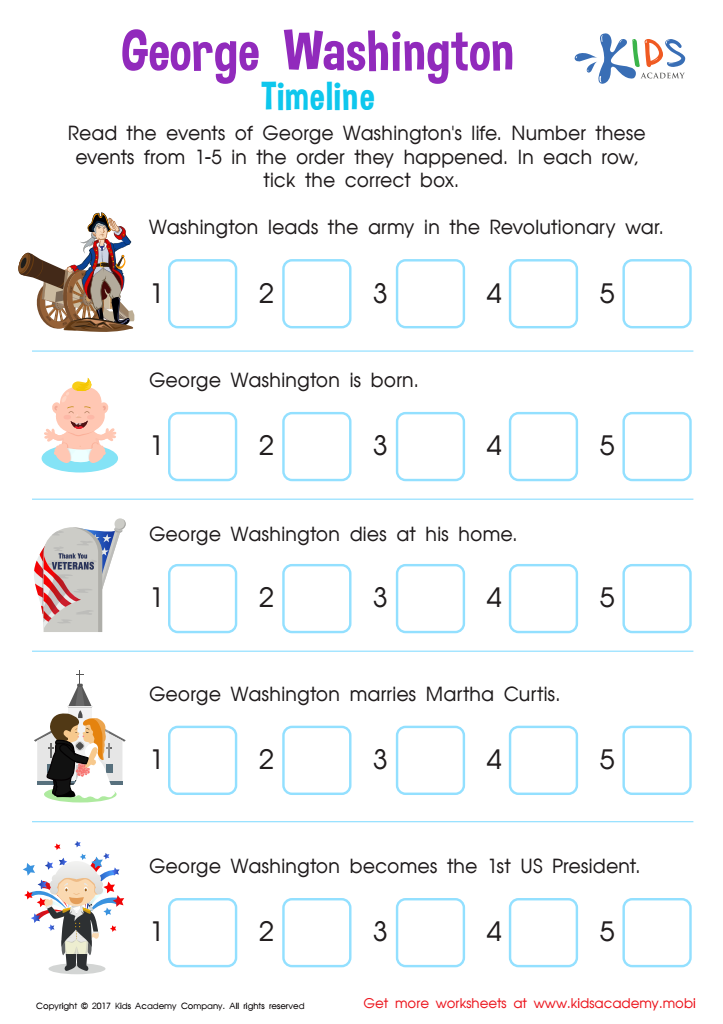
George Washington Timeline Worksheet








Parents and teachers should prioritize Critical Thinking in Social Studies for children ages 3-7 because it lays the foundation for essential life skills early in development. During these formative years, children are naturally curious and eager to explore the world around them. Incorporating Critical Thinking into social studies encourages this curiosity by allowing them to ask questions, analyze information, and understand various perspectives.
Teaching critical thinking equips young learners with the ability to evaluate situations, recognize bias, and develop reasoned problem-solving skills. In social studies, this can include studying different cultures, communities, and historical events, helping children appreciate diversity and understand their place in a broader context. Furthermore, fostering critical thinking aids in developing empathy and social awareness, vital attributes for collaborative living in a multicultural society.
Engaging children in discussions about their own experiences and the world cultivates their ability to express opinions and make informed decisions. The skills learned at this age not only enhance academic performance but also prepare them to be thoughtful, caring citizens who can navigate and contribute positively to their communities. Ultimately, investing in Critical Thinking in early social studies education fosters a generation that values inquiry, understanding, and harmonious coexistence.








