Vocabulary development Social Studies Worksheets for Ages 3-7
8 filtered results
-
From - To
Enhance your child's vocabulary with our engaging Social Studies worksheets designed for ages 3-7! Our collection offers a variety of interactive activities that help young learners explore key concepts while building essential language skills. Each worksheet is tailored to spark curiosity about communities, cultures, and environments, making social studies fun and accessible. Through coloring, matching, and fill-in-the-blank exercises, children will not only expand their vocabulary but also deepen their understanding of the world around them. Ideal for home or classroom use, our worksheets provide the perfect blend of learning and play, ensuring your child develops a strong foundation for future studies.

Let's Go to the Library! Worksheet
 Assign to My Students

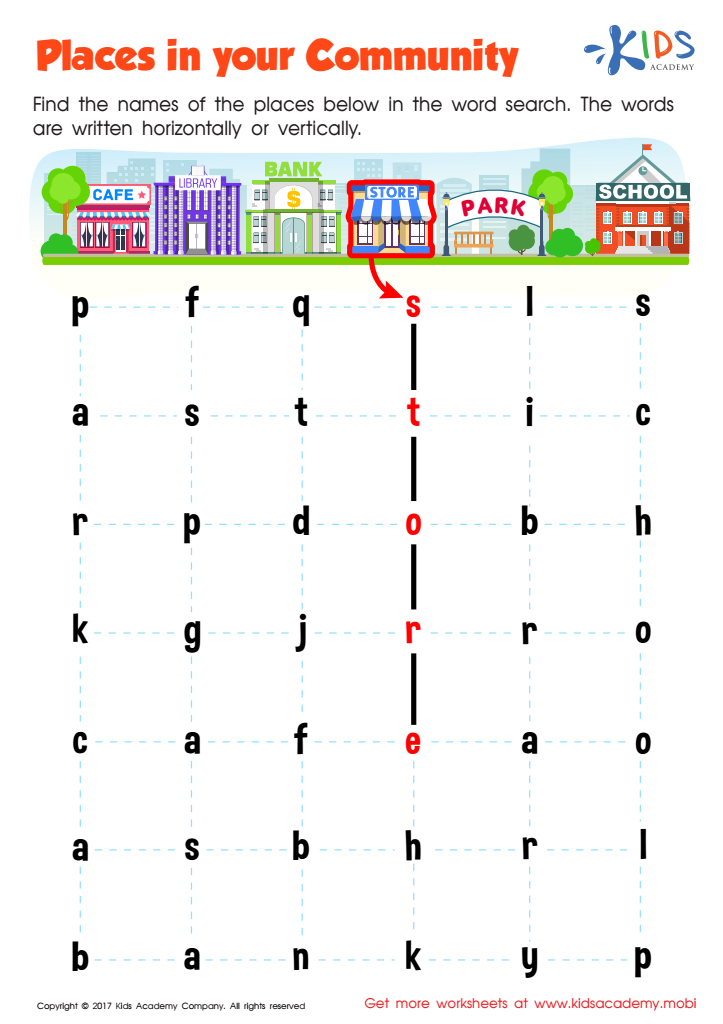
Places in Your Community Worksheet
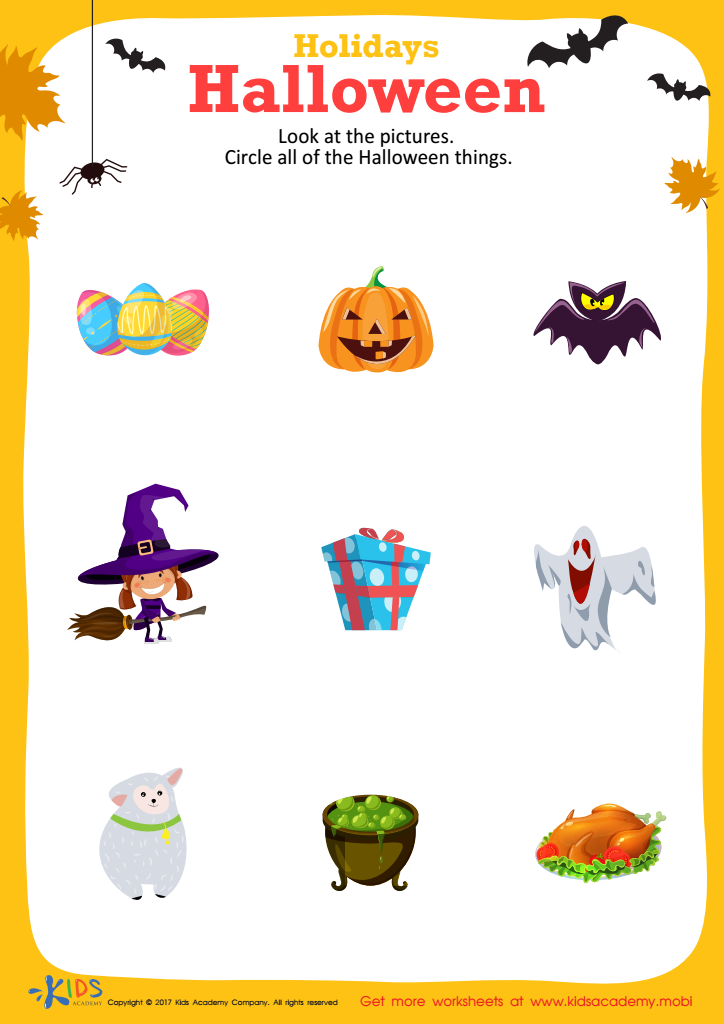
Halloween Holiday Worksheet
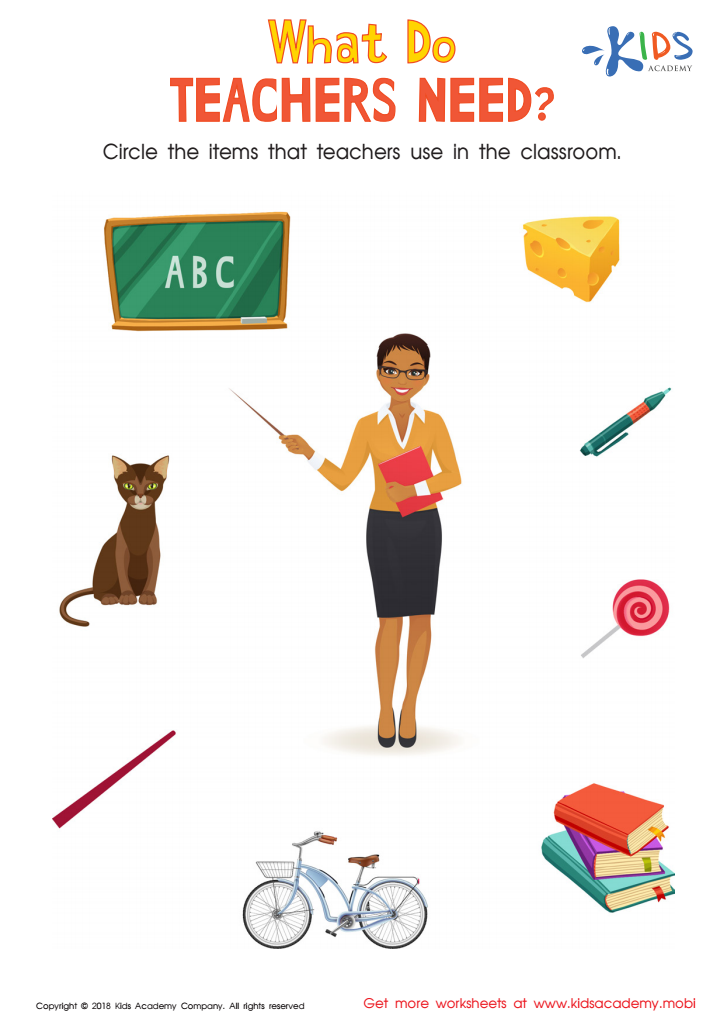
What Do Teachers Need Worksheet
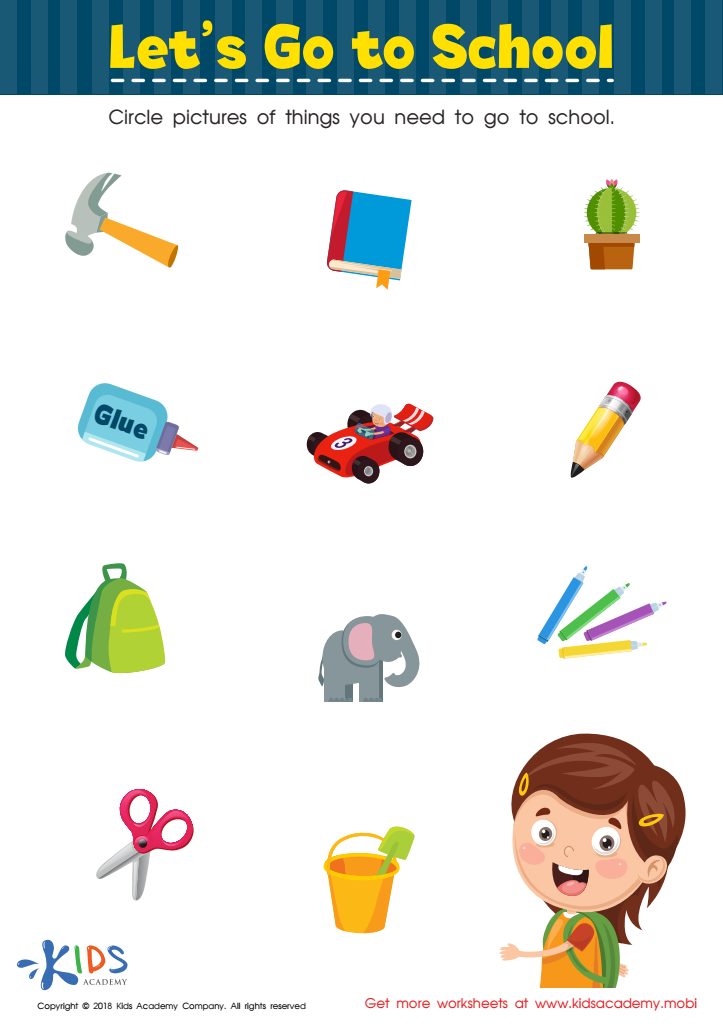
Let's Go to School! Worksheet
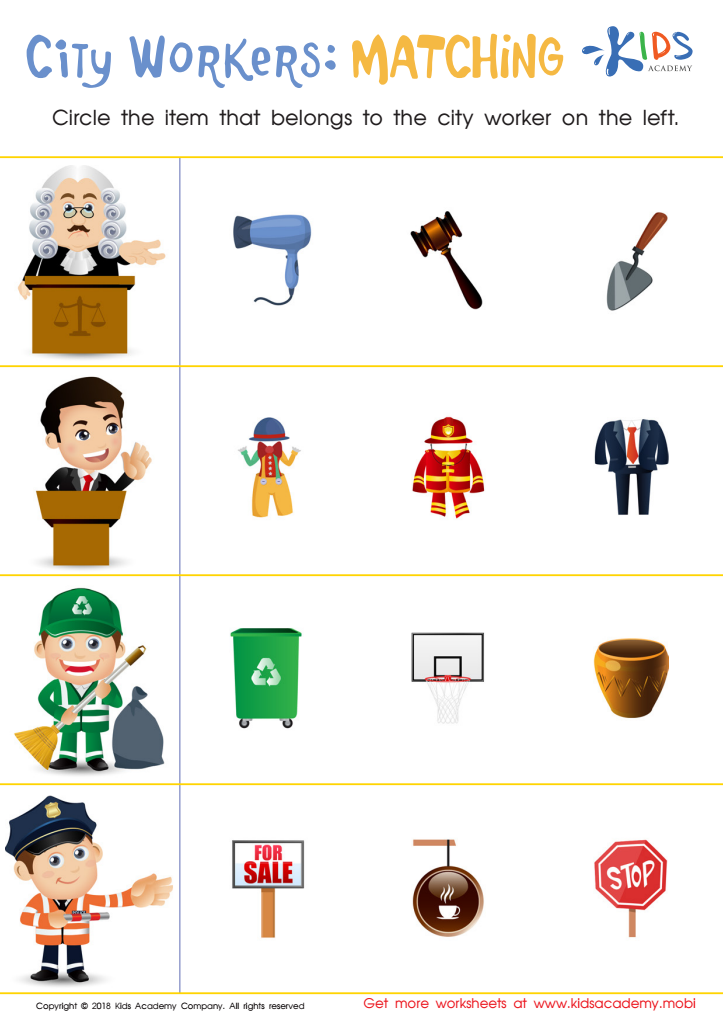
City Workers: Matching Worksheet
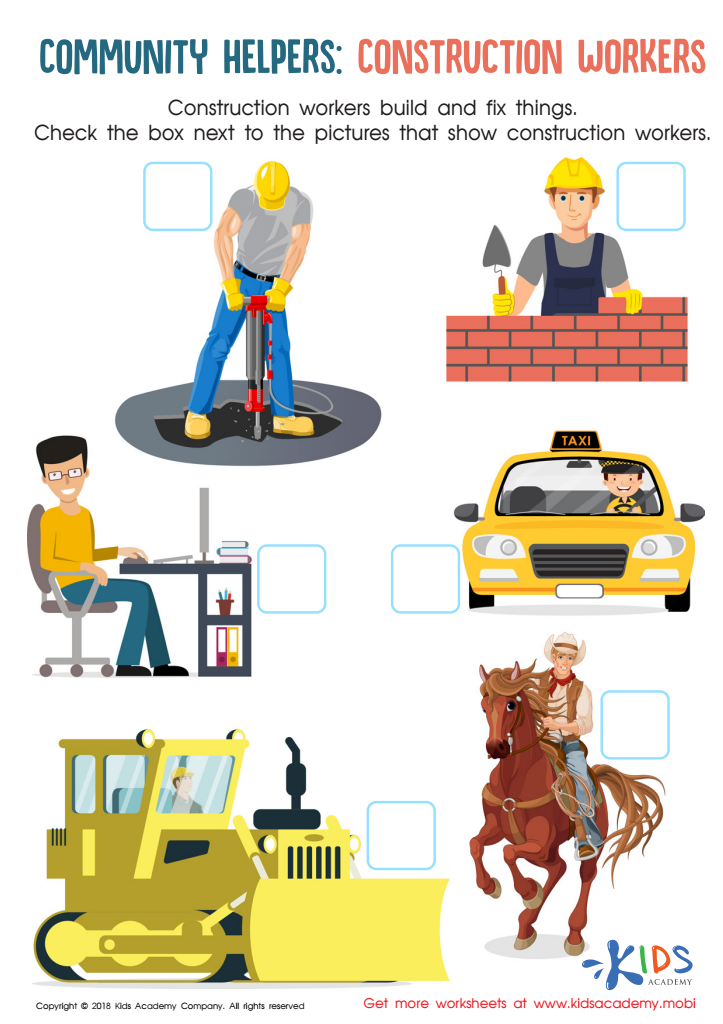
Construction Workers Community Helpers Worksheet







Vocabulary development plays a crucial role in the social studies learning of children aged 3-7. At this stage, young learners are naturally curious, actively exploring their world, and beginning to form an understanding of community and culture. Fostering vocabulary in social studies helps enhance their comprehension of key concepts such as geography, history, and civic responsibility, laying a foundation for informed citizenship.
When parents and teachers prioritize vocabulary development in social studies, they facilitate richer dialogues that help children articulate their ideas and opinions. Discussing important terms and concepts allows them to grasp abstract ideas, promoting critical thinking and empathy. A robust vocabulary enables children to connect personal experiences with the diverse stories and perspectives of others, cultivating respect for differences.
Furthermore, vocabulary development enhances reading skills essential for future academic success. As children continue to encounter social studies topics throughout their education, a strong vocabulary mitigates reading comprehension barriers, empowering them to engage comfortably with scholarly materials.
In summary, advancing vocabulary in social studies is vital for fostering curiosity, communication skills, cultural awareness, and academic achievement, ultimately supporting holistic development in young learners. This collaborative effort between parents and teachers creates a dynamic learning environment that benefits children's knowledge and self-expression.








