Vocabulary enhancement Social Studies Worksheets for Ages 3-7 - Page 2
27 filtered results
-
From - To
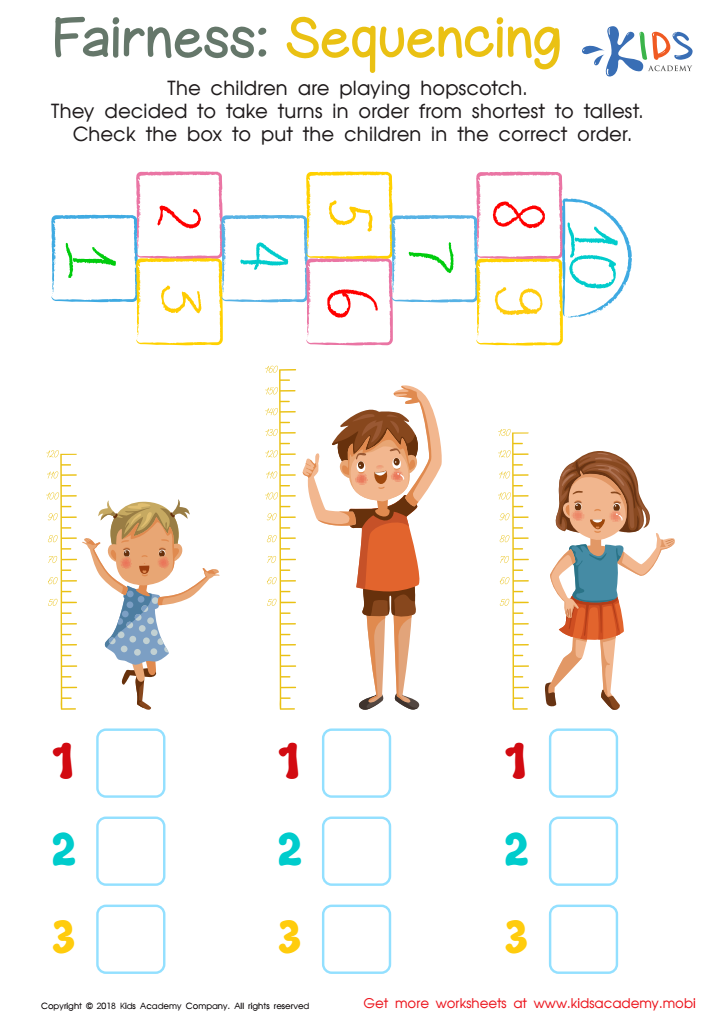
Fairness: Sequencing Worksheet
 Assign to My Students
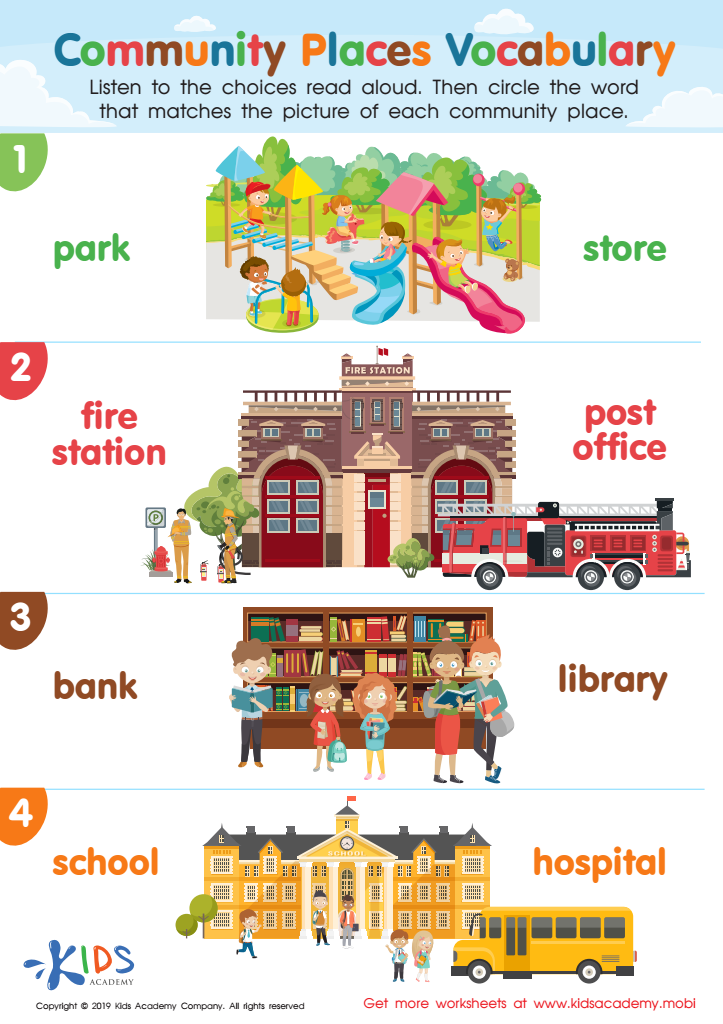
Community Places Vocabulary Worksheet
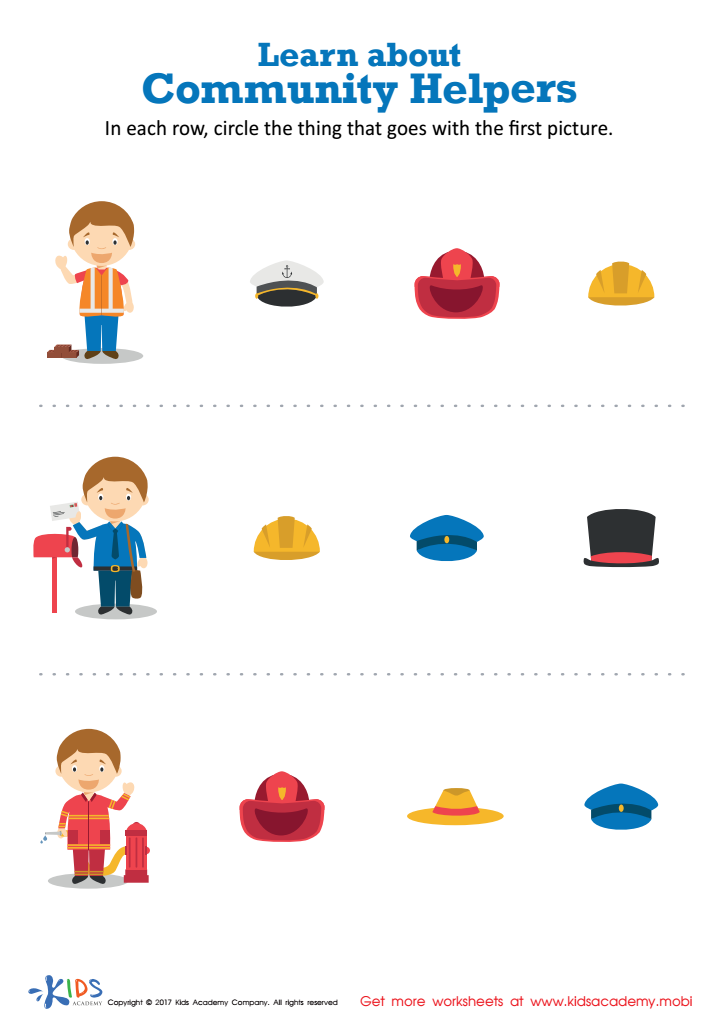
Learn about Community Helpers Printable








Enhancing vocabulary in social studies for children aged 3-7 is crucial for several reasons. Firstly, a robust vocabulary forms the foundation for effective communication. Children with a well-developed vocabulary can express themselves more clearly and comprehend more of what they hear and read. In social studies, where understanding concepts about communities, geography, history, and cultures are paramount, a rich vocabulary helps children grasp and engage with these ideas early on.
Secondly, social studies vocabulary aids critical thinking and cognitive development. Terms like "community," "tradition," or "responsibility" introduce young learners to abstract concepts that encourage them to think beyond their immediate experiences. This cultivates their ability to analyze, compare, and contrast different scenarios and histories, laying down essential skills for future learning and civic engagement.
Parents and teachers caring about vocabulary enhancement also support children's overall academic success. A strong vocabulary is closely linked with reading comprehension, which in turn affects learning across all subjects. If words like "map," "citizen," or "country" become part of a child's vocabulary through engaging social studies lessons, they are more prepared to tackle complex subjects later.
Furthermore, fostering interest in social studies at an early age promotes cultural awareness and empathy. Understanding key terms related to various cultures and histories broadens a child's worldview, making them more open-minded and respectful individuals.
In essence, vocabulary enhancement in social studies for young children sets a strong educational foundation, enhances cognitive abilities, and nurtures well-rounded, informed individuals.








