Handwriting practice Writing Worksheets for Ages 3-7
16 filtered results
-
From - To
Enhance your child's handwriting skills with our dedicated Handwriting Practice Writing Worksheets, designed specifically for ages 3-7. These engaging printables help young learners develop fine motor skills, penmanship, and letter recognition through fun and interactive activities. Tailored for early childhood learning, each worksheet offers age-appropriate exercises that grow in complexity, allowing children to build confidence and competency in their writing abilities. From tracing lines to forming letters and words, our worksheets provide a solid foundation for future academic success. Foster a love for writing and support your child's educational journey with our expert-designed practice sheets.
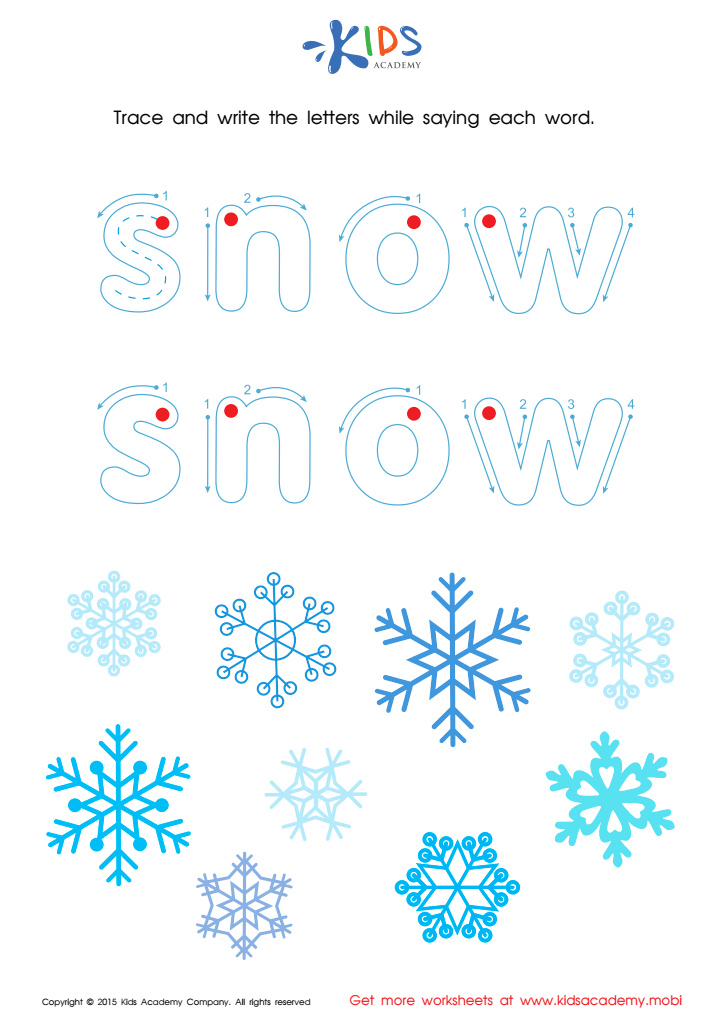
Snowflake Tracing Winter Words Worksheet
 Assign to My Students
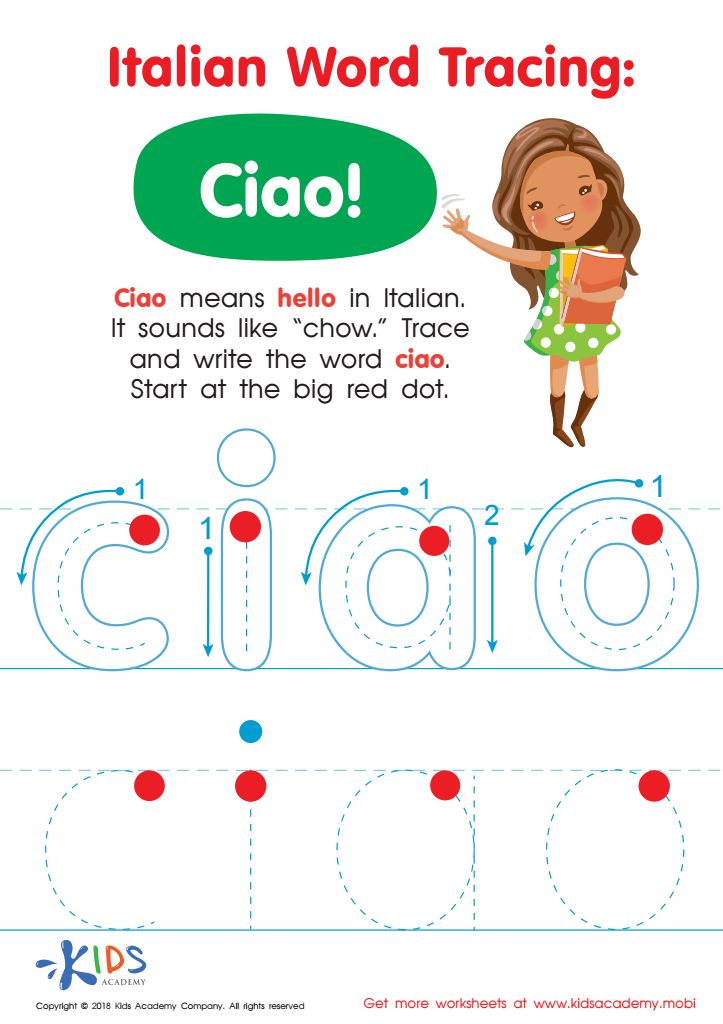
Italian Word Tracing: Ciao Worksheet
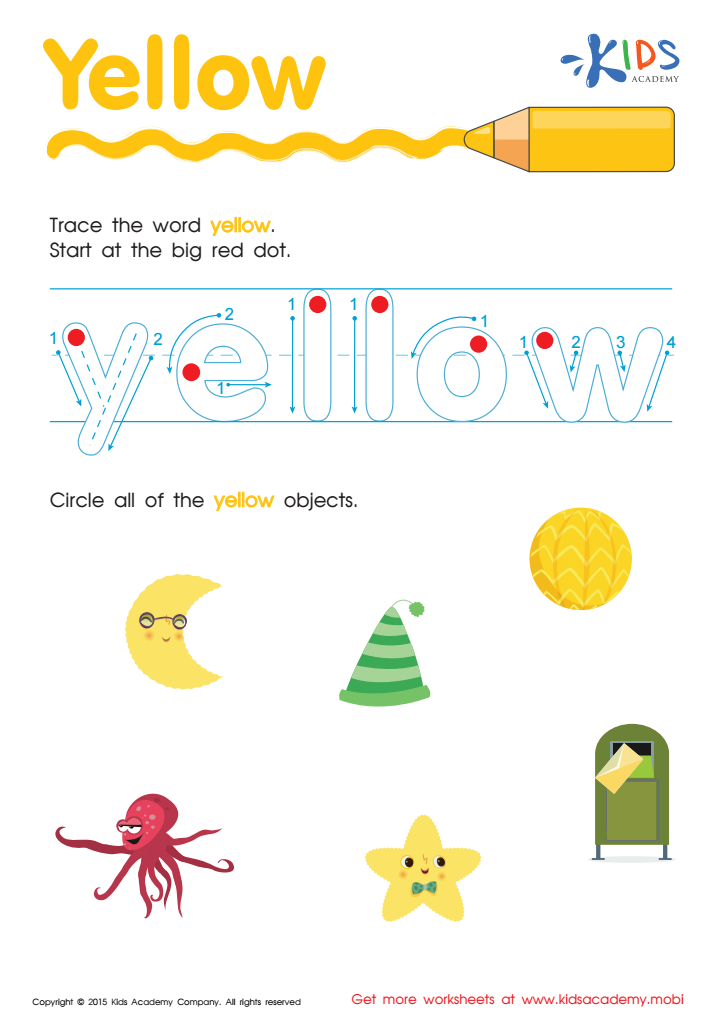
Yellow Tracing Color Words Worksheet
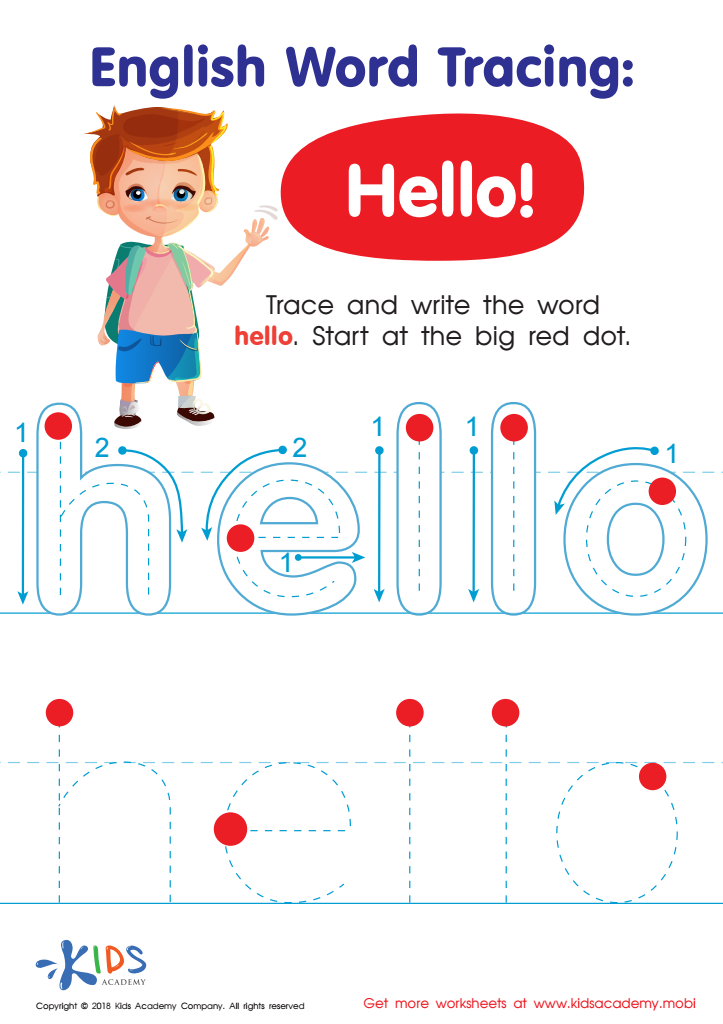
English Word Tracing: Hello Worksheet
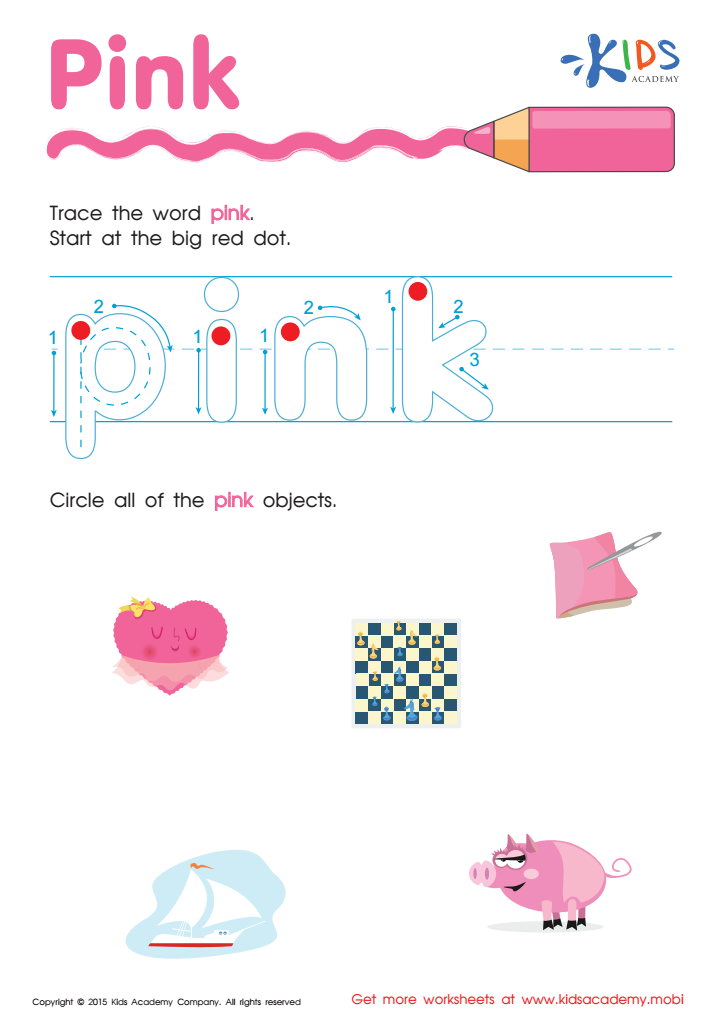
Pink Tracing Color Words Worksheet
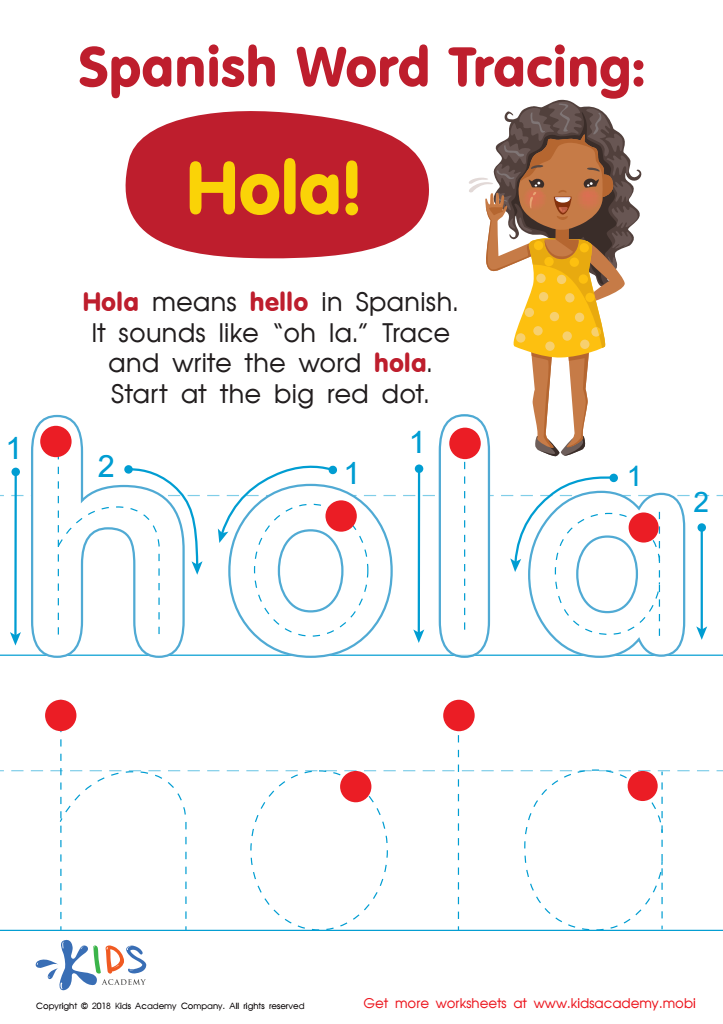
Spanish Word Tracing: Hola Worksheet
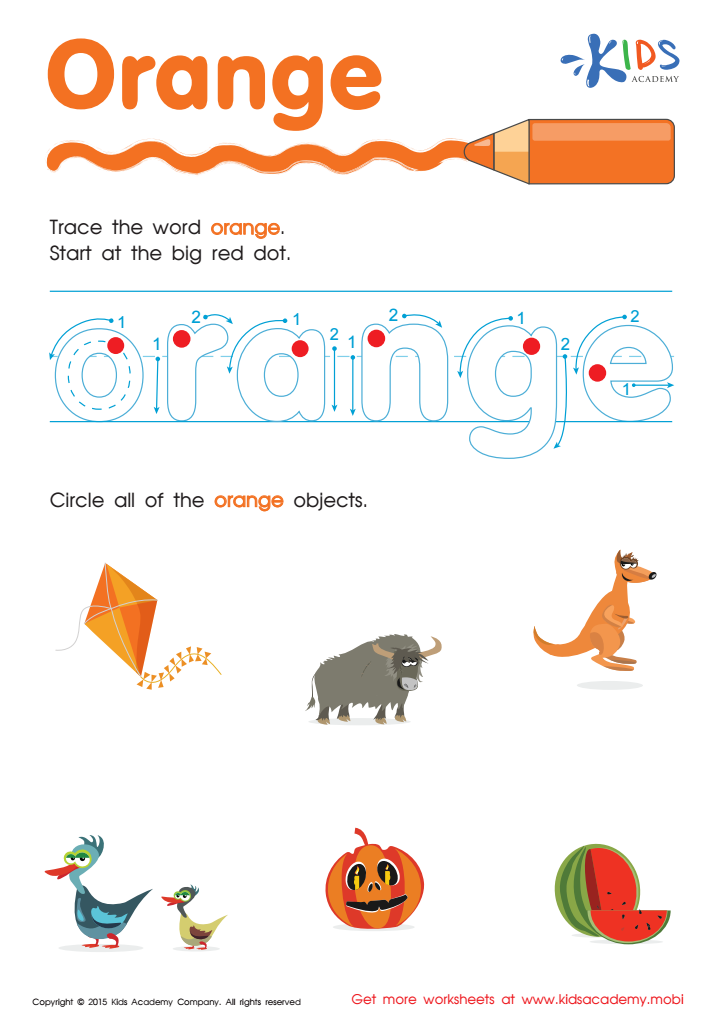
Orange Tracing Color Words Worksheet
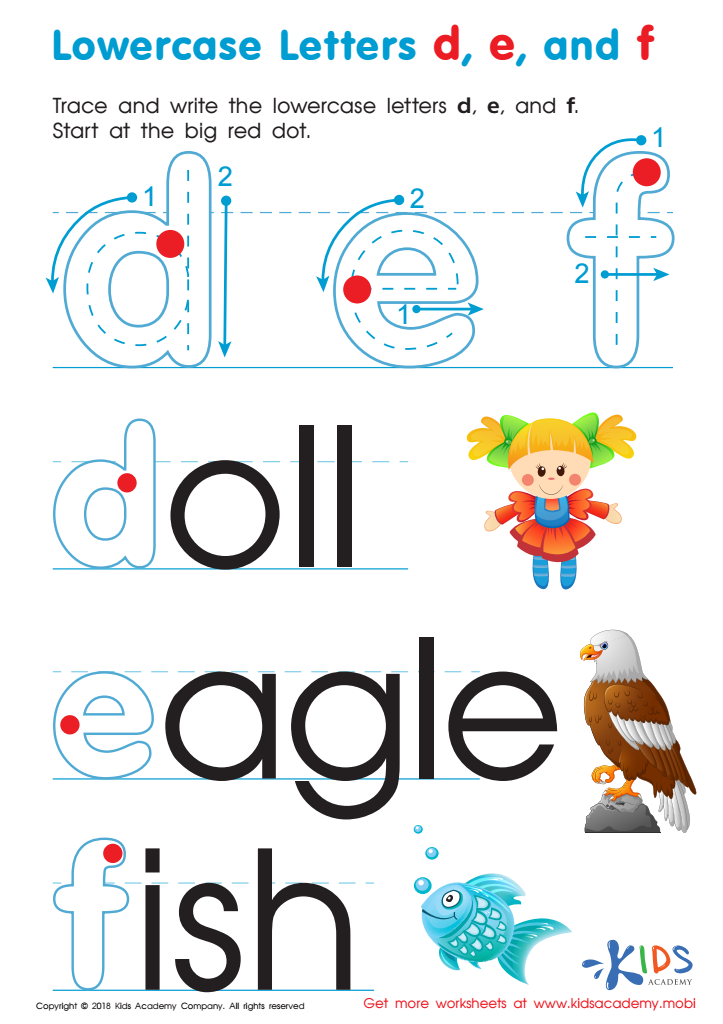
Lowercase Letters d e f Worksheet
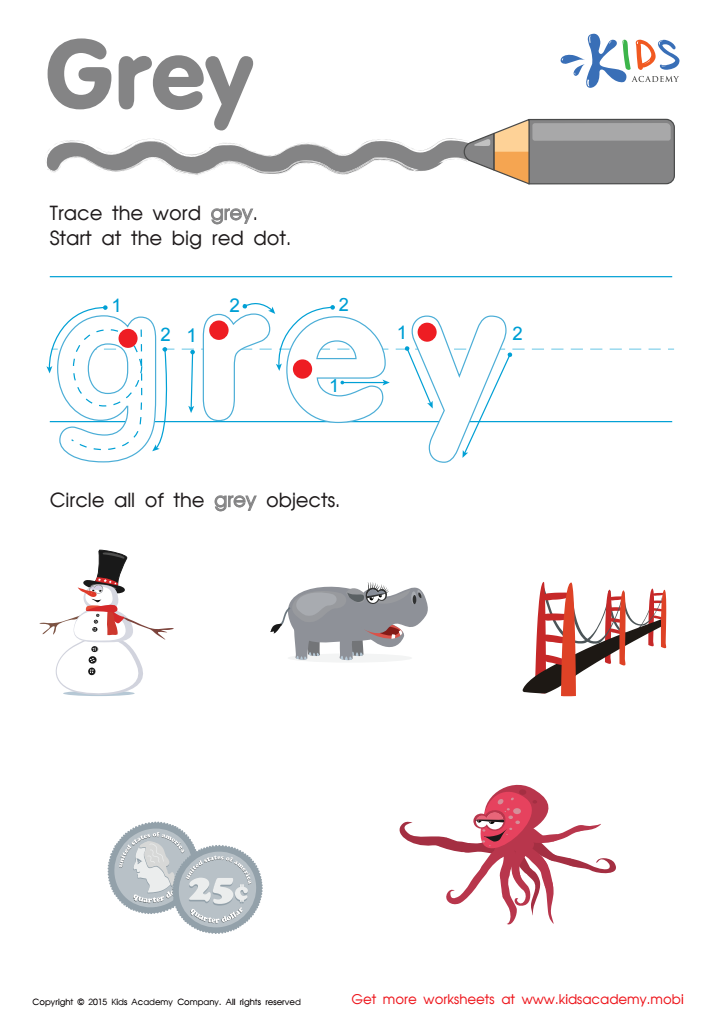
Grey Tracing Color Words Worksheet
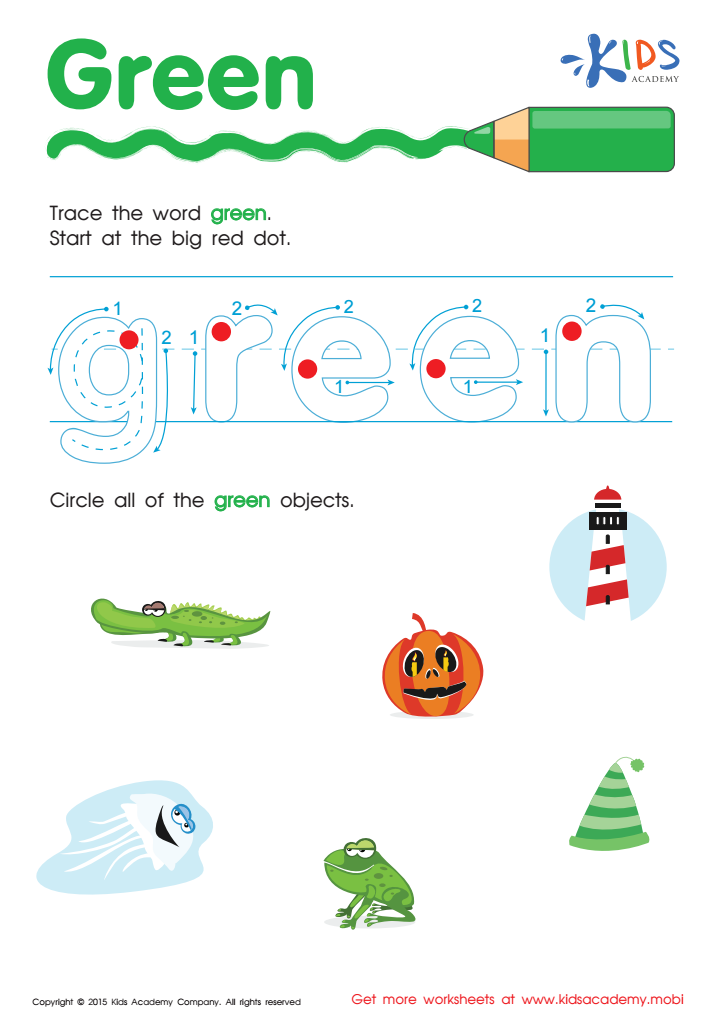
Green Tracing Color Words Worksheet
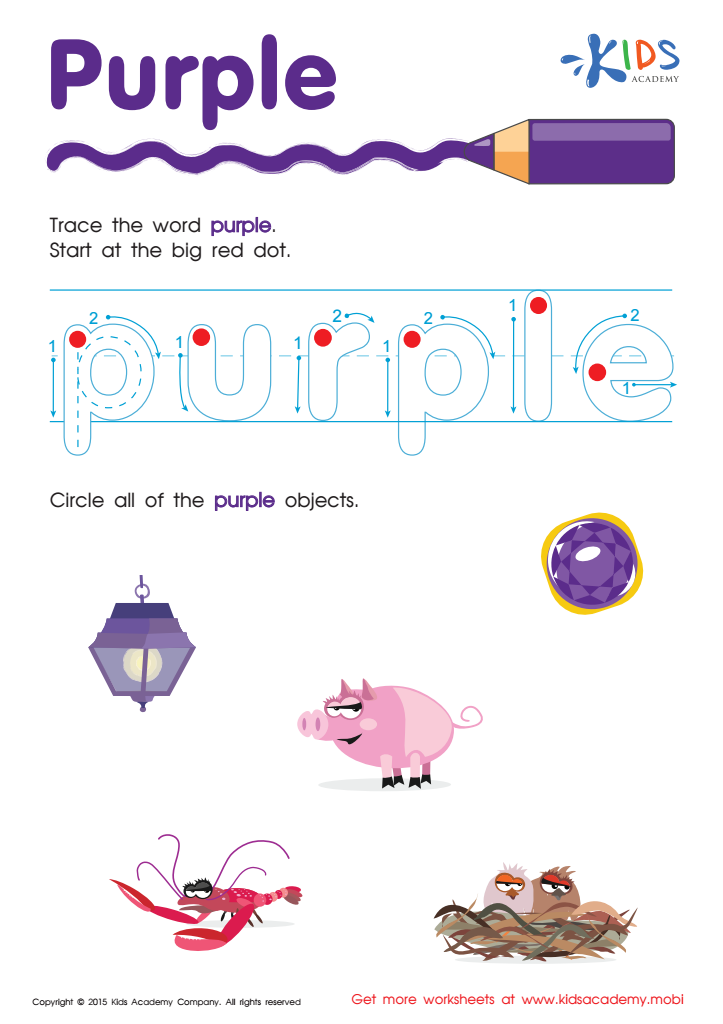
Purple Tracing Color Words Worksheet
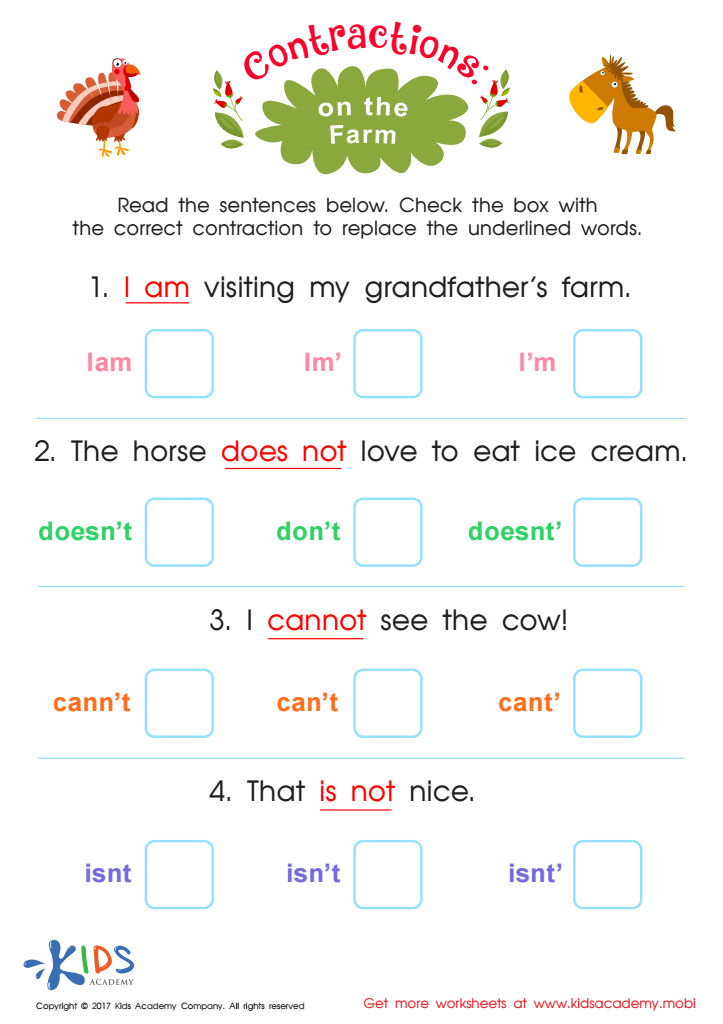
Contractions: On the Farm Printable
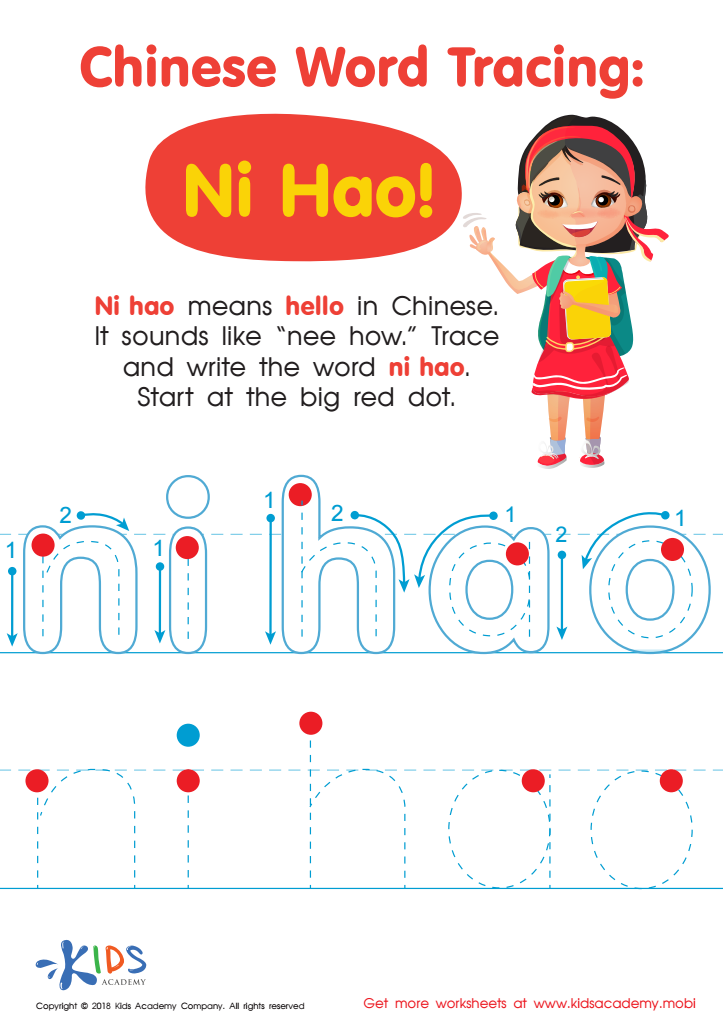
Chinese Word Tracing: Ni Hao Worksheet
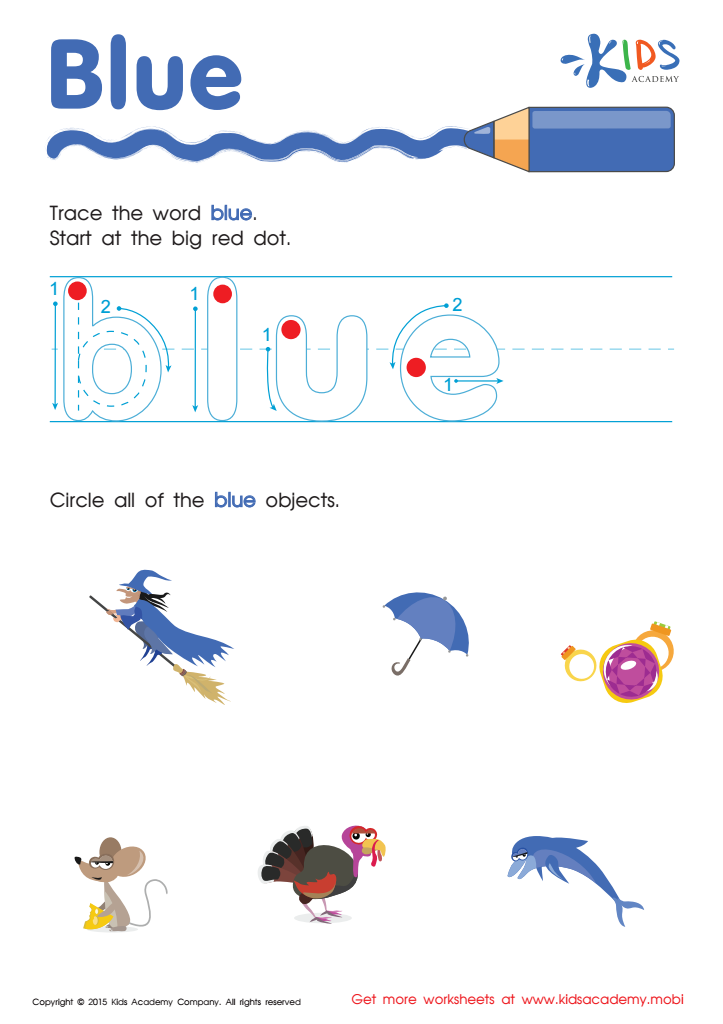
Blue Tracing Color Words Printable
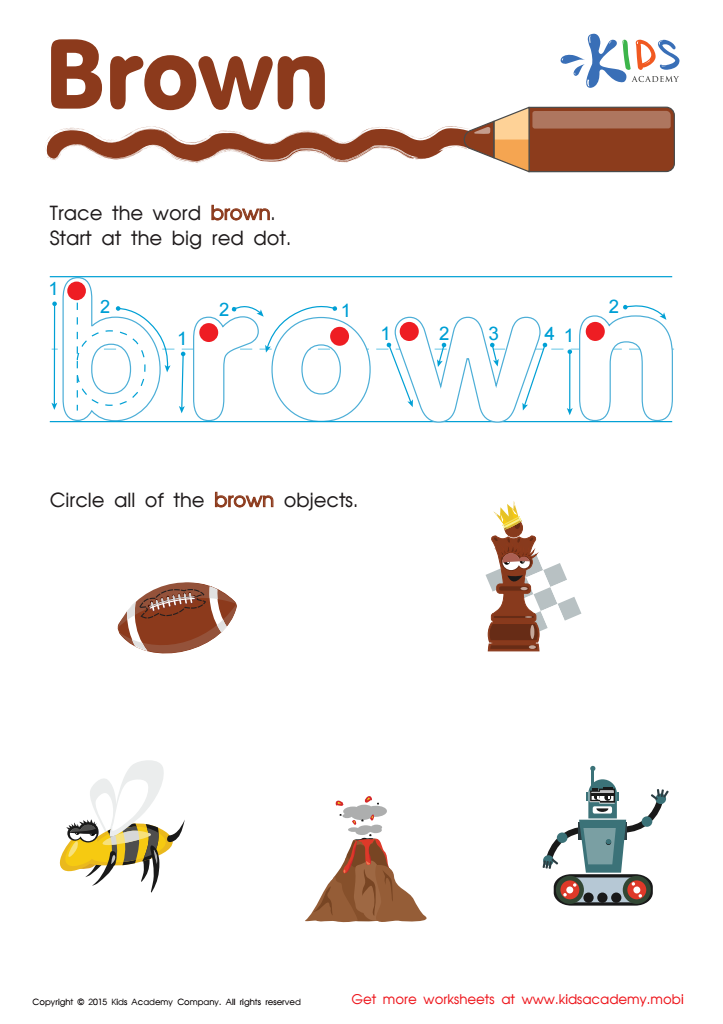
Brown Tracing Color Words Worksheet
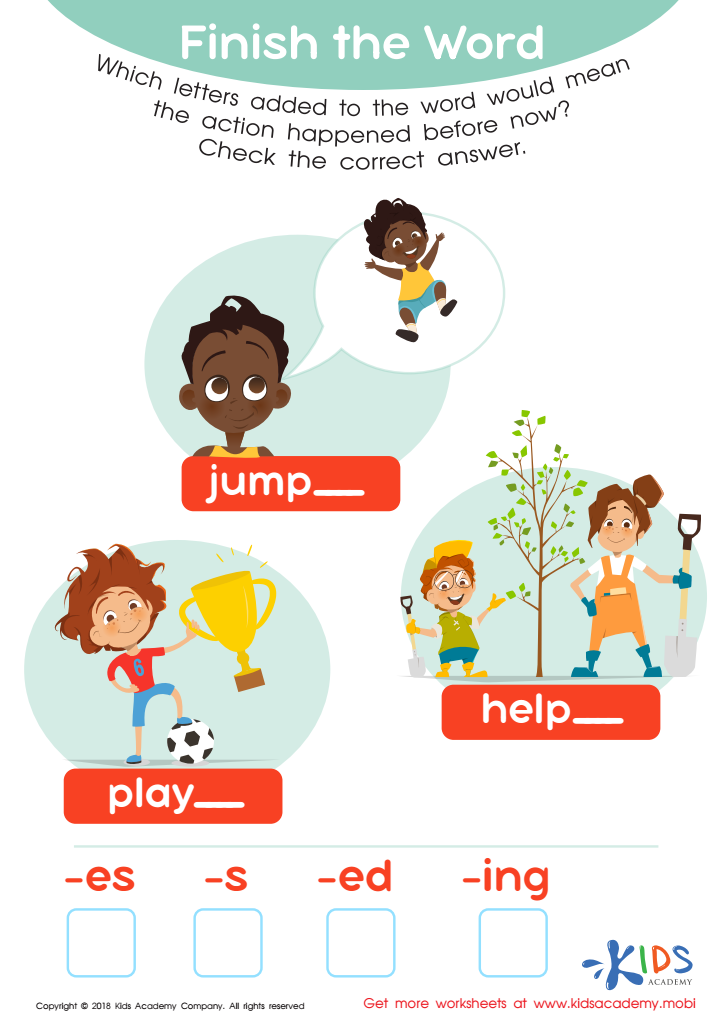
Finish the Word Worksheet








Handwriting practice for children ages 3-7 is crucial in their early development for several reasons. Firstly, it significantly enhances fine motor skills, such as hand-eye coordination and dexterity, which are foundational for performing everyday tasks. Improved fine motor skills empower children to handle both academic and non-academic activities with greater ease and confidence.
Additionally, handwriting practice fosters cognitive development. As children learn to form letters and shapes, they also practice following instructions and developing mental processes, which are essential for problem-solving and learning new information. The consistent patterns of handwriting reinforce memory skills and encourage the mental organization of ideas.
Handwriting is also closely linked with literacy. Experiencing the physical act of writing helps solidify letter recognition and phonemic awareness, key components in early reading development. Children who write often become more familiar with language structures, leading to better reading fluency and comprehension.
Finally, handwriting has an emotional and social component. Successfully mastering handwriting builds self-confidence and a sense of achievement in young children. Moreover, it offers an essential means of communication, allowing children to express their thoughts and ideas clearly and effectively. These expressions are vital for developing interactions with peers, enhancing social skills, and fostering emotional well-being.
Parents and teachers should value handwriting practice as a multifaceted tool for holistic early childhood development.








