Number Sequencing Worksheets for Ages 3-8 - Page 2
44 filtered results
-
From - To
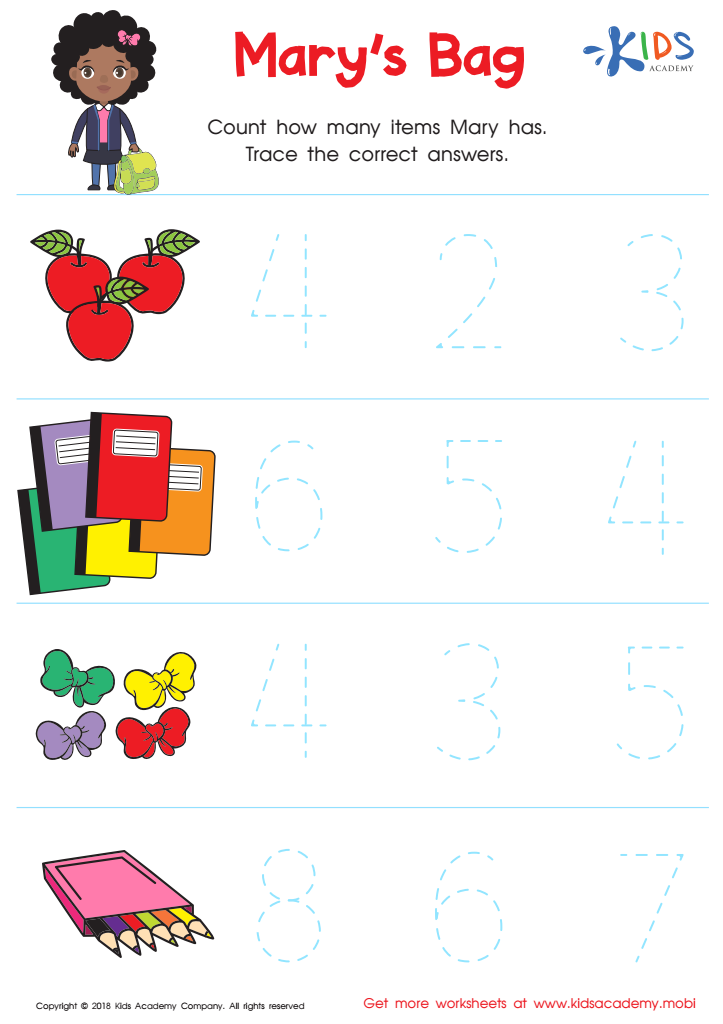
Kindergarten Number Tracing: Mary's Bag Worksheet
 Assign to My Students
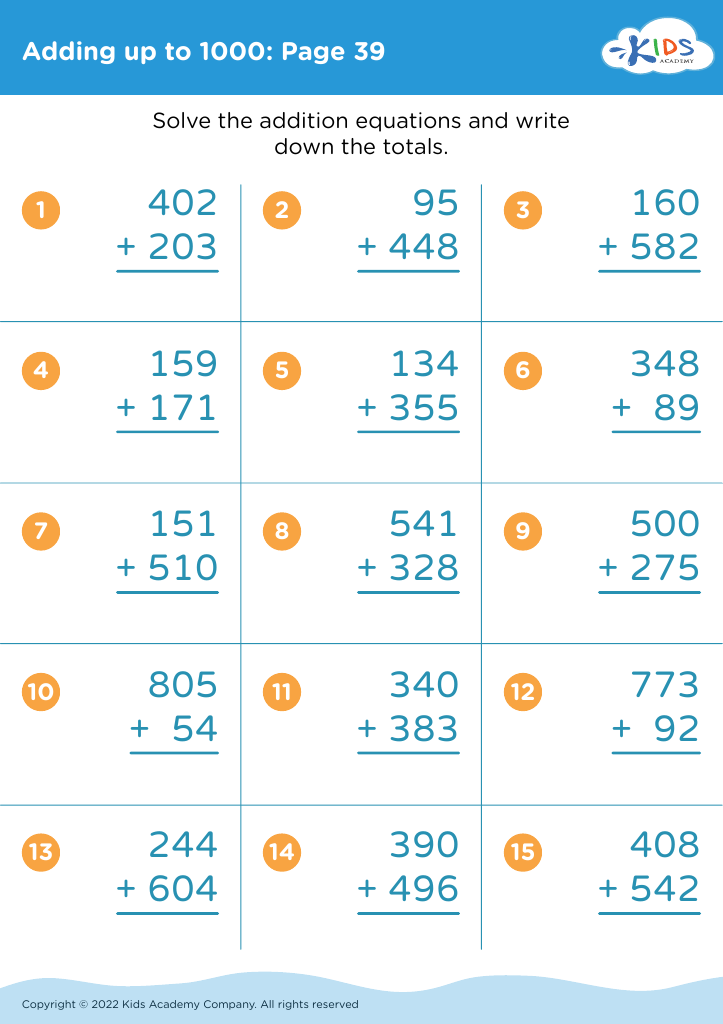
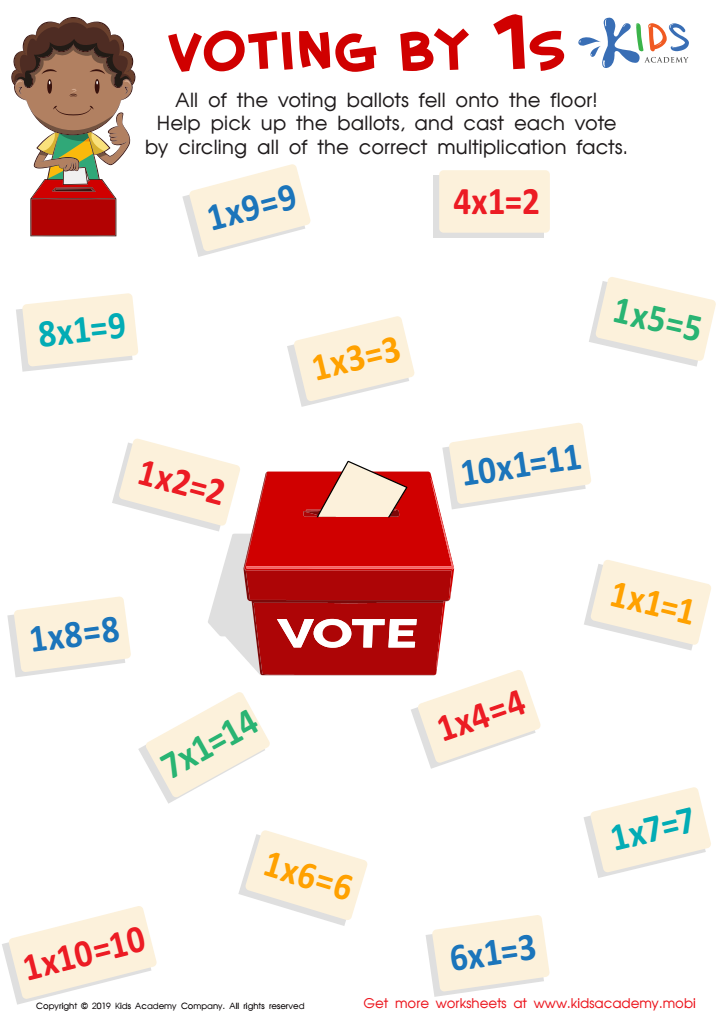
Voting by 1s Worksheet
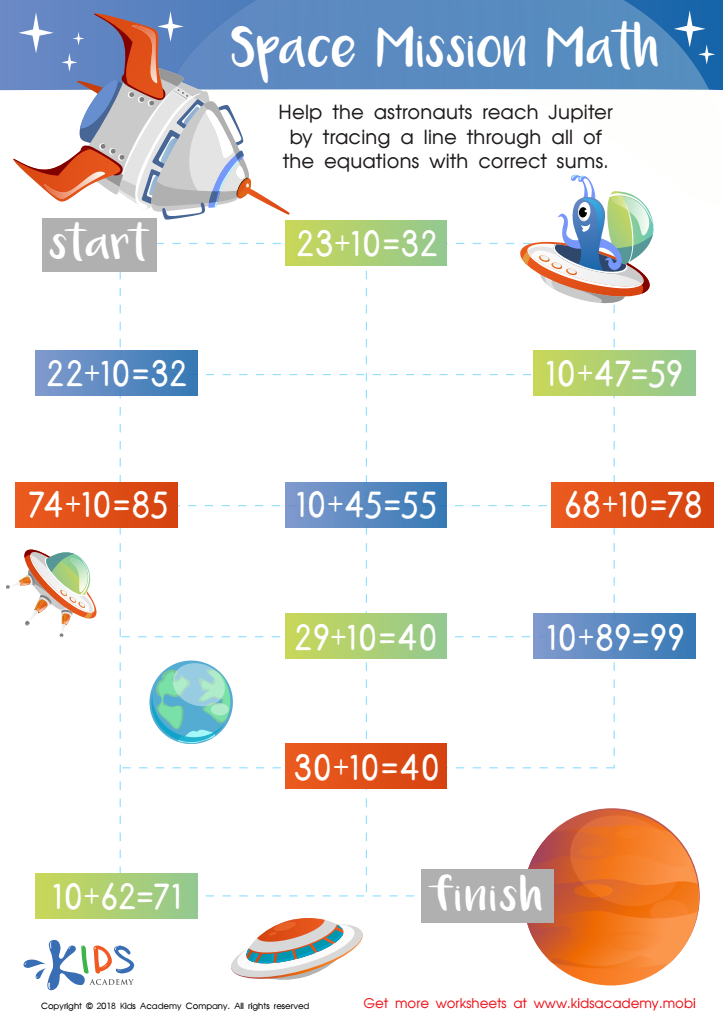
Space Mission Math Worksheet
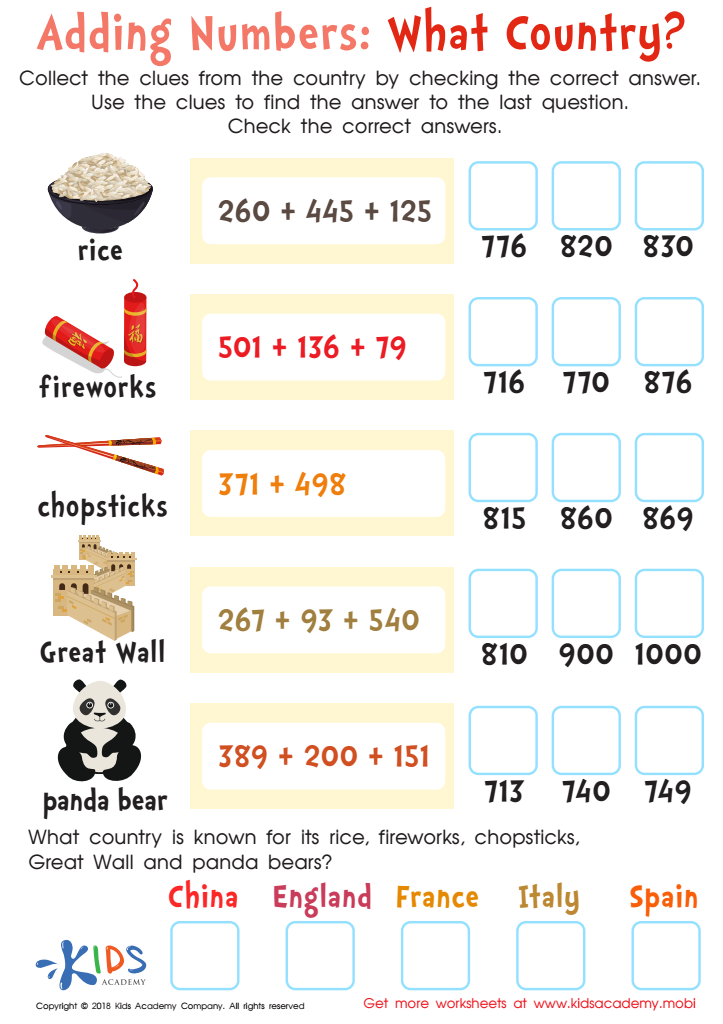
Adding Numbers: What Country Worksheet
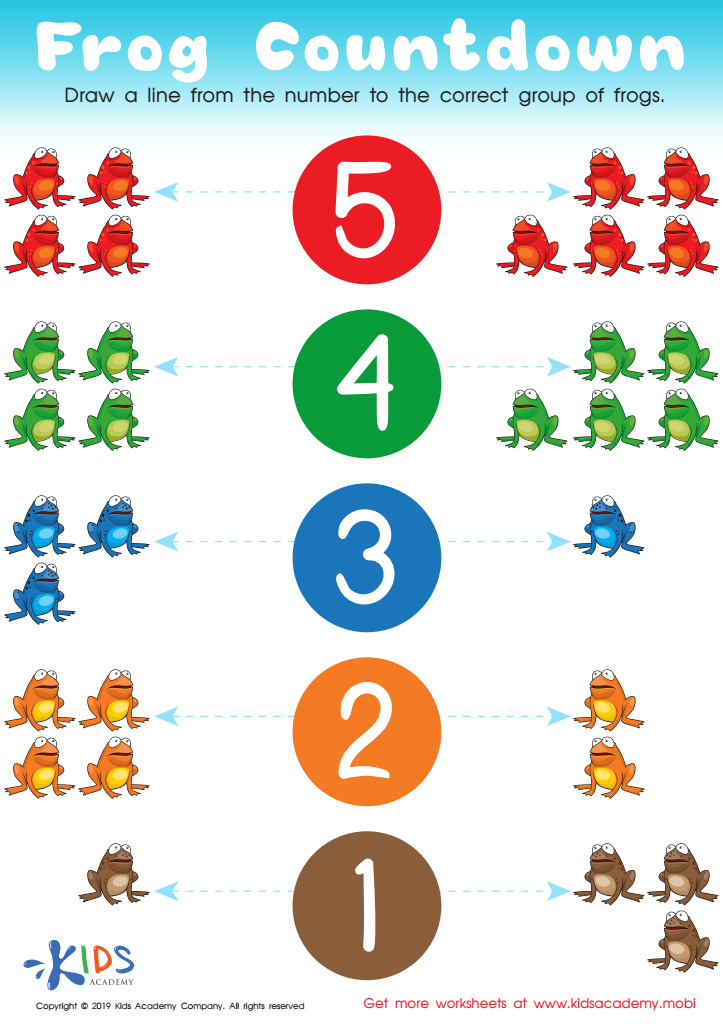
Frog Countdown Worksheet
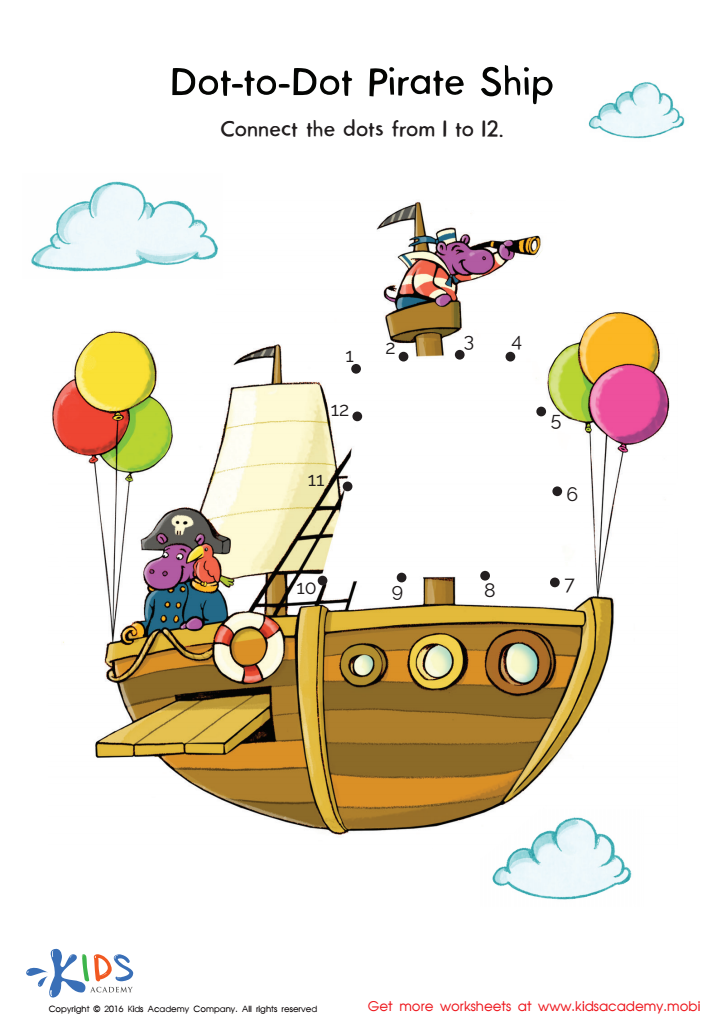
Pirate Ship Connect Dots Worksheet
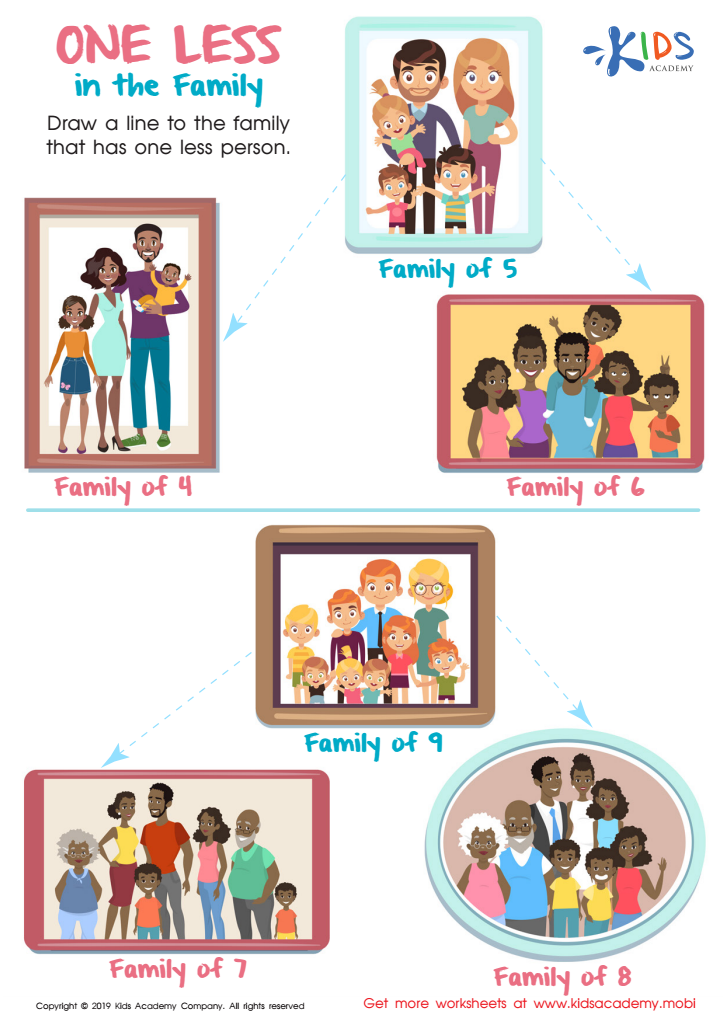
One Less in the Family Worksheet
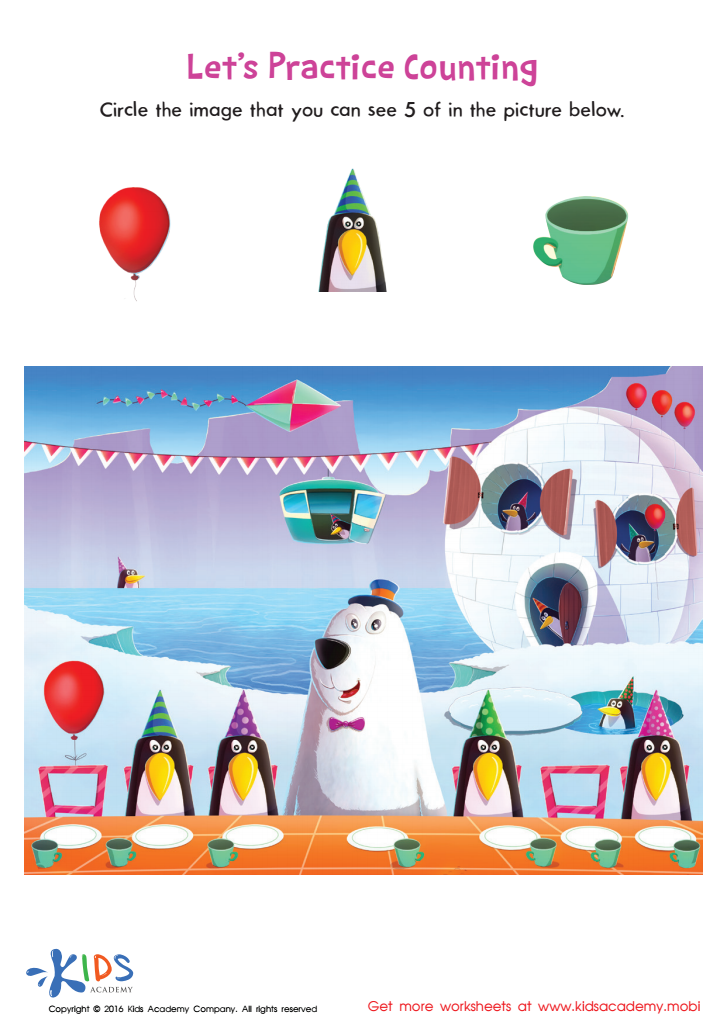
Counting Worksheet: Let's Practice Counting
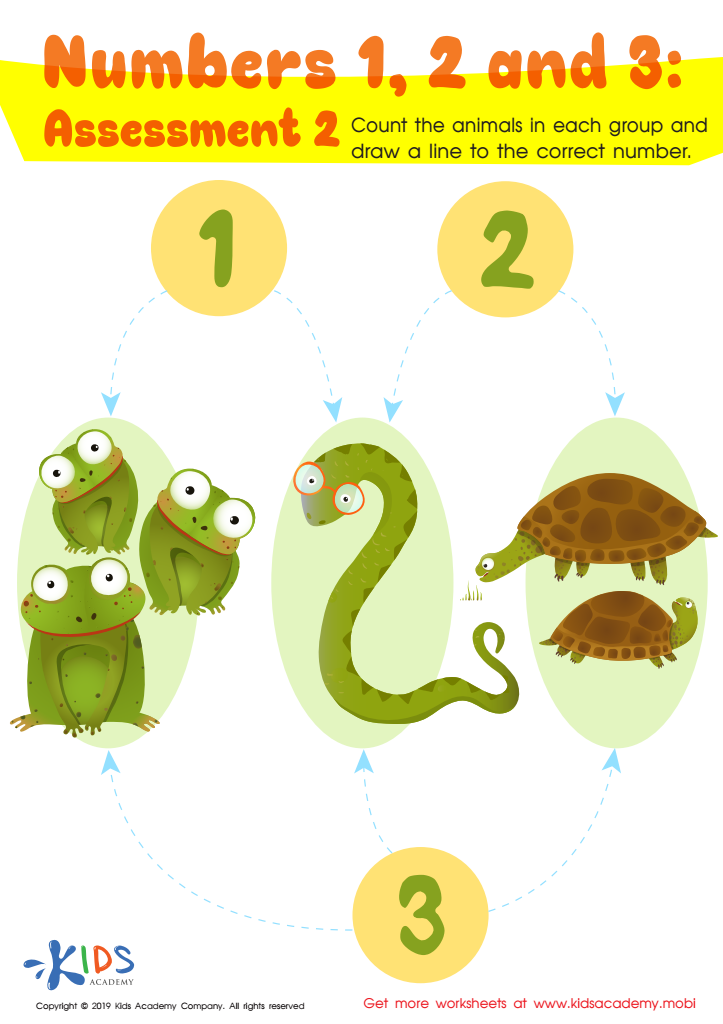
Numbers 1, 2 and 3: Assessment 2 Worksheet
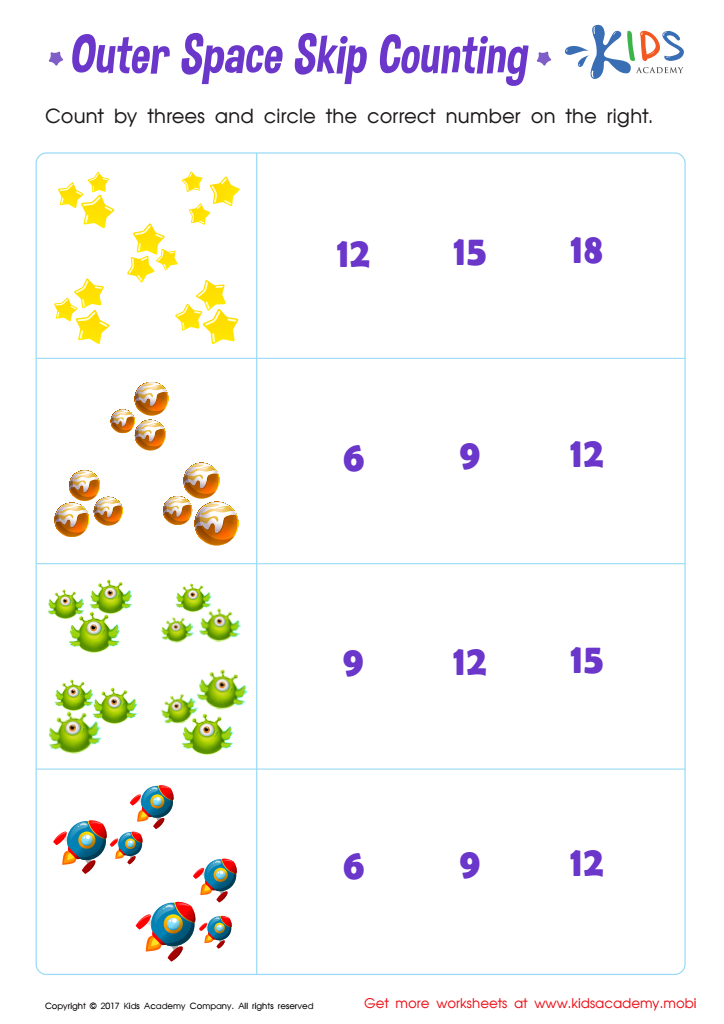
Skip Counting by 3s: Outer Space Skip Counting Printable
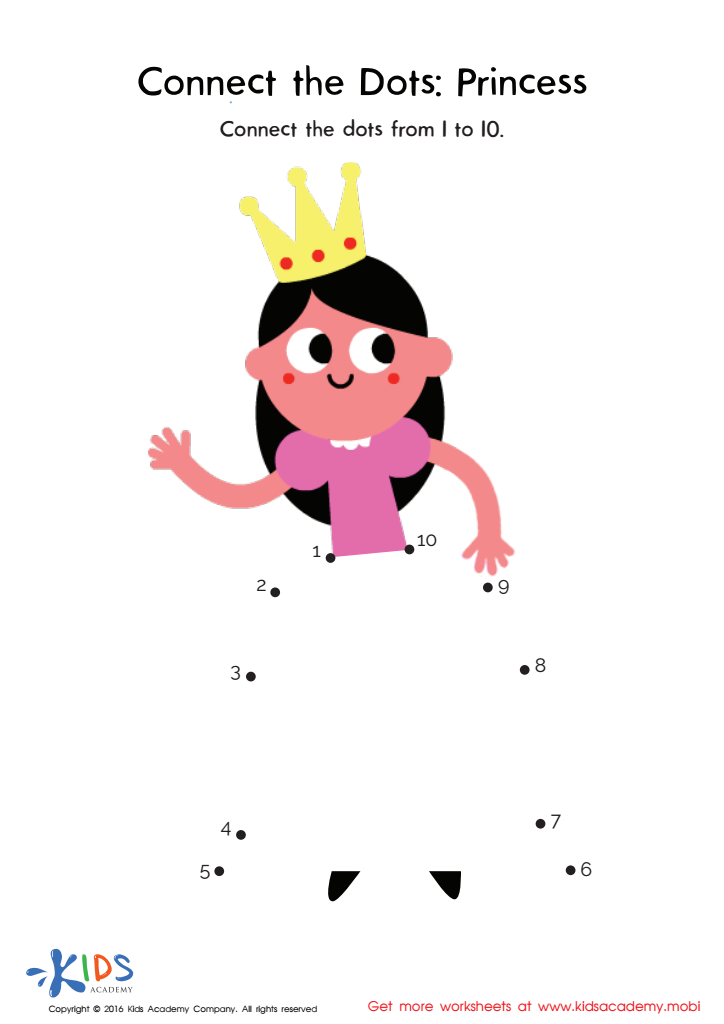
Princess Connect Dots Worksheet
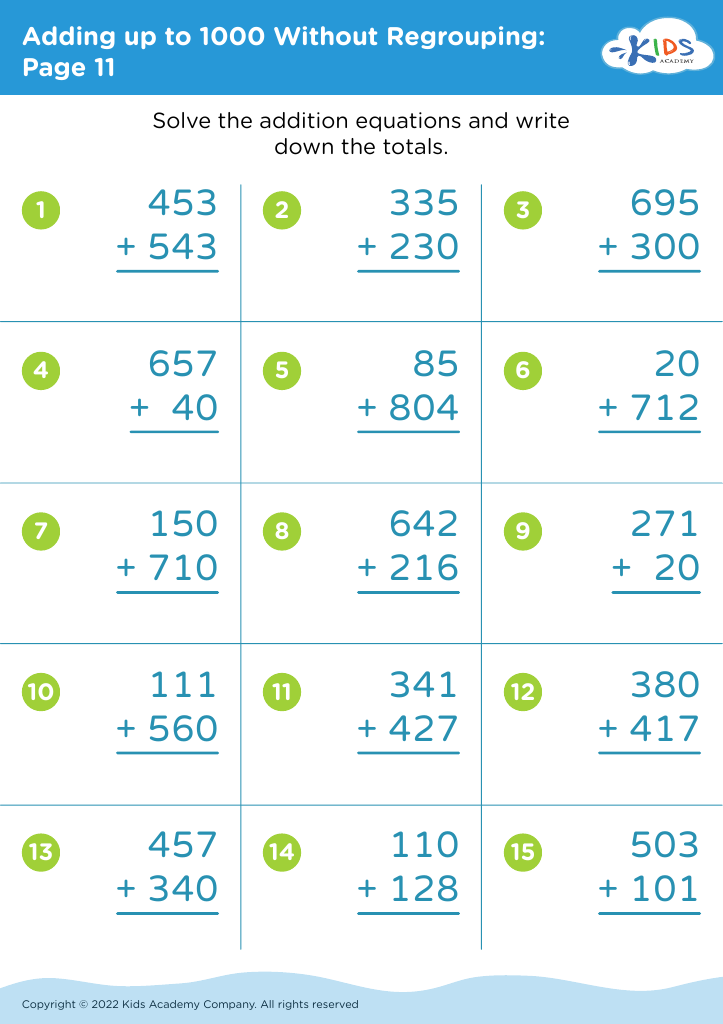
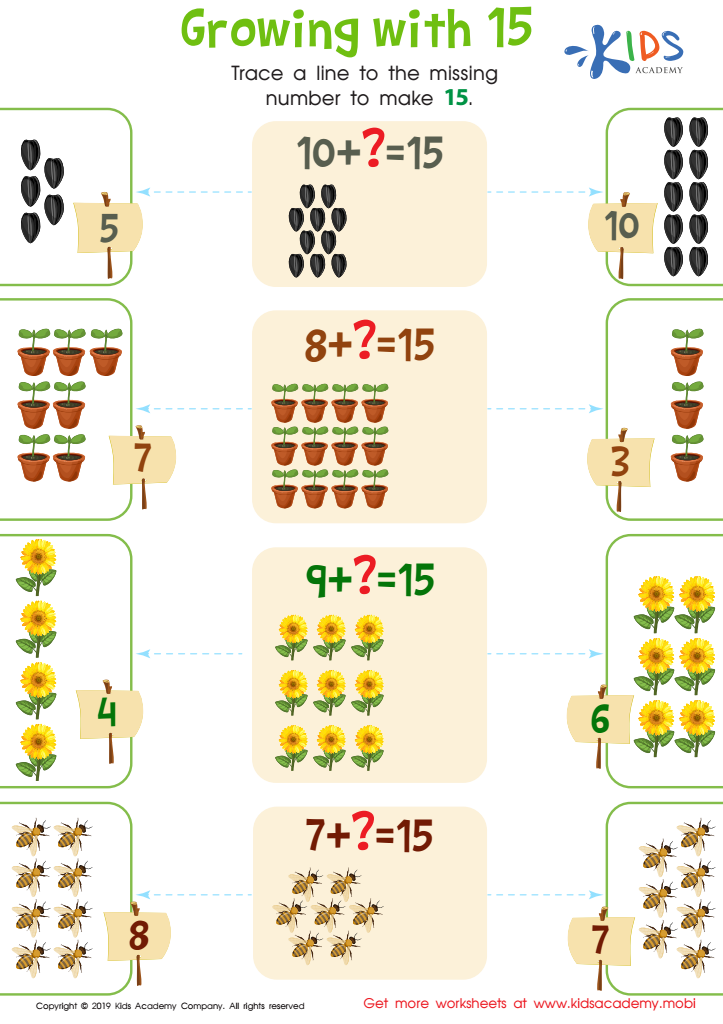
Growing with 15 Worksheet
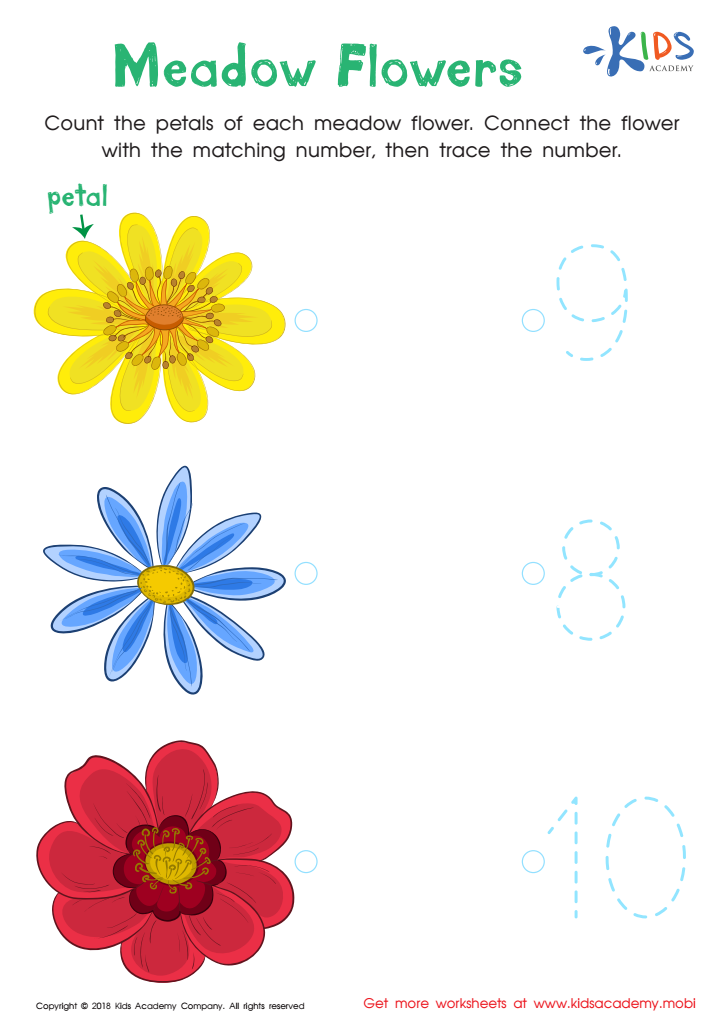
Kindergarten Number Tracing: Medow Flowers Worksheet
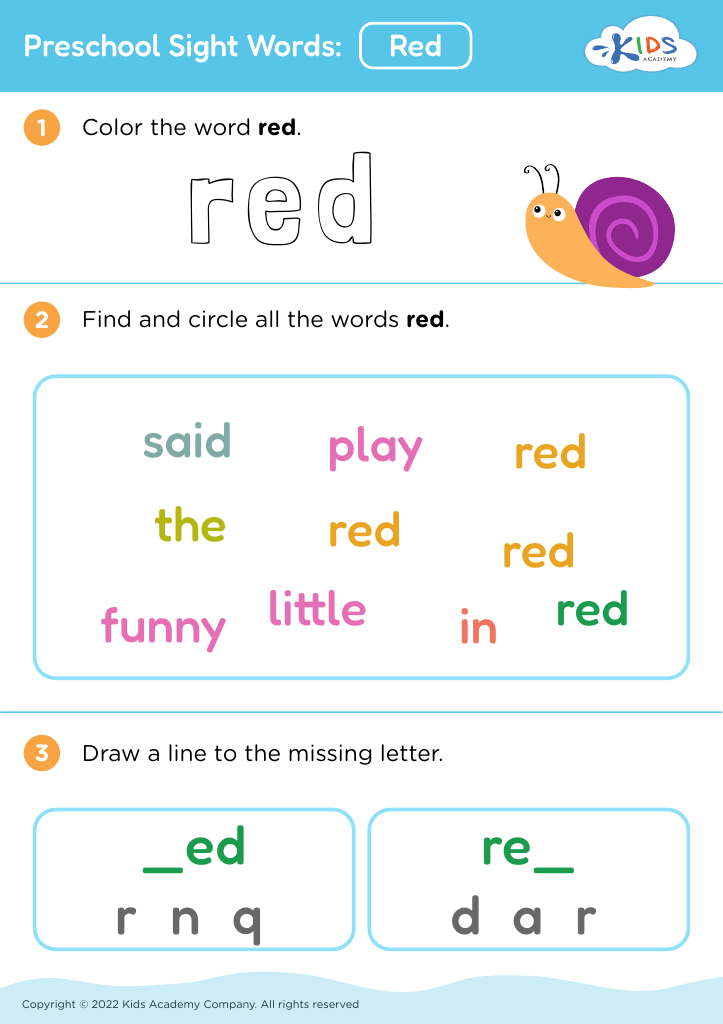
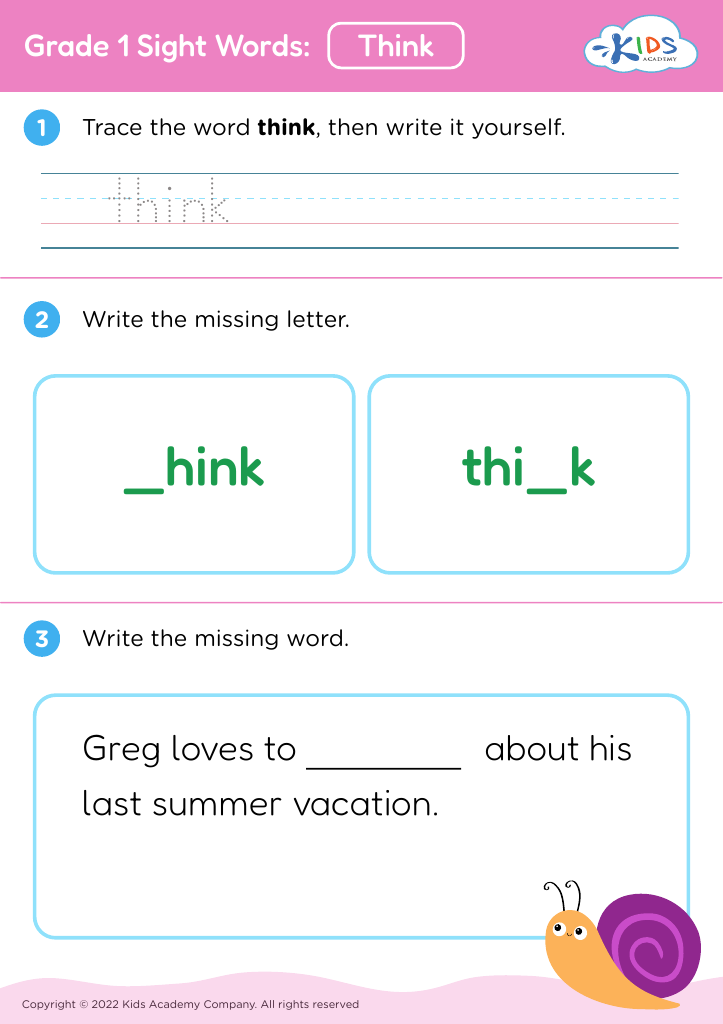





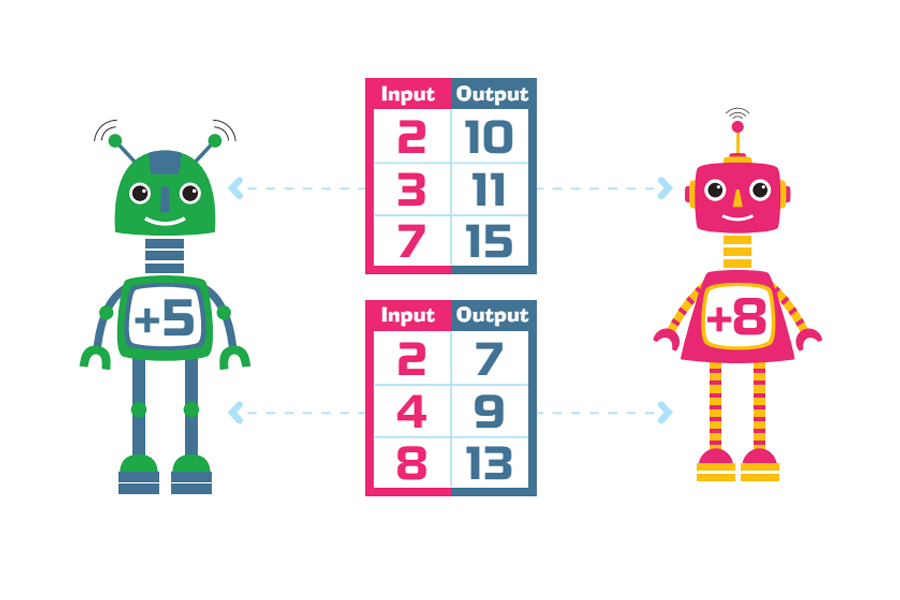


Number sequencing is a fundamental building block for young children's mathematical development, crucial for both parents and teachers to prioritize. At the ages of 3-8, children are in a critical period of cognitive development, where they are highly receptive to new information and skills. Understanding number sequences helps children grasp basic arithmetic concepts such as addition and subtraction, as these operations rely on recognizing patterns and progressing logically through numbers.
Moreover, number sequencing enhances problem-solving skills and logical thinking, as children must determine the order and relationships between numbers. These abilities extend beyond math, contributing to other academic subjects and daily decision-making processes. Sequential patterns also make learning about time and calendars more intuitive, which is essential for functioning in day-to-day life.
Additionally, working on number sequencing can improve fine motor skills and mental concentration as children engage in activities like arranging number blocks or playing sequencing games. Socially, these tasks encourage cooperative play and learning when done in group settings, fostering communication skills and teamwork.
Overall, prioritizing number sequencing in early childhood education sets a strong mathematical foundation, promotes cognitive and social development, and equips children with skills essential for future academic success and everyday life.








