Pattern recognition Worksheets for Ages 3-8
31 filtered results
-
From - To
Unlock a world of learning with our Pattern Recognition Worksheets for ages 3-8! Designed to cultivate critical thinking and problem-solving skills, these vibrant, age-appropriate worksheets are perfect for young learners. Through engaging activities, kids will identify sequences, differentiate shapes, colors, and objects, fostering early math skills and cognitive abilities. Ideal for use at home or in the classroom, our worksheets support developmental milestones and make learning fun. Encourage your child to recognize, predict, and create patterns with our expertly crafted resources. Visit our site to explore and download the best educational worksheets tailored for your young learner’s growth.
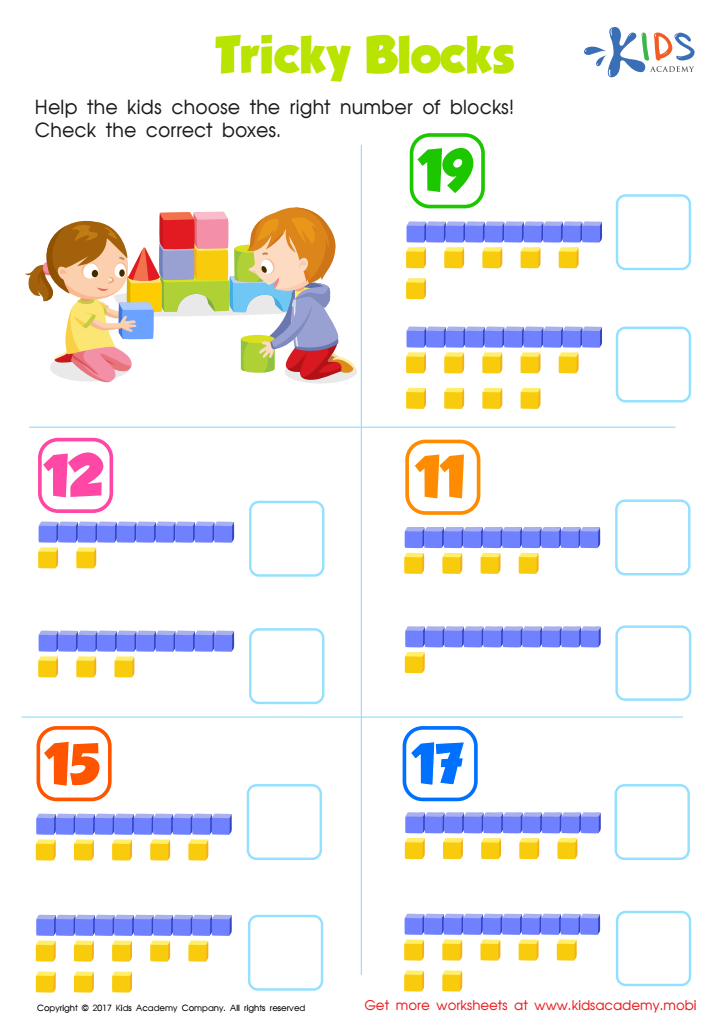
Tricky Blocks Worksheet
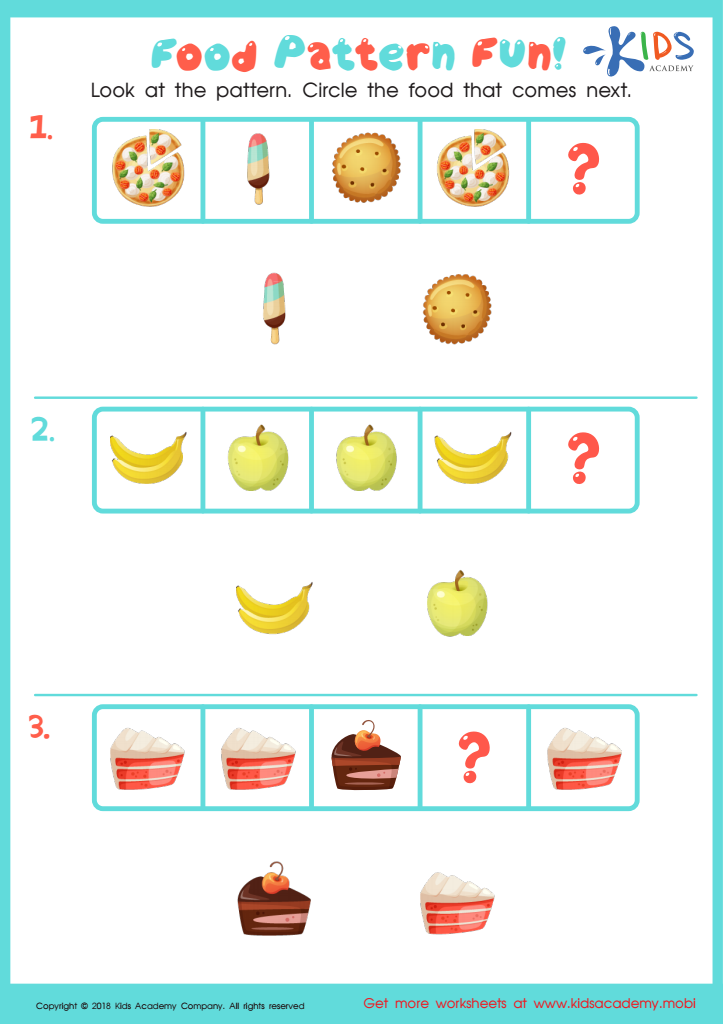
Food Pattern Fun Worksheet
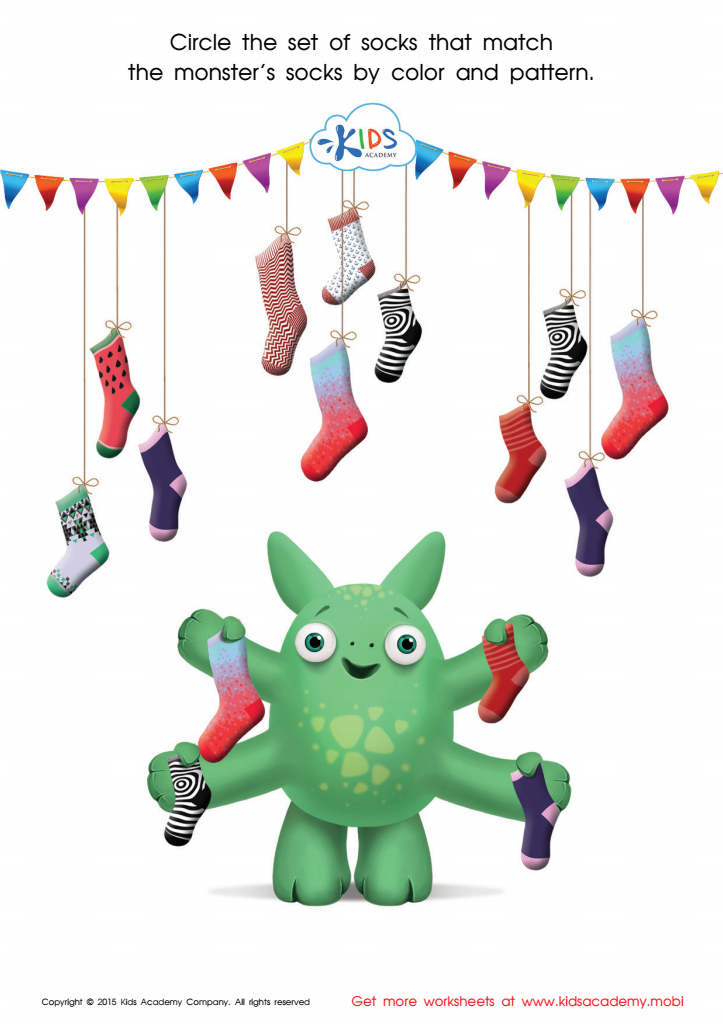
Sort the Monster's Socks Worksheet
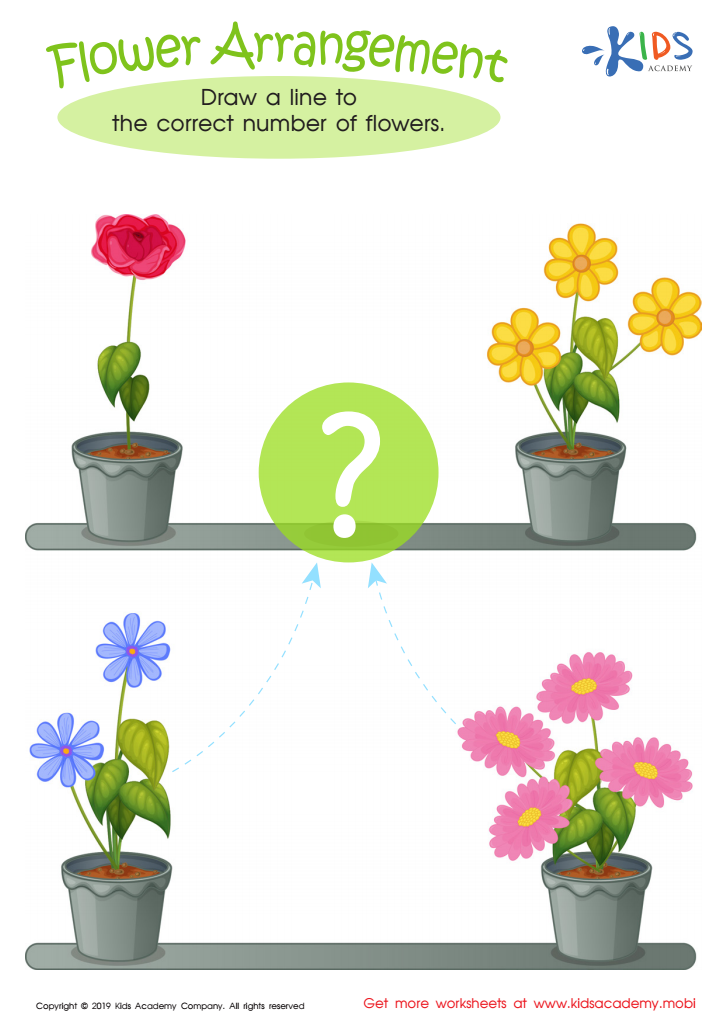
Flower Arrangement Worksheet
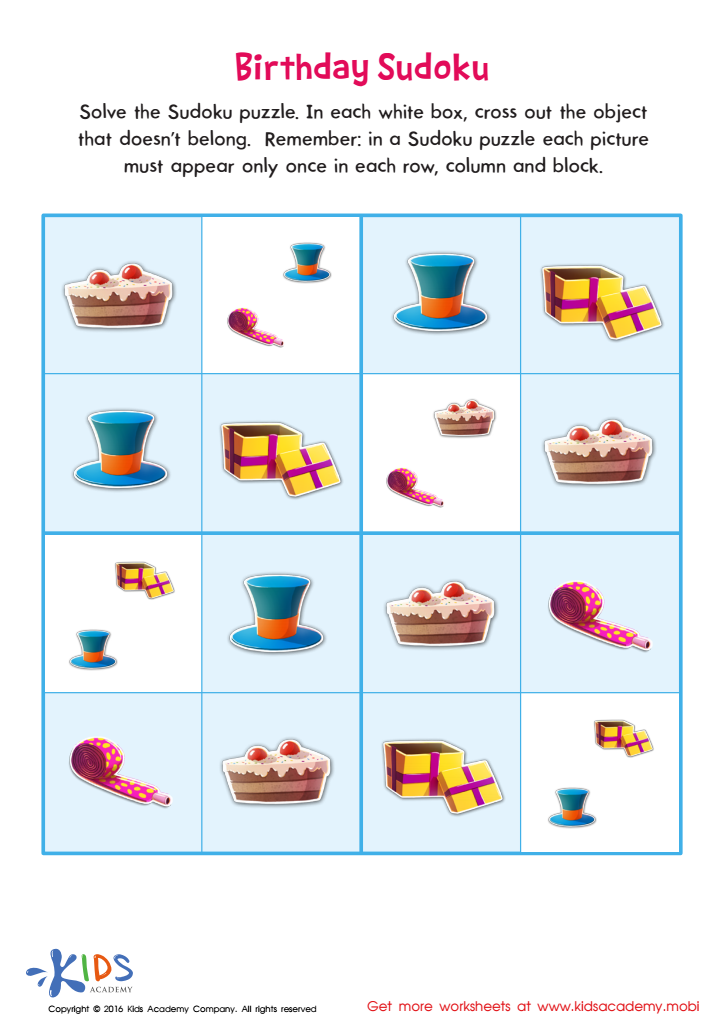
Birthday Sudoku Sorting Worksheet
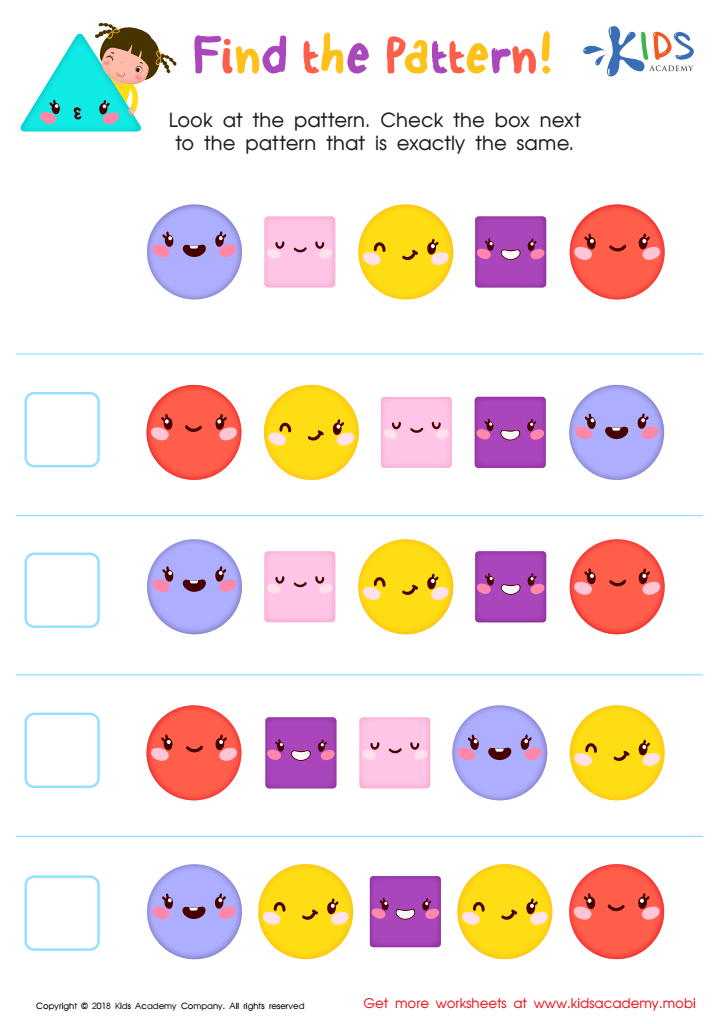
Find the Pattern Worksheet
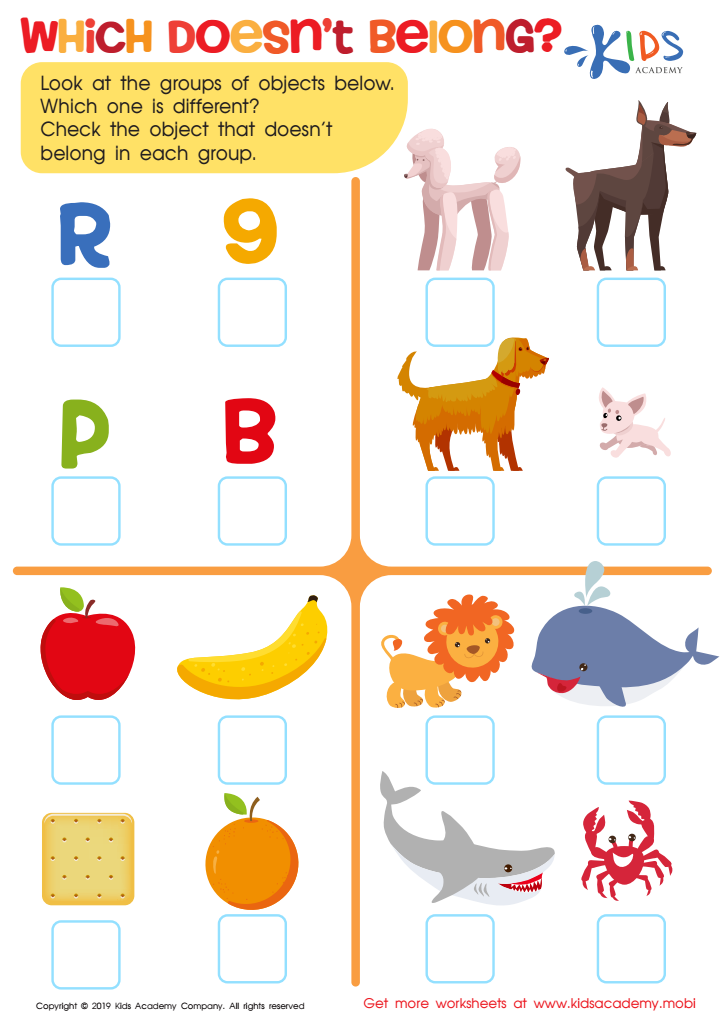
Which Doesn't Belong? Worksheet
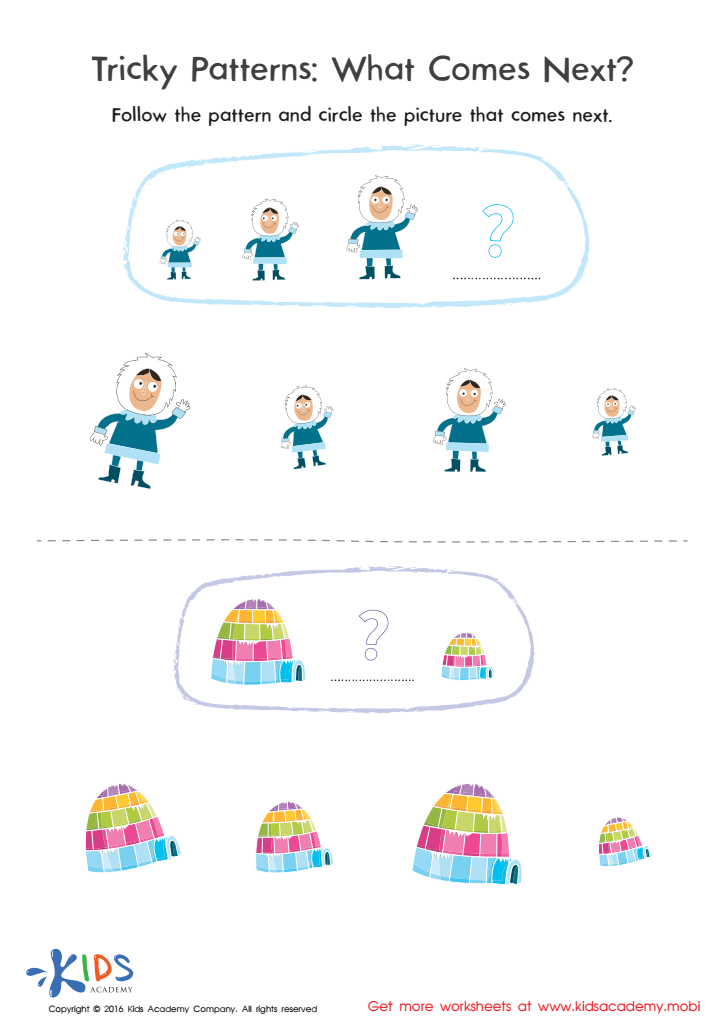
Tricky Patterns Size Worksheet
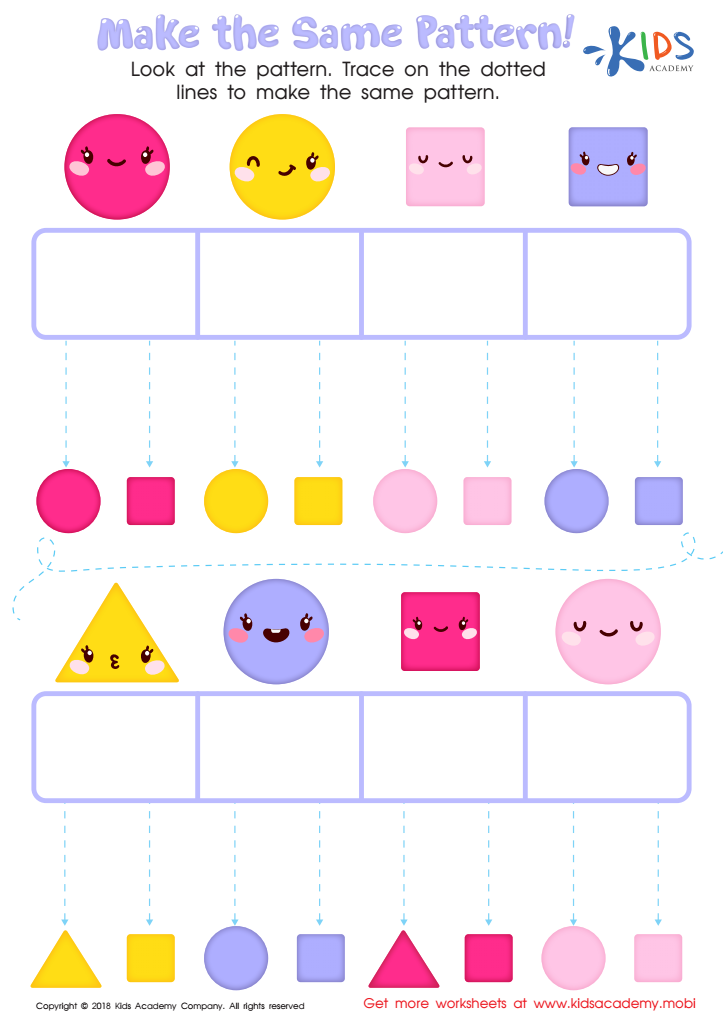
Make the Same Pattern Worksheet
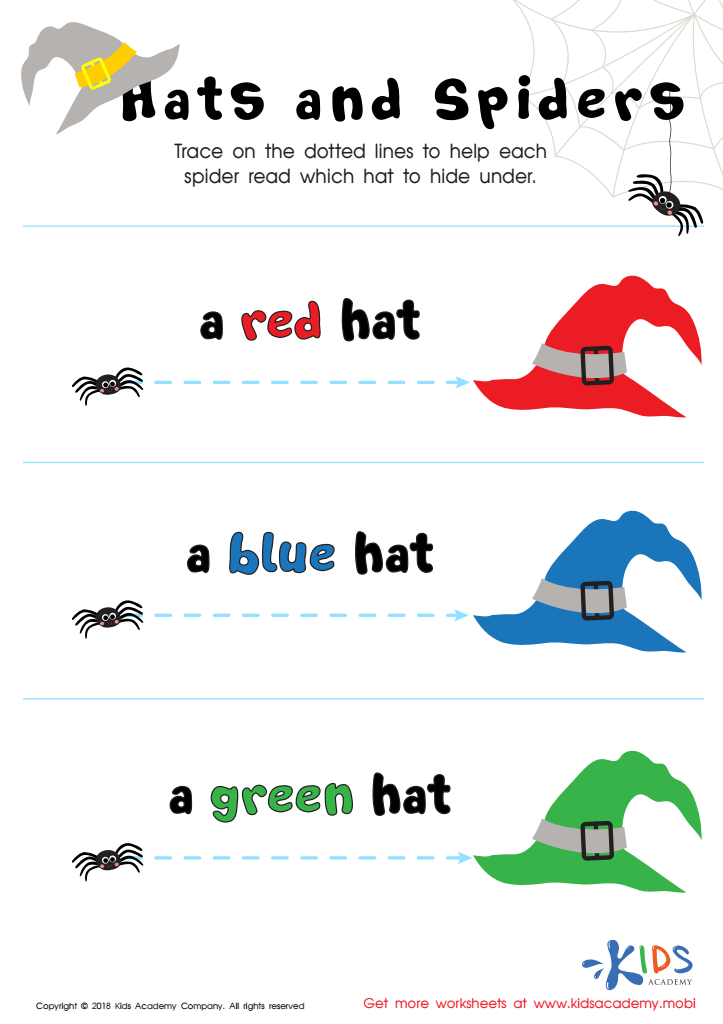
Read from Left to Right: Hats and Spiders Worksheet
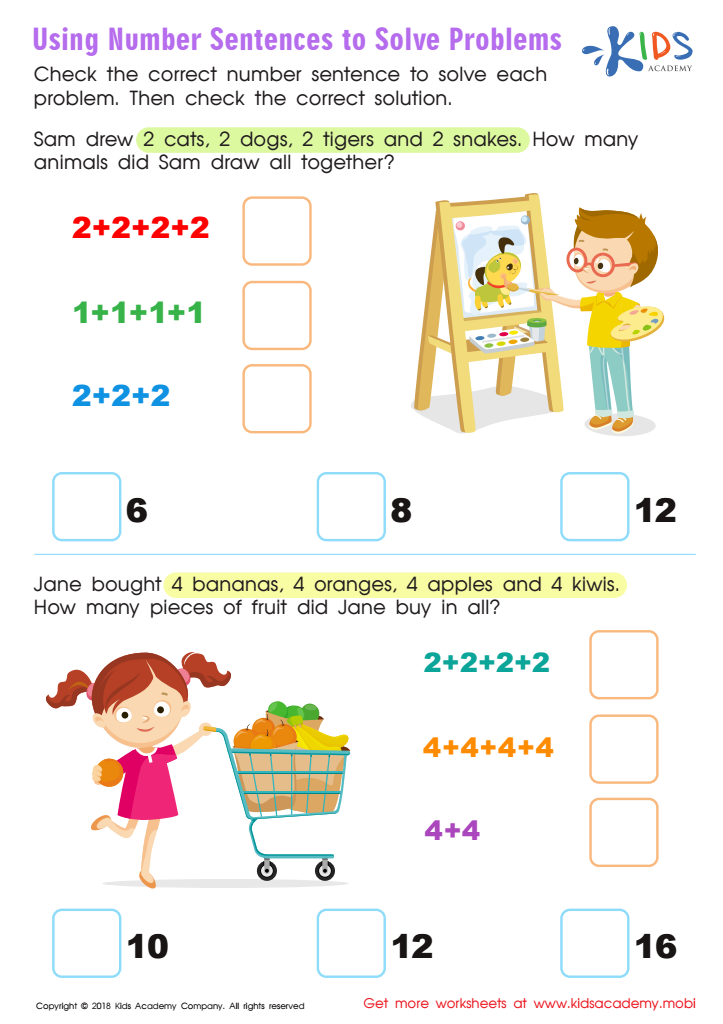
Using Number Sentences to Solve Problems Worksheet
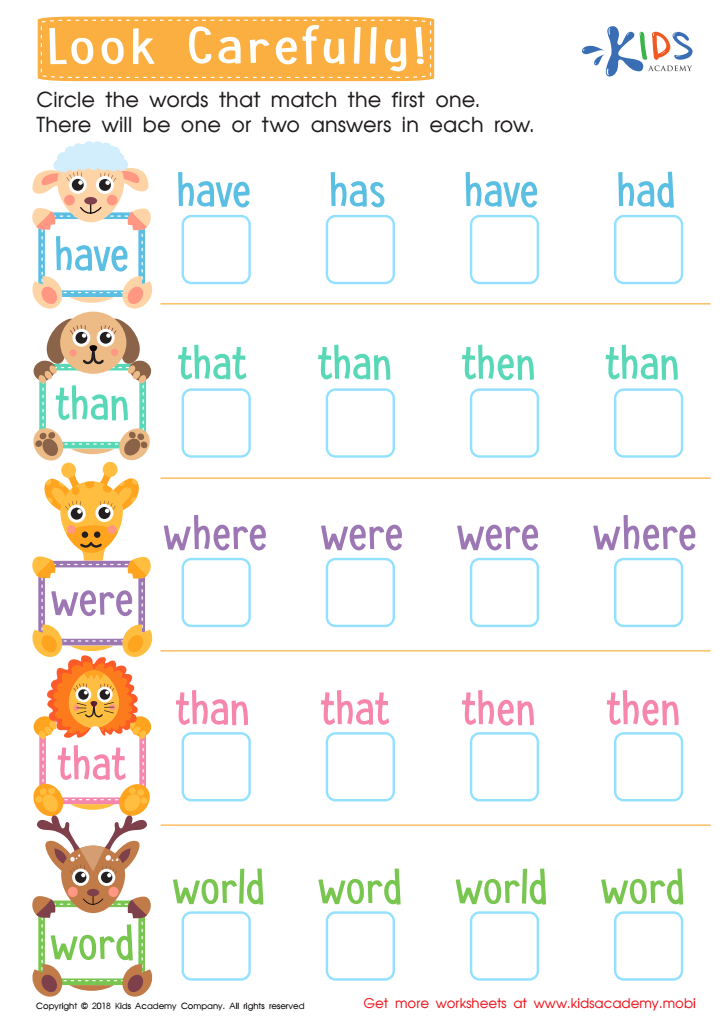
Look Carefully Worksheet
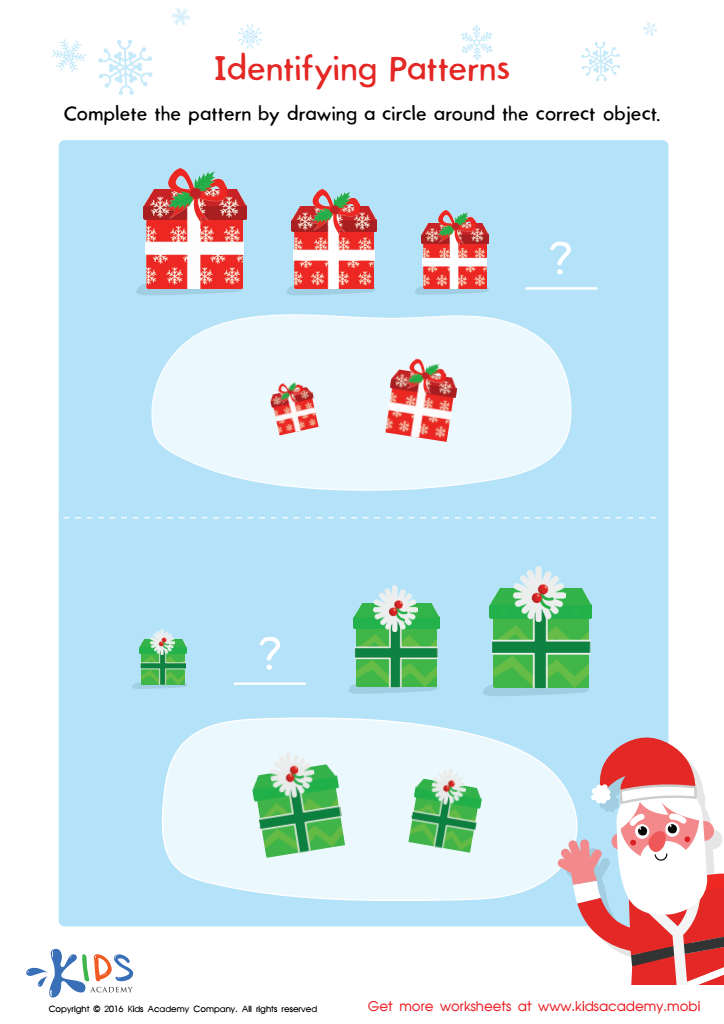
Identifying Patterns Worksheet
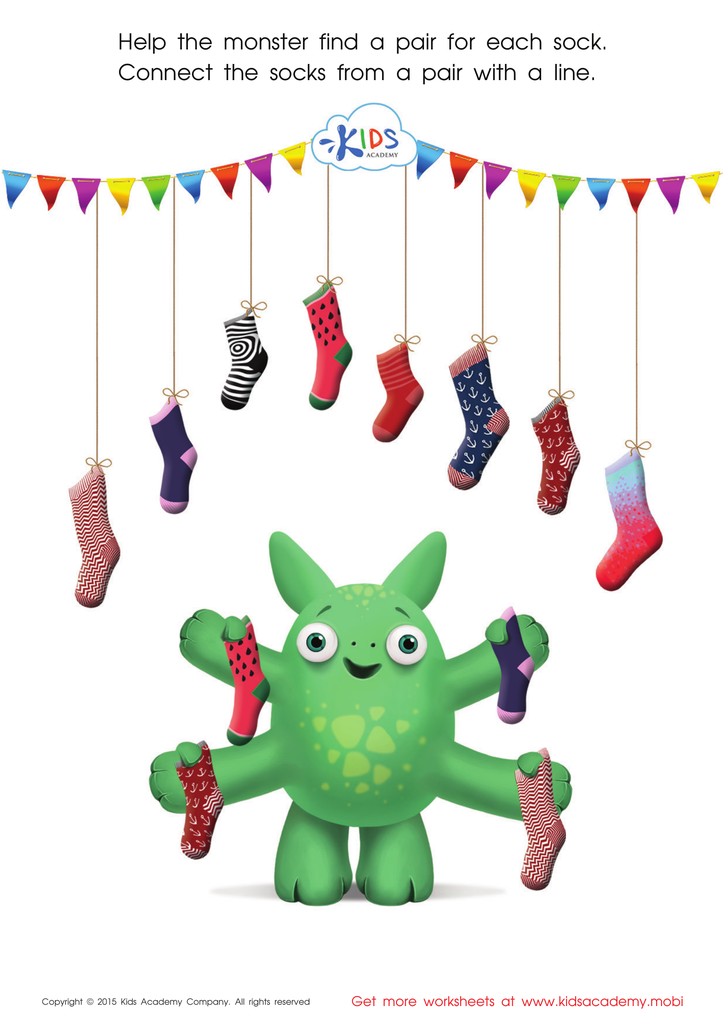
Math Matching Game: Monsterв's Socks Worksheet
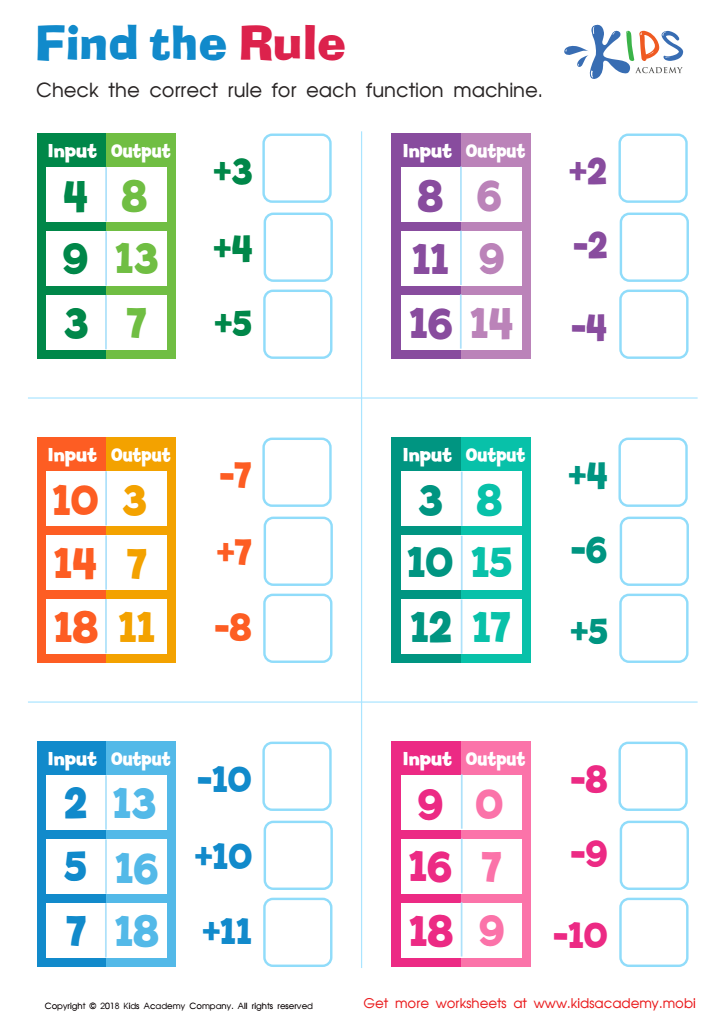
Find the Rule Worksheet
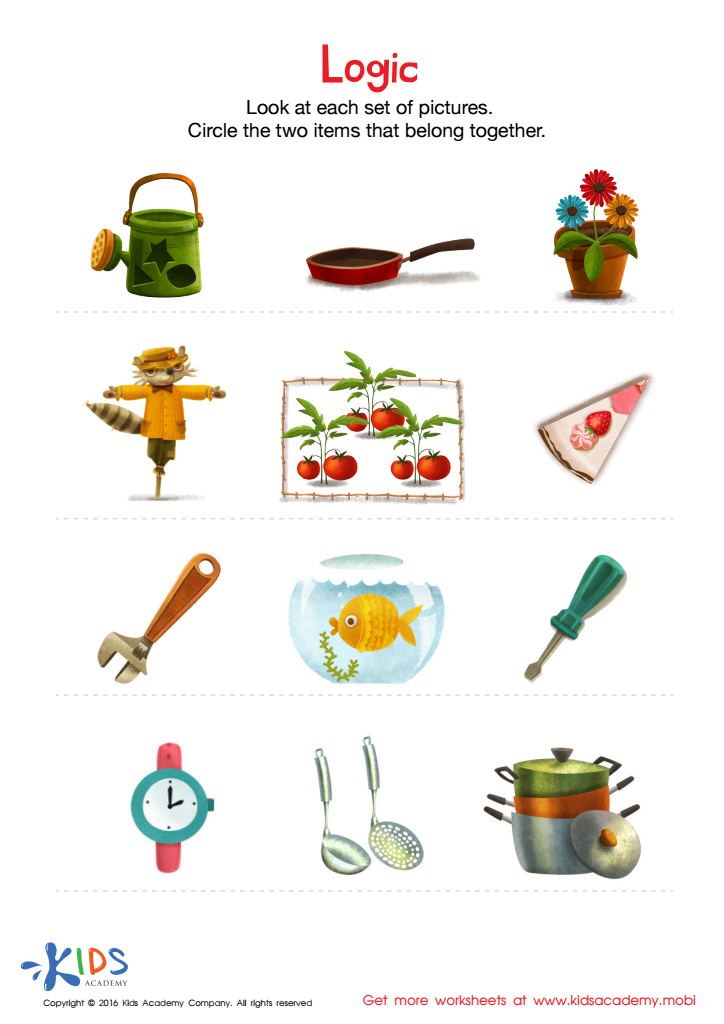
Logic Game Sorting Worksheet
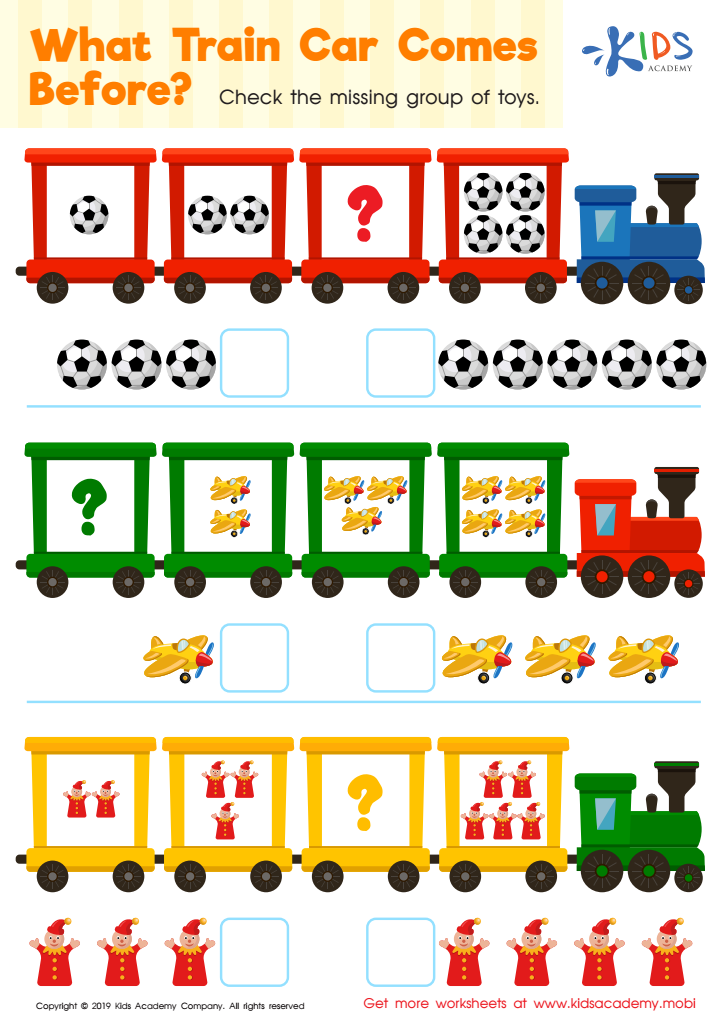
What Train Car Comes Before? Worksheet
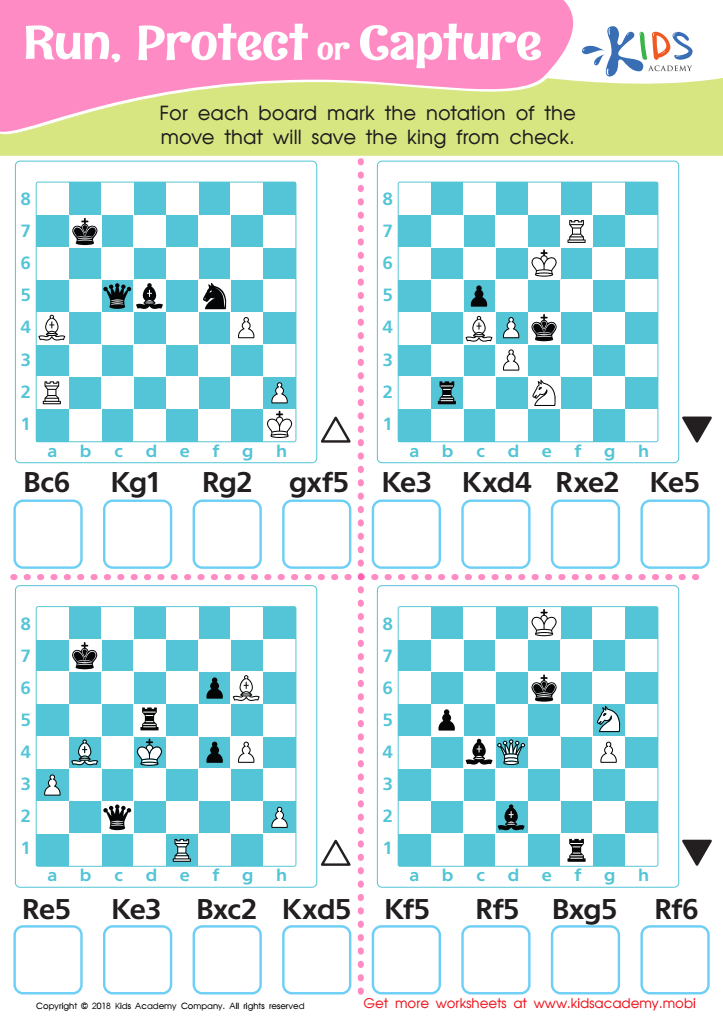
Run, Protect or Capture Worksheet
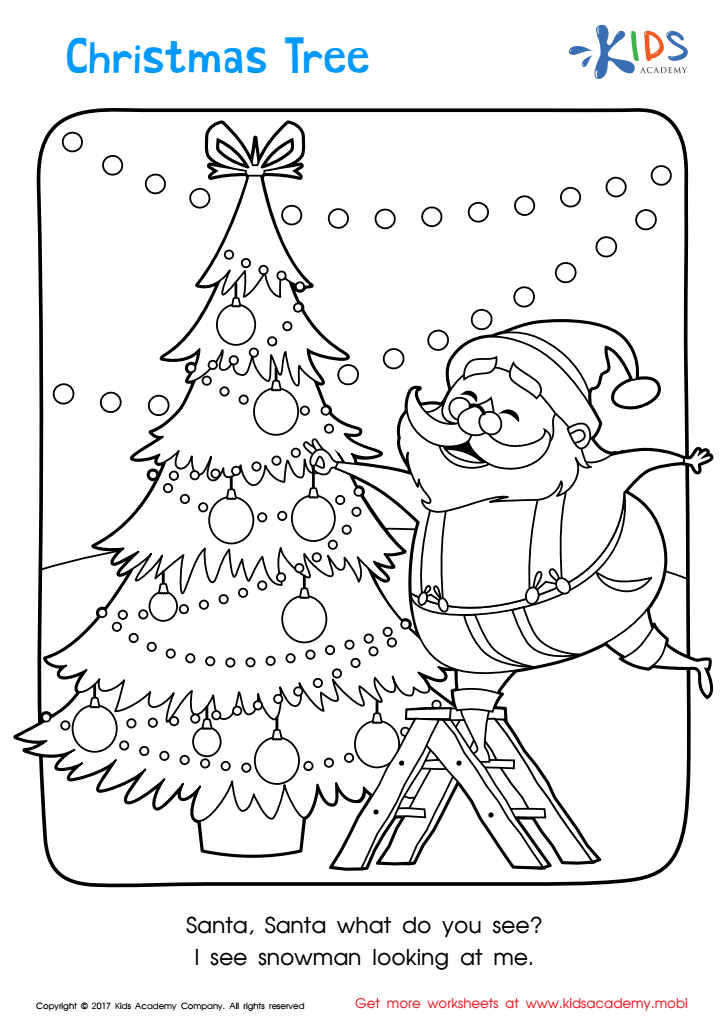
Christmas: Christmas Tree Printable
 Assign to My Students
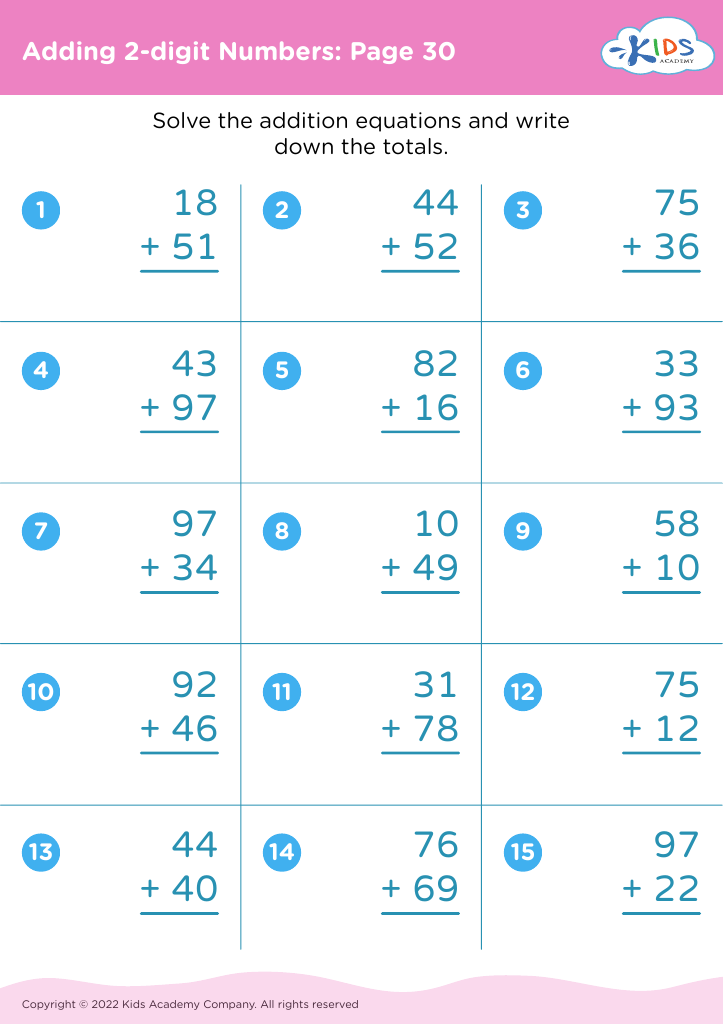
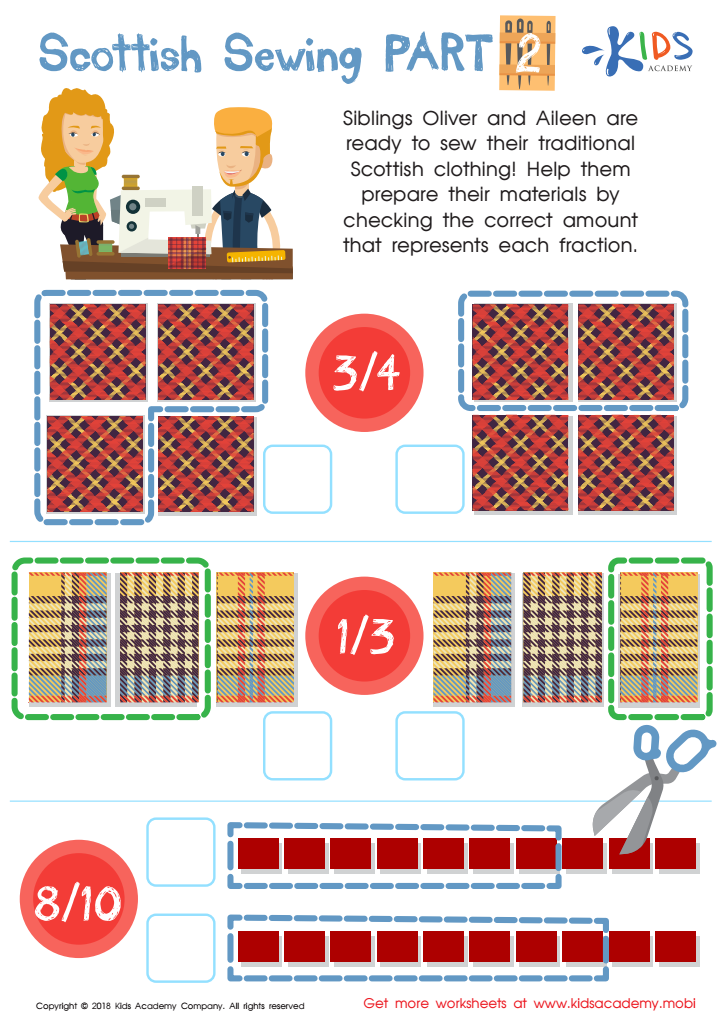
Scottish Sewing Part 2 Worksheet
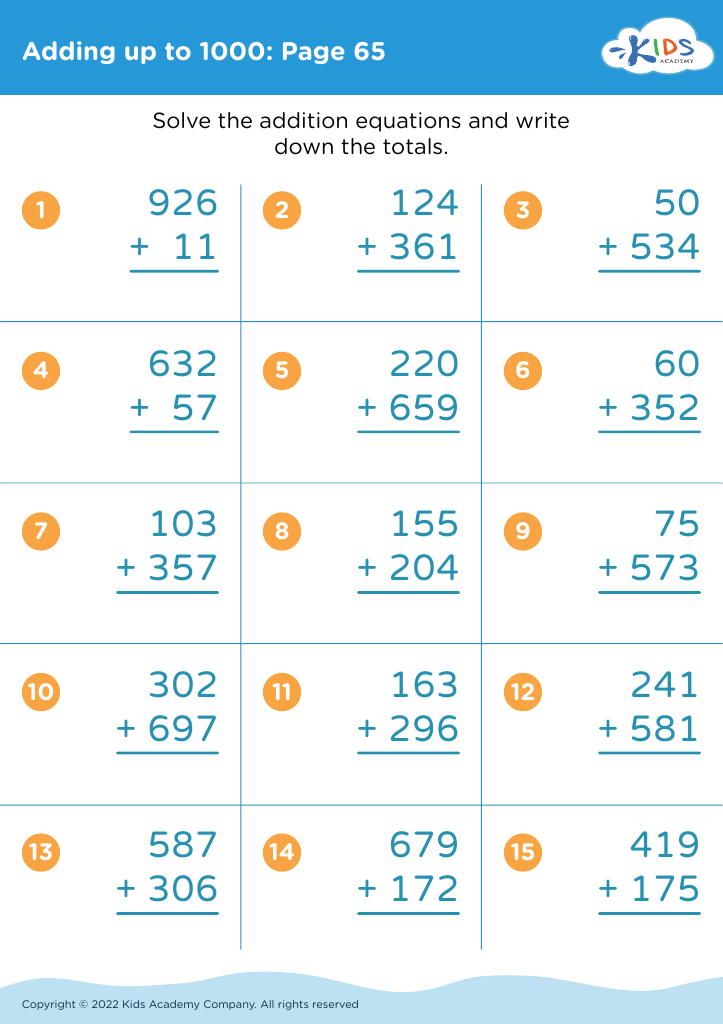


.jpg)
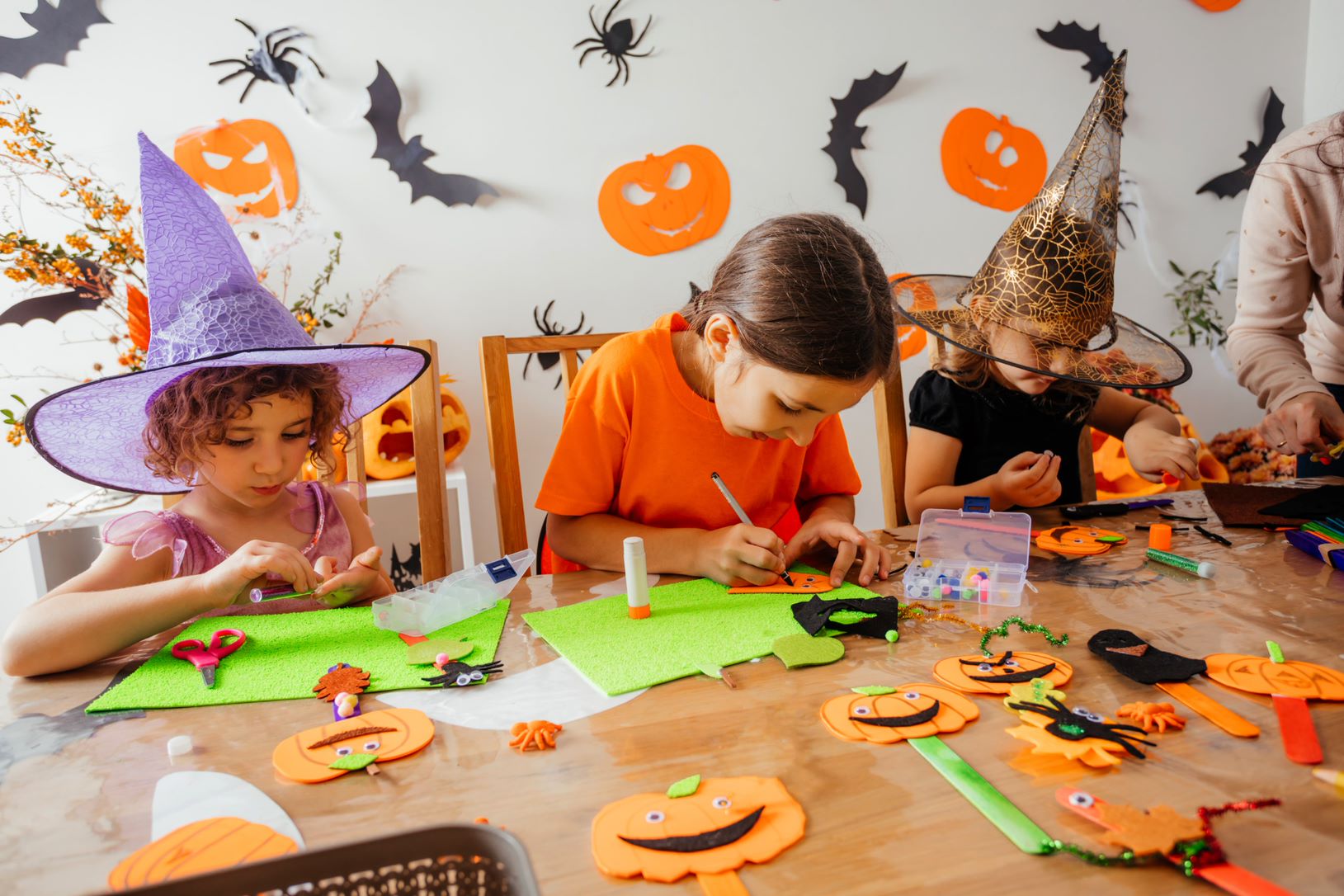




Pattern recognition is a crucial cognitive skill that plays a significant role in early childhood development, corresponding to ages 3-8. For parents and teachers, fostering this ability is vital for several reasons. First, pattern recognition lays the foundation for mathematical thinking. Children learn to identify, replicate, and extend patterns, honing their skills in predicting sequences and understanding mathematical concepts such as counting, arithmetic, and geometry.
Second, pattern recognition enhances reading and language development. Recognizing patterns in sounds, words, and sentences helps in phonemic awareness, leading to improved reading and comprehension skills. Children become adept at predicting text sequences, which aids fluency and literacy.
Moreover, pattern recognition boosts problem-solving skills. By identifying and predicting regularities, children develop logical thinking and strategic planning capabilities. These skills are crucial not only in academic pursuits but also in everyday decision-making and problem-solving scenarios.
Furthermore, engaging in activities that promote pattern recognition can increase attention to detail and improve memory retention. Patterns provide a structured way for young minds to process and organize information, leading to better memory recall.
Lastly, recognizing and creating patterns can be a fun and interactive educational experience, fostering a love for learning while building collaborative and social skills. Parents and teachers should, therefore, prioritize activities that enhance pattern recognition to support well-rounded, cognitive development.








