Logical thinking Math Worksheets for Ages 3-8
20 filtered results
-
From - To
Nurture critical thinking in your child with our Logical Thinking Math Worksheets designed for ages 3-8. These engaging and vividly illustrated worksheets from Kids Academy help young learners develop essential logical reasoning skills. Interactive activities include pattern recognition, sequencing, problem-solving, and geometry fundamentals, ensuring that kids build a strong mathematical foundation in a fun and enjoyable way. Perfect for home or classroom use, our worksheets cater to various learning styles, enabling children to progress at their own pace. Equip your child with the tools to succeed in math and beyond with Kids Academy’s meticulously crafted resources. Available for easy download.
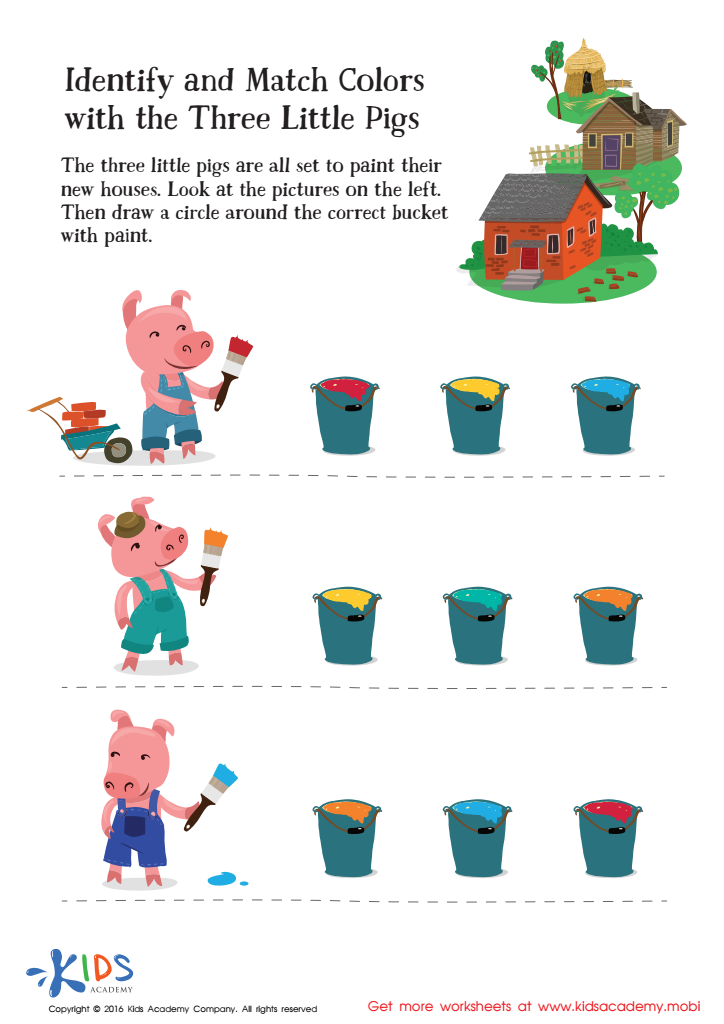
Fairy Tale Worksheet: Identify and Match Colors with Three Little Pigs
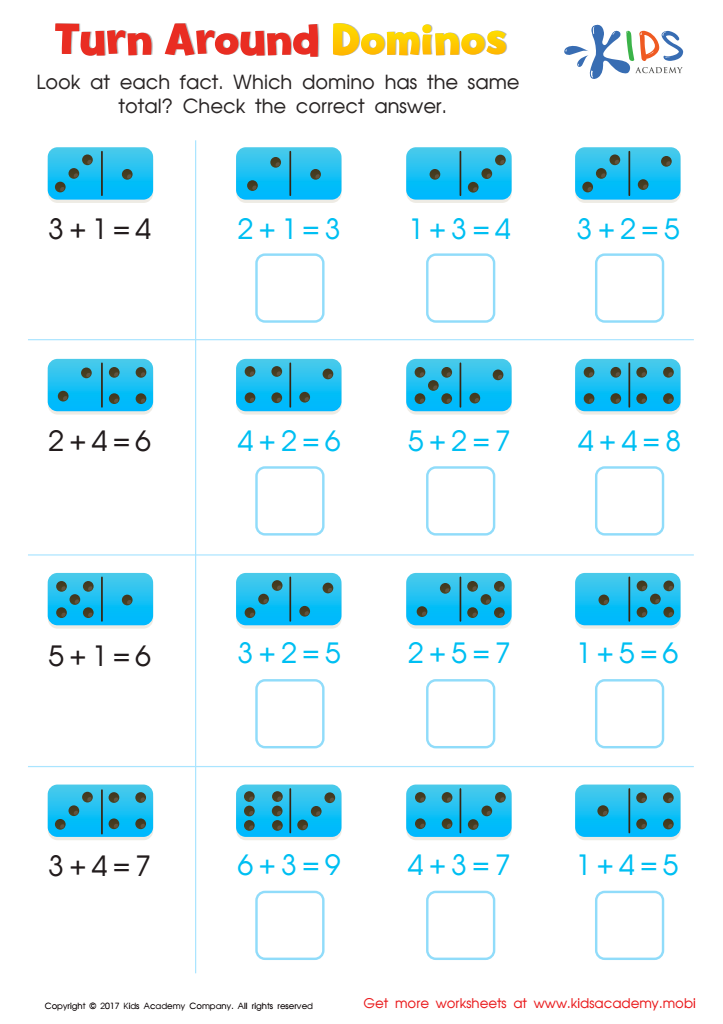
Turn Around Dominos Worksheet
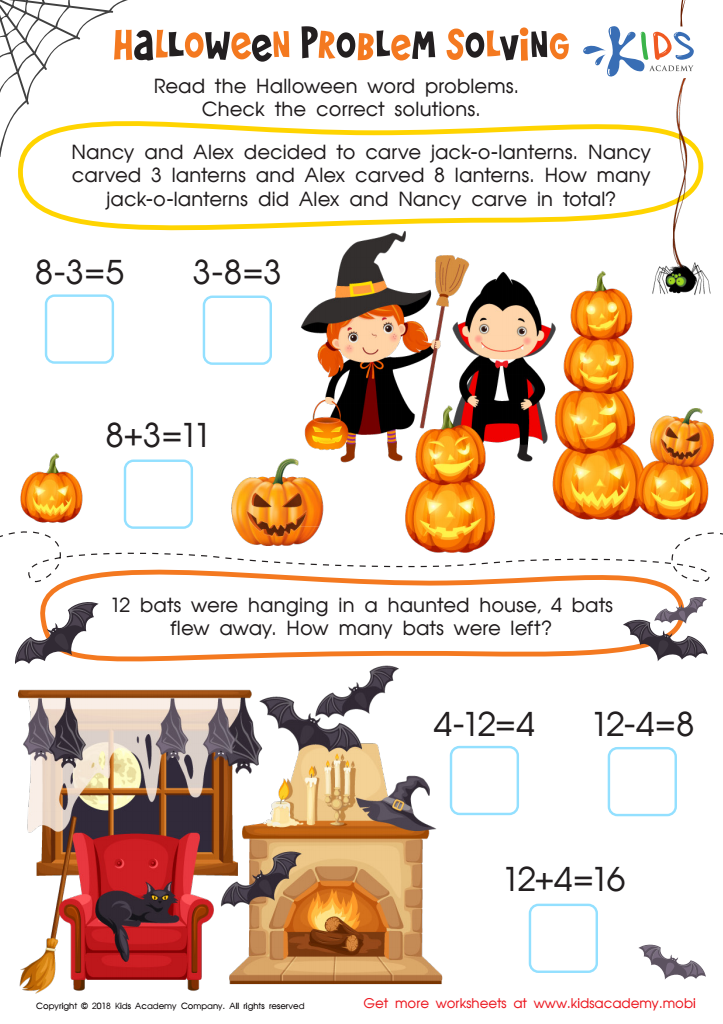
Halloween Problem Solving Worksheet
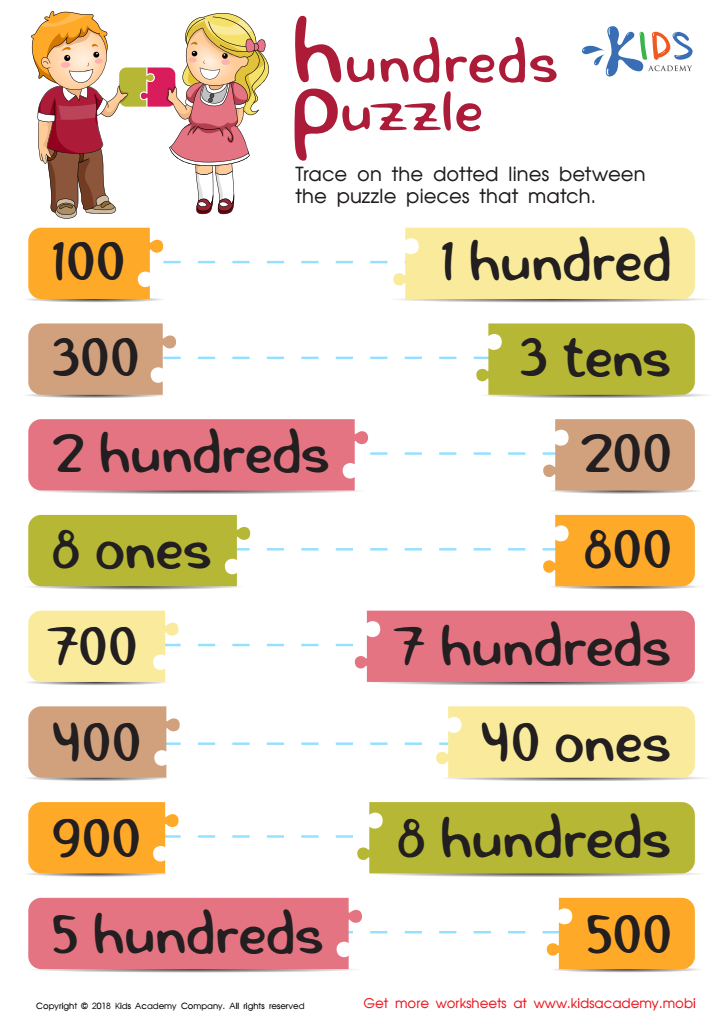
Hundreds Puzzle Worksheet
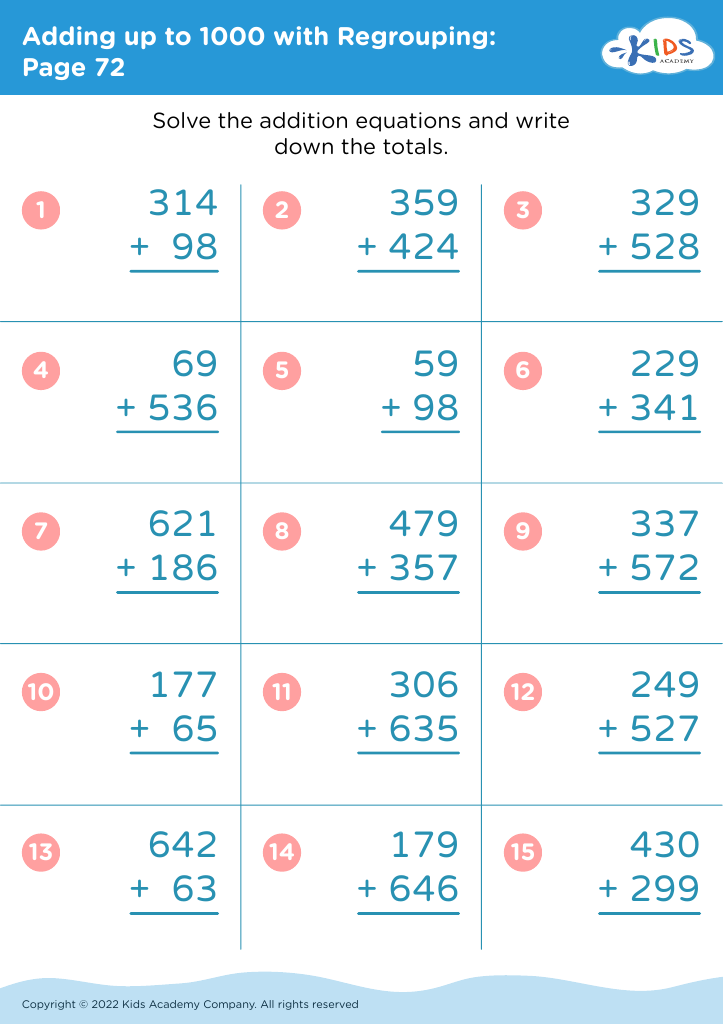
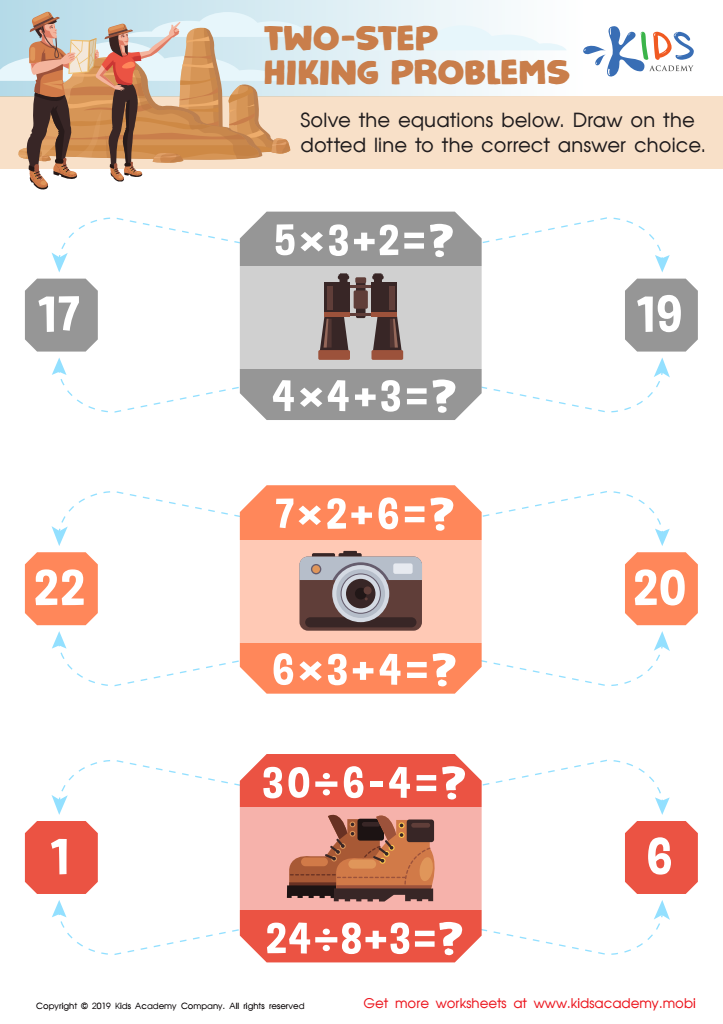
Two-Step Hiking Problems Worksheet
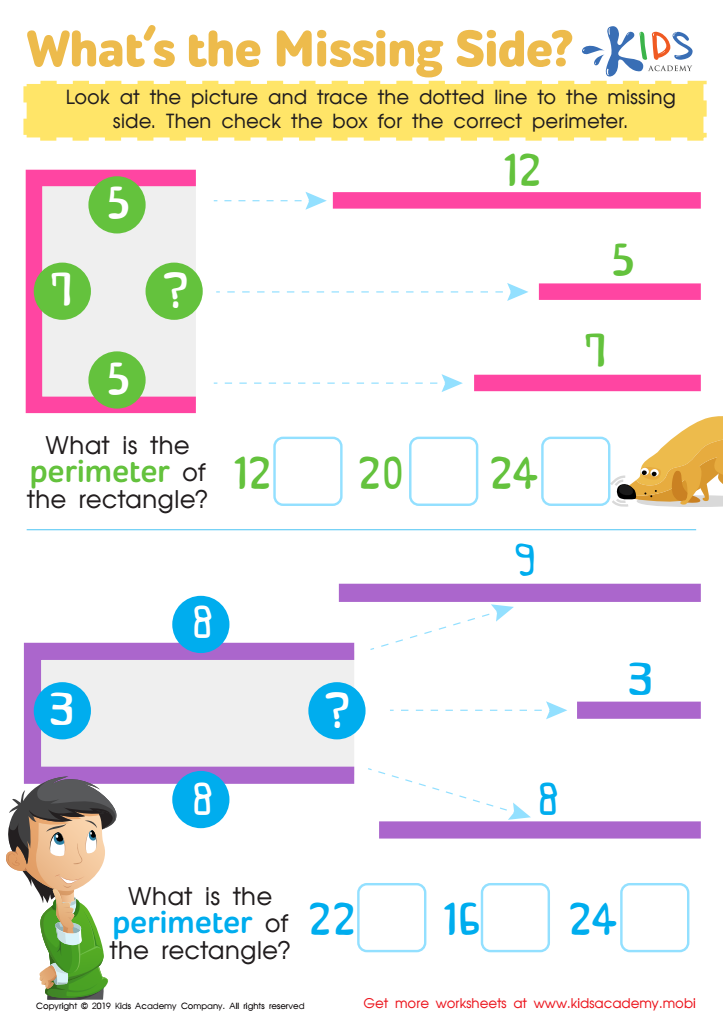
What's the Missing Side Worksheet
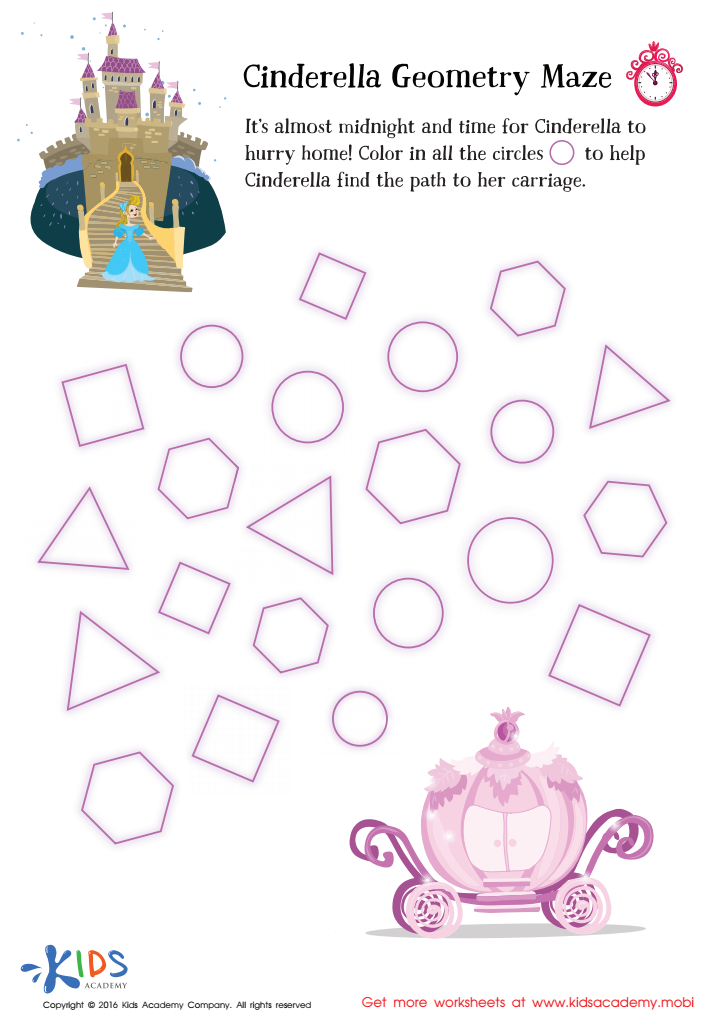
Cinderella Geometry Maze Worksheet
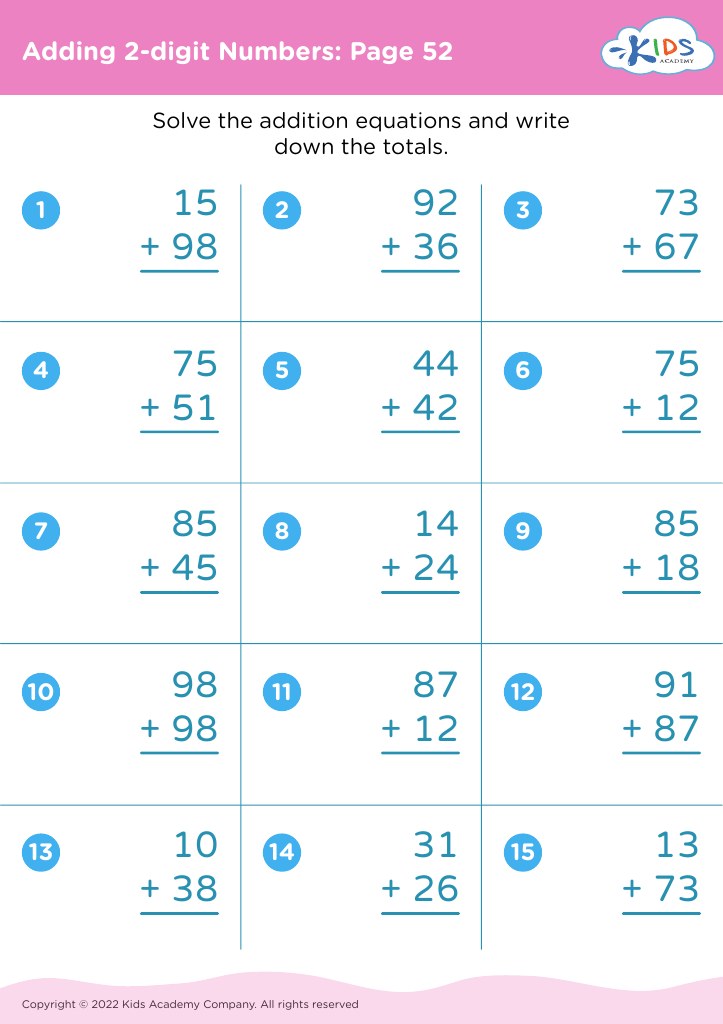
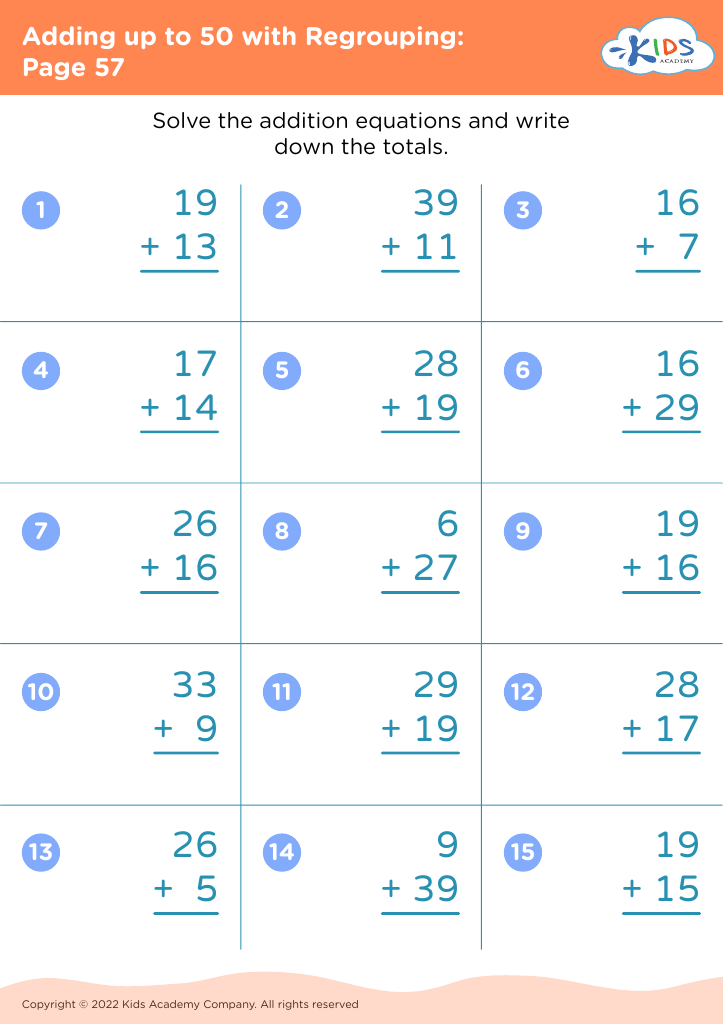
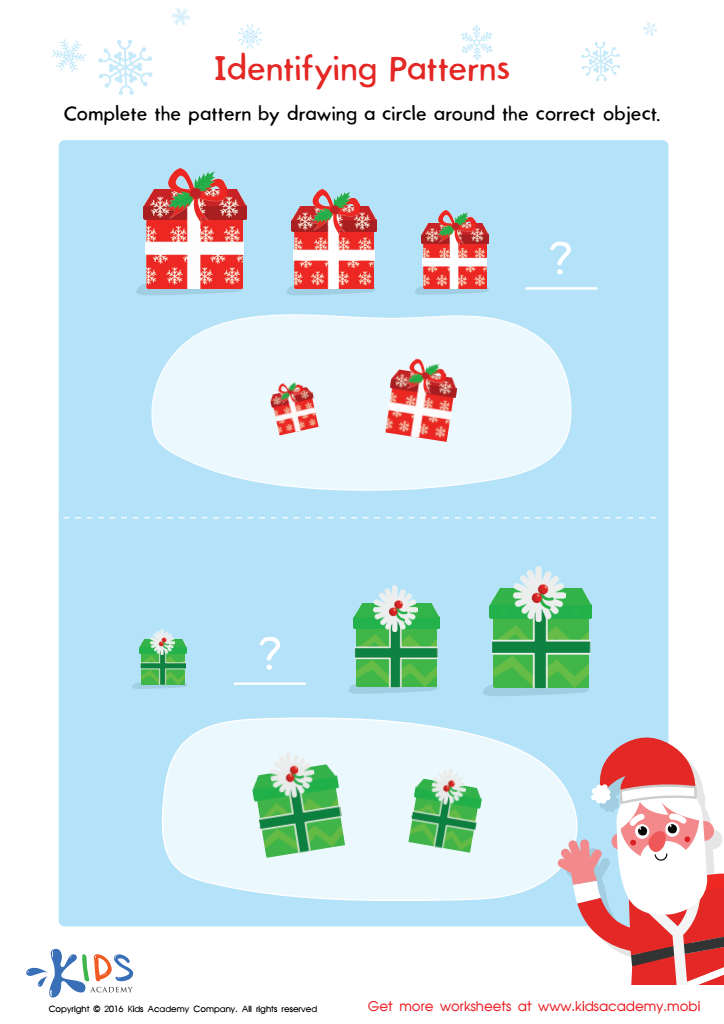
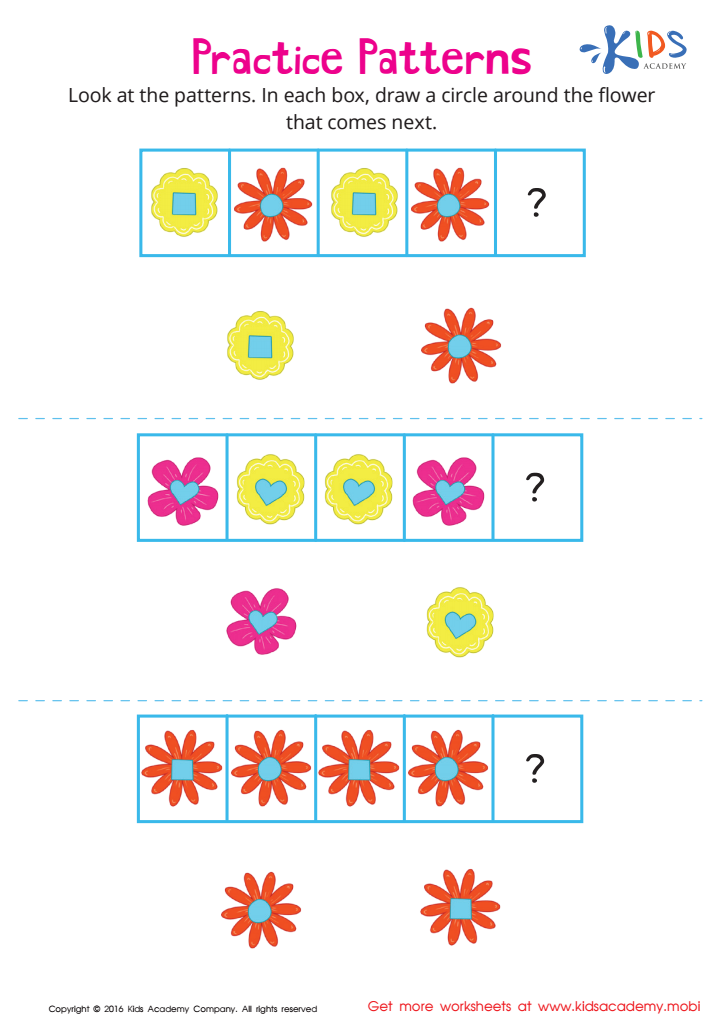
Identifying Patterns Worksheet
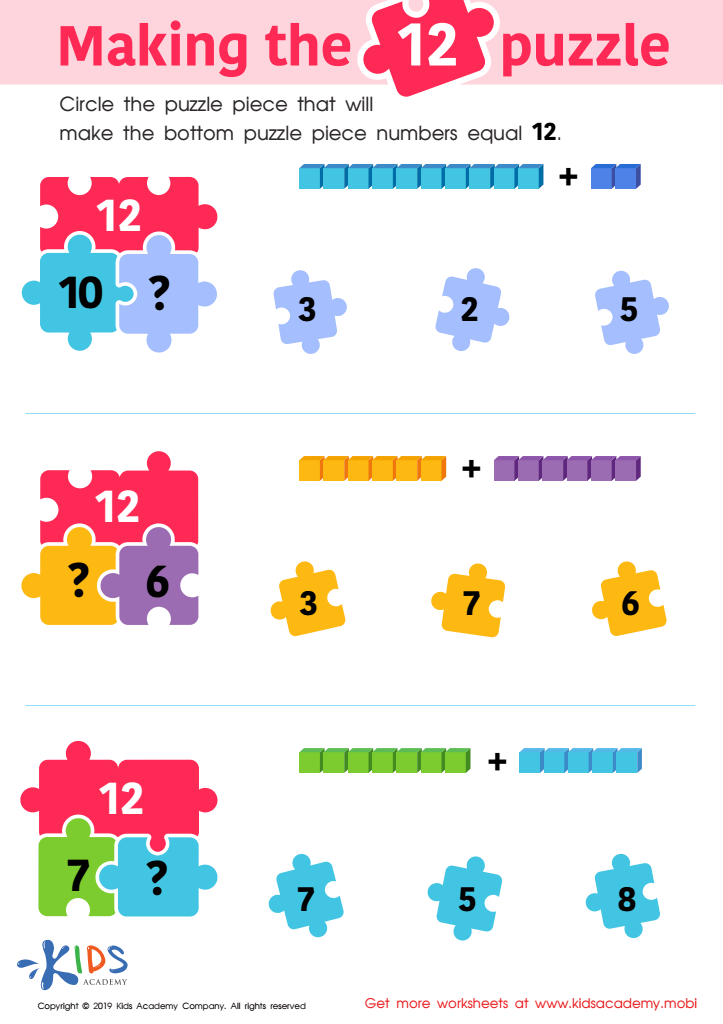
Making the 12 Puzzle Worksheet
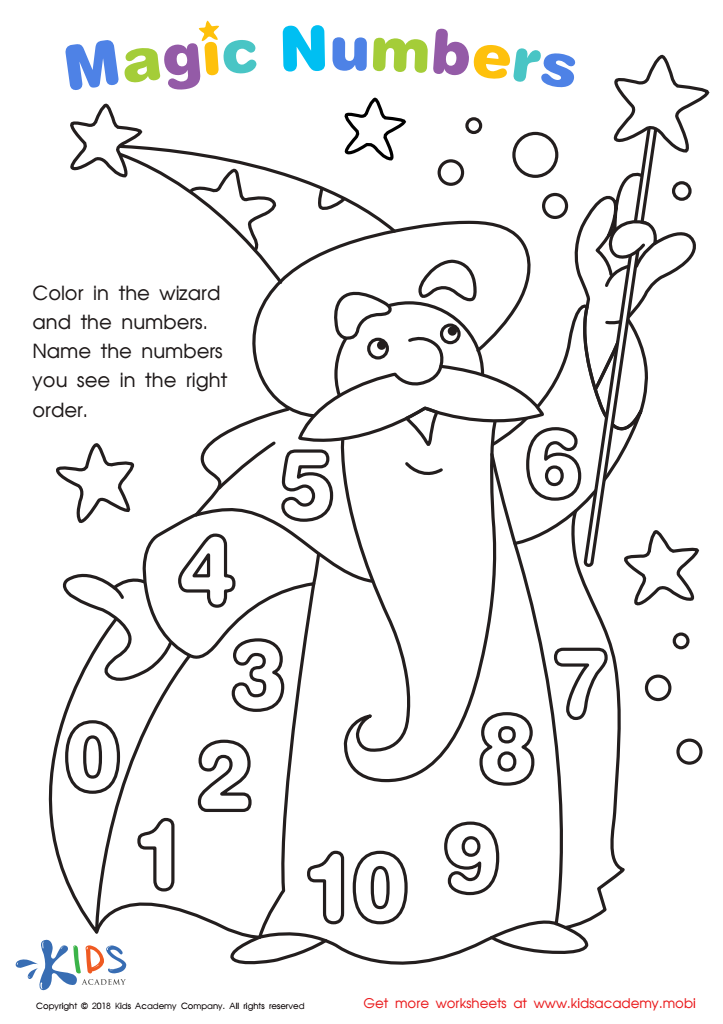
Magic Numbers Worksheet
 Assign to My Students
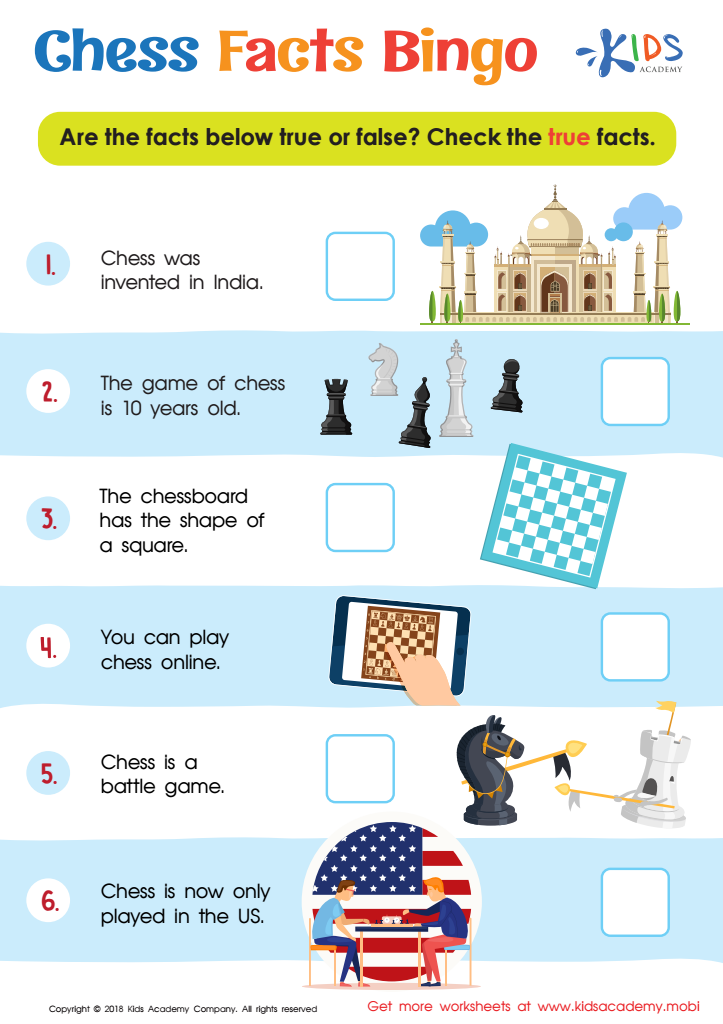
Chess Facts Bingo Worksheet
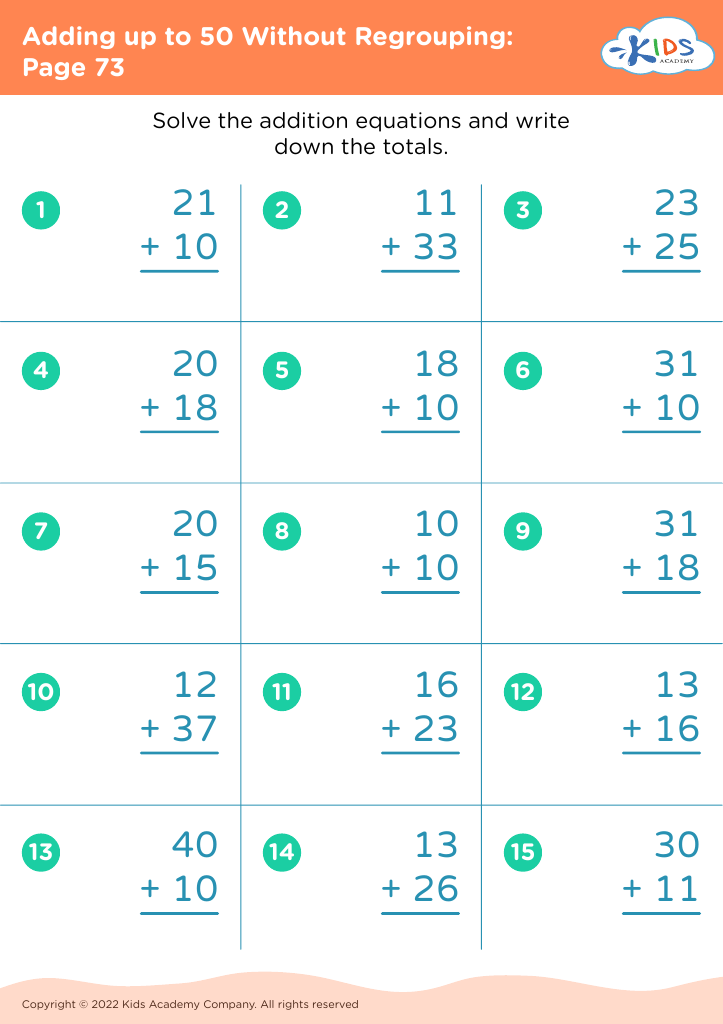

Transportation: Steps Worksheet







Logical thinking in math is essential for young children ages 3-8 as it lays the foundation for a multitude of skills that transcend mathematical boundaries. Parents and teachers should prioritize this because it nurtures cognitive development, honing critical thinking and problem-solving abilities that are universally applicable. By engaging in logical reasoning activities, children learn to process information, identify patterns, and form connections, all of which are vital for academic and real-life scenarios.
Furthermore, introducing logical thinking at an early age promotes a positive attitude towards math, transforming it from a daunting subject into an exciting and achievable challenge. This enthusiasm for math during formative years can foster long-term academic success. Logical thinking also helps children develop patience and perseverance, as they learn that complex problems can be broken down into manageable steps.
In addition, these skills support the development of emotional intelligence, encouraging children to approach situations calmly and systematically. Parents and teachers who emphasize logical math exercises set children on a path towards confident, independent thinking, equipping them with tools to make informed decisions. Ultimately, nurturing logical thinking in early childhood reaps benefits that contribute significantly to a child's overall intellectual and emotional development.








