Shape Recognition Math Worksheets for Ages 3-8 - Page 3
113 filtered results
-
From - To
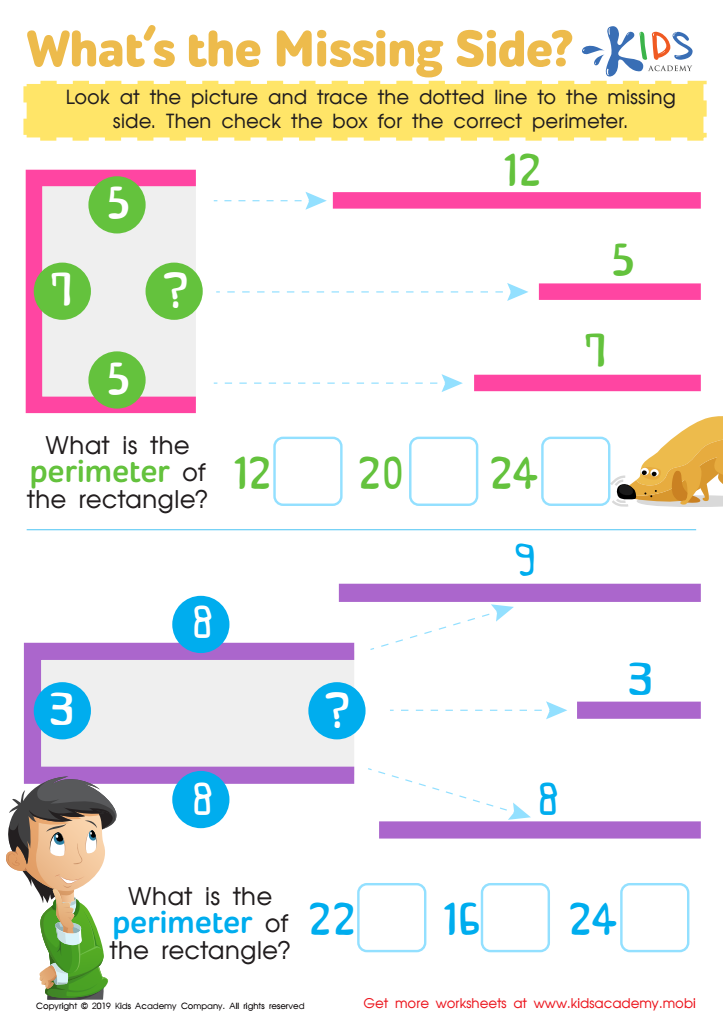
What's the Missing Side Worksheet
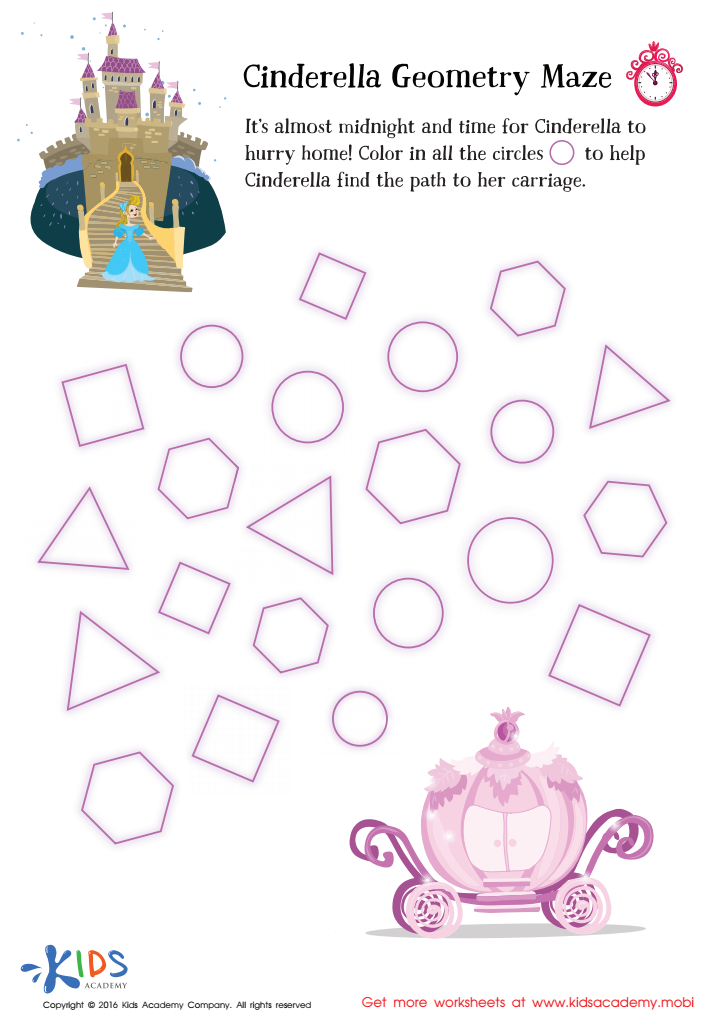
Cinderella Geometry Maze Worksheet
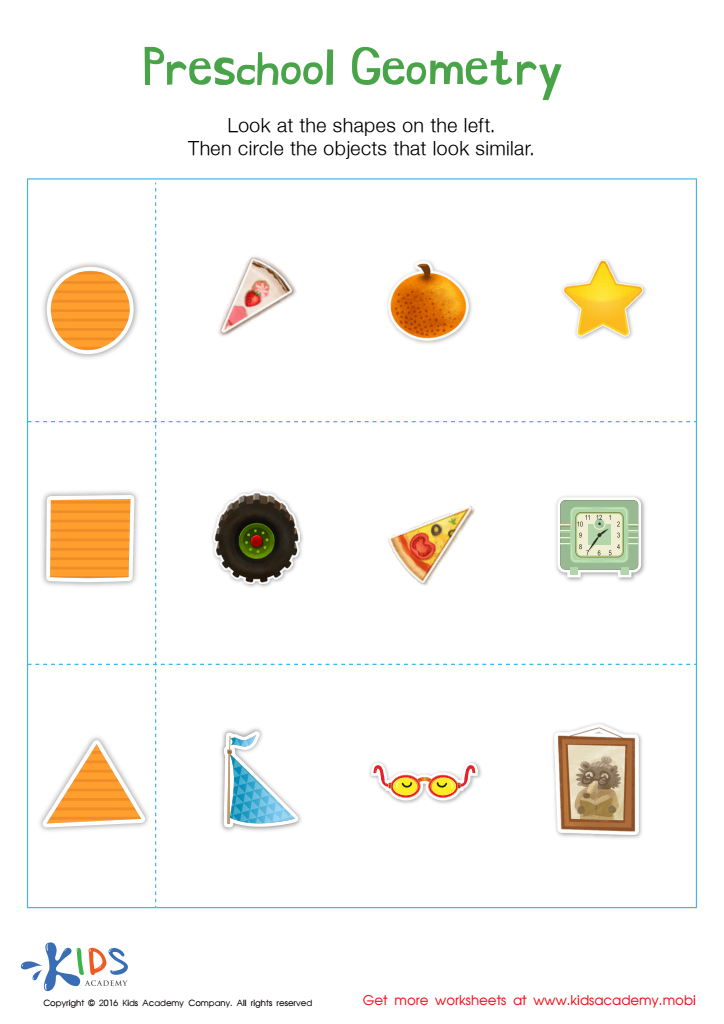
Preschool Geometry Match Up Worksheet
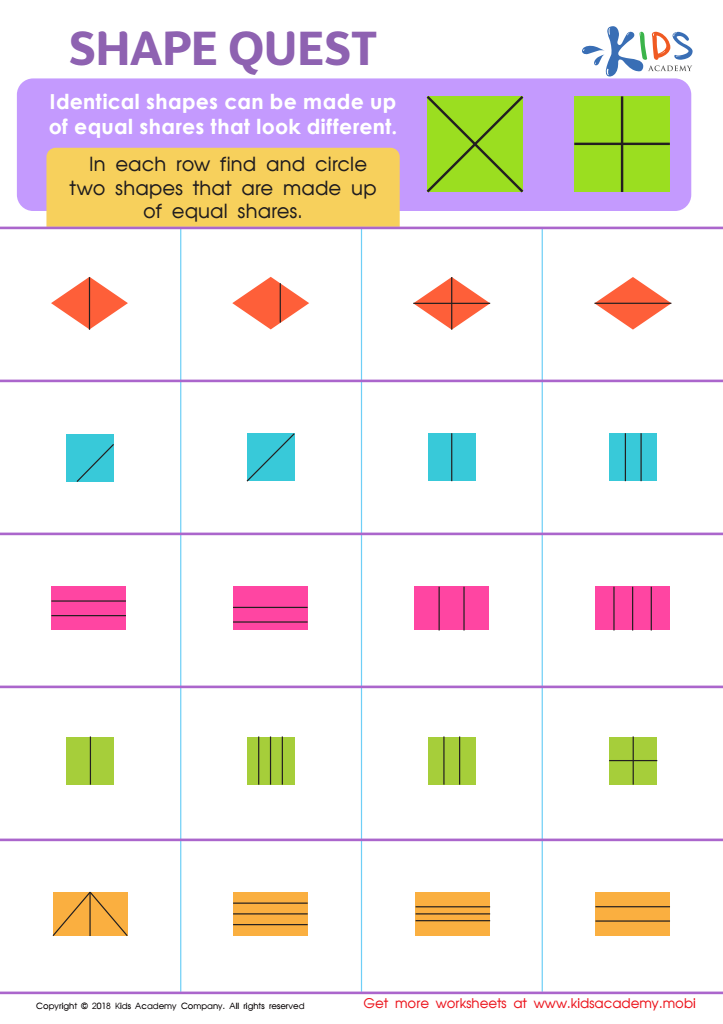
Shape Quest Worksheet
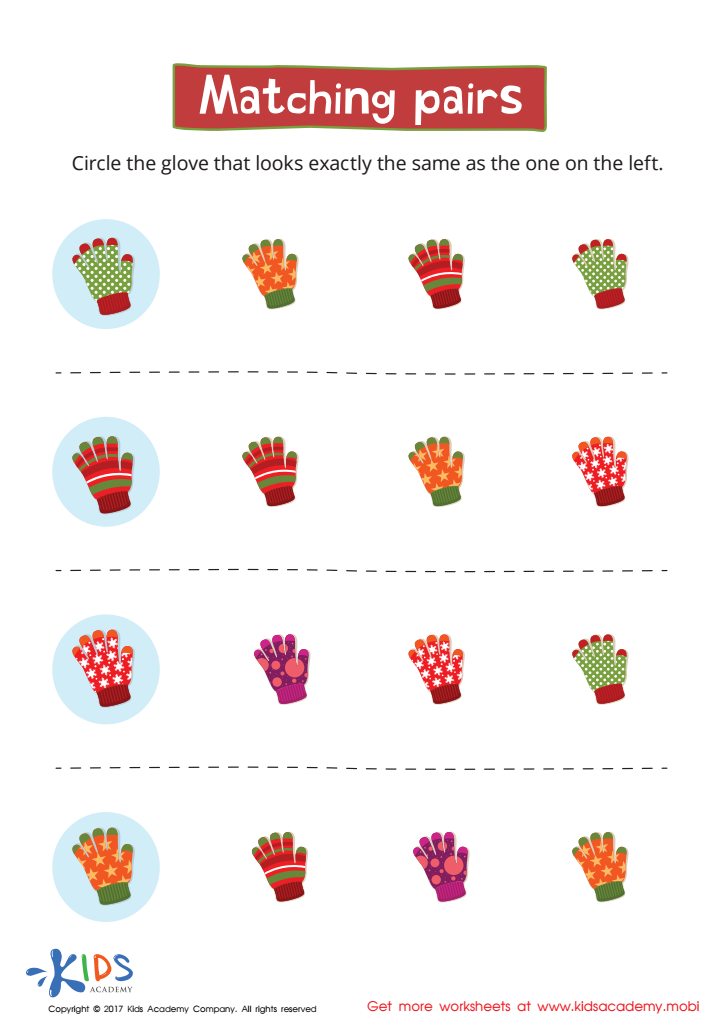
Matching: Matching Pairs Worksheet
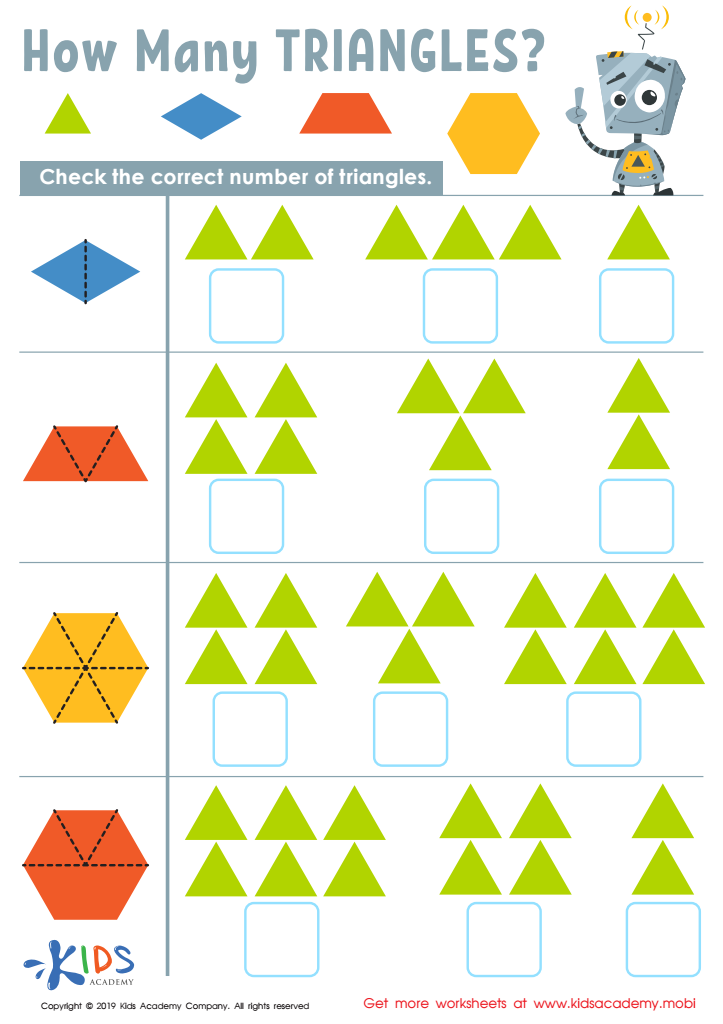
How Many Triangles Worksheet
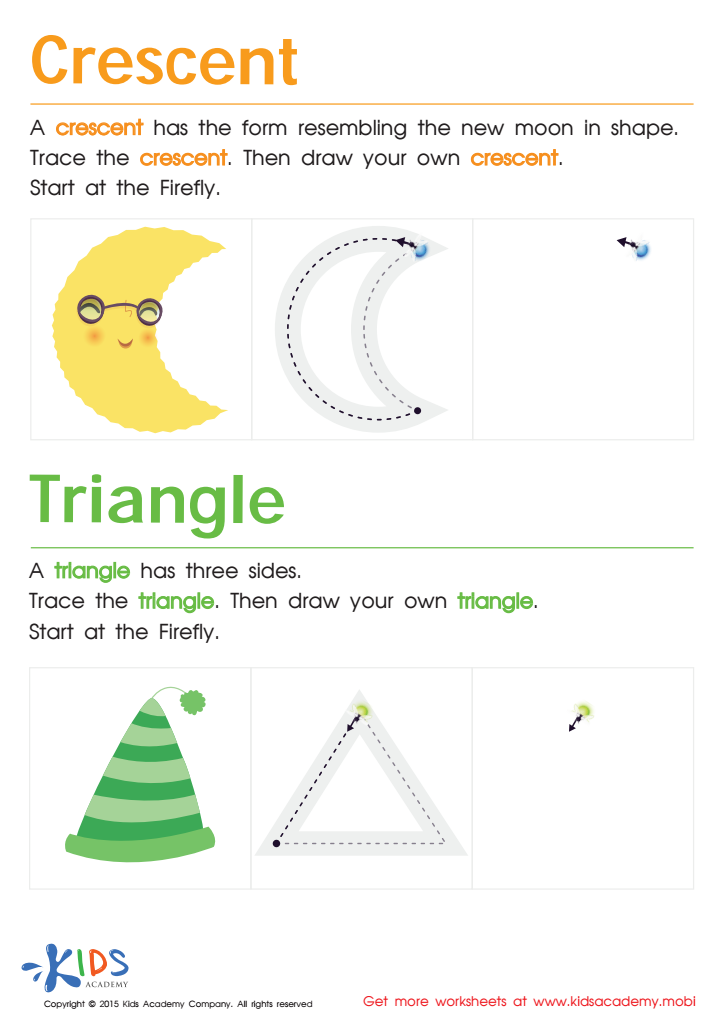
Learning to Draw Crescents And Triangles Worksheet
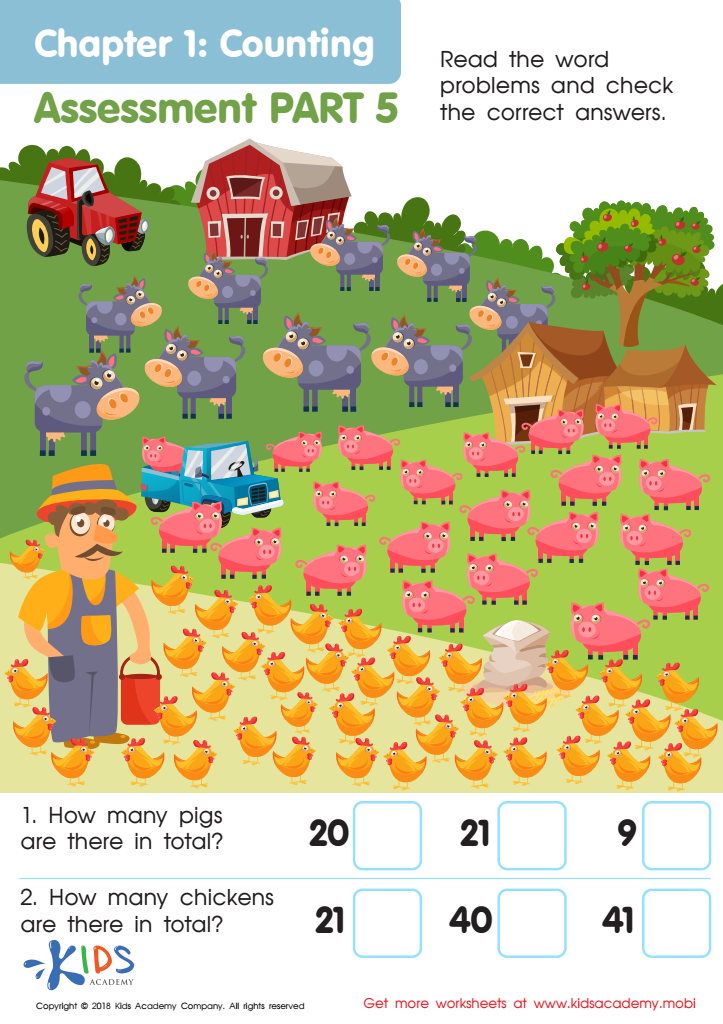
Counting: Assessment 5 Worksheet
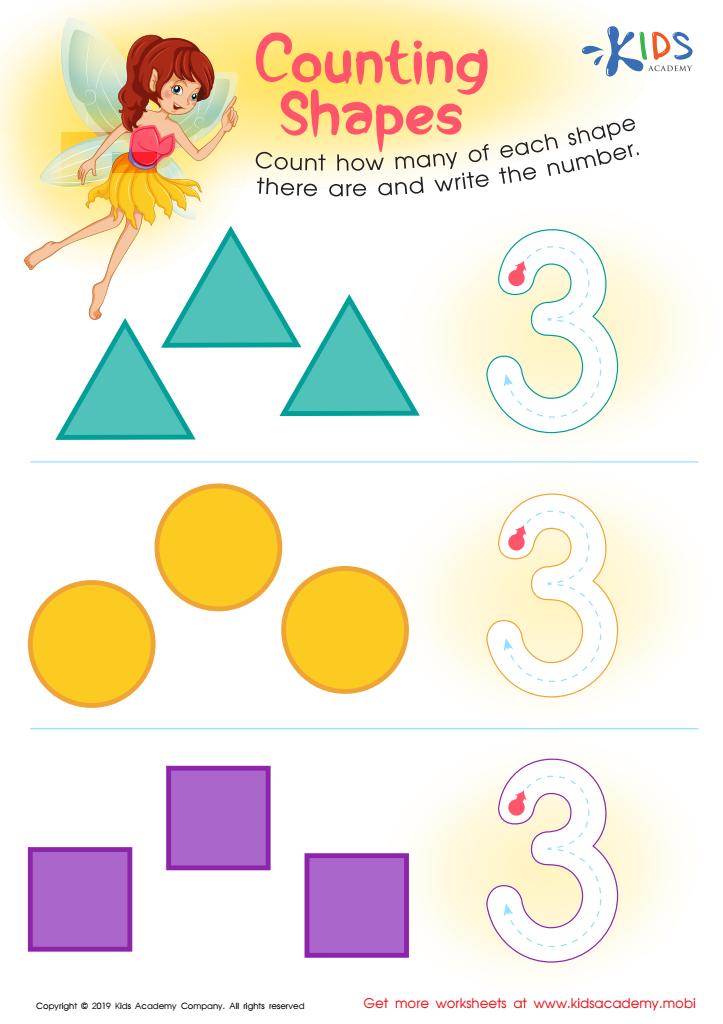
Counting Shapes Worksheet
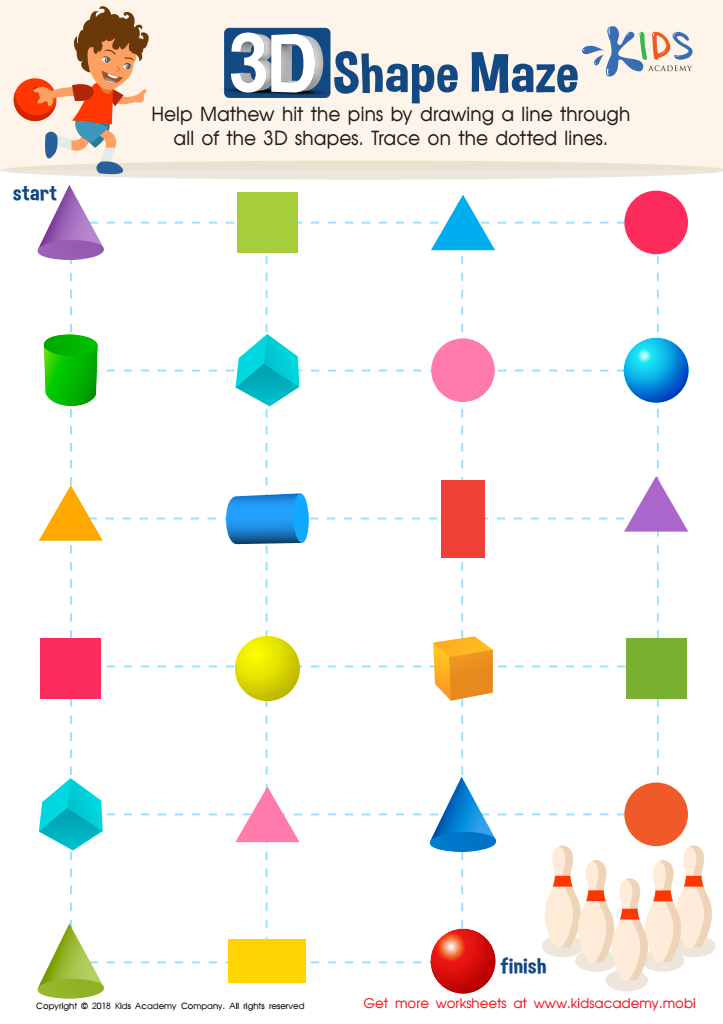
Shapes Maze Geometry Worksheet
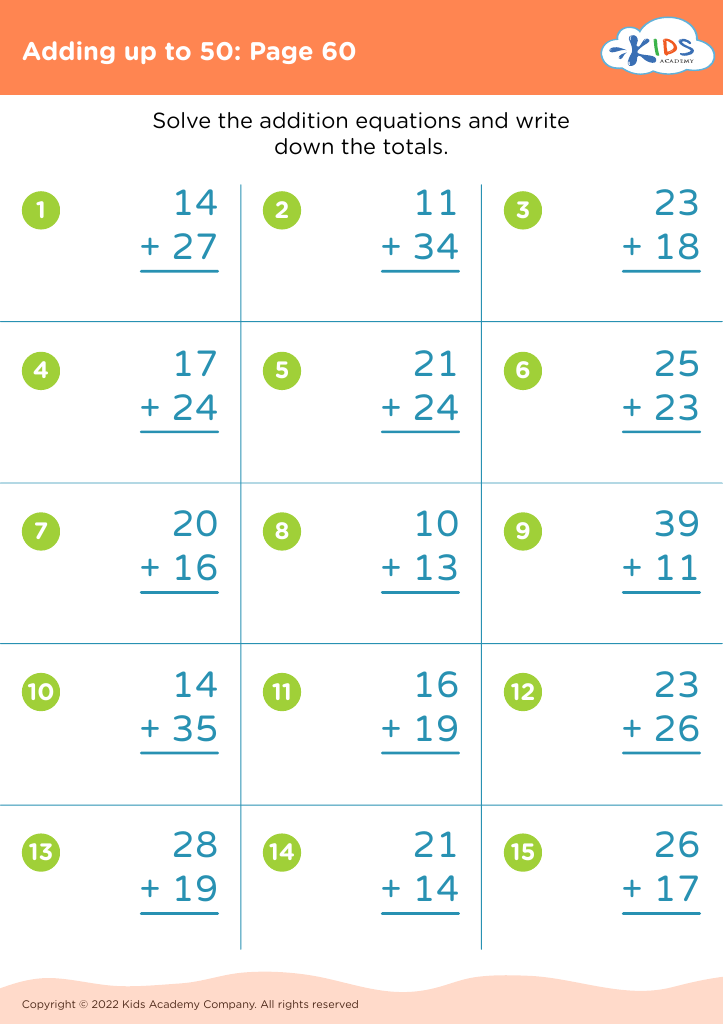
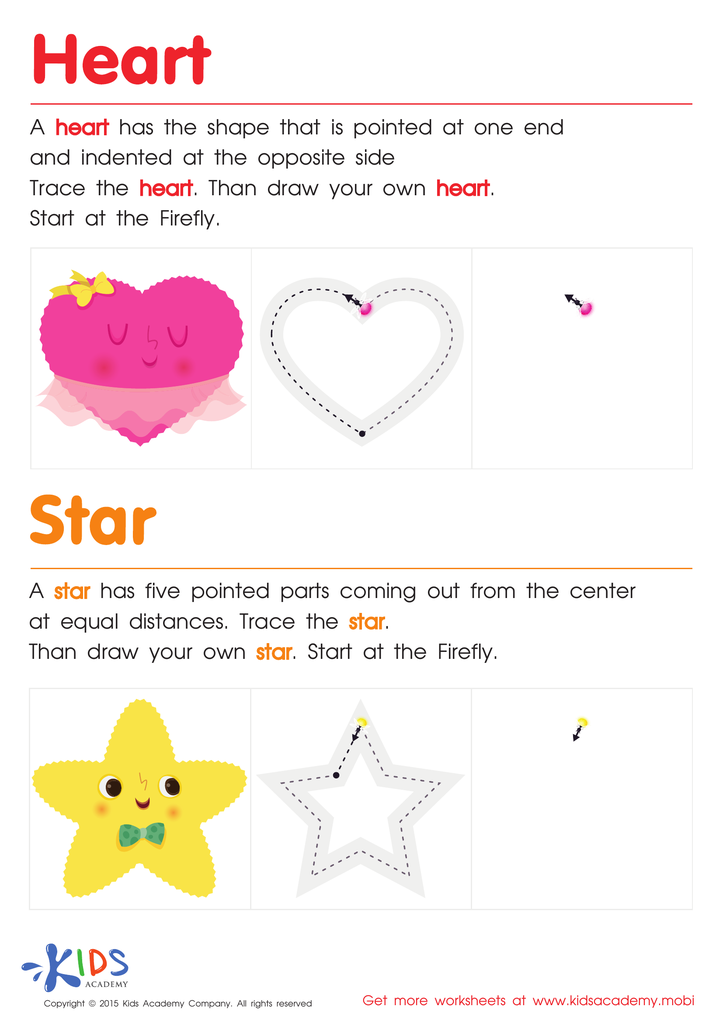
Let's Learn to Draw Hearts And Stars Printable
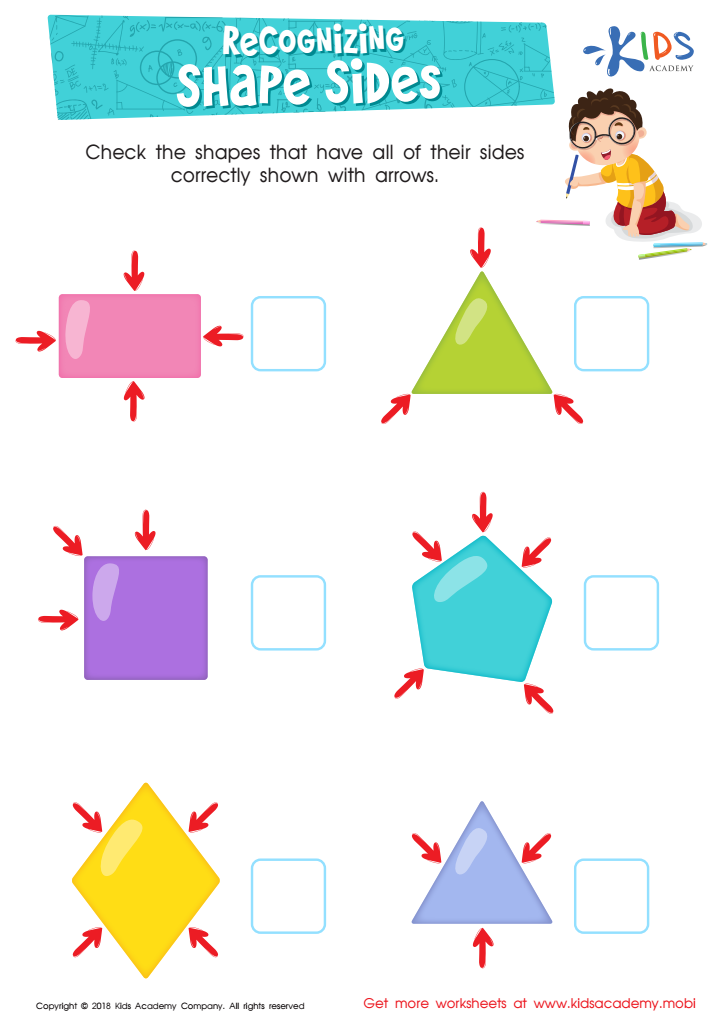
Recognizing Shape Sides Worksheet
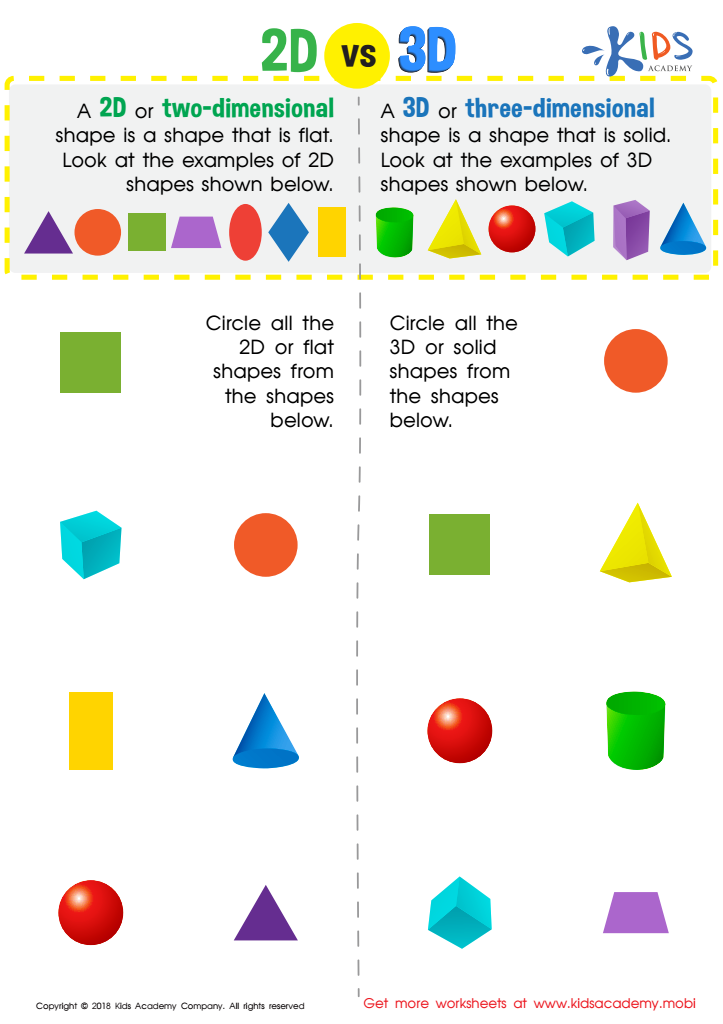
2D vs 3D Shapes Worksheet
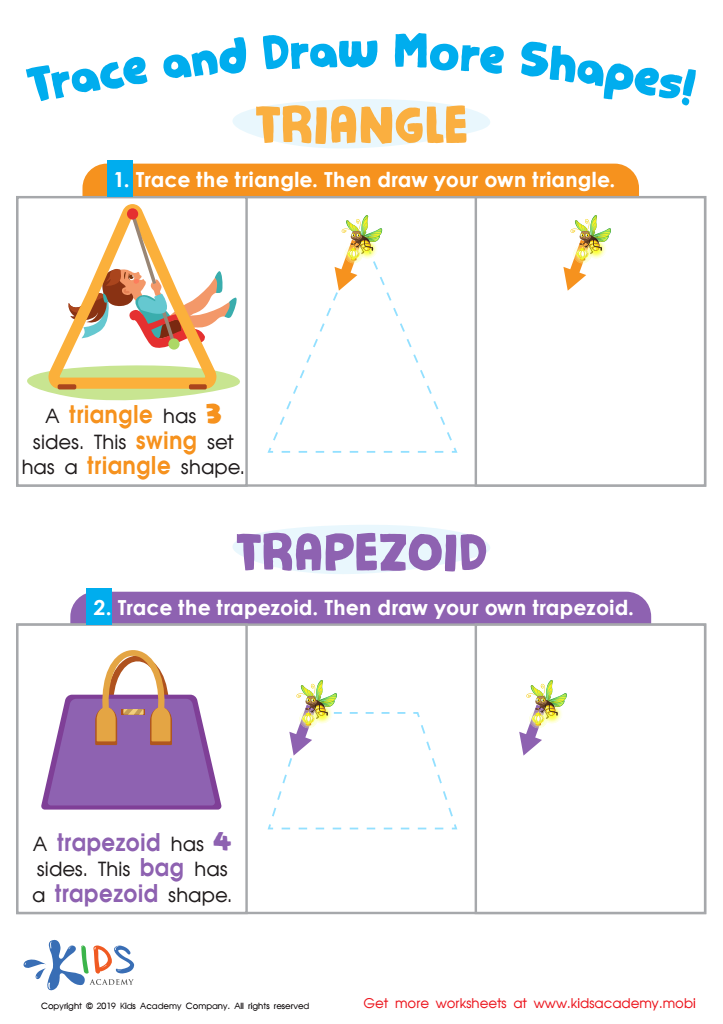
Trace and Draw More Shapes Worksheet
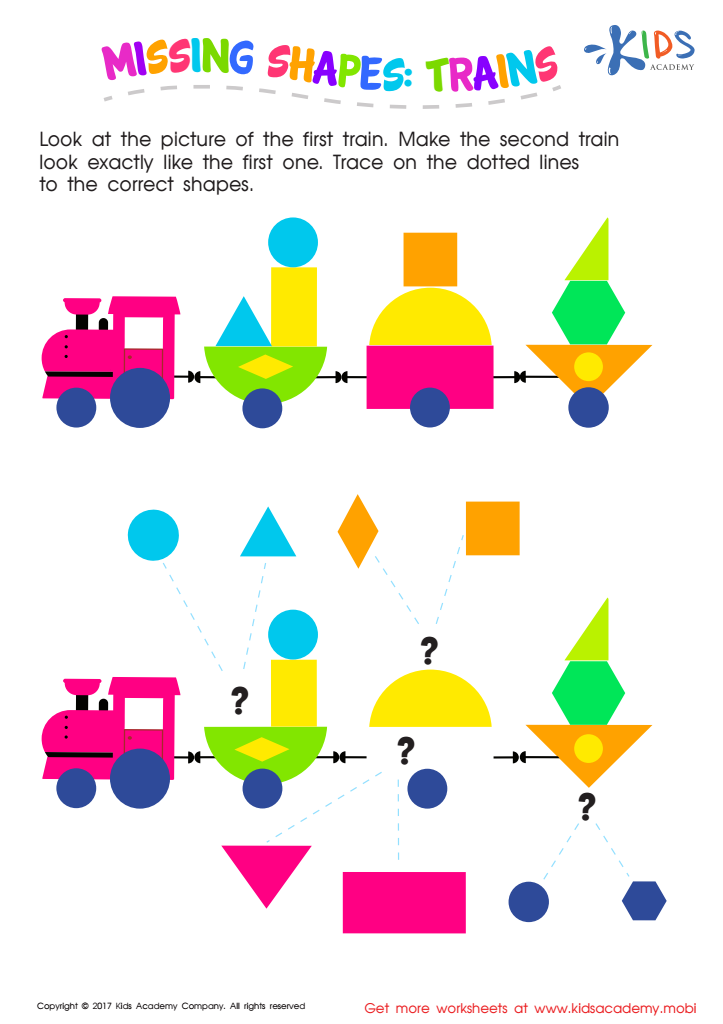
Missing Shapes: Trains Worksheet
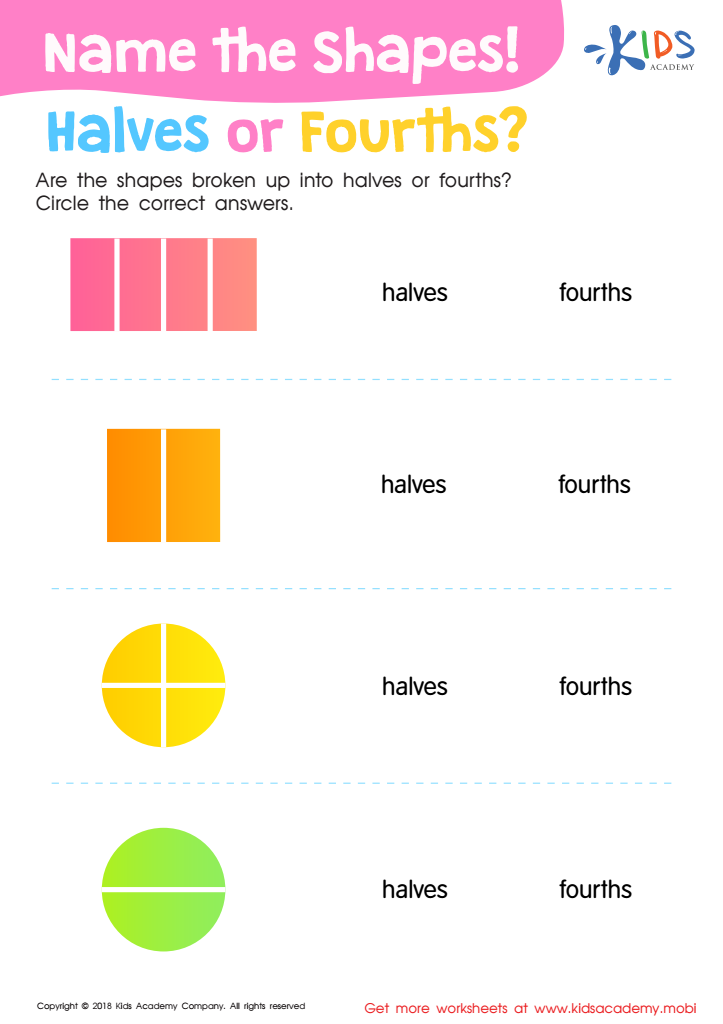
Name the Shapes Halves or Fourths? Worksheet
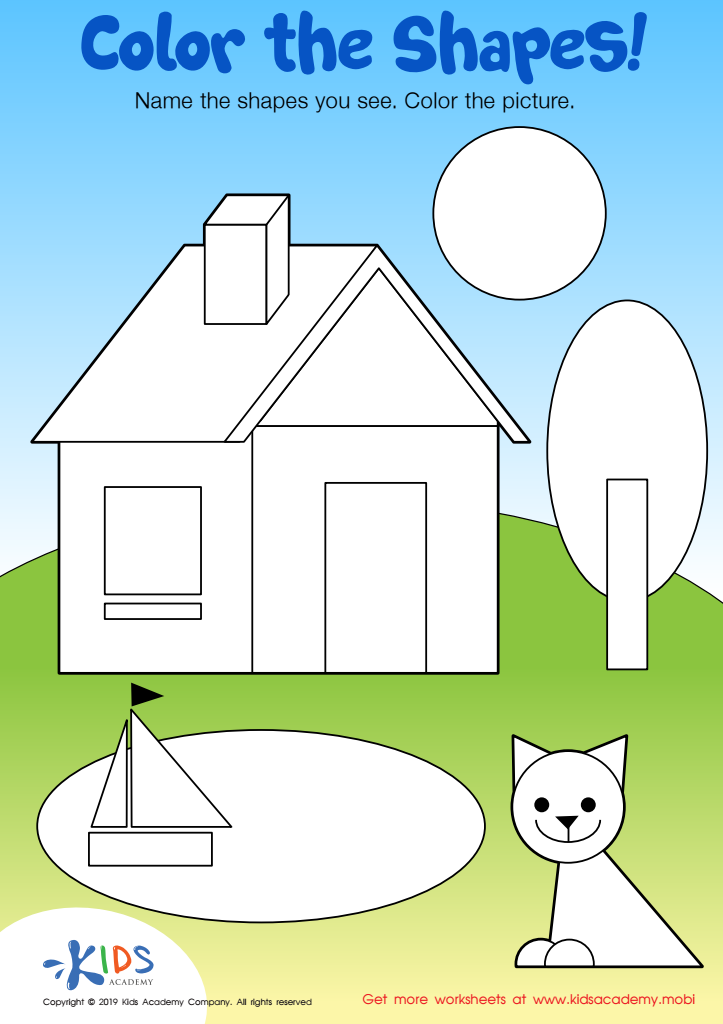
Color the Shapes Worksheet
 Assign to My Students







Shape recognition is a fundamental building block of mathematics and cognitive development for children aged 3-8. During these formative years, children begin to explore and understand their environment, and recognizing shapes plays a pivotal role in this learning process. Parents and teachers should prioritize shape recognition because it helps polish critical skills such as spatial awareness, problem-solving, and logical thinking.
Engaging with shapes enhances fine motor skills, as children manipulate different forms in various activities, from building blocks to puzzles. Additionally, recognizing shapes establishes a strong foundation for more advanced mathematical concepts, including geometry, patterns, and measurement, which they will encounter in later grades.
Moreover, shape recognition can promote language development, as children learn to describe and classify what they see, fostering communication skills. It also provides opportunities for creativity, allowing youngsters to explore artistic expression through shape-based activities.
Ultimately, understanding shapes equips children with essential life skills, provides a basis for academic success, and encourages curiosity and exploration. By nurturing shape recognition in early education, parents and teachers can help create well-rounded individuals, prepared to engage with the complexities of the world around them.








