Matching Worksheets for Ages 3-8 - Page 4
82 filtered results
-
From - To
 Assign to My Students
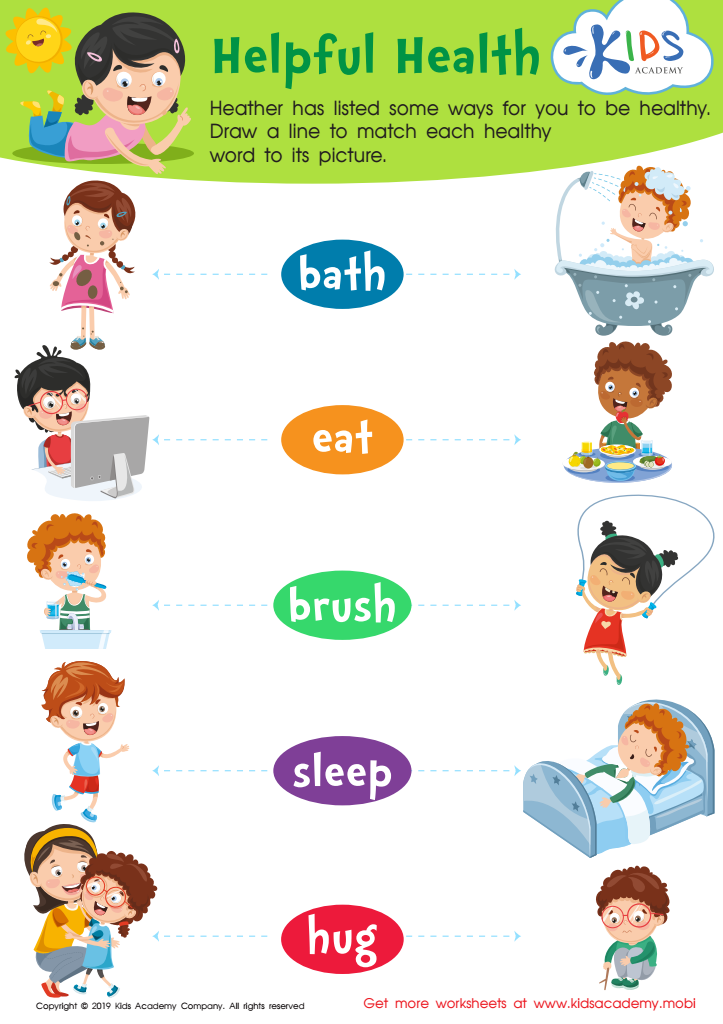
Helpful Health Worksheet
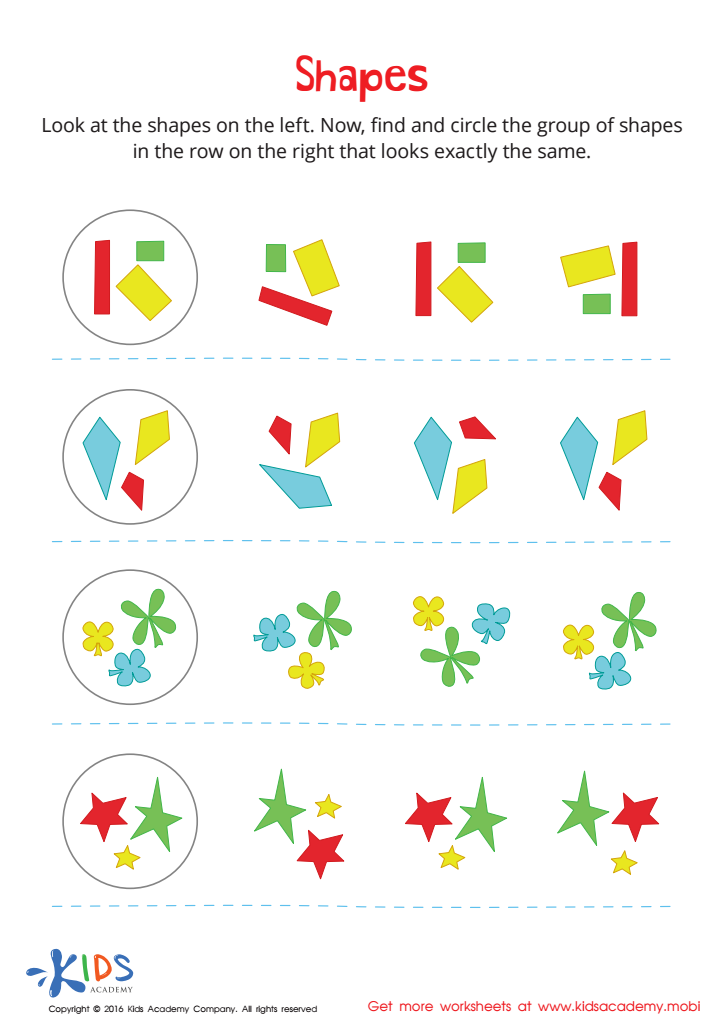
Shapes Worksheet
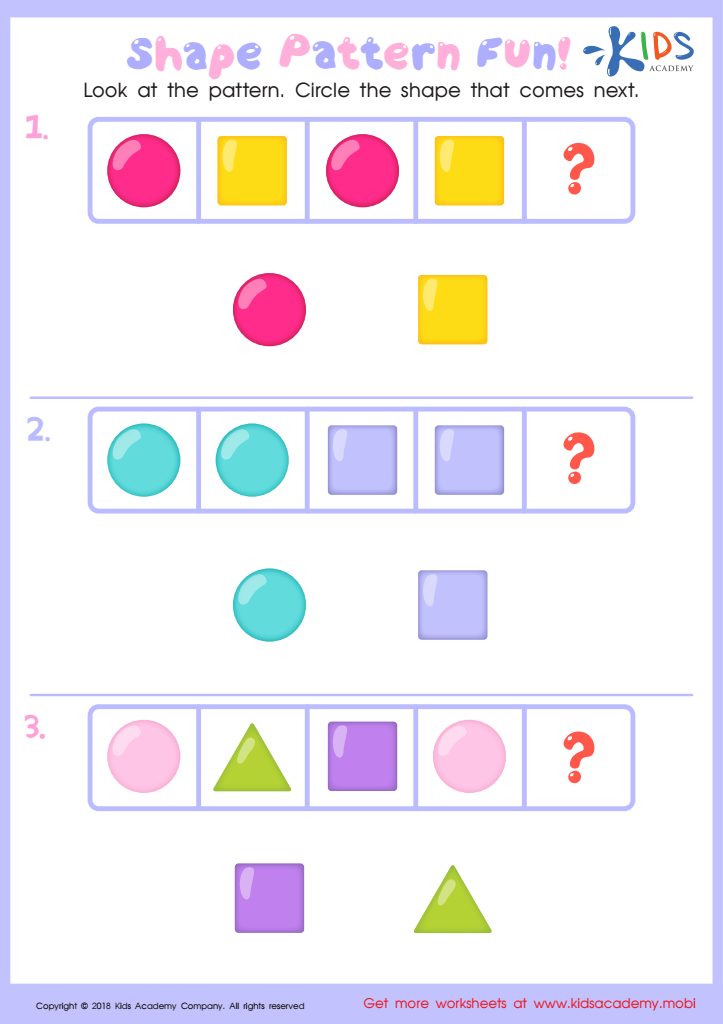
Shape Pattern Fun Worksheet
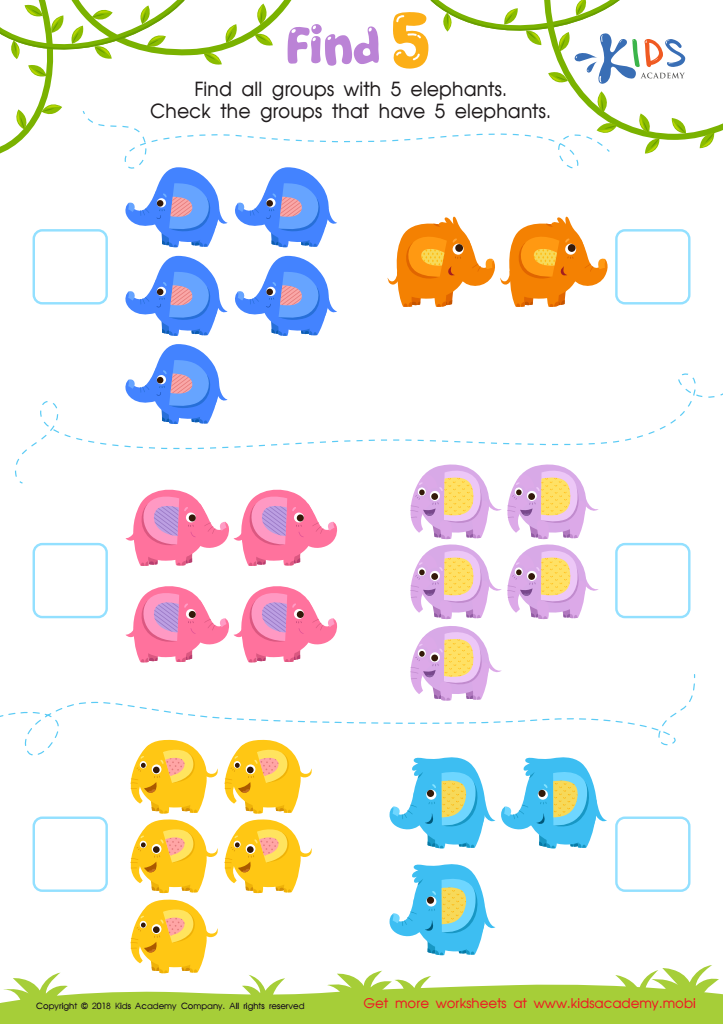
Find 5 Worksheet
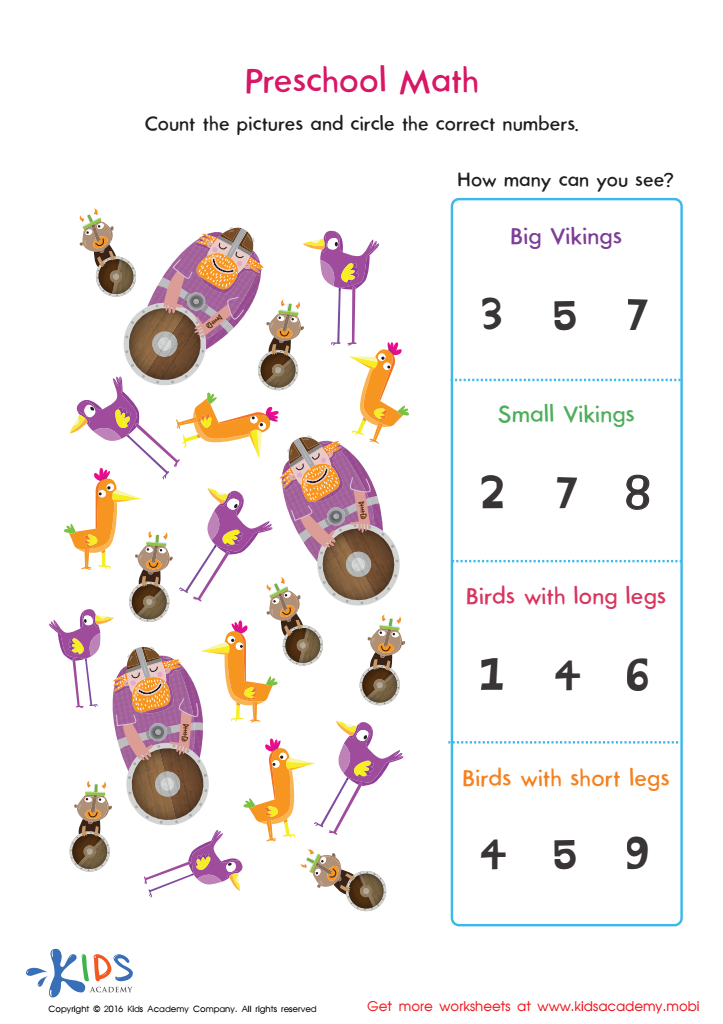
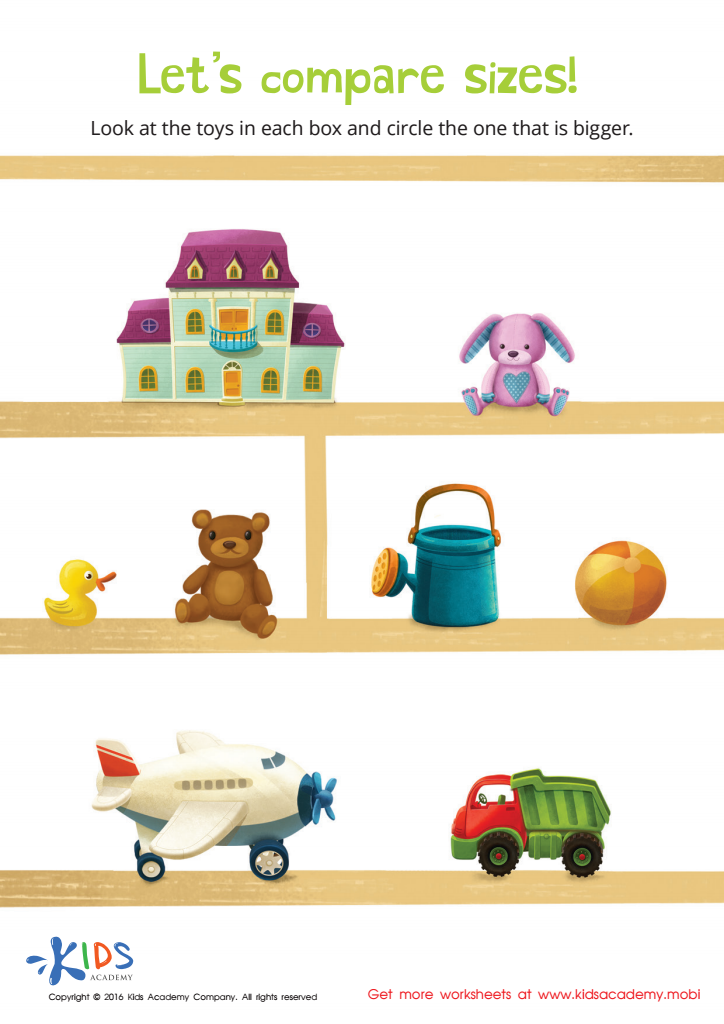
Classifying by Size Sorting Worksheet
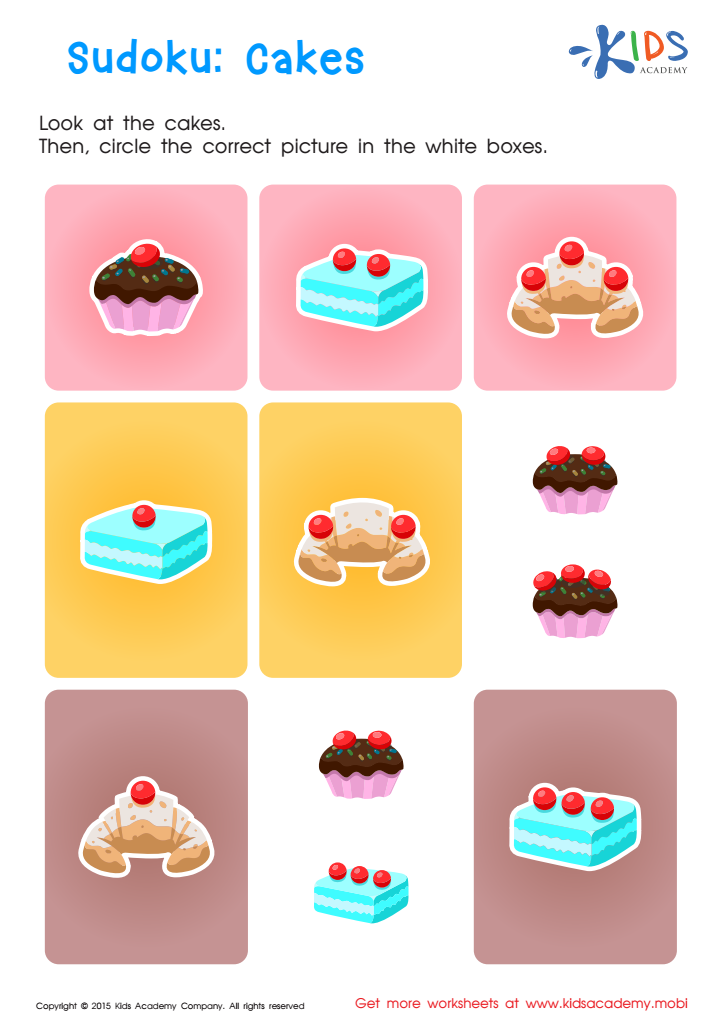
Sudoku Worksheet
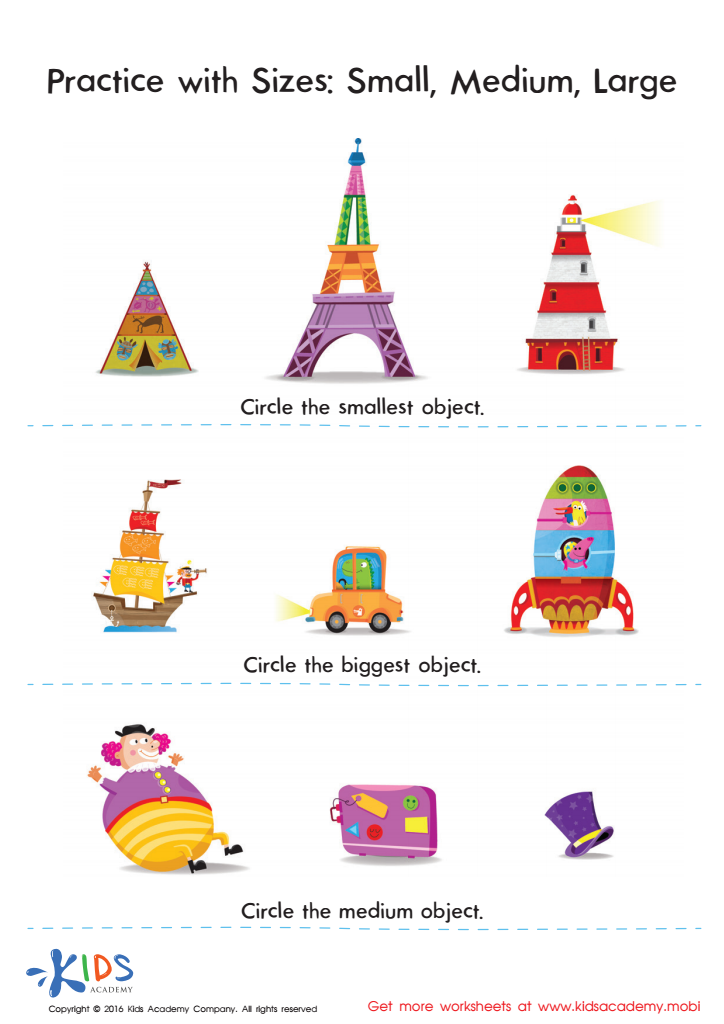








Matching for ages 3-8 is a pivotal activity that significantly enhances children's cognitive and social development. At this stage, children are naturally curious and eager to learn. Engaging them in matching activities helps strengthen their memory and recognition skills, which are foundational for literacy and numeracy. For example, when children match animals to their habitats or numbers to quantities, they develop critical thinking and problem-solving abilities that are essential in later educational experiences.
Moreover, matching games promote social interaction and collaboration among peers, fostering valuable communication skills. When children work together to solve matching challenges, they learn to share ideas, negotiate, and celebrate each other's successes, building a sense of community and emotional intelligence.
For parents and teachers, incorporating matching activities in learning routines can easily and effectively bolster children's confidence and motivation. These activities provide immediate feedback and a sense of achievement, making learning enjoyable. Overall, prioritizing matching games for children aged 3-8 lays an essential groundwork for lifelong learning, essential skills, and positive relationships, making them a worthwhile focus for caregivers and educators alike.








