
Animal identification Plants and Animals Worksheets for Ages 3-8
5 filtered results
Difficulty Level
Grade
Age
-
From - To
Subject
Activity
Standards
Introduce your child to the wonderful world of wildlife with our Animal Identification Plants and Animals Worksheets designed for ages 3-8. These engaging and educational printables, available on Kids Academy, help young learners recognize various animals and plants through fun activities. Perfect for early science education, these worksheets improve observational skills, vocabulary, and understanding of nature. Colorful illustrations and interactive exercises make learning exciting and effective. Enhance your child’s knowledge of the natural world while keeping them entertained. Download our Animal Identification Worksheets today and watch your little ones show their curiosity and love for all things green and wild!
Favorites
With answer key
Interactive
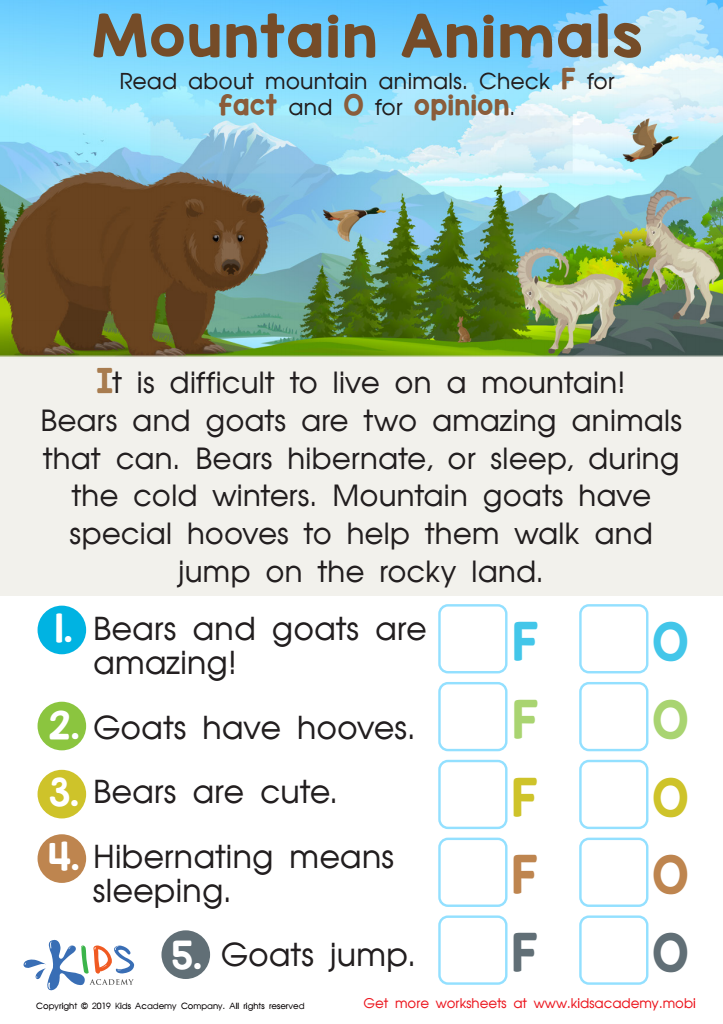
Mountain Animals Worksheet
Is mountain wildlife amazing? Fact or fiction? Help your child sharpen critical-thinking skills with this engaging worksheet. Featuring a fun nonfiction passage about animals like bears and goats, your child will read through the text and identify each statement as fact or fiction. Perfect for boosting reading comprehension and analytical abilities!
 Assign to My Students
Mountain Animals Worksheet
Worksheet











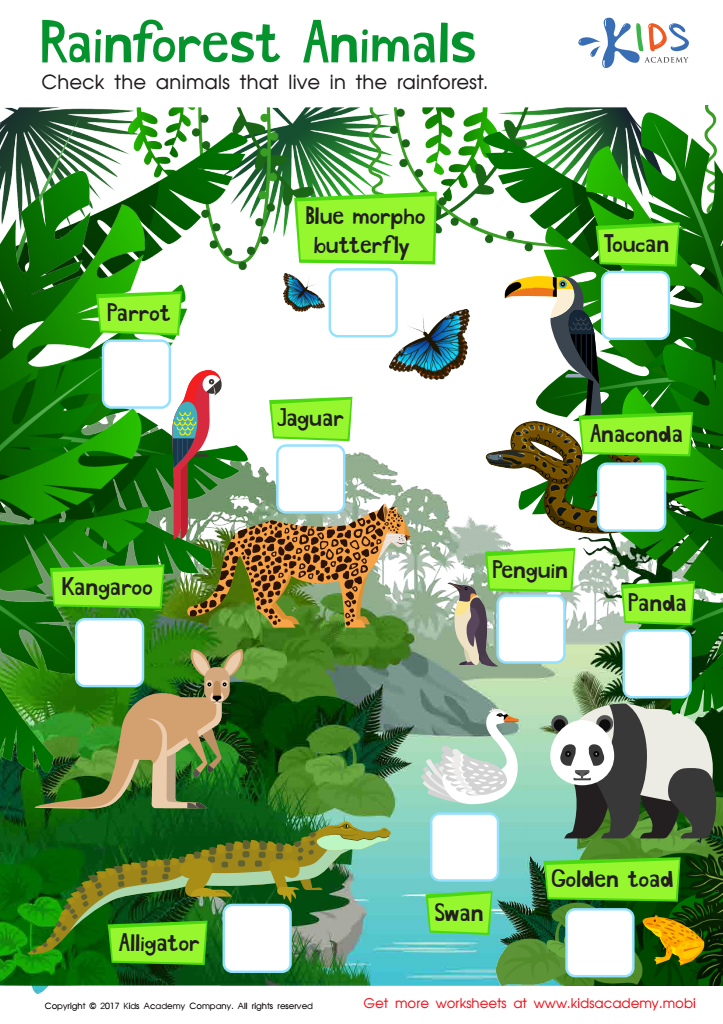
Rainforest Animals Worksheet
Kids love the bright, vivid pics of rainforest animals in this worksheet. It fuels their interest in life science and brings joy to their learning. It encourages them to study these animals in detail.
Rainforest Animals Worksheet
Worksheet
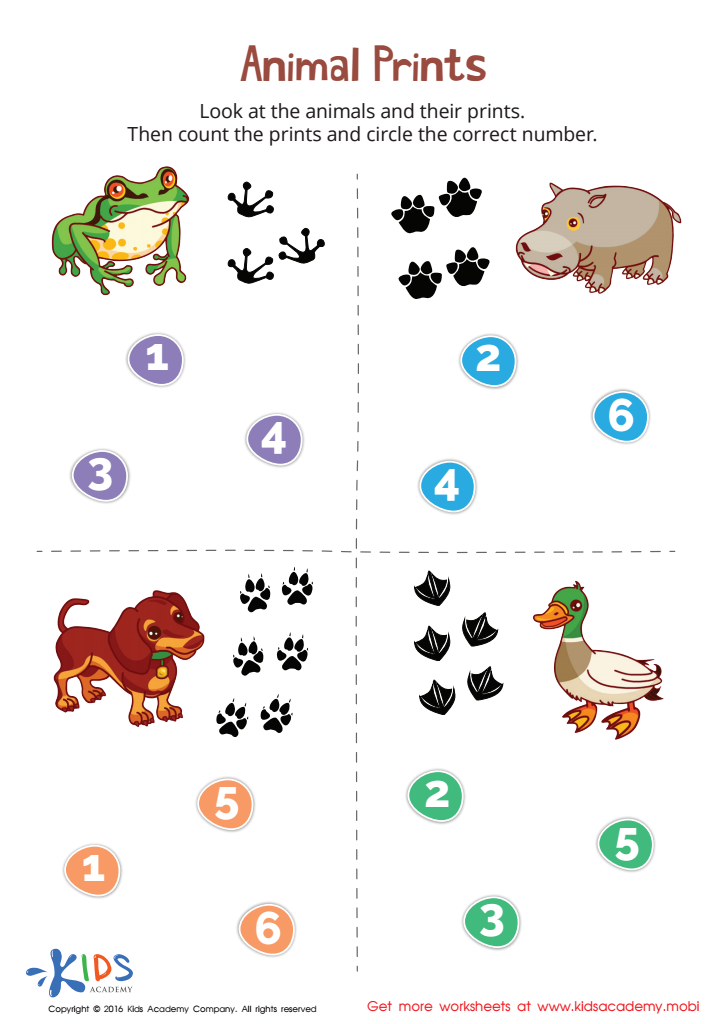
Animal Prints Match-Up Worksheet
Help your little learner build early math skills with this fun animal paw prints worksheet. With it, they'll count, recognize numbers, and learn about the animals that make the paw prints. Talk to them about the prints and ask them to count. They'll love exploring and learning about the different animals, all while sharpening essential math skills!
Animal Prints Match-Up Worksheet
Worksheet
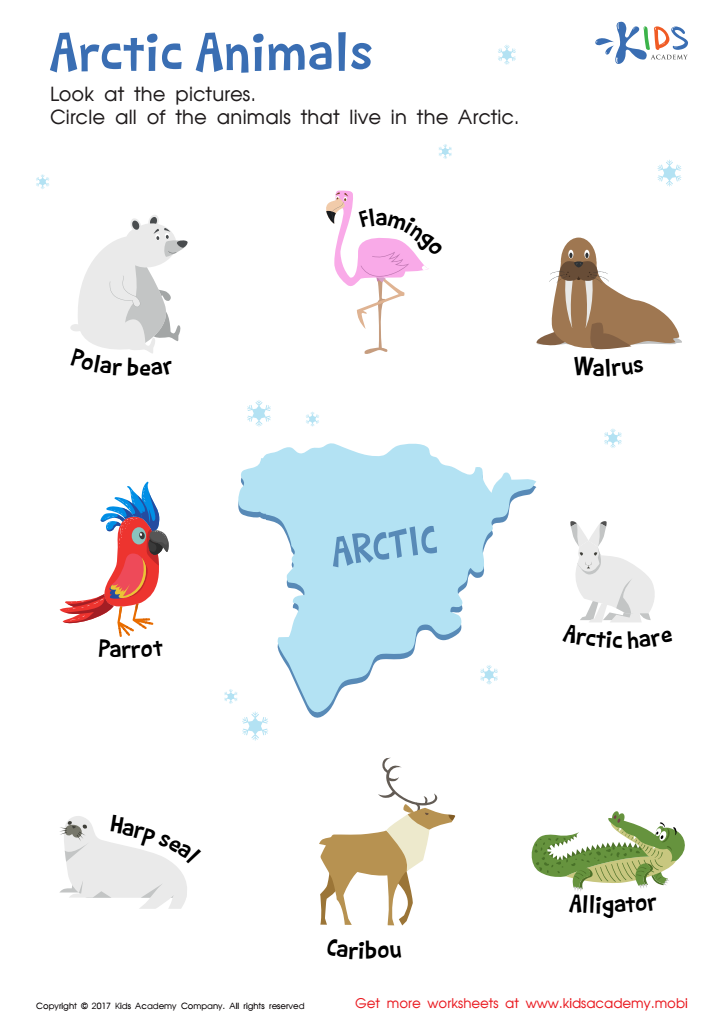
Arctic Animals Worksheet
Kids love animals and this worksheet is a great way to teach them where they live. It reinforces classification skills and introduces new animals, like the Arctic hare. Use it to discuss the Arctic climate and how these animals live, then ask your child where other animals live to keep the conversation going.
Arctic Animals Worksheet
Worksheet
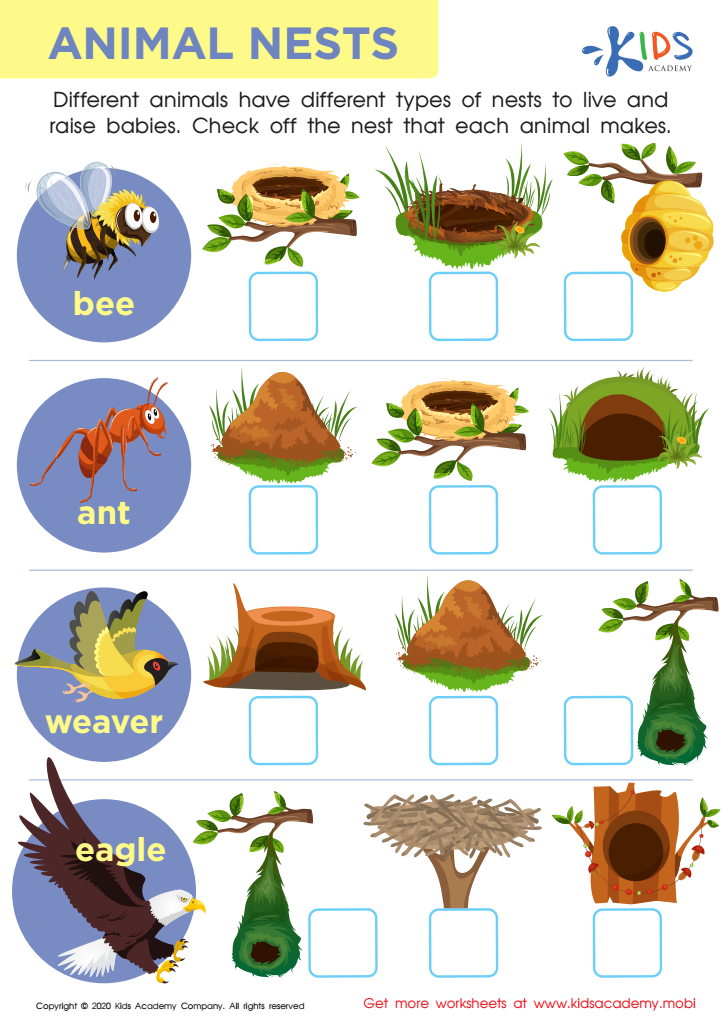
Animal Nests Worksheet
Animals need homes to sleep and stay safe. Look at the animal on the left and examine the nests and hives to the right. Check off the correct one for each animal to complete the worksheet! From birds to bees, it's a great way to show different types of homes animals make!
Animal Nests Worksheet
Worksheet
Join Kids Academy for Free
Who is primarily going to use this learning content?








Parents and teachers play an essential role in fostering a love for nature in children aged 3-8, and teaching animal and plant identification is a key component of this early education. At these formative ages, children's brains are highly receptive, easily absorbing new information. By learning to identify various plants and animals, they not only expand their vocabulary but also develop observational skills and an appreciation for biodiversity.
This foundational knowledge cultivates environmental stewardship from a young age. Children who can name and recognize different species are more likely to develop an emotional connection to the natural world, driving a lifelong commitment to its preservation. Additionally, engaging with nature offers invaluable mental and physical benefits. Outdoor activities promote curiosity, encourage physical fitness, and reduce stress through exposure to natural settings.
Furthermore, the hands-on learning experience of identifying herbs, trees, birds, and insects encourages the development of critical thinking and problem-solving skills. When children question why a leaf is a certain shape or why a bird sings a particular song, they begin to think like little scientists, laying the groundwork for more complex learning in the future.
In short, by teaching children about plants and animals, parents and teachers not only enhance children's cognitive development but also instill an enduring sense of wonder and responsibility towards the natural world.








