Space Worksheets for Ages 3-8 - Page 2
43 filtered results
-
From - To
 Assign to My Students
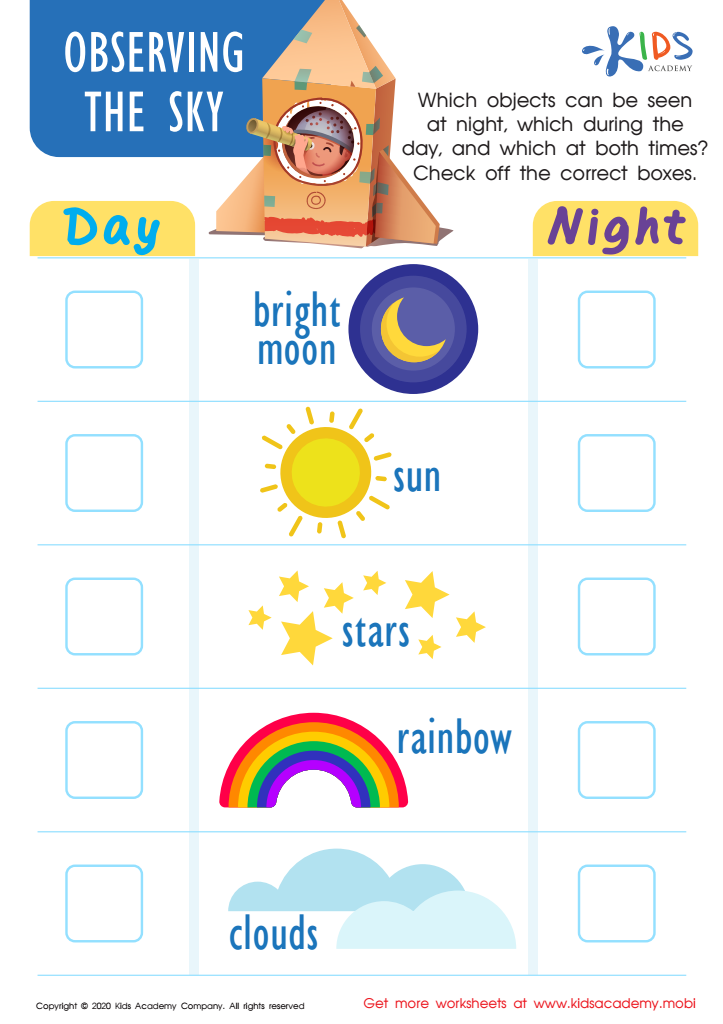
Observing the Sky Worksheet
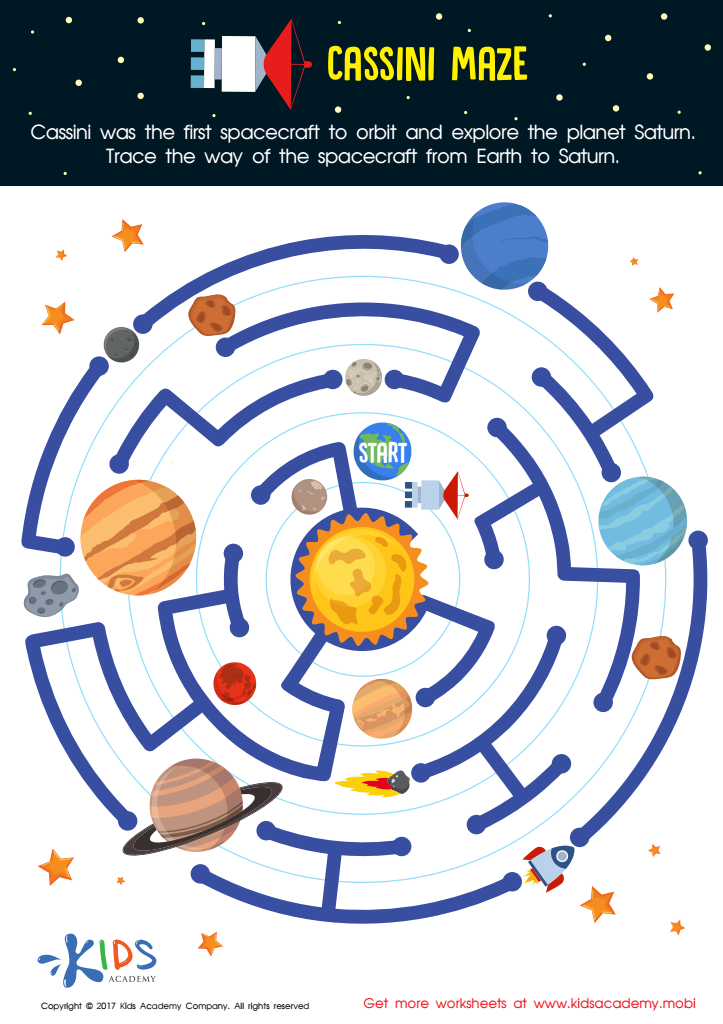
Cassini Printable Worksheet
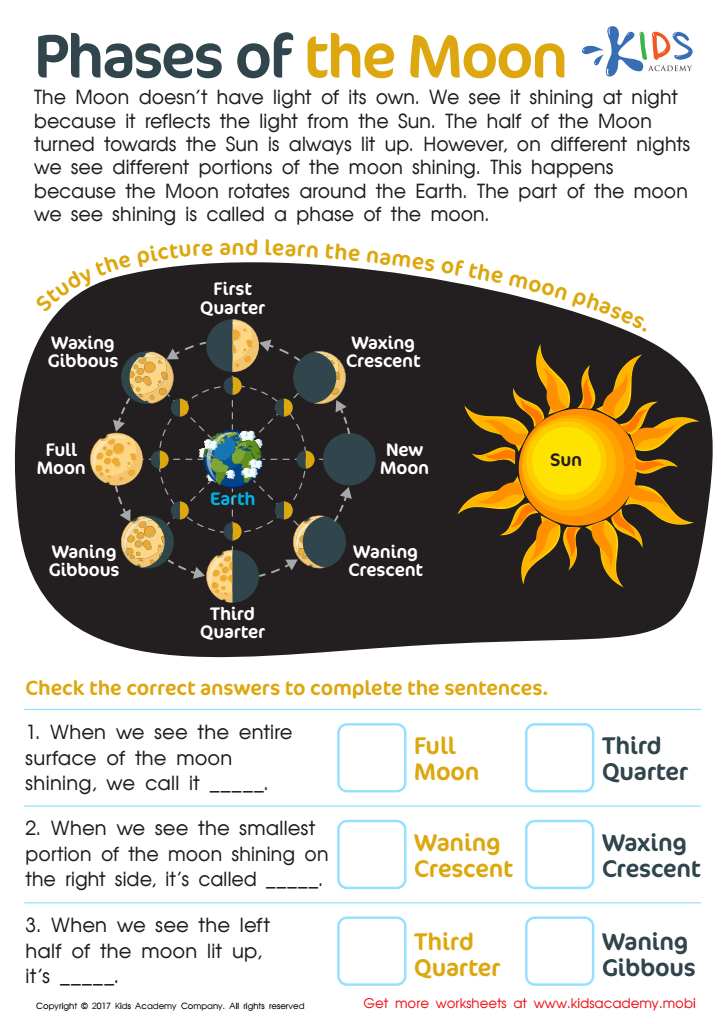
Phases of The Moon Worksheet
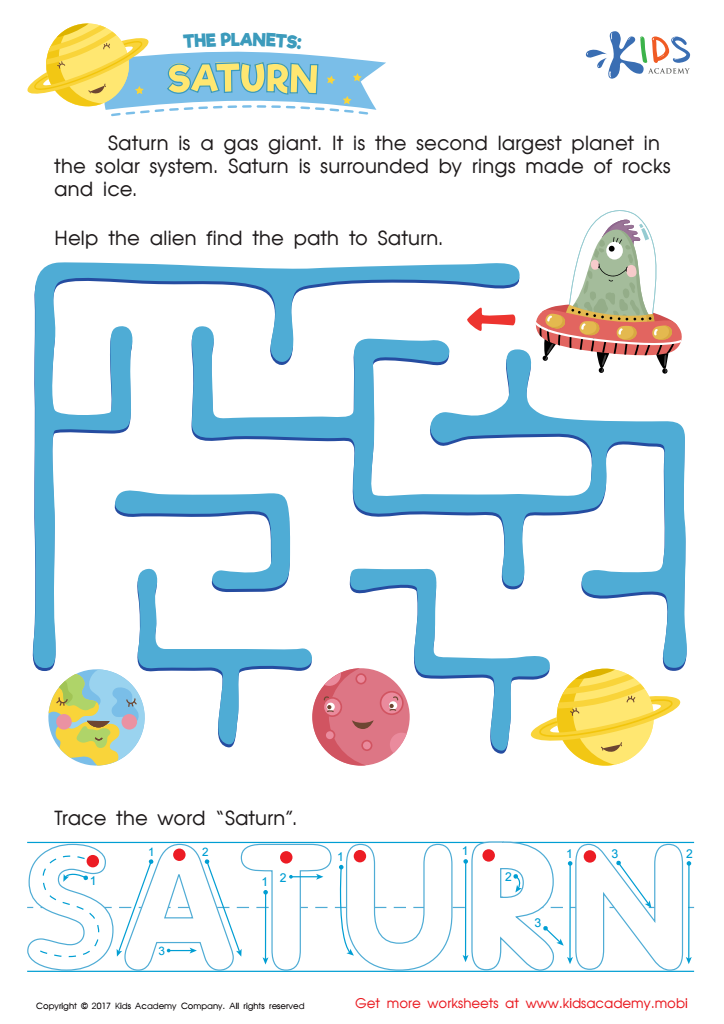
The Planets: Saturn Printable
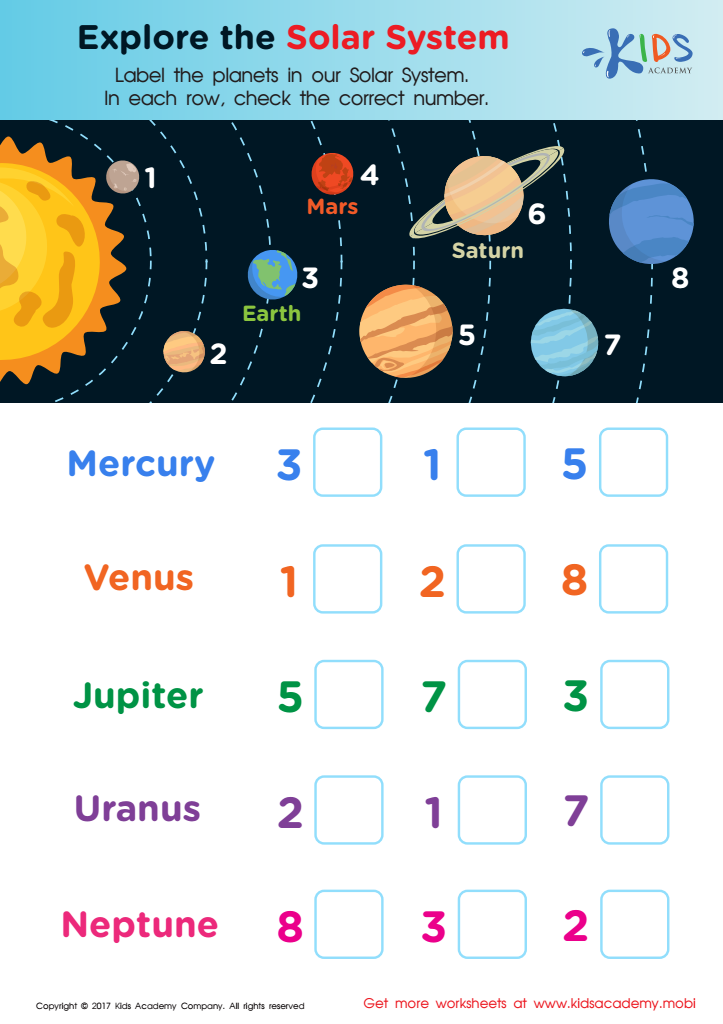
Solar System Planets Worksheet
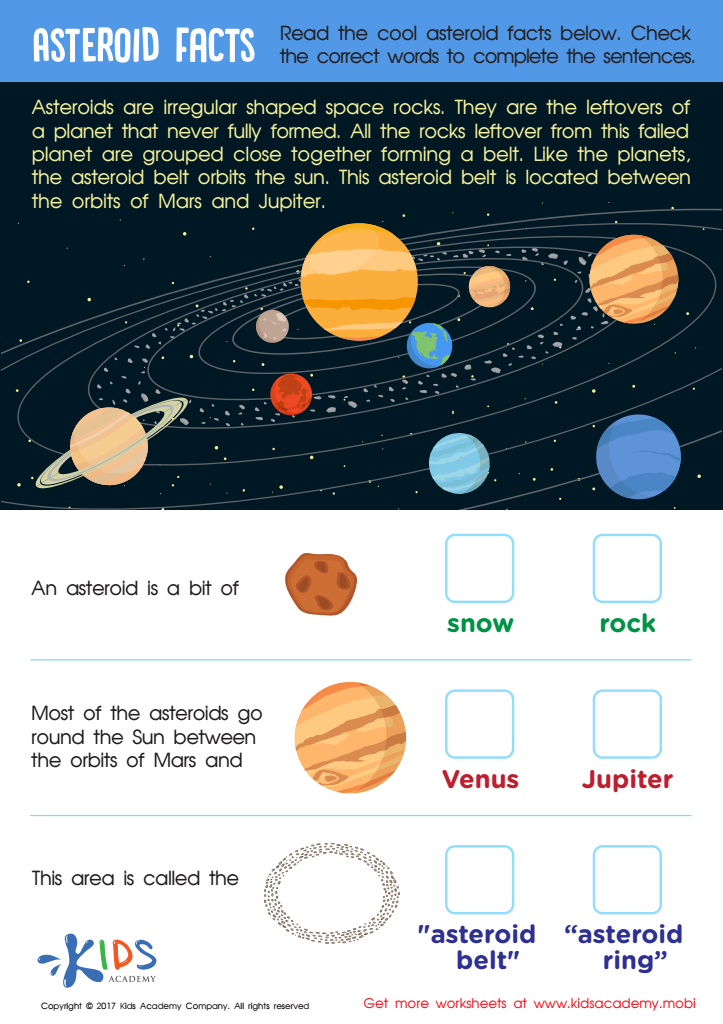
Asteroid Facts Worksheet
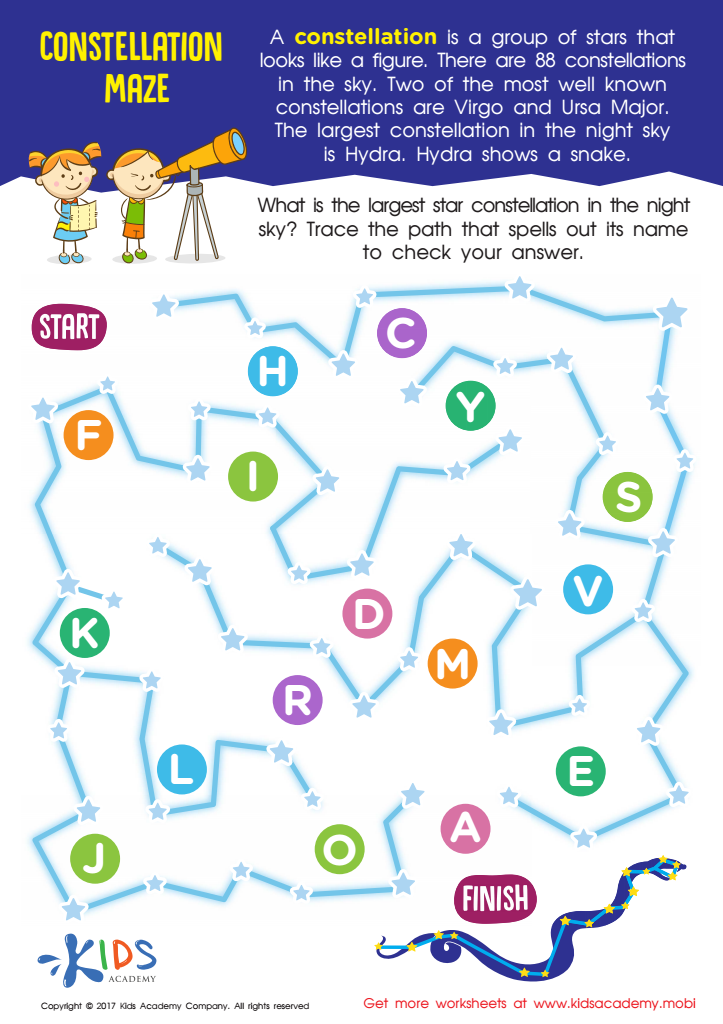
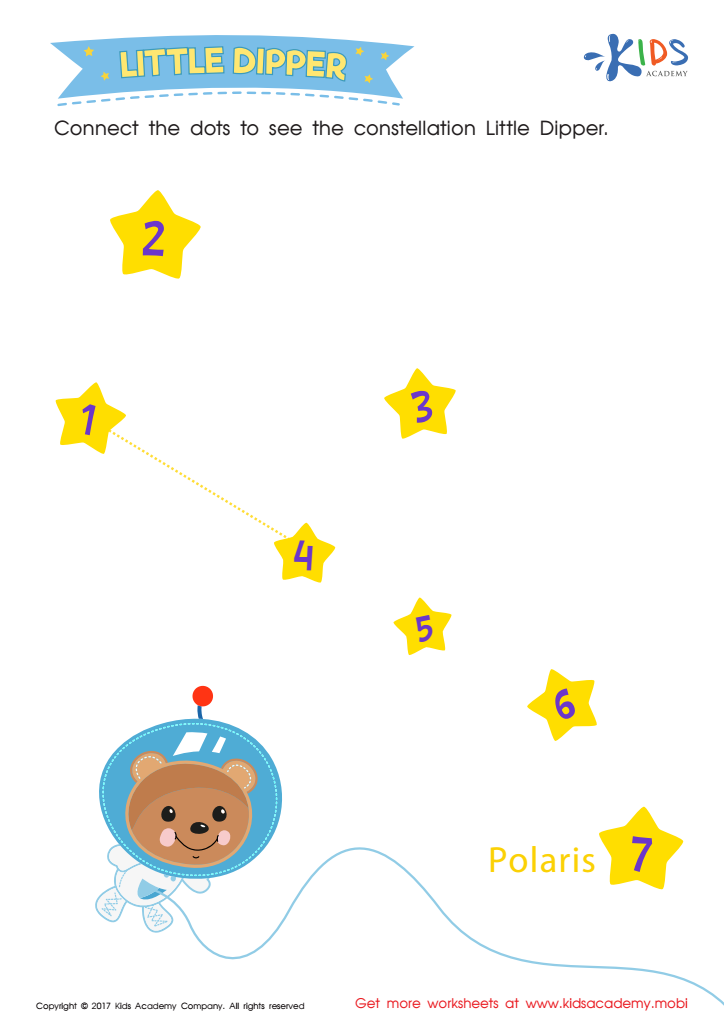
Constellations Worksheet
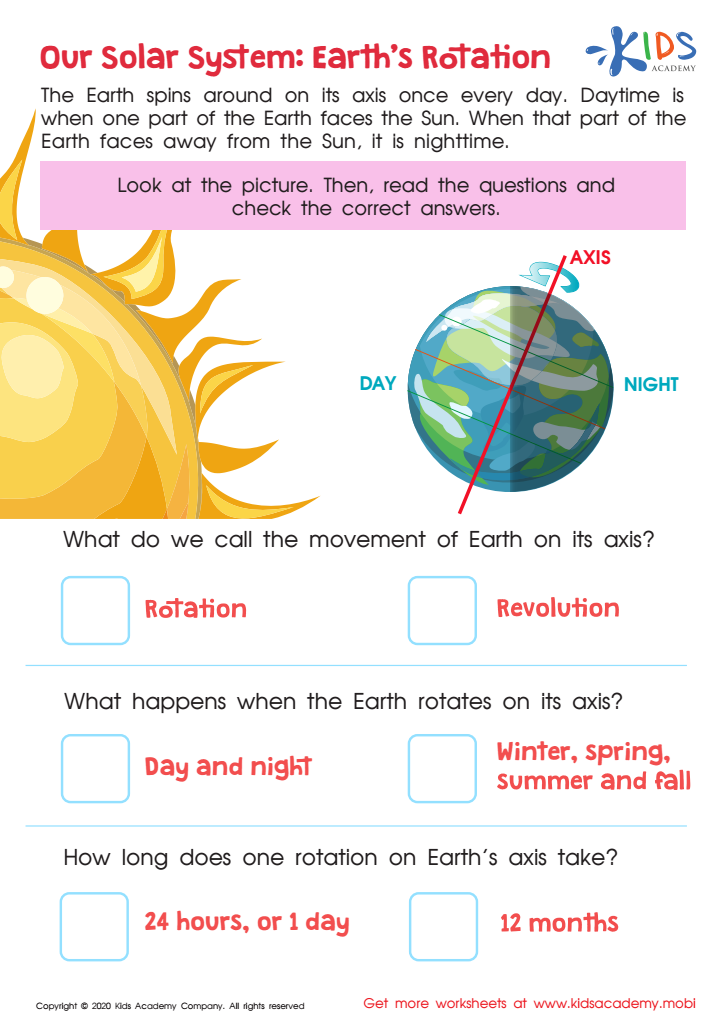
Our Solar System: Earth's Rotation Printable
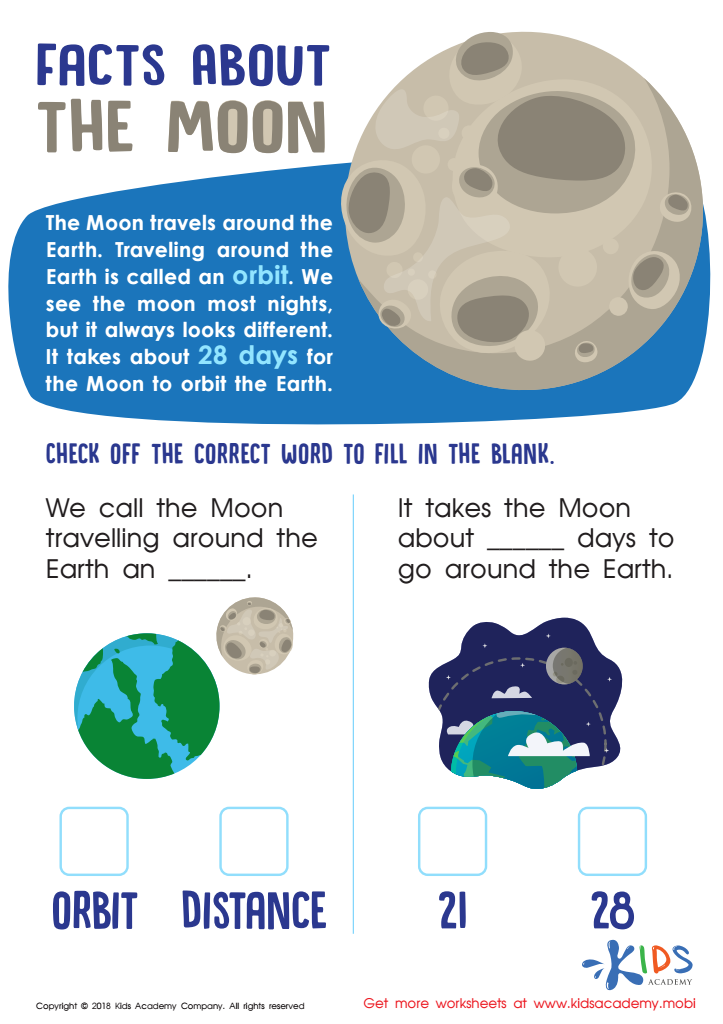
Facts About the Moon Worksheet
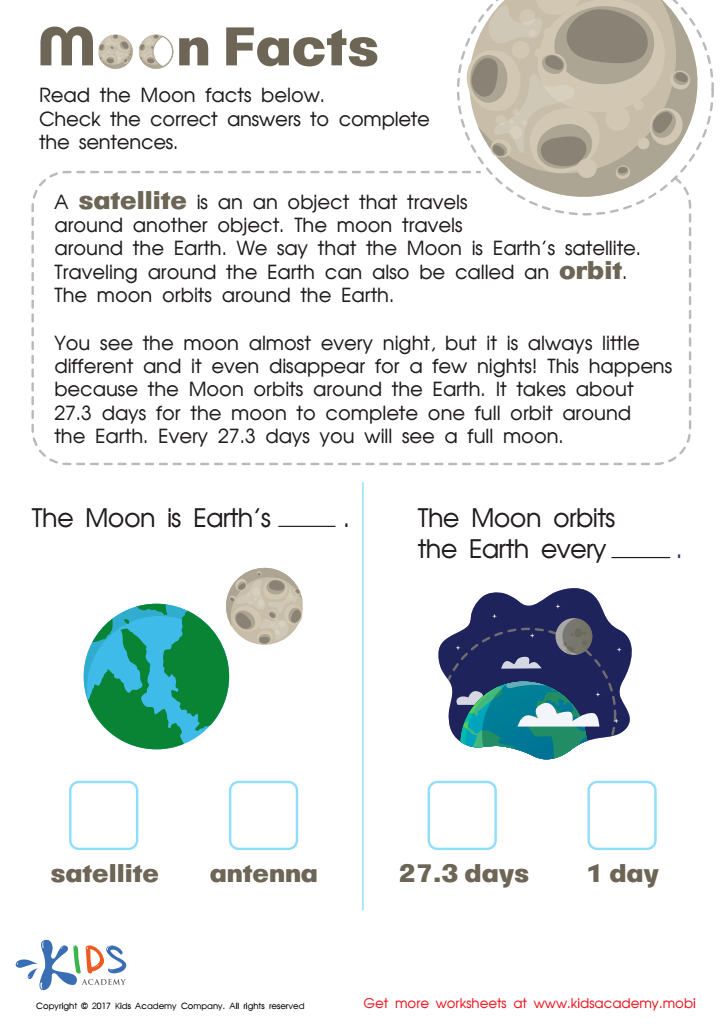
Moon Facts Worksheet
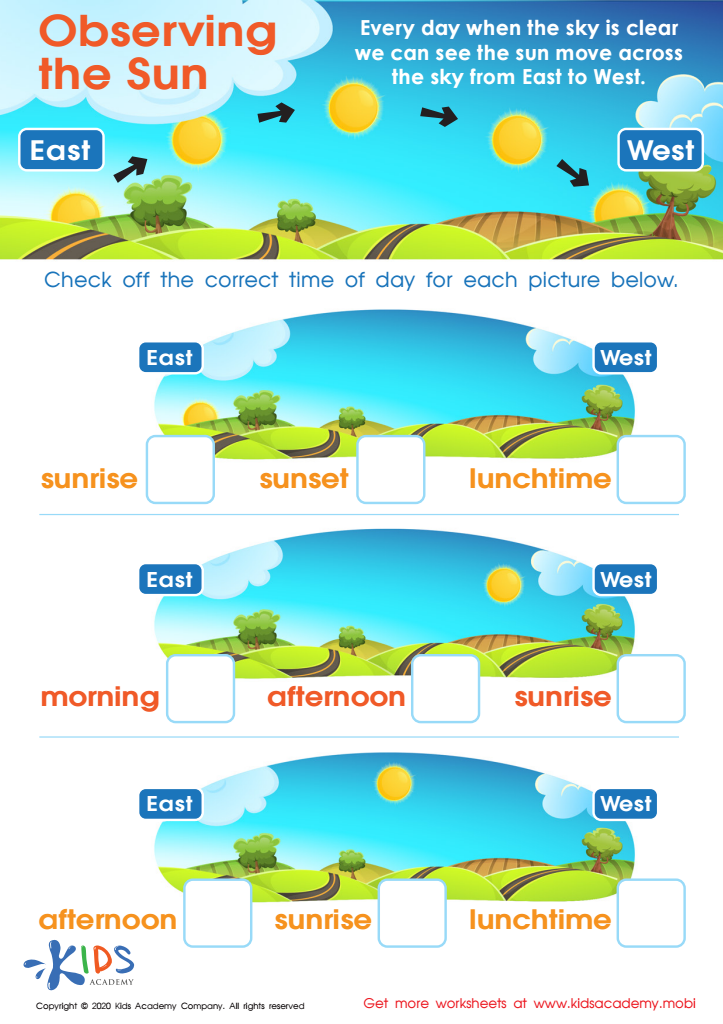
Observing the Sun Worksheet
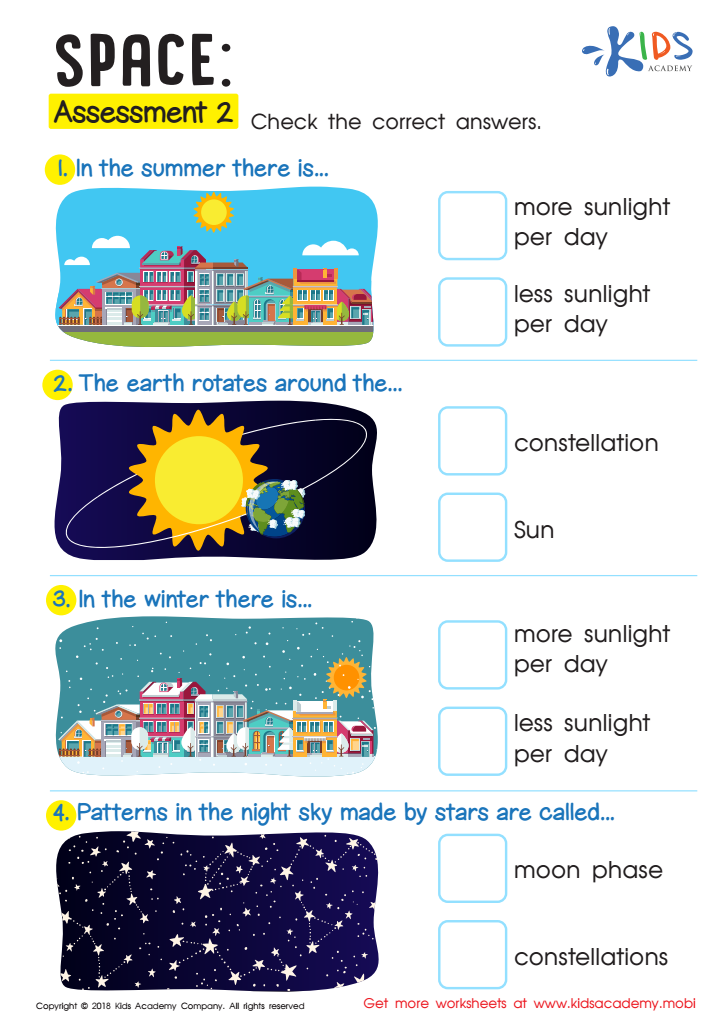
Space: Assessment 2 Worksheet
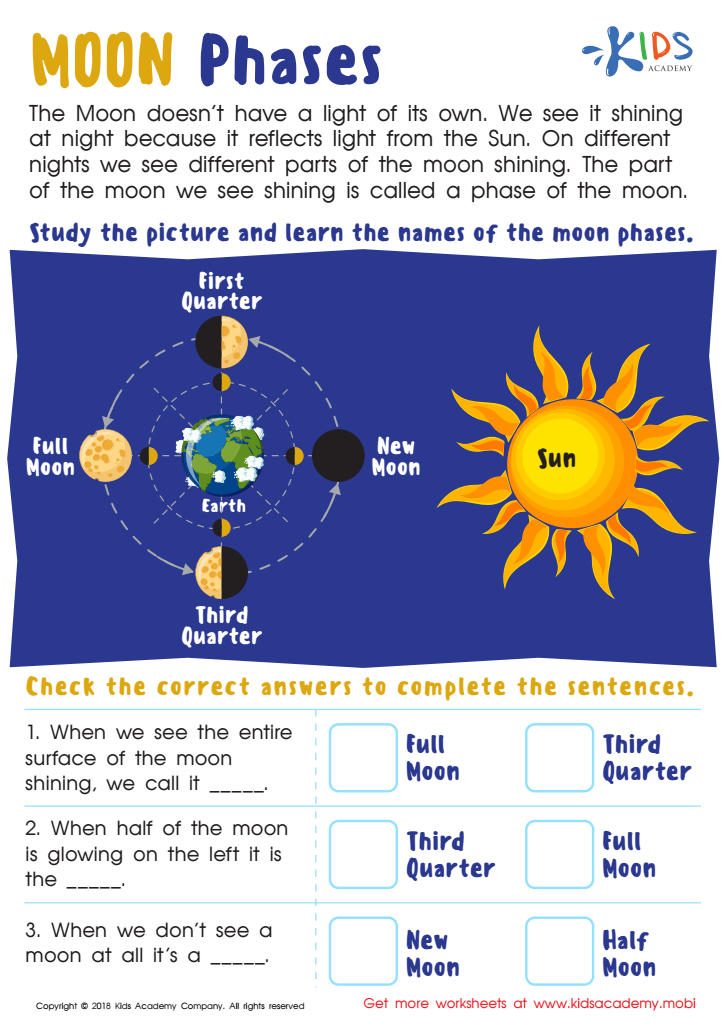
Moon Phases Worksheet
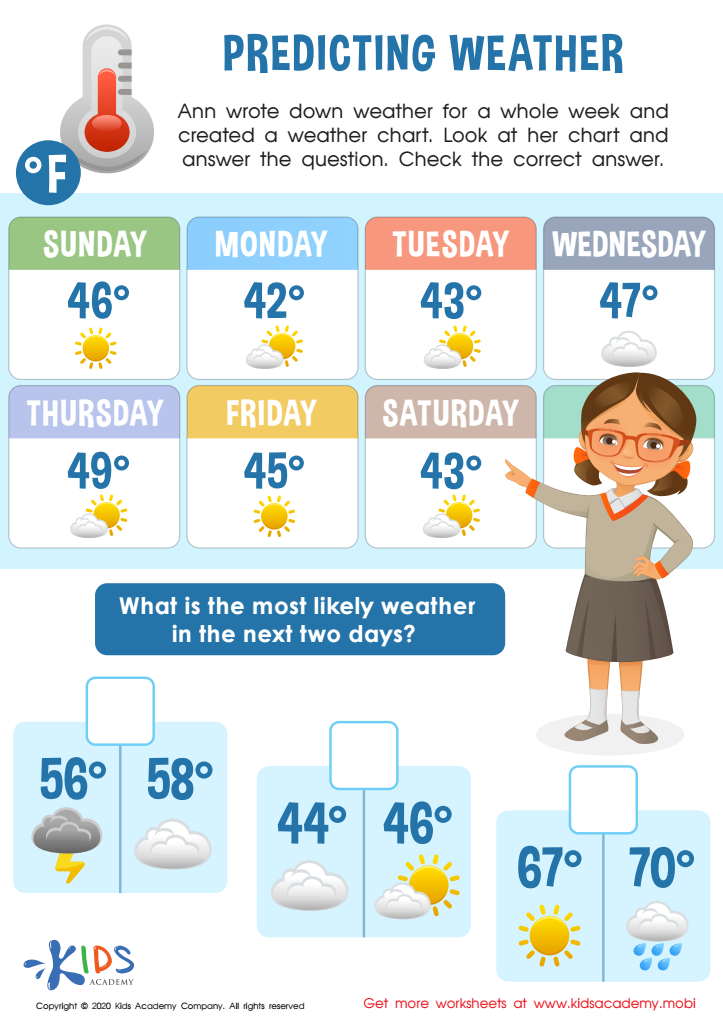
Predicting Weather Worksheet
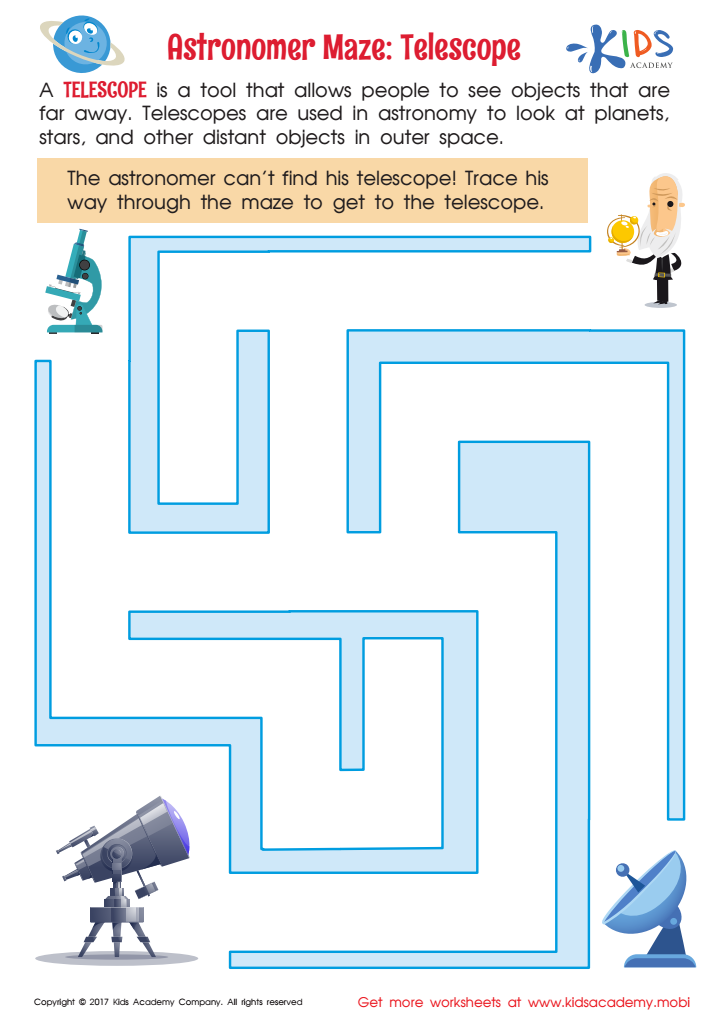
Astronomer Maze: Telescope Worksheet
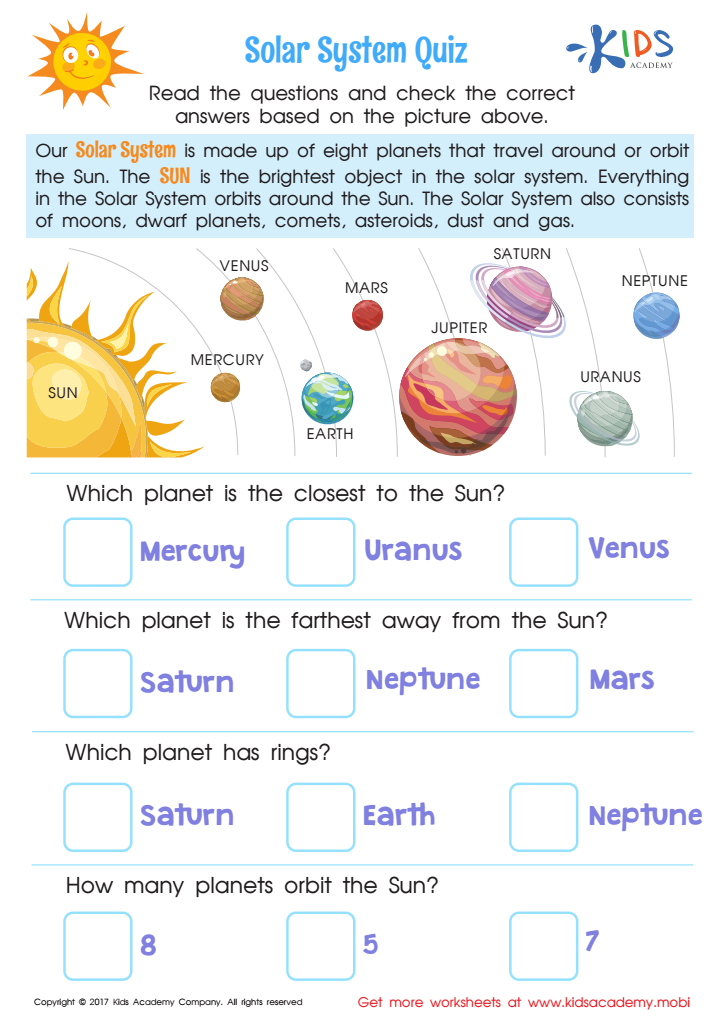
Solar System Quiz Printable
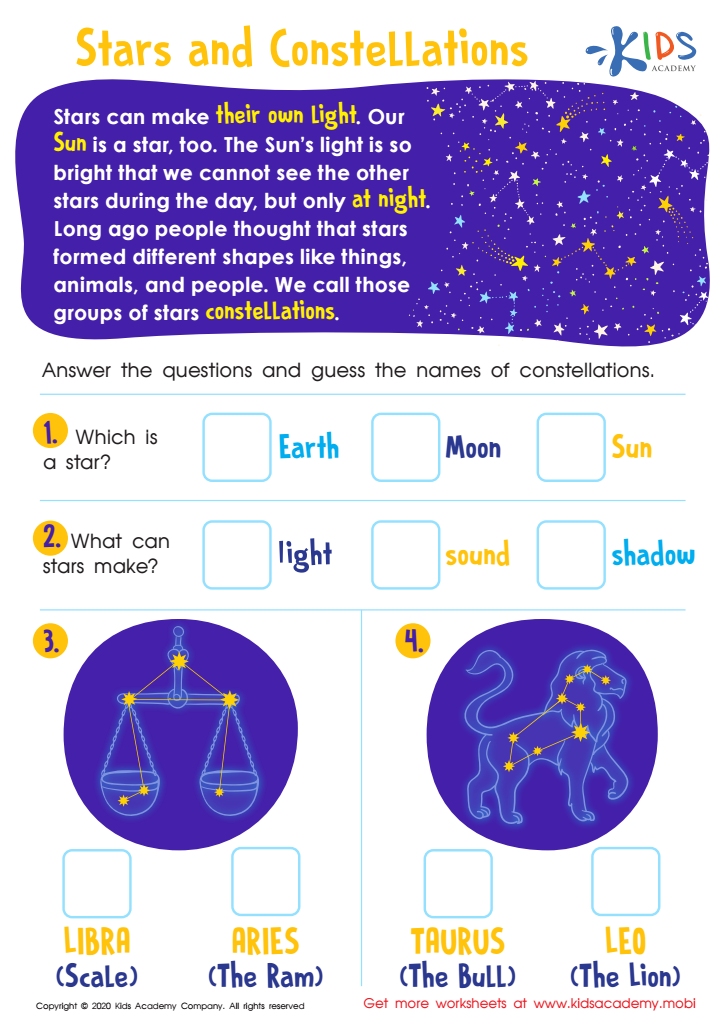
Stars and Constellations Worksheet
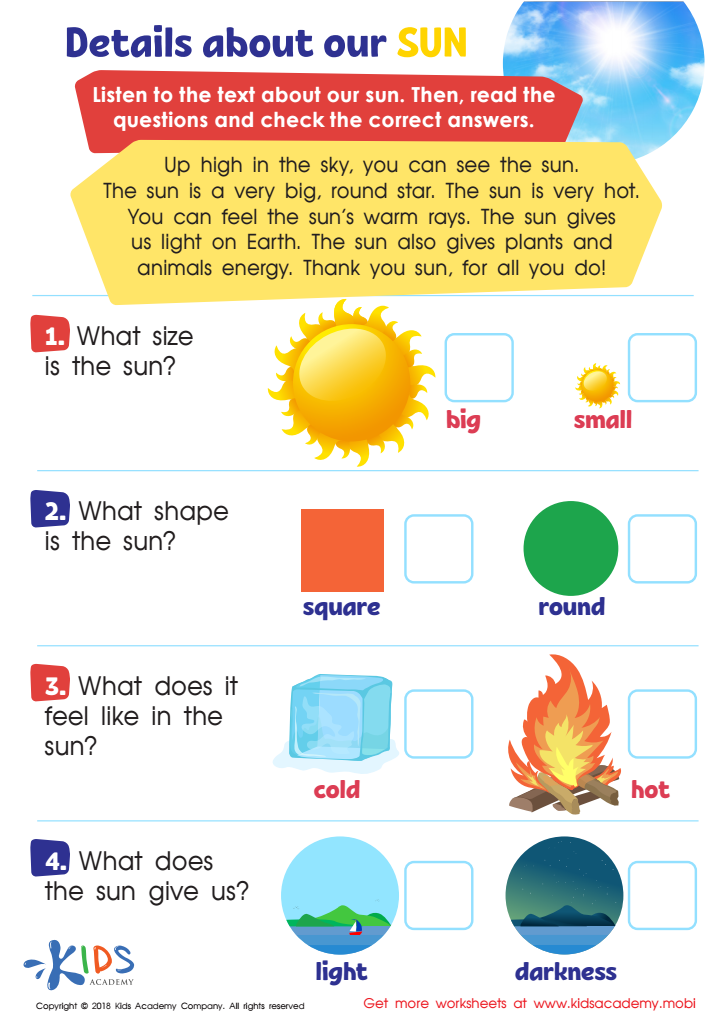
Details About Our Sun Worksheet



.jpg)



Space education is crucial for children aged 3-8 as it ignites their natural curiosity and broadens their understanding of the universe. At this young age, children are incredibly inquisitive, eager to explore and make sense of the world around them. Introducing the concept of space fosters a sense of wonder, helping them to ask questions about planets, stars, and the universe, which in turn promotes critical thinking skills.
Learning about space can enhance various developmental areas, including STEM (science, technology, engineering, and mathematics) awareness, language development, and social skills through collaborative projects. Utilizing engaging activities like storytelling, crafts, and imaginative play, educators and parents can inspire young learners to become enthusiastic about science.
Moreover, space education nurtures a sense of connection and curiosity about their place in the universe, encouraging children to dream big and aspire to careers in science and technology. By cultivating a love for space and exploration early on, parents and teachers can help lay the foundation for lifelong learning and encouragement of stewardship of our planet and beyond. Engaging in such themes promotes not just academic growth, but also social-emotional development by fostering a sense of belonging to something larger than themselves.







