Vocabulary expansion Phonics Worksheets for Ages 3-9 - Page 2
58 filtered results
-
From - To
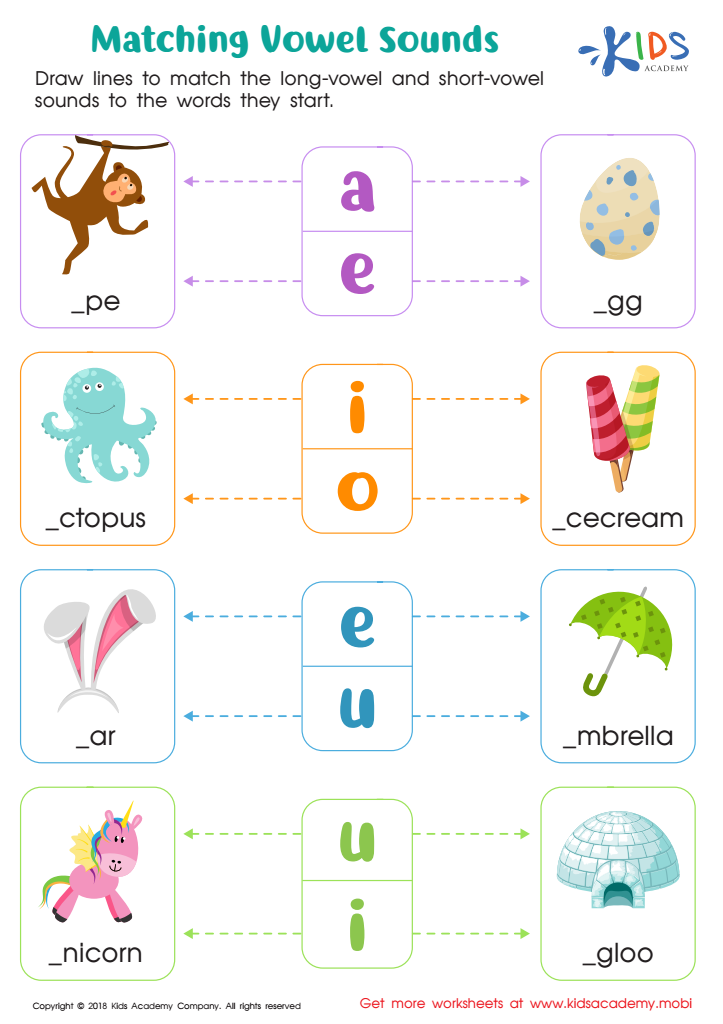
Matching Vowel Sounds Worksheet
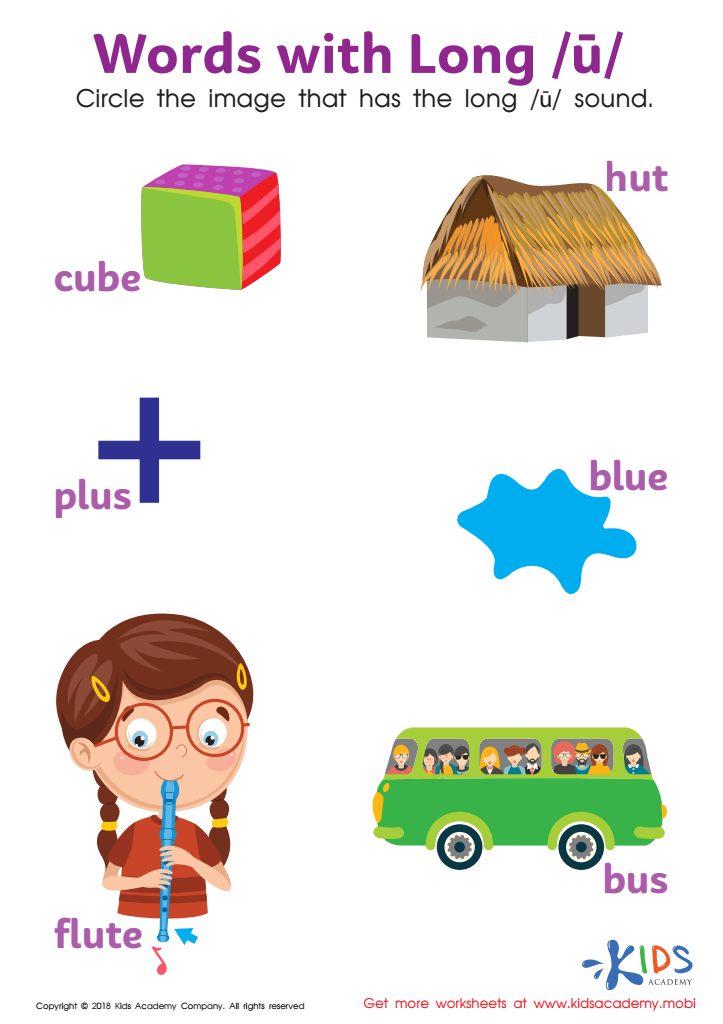
Words with Long U Reading Worksheet
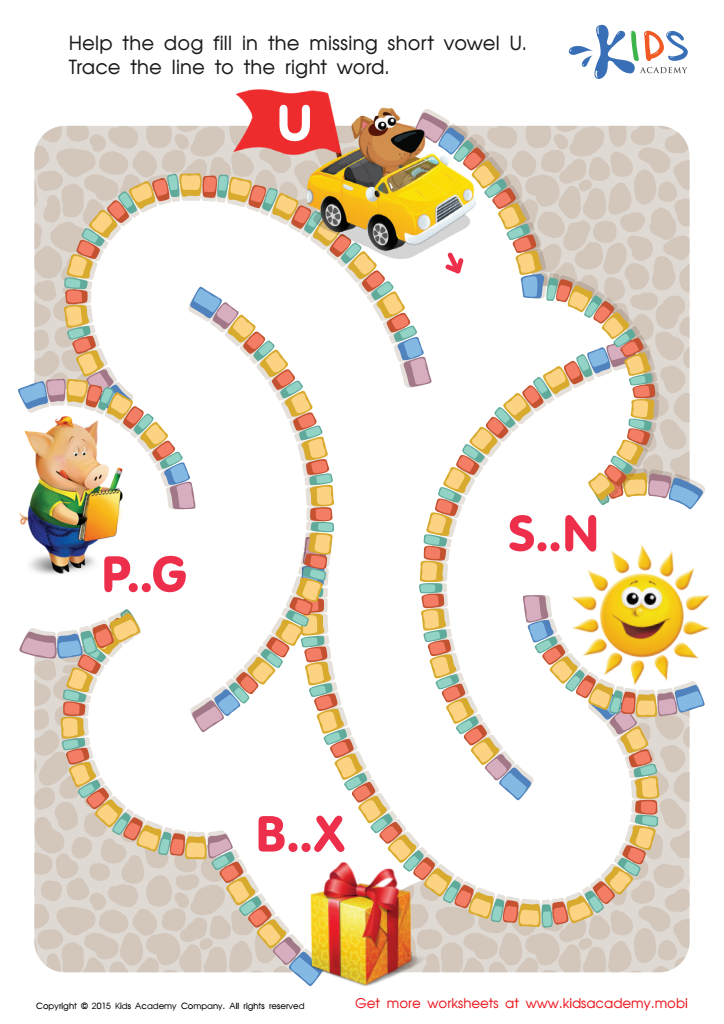
Short Vowel Sound U Worksheet
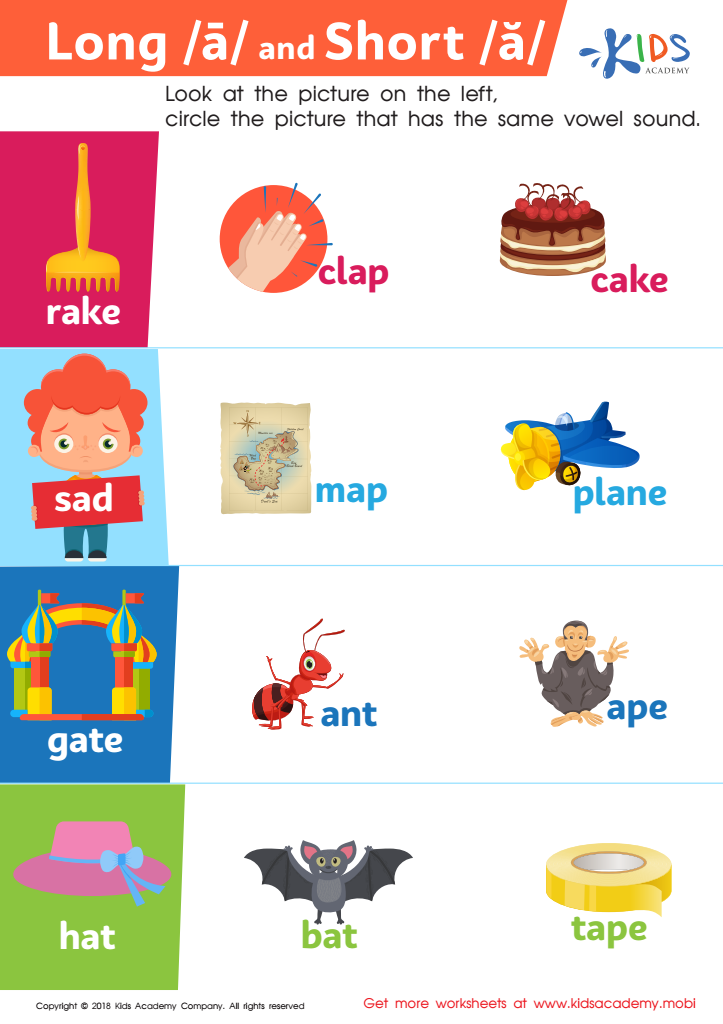
Reading: Long a and Short a Worksheet
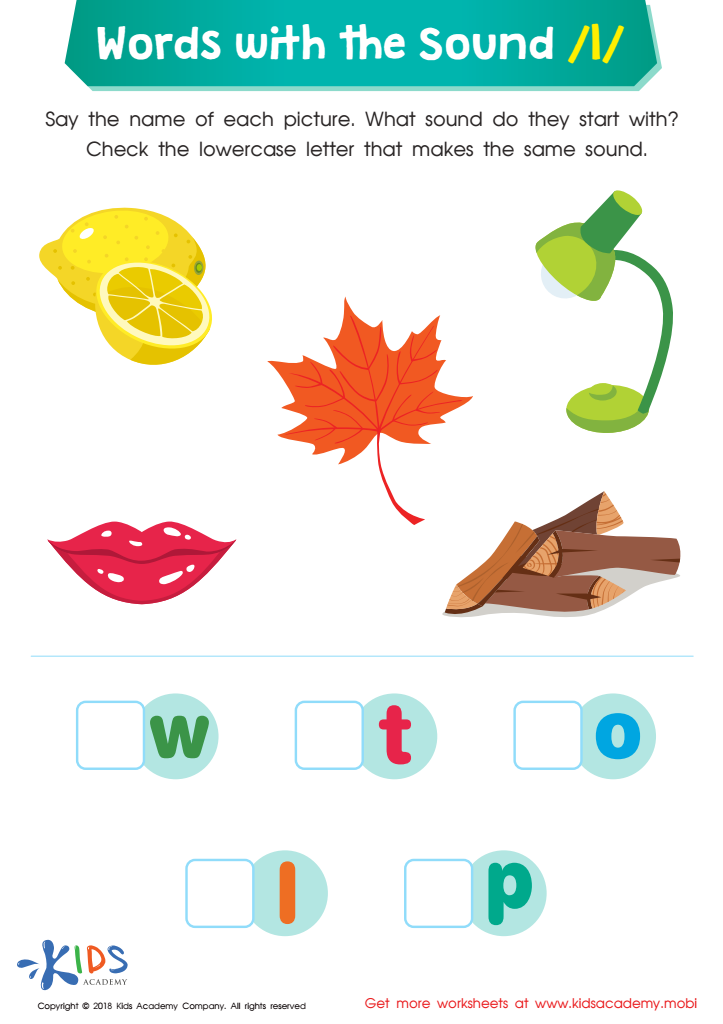
Words with Sound L Reading Worksheet
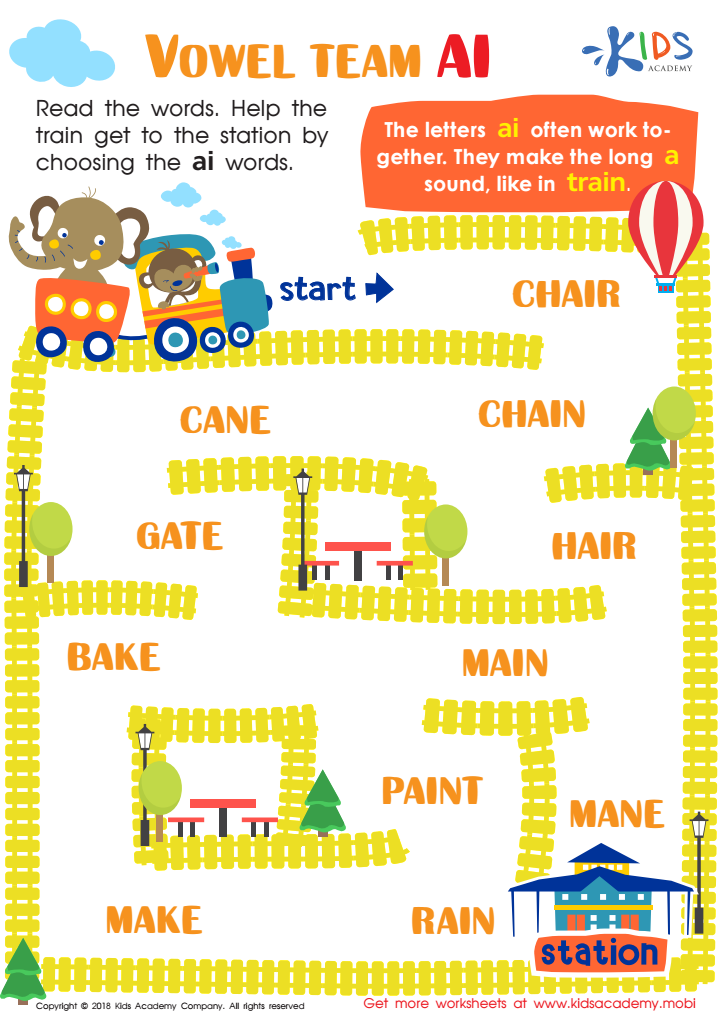
Vowel team ai Worksheet
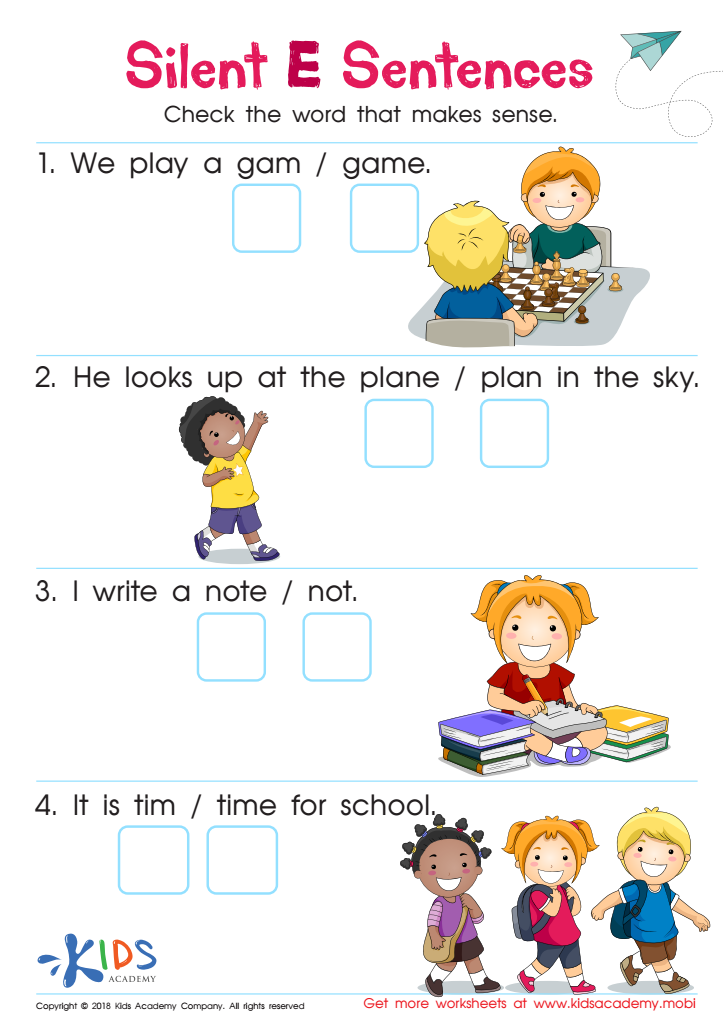
Silent E Sentences Worksheet
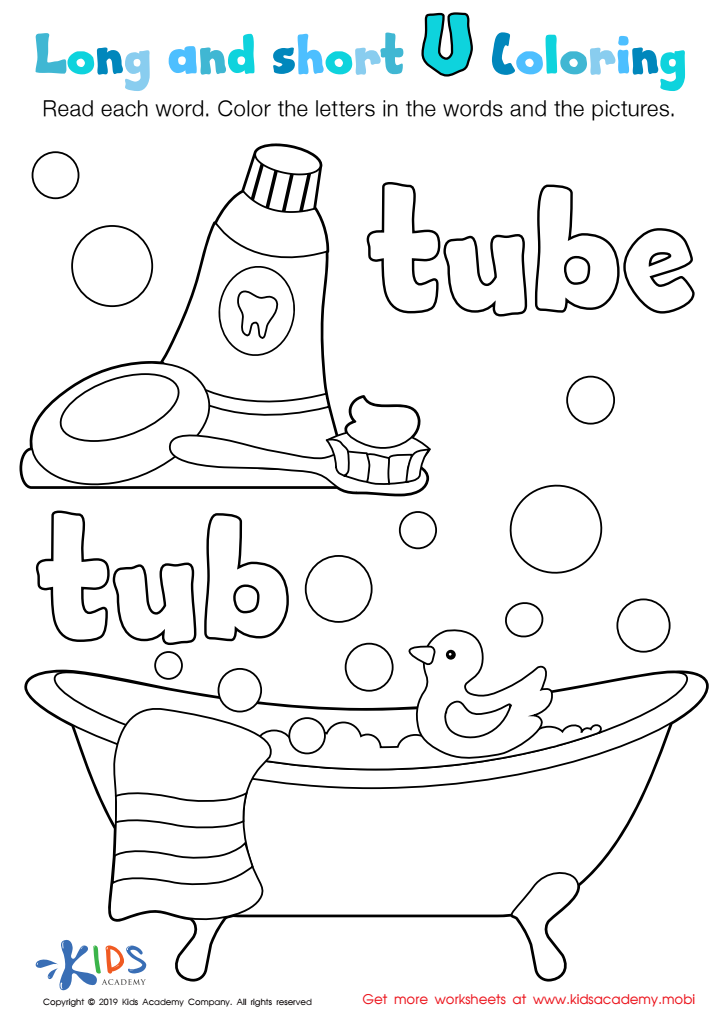
Long and Short U Worksheet
 Assign to My Students
Short Vowel Sound I Worksheet
Tricky Words Worksheet
Two Sounds for OO Worksheet
Medals: Al Spelling Worksheet
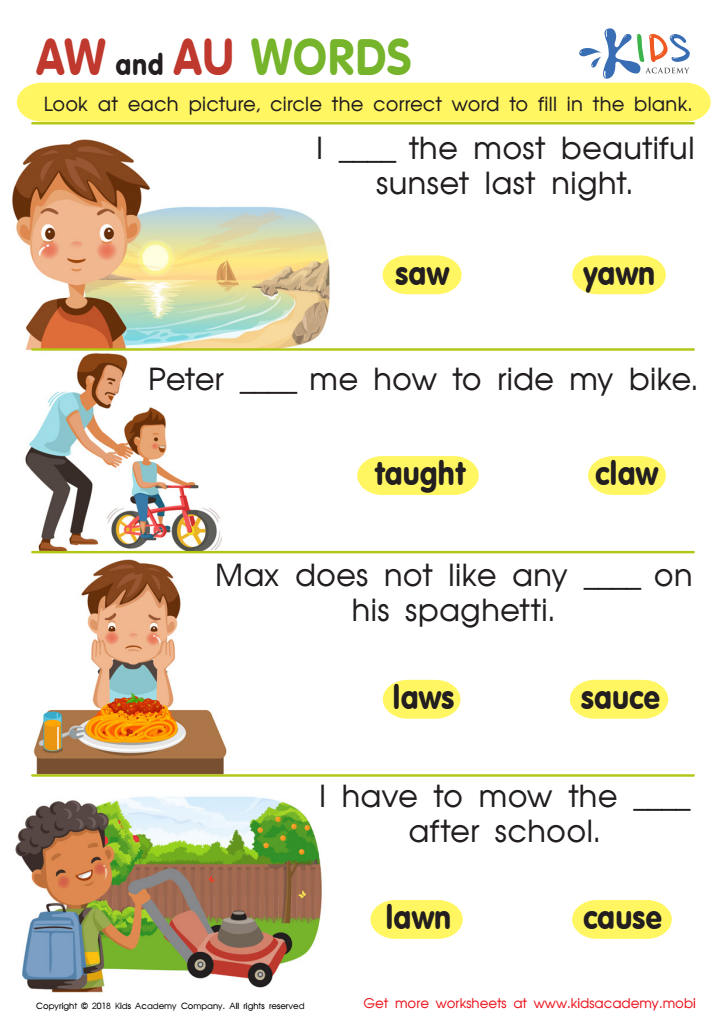
Reading: AW and AU Words Worksheet
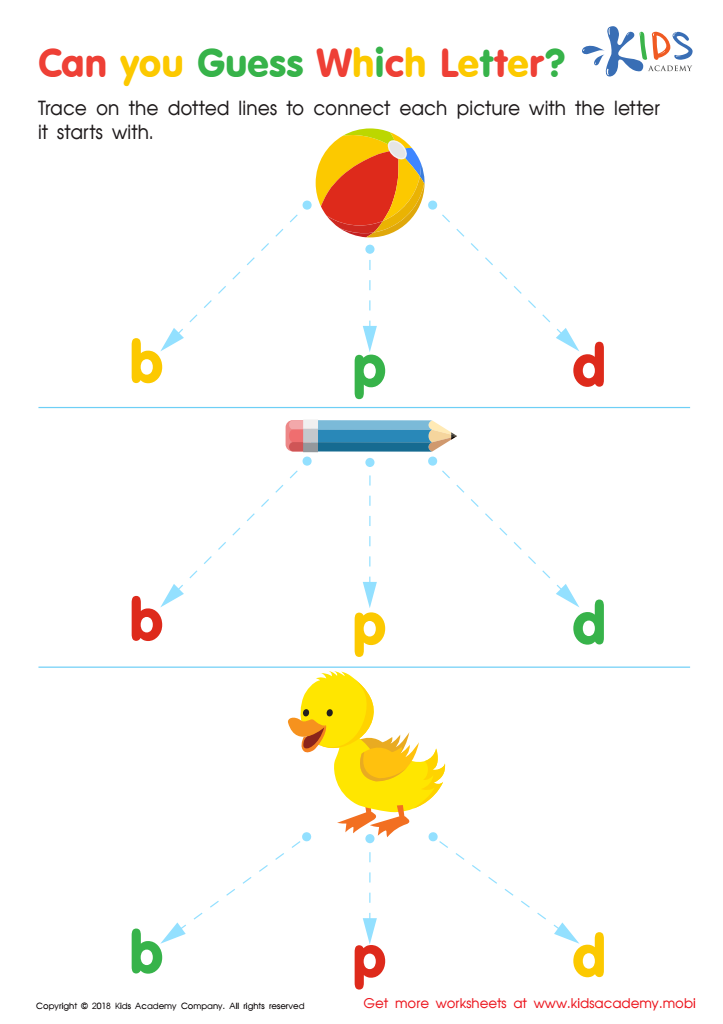
Can you Guess Which Letter? Worksheet
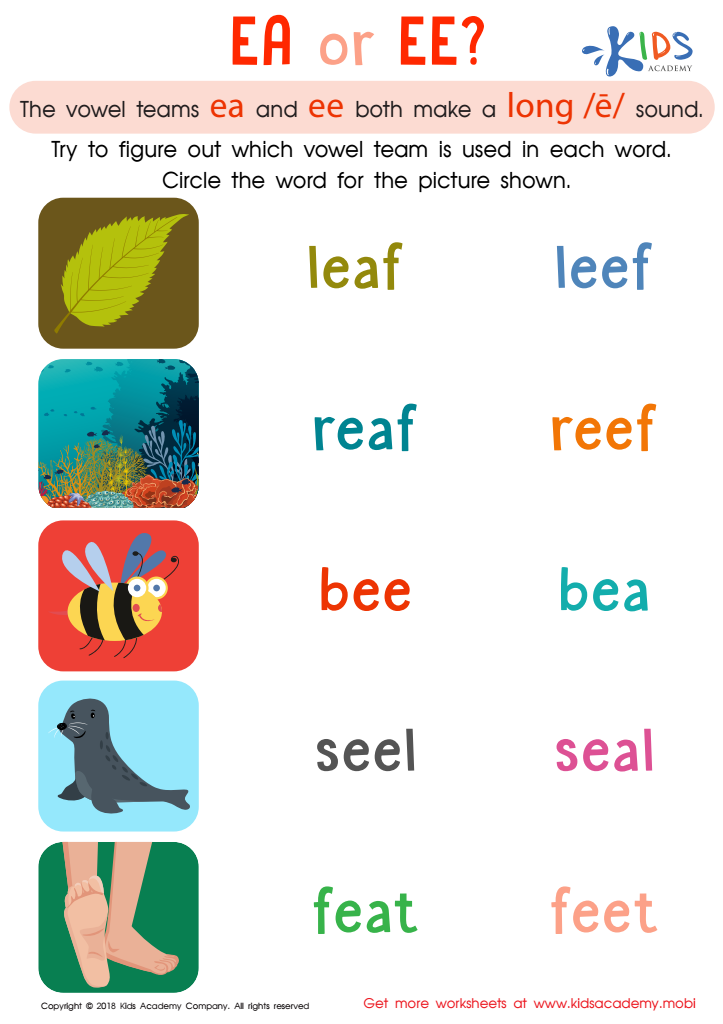
Reading: EA and EE Worksheet
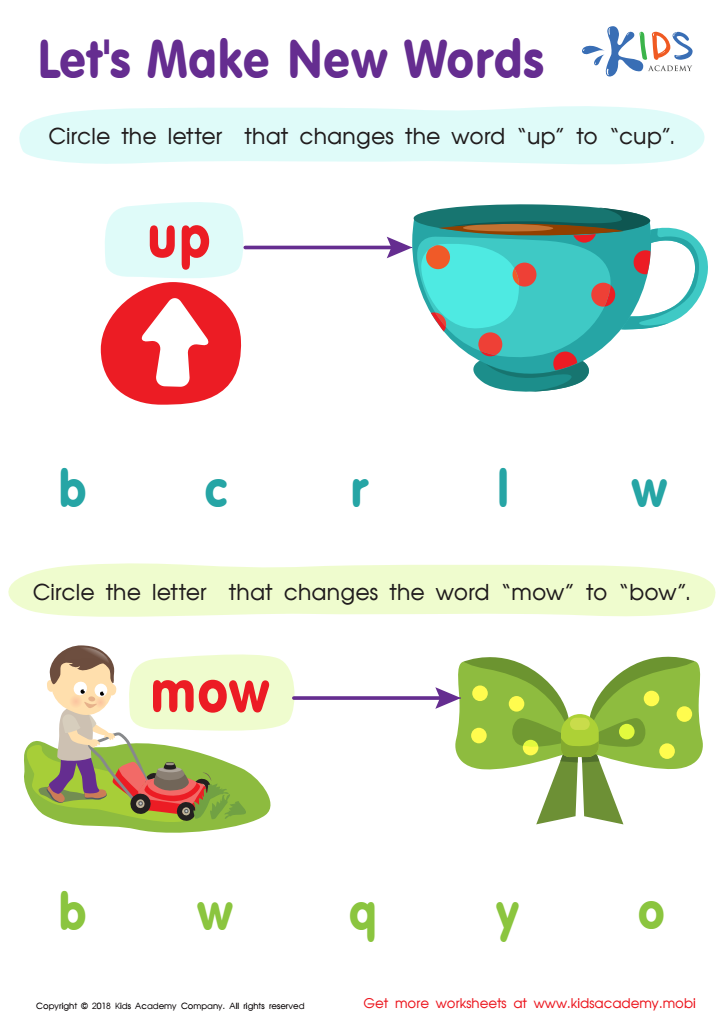
Let's Make New Words Worksheet
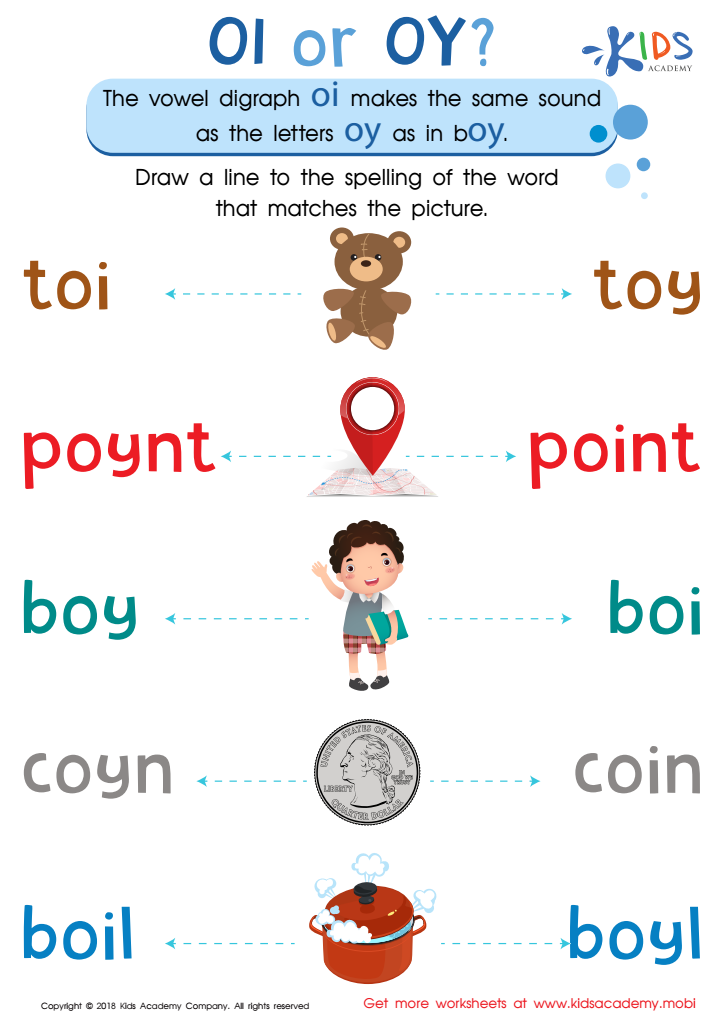
Reading: OI and OY Worksheet
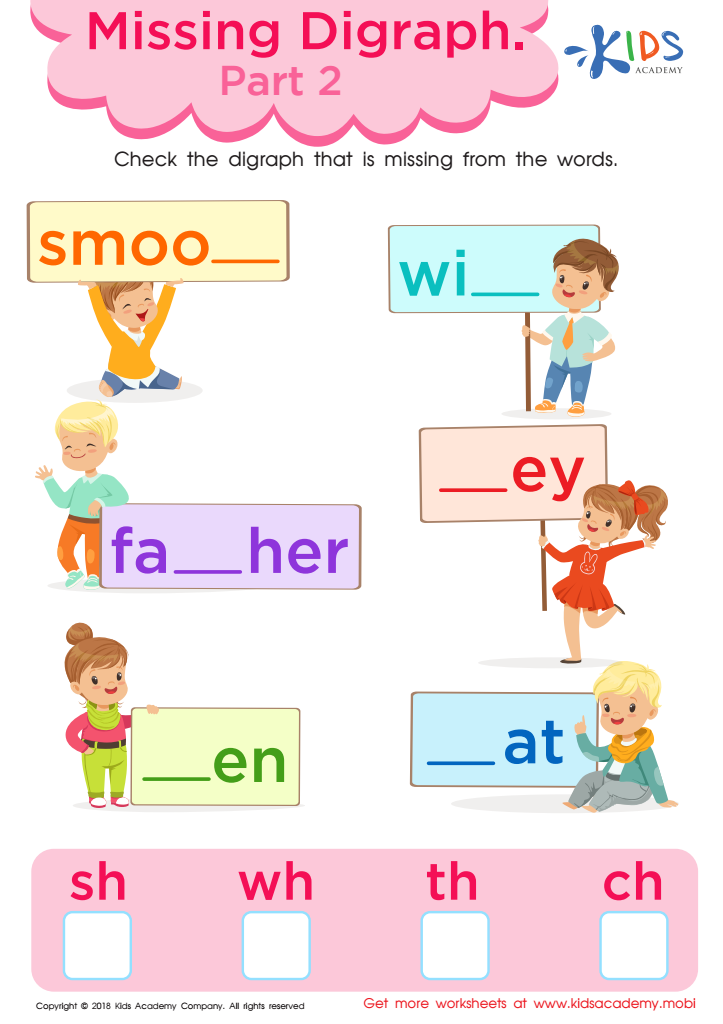
Missing Digraph: Part 2 Worksheet
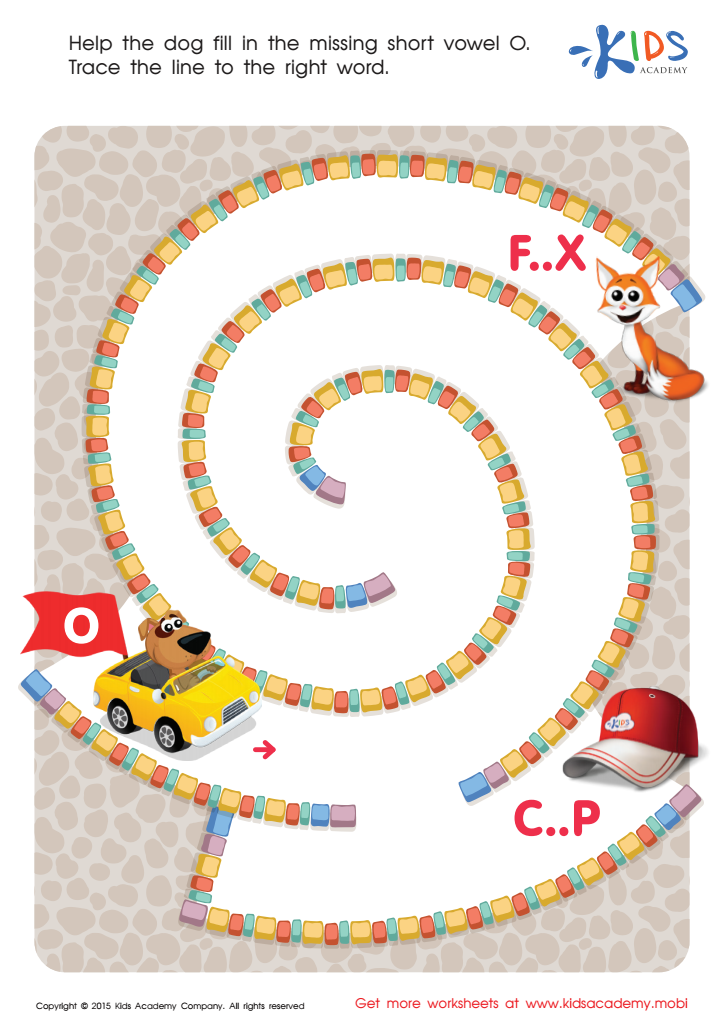
Short Vowel Sound O Worksheet
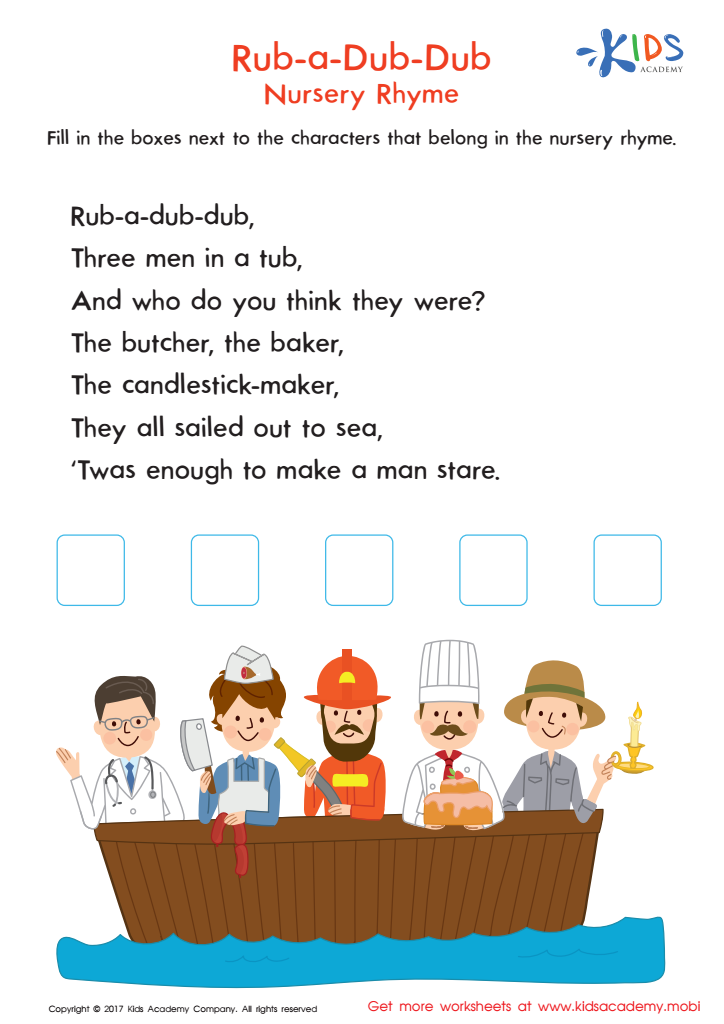
Rub a Dub Dub Printable
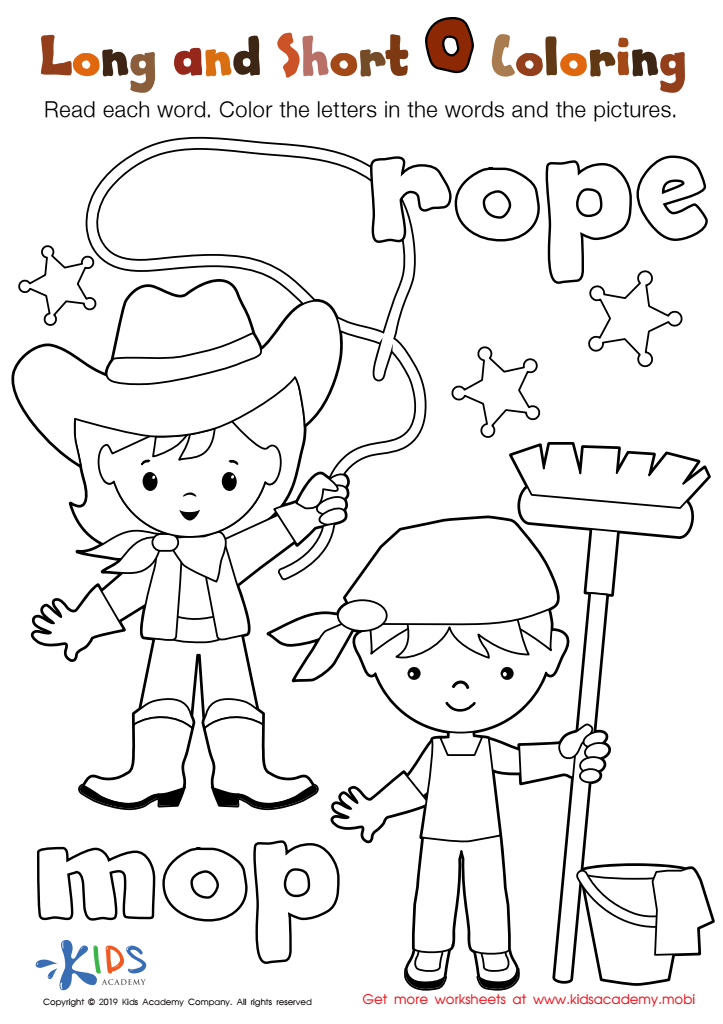
Long and Short O Worksheet
Assign to My Students
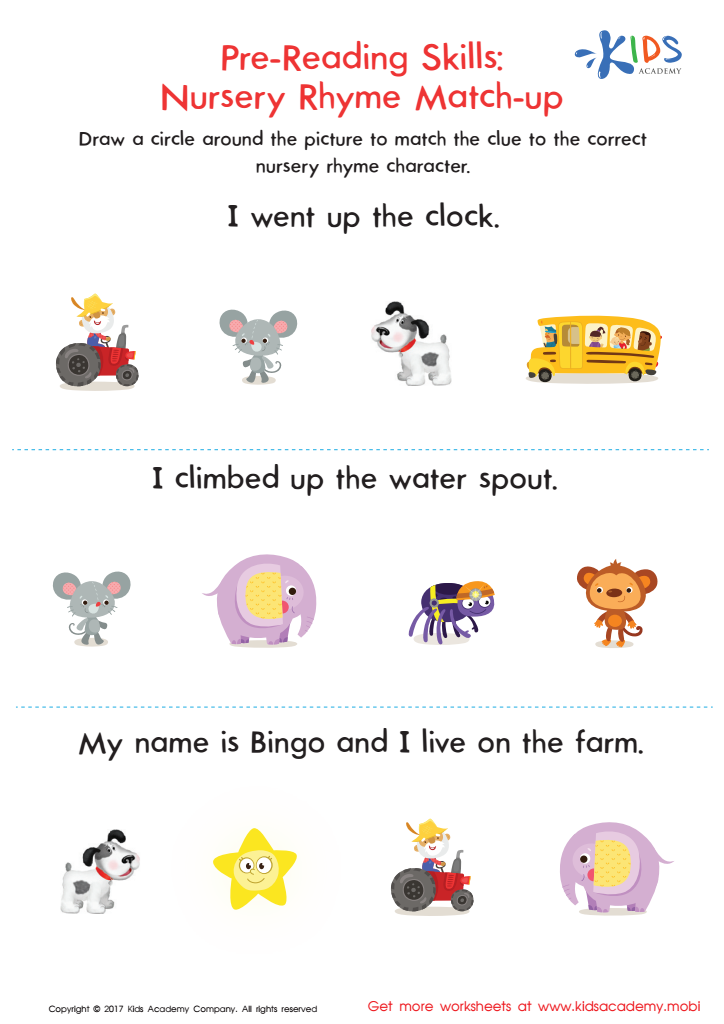
Nursery Rhyme Match–Up Worksheet
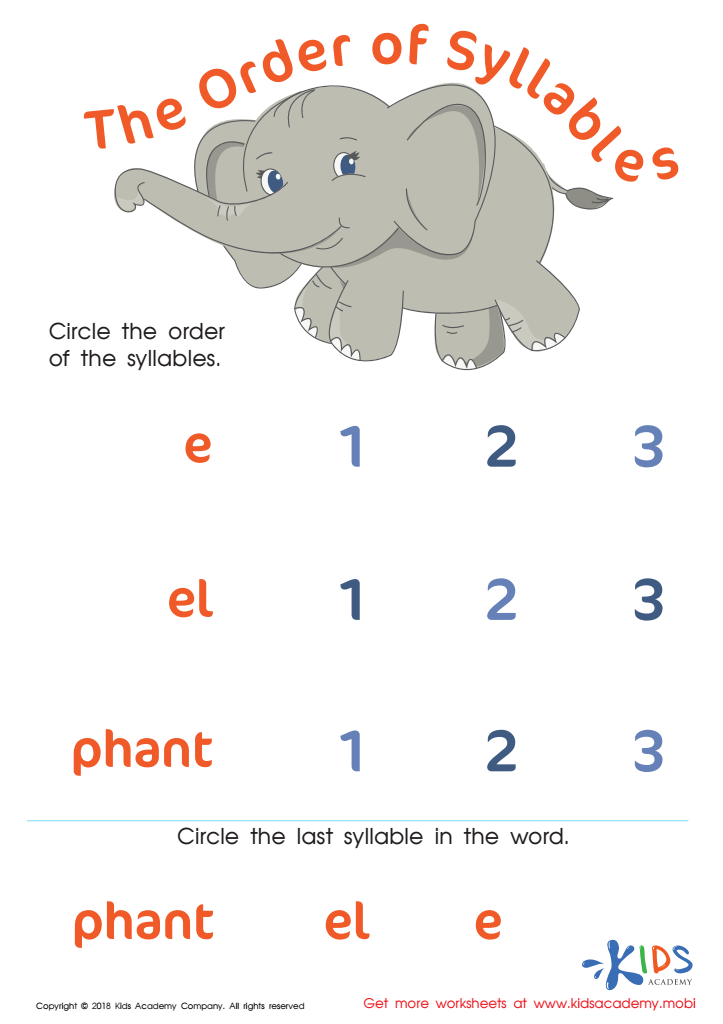
The Order of Syllables Worksheet
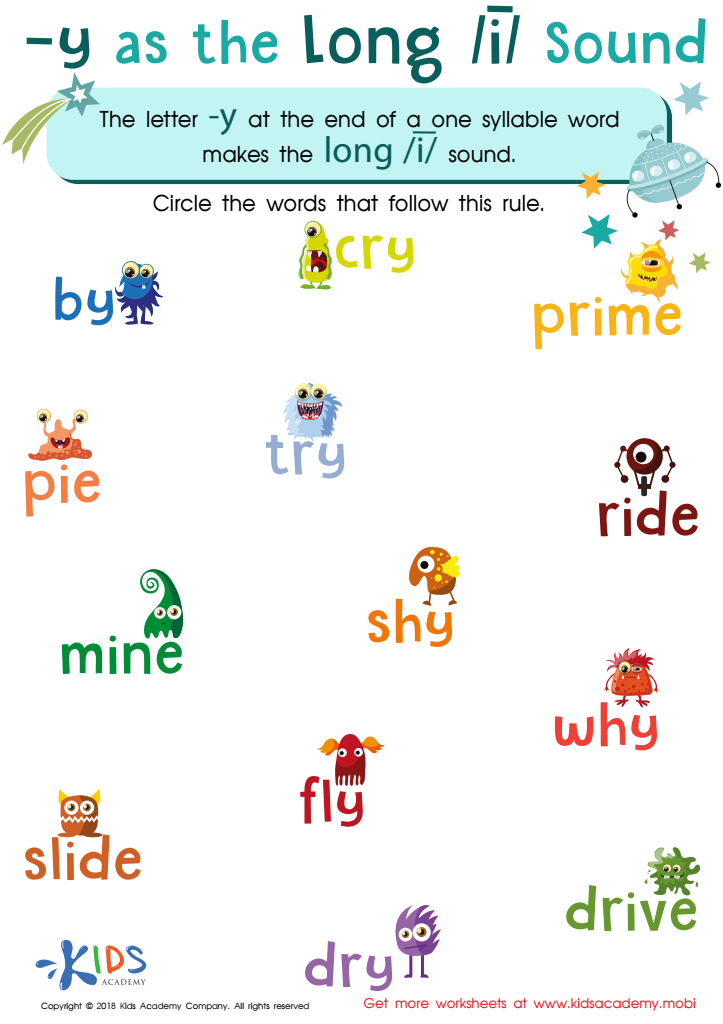
Reading: Y as Long I Worksheet








Vocabulary expansion and phonics are critical components of early childhood education, providing a solid foundation for literacy and overall cognitive development. During the ages of 3-9, children's brains are exceptionally receptive to language acquisition. Parents and teachers who prioritize vocabulary expansion help children better understand the world around them, enabling more effective communication and comprehension. A rich vocabulary allows children to express themselves more clearly and navigate social interactions successfully.
Phonics, the method of teaching reading based on the sound of letters and letter combinations, is equally vital. Mastery of phonics equips children with the skills needed to decode new words, fostering independent reading. This fundamental skill boosts children’s confidence and interest in reading. Proficient readers are more likely to perform better academically across various subjects because they can effortlessly gather and understand information from written materials.
Integrating vocabulary expansion and phonics into daily routines enriches children’s language environment, making learning both fun and effective. Activities such as storytime, word games, and phonics exercises promote curiosity and a love for reading. When parents and teachers prioritize these areas, they foster lifelong learners who are well-equipped for future academic challenges.







