Word Recognition Phonics Worksheets for Ages 3-9
32 filtered results
-
From - To
Discover engaging Word Recognition Phonics Worksheets designed for children aged 3 to 9! Our fun and interactive resources support early literacy, helping young learners develop essential word recognition skills through various activities. Each worksheet is crafted to enhance phonetic awareness, enhance vocabulary, and boost reading confidence. Ideal for classroom and home use, these worksheets feature vibrant illustrations and relatable contexts that capture children’s attention while they learn. Perfect for reinforcing phonics lessons or providing extra practice, our word recognition worksheets make learning to read enjoyable and effective. Start empowering your child's reading journey today with our thoughtfully designed activities!
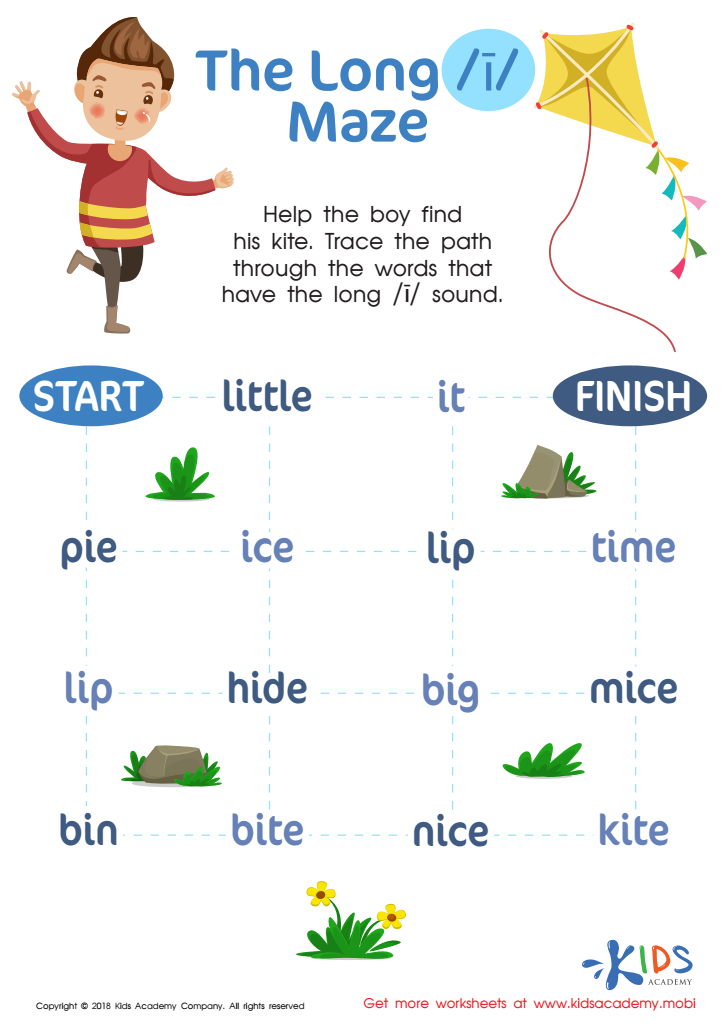
The Long I Maze Reading Worksheet
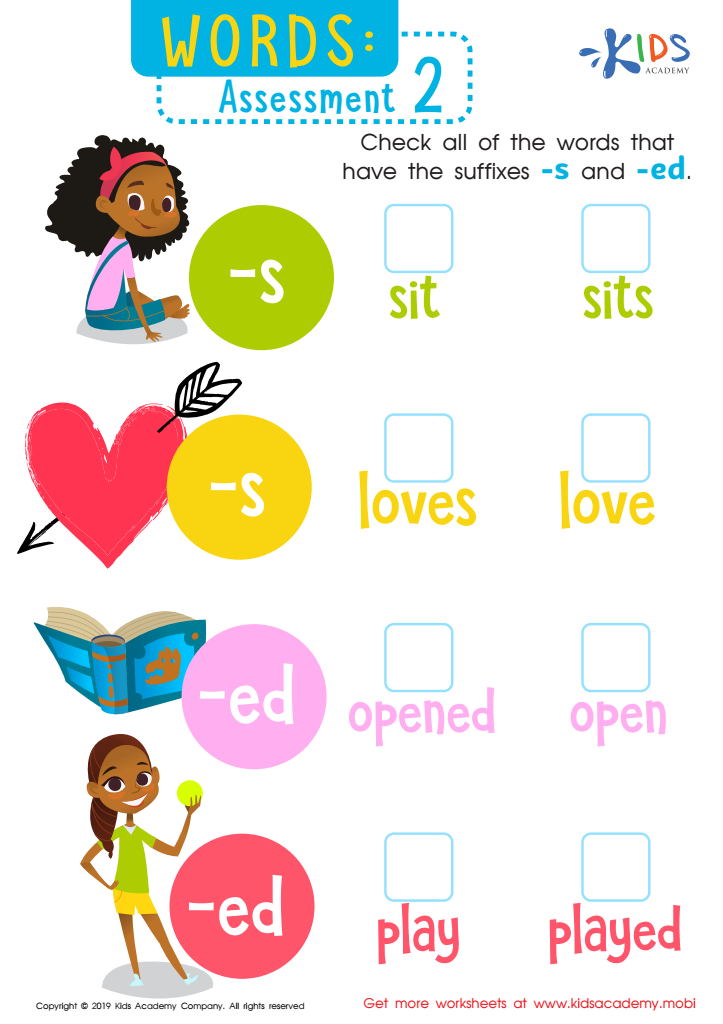
Words: Assessment 2 Worksheet
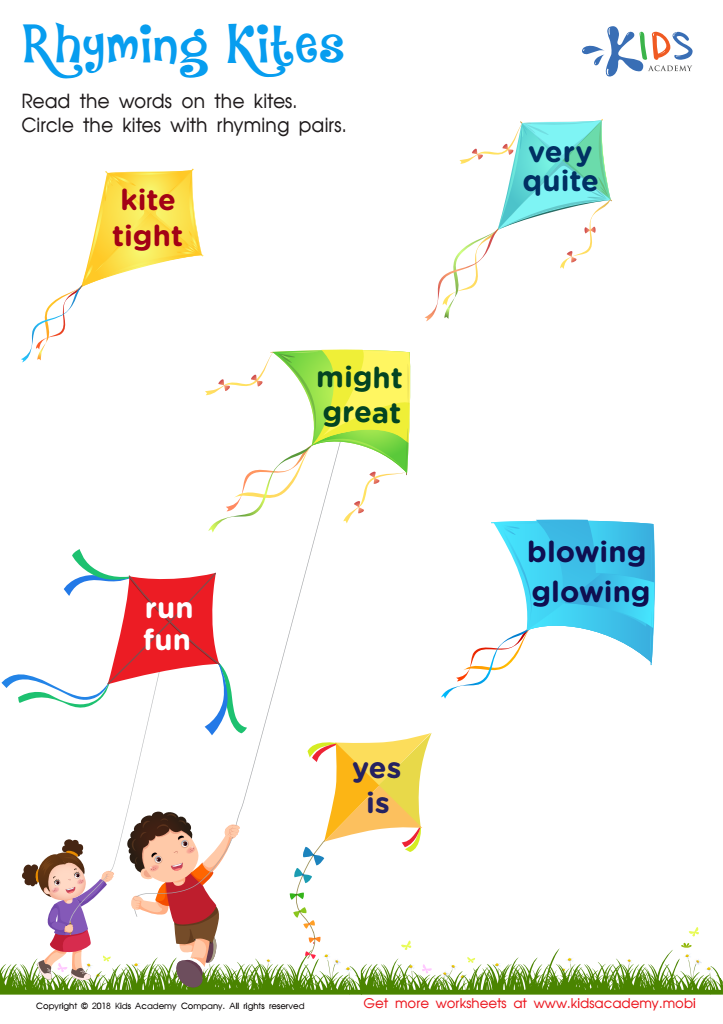
Rhyming Kites Worksheet
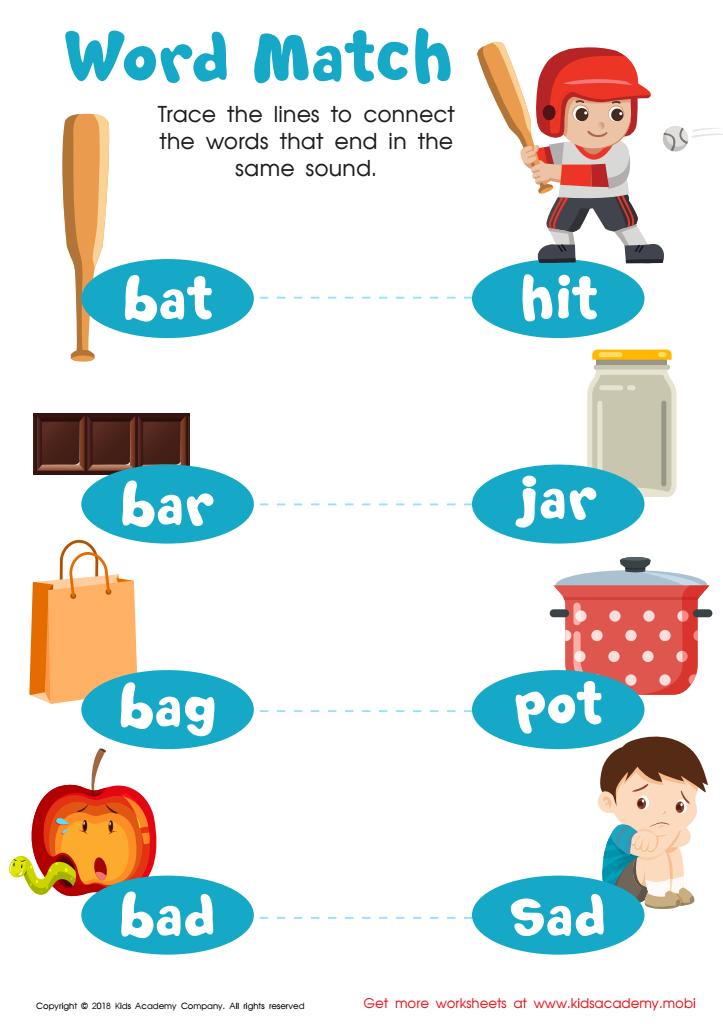
Word Match Reading Worksheet
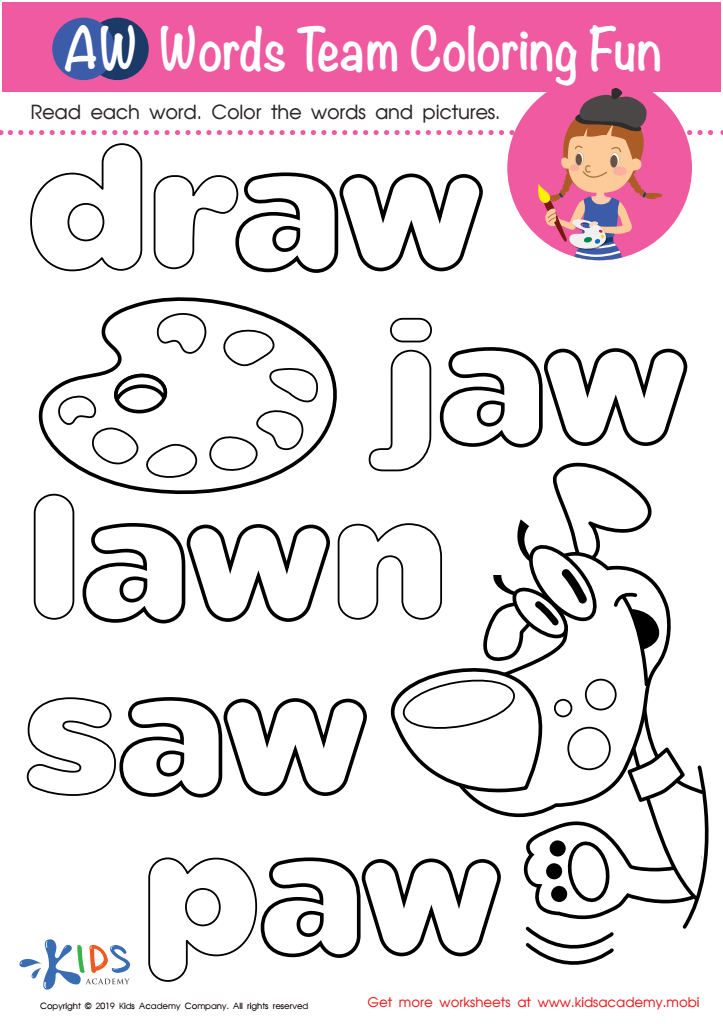
AW Words Team Coloring Fun Worksheet
 Assign to My Students
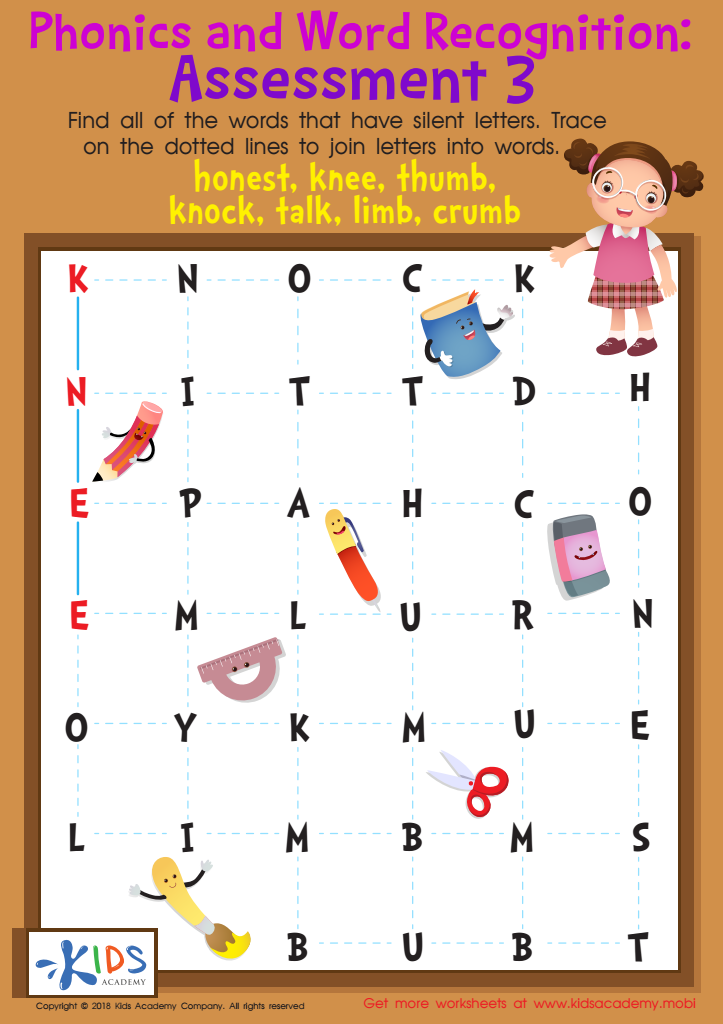
Phonics and Word Recognition: Assessment 3 Worksheet
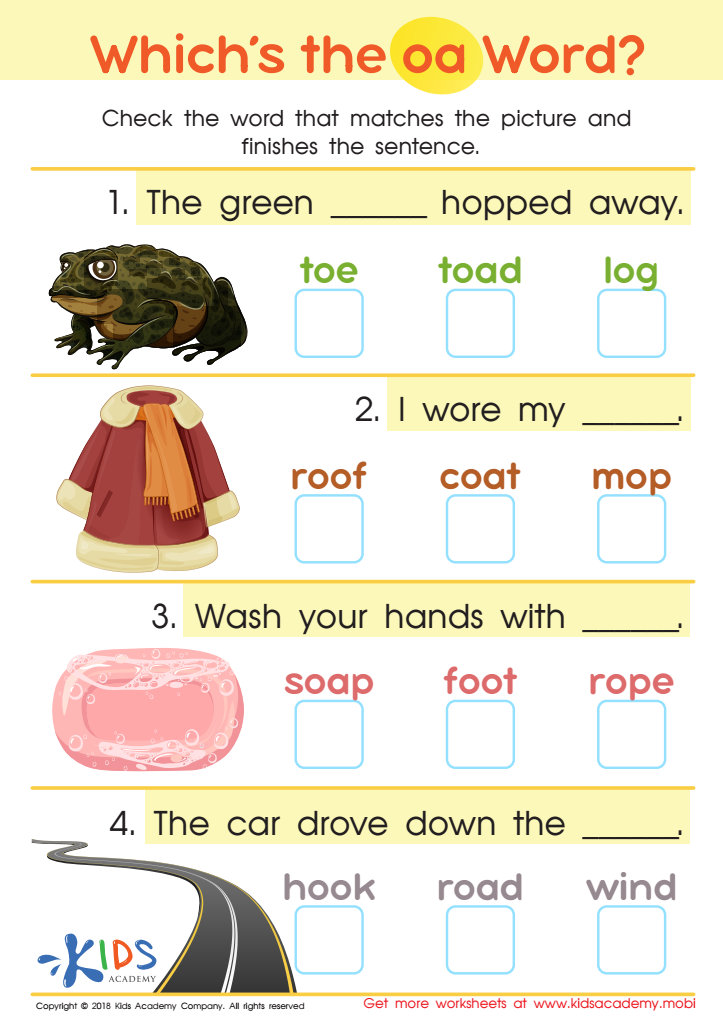
Which's the OA Word? Worksheet
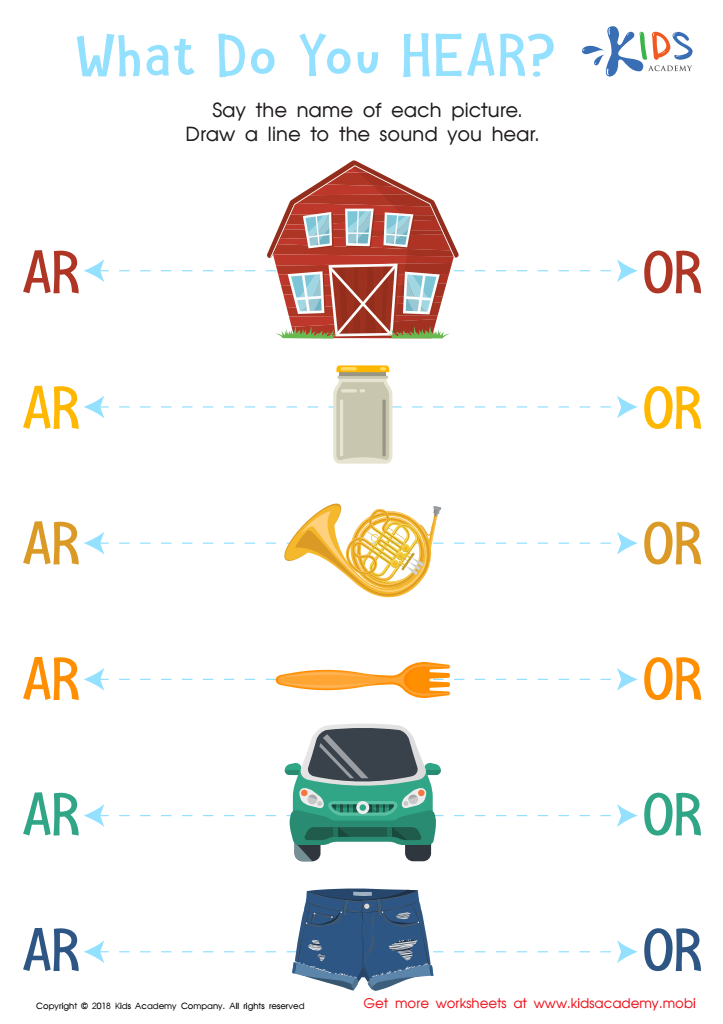
What do you hear Worksheet
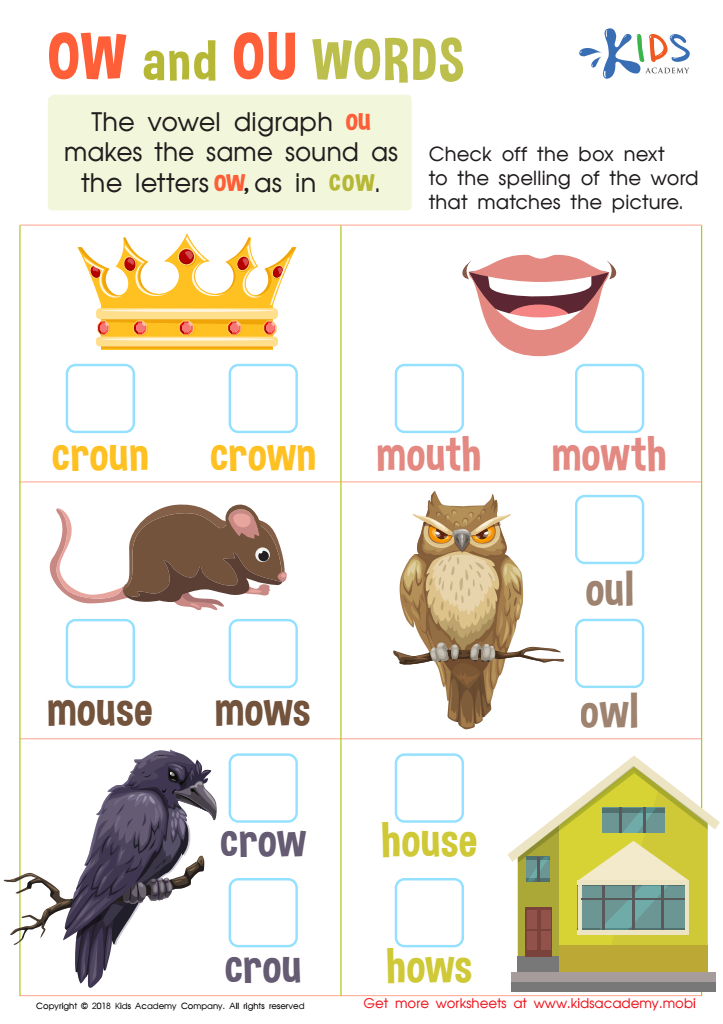
Reading: OW and OU Words Worksheet
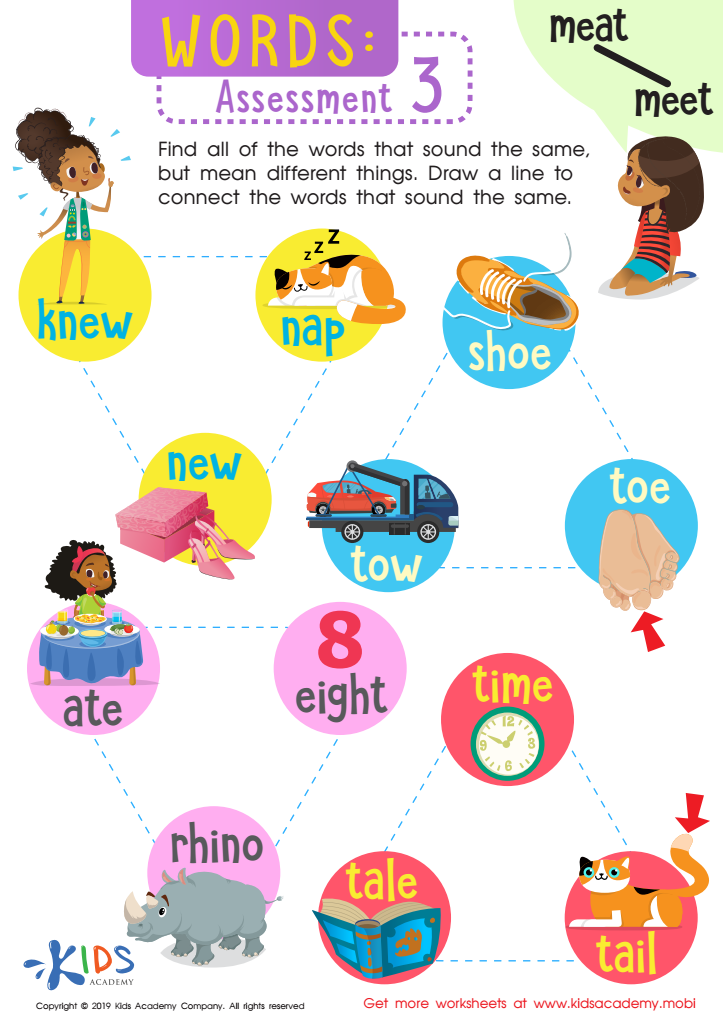
Words: Asessment 3 Worksheet
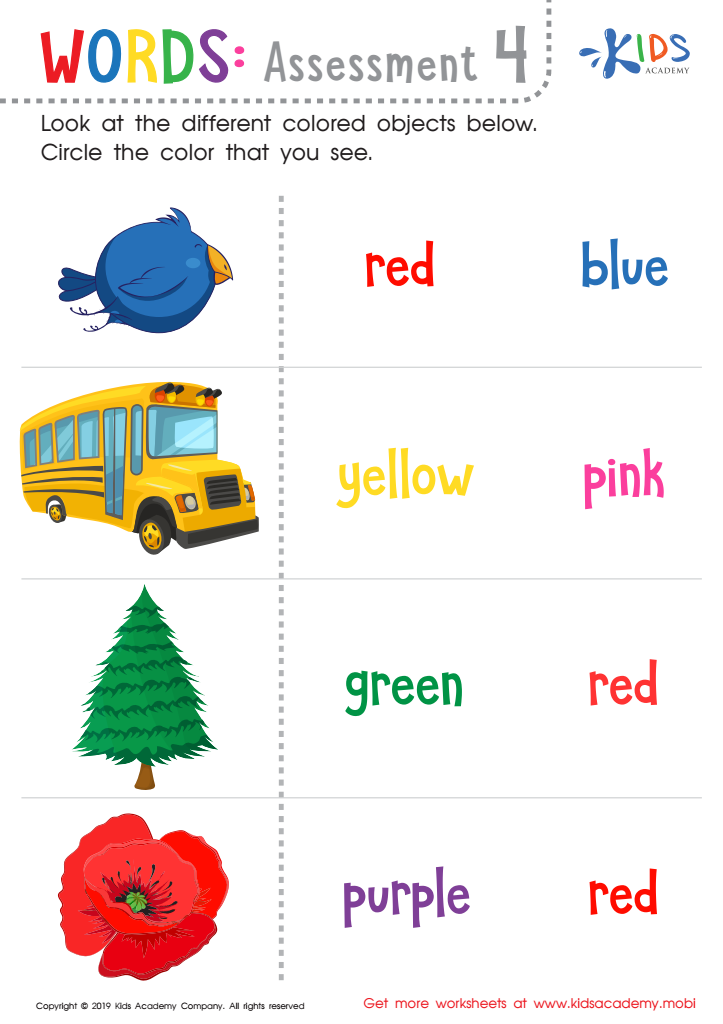
Words: Assessment 4 Worksheet
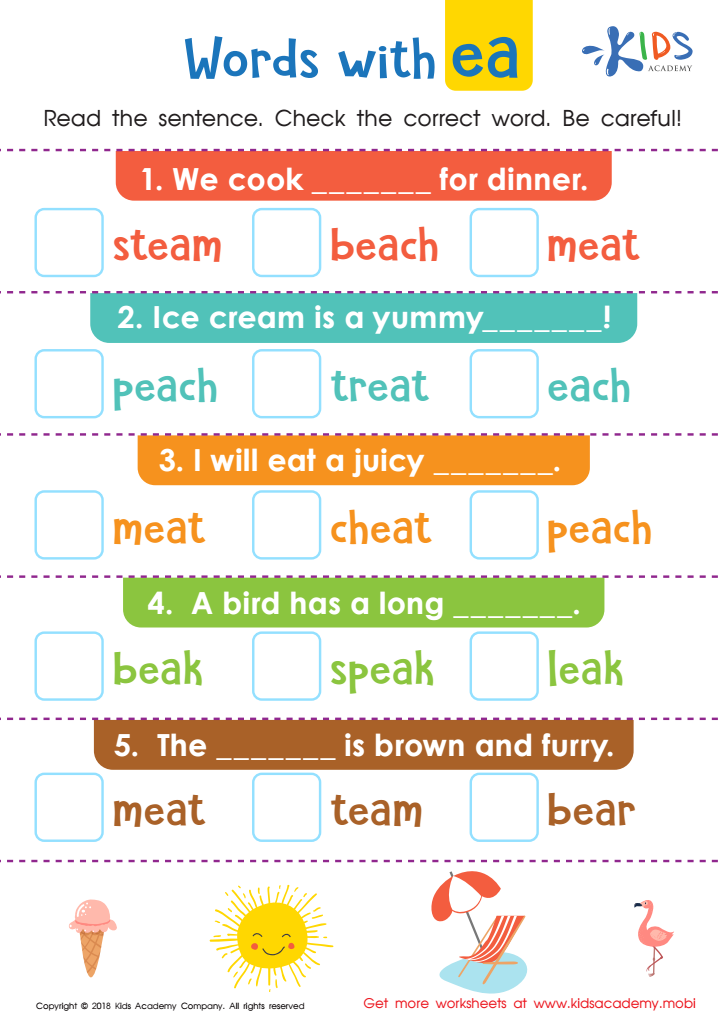
Words with ea Worksheet
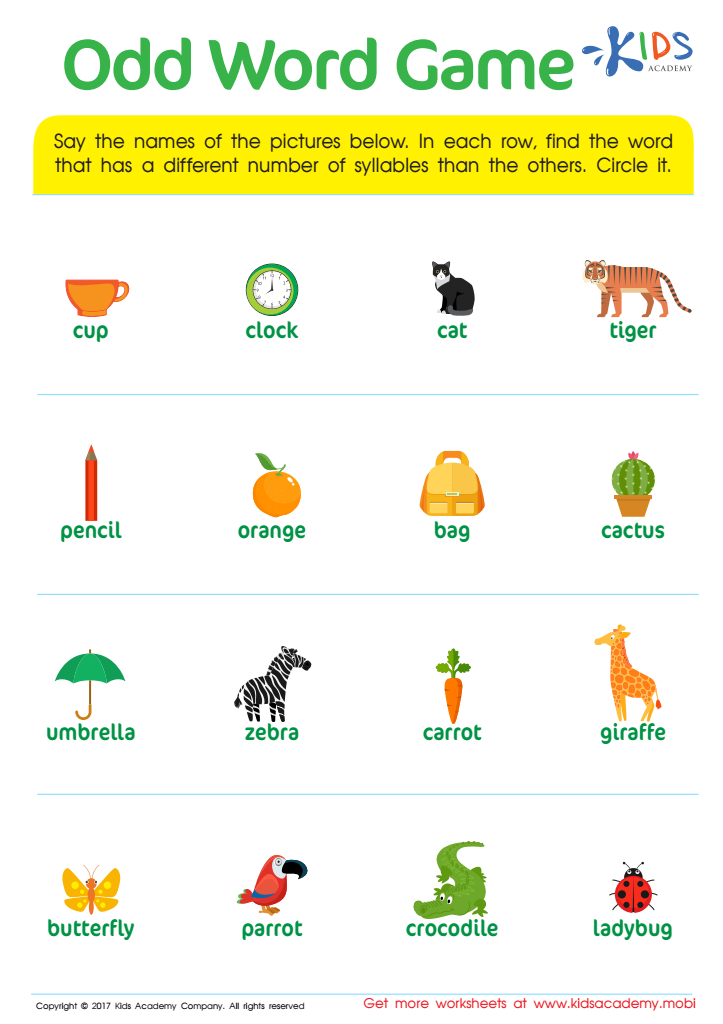
Count Syllables: Odd Word Game Worksheet
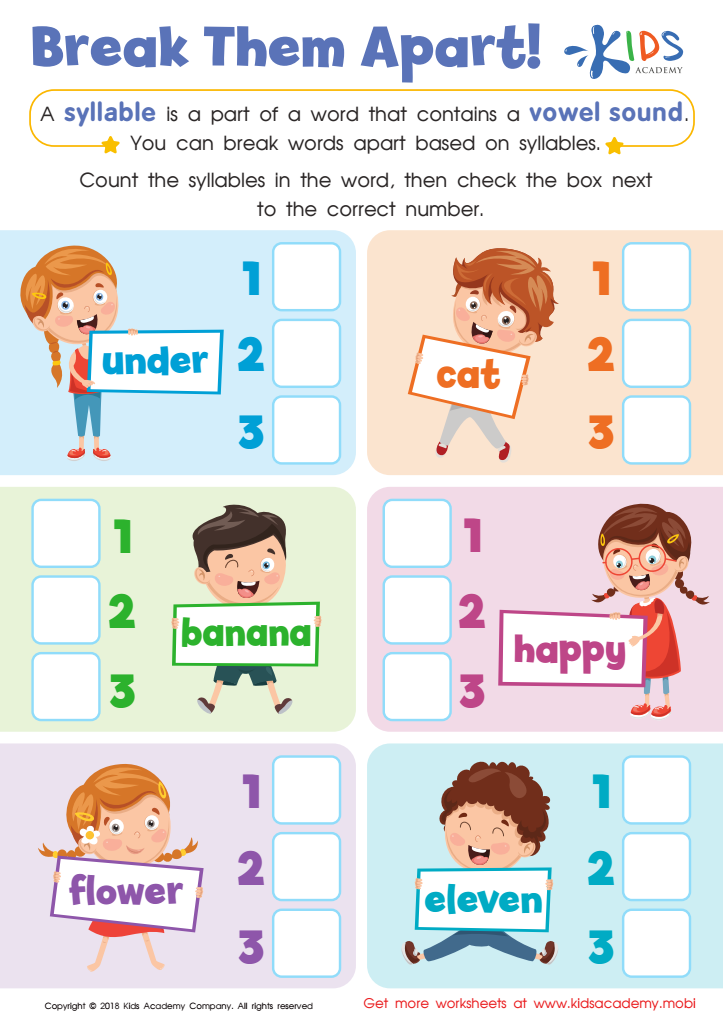
Reading: Break Them Apart Worksheet
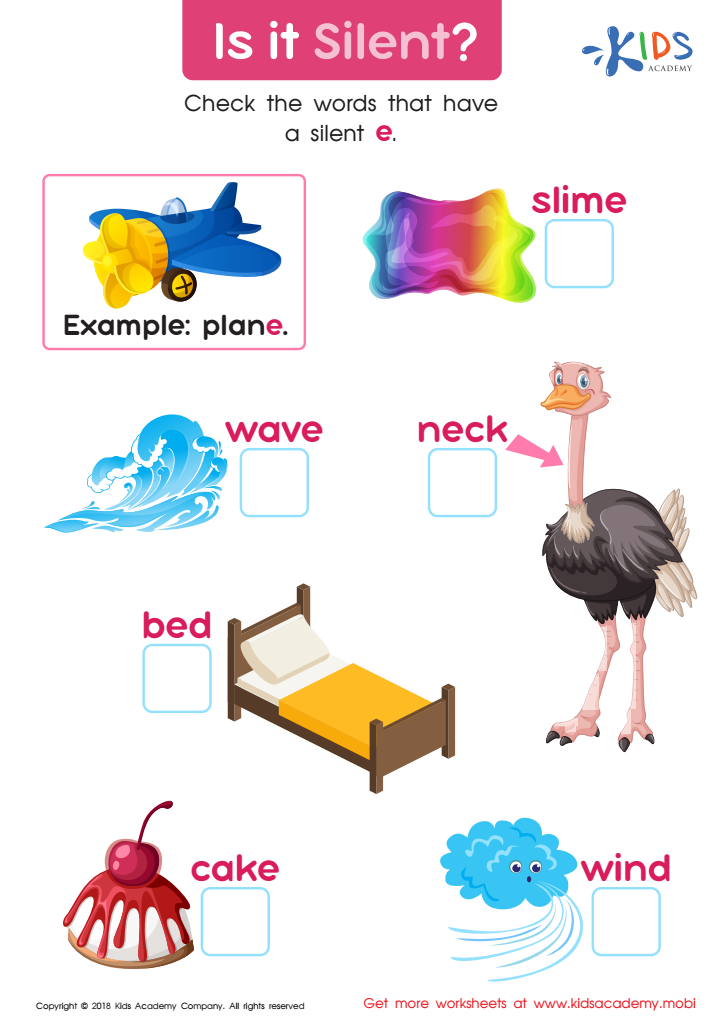
Is It Silent? Worksheet
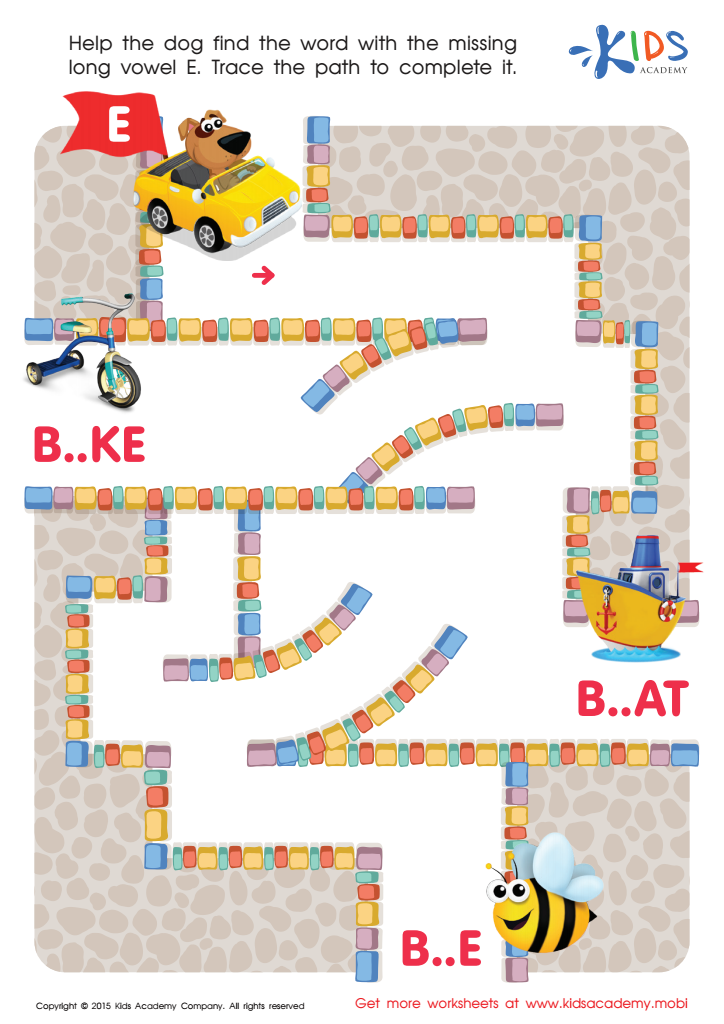
Long Vowel Sound E Worksheet
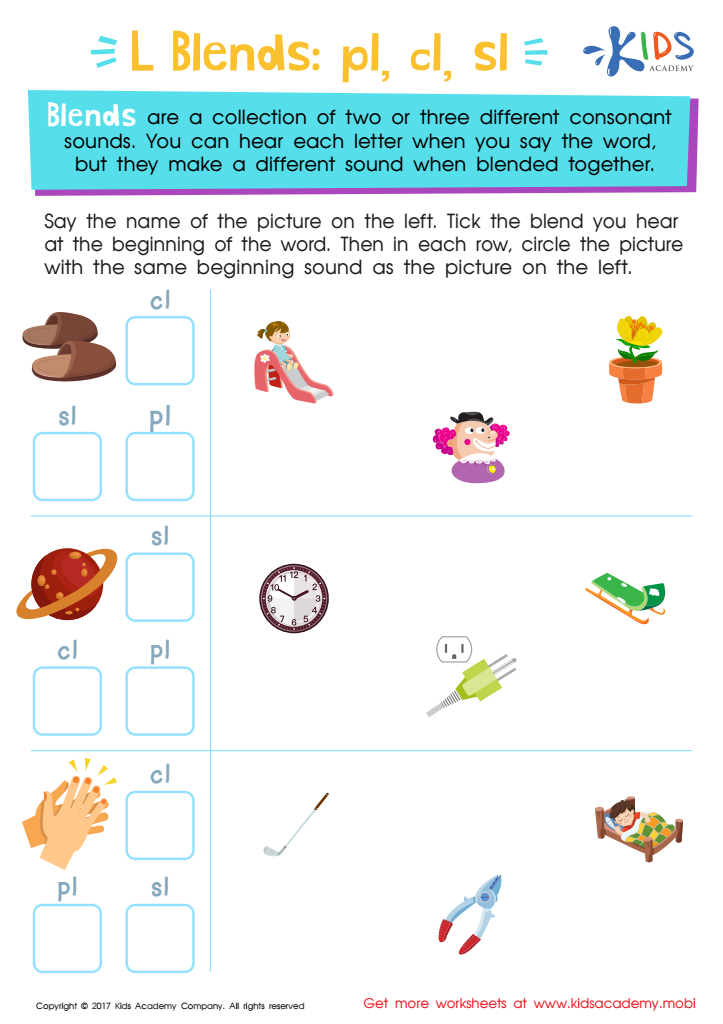
L Blends: "Pl", "Cl" and "Sl" Printable
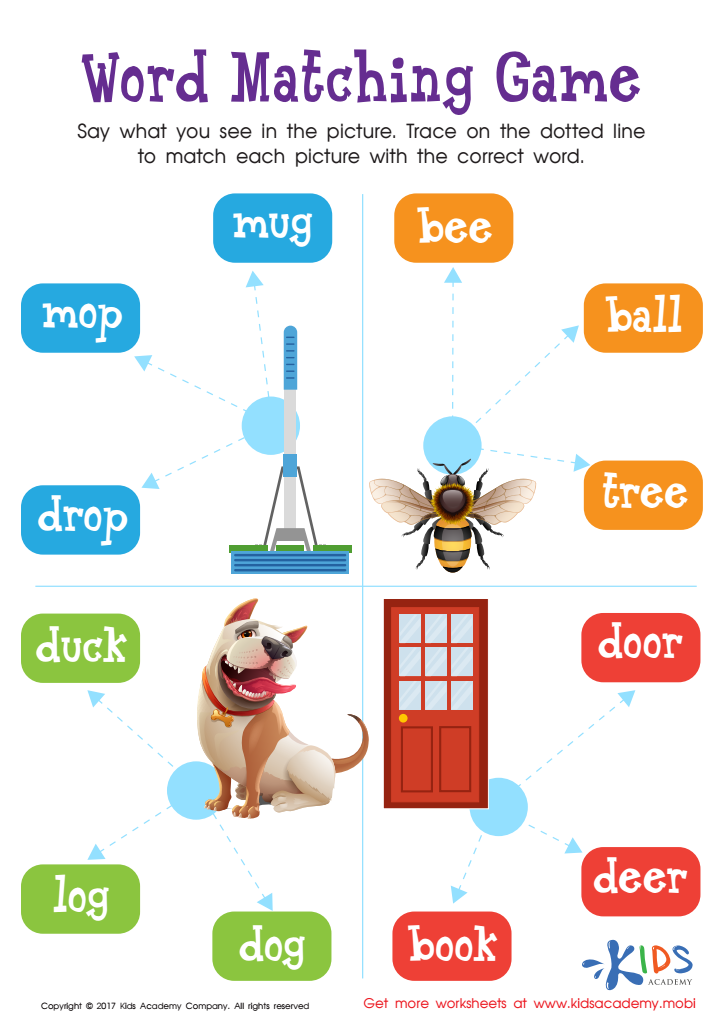
Word Matching Game Worksheet
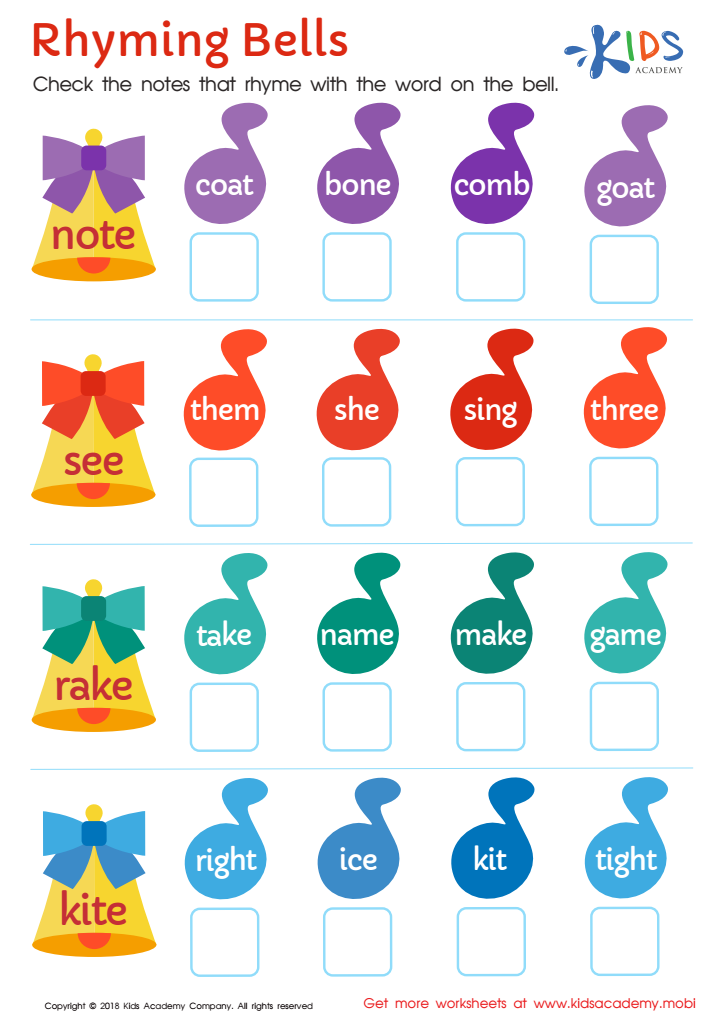
Rhyming Bells Worksheet
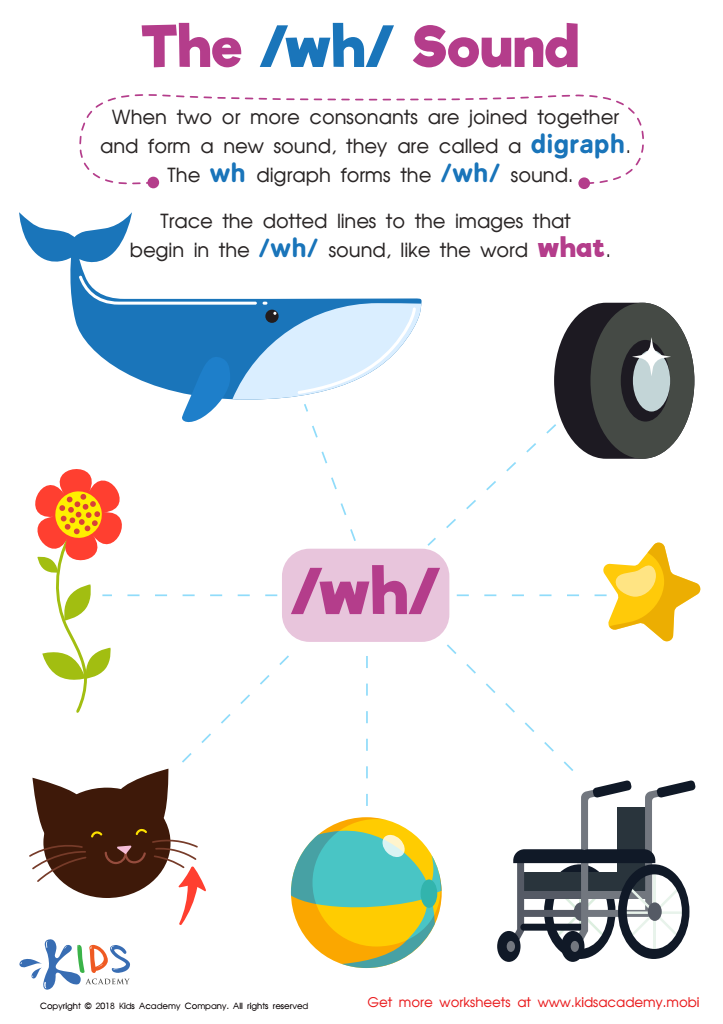
The /wh/ Sound Worksheet
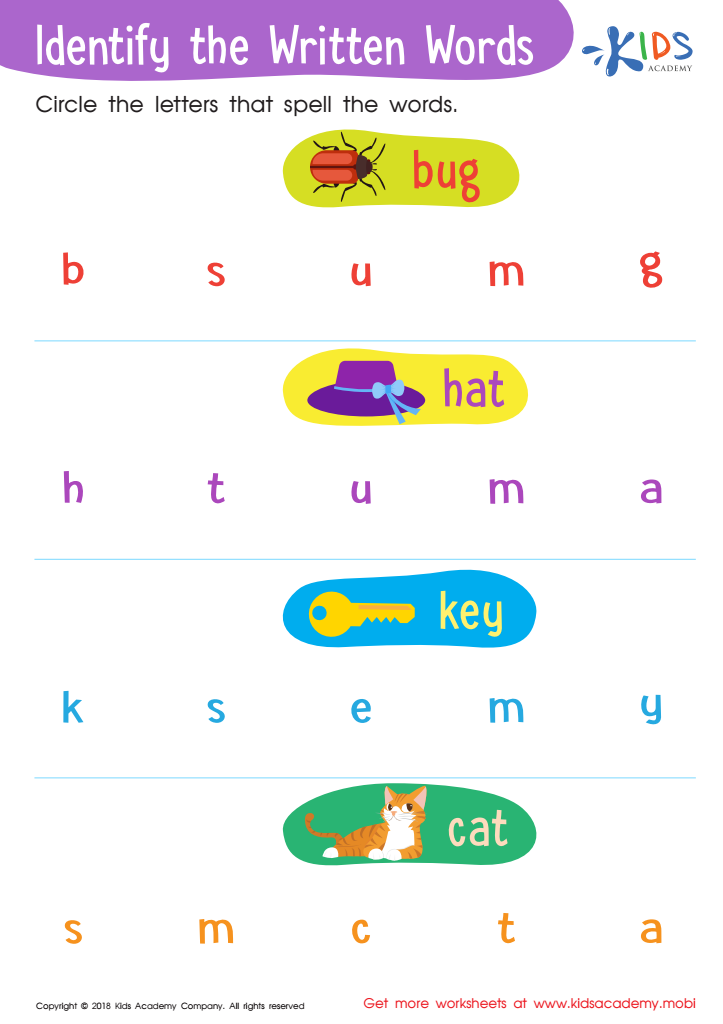
Identify the Written Words Worksheet
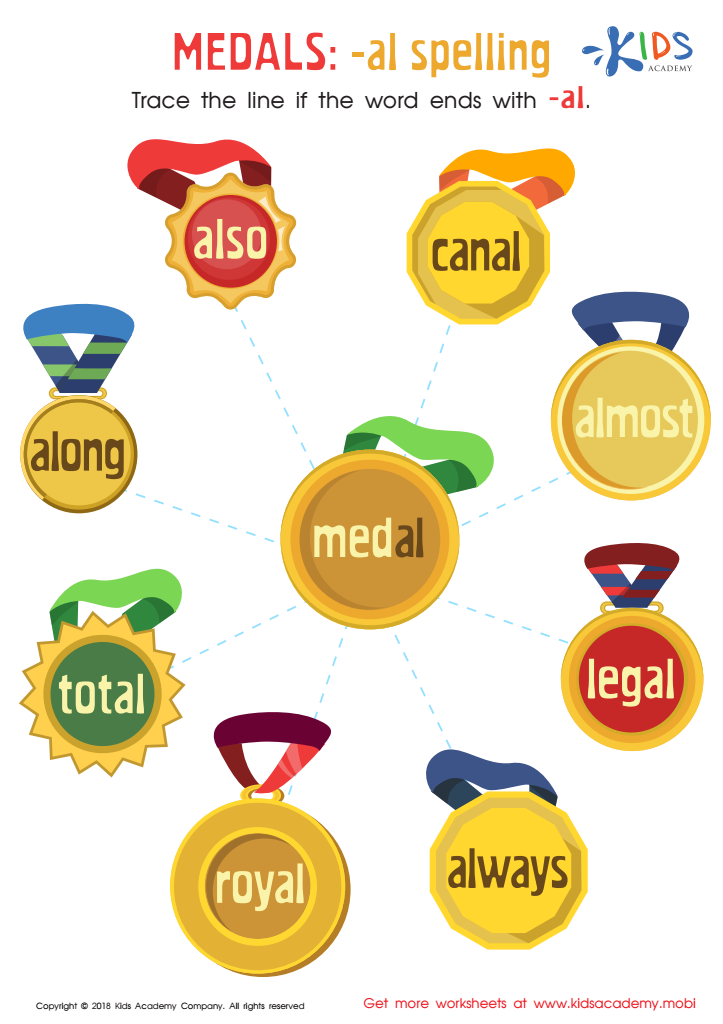
Medals: Al Spelling Worksheet
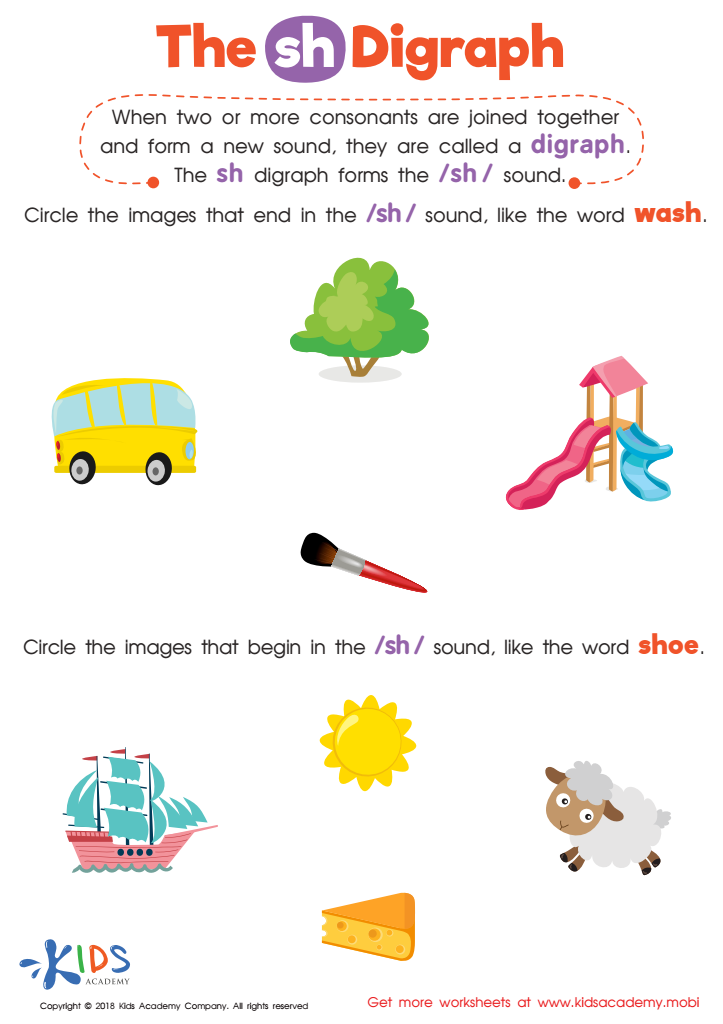
The SH Digraph Worksheet
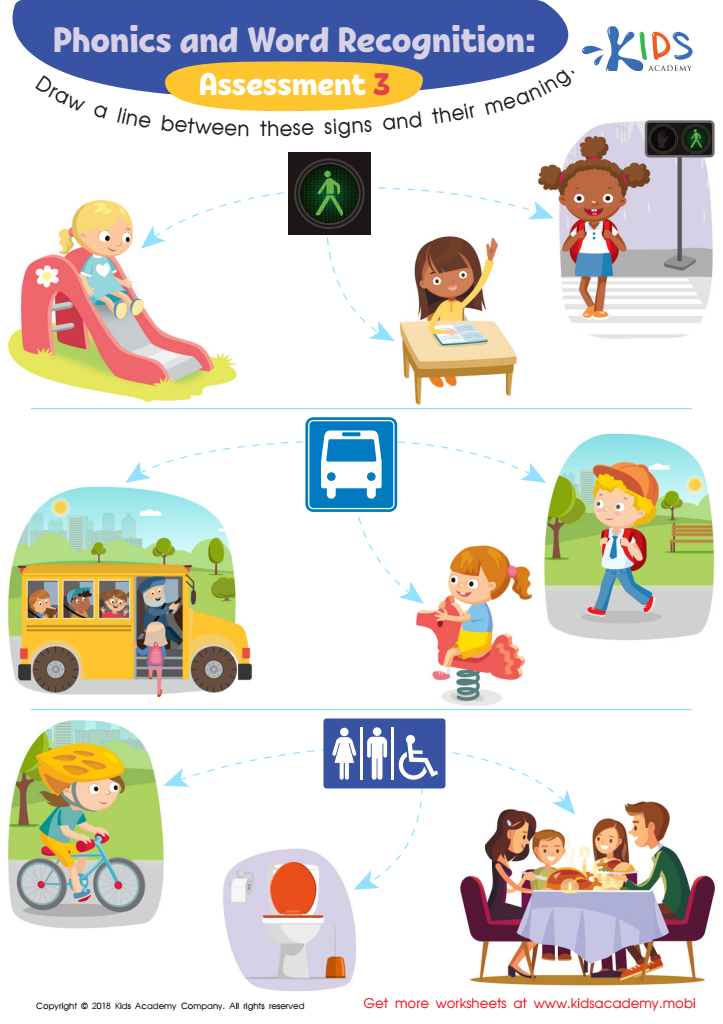
Phonological Awareness: Assessment 3 ELA Worksheet








Word recognition phonics is essential for early literacy development, particularly for children aged 3-9. This foundational skill enables young learners to decode words and develop paid reading fluency, which is crucial for academic success. When children grasp phonics, they understand the relationship between sounds and letters, allowing them to read independently and confidently. This knowledge boosts their self-esteem, encourages a lifelong love for reading, and enhances their vocabulary acquisition.
Moreover, strong word recognition skills are linked to better comprehension. Children who can effortlessly recognize words are more able to focus on understanding the content, fostering critical thinking and analytical skills. For parents and teachers, investing time in phonics gives kids the tools they need to navigate their educational journeys with greater ease.
Furthermore, learning phonics at a young age promotes a social and emotional foundation. Children become comfortable learners and communicators when they can read, bridging the gap between them, their peers, and learning communities. As parents and educators nurture these skills, they contribute significantly to an individual child’s future opportunities while simultaneously fostering a culture that values literacy and education in the broader community. Recognizing the importance of phonics is vital for shaping the confident readers of tomorrow.







