Vowel Recognition Worksheets for Ages 3-9
25 filtered results
-
From - To
Enhance your child’s reading skills with our engaging Vowel Recognition Worksheets designed for ages 3-9. These worksheets provide a fun and interactive approach to learning vowels, helping young learners identify, distinguish, and connect with both short and long vowel sounds. By incorporating colorful activities and diverse exercises, children can easily grasp the fundamentals of phonics in a stress-free environment. Ideal for preschoolers, kindergartners, and early grade schoolers, our worksheets foster a love for learning through play. Explore our extensive collection today to support your child's literacy development and lay a strong foundation for their educational journey!
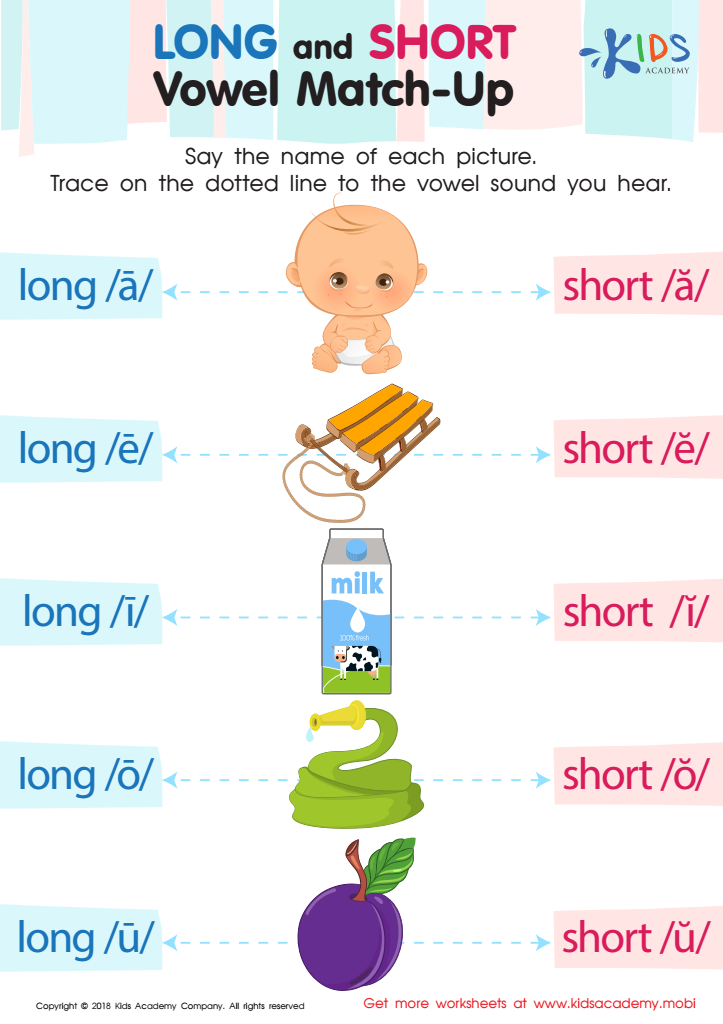
Long and Short Vowel Match up Reading Worksheet
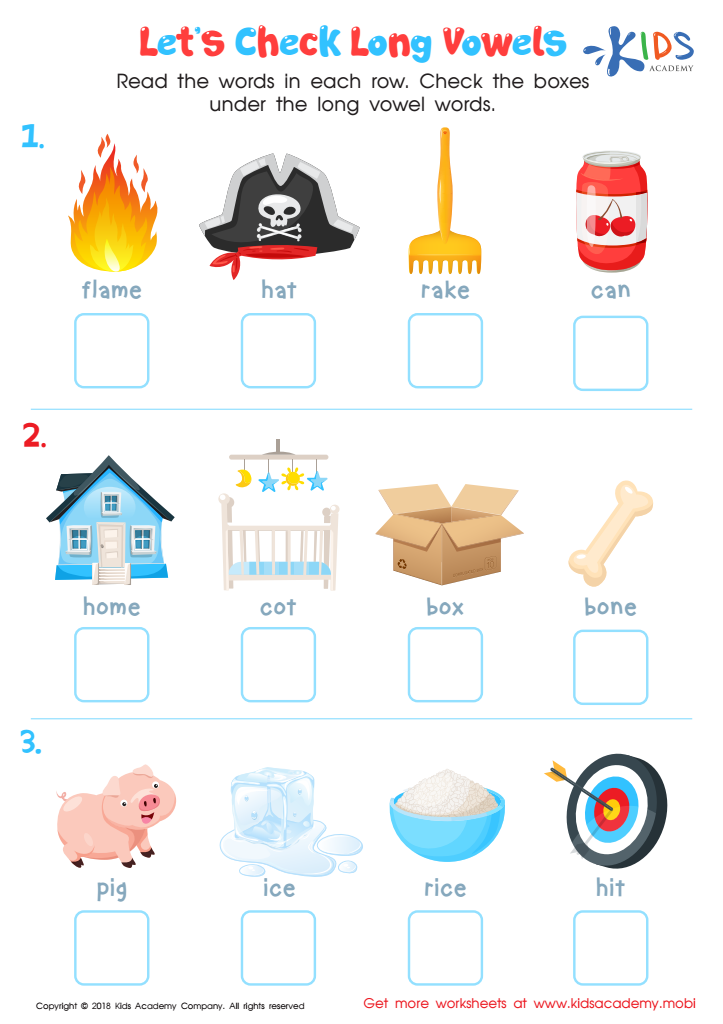
Let's Check Long Vowels: Assessment Worksheet
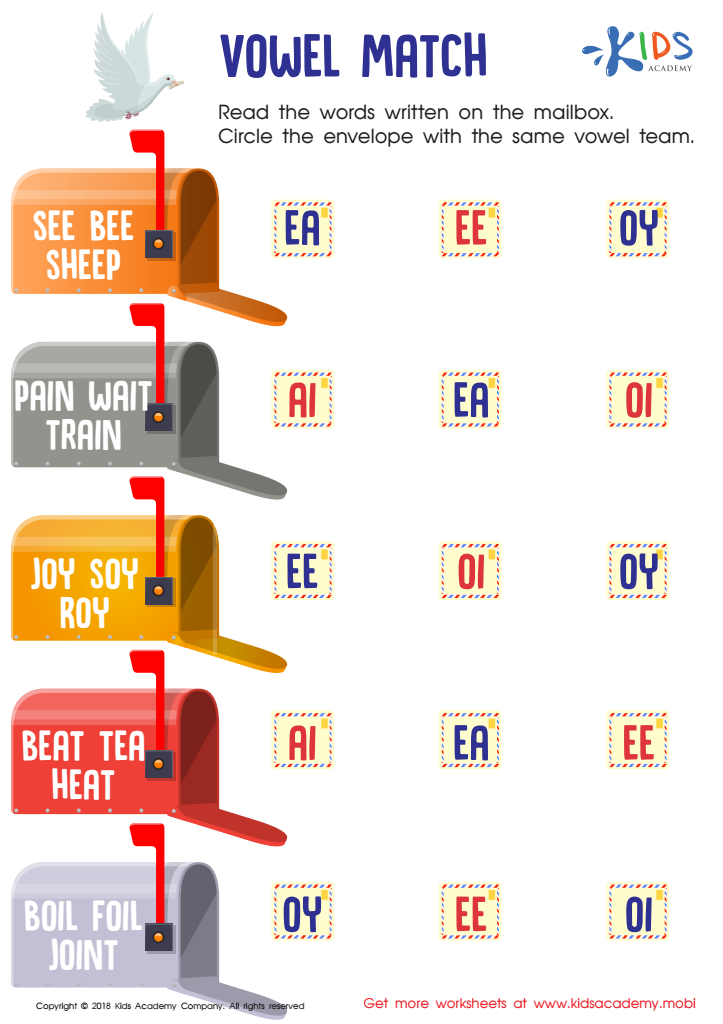
Vowel match Worksheet
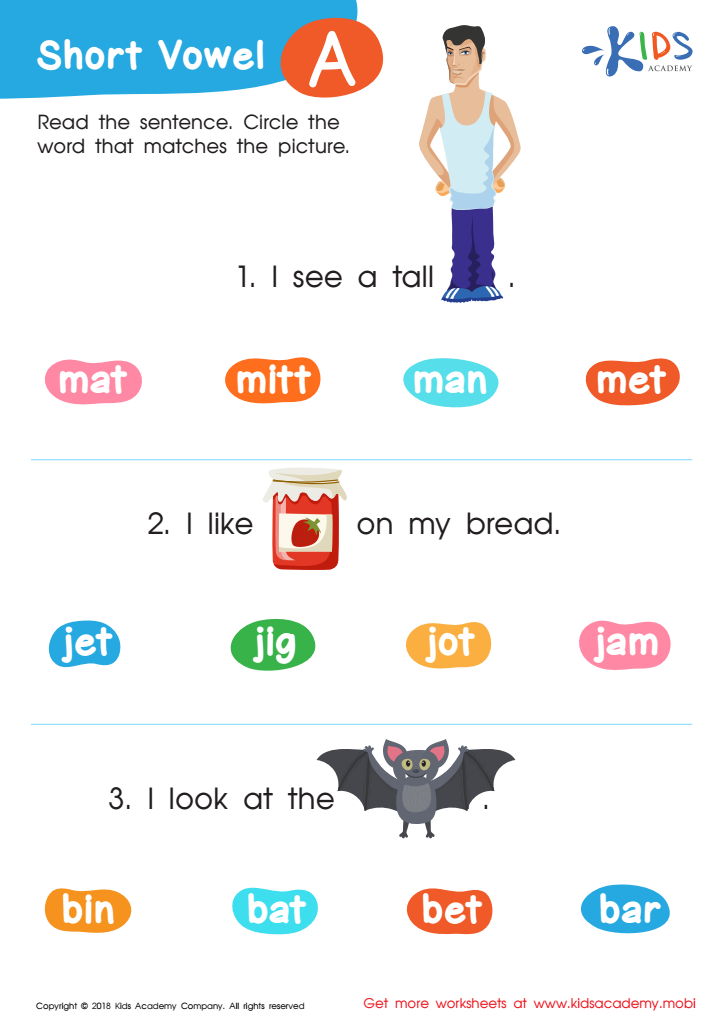
Short Vowel /a/ Worksheet
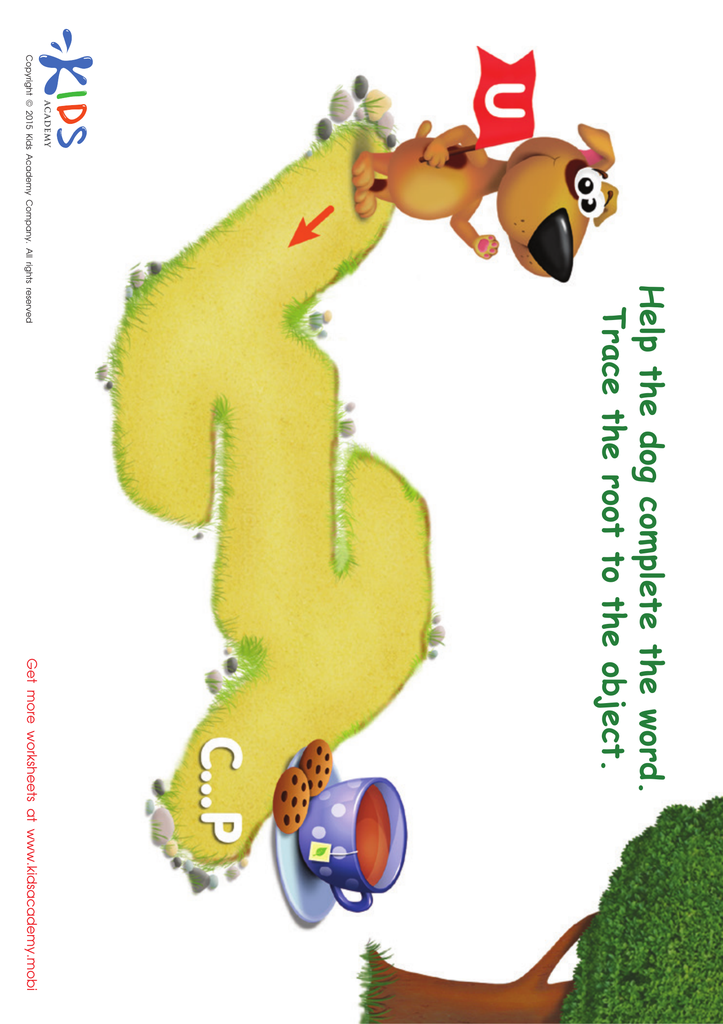
Short Vowel Sound U Worksheet Worksheet
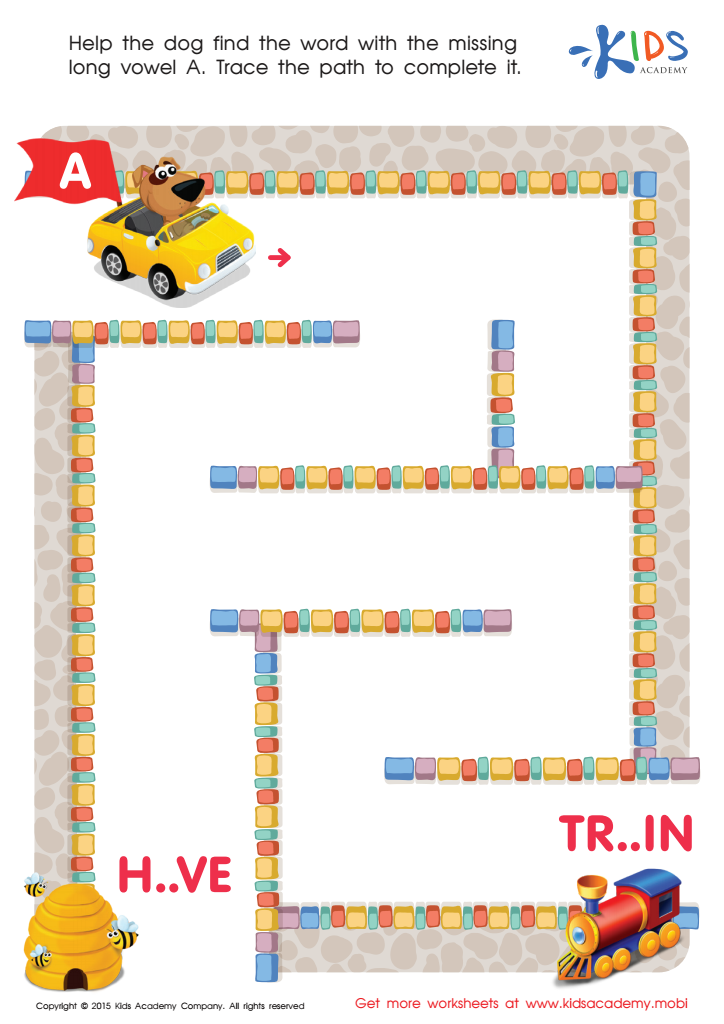
Long Vowel Sound A Worksheet
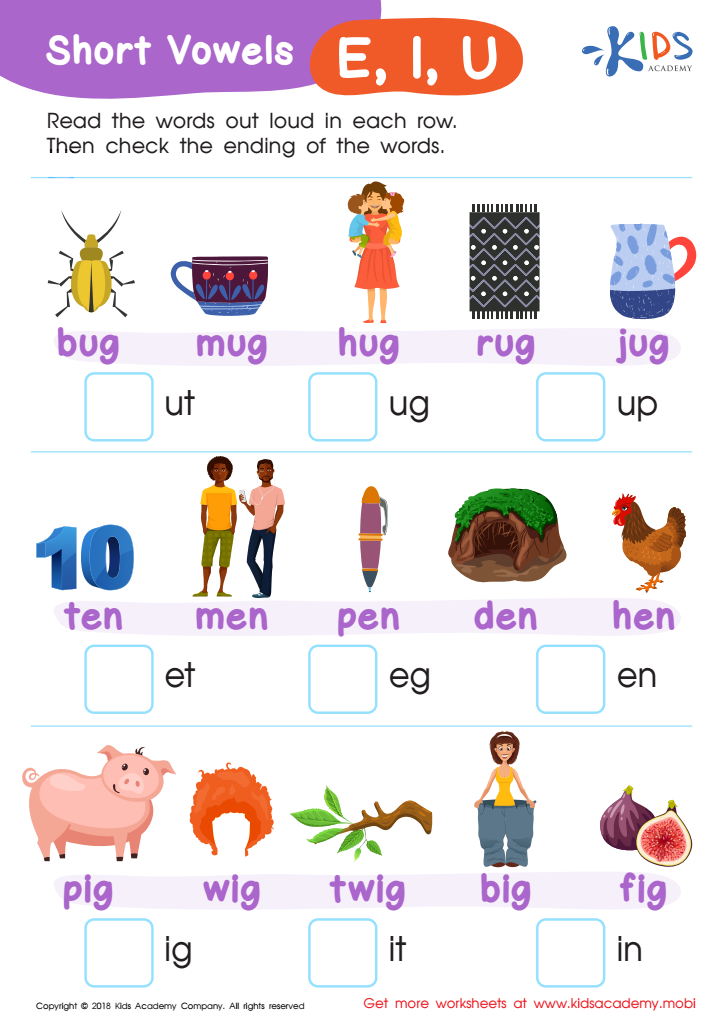
Short Vowels /e/, /i/, and /u/ Worksheet
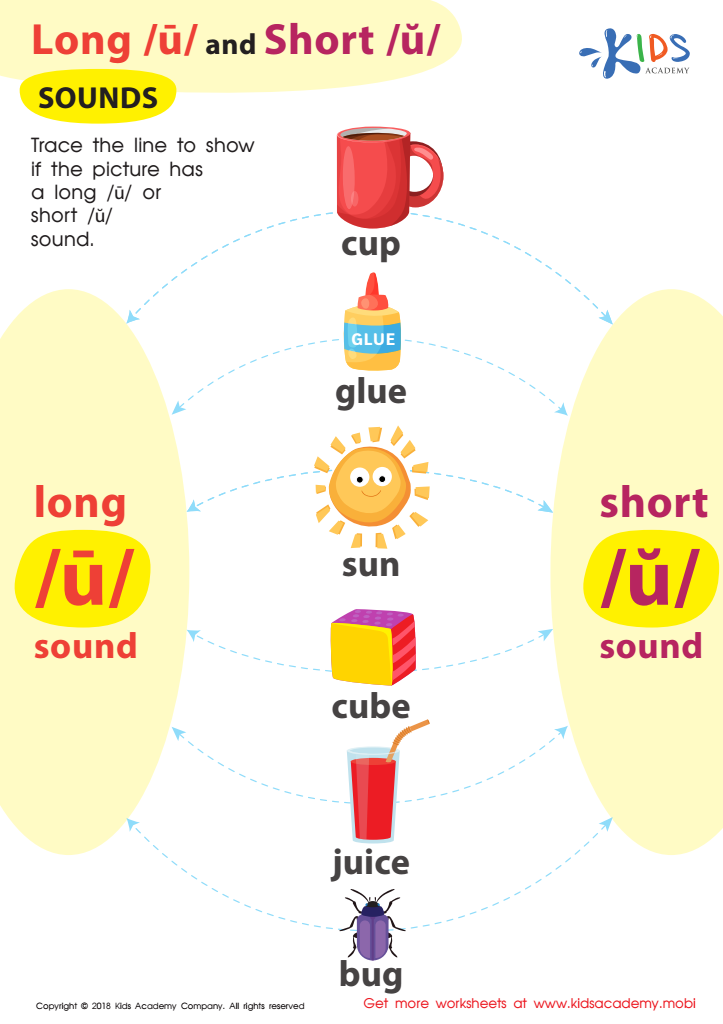
Reading: Long U and Short U Sounds Worksheet
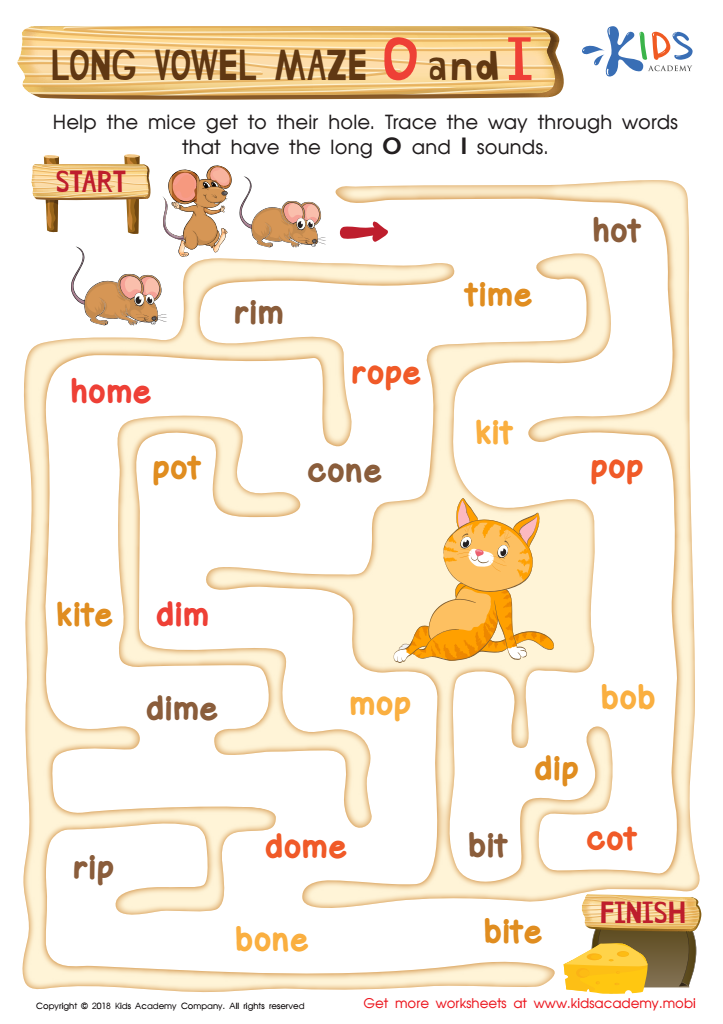
Long Vowel Maze /o/ and /i/ Worksheet
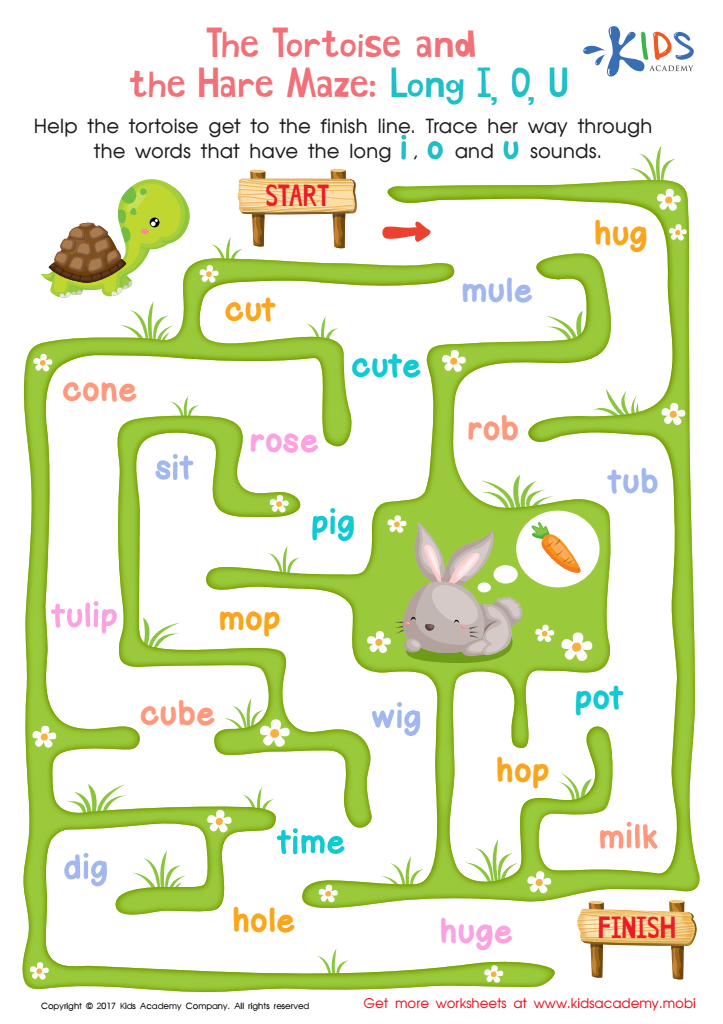
Long I, O, U Words Worksheet
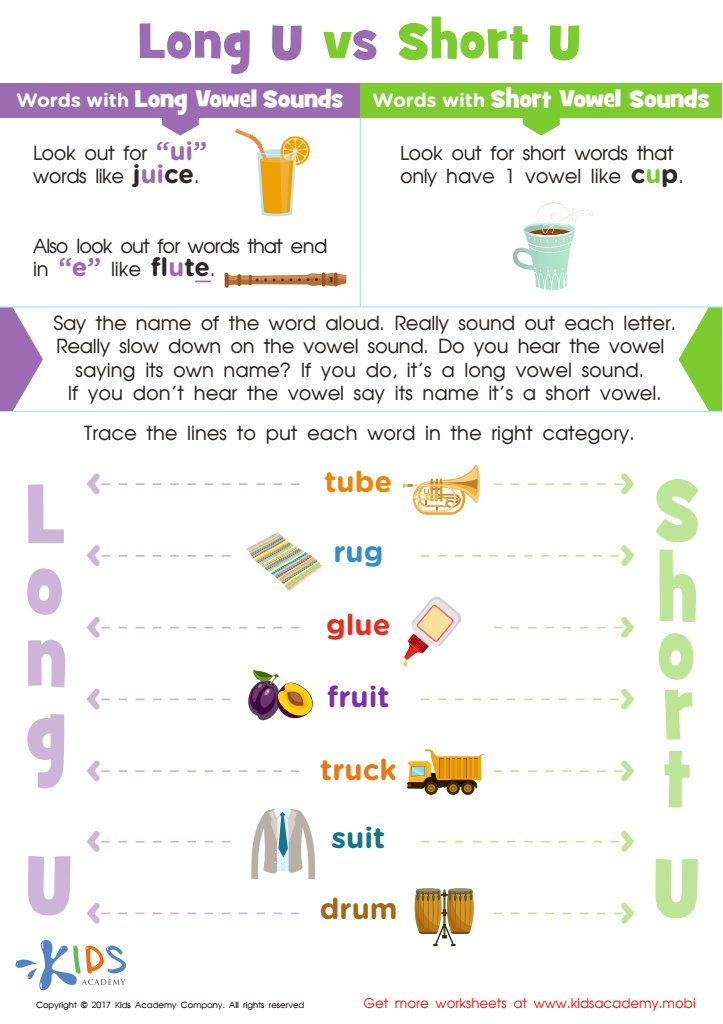
Long and Short Vowel U Spelling Worksheet
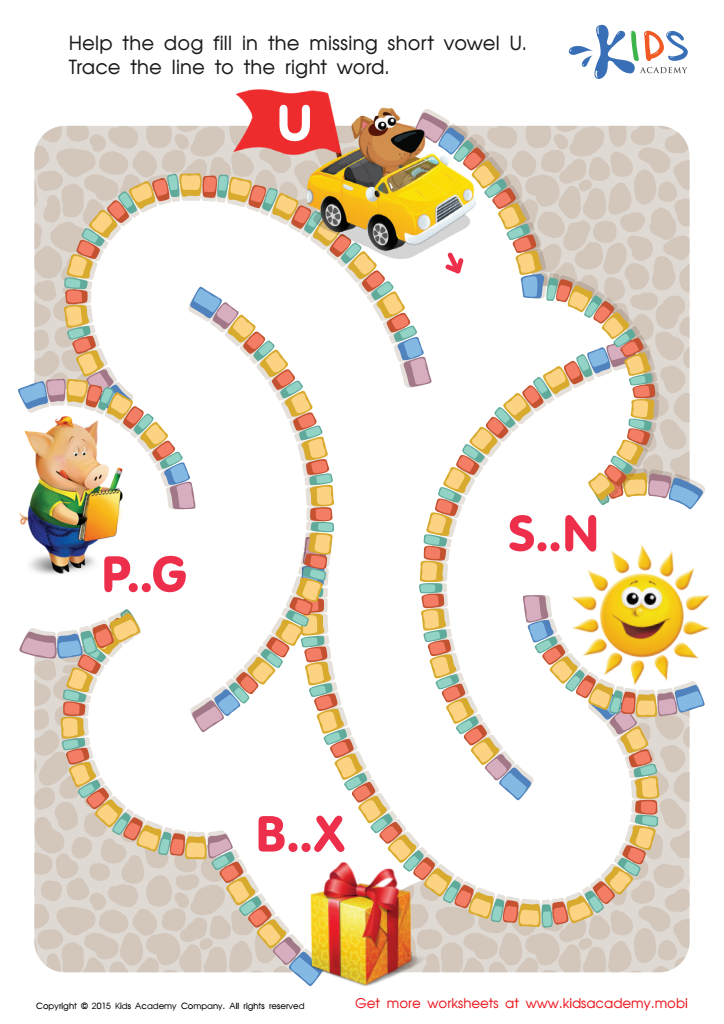
Short Vowel Sound U Worksheet
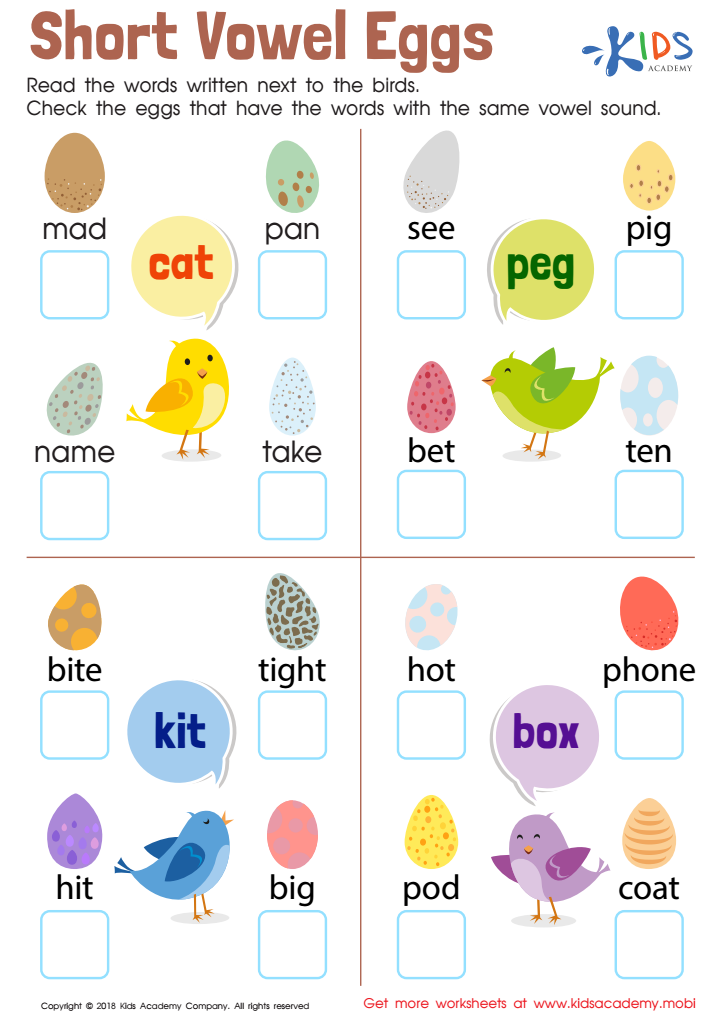
Short Vowel Eggs Worksheet
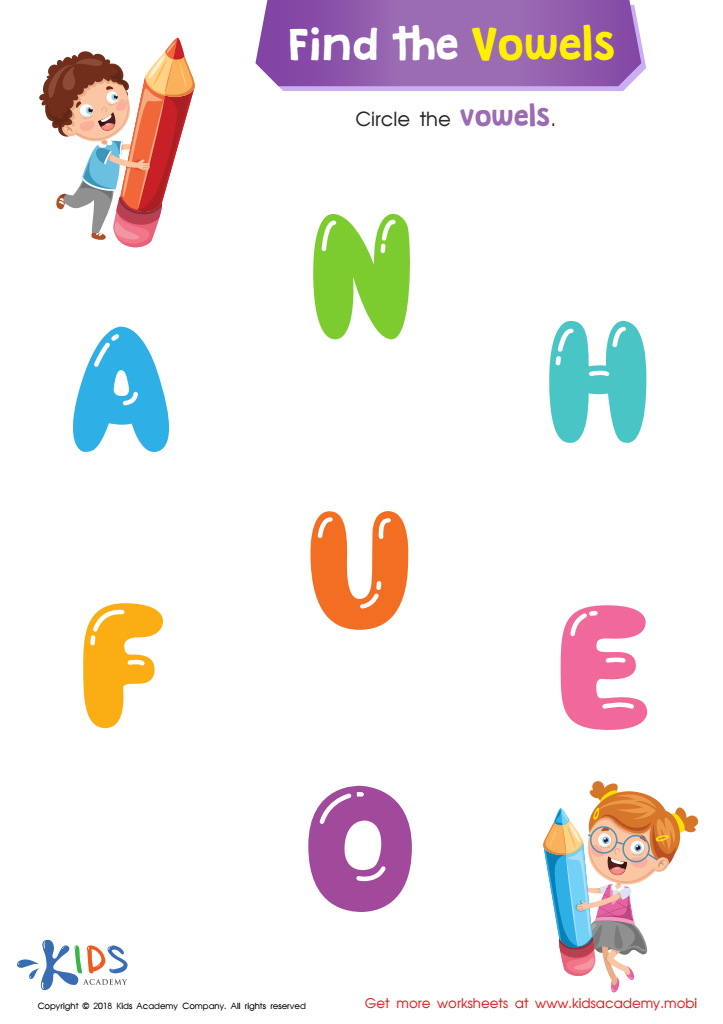
Find the Vowels Reading Worksheet
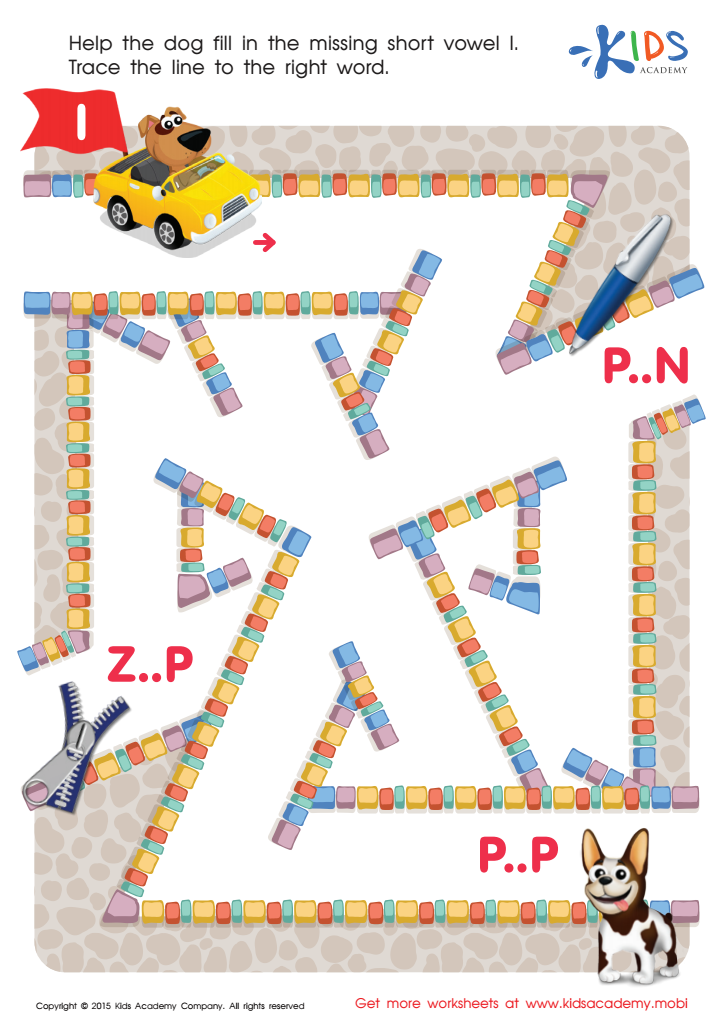
Short Vowel Sound I Worksheet
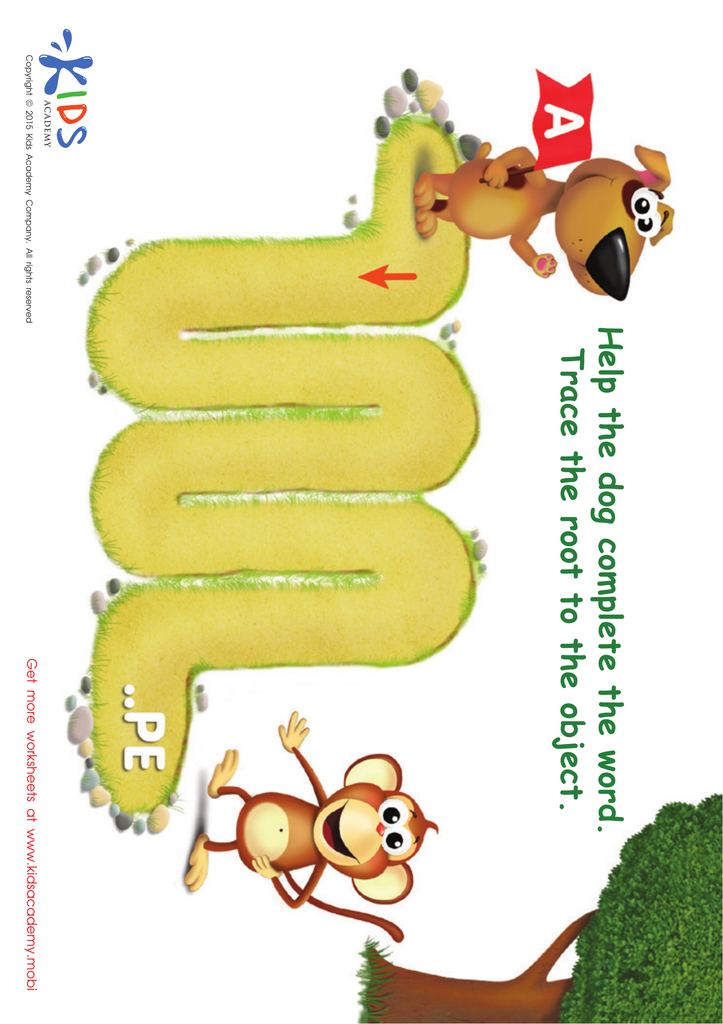
Long Vowel Sound A Worksheet Worksheet
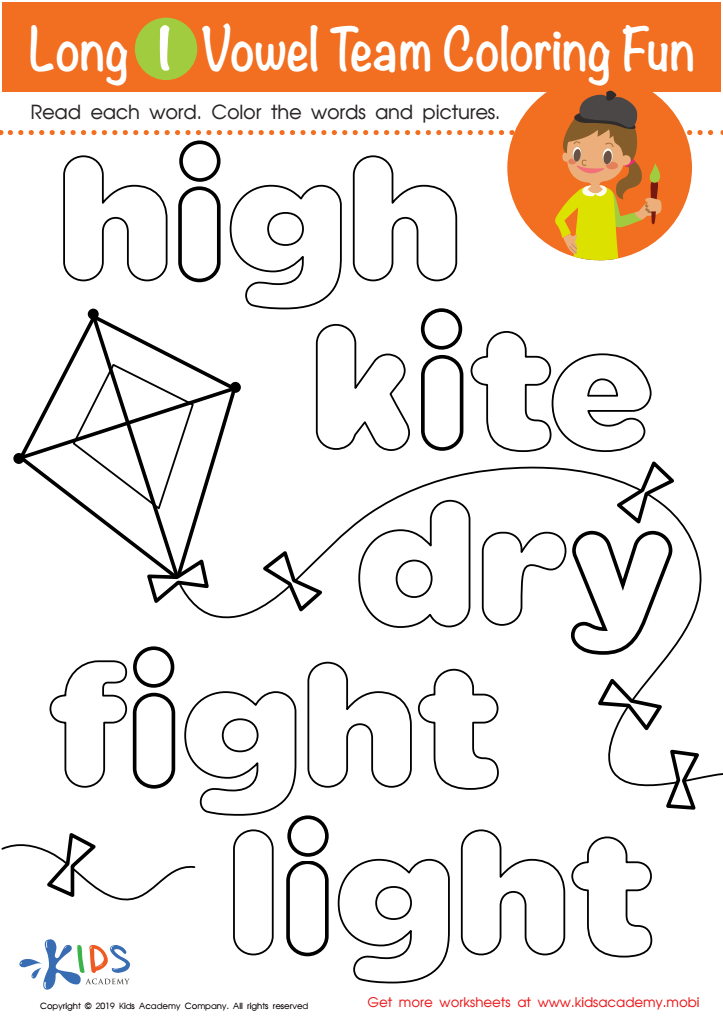
Long I Vowel Team Coloring Worksheet
 Assign to My Students
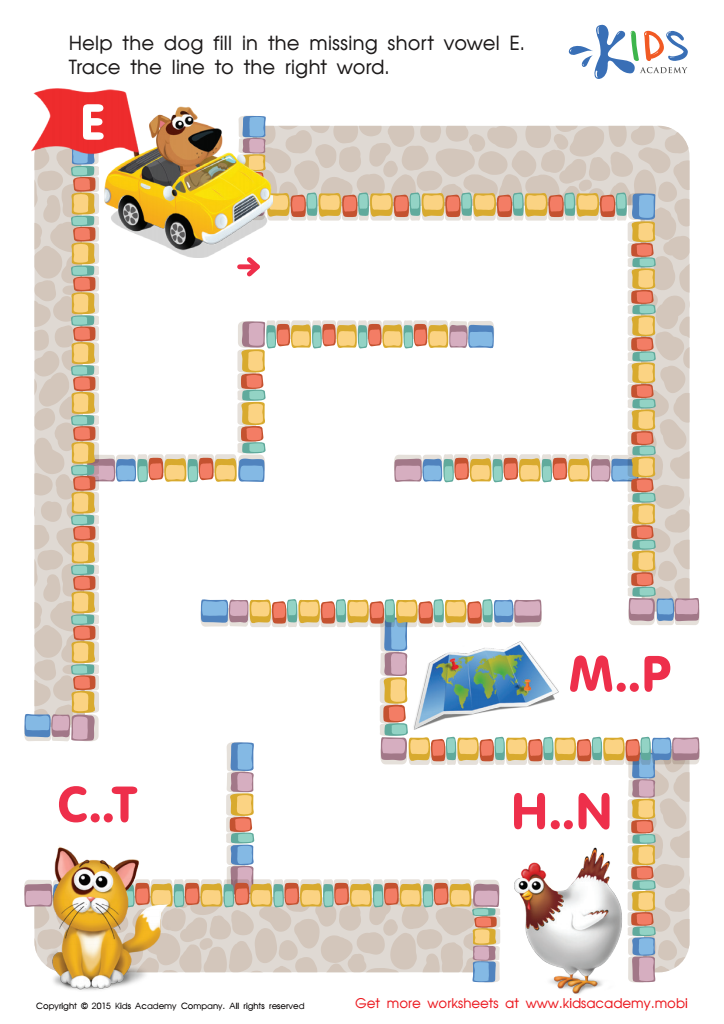
Short Vowel Sound E Worksheet
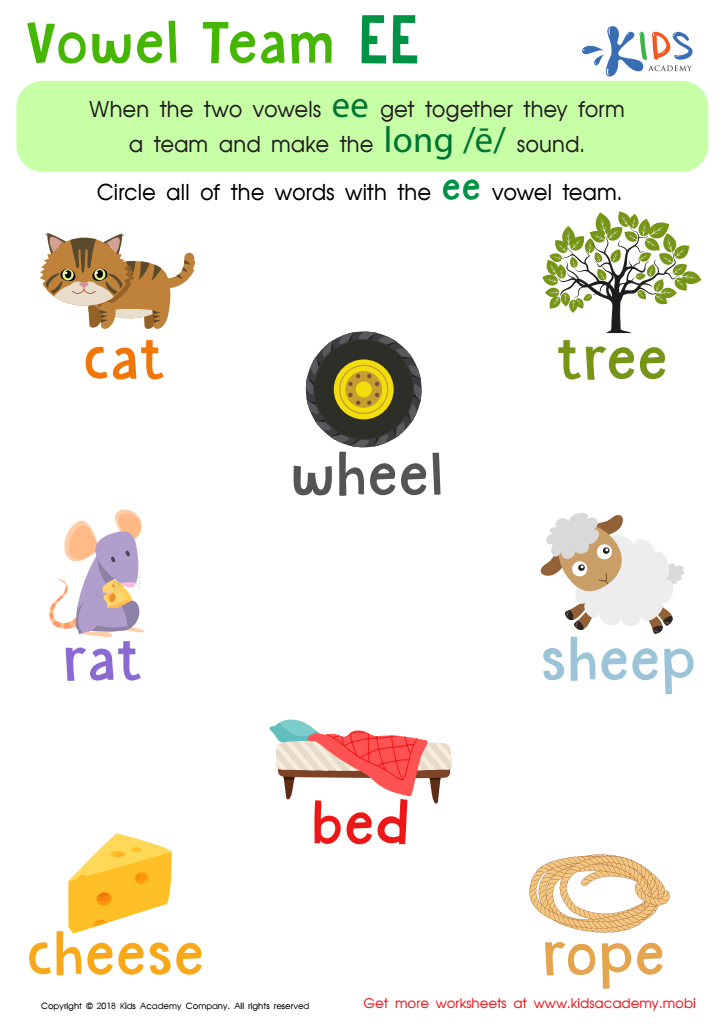
Reading: Vowel Team EE Worksheet
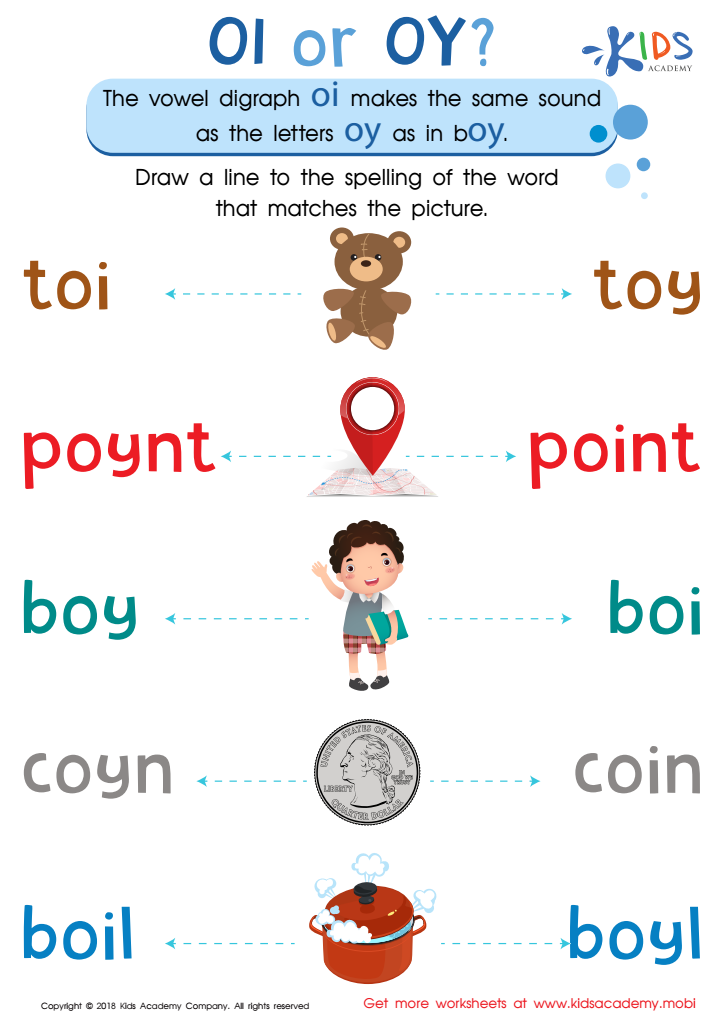
Reading: OI and OY Worksheet
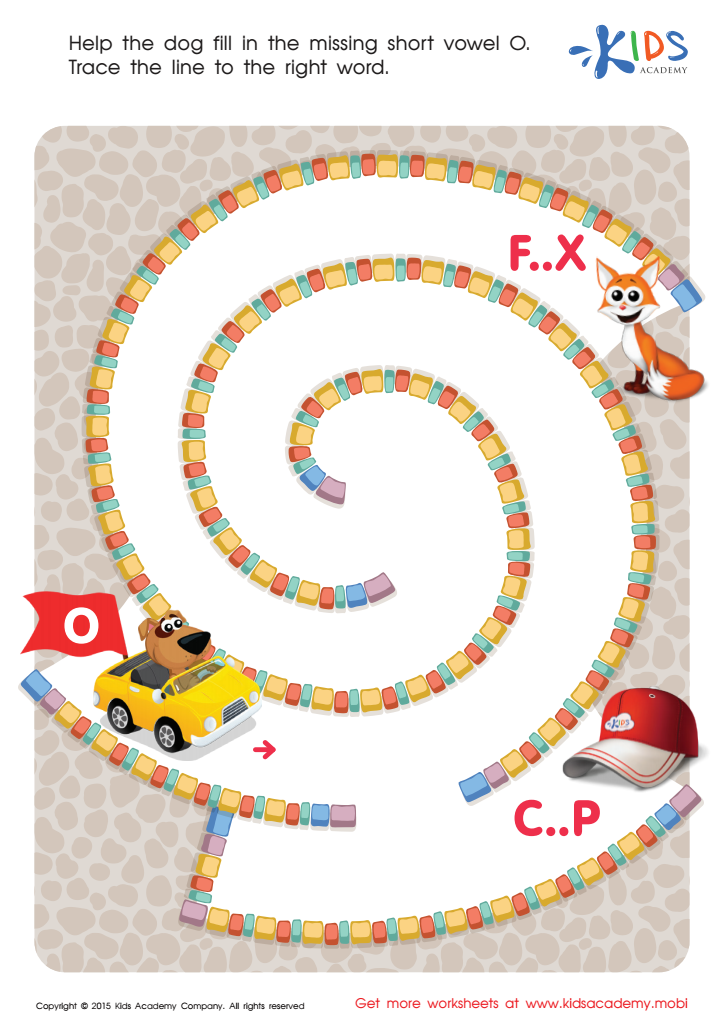
Short Vowel Sound O Worksheet
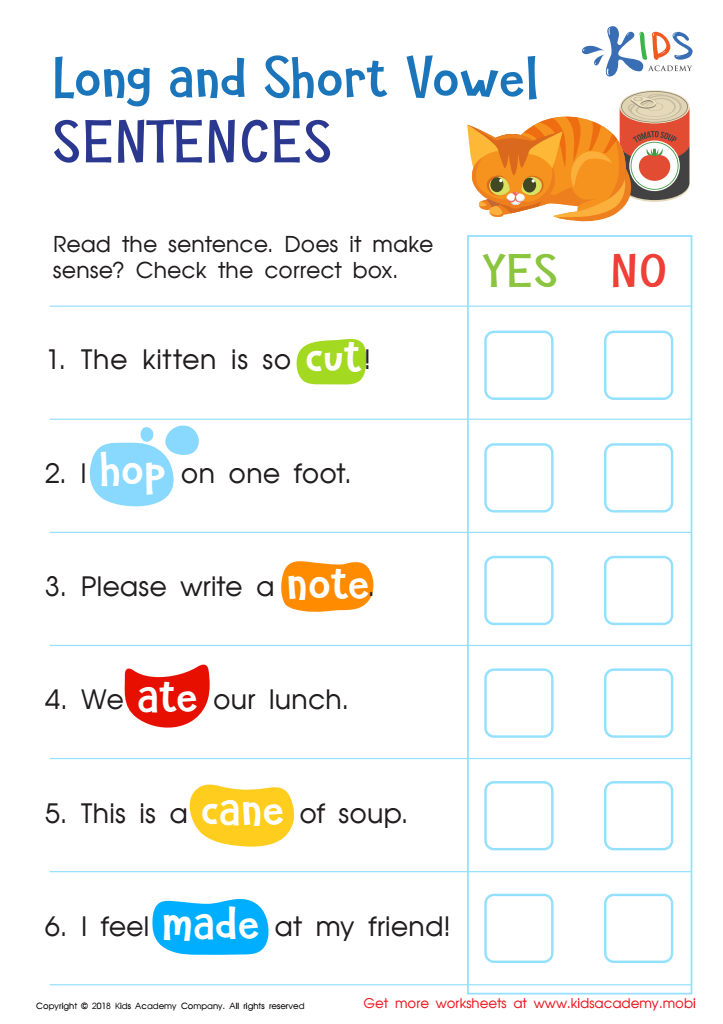
Long and Short Vowel Sentences: Assessment Worksheet
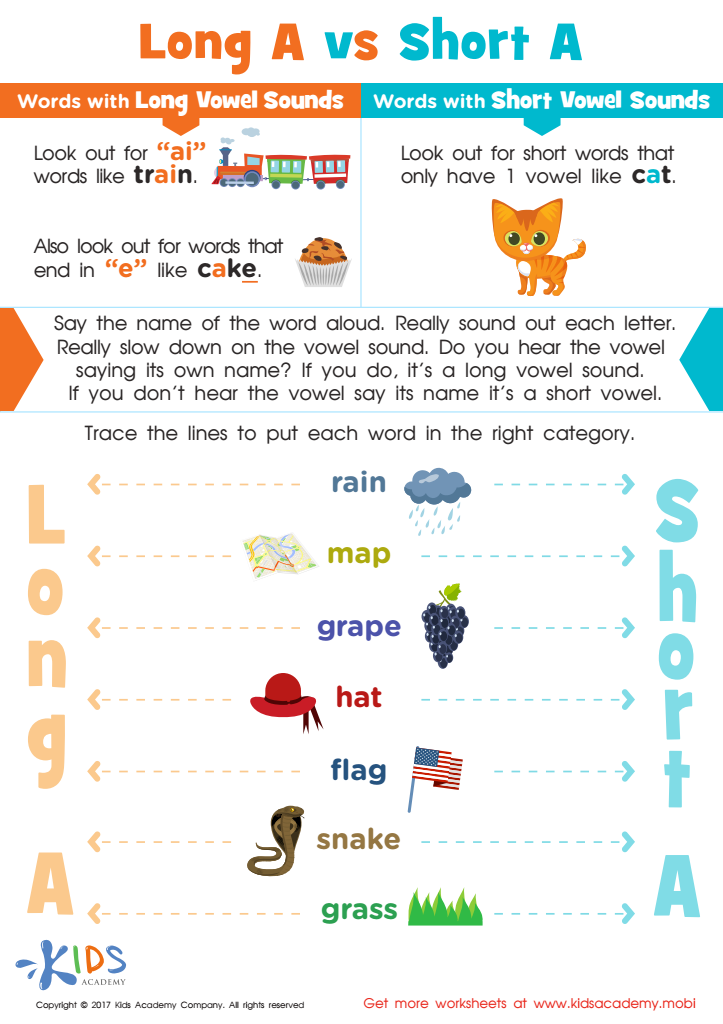
Long and Short Vowel A Spelling Worksheet
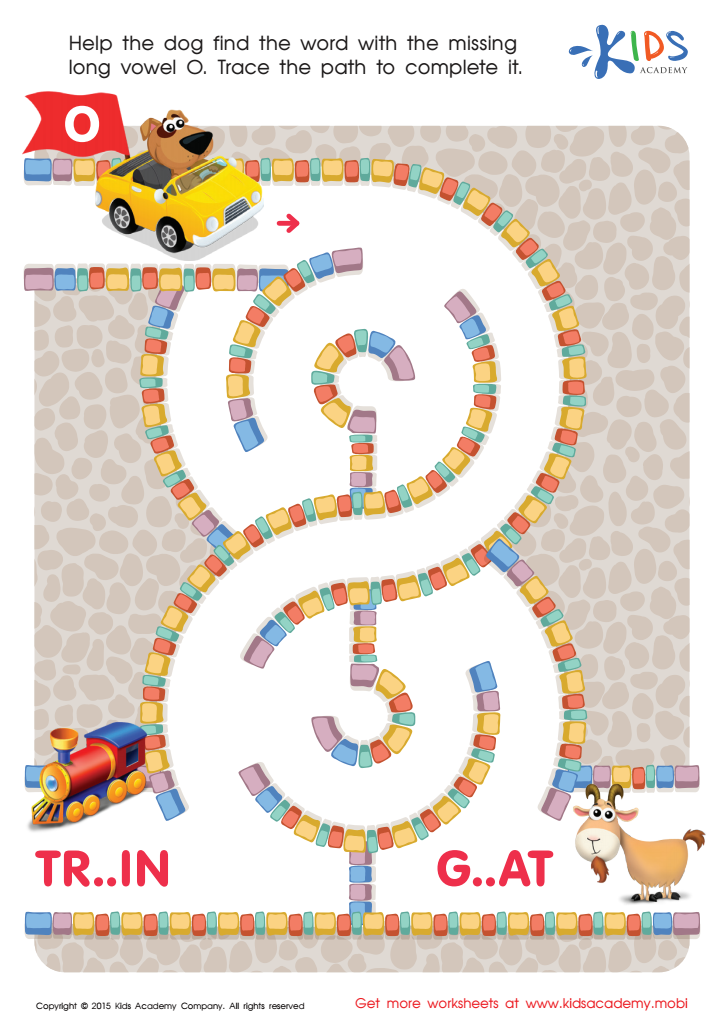
Long Vowel Sound O Worksheet







Vowel recognition is crucial for children aged 3-9 as it forms the foundation of their reading and writing skills. Understanding vowels allows young learners to decode words effectively, facilitating their early literacy development. As vowels are integral components of nearly every word, recognizing them enables children to sound out words, ultimately aiding in fluency and comprehension.
Additionally, emphasizing vowel recognition helps promote their phonemic awareness — the ability to hear, identify, and manipulate individual sounds in spoken words. This skill is essential for developing literacy because it enhances a child's ability to blend sounds to form words, spell accurately, and improve overall language skills.
Moreover, early mastery of vowels can boost a child’s confidence in reading. When children are secure in recognizing vowels, they tend to engage more willingly with texts, which fosters a love for reading.
Parents and teachers can further support this learning through playful activities, songs, and games that center around vowels, making the learning process enjoyable. Ultimately, cultivating vowel recognition early on equips children with vital tools for academic success and fosters lifelong learning habits. Engaging in this early literacy skill directly impacts a child’s self-esteem, motivation, and future educational outcomes.








