Addition & Subtraction Worksheets for Ages 3-9 - Page 3
1537 filtered results
-
From - To
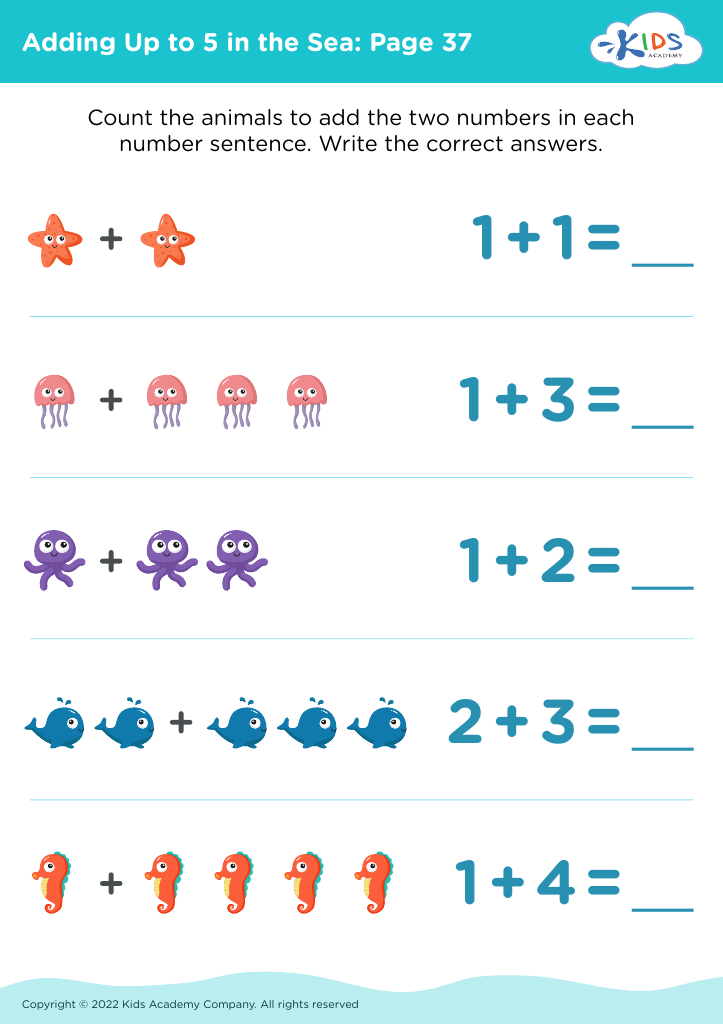
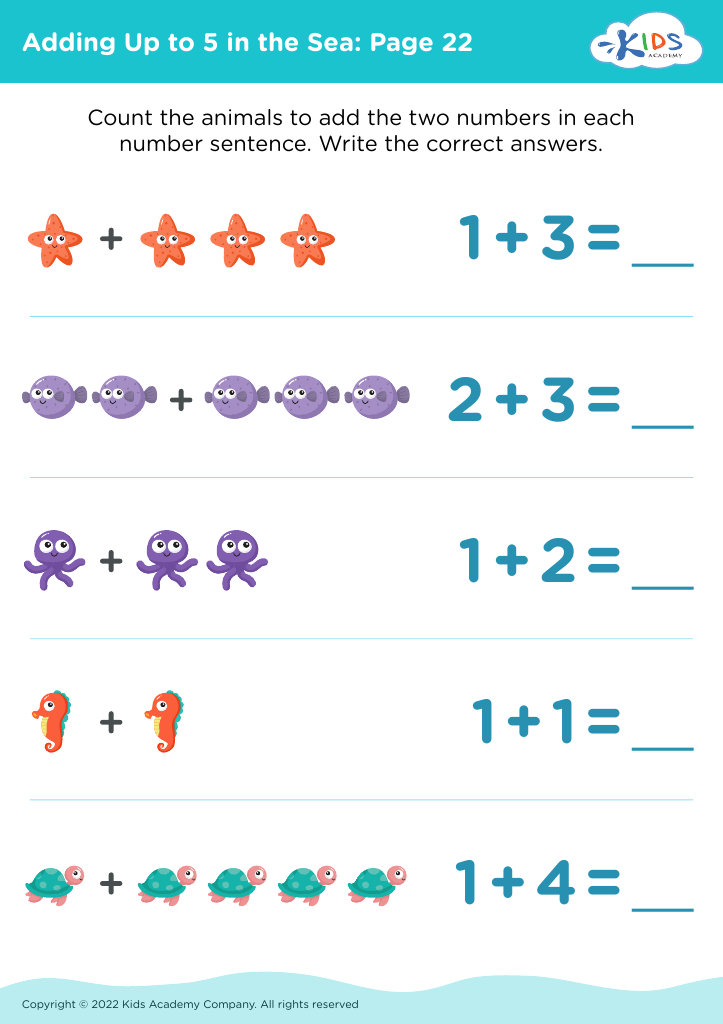
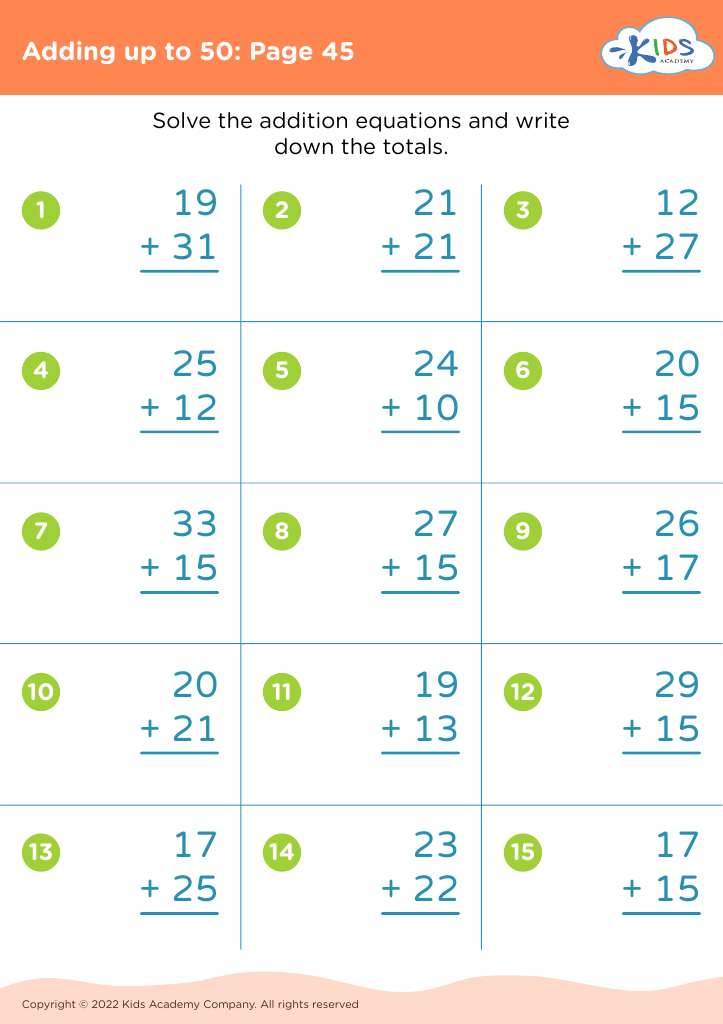
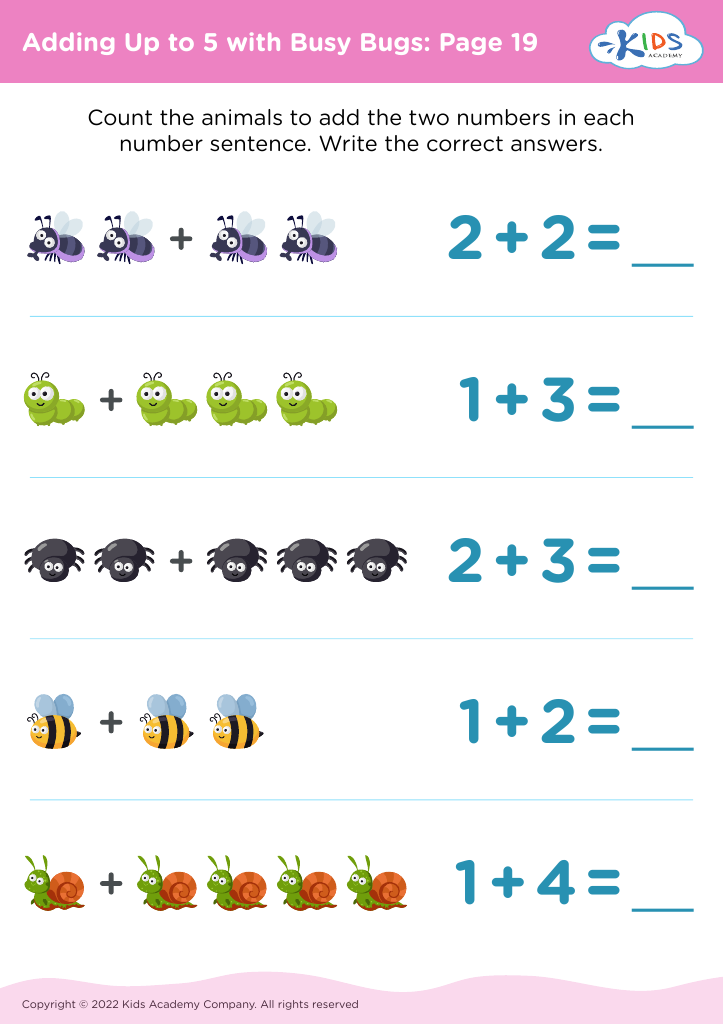
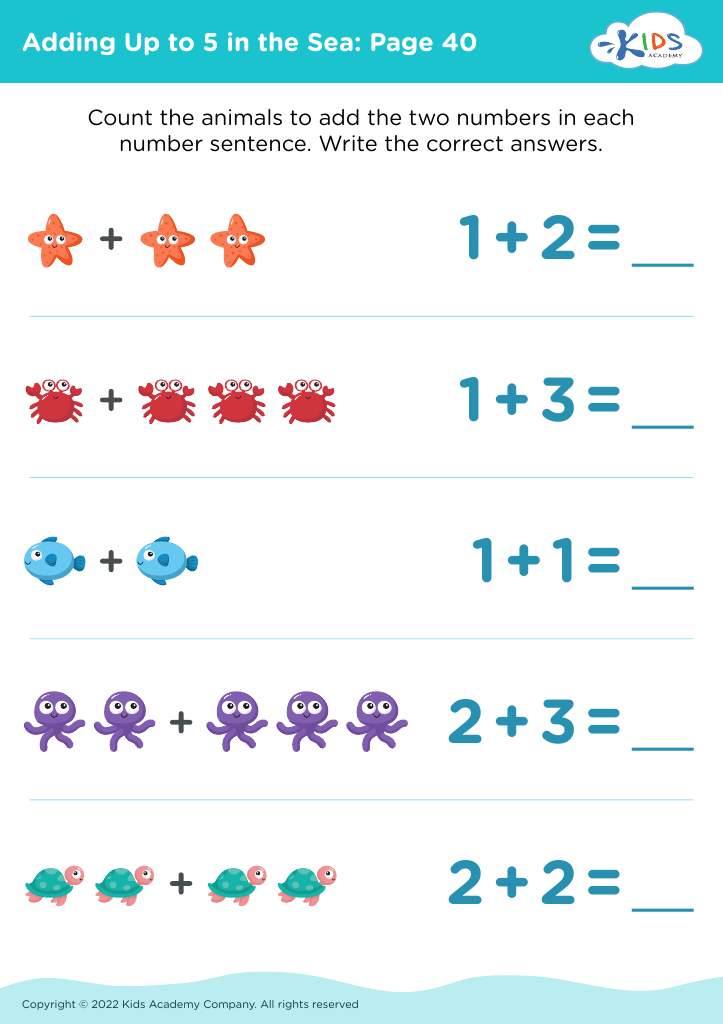
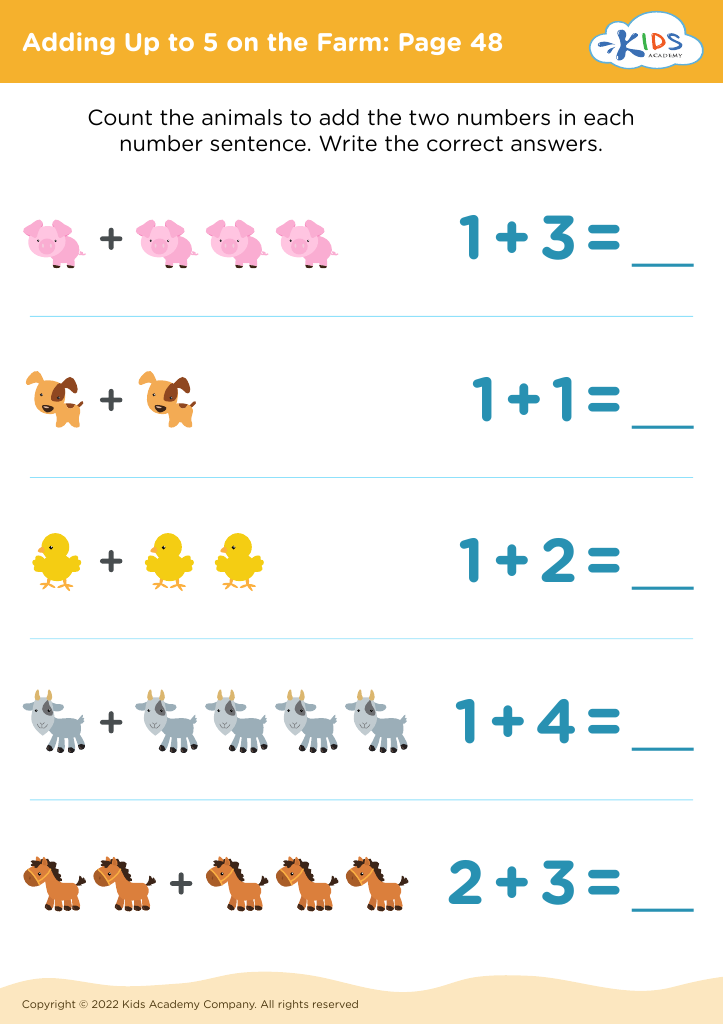
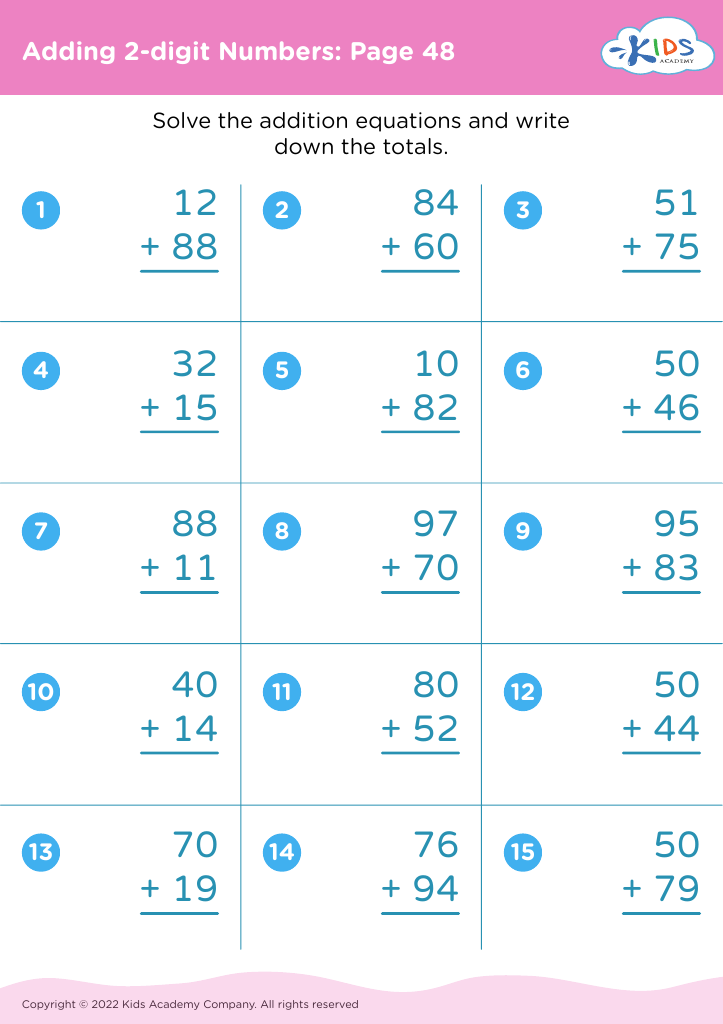
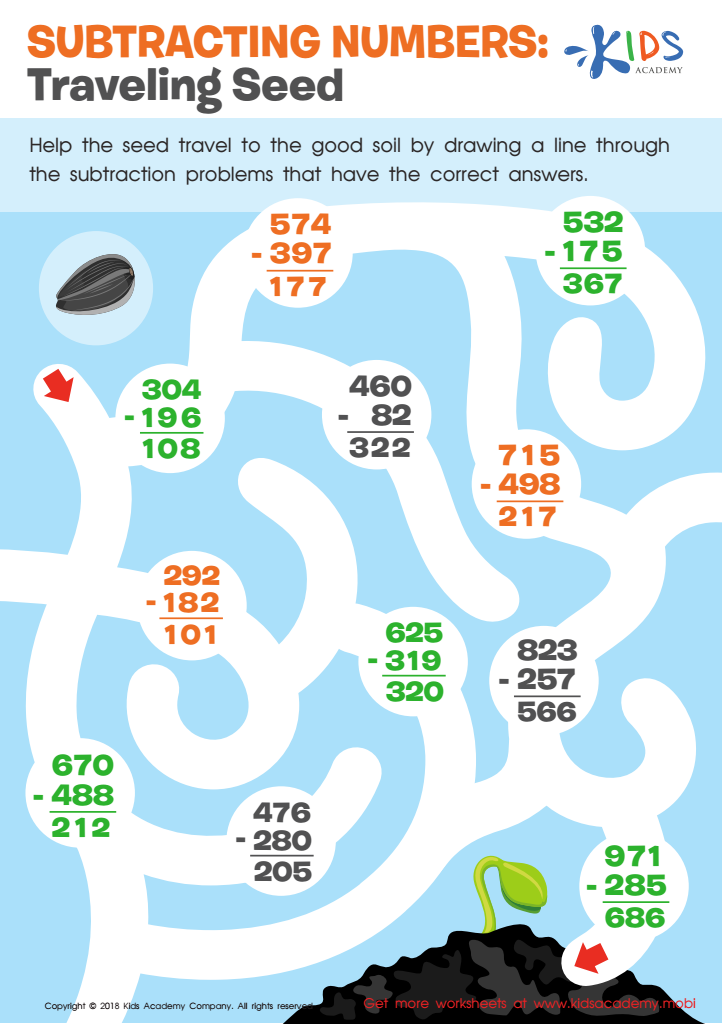
Subtracting Numbers: Traveling Seeds Worksheet
 Assign to My Students
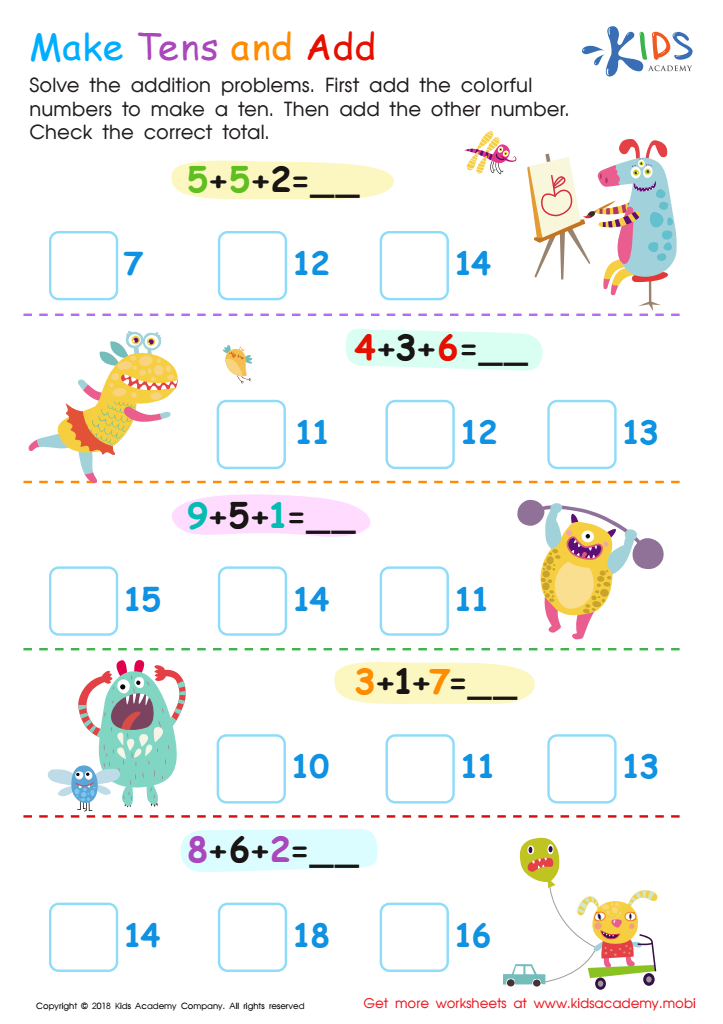
Make Tens and Add Worksheet
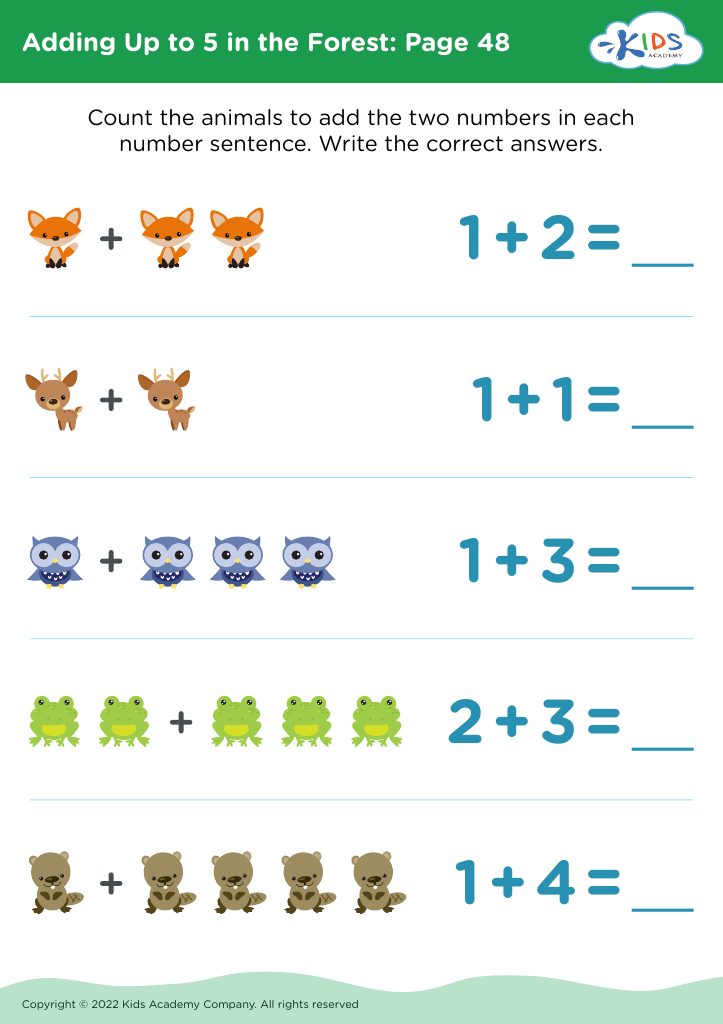
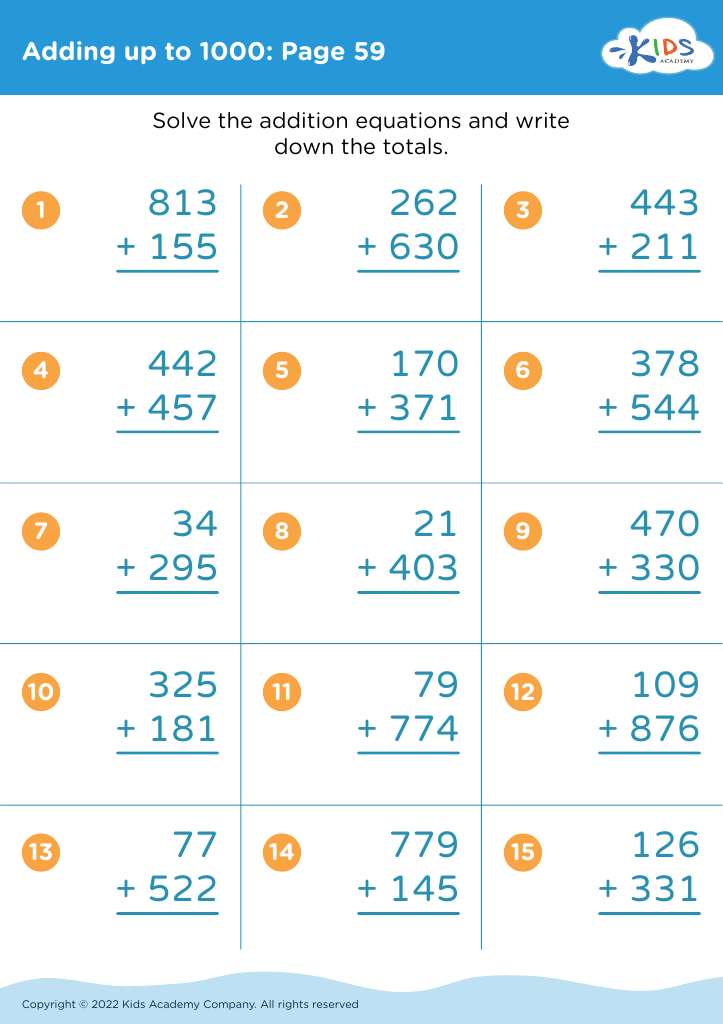
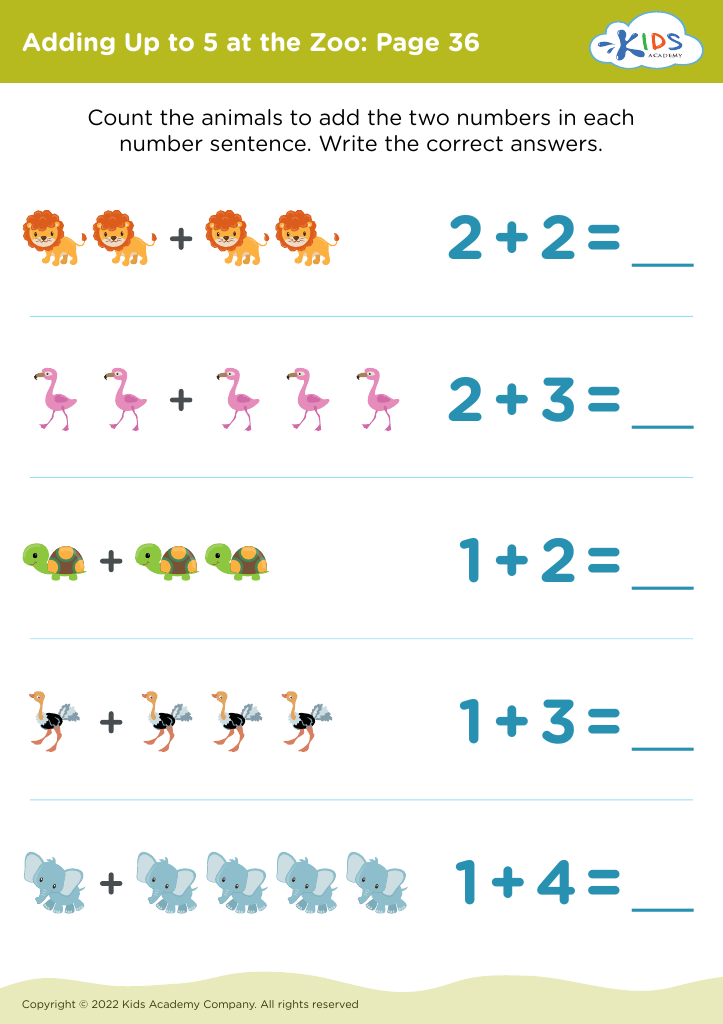
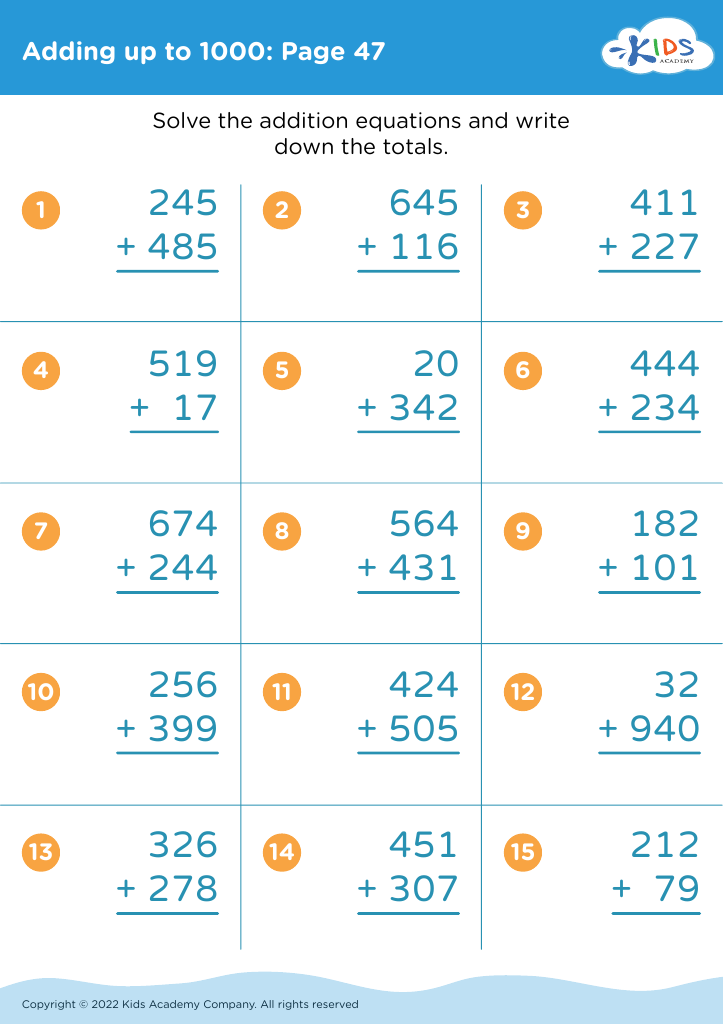
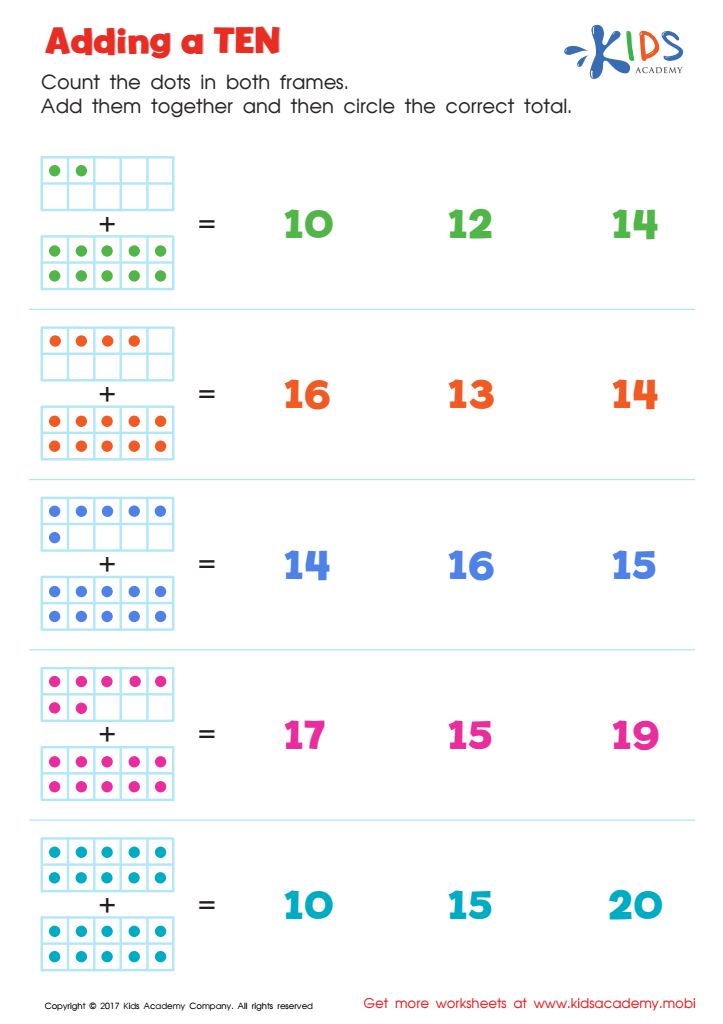
Adding a Ten Worksheet
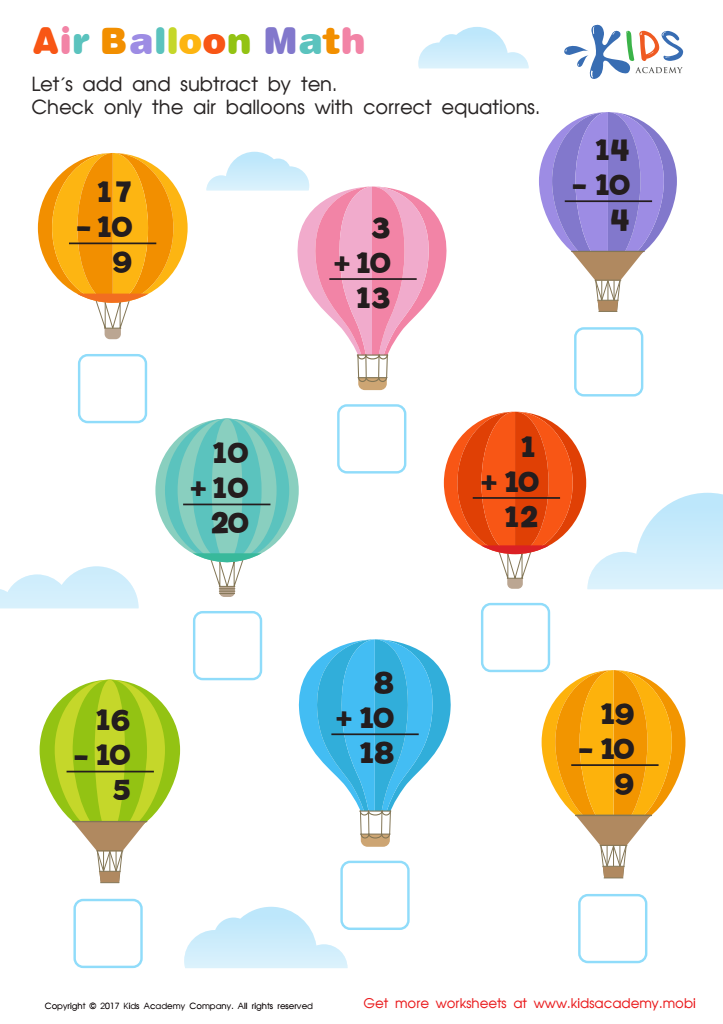
Air Balloon Math Worksheet
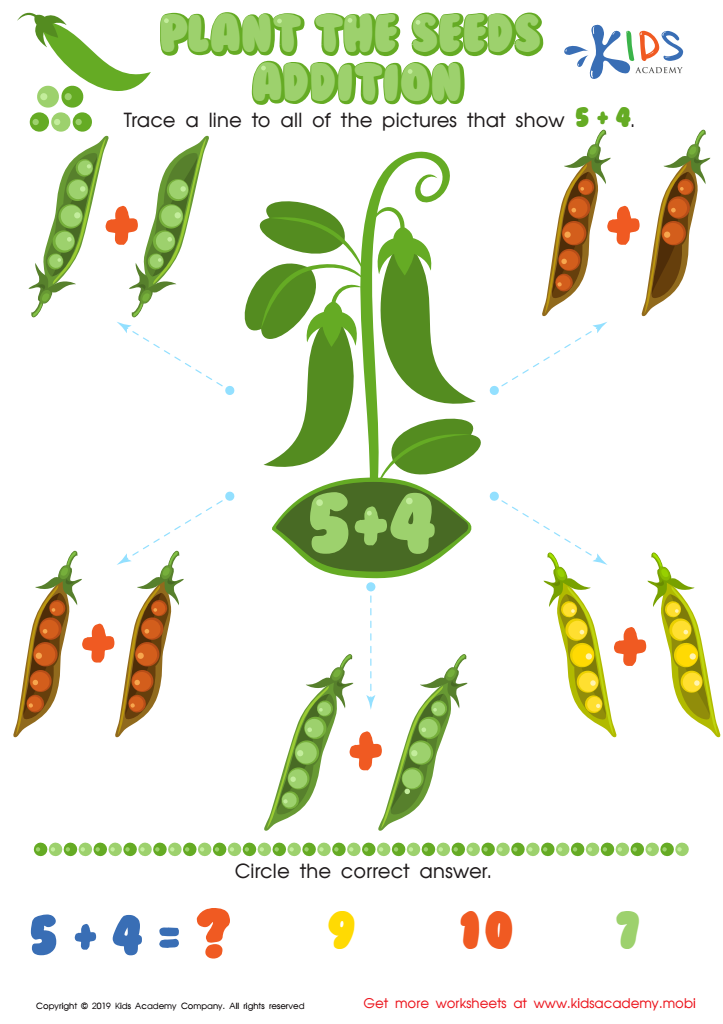
Plant the Seeds Addition Worksheet
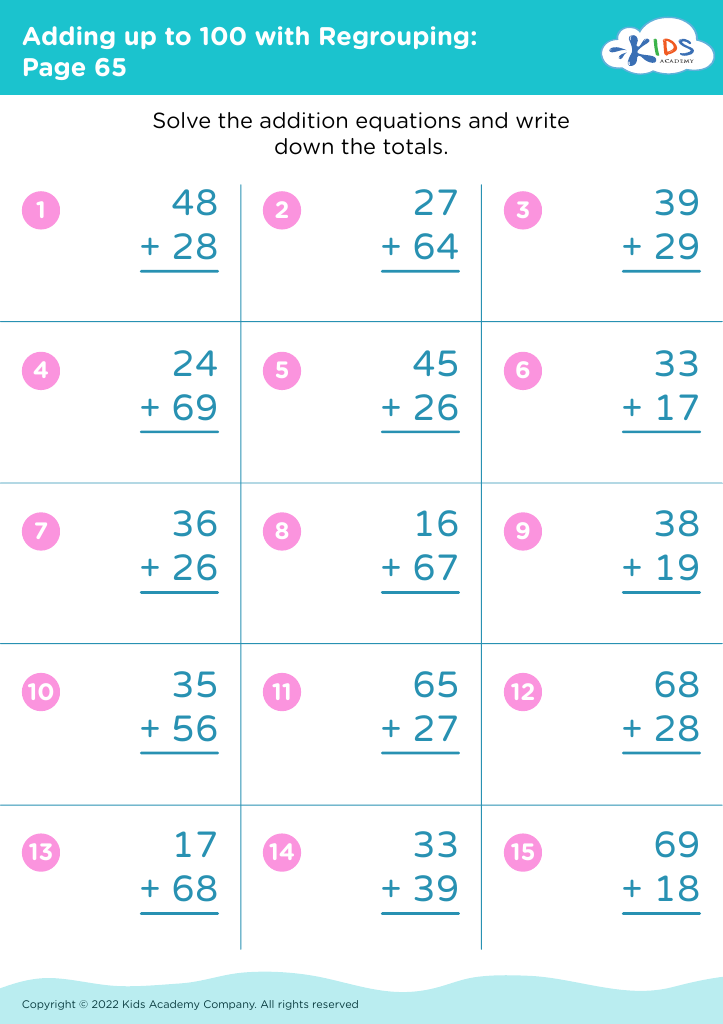
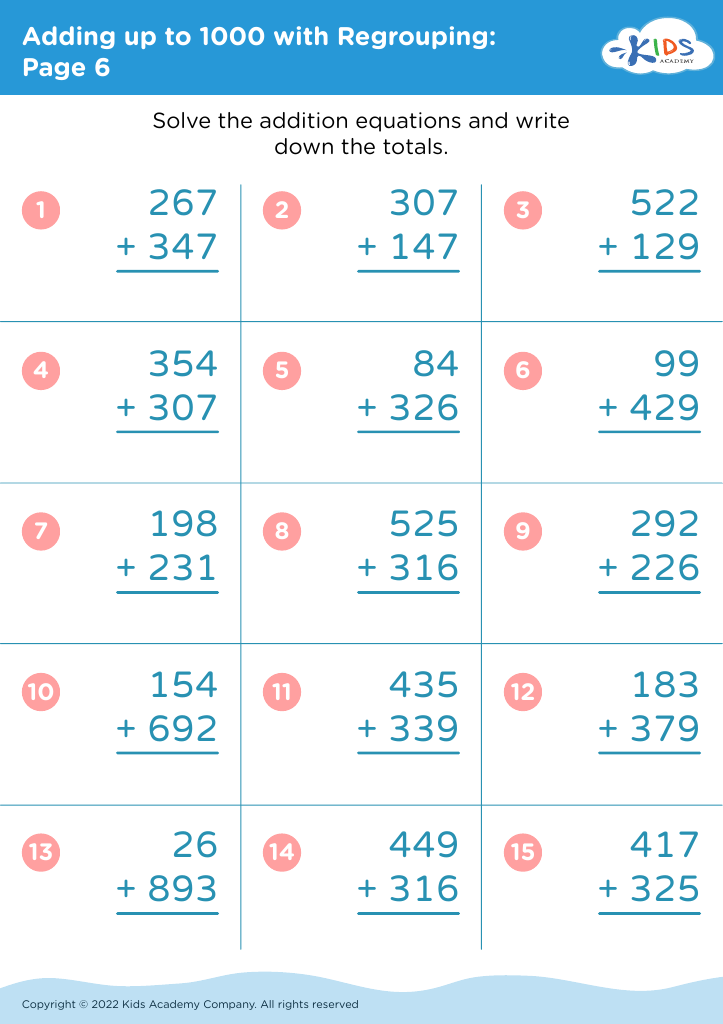
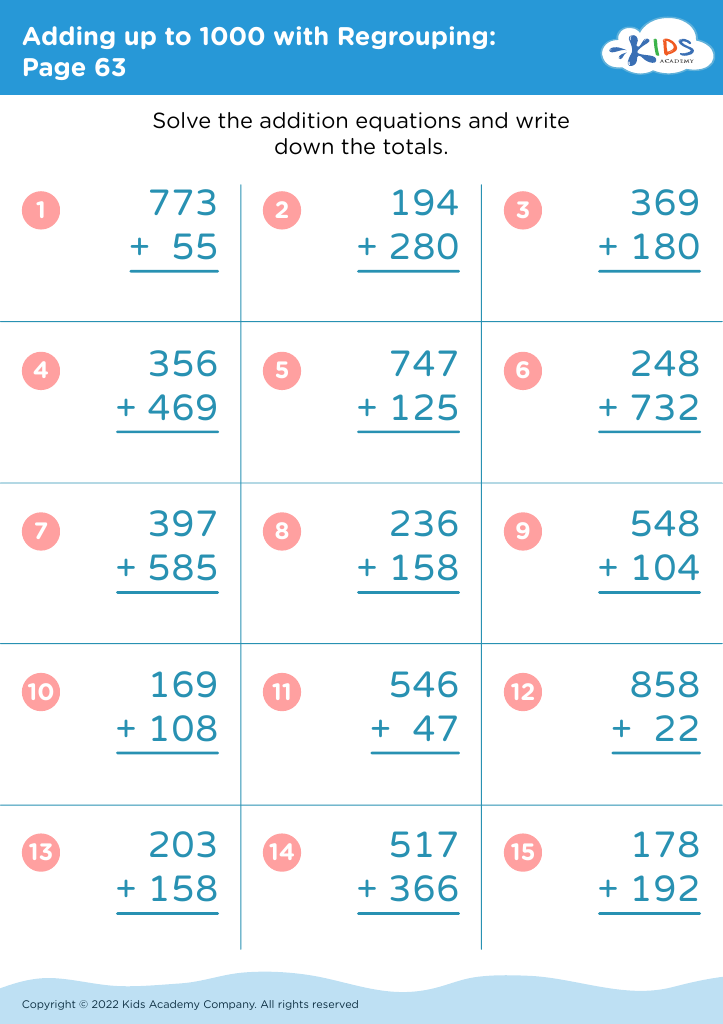
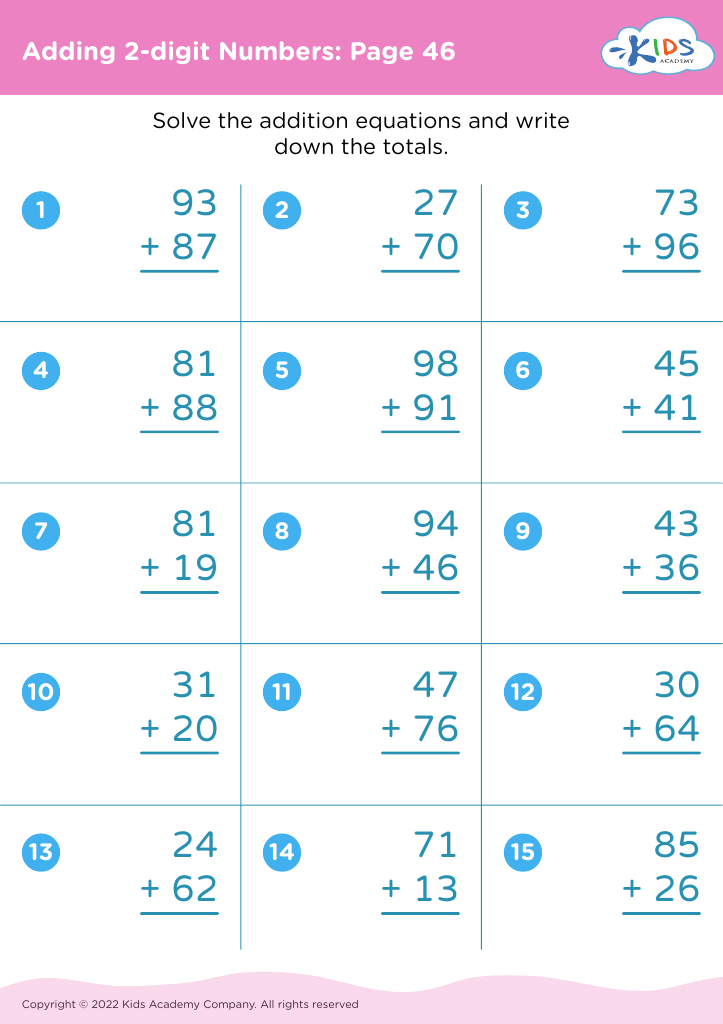








Parents and teachers should care deeply about teaching addition and subtraction to children aged 3-9 because these foundational skills are crucial for their overall mathematical development and daily problem-solving capabilities. At this early age, children’s brains are highly receptive, making it an ideal time to introduce fundamental math concepts. Mastering addition and subtraction helps build a solid mathematical foundation, which is essential for understanding more complex math topics later in life, such as multiplication, division, fractions, and algebra.
Moreover, these early arithmetic skills promote critical thinking and logical reasoning. When children learn to add and subtract, they engage in problem-solving, learn to make decisions, and recognize patterns, all of which are important cognitive skills.
Basic adding and subtracting also demonstrate immediate practical value, enabling children to handle real-life situations, such as sharing toys, understanding time, and managing simple financial transactions like counting money.
Finally, early success in mastering these skills can instill a sense of confidence and a positive attitude towards learning mathematics. Positive early math experiences lay the foundation for academic success and a lifelong appreciation for numbers. This, in turn, can foster improved performance in various subjects, emphasizing the importance of early math education for young learners.








