Hand-eye Coordination Numbers Worksheets for Ages 3-9
27 filtered results
-
From - To
Discover our Hand-eye Coordination Numbers Worksheets designed for kids ages 3-9. Our engaging collection helps children build essential skills by combining number recognition with interactive tracing and counting activities. Perfect for preschoolers and early grade students, these worksheets promote fine motor development and cognitive growth in a fun, educational way. Each activity is carefully tailored to enhance early math learning while also improving hand-eye coordination. Help your child gain confidence in their number skills with our expert-designed, printable resources from Kids Academy. Let’s make learning an exciting adventure!
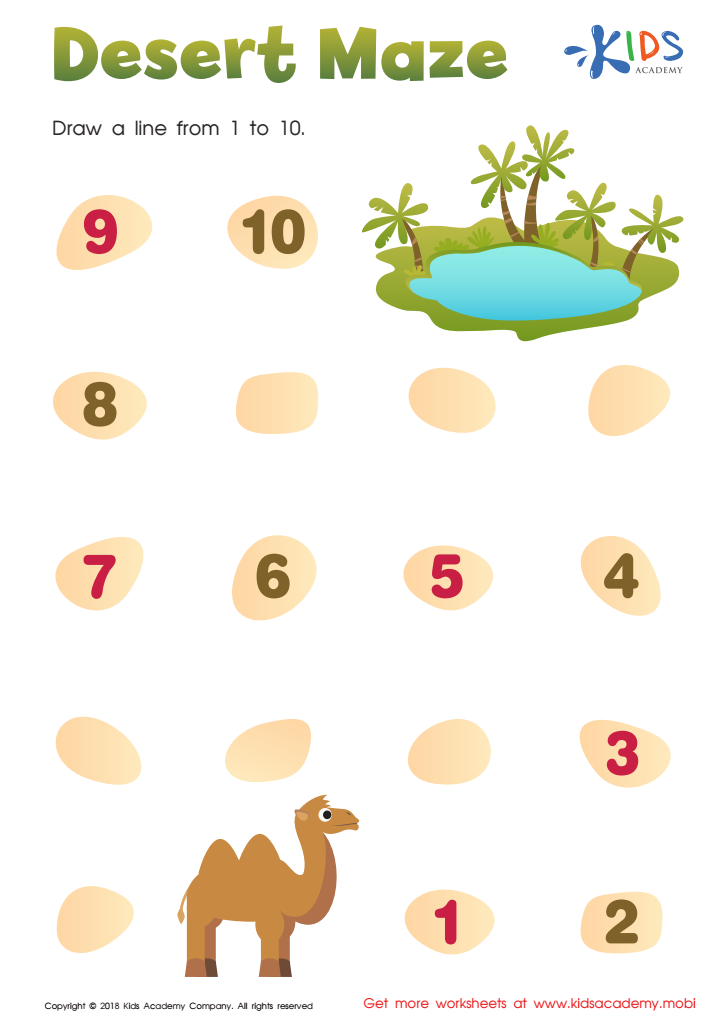
Desert Maze Worksheet
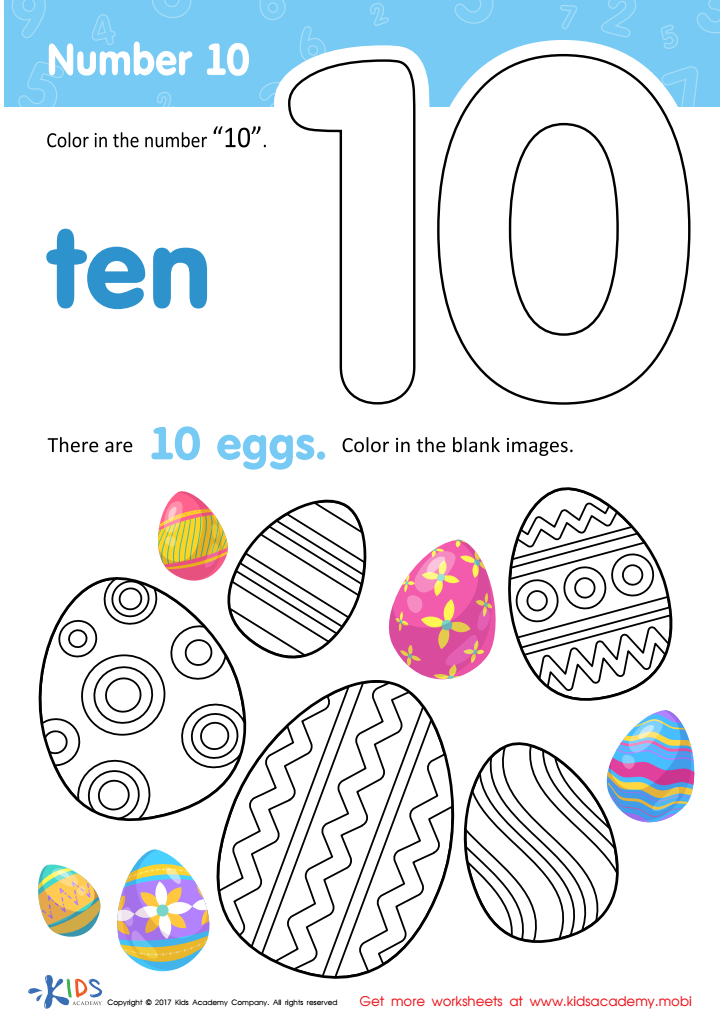
Number 10 Printable
 Assign to My Students
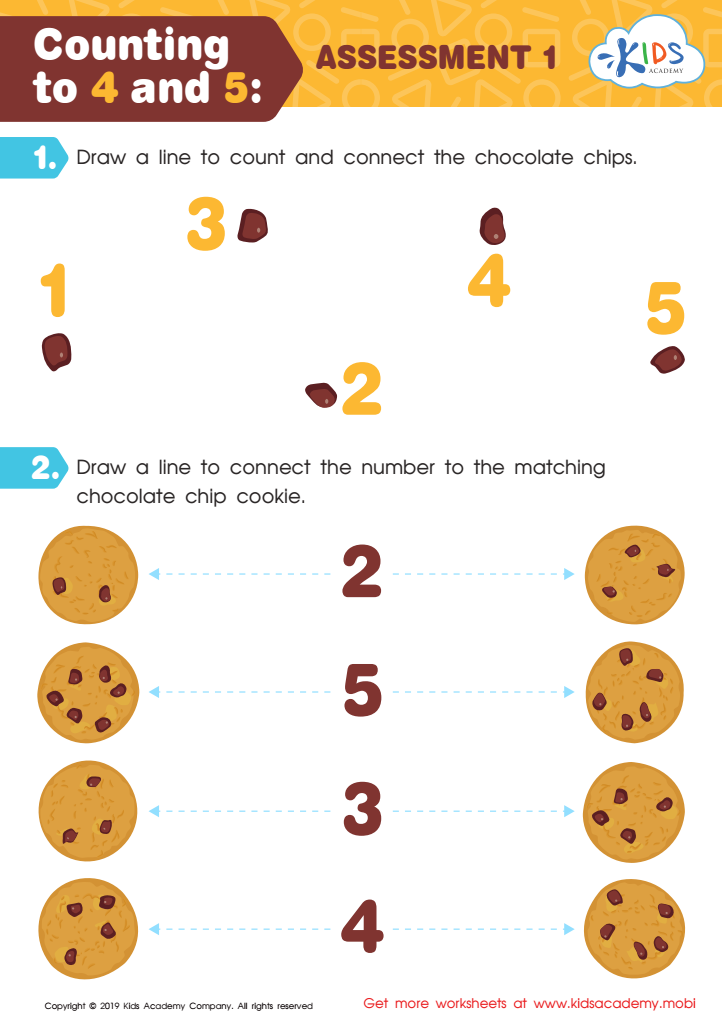
Counting to 4 and 5: Assessment 1 Worksheet
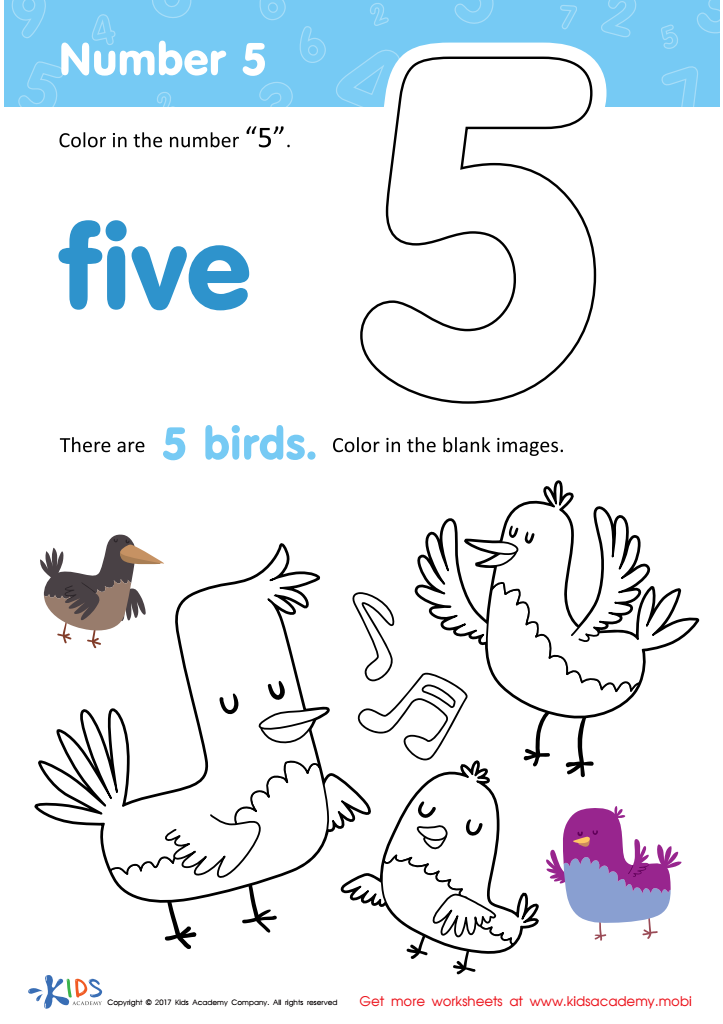
Number 5 Printable
Assign to My Students
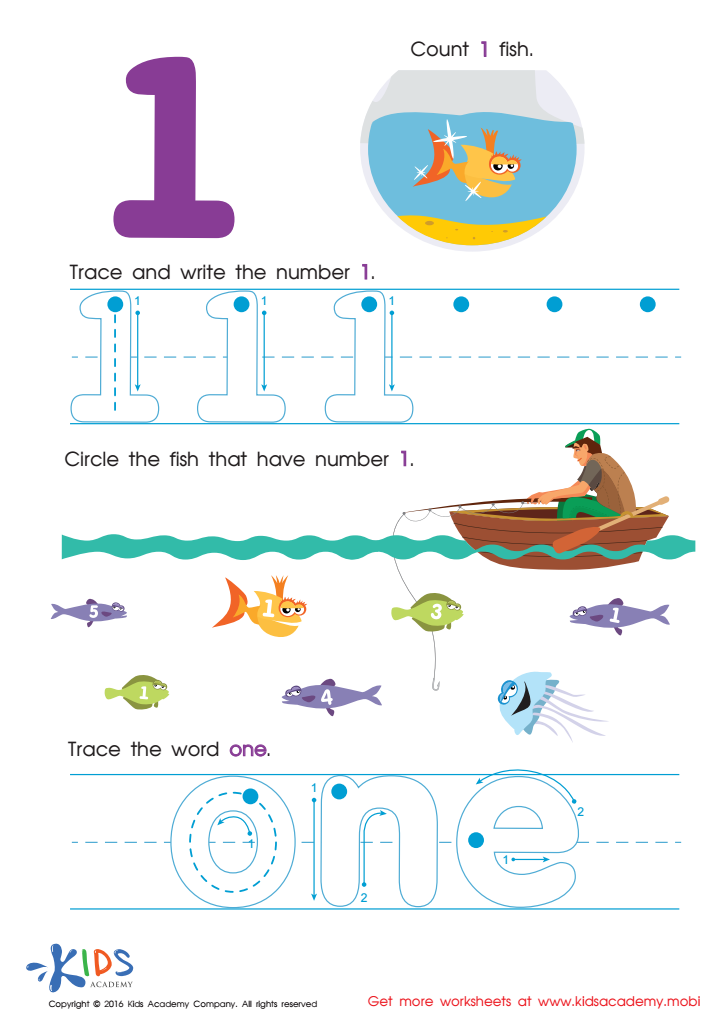
Learning to Write 1 Worksheet
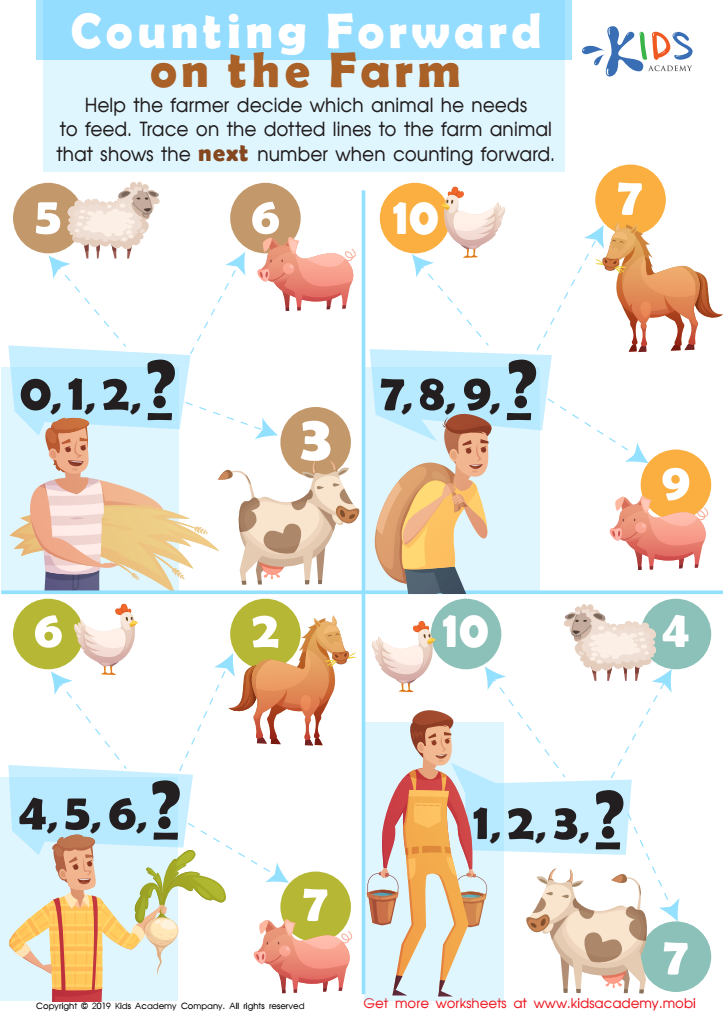
Counting Forward On the Farm Worksheet
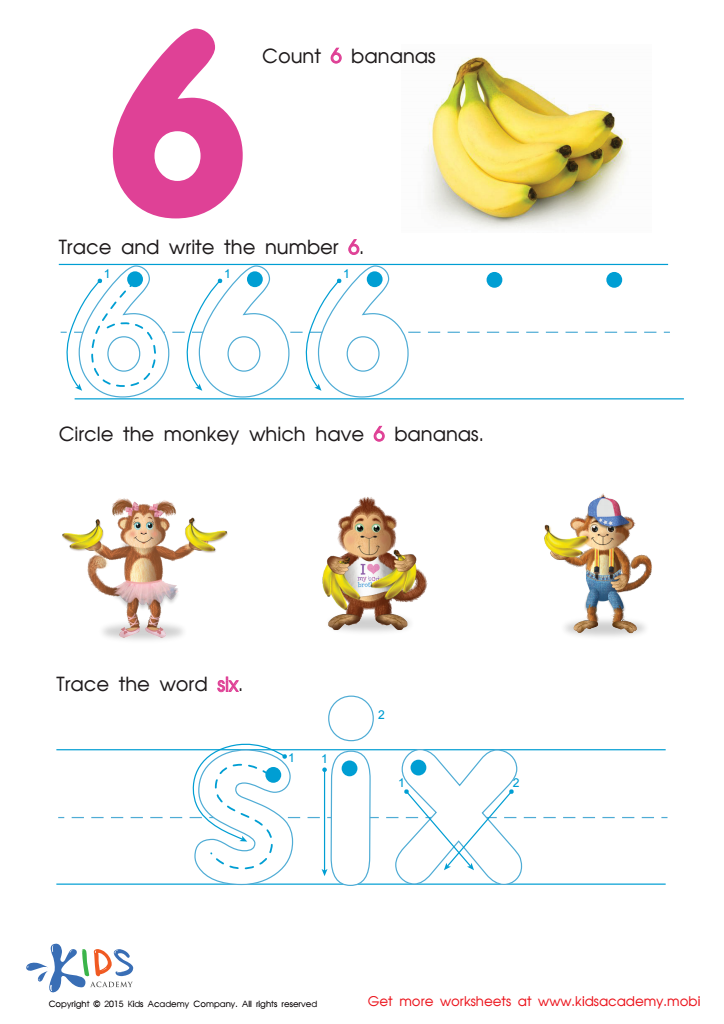
Tracing And Writing Number 6 Worksheet
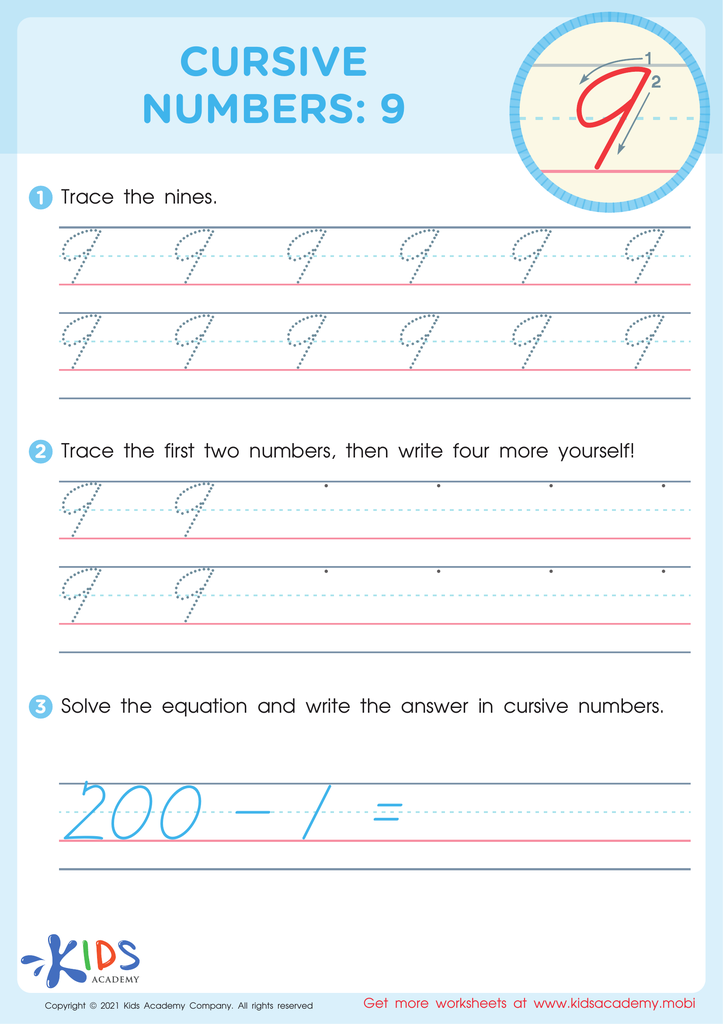
Cursive Numbers: 9 Worksheet
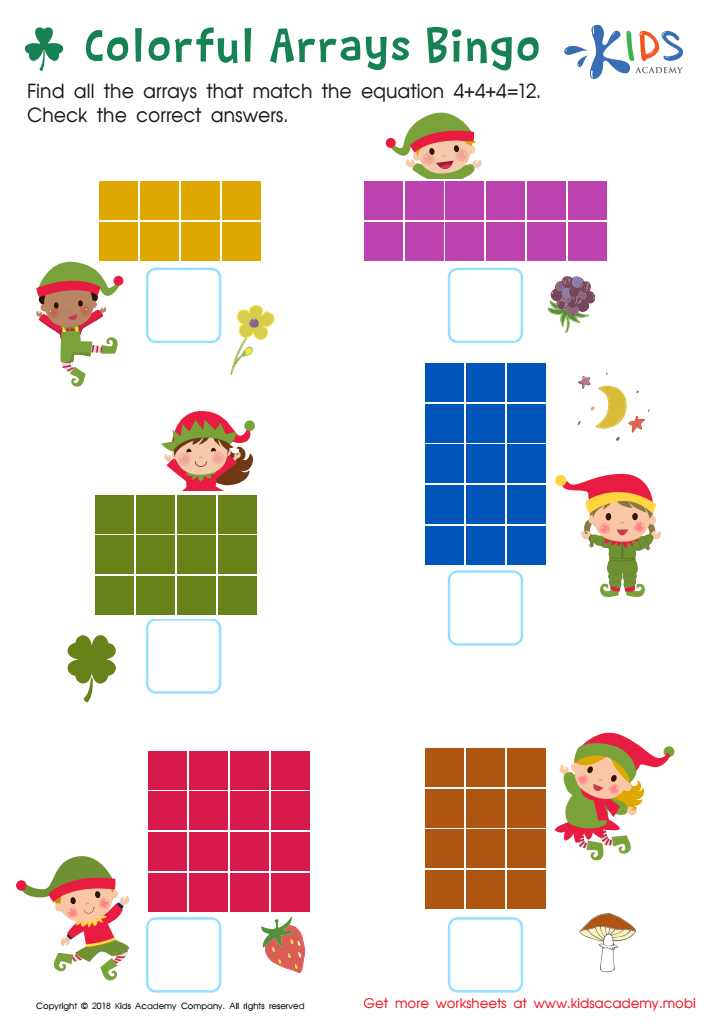
Colorful Arrays Bingo Worksheet
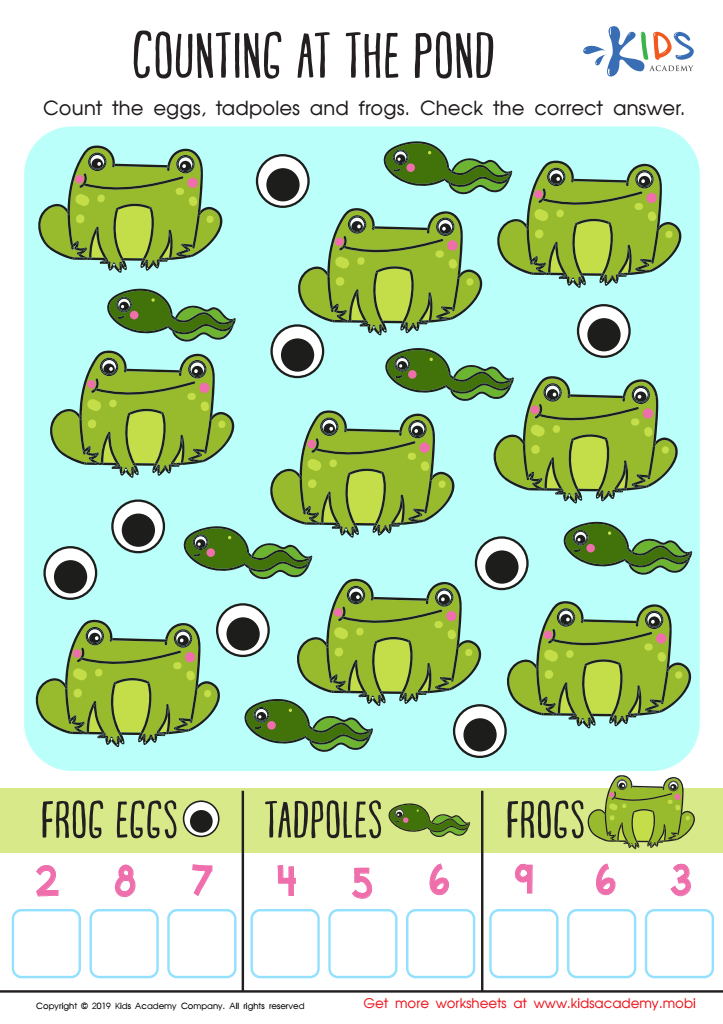
Counting at the Pond Worksheet
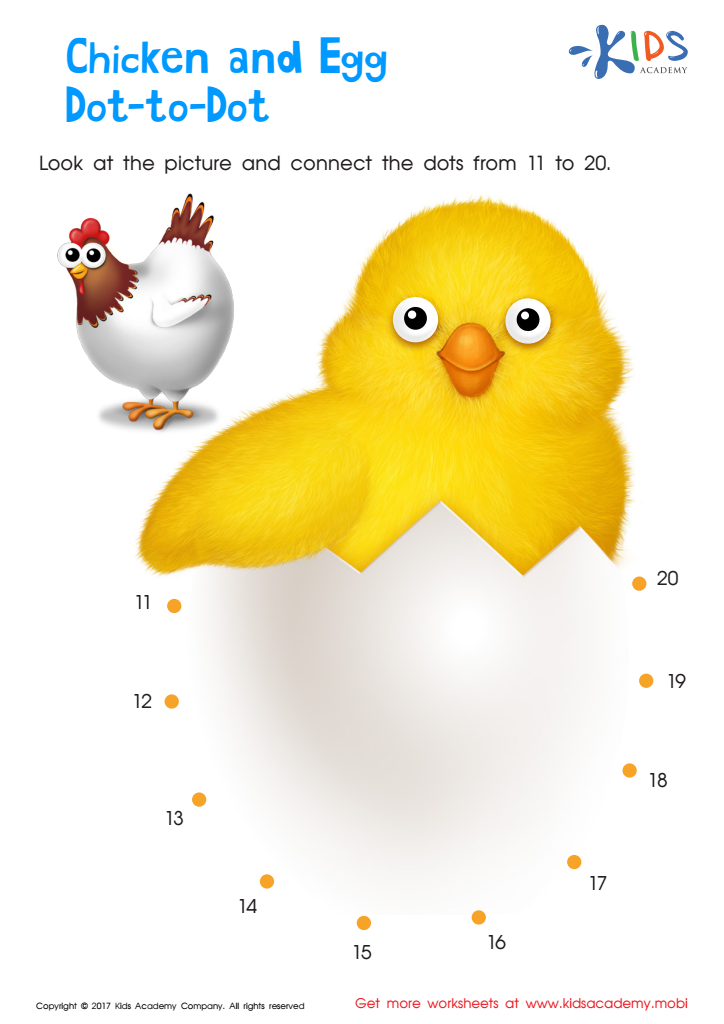
Ordering 11–20: Chicken & Egg Dot–to–dot Worksheet
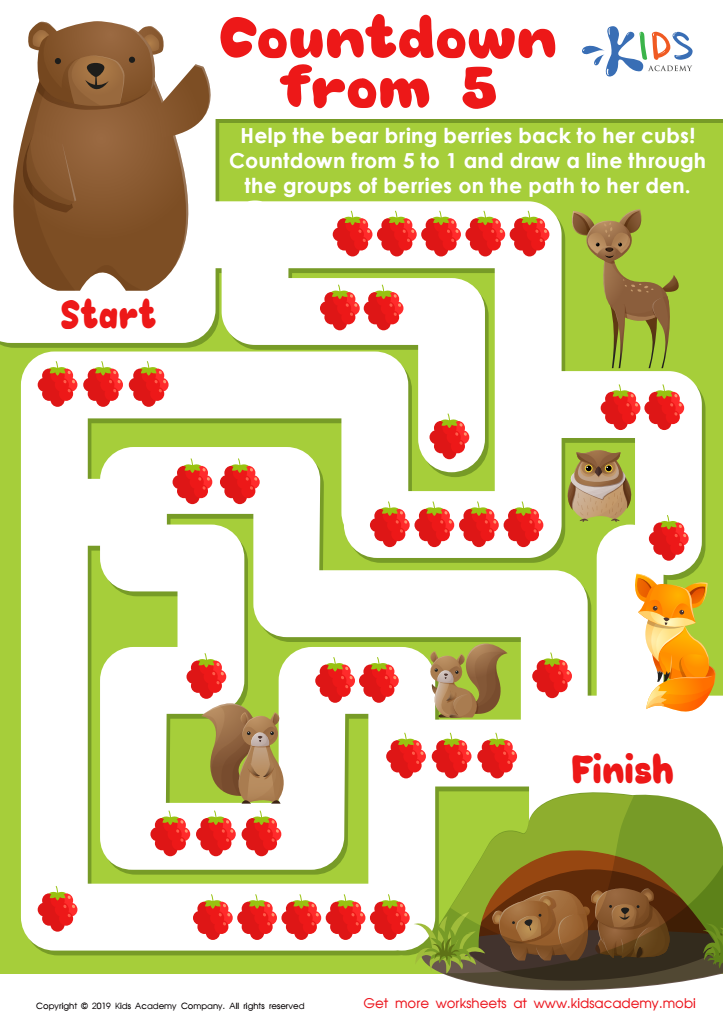
Countdown from 5 Worksheet
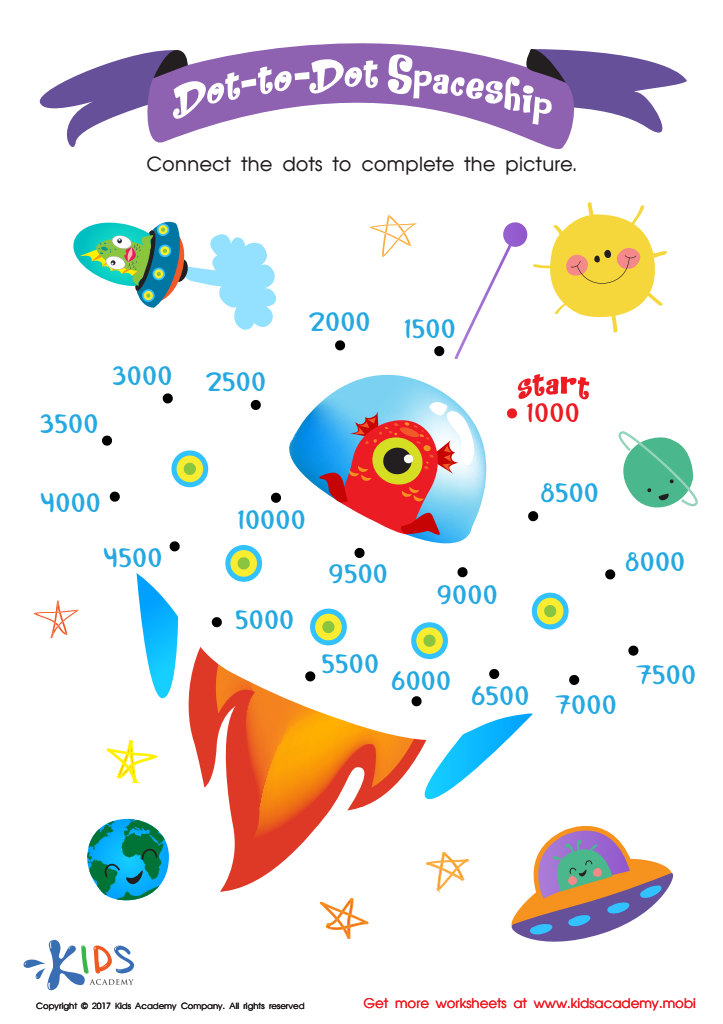
Dot to Dot Worksheet for 3rd Grade
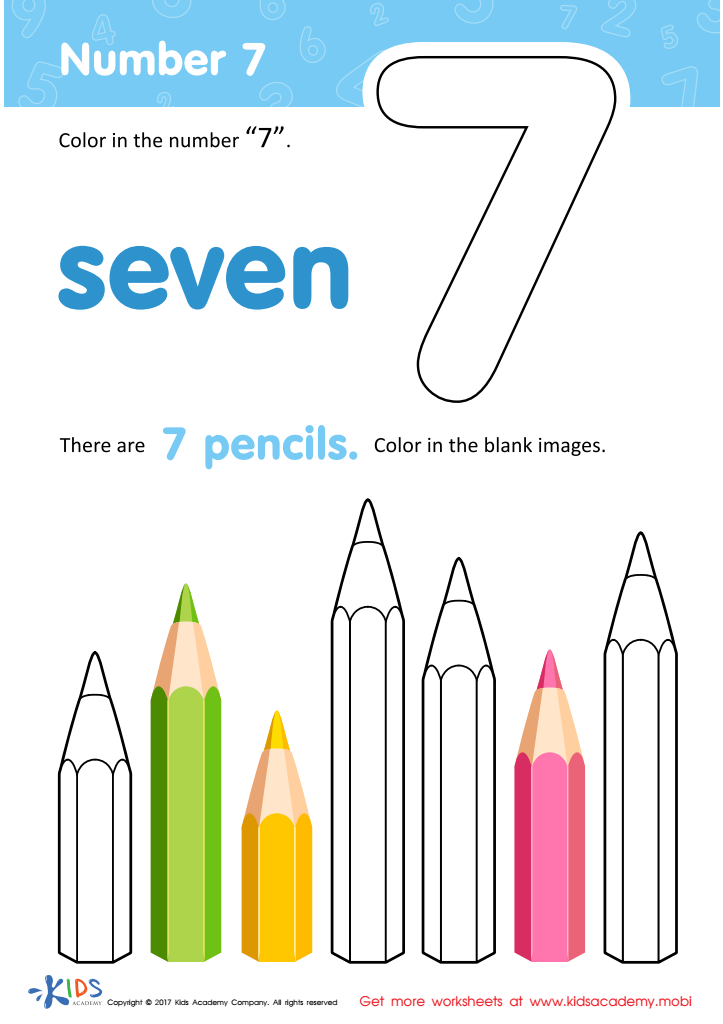
Number 7 Worksheet
Assign to My Students
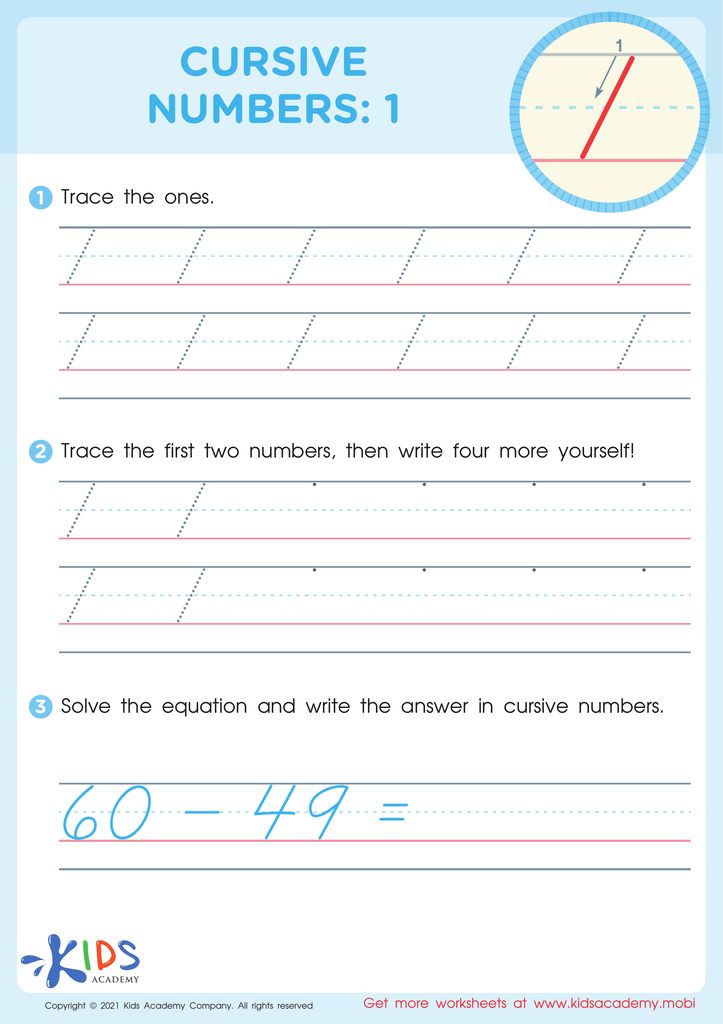
Cursive Numbers: 1 Worksheet
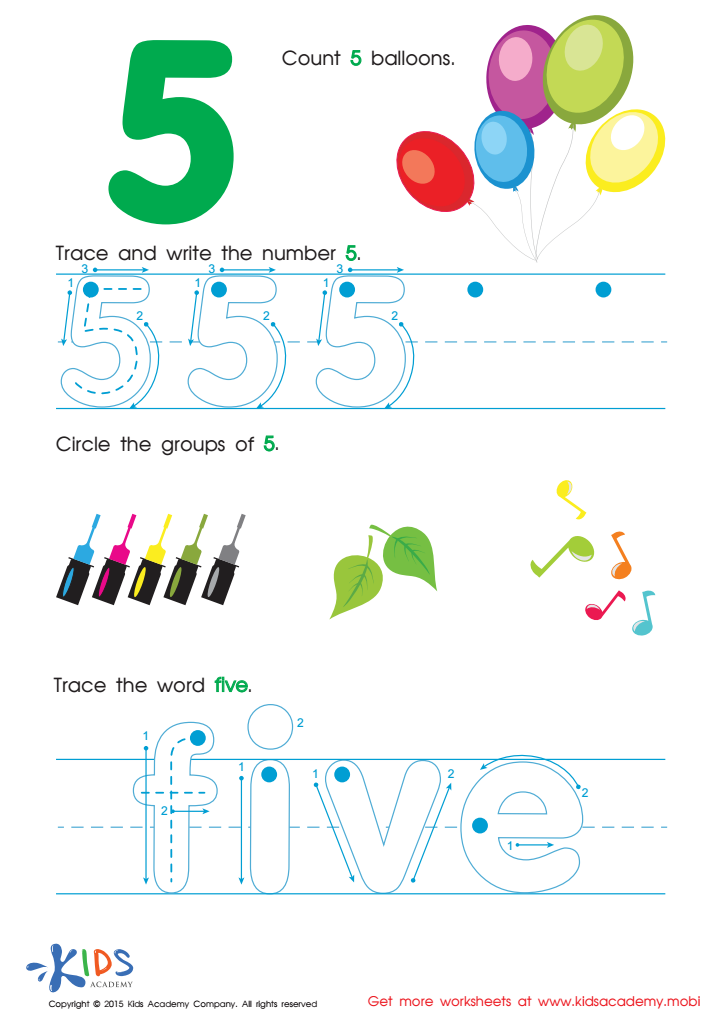
Practice Writing Number 5 Worksheet
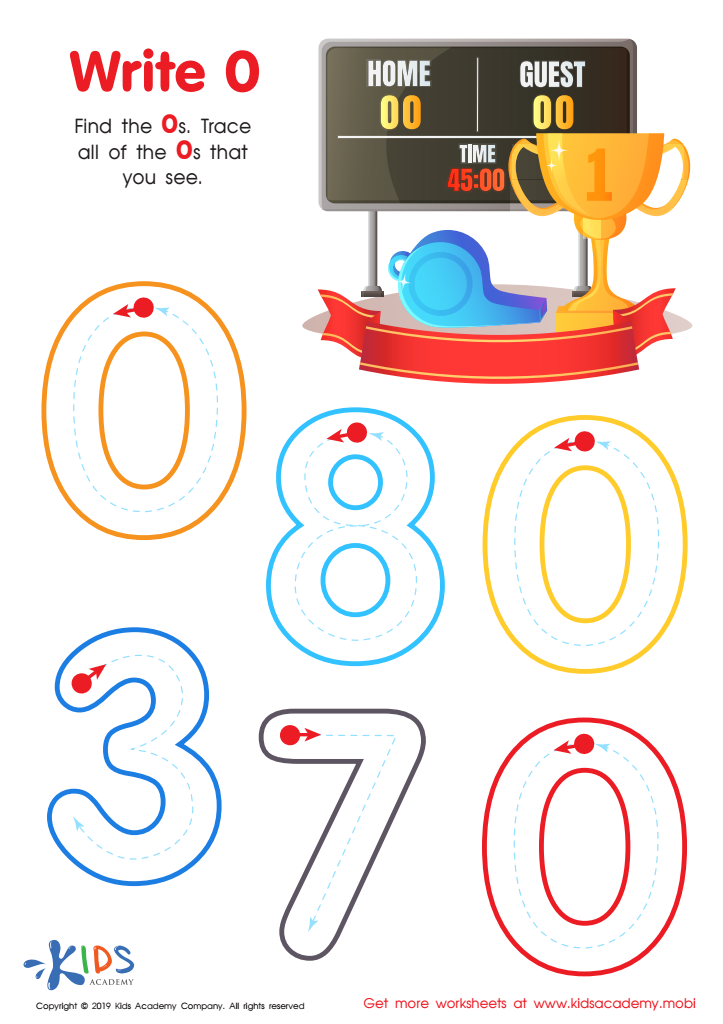
Write 0 Worksheet
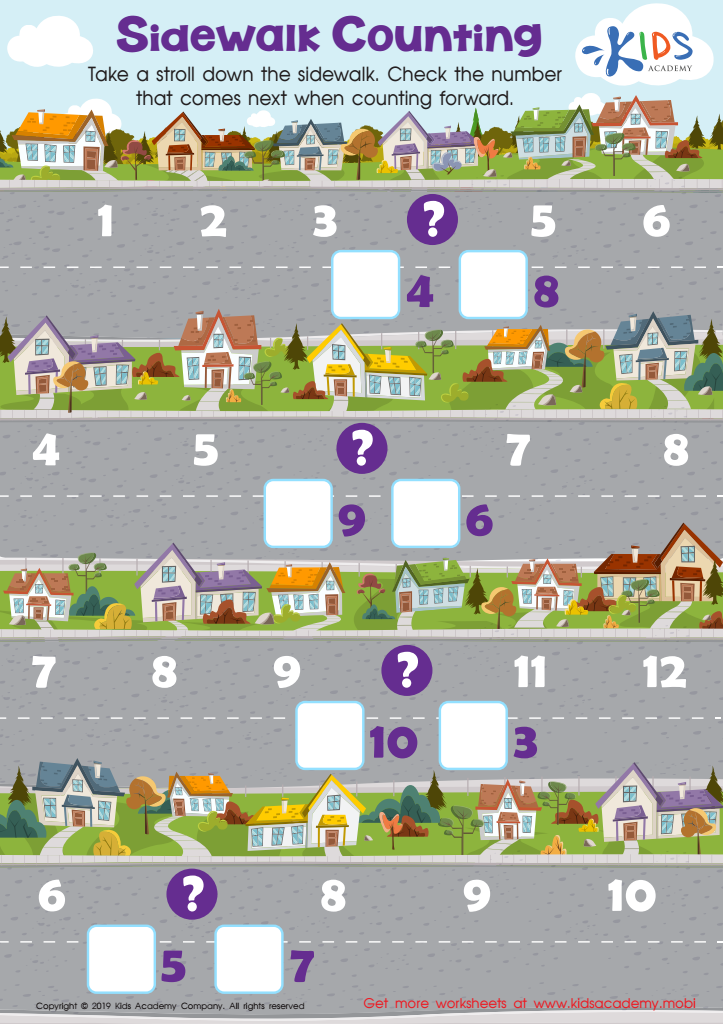
Sidewalk Counting Worksheet
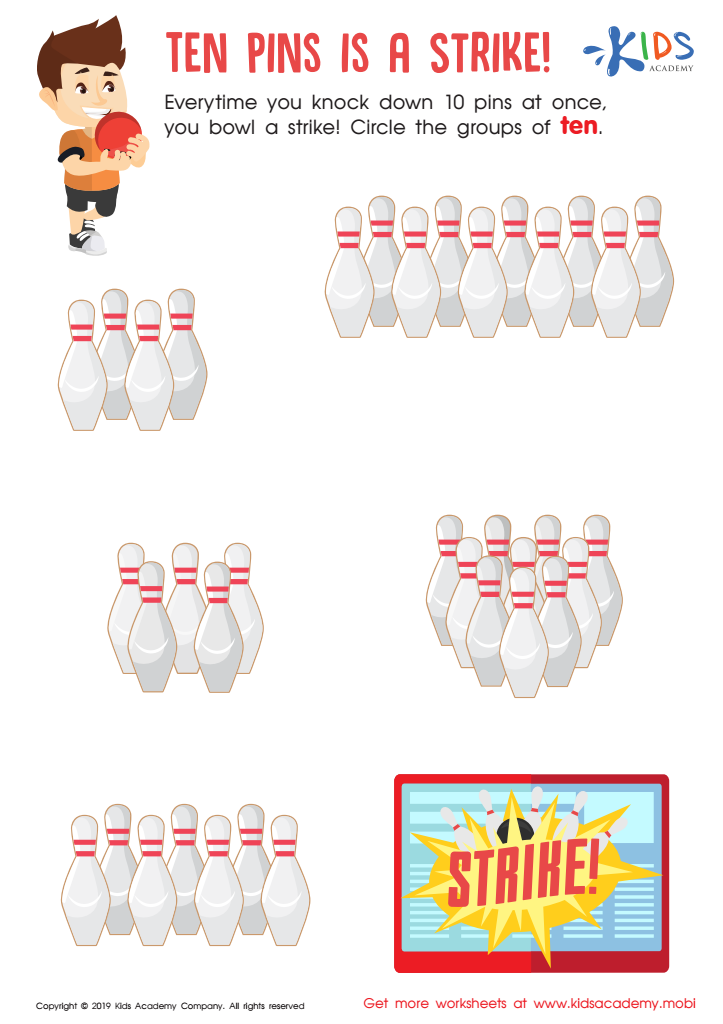
Ten Pins is a Strike Worksheet
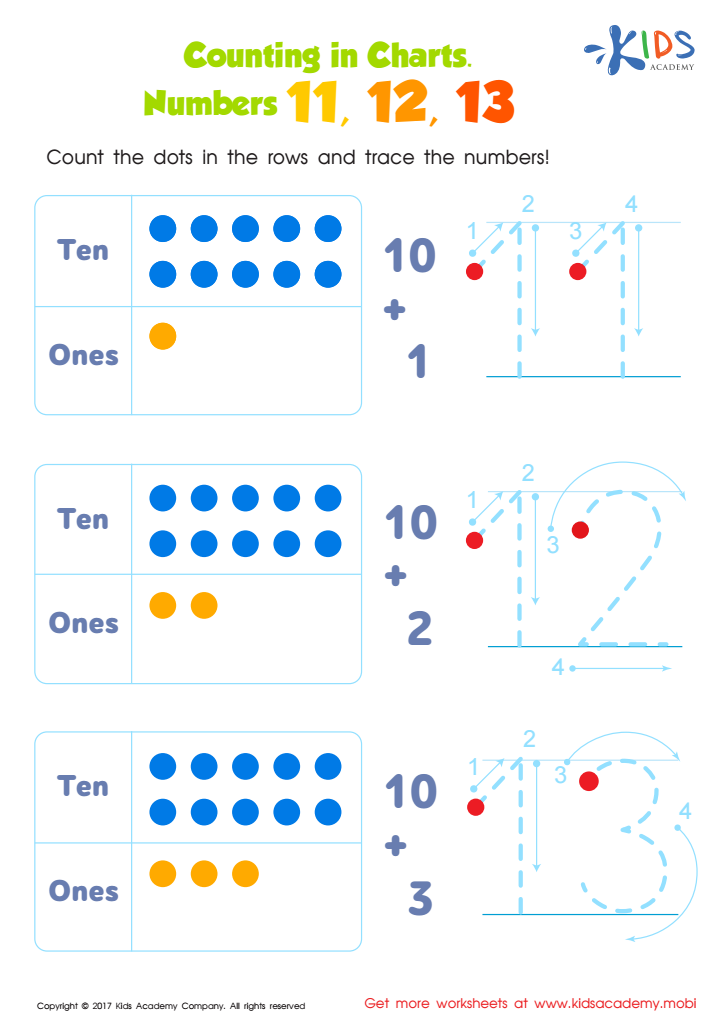
Number Tracing Worksheet For Kindergarten
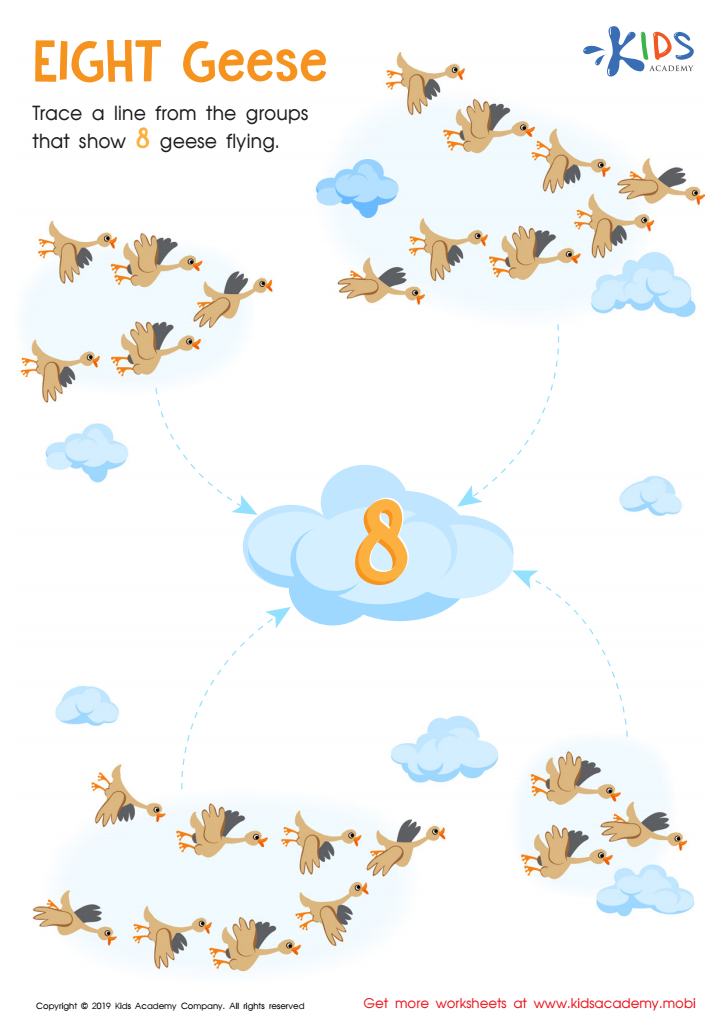
Eight Geese Worksheet
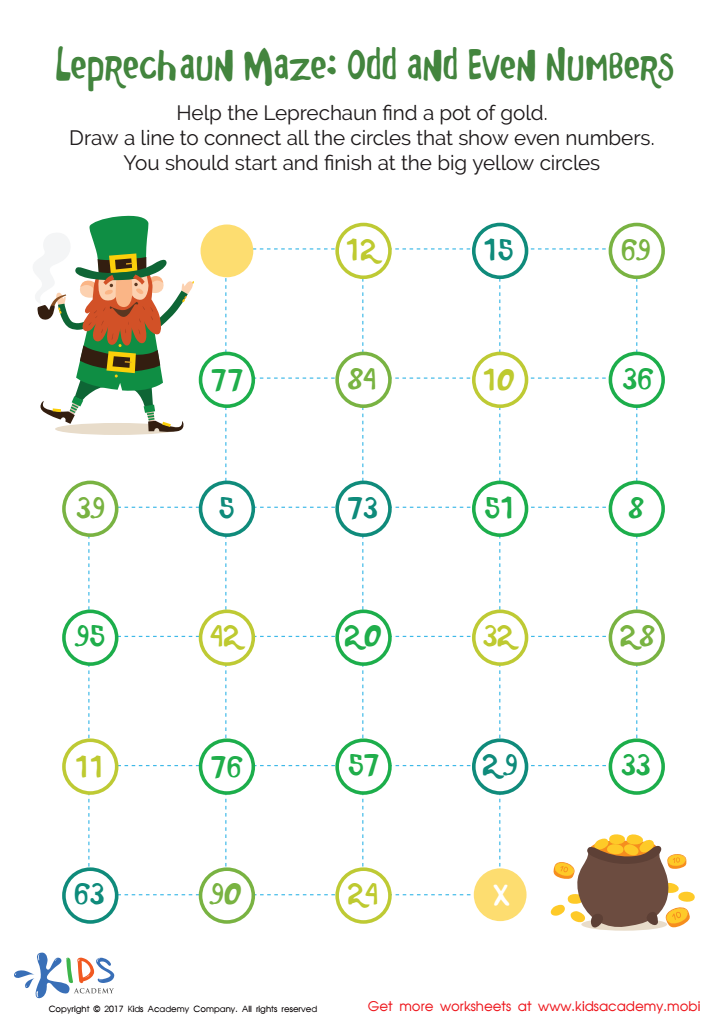
Leprechaun Maze Printable
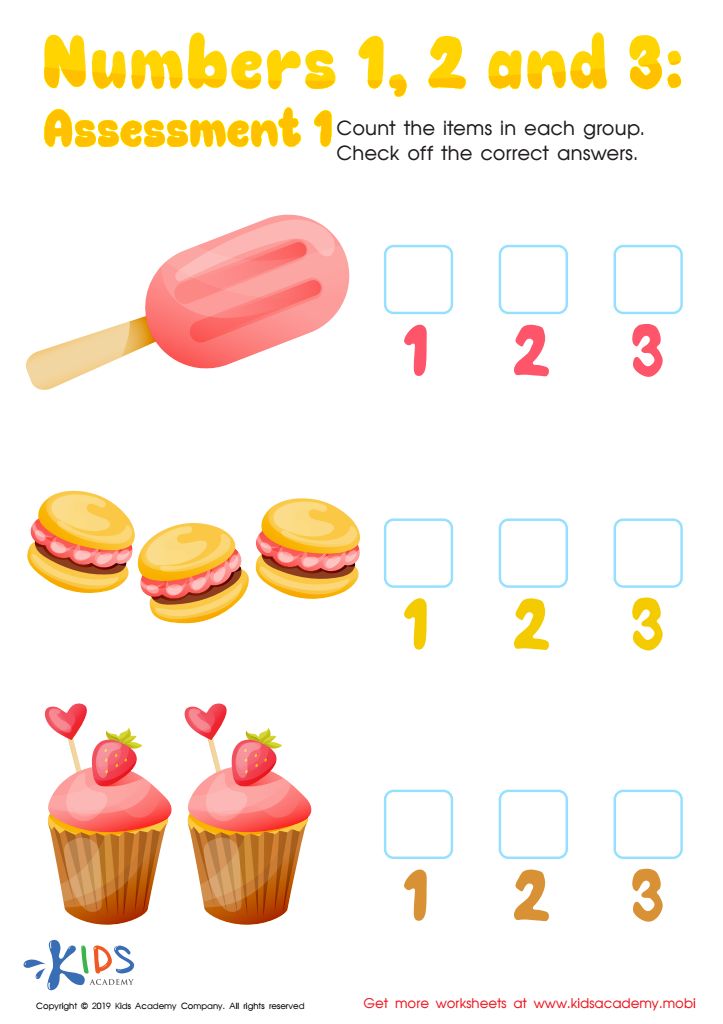
Numbers 1, 2 and 3: Assessment 1 Worksheet
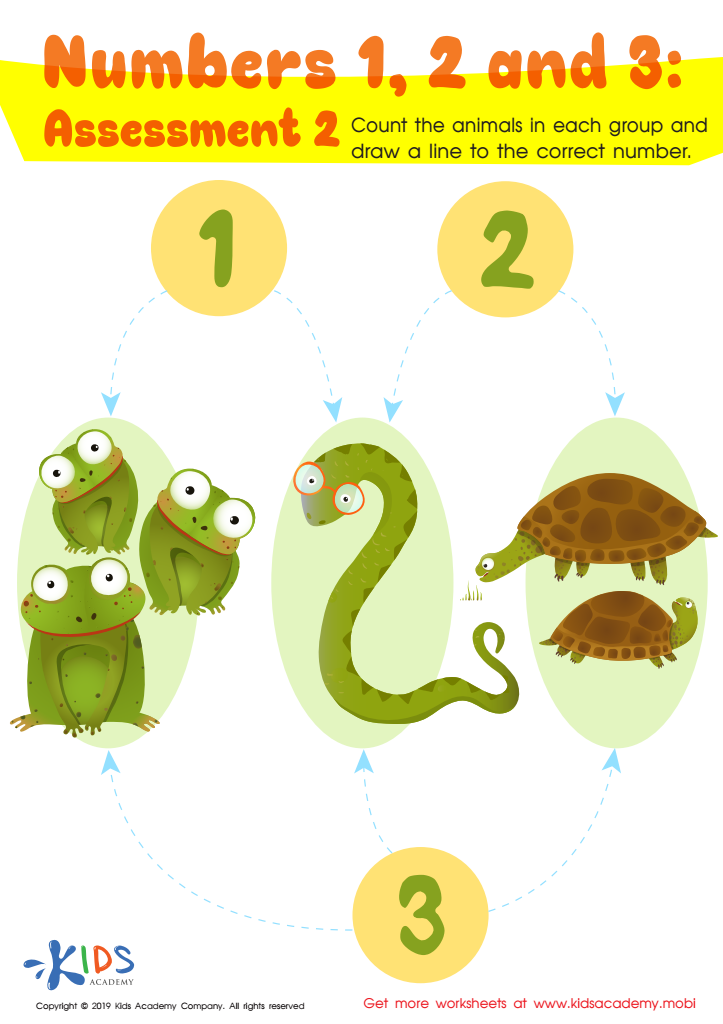
Numbers 1, 2 and 3: Assessment 2 Worksheet







Hand-eye coordination is an essential skill for young children, particularly those between the ages of 3 and 9. This developmental milestone aligns vision with hand movements, enabling children to complete various tasks effectively and efficiently. For parents and teachers, prioritizing exercises that enhance hand-eye coordination offers numerous benefits.
First, hand-eye coordination fosters academic success. Writing, drawing, and cutting activities in school require precise hand movements that are guided by visual cues. Strengthening this coordination lays the groundwork for excellent fine motor skills, contributing to a smoother learning experience.
Second, improved hand-eye coordination supports physical development and sports participation. Catching a ball, riding a bicycle, or mastering playground equipment depends on the seamless interaction between what children see and what their hands do. These activities are not only crucial for physical health but also for building confidence and teamwork skills.
Lastly, facilitating hand-eye coordination exercises contributes to cognitive growth. Puzzles, building blocks, and other dexterously challenging activities foster problem-solving abilities, spatial awareness, and timing.
Supporting the development of hand-eye coordination naturally encourages holistic growth, preparing children for academic, physical, and cognitive achievements. Prioritizing this skill set offers children a robust foundation, setting them up for success both inside and outside the classroom.








