Rhyming Words Worksheets for Ages 3-9 - Page 2
28 filtered results
-
From - To
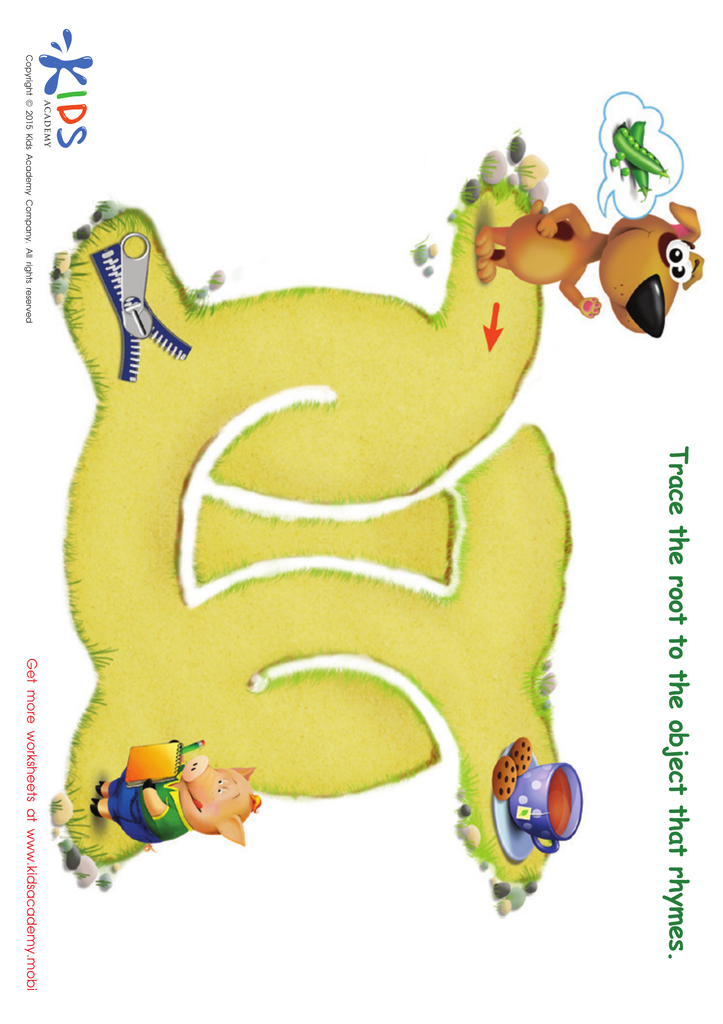
Pea Rhyming Words Worksheet
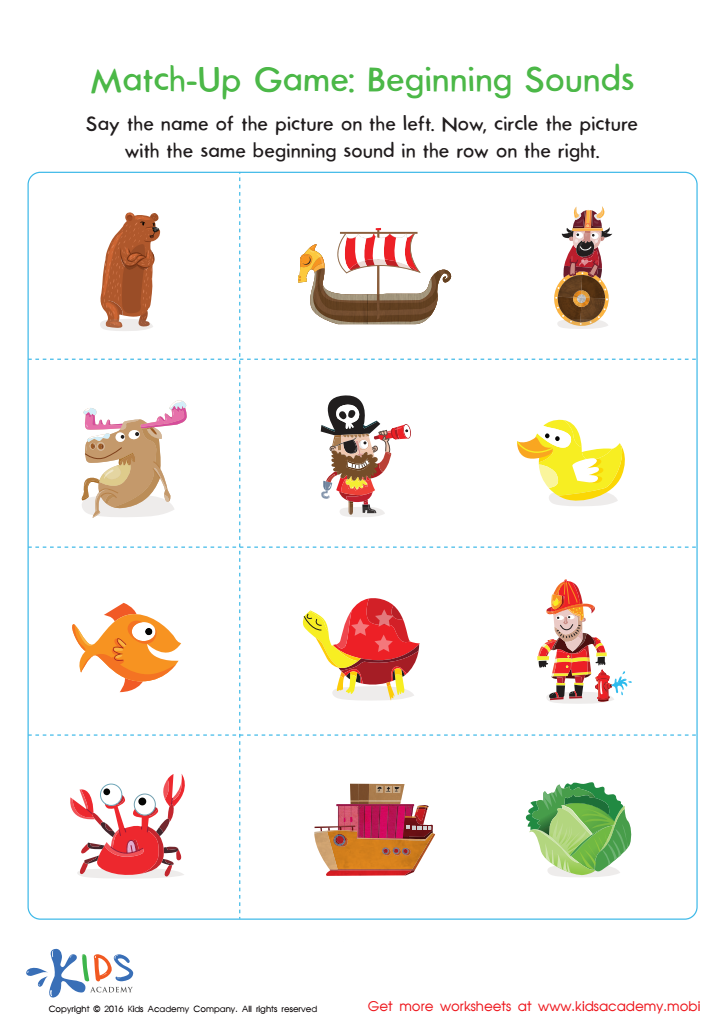
Match–Up Game: Beginning Sounds Worksheet
 Assign to My Students
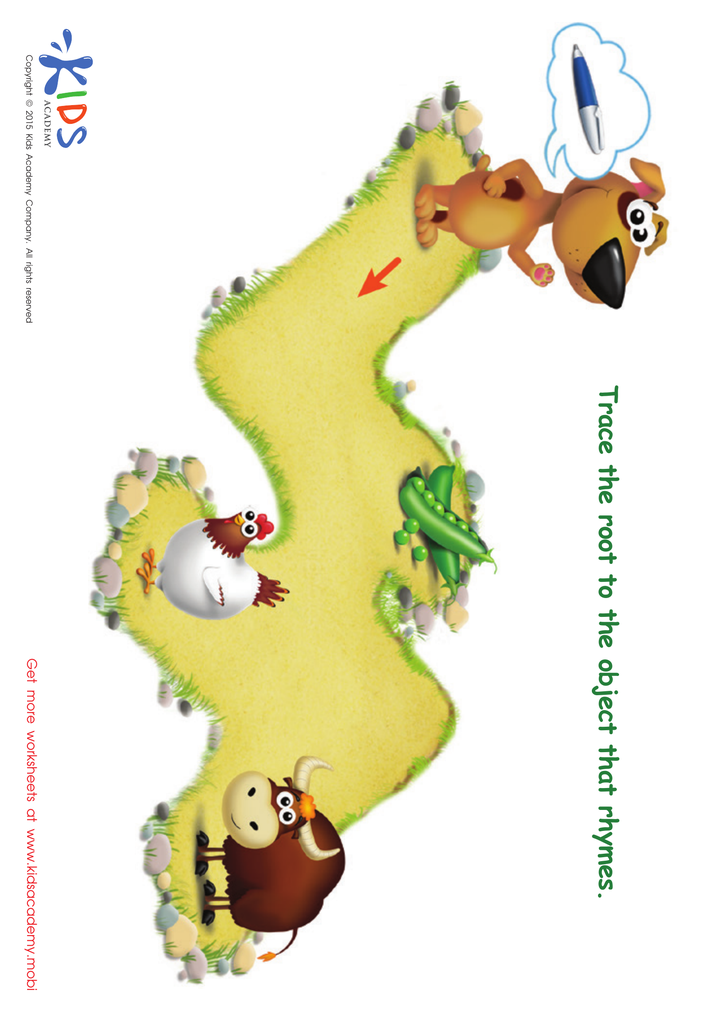
Pen Rhyming Words Worksheet
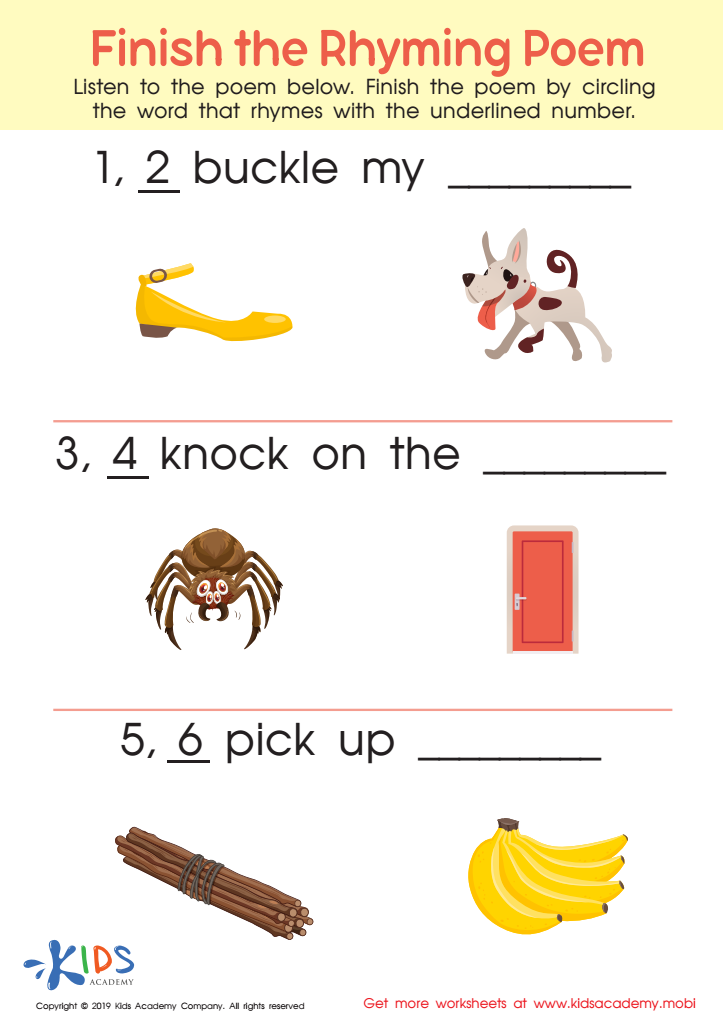
Finish Rhyming Poem Worksheet







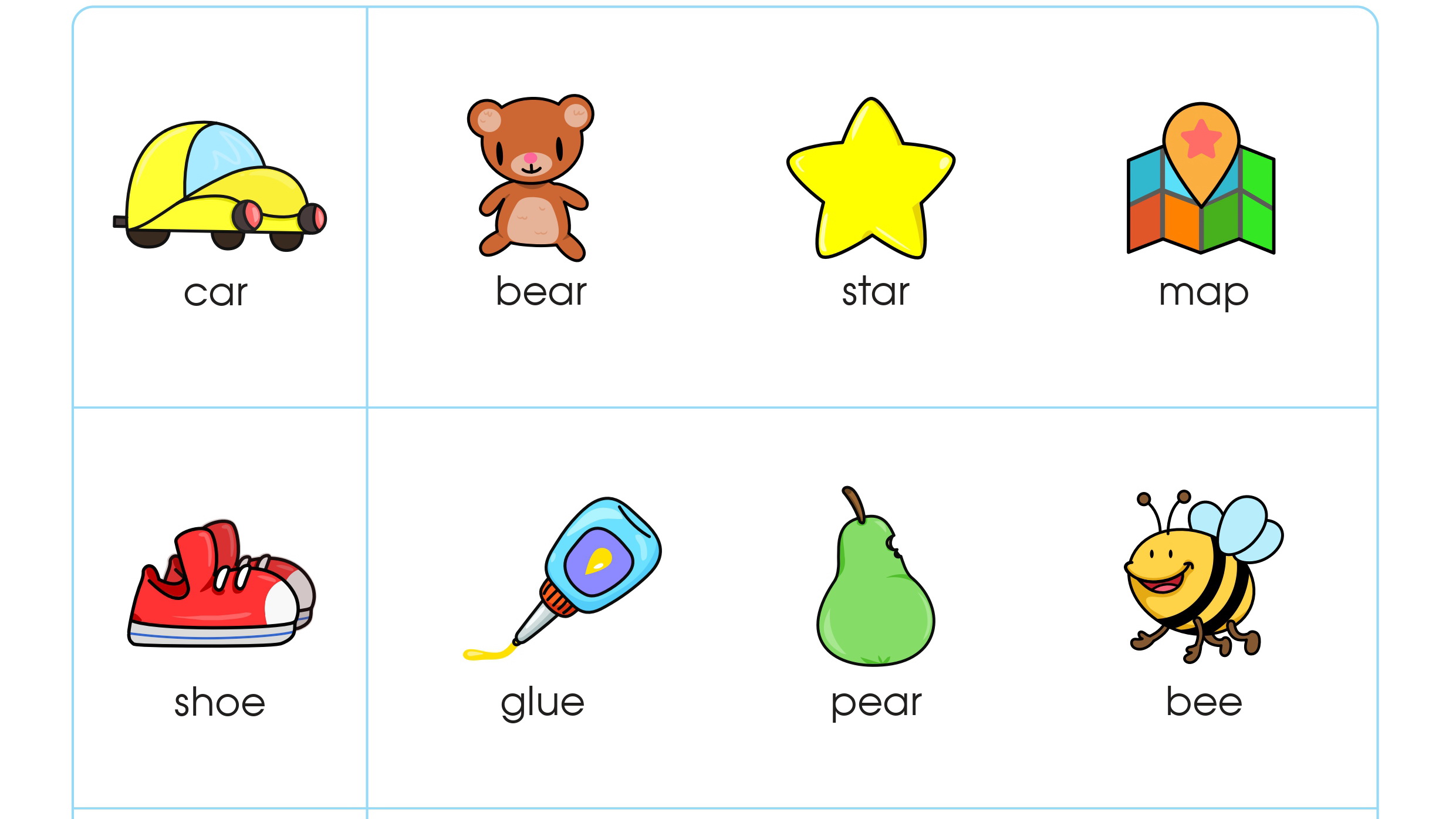
Rhyming words are fundamental to early literacy development, making them crucial for parents and teachers of children aged 3-9. Understanding rhyme enhances phonemic awareness, a key skill in reading readiness. When children can identify and manipulate sounds, they become more adept at decoding and spelling. Rhyming promotes auditory discrimination, helping kids distinguish between similar sounds, which is vital for language acquisition.
Moreover, engaging with rhymes makes language learning enjoyable and interactive. Songs, nursery rhymes, and playful poems capture children's attention and stimulate their imagination, fostering a love for reading. Additionally, rhyming activities enhance vocabulary development, as children are exposed to new words in a context that’s both memorable and relatable.
Rhymes also support emotional and social development. Group activities around rhymes encourage collaboration, communication, and turn-taking. This interaction is essential for building relationships among peers and nurturing social skills.
In conclusion, prioritizing rhyming in early childhood education serves not only the academic enrichment of children but also contributes to their emotional and social growth. Thus, parents and teachers should emphasize the value of rhymes to create a well-rounded foundation for learning.








