Critical Thinking Social Studies Worksheets for Ages 3-9
31 filtered results
-
From - To
Discover our engaging Critical Thinking Social Studies Worksheets designed specifically for children aged 3-9. These worksheets nurture essential analytical skills through fun and interactive activities that encourage curious minds to explore the world around them. Through puzzles, diagrams, and thought-provoking questions, young learners will develop their critical thinking abilities while gaining a foundational understanding of social concepts such as community, diversity, and geography. Perfect for classrooms or home learning, these worksheets promote creativity and reasoning, making learning both enjoyable and impactful. Empower your little ones to think critically and discover the joys of social studies through our vibrant and educational resources!
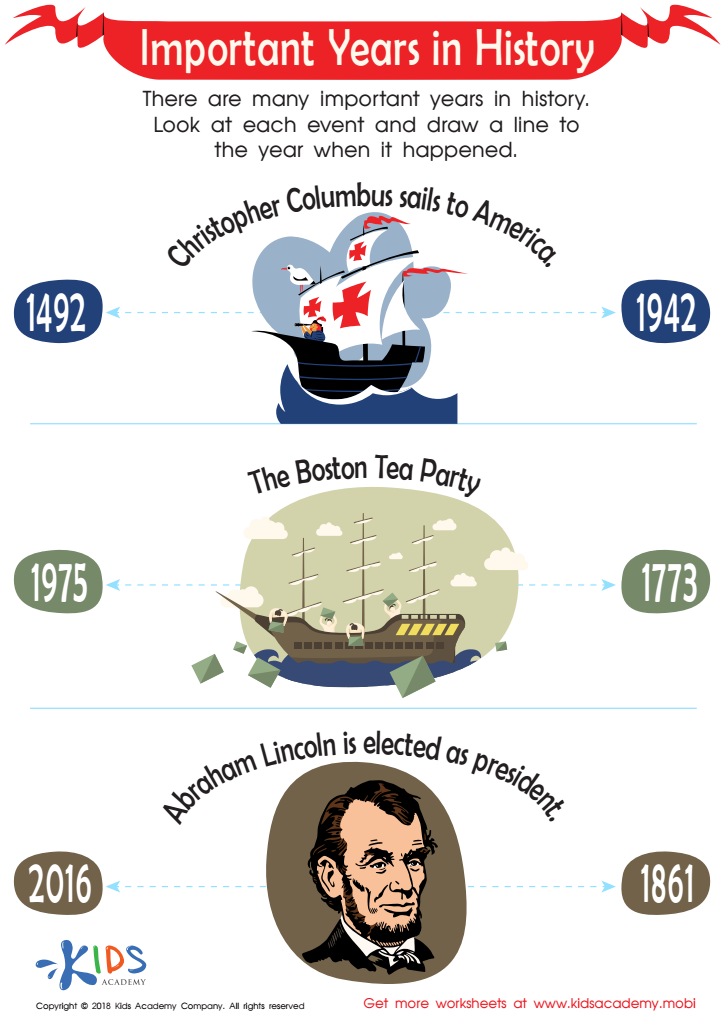
Important Years in History Worksheet
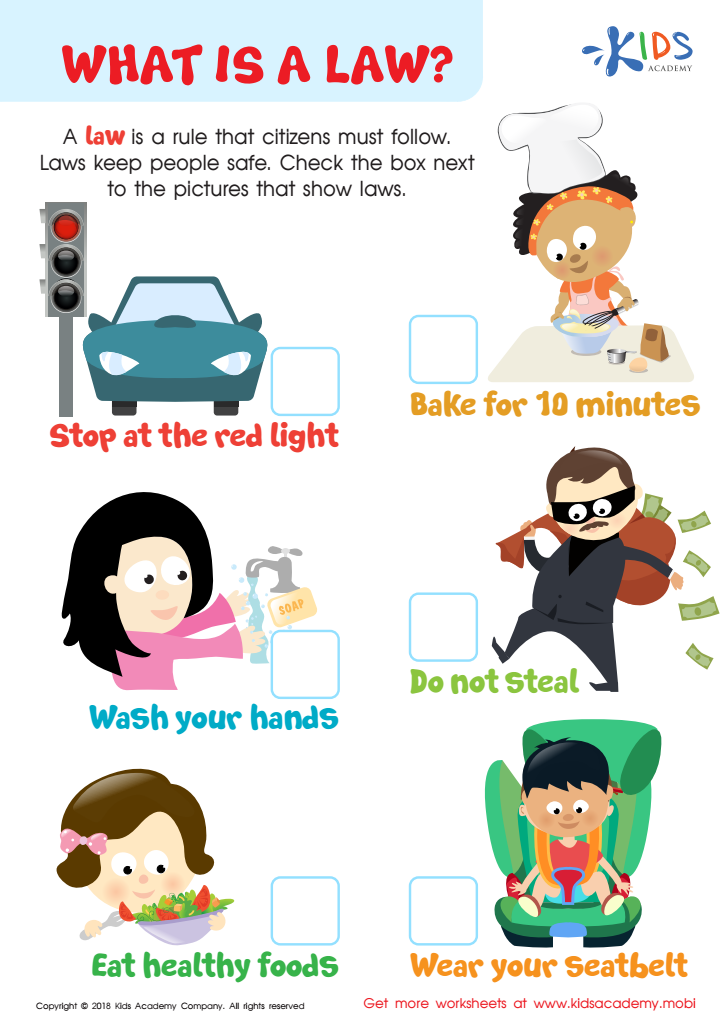
What is a Law? Worksheet
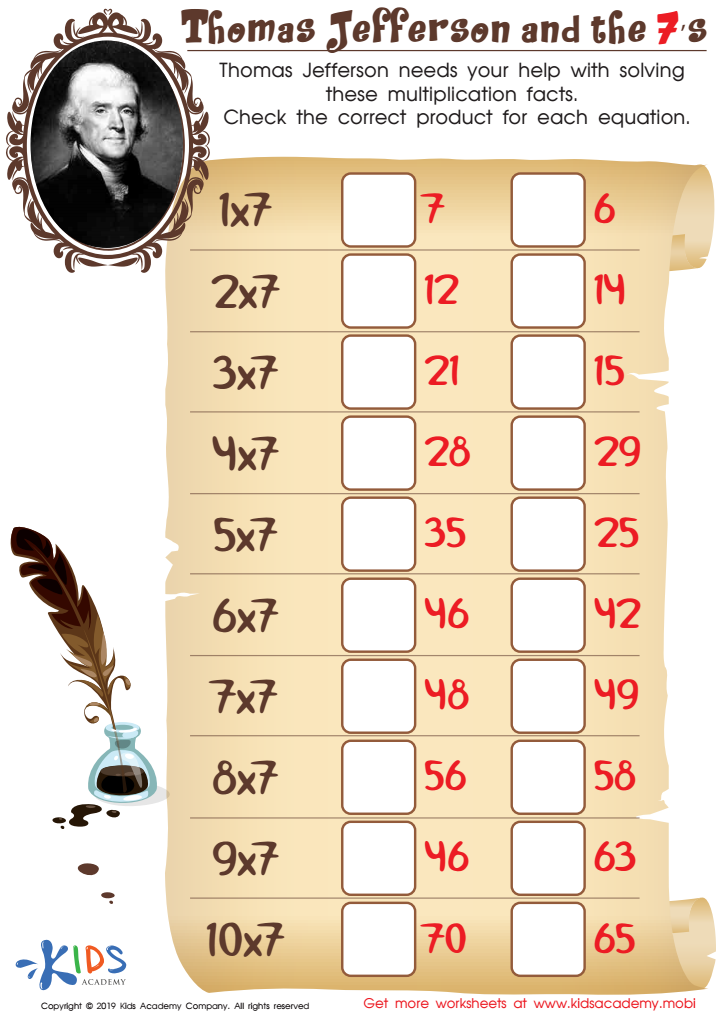
Thomas Jefferson and the 7’s Worksheet

Native American Word Search Printable
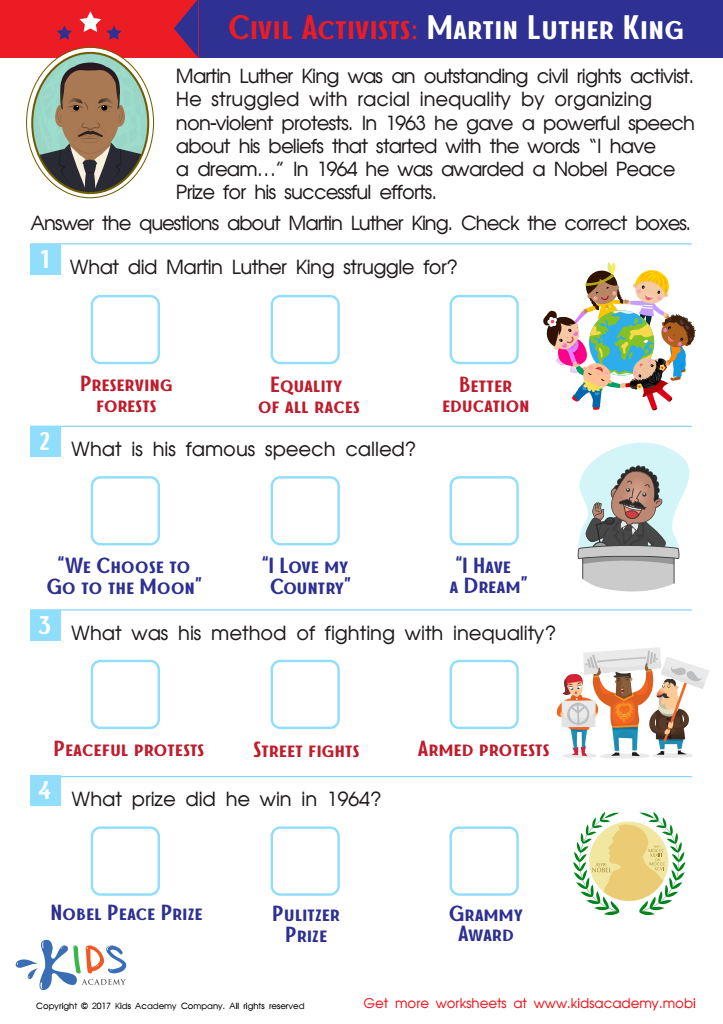
Martin Luther King Worksheet
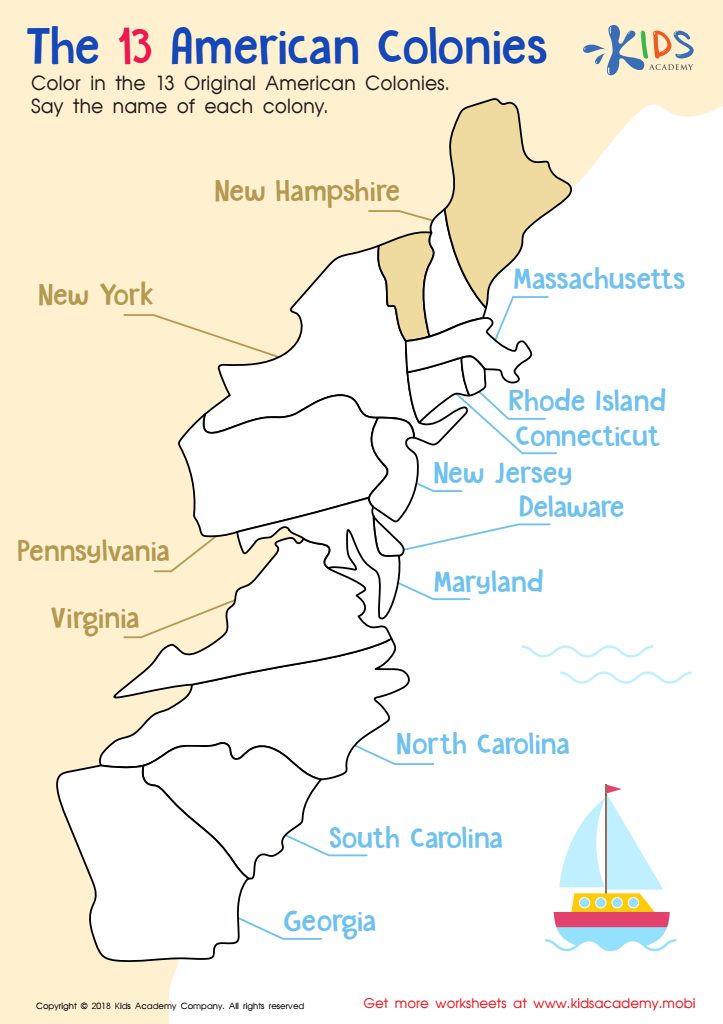
The 13 American Colonies Worksheet
 Assign to My Students
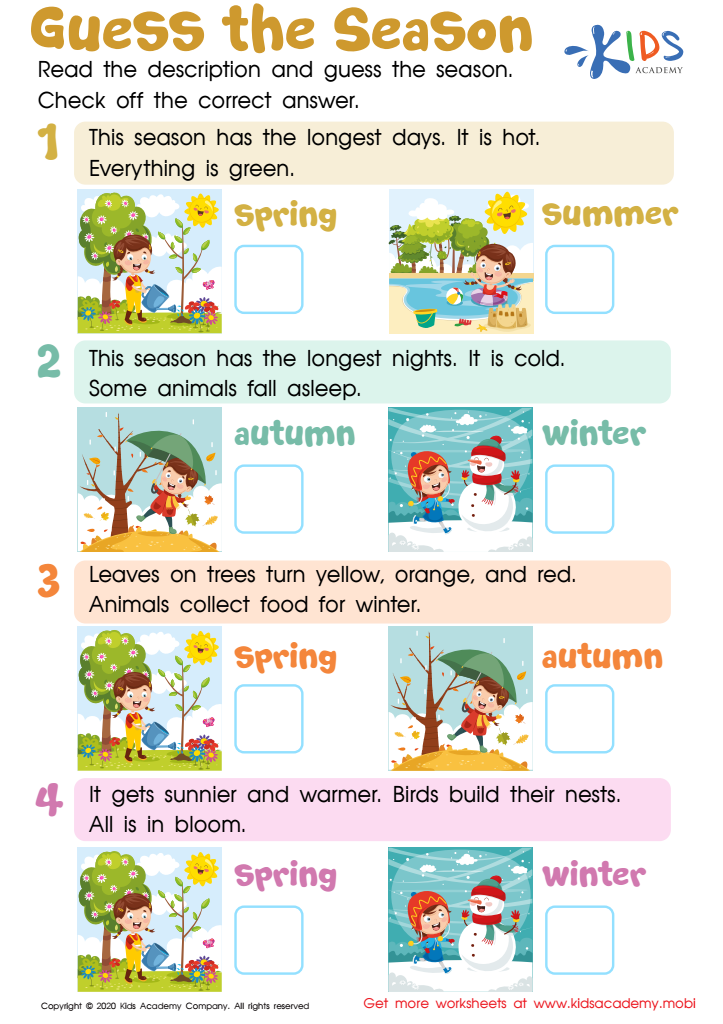
Guess the Season Worksheet
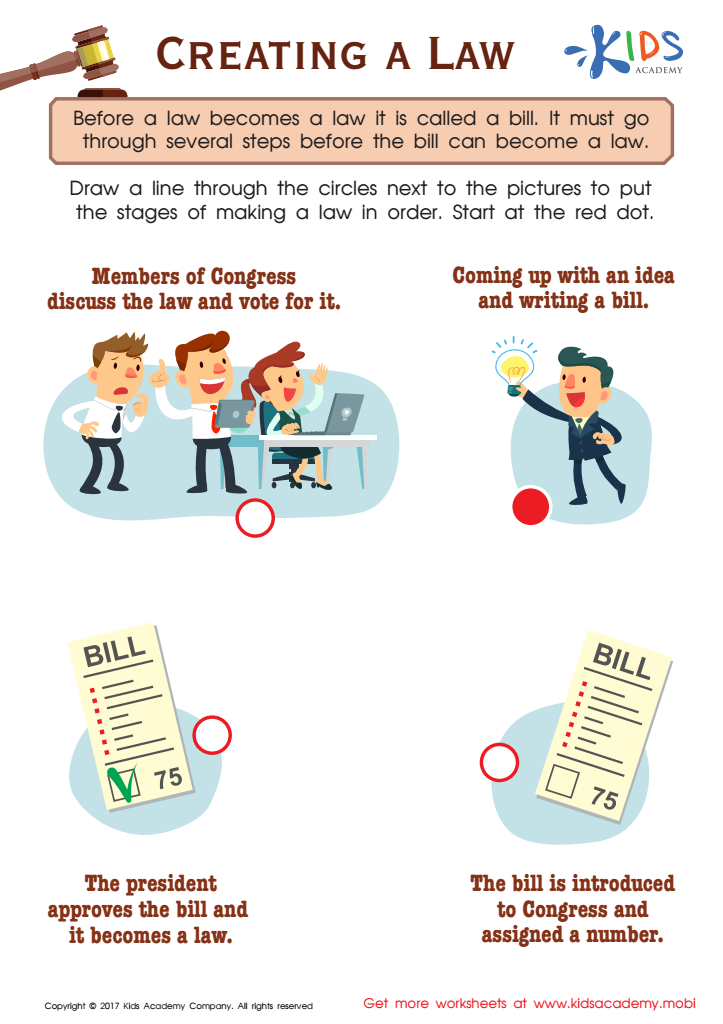
Creating a Law Worksheet
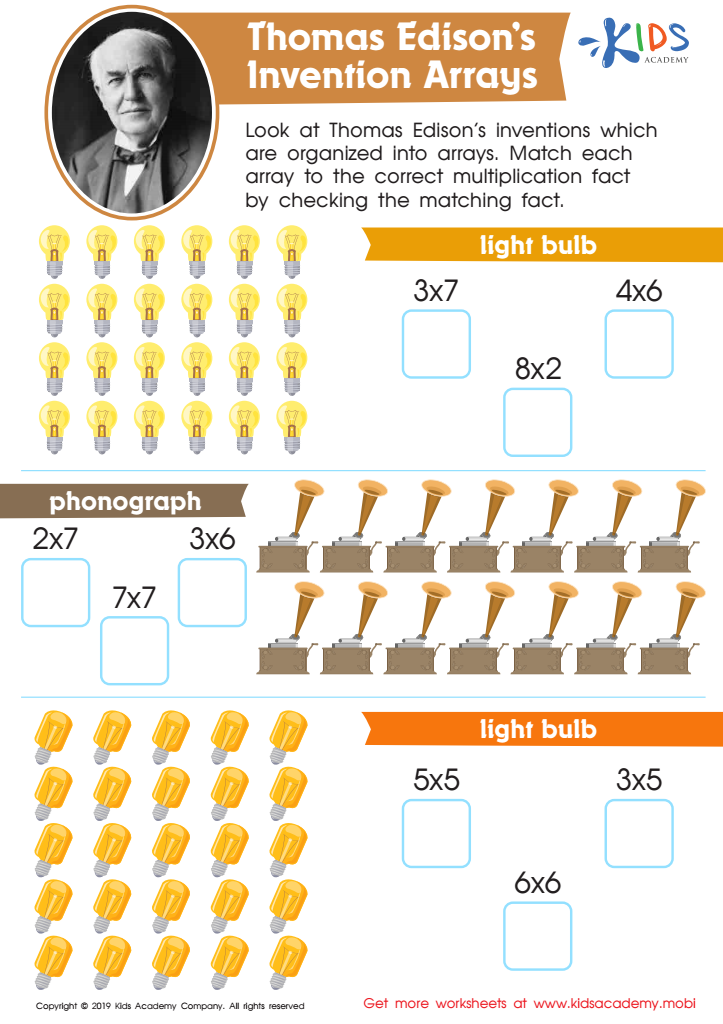
Thomas Edison’s Invention Arrays Worksheet
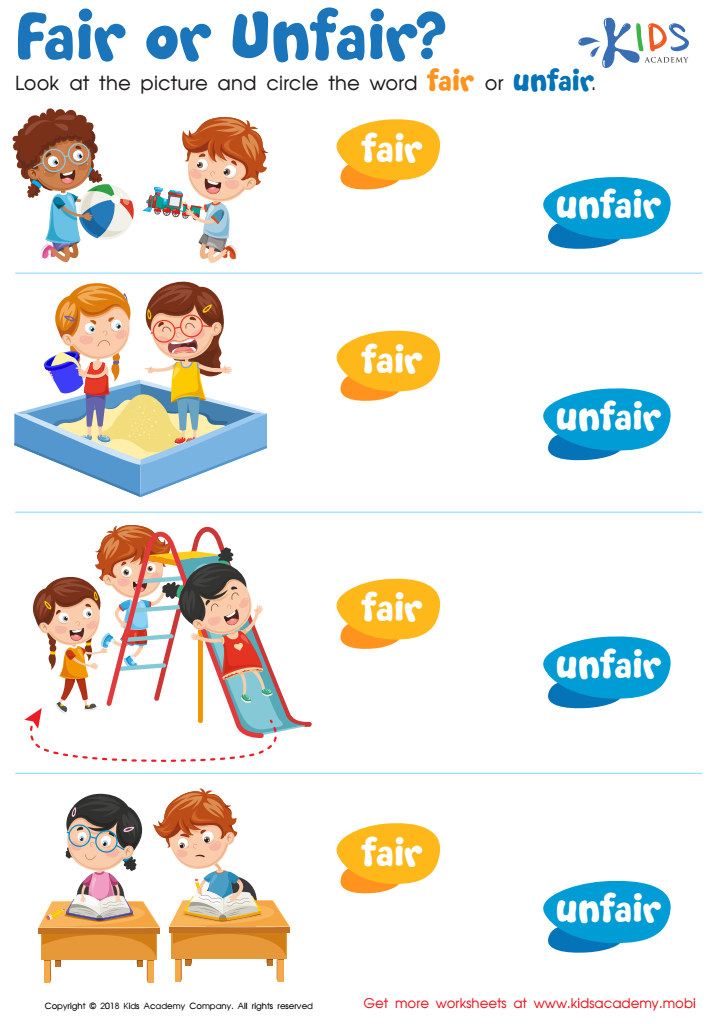
Fair or Unfair Worksheet
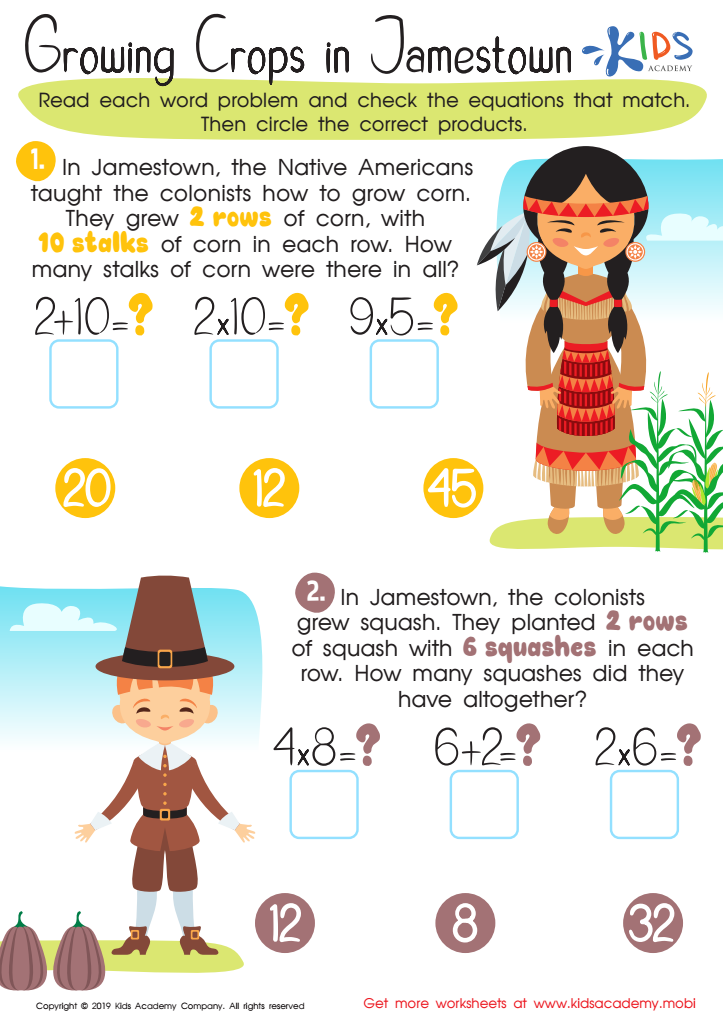
Growing Jamestown Worksheet
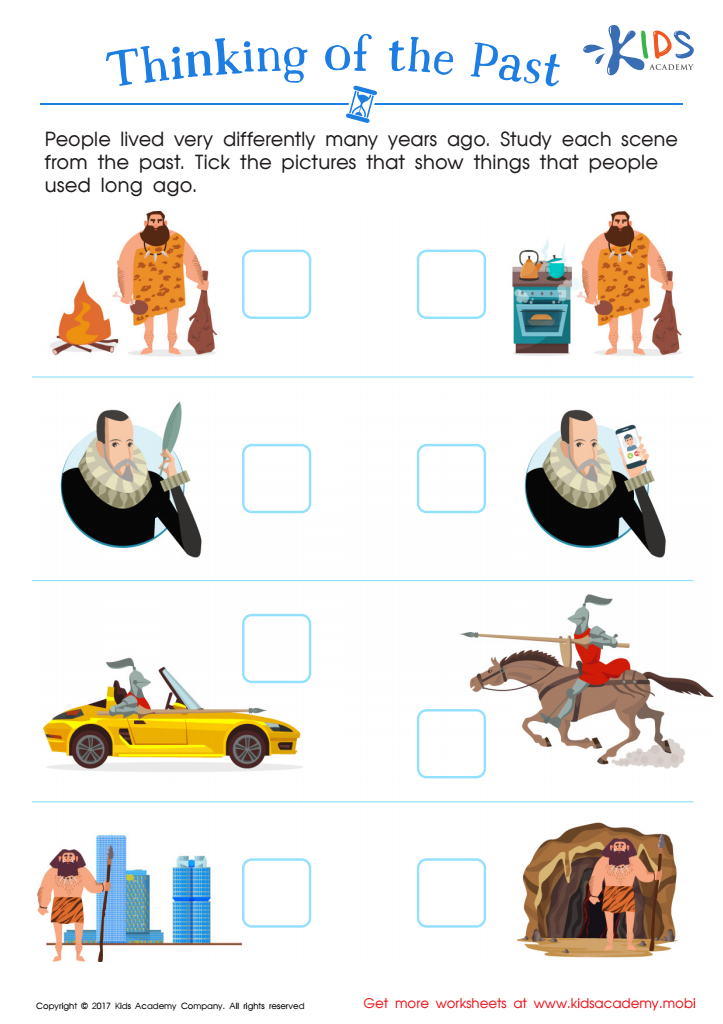
Thinking Past Printable

Thanksgiving Holiday Printable
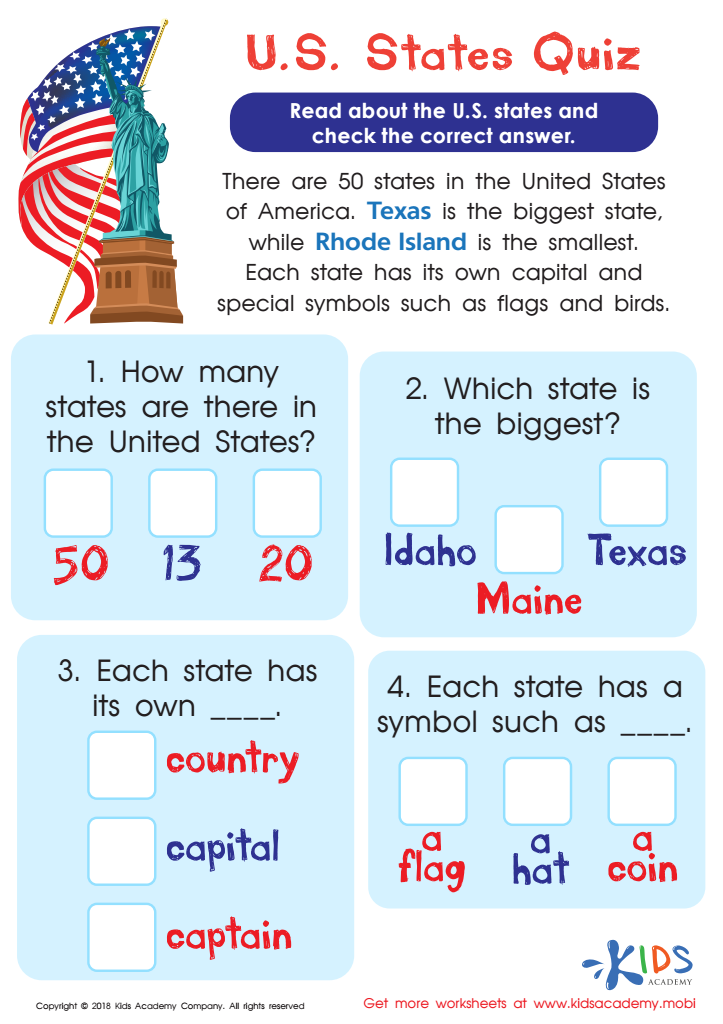
U.S. States Quiz Worksheet
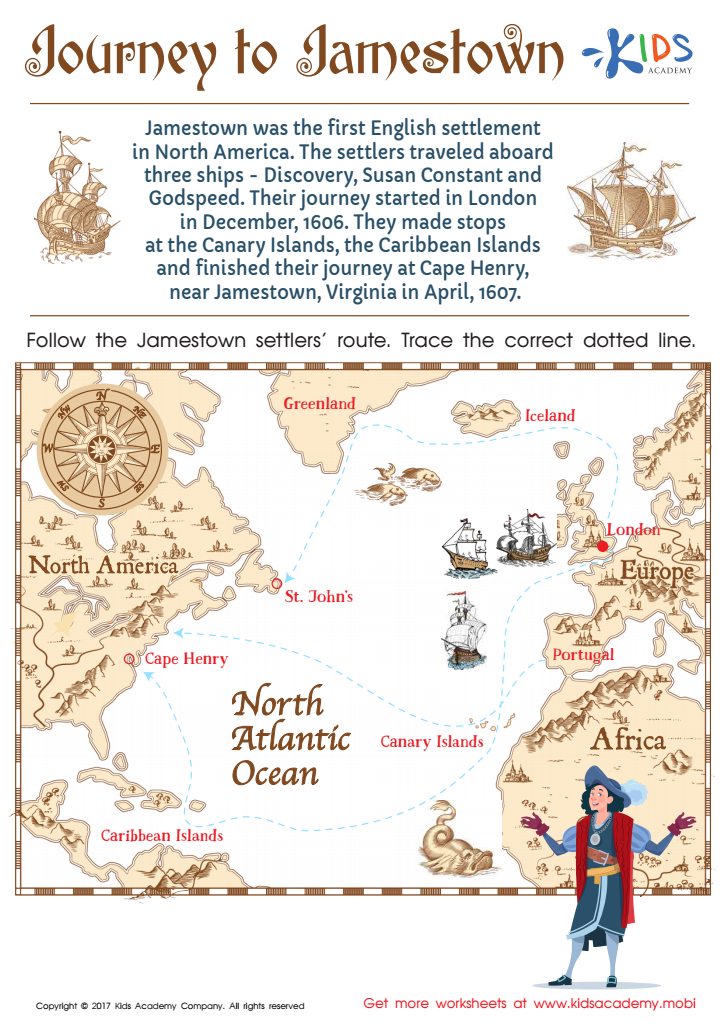
Journey to Jamestown Worksheet
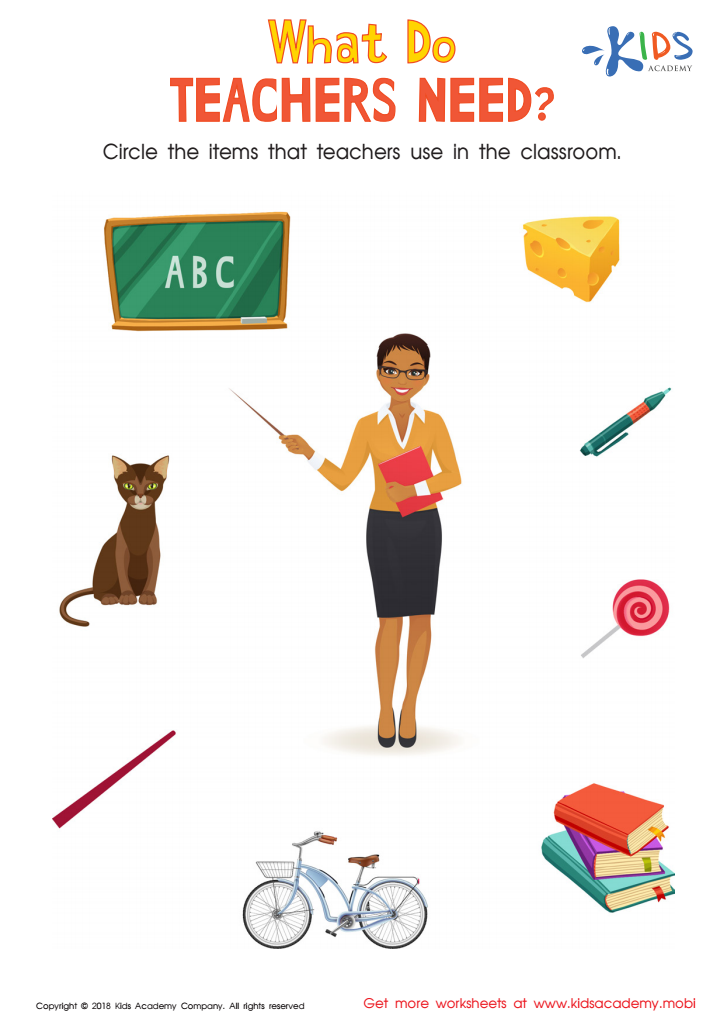
What Do Teachers Need Worksheet
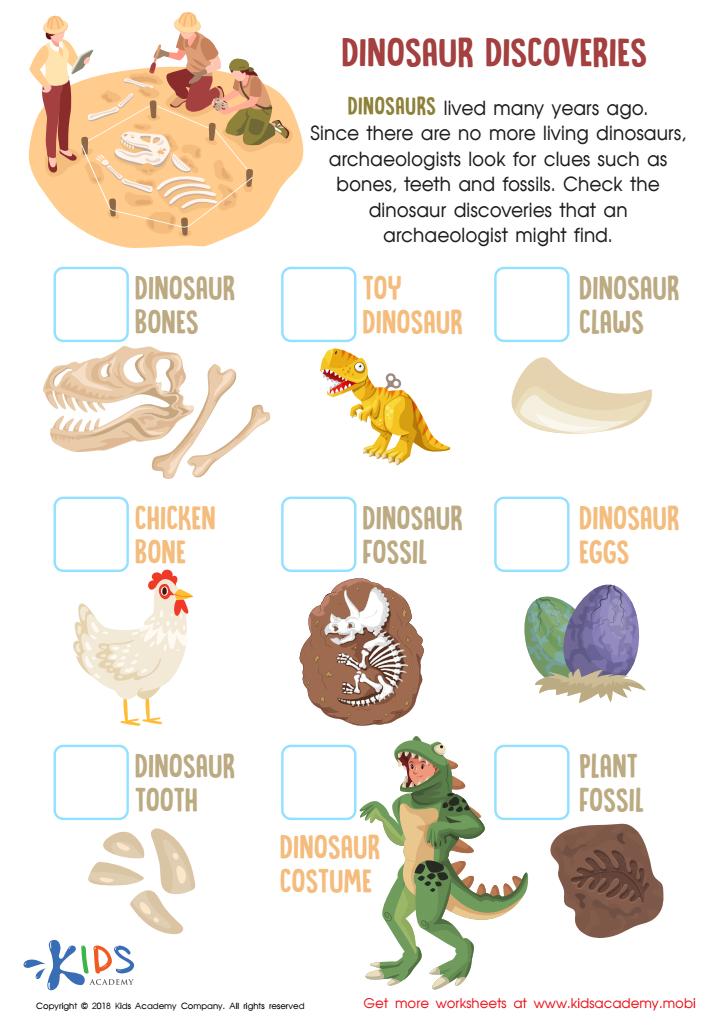
Dinosaur Discoveries Worksheet
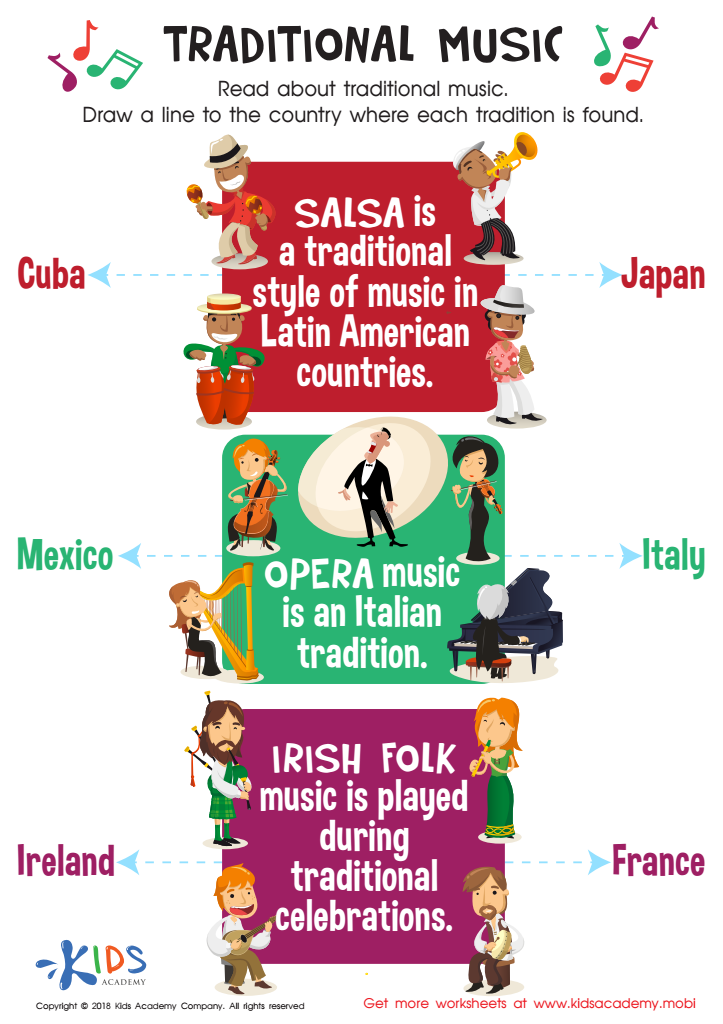
Traditional Music Worksheet
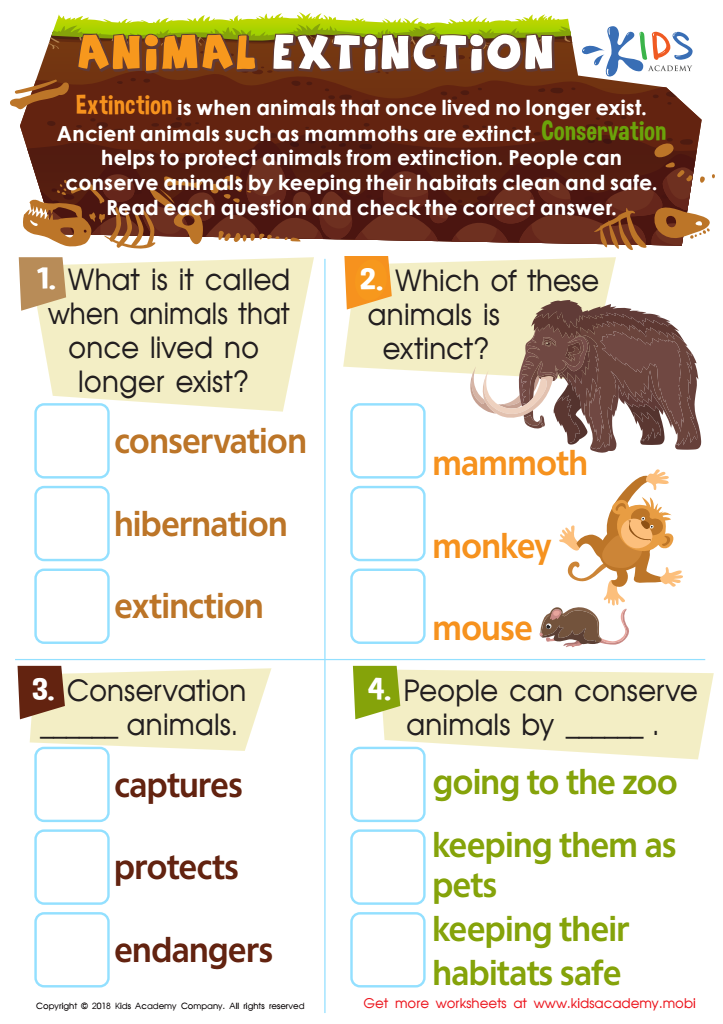
Animal Extinction Worksheet
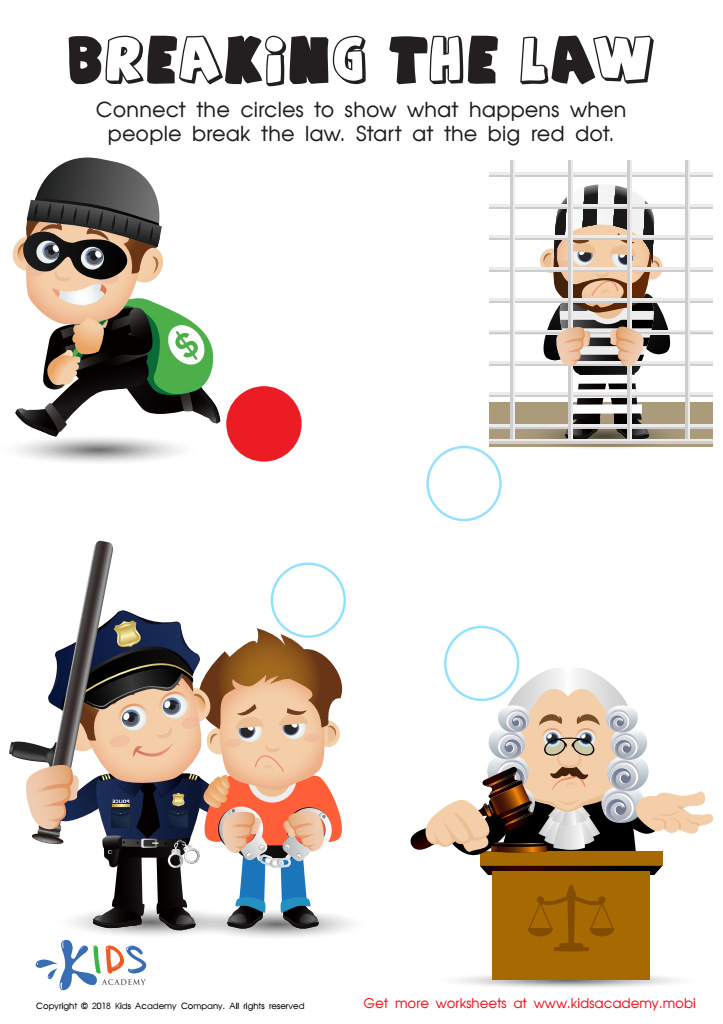
Breaking the Law Worksheet
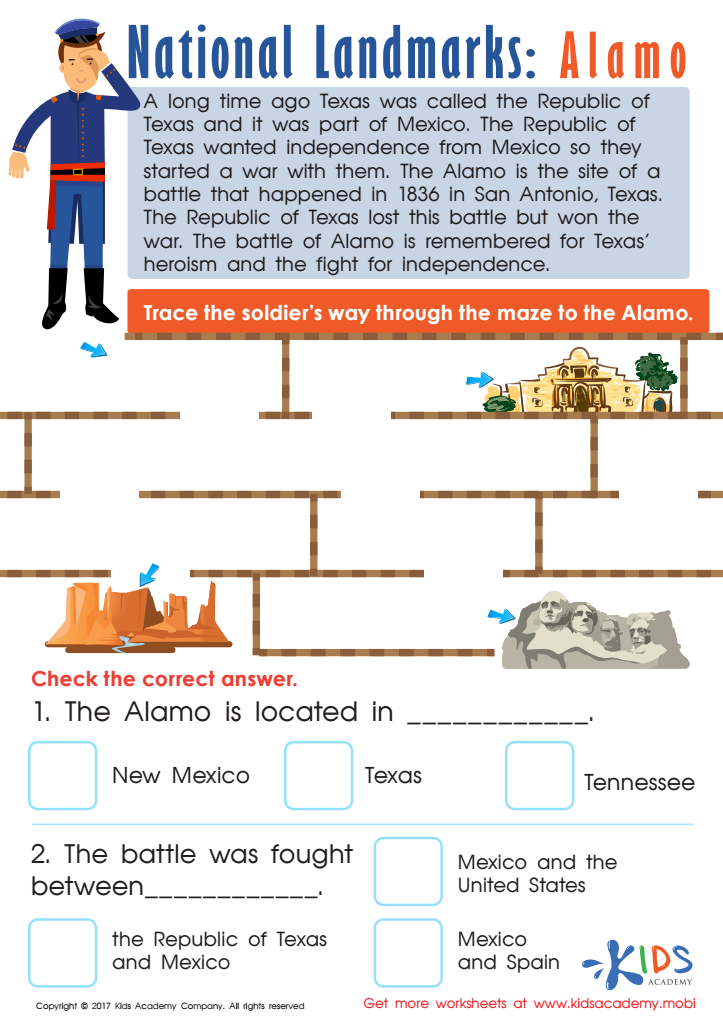
Alamo Printable Worksheet
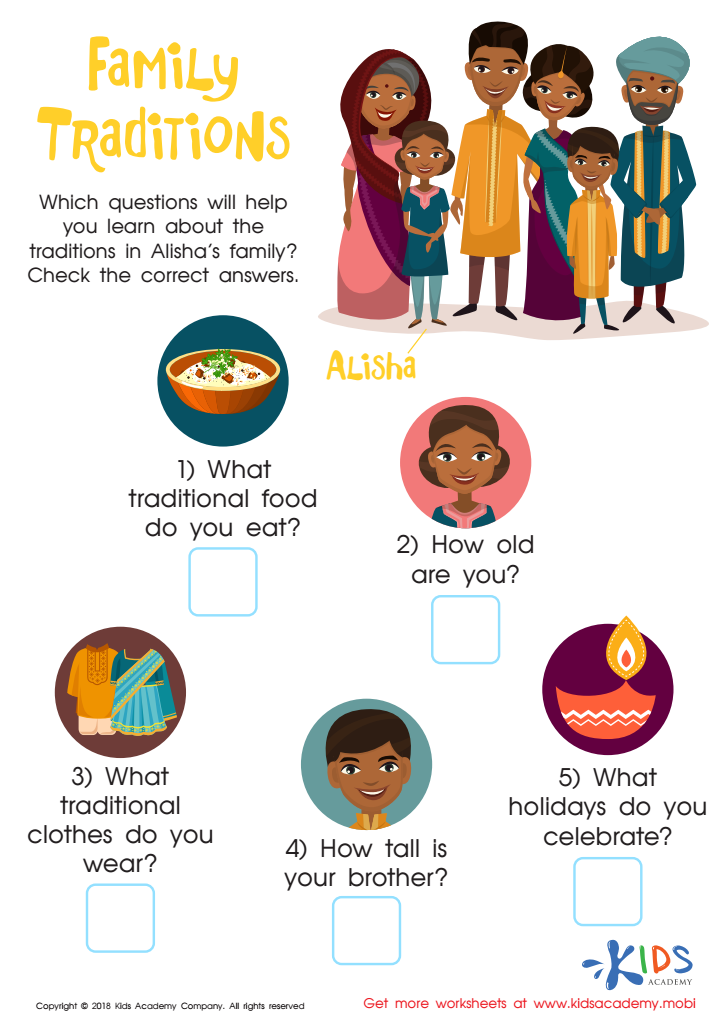
Family Traditions Worksheet
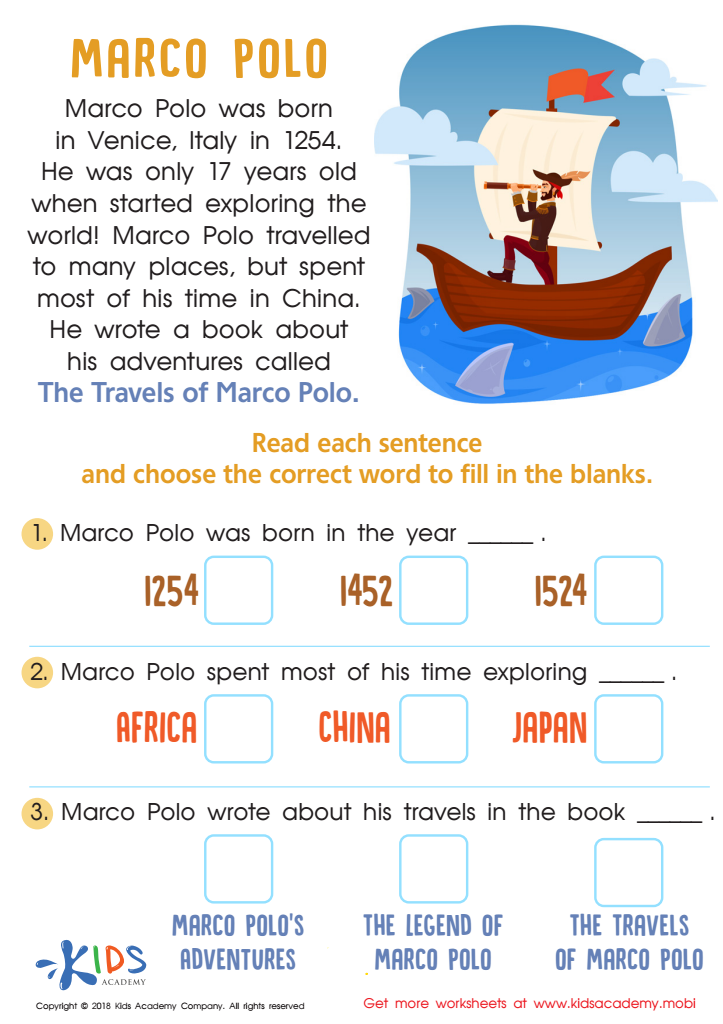
Marco Polo Worksheet
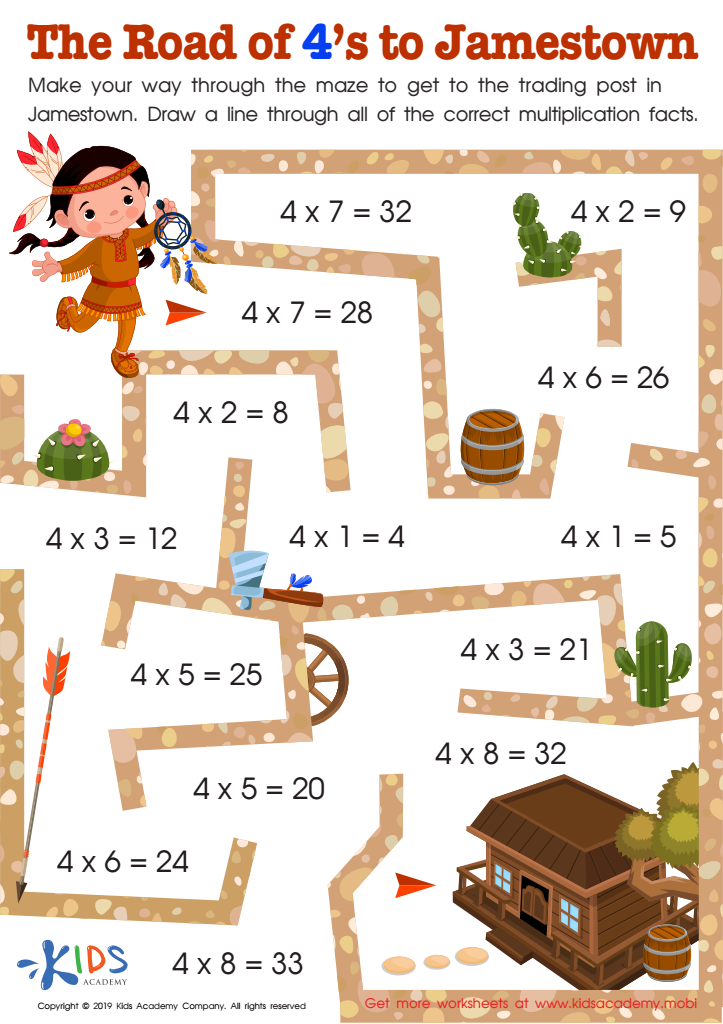
The Road of 4’s to Jamestown Worksheet








Critical thinking in social studies for ages 3-9 is essential for nurturing informed, engaged, and responsible citizens. At this formative stage, children are naturally curious about the world around them. Combining critical thinking with social studies helps them develop essential skills such as questioning, analyzing information, and forming reasoned conclusions.
Engaging with social studies encourages young learners to explore diverse cultures, histories, and perspectives, fostering empathy and respect for differences. Critical thinking equips them to evaluate information from various sources, a crucial skill in today’s rapidly changing society, where media literacy is paramount. Parents and teachers play a vital role in guiding children through discussions and activities that promote inquiry-based learning, enabling students to ask "why", "how", and "what if".
Moreover, developing critical thinking skills promotes problem-solving abilities, enabling children to tackle real-world issues as they grow. This foundation fosters not only cognitive development but also social responsibility. By prioritizing critical thinking in social studies, parents and teachers can empower children to become active participants in their communities, embracing their roles as thoughtful, curious, and compassionate individuals. Ultimately, it sets the stage for lifelong learning, equipping them with the skills they need to navigate an increasingly complex world.








