Community Worksheets for Ages 3-9 - Page 2
31 filtered results
-
From - To
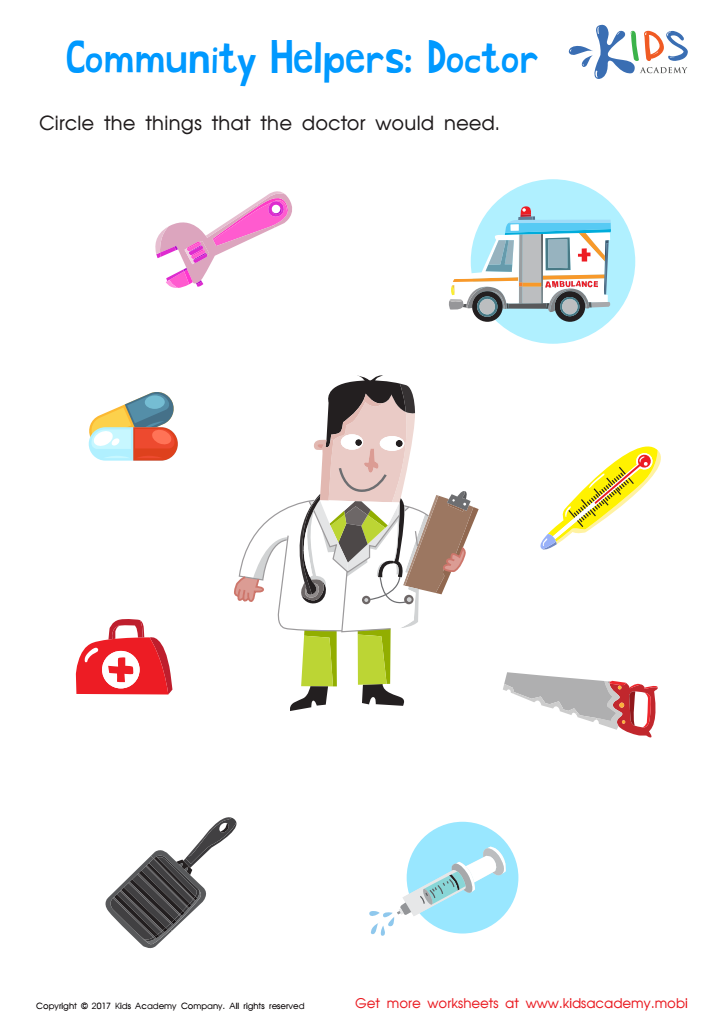
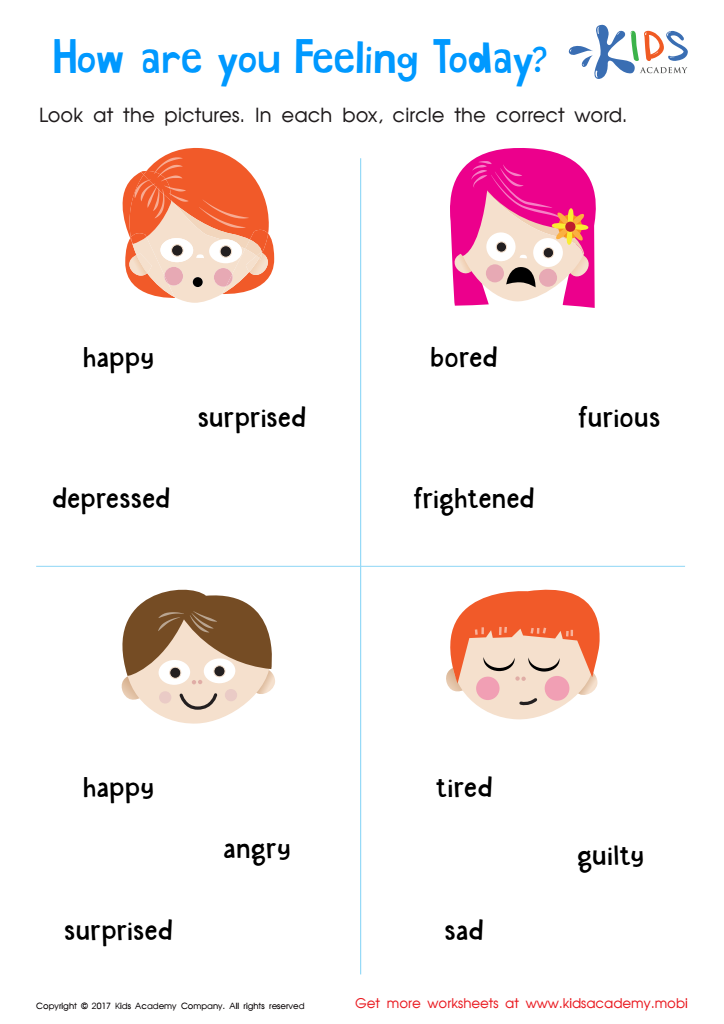
Understanding Feelings Worksheet
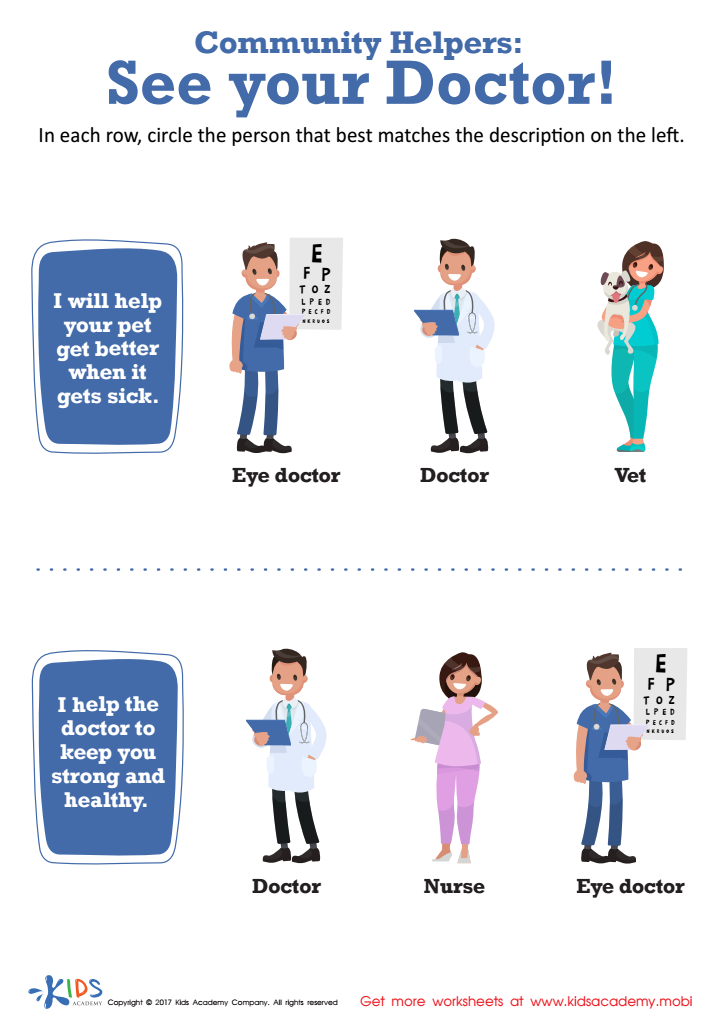
See Your Doctor (Part 2) Printable

Family Coloring Page
 Assign to My Students
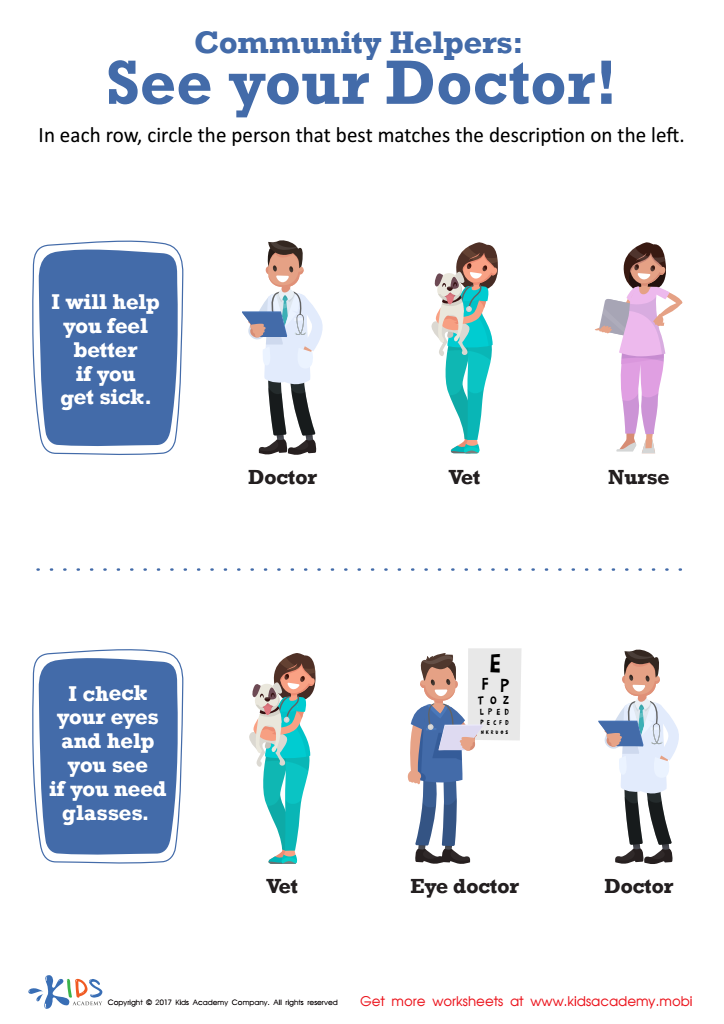
See Your Doctor (Part 1) Printable
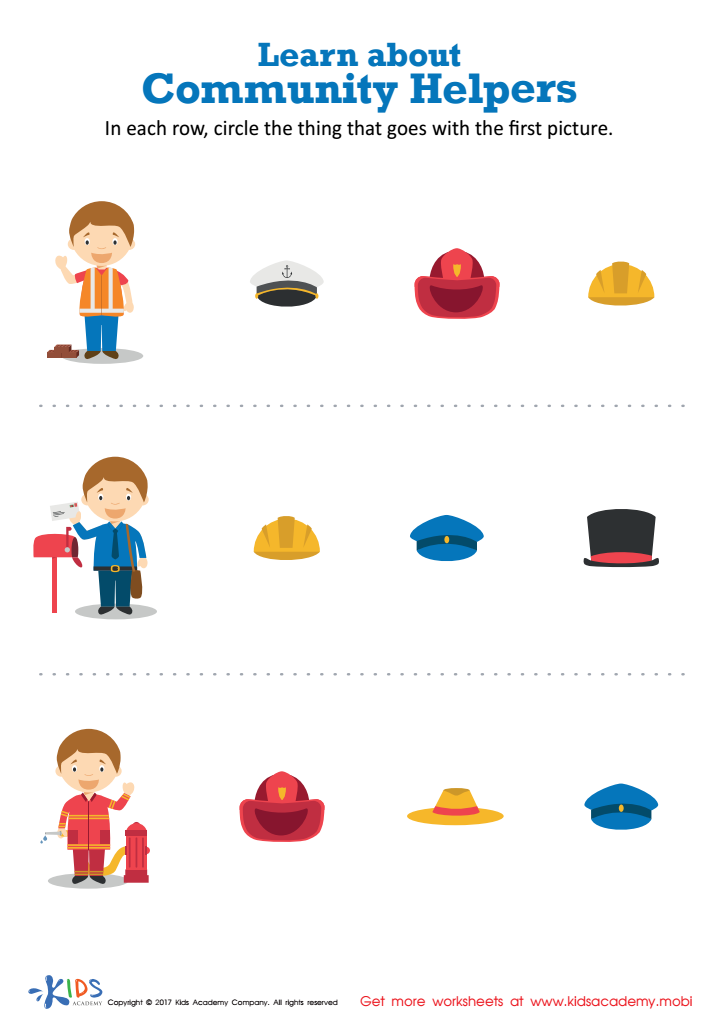
Learn about Community Helpers Printable
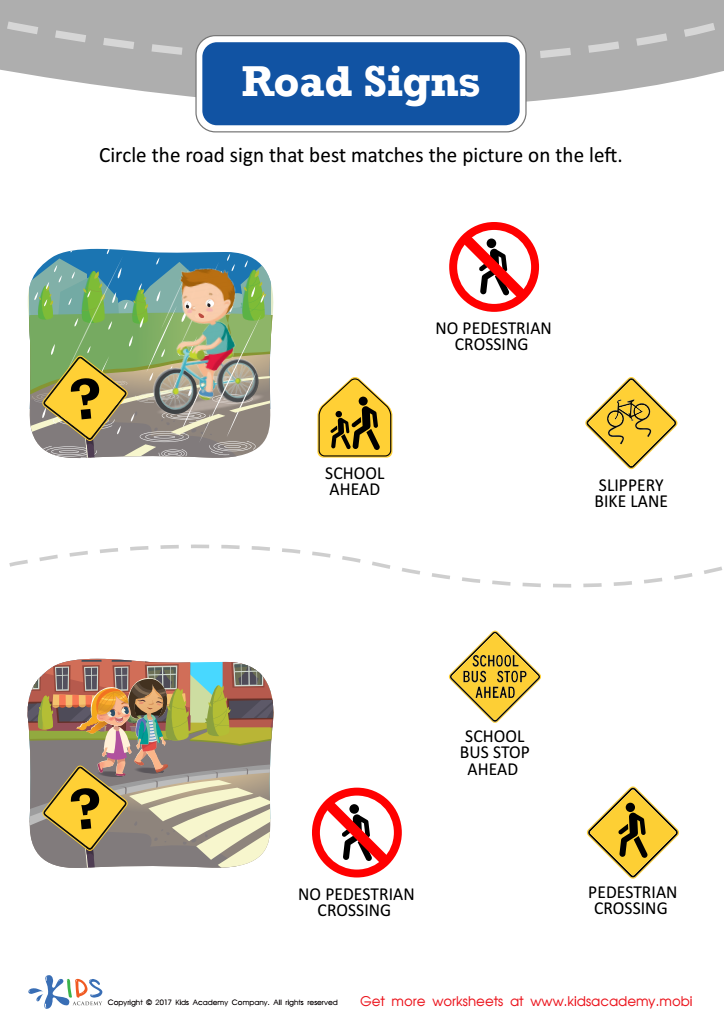
Road Signs (Part 2) Printable







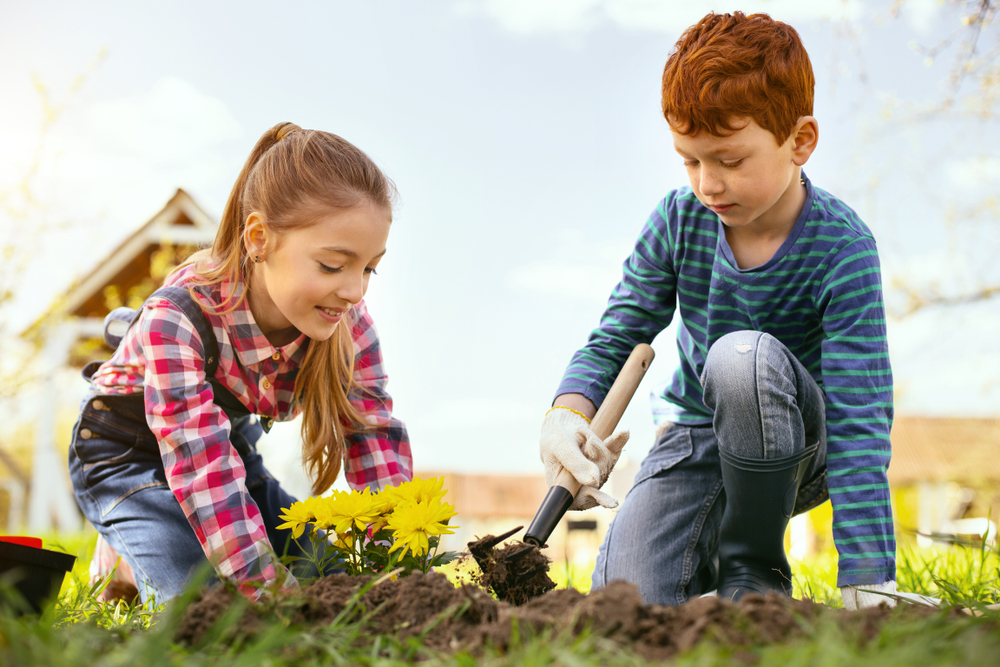
Parents and teachers should deeply care about community for children ages 3-9 because early social environments play a foundational role in shaping their social, emotional, and cognitive development. During these formative years, children begin to learn essential life skills such as empathy, cooperation, and effective communication. By actively engaging with a community, children gain exposure to diverse social situations, encouraging them to adapt and build resilience.
A well-integrated community provides a sense of belonging and security, which is crucial for young children as they transition from home to school and other settings. This sense of belonging fosters self-esteem and encourages children to take on new challenges confidently. Moreover, community involvement enables parents, teachers, and caregivers to share resources and collaborate on best practices, ensuring children receive a consistent and holistic support system.
Involvement in a community also enhances parental engagement, contributing to more effective educational outcomes. When parents and teachers work collaboratively within a supportive community, they are better equipped to address the individual needs of each child, create enriching learning experiences, and intervene early when issues arise. Overall, a strong, supportive community is integral to nurturing well-rounded, emotionally healthy, and socially adept children.