Handwriting practice Worksheets for 3-Year-Olds - Page 2
61 filtered results
-
From - To
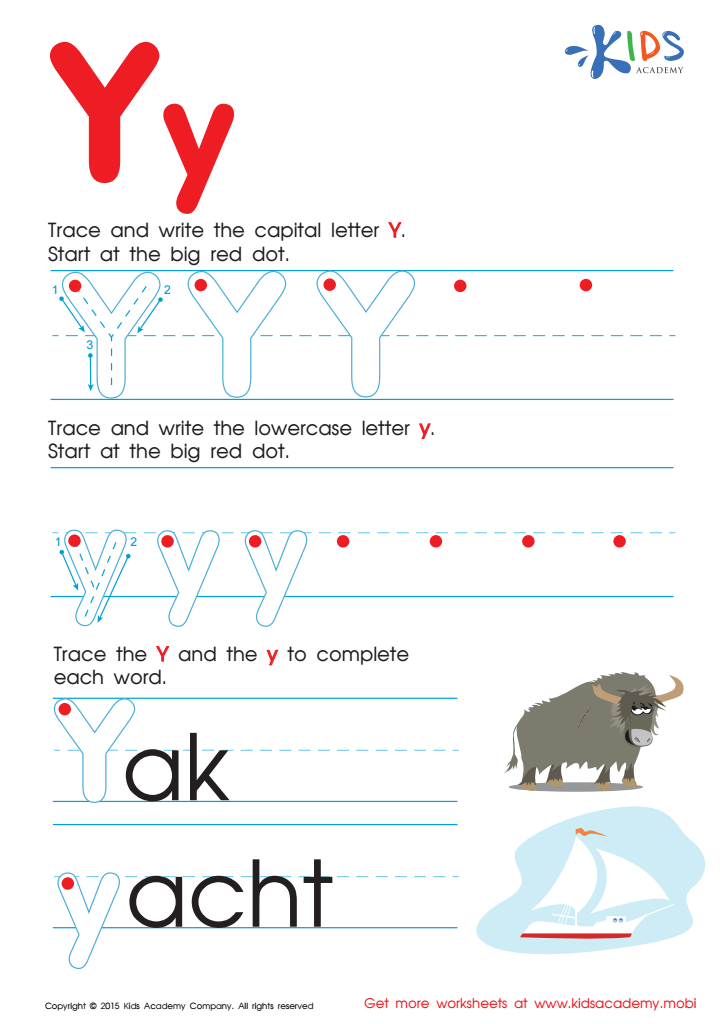
Letter Y Tracing Page
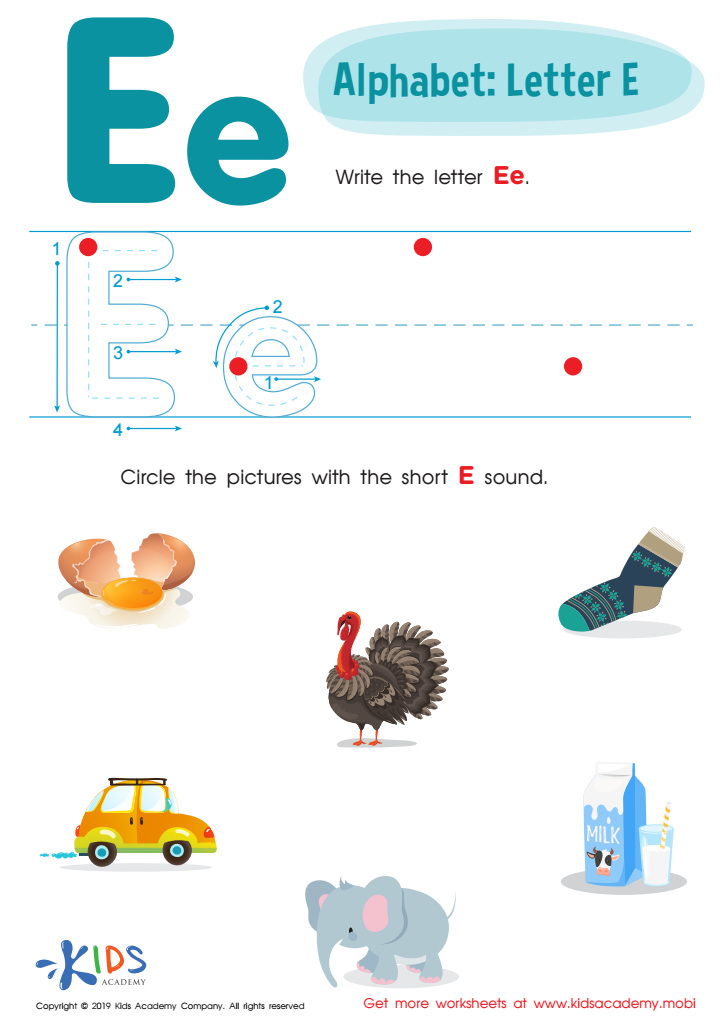
Letter E Tracing Worksheet
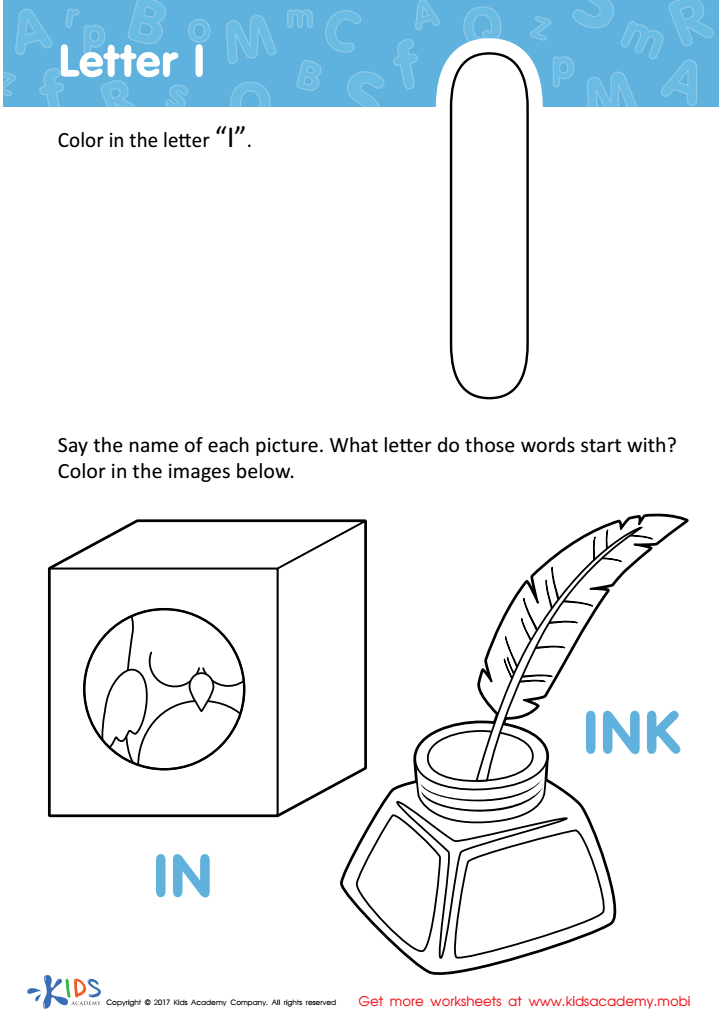
Letter I Coloring Sheet
 Assign to My Students
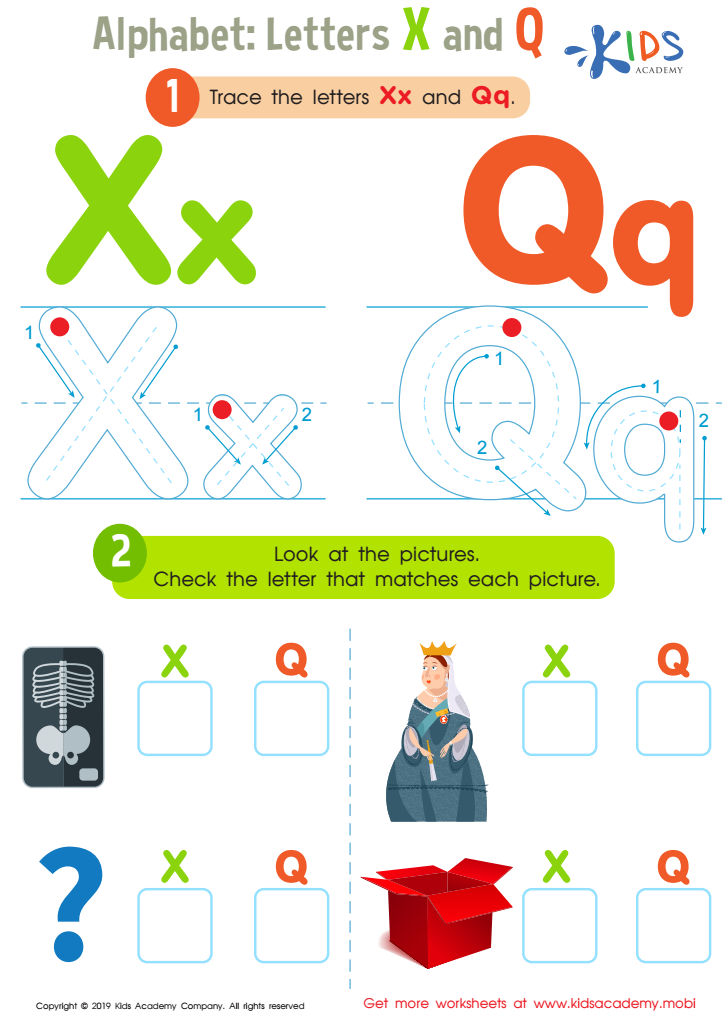
Letters X and Q Tracing Worksheet
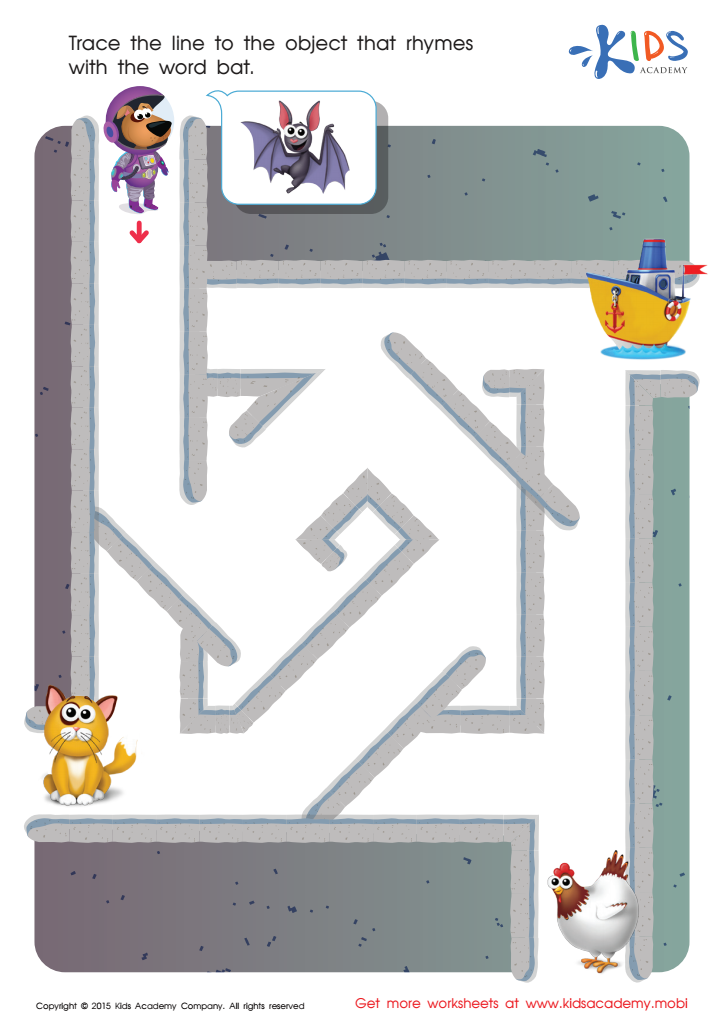
Bat Rhyming Words Worksheet
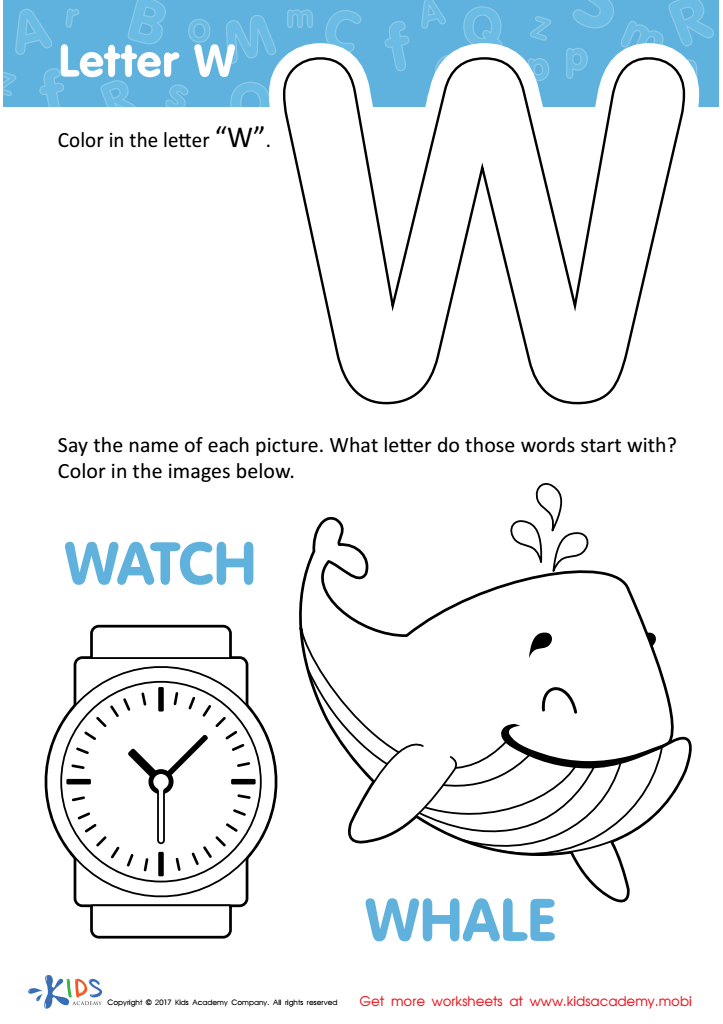
Letter W Coloring Sheet
Assign to My Students
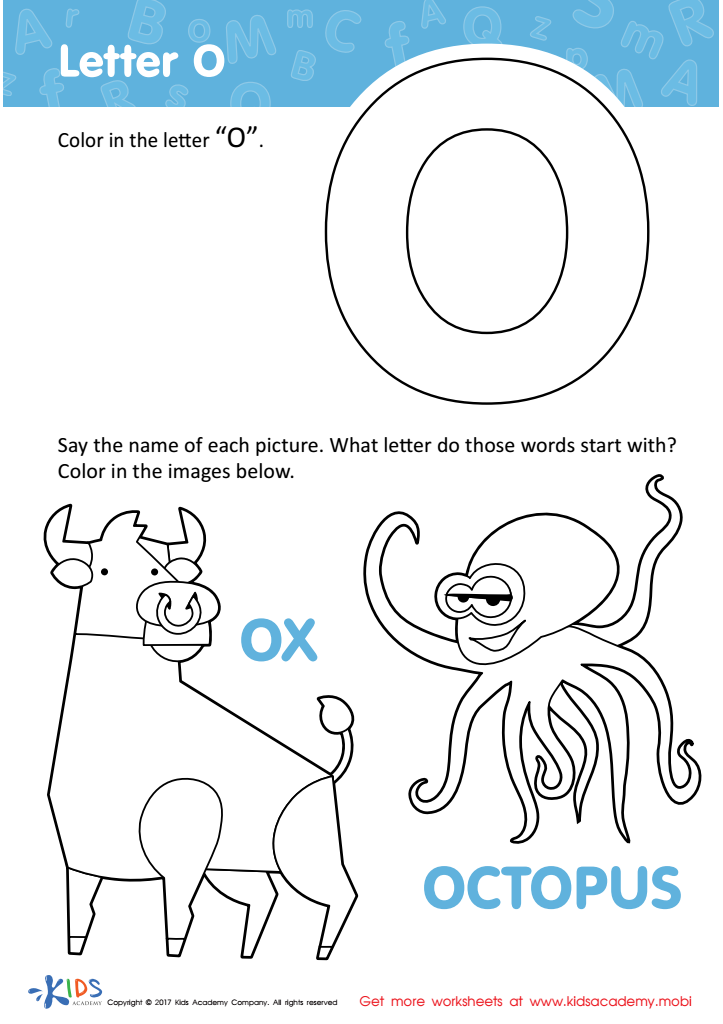
Letter O Coloring Sheet
Assign to My Students
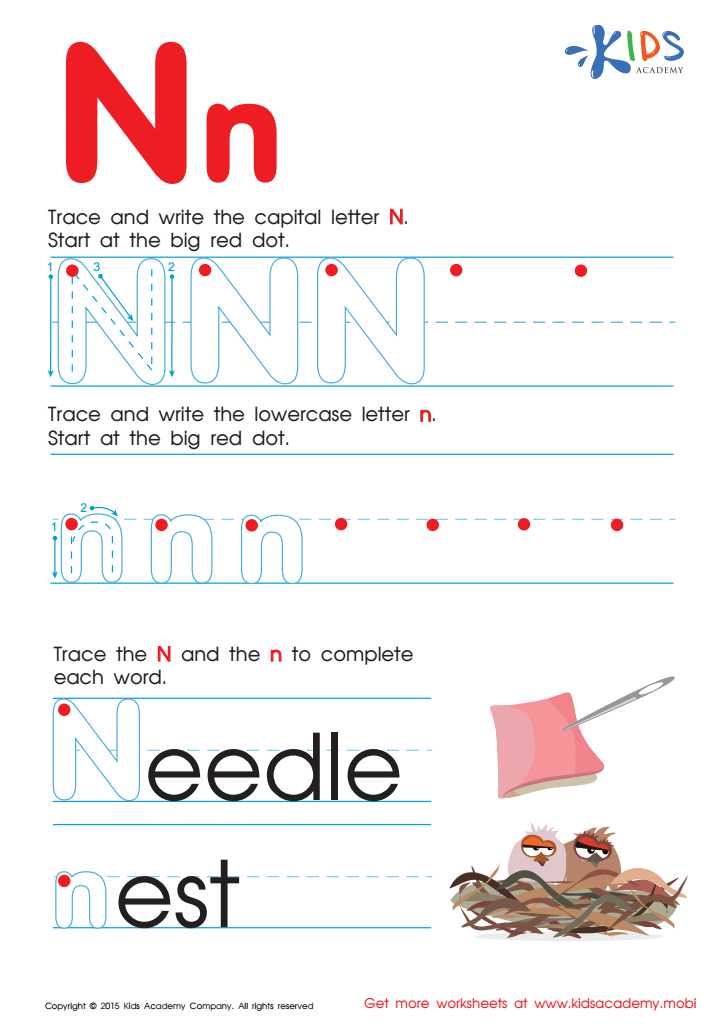
Letter N Tracing Page
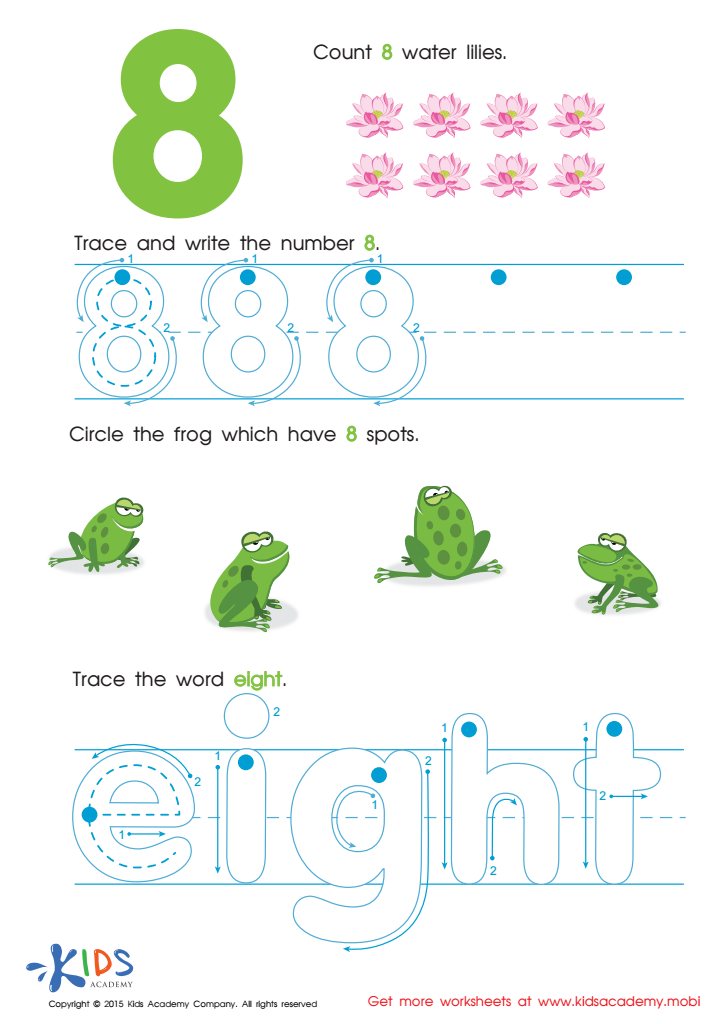
Learn Number 8 Easily Worksheet

Count the Carrots and Trace the Number 7 Printable
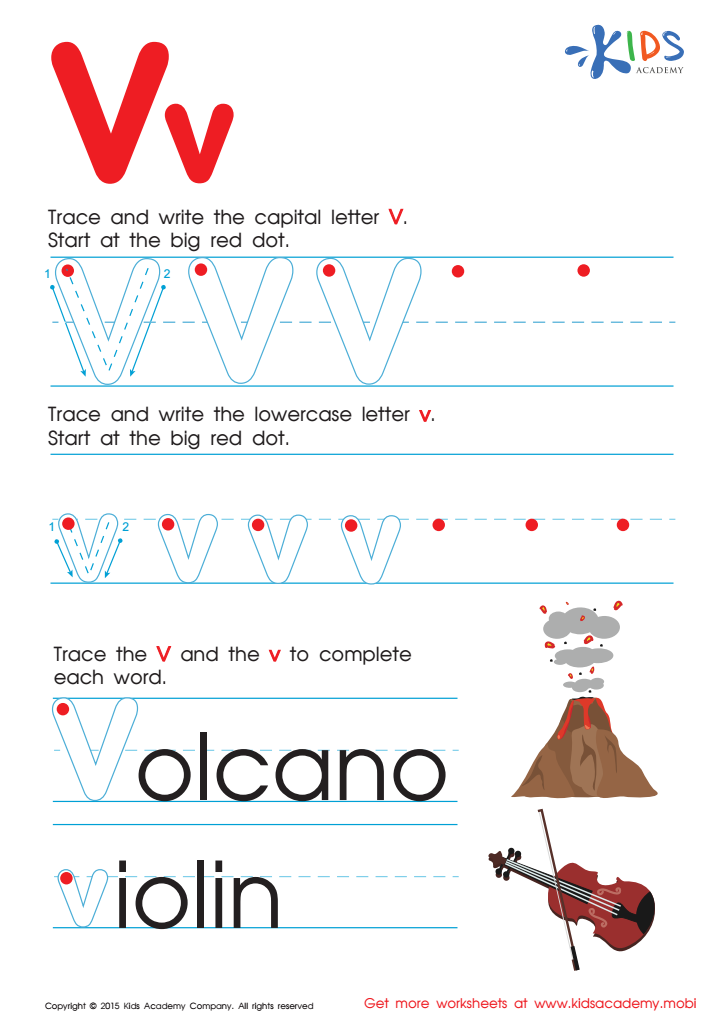
Letter V Tracing Page
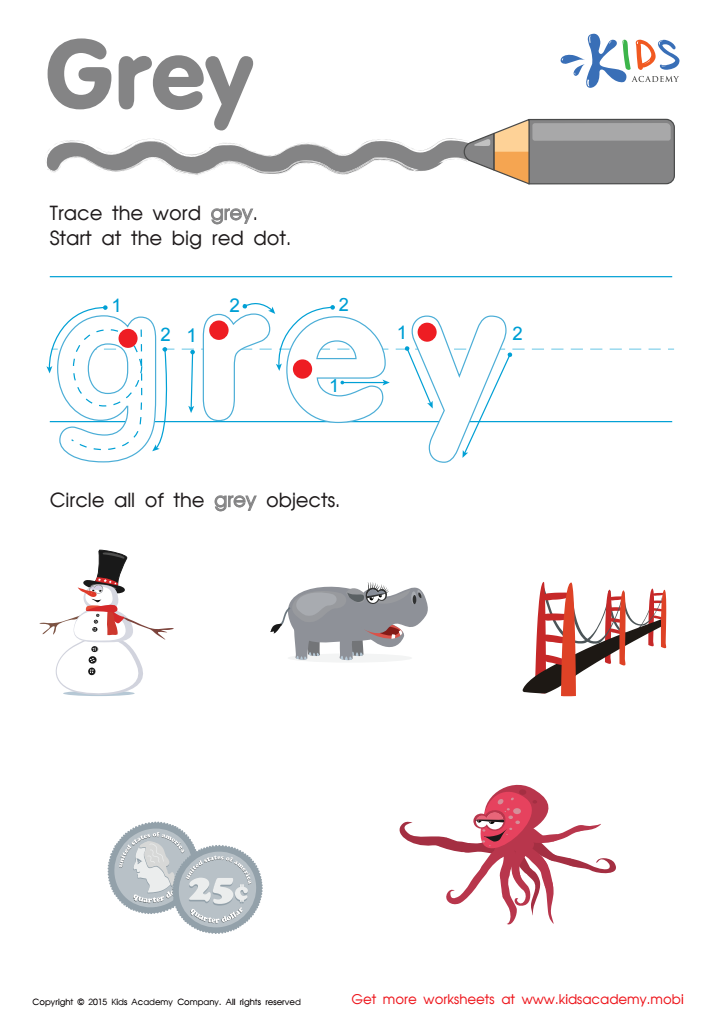
Grey Tracing Color Words Worksheet
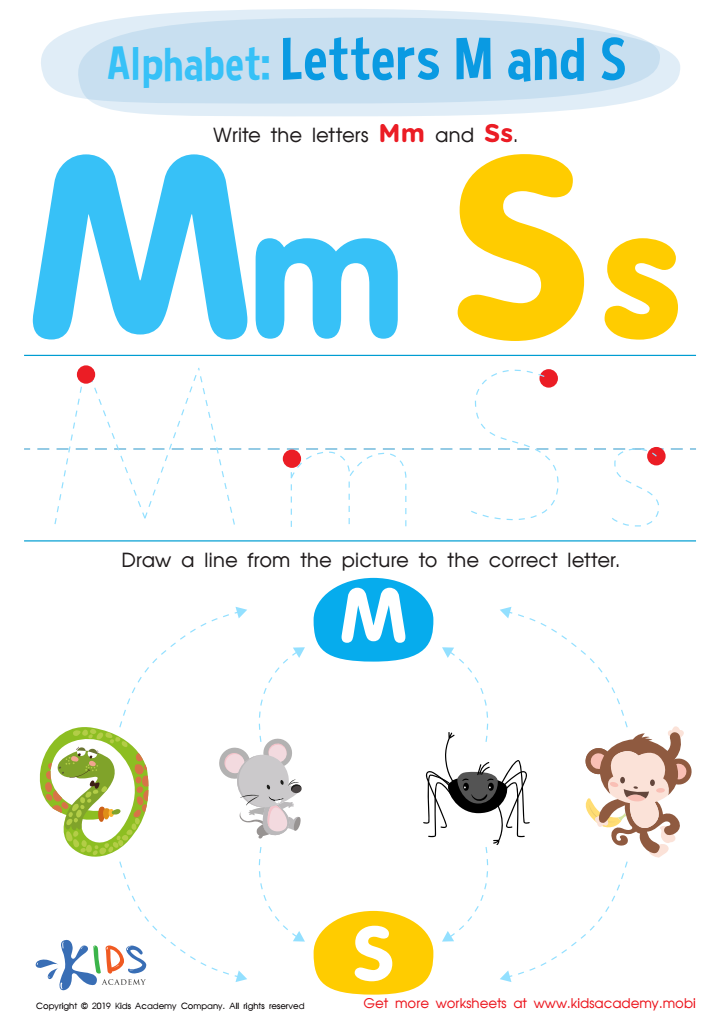
Letters M and S Tracing Worksheet
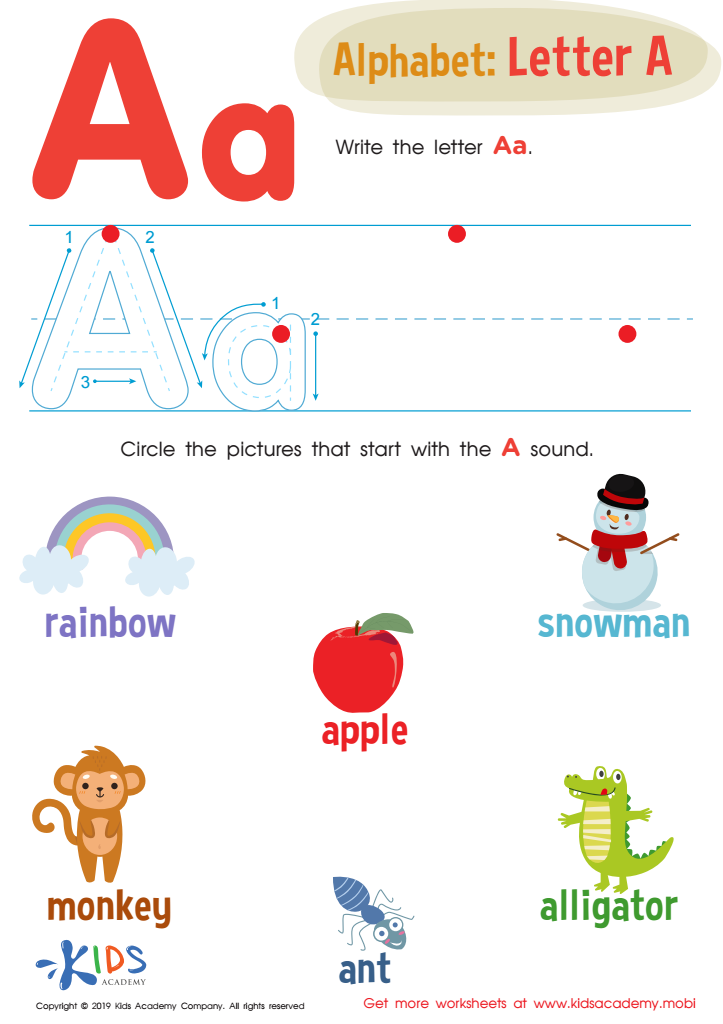
Letter A Tracing Worksheet
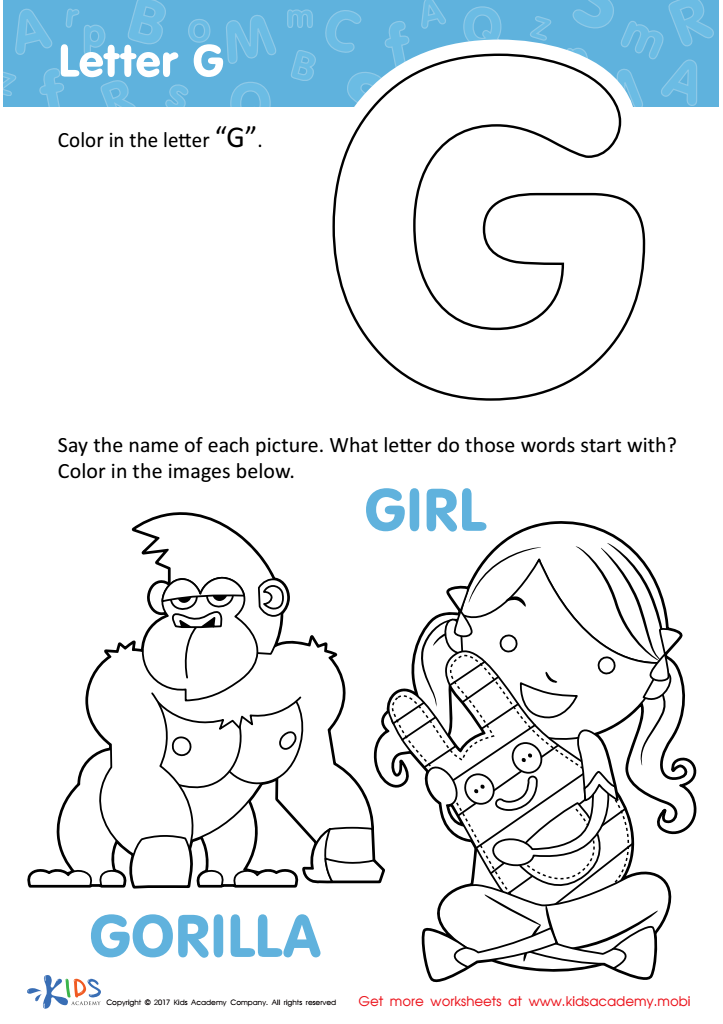
Letter G Coloring Sheet
Assign to My Students
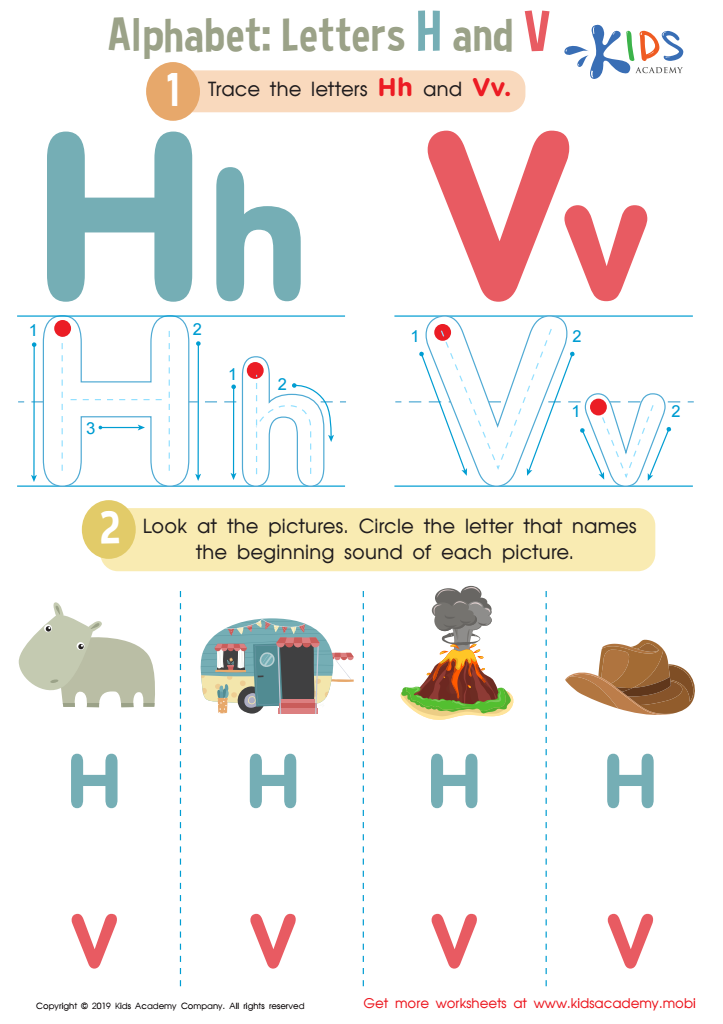
Letters H and V Tracing Worksheet
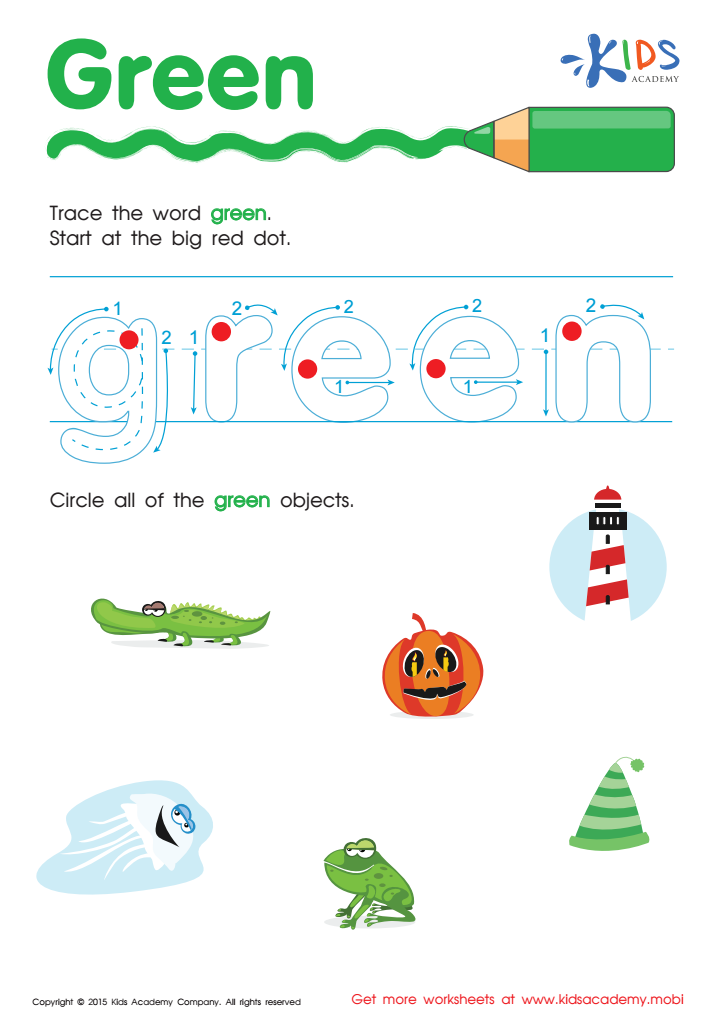
Green Tracing Color Words Worksheet
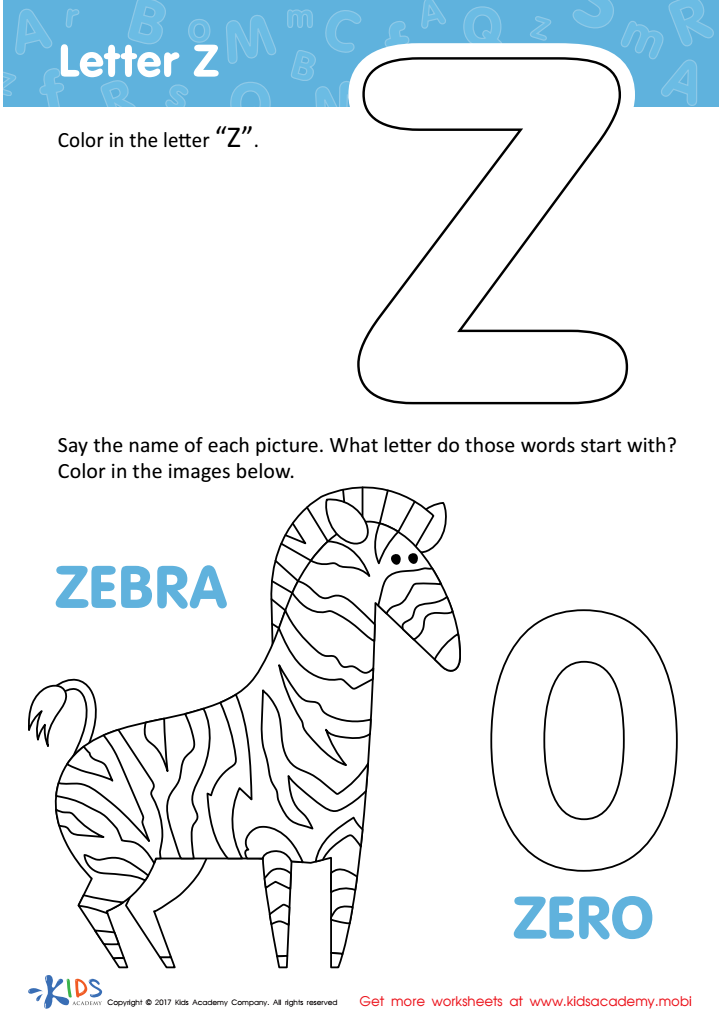
Letter Z Coloring Sheet
Assign to My Students
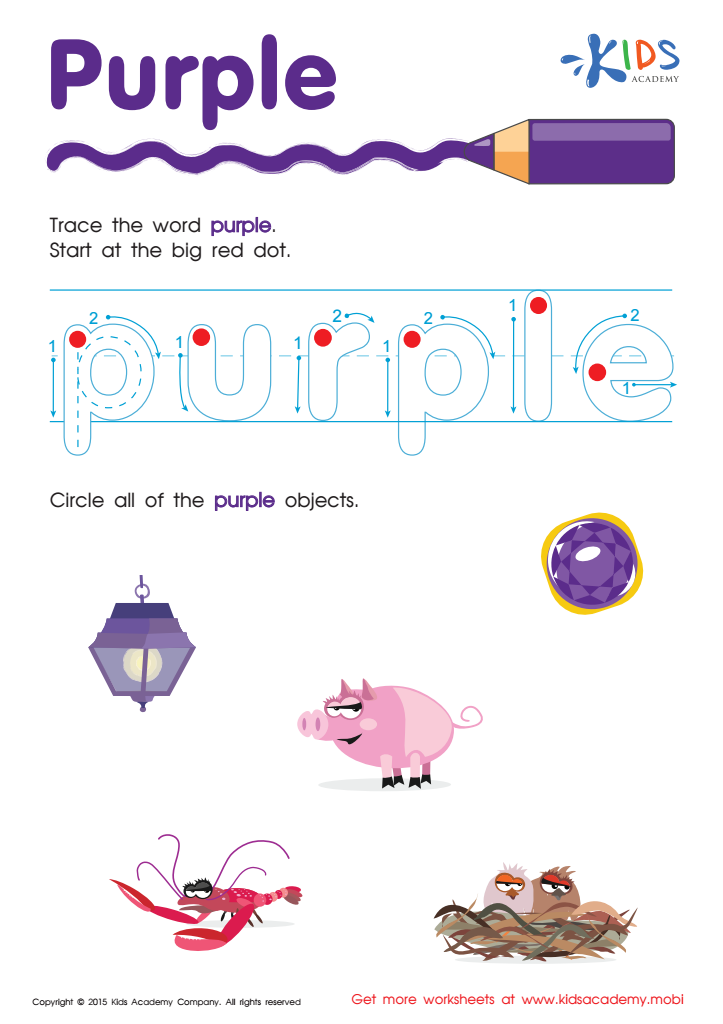
Purple Tracing Color Words Worksheet
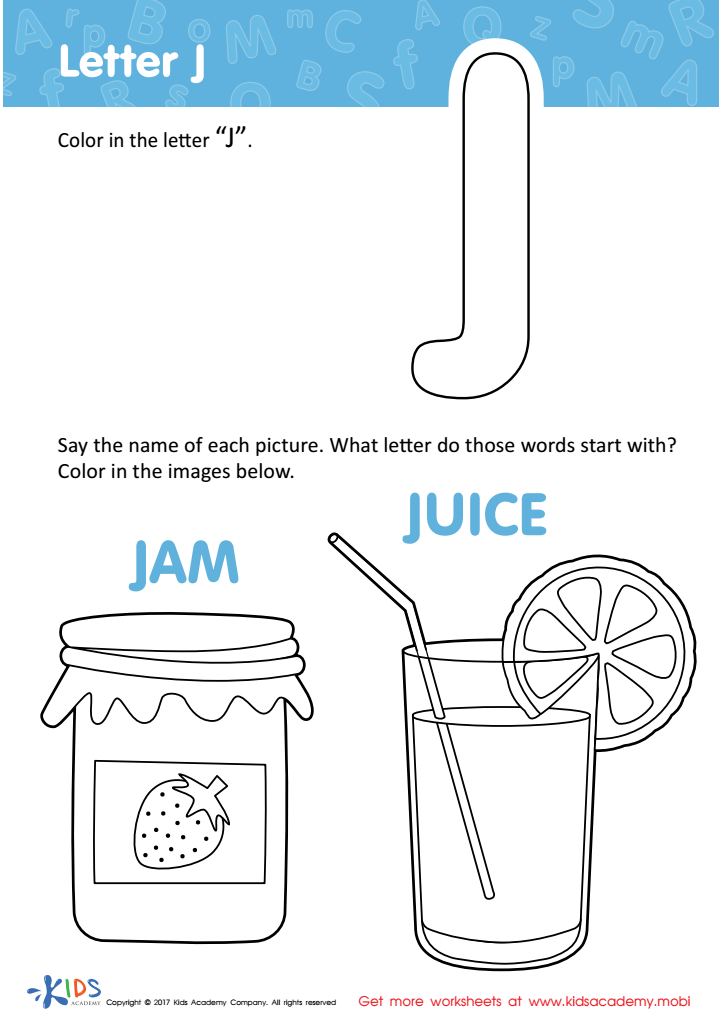
Letter J Coloring Sheet
Assign to My Students
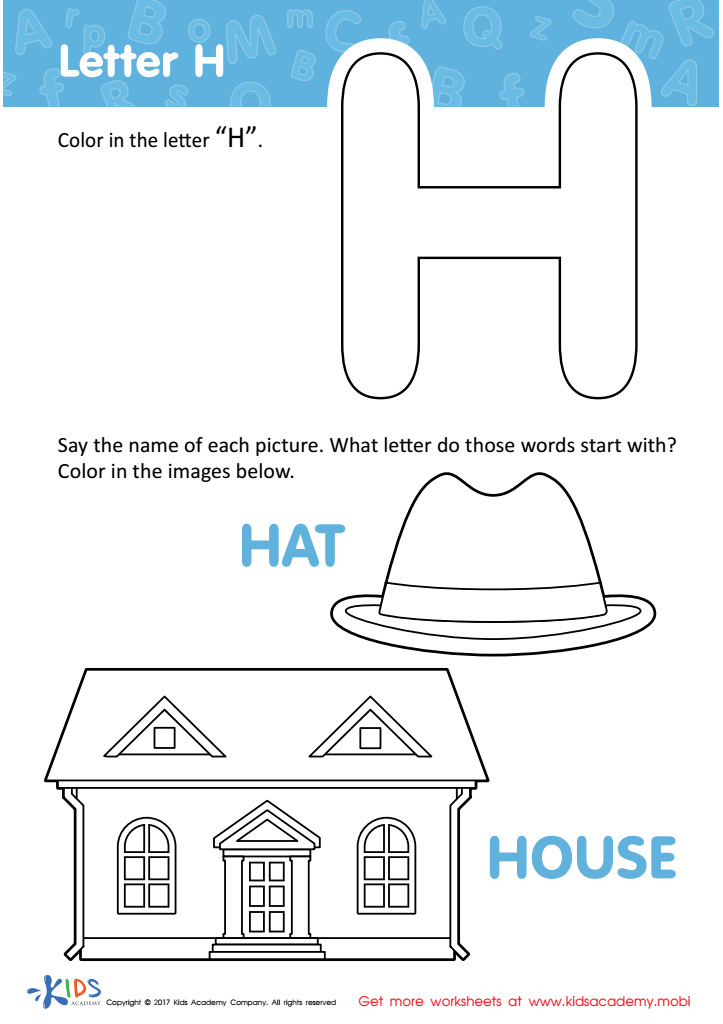
Letter H Coloring Sheet
Assign to My Students
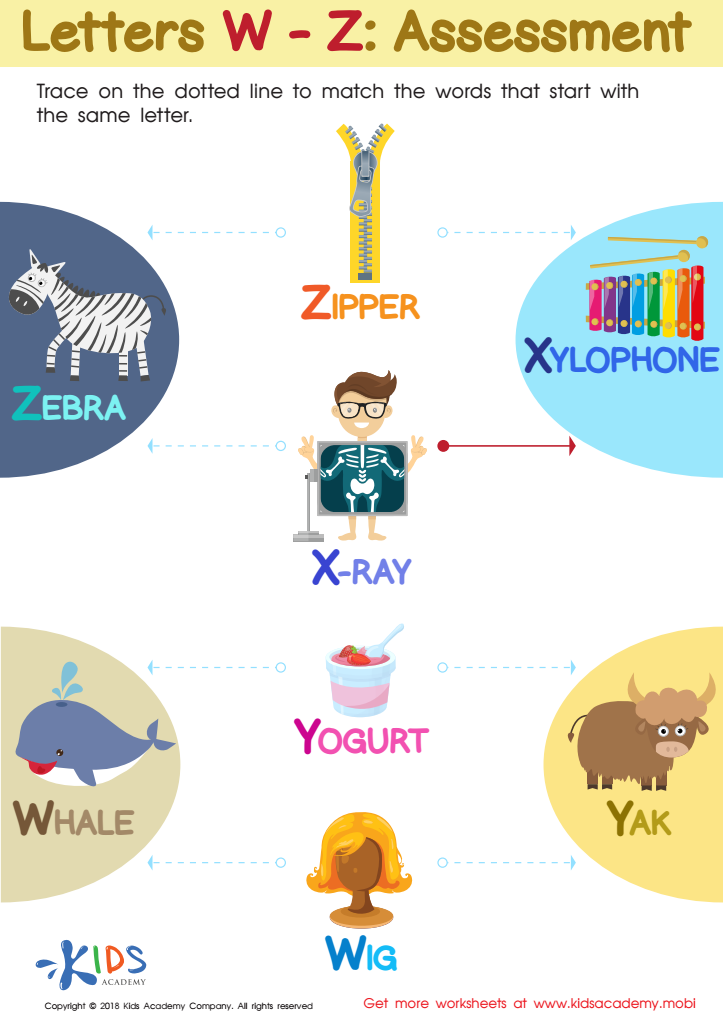
Letters W–Z Tracing Worksheet
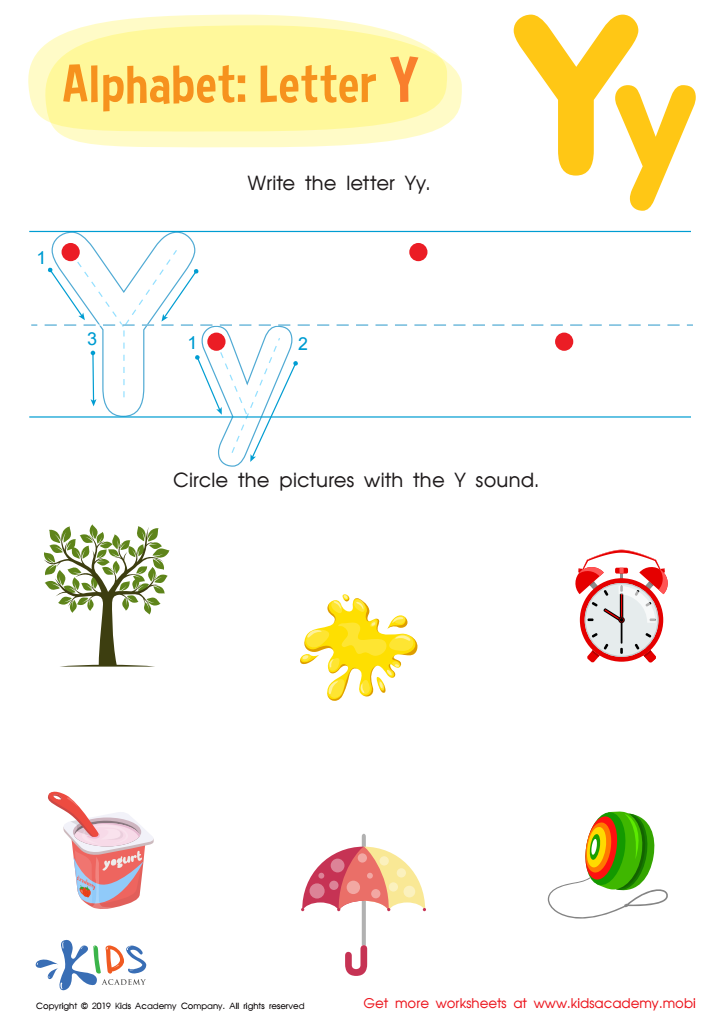
Letter Y Tracing Worksheet
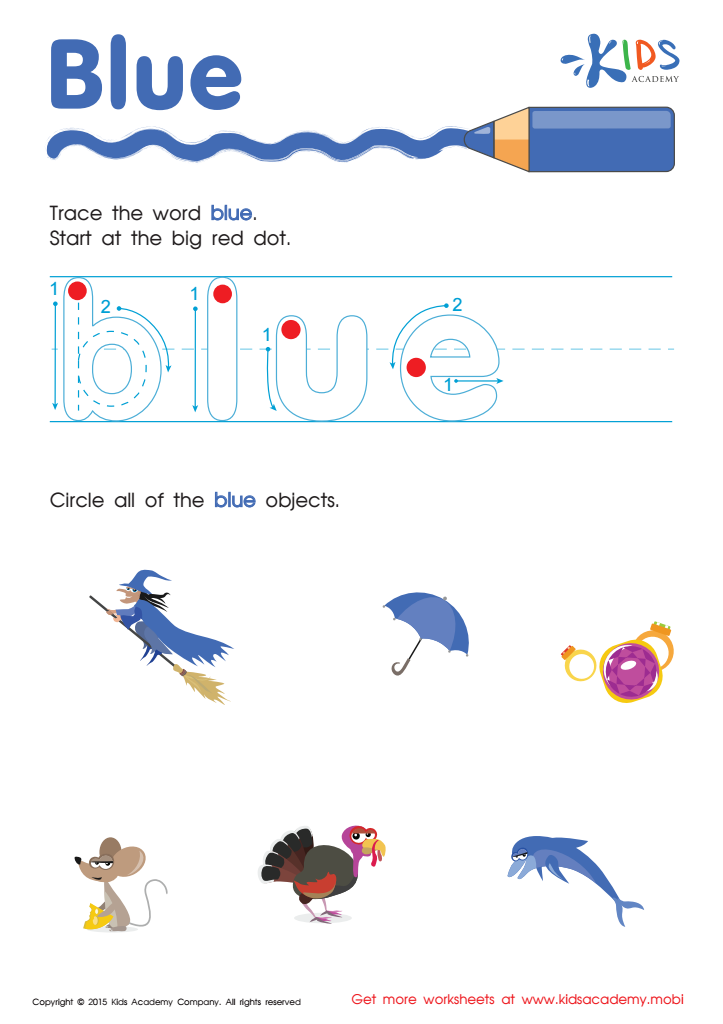
Blue Tracing Color Words Printable




.jpg)

Handwriting practice is crucial for 3-year-olds, even in an age dominated by digital technology. Firstly, it lays the foundation for essential fine motor skills, including hand-eye coordination and muscle control. Engaging small children in activities like tracing and drawing shapes boosts dexterity and prepares them for writing letters and numbers as they grow.
Secondly, learning to control a pencil enhances cognitive development. Handwriting involves multiple brain processes, such as memory recall and concentration. This mental engagement can accelerate learning in other academic areas, making it easier for children to grasp basic math, reading, and spelling.
Moreover, handwriting practice fosters creativity. Drawing and doodling encourage kids to express their thoughts and feelings visually, assisting emotional development. When children see their ideas take form on paper, they also build self-confidence and an unwavering sense of accomplishment.
In addition, handwriting offers a personal touch. It connects children to their work in ways that typing can't by providing a tangible result of their efforts. Improving handwriting at a young age ensures that future tasks, including note-taking and essay writing, are carried out efficiently and legibly.
Parents and teachers must recognize that early handwriting practice spans beyond just penmanship—it equips children with a plethora of life-long skills critical for personal and academic success.








